

P0333 on 2016-2018 Cadillac CTS-V: Knock Sensor Circuit Causes and Fixes
On a 2016-2018 CTS-V, code P0333 is often caused by electrical issues, not a bad knock sensor. Per GM bulletins, check for voltage bleeding from the transmission shifter wiring or problems at the ECM X2 connector before replacing any parts. If the sensor must be replaced, use the correct OEM part (12627516), as common parts databases incorrectly list the camshaft sensor for this code.
- For a 2016-2018 CTS-V, P0333 is often an electrical issue, not a bad sensor.
- Always check for the specific symptom of the code appearing when shifting out of Park, as this points to a known TSB issue.
- Inspect the ECM X2 connector for corrosion or damage as a primary diagnostic step.
- Do not replace the knock sensor until you have ruled out the specific wiring issues identified in GM's service bulletins.
What's Unique About the 2016-2018 Cadillac CTS-V
For this specific high-performance sedan, the P0333 code is frequently an electrical anomaly rather than a failed sensor. General Motors has issued Technical Service Bulletins (TSBs) pointing to two specific, non-obvious causes: voltage from the transmission's park/neutral signal wire bleeding into the knock sensor circuit when shifting, and electrical issues at the main ECM connector. This makes a careful wiring diagnosis more critical on the CTS-V and its platform mates (like the Corvette Z06 and Camaro ZL1) than on other vehicles where P0333 might simply mean a bad sensor.
Diagnostic Flowchart
Tap your situation to follow the diagnostic path that matches what you're seeing on this vehicle.
Symptoms You May Notice
- Check Engine Light (Malfunction Indicator Lamp) is on
- Reduced engine power or sluggish acceleration
- Engine may run rough or hesitate
- Audible engine pinging or knocking (less common, as the code often indicates a circuit fault, not actual knock)
- Code may appear specifically when shifting the transmission out of Park
- Immediately replacing the knock sensor without checking for the TSB-related wiring issues. The provided TSBs strongly suggest that wiring is a more common culprit on this platform.
- Using the wrong part. Many parts catalogs incorrectly list the camshaft position sensor (12623093) for a P0333 code. The knock sensor is a different part entirely.
Most Likely Causes
- Voltage Bleed from Transmission Park/Neutral Signal Circuit 🔴 High Probability This is a documented issue in GM Preliminary Information Bulletin #PIP5576 and its successor, #20-NA-207. The wiring for the transmission signal can interfere with the sensitive knock sensor circuit, causing a false high voltage reading.
How to confirm: Check if the P0333 code sets consistently immediately after shifting the transmission from Park to Drive or Reverse. This is the hallmark symptom described in the TSB.
Typical fix: The official GM fix directs technicians to inspect the K20 ECM X2 electrical connector for issues first. If the connector is clean and intact, the harness may need to be inspected for chafing or damage where the transmission and knock sensor circuits run close together.
Est. part cost: $5-$25 - Electrical Concern at ECM X2 Connector 🟡 Medium Probability GM Technical Service Bulletin #20-NA-207 specifically calls out this connector as a potential source for P0333. The ECM is located behind the passenger-side front wheel well liner, a location that can be exposed to moisture and debris kicked up by the tire.
How to confirm: Disconnect the battery. Remove the passenger front wheel and wheel well liner to access the K20 Engine Control Module (ECM). Disconnect the X2 electrical connector and carefully inspect for any debris, corrosion, moisture, or bent/loose pins. Pin 29 is the signal wire for the Bank 2 knock sensor on LT engines.
Typical fix: Clean the connector and pins with a dedicated electrical contact cleaner. Apply dielectric grease upon reassembly to prevent future moisture intrusion. If terminals are damaged, they may need to be professionally repaired or replaced.
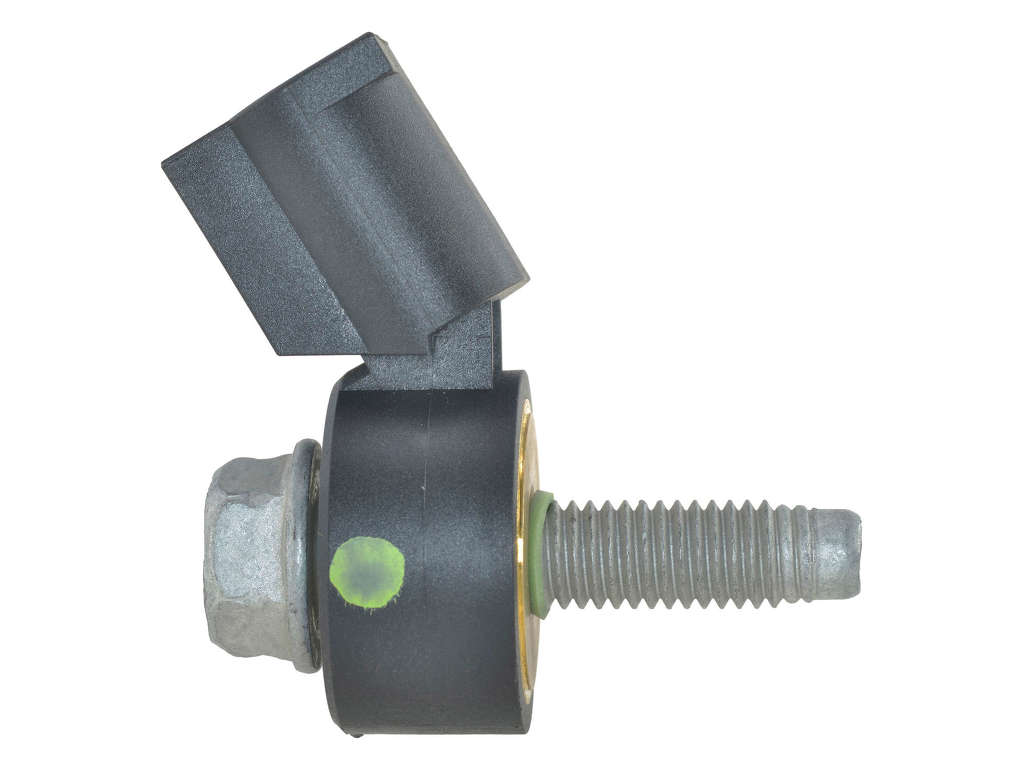
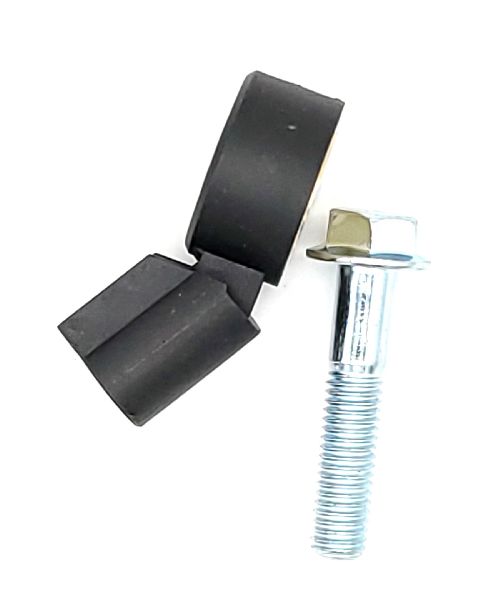
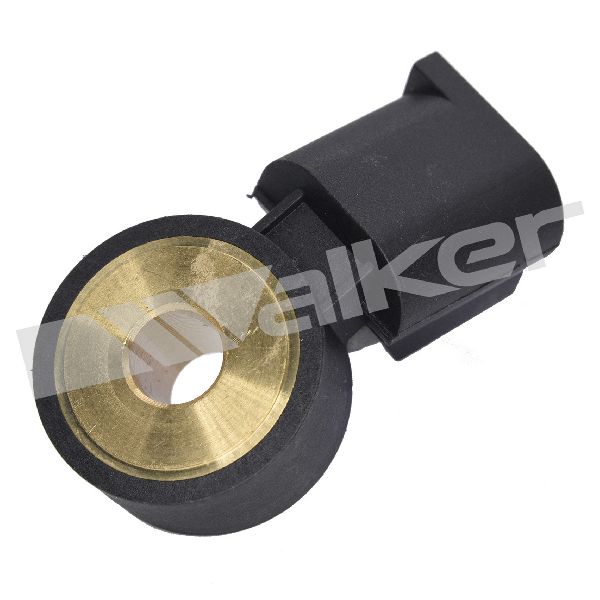
Est. part cost: $10-$50 - Faulty Knock Sensor (Bank 2) 🟡 Medium Probability → Shop Ignition Knock (Detonation) Sensor
How to confirm: The sensor is located on the passenger side of the engine block, and access may require removing the starter. Test the sensor's internal resistance with a multimeter (typically 93-100k ohms). You can also swap the Bank 1 and Bank 2 sensors to see if the fault code changes to P0328 (Bank 1 High Input).
Typical fix: Replace the Bank 2 knock sensor. WARNING: The sensor is often threaded into a block coolant drain passage, and removing it will cause coolant to pour out. Ensure the mounting surface is clean and the bolt is tightened to the correct torque specification of 18 lb-ft (25 Nm), as improper torque can affect sensor readings.
Est. part cost: $45-$80 - Damaged Wiring or Connector at the Sensor ⚪ Low Probability The high-output supercharged engine generates significant heat. Aftermarket modifications, like headers, can route dangerously close to the knock sensor harness, melting the insulation and causing a short. Wires can also be damaged during other repairs, such as a starter replacement.
How to confirm: Visually inspect the wiring harness leading to the Bank 2 knock sensor for any signs of melting, chafing, or breaks, paying special attention to its proximity to exhaust components. Check the sensor's electrical connector for corrosion or damage.
Typical fix: Repair the damaged section of wire with a new splice and heat shrink, or replace the connector pigtail. Ensure the repaired harness is routed safely away from heat sources.
Est. part cost: $15-$40
Rare But Worth Checking
- Faulty Engine Control Module (ECM): → Shop Engine Control Module (ECM) This is the least likely cause. The ECM should only be considered after all other possibilities, including all wiring and the sensor itself, have been thoroughly tested and ruled out.
Diagnosis Steps
- Connect an OBD-II scanner and confirm that P0333 is the only code present. If other codes exist, address them first.
- Clear the code and attempt to replicate the condition. Note if the code returns immediately, under load, or specifically when shifting from Park (as per TSB #PIP5576/#20-NA-207).
- If the code sets when shifting, prioritize inspection of the ECM X2 connector. Disconnect the battery, remove the passenger front wheel and liner, and inspect the connector for corrosion, debris, or damaged pins.
- If the connector is clean, perform a visual inspection of the Bank 2 (passenger side) knock sensor and its wiring harness for obvious damage, especially melting from exhaust heat.
- If wiring and connectors appear sound, test the knock sensor. You can measure its resistance or swap it with the Bank 1 sensor to see if the code follows (changing to P0328).
- If the sensor tests faulty, prepare to replace it. Be aware that coolant will drain from the block when the sensor is removed. Access may require removing the starter motor.
- Install the new sensor, ensuring the mounting surface is clean. Torque the bolt to exactly 18 lb-ft (25 Nm). Refill lost coolant.
- If the sensor tests good, perform a continuity and resistance test on the wiring harness between the sensor connector and the ECM connector to rule out an open or short in the circuit.
- If all wiring and the sensor are confirmed to be good, the final possibility is an internal fault with the ECM, which would require professional diagnosis and replacement.
Parts You'll Likely Need
- Knock Sensor (Bank 2)
(OEM #12627516)— While wiring is a common cause, the sensor itself can also fail. This is the part to replace if the sensor is tested and found to be faulty. CRITICAL: Do not use part 12623093, which is a camshaft sensor often mislabeled by parts catalogs.
Trusted brands: ACDelco (GM Genuine)
OEM price range: $45-$80
Aftermarket price range: $30-$60 - Knock Sensor Connector Pigtail
(OEM #ACDelco PT2628 (example, verify fitment))— The connector at the sensor can become brittle from heat and vibration, leading to a poor connection. Replacing the pigtail is often necessary if the locking tab is broken or terminals are corroded, or if the harness is melted.
Trusted brands: ACDelco, Dorman
OEM price range: $25-$40
Aftermarket price range: $15-$30
Technical Service Bulletins (TSBs) & Recalls
- 20-NA-207: Information on Malfunction Indicator Lamp (MIL) Illuminated - DTC P0333 Set
- PIP5576: SES lamp, setting DTC P0333 when shifting the Transmission from park (Superseded by 20-NA-207)
Platform-Specific Known Issues
- Bulletin #20-NA-207 (supersedes #PIP5576): Explicitly states that DTC P0333 can set when shifting from Park due to voltage from the transmission park/neutral signal circuit bleeding into the knock sensor circuit, or from a poor connection at the ECM X2 connector.
- Harness Vulnerability to Heat: On the related LT4-powered Corvette Z06, there are owner reports of the knock sensor wiring harness being melted by the extreme heat of aftermarket headers, causing a short and triggering code P0333.
Mechanic-Grade Diagnostic Values
- Knock Sensor Internal Resistance — expected: 93k - 107k Ohms. Failure: A reading significantly outside this range, especially an open (infinite resistance) or short (zero resistance), indicates a faulty sensor. One user measured a known-good OEM sensor at 99.5k Ohms.
- Knock Sensor Circuit Voltage (Key On, Engine Off) — expected: ~2.5V. Failure: A 'Circuit High' code like P0333 suggests the ECM is seeing a voltage significantly higher than the expected bias voltage, potentially close to the 5V reference, indicating a short to power or an open in the ground side of the circuit.
Wiring & Ground Locations
- ECM K20 X2 Connector — Behind the passenger-side front wheel well liner.. This is the specific connector called out in TSB #20-NA-207 as a primary suspect for the P0333 code due to potential moisture, debris, or pin issues. The Bank 2 knock sensor signal wire is on Pin 29.
- Engine Block Grounds — Typically found on the rear of the cylinder heads (driver and passenger side) and on the lower side of the engine block, often near the starter.. The ECM and its sensors rely on clean, solid ground connections to the engine block. A loose or corroded ground can create a floating reference voltage, leading to incorrect sensor readings and triggering circuit codes like P0333.
Real Owner Repair Stories
- CorvetteForum user on a C7 Z06 (shared LT4 engine) (Chevrolet Corvette C7 Z06 with aftermarket headers.) — Check Engine Light with P0333 (High Voltage), which later changed to P0332 (Low Voltage).
❌ Tried (didn't work) Clearing the code (it returned), Replacing the knock sensor
✅ What actually fixed it A visual inspection revealed the knock sensor wiring harness had been burned completely through by the heat from the aftermarket headers. The final fix was to splice in new wires and properly secure the harness away from the heat source. - Camaro6 forum user (2018 Camaro ZL1 (shared LT4 engine) with 2-inch ceramic coated headers.) — Melted engine wiring harness causing multiple issues.
✅ What actually fixed it The entire engine bay wiring harness had to be replaced at a cost of $6,000 because it was routed too close to the aftermarket headers and melted. This illustrates the extreme version of the harness melting problem.
OEM Part Supersession History
N/A→N/A— Part Type Clarification
Heads up: The knock sensor for the LT4 engine (and other OBD-II GM V8s) is a high-impedance type with a resistance around 100k Ohms. This is different from older OBD-I sensors which used a ~4k Ohm resistance. Using the wrong type of sensor will cause an immediate fault code, even if it physically fits.
We Have This Part in Stock


The information in this article is provided for general reference and educational purposes only. Vehicle specifications, procedures, and part compatibility can vary by production date, trim level, and region. Always consult your vehicle's factory service manual and verify part numbers before purchasing or performing repairs. Safety-critical components such as airbags, seat belts, and braking systems should be installed by a qualified professional.
- Cadillac CTS-V:
- 🧭 Diagnostic Flowchart
- 🛍️ Shop This Part
- What's Unique About the 2016-2018 Cadillac CTS-V
- Symptoms You May Notice
- Most Likely Causes
- Rare But Worth Checking
- Diagnosis Steps
- Parts You'll Likely Need
- Technical Service Bulletins (TSBs) & Recalls
- Platform-Specific Known Issues
- Mechanic-Grade Diagnostic Values
- Wiring & Ground Locations
- Real Owner Repair Stories
- OEM Part Supersession History
- 🎟️ Get 5% Off