

P0335 on 2013-2022 Buick Encore 1.4L: Crankshaft Sensor Causes and Fixes
On a 2013-2022 Buick Encore, code P0335 is most often caused by a failed crankshaft position sensor, but a weak battery is also a very common culprit, especially on 2017-2018 models. Always test the battery first. If the sensor is bad, expect to pay $25-$75 for a new part, with DIY replacement being moderately easy. A crank relearn procedure may be needed after replacement.
- Before buying any parts for a P0335 code on a Buick Encore, have the battery professionally tested. A weak battery is a very common cause.
- If the battery is good, the most likely cause is a failed crankshaft position sensor.
- The sensor is located on the bottom of the engine below the starter and is held by a single E10 Torx or 5/16" bolt.
- Replacement is a feasible DIY job, but be careful not to damage the wiring or the electrical connector, which can be stubborn to remove.
- The correct OEM part number for the sensor is 25195551.
What's Unique About the 2013-2022 Buick Encore
For the Buick Encore, particularly the 2017-2018 model years, P0335 has a unique and common cause that isn't a faulty sensor. GM issued a Technical Service Bulletin (TSB PIP5482B, later revised) indicating that a low battery state of charge can trigger P0335, often alongside camshaft sensor codes P0340 and P0365, after just two consecutive engine starts with low voltage. This is especially common on vehicles with low mileage or those that have been parked for extended periods. Therefore, unlike many other vehicles where P0335 points directly to the sensor or wiring, the first diagnostic step for an Encore should always be a professional battery health test.
Symptoms You May Notice
- Engine cranks but fails to start
- Intermittent stalling, sometimes after the engine warms up
- Extended cranking time before the engine starts
- Rough or uneven idle
- Poor acceleration and loss of power
- Check Engine Light illuminated
- Tachometer needle drops to zero intermittently while driving
- Replacing the crankshaft position sensor without first testing the battery. On this vehicle, a weak battery is a very common cause of P0335.
- Replacing the camshaft position sensors. While they can fail, P0335 specifically points to the crankshaft sensor circuit. However, a weak battery can cause codes for both crank and cam sensors to appear together, as documented in TSB PIP5482B.
Most Likely Causes
- Weak or Failing Battery 🔴 High Probability → Shop Vehicle Battery Per GM TSB PIP5482B, low battery voltage during cranking can cause the ECM to erroneously flag the crank and cam sensors (P0335, P0340, P0365). This is common on vehicles that sit for extended periods or have low mileage, and is a well-documented issue on Encore and Trax forums. Manufacturer Bulletin #PIP5482A further advises technicians to perform a battery inspection and test using the GR8/EL 50313 tool when these specific codes are set current or in history.
How to confirm: Perform a professional battery load test using a tool like a GR8 (EL-50313-20) battery tester. A simple multimeter voltage check is often not sufficient to identify 🎬 See how a weak battery can trigger false trouble codes. a weak battery that fails under load.
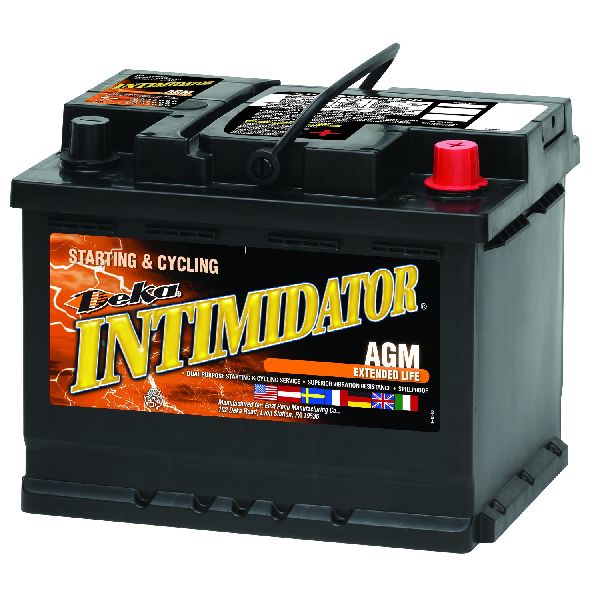
Typical fix: Replace the vehicle's 12V AGM battery.
Est. part cost: $150-$250 - Failed Crankshaft Position Sensor (CKP) 🔴 High Probability → Shop Engine Crankshaft Position Sensor The sensor is a common failure point on many modern engines due to constant heat cycles and vibration. Its location above the exhaust flex pipe on the 1.4L engine can expose it to significant heat.
How to confirm: After confirming the battery is healthy, use a scan tool to monitor live data for an 'Engine RPM' signal while cranking. If it stays at 0, the ECM is not receiving a signal. The sensor's resistance can also be tested with a multimeter, though specific resistance values are not always published; a reading of open-circuit or short-circuit indicates failure.
Typical fix: Replace the crankshaft position sensor. It is located on the lower part of the engine block, below the starter, and is held by a single E10 Torx bolt. 🎬 Watch: Step-by-step guide to replacing the crankshaft position sensor.
Est. part cost: $25-$75 - Damaged Wiring or Connector 🟡 Medium Probability The sensor is located near the hot exhaust flex pipe, which can make the wiring harness brittle over time. The connector's locking tab can be difficult to release and may break during service, leading to a poor connection.
How to confirm: Visually inspect the wiring harness leading to the CKP sensor for signs of melting, chafing, or corrosion. Check the connector for a secure fit and undamaged pins. Wiggle the harness while the engine is running to see if it causes stalling or stumbling.
Typical fix: Repair the damaged section of the wiring harness or replace the connector pigtail.
Est. part cost: $15-$50
Rare But Worth Checking
- Damaged Reluctor Ring: The toothed ring on the crankshaft that the sensor reads can get damaged or accumulate metallic debris, but this is uncommon. This would typically require more significant engine work to inspect and repair.
- Faulty Engine Control Module (ECM): → Shop Engine Control Module (ECM) While possible, ECM failure is rare and should only be considered after all other possibilities (sensor, wiring, battery) have been definitively ruled out.
- Weak Key Fob Battery: → Shop Vehicle Battery In some cases, a weak key fob battery can cause issues with the vehicle's immobilizer system, leading to a no-start condition and a cluster of codes including P0335, P0340, and P0365. One owner of a platform-mate Chevy Trax reported this resolved their issue.
Diagnosis Steps
- Read all stored DTCs with an OBD-II scanner. Note if P0340 or P0365 are also present, as this strongly suggests a battery issue.
- CRITICAL: Perform a professional battery health test (load test) with a GR8 tester or equivalent. Per TSB PIP5482B, a weak battery is a primary suspect. If the battery fails, replace it, clear the codes, and re-test.
- If the battery is good, try using a spare key or replacing the key fob battery. A weak fob can sometimes interfere with the immobilizer system and trigger related codes.
- Use the scan tool to observe live data. Look for an 'Engine RPM' signal while cranking the engine. If it stays at 0, the ECM is not receiving a signal from the CKP circuit.
- Raise and safely support the vehicle. Locate the crankshaft position sensor on the bottom of the engine, below the starter motor and above the exhaust flex pipe.
- Visually inspect the sensor's wiring and connector for any signs of heat damage, corrosion, or loose connections. The harness is known to become brittle from exhaust heat.
- If the wiring looks good, disconnect the sensor and test the sensor's internal resistance with a multimeter (if specifications are available). An open or shorted sensor is faulty.
- If the sensor tests good, check the wiring harness for power (typically 5V reference), ground, and signal continuity back to the ECM.
- If the wiring and battery are confirmed good, the crankshaft position sensor is the most likely failed component.
- After replacement, a Crankshaft Position Variation Relearn procedure is recommended. This requires a capable scan tool to perform and ensures the ECM accurately interprets 🎬 Watch: How to perform a professional crankshaft variation relearn. the new sensor's signal. Failure to perform the relearn may not set a code but can affect timing accuracy.
Parts You'll Likely Need
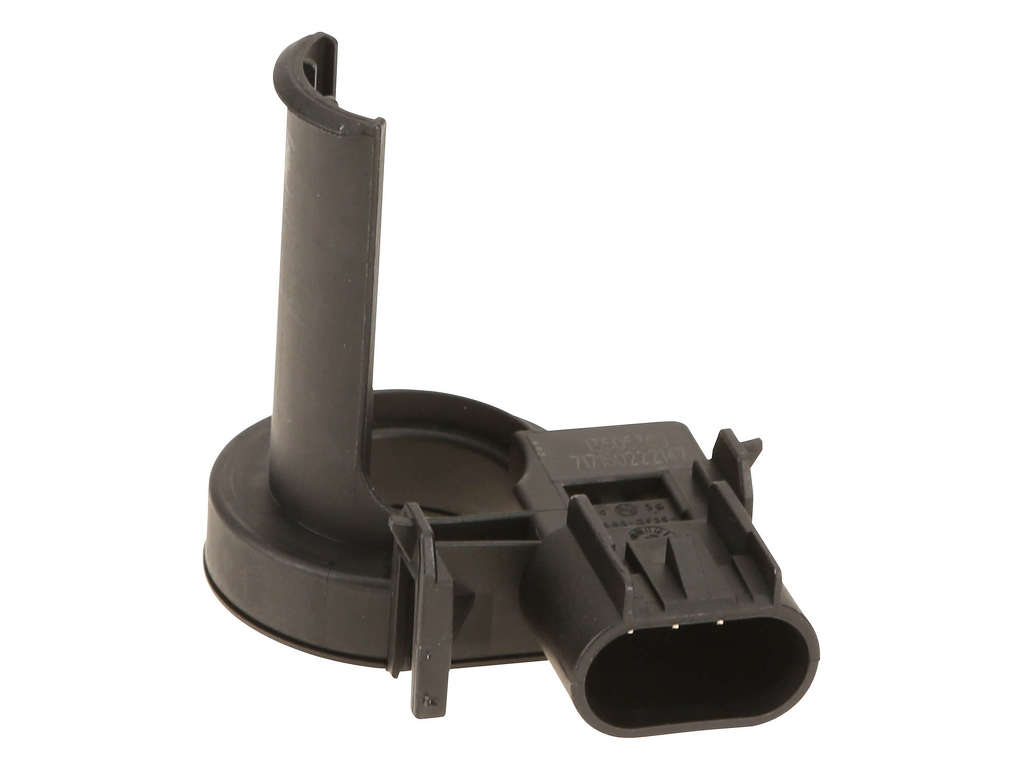
- Engine Crankshaft Position Sensor
(OEM #25195551 (supersedes 55571994))— This is the most common mechanical part to fail that causes a P0335 code, after a weak battery has been ruled out.
Trusted brands: ACDelco, Delphi, NTK, Bosch
OEM price range: $45-$75
Aftermarket price range: $25-$50 - AGM Automotive Battery — A weak battery is a documented cause of P0335 on this specific vehicle, as outlined in GM TSB PIP5482B.
Trusted brands: ACDelco, DieHard, Interstate
OEM price range: $200-$275
Aftermarket price range: $150-$225
Related Codes That Often Appear With This One
- P0340 — Camshaft Position Sensor 'A' Circuit Malfunction. This code often appears with P0335 when the root cause is a weak battery, as noted in TSB PIP5482B.
- P0365 — Camshaft Position Sensor 'B' Circuit Malfunction. Similar to P0340, this code can be triggered along with P0335 by a low battery state of charge during startup.
Technical Service Bulletins (TSBs) & Recalls
- PIP5482B: Diagnostic aid for vehicles with DTCs P0335, P0340, P0365 set at low mileage or after sitting for extended periods. Points to a low battery state of charge as the cause.
- Bulletin #PIE0416A: An informational bulletin regarding the condition of the Malfunction Indicator Lamp being illuminated with DTCs P0335, P0340, or P0365 set.
- Bulletin #PIP5482A: Provides steps to diagnose and repair the concern of the MIL on with DTCs P0335, P0340, or P0365 set current or in history, advising a battery test using the GR8/EL 50313.
- Bulletin #PIE0416: Engineering information regarding vehicles exhibiting an illuminated Malfunction Indicator Lamp with DTCs P0335, P0340, or P0365.
- A202319910: A voluntary emission recall for some 2020 models concerning a blocked PCV passage in the camshaft cover, which can cause rough running and engine damage. While not directly related to P0335, it's a critical issue for the engine.
Platform-Specific Known Issues
- Owner on Reddit's r/ChevyTrax forum with a 2015 model reported P0335, P0340, and P0365 appearing together with a no-crank condition. After several attempts at fixing sensors, the issue was ultimately resolved by replacing the battery in the key fob, suggesting an immobilizer conflict.
Mechanic-Grade Diagnostic Values
- CKP Sensor 5V Reference Voltage — expected: 4.8V to 5.2V (with sensor disconnected, key on, engine off). Failure: 0V indicates a short to ground or an open in the reference circuit from the ECM. Voltage significantly above 5.2V could indicate a short to a higher voltage source.
- CKP Sensor Ground Circuit Resistance — expected: Less than 5 Ohms (between sensor connector ground pin and chassis ground). Failure: High resistance (or Open Line 'OL') indicates a poor ground connection, which can cause erratic signals.
- CKP Sensor Signal Wire Voltage (Back-probed) — expected: A fluctuating digital signal (square wave) when the engine is cranking, best viewed with an oscilloscope. With a multimeter, it may show an average voltage that changes with RPM.. Failure: A flat line at 0V or 5V during cranking indicates no signal is being generated, pointing to a bad sensor or a wiring issue.
Scan Tool Commands That Help
- GDS2 (GM Tech Tool): Crankshaft Position Variation Relearn — This function must be performed after replacing the crankshaft position sensor, the ECM, or after any major engine mechanical work (like timing chain service). The procedure allows the ECM to learn the minor variations in the new sensor's signal and the reluctor wheel to accurately detect misfires. Failure to perform the relearn can result in a P0315 code (Crankshaft Position System Variation Not Learned) or inaccurate misfire detection, even if P0335 does not return.
Wiring & Ground Locations
- CKP Sensor Connector — On the lower part of the engine block, below the starter motor and above the exhaust flex pipe.. This is the direct connection point for the sensor. The connector itself or the wiring leading to it can become brittle and fail from constant exposure to heat from the nearby exhaust pipe, causing an open or short in the circuit.
- G103 — Located at the left rear of the engine compartment on the cowl, above the brake booster.. This is a major grounding point for the BCM and other modules that communicate with the ECM. While not the direct ground for the CKP sensor itself, a poor connection at G103 can cause a wide range of bizarre electrical issues and communication errors between modules, potentially contributing to false codes.
Real Owner Repair Stories
- Acadia Forum user (2008 GMC Acadia 3.6L (platform relative with similar electrical architecture)) — Engine would crank but not start, throwing P0335.
❌ Tried (didn't work) Replacing the crankshaft position sensor with a new part.
✅ What actually fixed it The problem was a broken wire in the harness leading to the sensor. The user located and repaired the break, which resolved the no-start condition and the code. - Tacoma World forum user (2004 Toyota Tacoma 2.7L) — P0335 appeared immediately after a timing chain replacement.
❌ Tried (didn't work) Checking timing and wiring continuity.
✅ What actually fixed it The issue was a faulty aftermarket crankshaft position sensor installed during the service. Replacing the aftermarket sensor with an OEM Denso sensor immediately fixed the code. This highlights the sensitivity of some ECMs to non-OEM sensor signals.
OEM Part Supersession History
55571994→25195551— Standard part revision by GM. The new part number is the current OEM replacement for the 1.4L LUV/LUJ engine.
Heads up: No known incompatibilities. Part number 25195551 is the correct replacement for the entire 2013-2022 range.
Model Year Variations Within This Range
- 2016-2018: In 2016, Buick introduced an optional, upgraded 1.4L engine, code LE2, in the Sport Touring trim. This engine is a different design (direct-injected, aluminum block) from the standard LUV engine (port-injected, iron block). While the P0335 code has the same meaning, sensor location and diagnostic procedures may differ slightly. The LUV engine was standard on most trims through the entire generation.
Diagnostic Flowchart
Other Known Issues on This Vehicle
Issues unrelated to this code that are worth knowing about as an owner of this generation:
- PCV System / Valve Cover Failure 🔴 High — Very common. The PCV diaphragm inside the valve cover tears, causing a large vacuum leak. Symptoms include a loud hissing noise, rough idle, and P0171 (System Too Lean) code. (Ref: A202319910 (for blocked passage on some 2020 models))
- Turbocharger Failure 🔴 High — Common across all model years. Symptoms include loss of power, whining noise, blue/grey exhaust smoke, and code P0299 (Turbo Underboost). Often caused by oiling issues or a failed PCV system. (Ref: Special Coverage Adjustment N232395330 extends warranty to 10yr/120k miles for some 2017-18 models.)
- Coolant and Oil Leaks 🟠 Medium — Frequent. Common leak points include the water pump, turbo coolant lines, and the valve cover gasket itself. Can lead to overheating and low fluid levels.
- Reduced Performance in Cold Weather 🟠 Medium — Reported by numerous owners. The engine may run rough or enter a reduced power 'limp mode' in freezing temperatures, sometimes related to moisture freezing in the turbo system. (Ref: 16-NA-405 (procedure to install PCV heater or new charge air cooler))
Used vs. New Parts: Buying Guide for This Vehicle
When a used part is the smart pick: For this repair, using a used part is generally not recommended for the sensor itself due to its low cost new and its critical function. A used wiring harness pigtail from a junkyard can be a cost-effective solution if only the connector is damaged, provided the donor wiring is in good condition.
Donor-vehicle mileage cap: roughly under 80000 miles for the part to have meaningful remaining life.
What to inspect on the donor part:
- For a wiring pigtail, inspect for any signs of brittleness, cracking, or melting from exhaust heat.
- Ensure the connector's locking tab is intact and functional.
- Check for corrosion on the pins inside the connector.
- Select a donor vehicle that appears to be free from front-end collision damage.
OEM-only on this vehicle (don't cheap out):
- Crankshaft Position Sensor - While high-quality aftermarket options exist, the surest bet to avoid compatibility issues is to use an OEM ACDelco or GM Genuine part. Some ECMs are sensitive to the precise signal from the sensor, and using a cheap aftermarket part can lead to persistent or new codes.
Aftermarket brands forum-validated for this vehicle:
- Delphi
- NTK
- Bosch
Brands owners have reported issues with on this vehicle:
- Unbranded, 'white-box' parts from online marketplaces are a significant gamble and a common cause of repeat repairs.
Real Owner Stories
Aggregated from forums and TSBs cited above. Mileages and costs reflect what owners reported in those sources.
2015 Chevrolet Trax 1.4L LUV
Symptoms: P0335, P0340, and P0365 appearing together with a no-crank condition.
What fixed it: Replacing the battery in the key fob, which resolved an immobilizer conflict.
Source hint: Reddit r/ChevyTrax - 'Engine codes P0335 P0340 P0365 on a 2015 Trax'
2017-2022 Buick Encore 1.4L Turbo
Symptoms: Faulty crankshaft position sensor signal; difficulty removing the electrical connector due to its location.
What fixed it: Replacement of the crankshaft position sensor located below the starter.
Source hint: YouTube - '2017-2022 BUICK ENCORE 1.4L Turbo - Bad Crankshaft Position Sensor'
Related OBD-II Codes
Frequently Asked Questions
My 2015 Buick Encore has codes P0335, P0340, and P0365 all at once. Does TSB PIP5482B apply to me?
I'm seeing a P0335 on my 2020 Encore; is this related to the emission recall A202319910?
Where is the crankshaft position sensor located on the 1.4L LUV engine?
Why does the P0335 code cause my Encore's tachometer to drop to zero while I'm driving?
Do I need to do anything special after replacing the sensor (part #25195551)?
Can a bad key fob really cause a P0335 code on a Buick Encore or Chevy Trax?
Helpful Videos



We Have This Part in Stock


The information in this article is provided for general reference and educational purposes only. Vehicle specifications, procedures, and part compatibility can vary by production date, trim level, and region. Always consult your vehicle's factory service manual and verify part numbers before purchasing or performing repairs. Safety-critical components such as airbags, seat belts, and braking systems should be installed by a qualified professional.
- Buick Encore:
- 🧭 Diagnostic Flowchart
- 🎬 Helpful Videos
- 🛍️ Shop This Part
- What's Unique About the 2013-2022 Buick Encore
- Symptoms You May Notice
- Most Likely Causes
- Rare But Worth Checking
- Diagnosis Steps
- Parts You'll Likely Need
- Related Codes That Often Appear With This One
- Technical Service Bulletins (TSBs) & Recalls
- Platform-Specific Known Issues
- Mechanic-Grade Diagnostic Values
- Scan Tool Commands That Help
- Wiring & Ground Locations
- Real Owner Repair Stories
- OEM Part Supersession History
- Model Year Variations Within This Range
- Other Known Issues on This Vehicle
- Used vs. New Parts: Buying Guide for This Vehicle
- Real Owner Stories
- 2015 Chevrolet Trax 1.4L LUV
- 2017-2022 Buick Encore 1.4L Turbo
- Related OBD-II Codes
- Frequently Asked Questions
- 🎟️ Get 5% Off