

P0335 on 2003-2005 Dodge Neon SRT-4: Crankshaft Sensor Causes and Fixes
This code means the crankshaft position sensor is failing or its circuit is compromised. On the Neon SRT-4, this almost always leads to stalling or a no-start condition. The most common fix is replacing the sensor itself, which is an affordable part, though access requires removing other components.
- P0335 on a Neon SRT-4 is a critical code that will likely leave you stranded due to stalling or a no-start condition. The most common cause is a heat-sensitive failure of the original sensor.
- Do not use aftermarket crankshaft position sensors on this vehicle; forum consensus overwhelmingly points to premature failure. Use only the OEM Mopar part (5269870AB).
- Diagnosis is straightforward: if a scan tool shows zero RPM while cranking, the crank sensor circuit is the problem. Given the high failure rate of the sensor, replacement is the most common and effective solution.
- Accessing the sensor is the main difficulty of the repair. It is located on the back of the engine block and typically requires removing the starter motor for access.
What's Unique About the 2003-2005 Dodge Neon
For the high-performance Neon SRT-4, the crankshaft position sensor is a known failure point that can cause sudden and frustrating issues. While the code itself is generic, owners report that aftermarket sensors can be unreliable for this specific application, making an OEM Mopar sensor the highly recommended choice. The sensor's location on the back of the block, under the intake manifold near the starter, makes replacement more involved than on some other vehicles, but it is a common DIY job within the SRT-4 community.
Symptoms You May Notice
- Engine will crank but not start
- Engine stalls intermittently, especially when warm or after 20-30 minutes of driving
- Rough idling and engine misfires
- Check Engine Light is on
- Poor or hesitant acceleration
- Tachometer behaves erratically or drops to zero while driving, often immediately before a stall
- Replacing the camshaft position sensor. While related, the camshaft sensor has its own codes (e.g., P0340, P0344) and is a separate component located on the driver's side of the cylinder head.
- Replacing spark plugs or ignition coils for a misfire without first checking for a P0335 code. A bad crank sensor signal is a primary input for ignition timing, and its failure is a root cause of misfires.
Most Likely Causes
- Failed Crankshaft Position Sensor 🔴 High Probability → Shop Engine Crankshaft Position Sensor The sensor is located in a high-heat area of the engine bay and is a common failure item over time. Heat cycling can cause the internal electronics to fail. Forum discussions and owner experiences strongly suggest that aftermarket sensors fail prematurely, making the OEM Mopar part the preferred replacement.
How to confirm: Use a scan tool with live data to monitor Engine RPM while cranking. If the RPM reads zero or is erratic, the sensor or its circuit is faulty. An oscilloscope provides the most definitive test by showing the sensor's output waveform. However, given the part's low cost and high failure rate, many owners proceed with replacement if the live data RPM test fails.
Typical fix: Replace the crankshaft position sensor. It is highly recommended to use an OEM Mopar sensor for reliability.
Est. part cost: $45-$75 - Damaged Wiring or Connector 🟡 Medium Probability The wiring harness to the sensor is routed near hot and vibrating components. Over time, the plastic loom can become brittle, and wires can chafe, melt, or break. A known chafe point for the main engine harness is near the transmission, which can cause various sensor issues. The connector itself can also become brittle, leading to poor pin contact or breakage. NHTSA ODI #11245530 notes a case where a P0335 code was accompanied by a connector that did not fit the sensor well, requiring replacement of the connector itself.
How to confirm: Visually inspect the wiring harness from the sensor to the PCM for any signs of melting, chafing, or breaks. Check the connector for corrosion, pushed-out pins, or a loose fit. Wiggle the connector and harness with the engine running (if possible) to see if it causes the engine to stumble or stall, indicating a poor connection.
Typical fix: Repair the damaged section of wiring using solder and heat shrink, or replace the connector pigtail. Ensure the repaired harness is properly secured away from heat sources.
Est. part cost: $15-$30
Rare But Worth Checking
- Damaged Reluctor Wheel (Tone Ring): The sensor reads teeth on a reluctor wheel mounted to the crankshaft. While rare, if this wheel is damaged, has broken teeth, or is contaminated with debris, it can cause an erratic signal. This is typically only suspected after the sensor and wiring have been ruled out and may require significant engine disassembly to inspect.
- Faulty Powertrain Control Module (PCM): → Shop Engine Control Module (ECM) This is the least likely cause. The PCM should only be suspected if all other possibilities, including the sensor, wiring, and reluctor wheel, have been thoroughly tested and confirmed to be good. PCM failure is extremely rare.
Diagnosis Steps
- Connect an OBD-II scanner and confirm the P0335 code is present. Check for any other codes, like P0339 or misfire codes.
- Using the scanner's live data feature, monitor the engine RPM while cranking. A reading of zero RPM during cranking points directly to a problem in the crankshaft sensor circuit.
- Disconnect the battery.
- Locate the crankshaft position sensor. On the SRT-4, it is located on the back of the engine block, underneath the intake manifold, near the starter. Access is difficult and may require removing the starter motor.
- Visually inspect the sensor's wiring harness and connector for any obvious signs of damage, such as melting, chafing, corrosion, or loose pins. Pay close attention to the harness routing near the engine block and starter.
- If the wiring appears okay, the next step is to replace the sensor. Due to the high failure rate and the relative inaccessibility, replacement is often the most practical diagnostic step if a live data RPM test confirms no signal.
- To replace the sensor, you will likely need to remove the starter for access, which may first require removing the intake manifold. A video by user 'mightydq' on YouTube shows this process takes about 45 minutes for an experienced DIYer.
- After replacing the sensor, reconnect the battery, clear the codes with the scanner, and start the engine to verify the fix. A crank position sensor relearn procedure is not typically required for this vehicle.
Parts You'll Likely Need
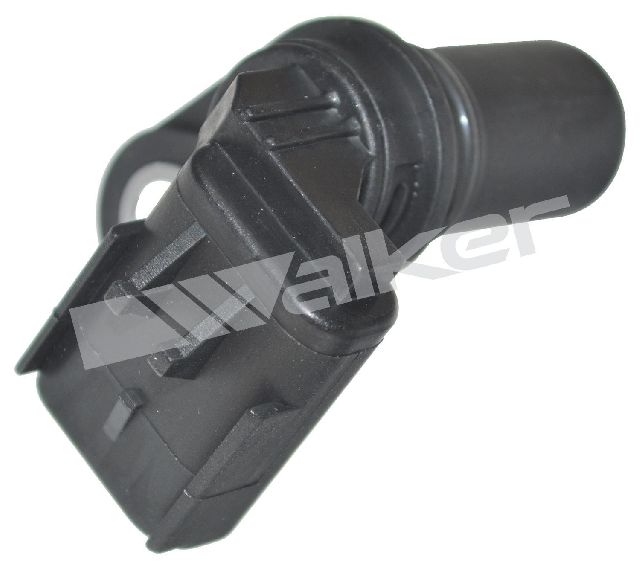
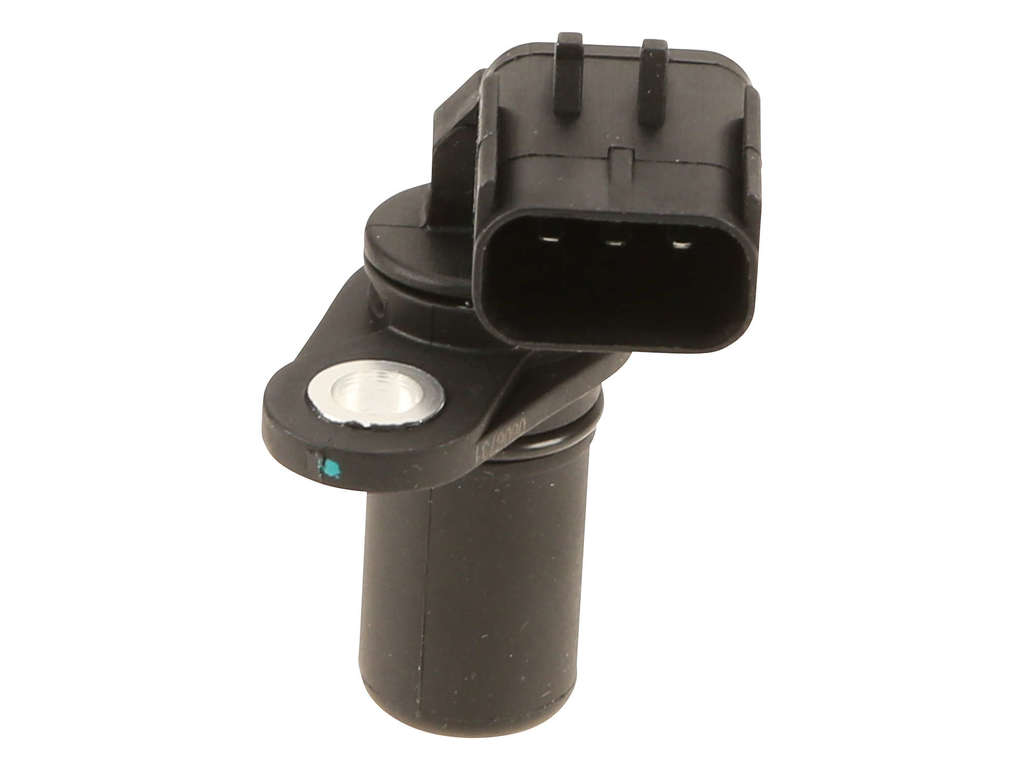
- Crankshaft Position Sensor
(OEM #5269870AB)— This is the most common failure point for code P0335. Aftermarket sensors are known to be unreliable on this platform, so an OEM Mopar part is strongly recommended.
Trusted brands: Mopar (OEM)
OEM price range: $60-$75
Aftermarket price range: $25-$50
Related Codes That Often Appear With This One
- P0300-P0304 — Cylinder misfire codes often accompany P0335 because the missing crankshaft signal prevents the PCM from timing the spark and fuel injection correctly.
- P0340 — A Camshaft Position Sensor code can sometimes appear with P0335, especially during cranking or stalling events, as the PCM struggles to synchronize engine timing without a valid crank signal.
- P0339 — This code for 'Crankshaft Position Sensor 'A' Circuit Intermittent' is a close relative and may appear alongside P0335, pointing to a failing sensor or a wiring issue rather than a complete circuit failure.
- P0562 — Low system voltage can sometimes be logged alongside P0335 during a failure event, as documented in NHTSA ODI #11164298.
Technical Service Bulletins (TSBs) & Recalls
- TSB 18-035-04: Released in 2004, this bulletin addresses a software update for the PCM to fix false settings of DTC P0339 (Crankshaft Position Sensor Intermittent). While not directly for P0335, it shows a history of sensitivity in this circuit.
- TSB Bulletin #18-070-20: While issued for other Dodge models, this bulletin highlights that technicians may find P0335 stored in memory alongside other codes like P0456 and P2610 during electrical system investigations.
- TSB Bulletin #1807320: This manufacturer service bulletin lists P0335 as a potential code set in the PCM, often appearing with communication or sensor reference voltage codes like U0140 or P1621.
Platform-Specific Known Issues
- Heat-Soak Failure: A very common owner complaint is that the P0335 code and associated stalling/no-start symptoms only appear after the engine is fully warmed up. The car may run perfectly when cold, but will stall after 20-30 minutes of driving and refuse to restart until it has cooled down. This is a classic symptom of the crank sensor's internal electronics failing due to heat.
- Aftermarket Sensor Unreliability: Numerous threads on srtforums.com contain stories of owners replacing a failed crank sensor with an aftermarket part, only to have the P0335 code return within days or weeks. The consensus is to only use the genuine Mopar sensor (part number 5269870AB) to ensure a lasting repair.
Mechanic-Grade Diagnostic Values
- Crankshaft Position Sensor 5V Supply — expected: 4.5 - 5.2 volts. Failure: Voltage outside this range indicates a problem with the PCM or wiring.
- Crankshaft Position Sensor Signal Circuit Voltage (Key On, Engine Off) — expected: 4.5 - 5.0 volts. Failure: Voltage outside this range suggests a faulty sensor or wiring issue.
- Crankshaft Position Sensor Ground Circuit Resistance — expected: Below 5.0 ohms. Failure: Resistance above 5.0 ohms indicates an open or high resistance in the ground circuit from the sensor to the PCM.
Wiring & Ground Locations
- G104 — Near the starter motor.. This is a primary engine ground point. Poor contact or corrosion at G104 can cause erratic sensor readings and intermittent electrical issues, including problems within the crankshaft position sensor circuit.
- Engine Harness Chafe Point — On the engine wiring harness where it may rub against the transaxle.. Forum users have identified a common spot where the engine harness can rub through, potentially shorting out the crankshaft position sensor wires and causing a P0335 code or other strange electrical behavior.
- Crankshaft Position Sensor Connector — On the back of the engine block, connected to the CKP sensor below the intake manifold.. This 3-pin connector provides 5V supply, signal, and ground to the sensor. The pins are: Pin 1 (Supply), Pin 2 (Signal), Pin 3 (Ground). Testing voltage and resistance at this connector is a key diagnostic step.
Real Owner Repair Stories
- NICOclub Forums (2007 Infiniti M45 (Different vehicle, but demonstrates a universal P0335 issue)) — Car stalled in traffic, then had a long/rough restart. Intermittent misfiring and surging at low throttle. Finally threw P0335.
❌ Tried (didn't work) Replacing the crankshaft position sensor with a new (likely aftermarket) part., Performing pedal position, throttle position, and idle air relearn procedures.
✅ What actually fixed it The user was advised to check for a solid 12V supply to the sensor, inspect the connector for corrosion, and perform a voltage drop test on the ground wire. The strong implication from the expert advice is that the issue was in the wiring or was due to a poor quality aftermarket sensor, not the initial diagnosis of a failed sensor itself. - NHTSA ODI #11128308 — An owner reported that after pressing the start button, the car hesitated. After a second attempt, it began to start, and a subsequent scan at an auto parts store revealed code P0335.
- NHTSA ODI #11164298 — One driver reported that after their vehicle finally started in an intersection, error codes P0562 and P0335 were found, noting that there had been recalls on similar models for crankshaft/camshaft sensor wiring.
OEM Part Supersession History
5269870AB→N/A— This part number is still the current valid number for the application.
Heads up: An important point of confusion is that Mopar part number 5269870AB is listed as a Crankshaft Position Sensor for the Neon SRT-4, but is also listed as a Coolant Temperature Sensor for many other Chrysler, Dodge, and Jeep vehicles. This can lead to incorrect parts being ordered if searching by part number alone without verifying the application. Always buy the part specifically listed for the 2003-2005 Neon SRT-4.
Model Year Variations Within This Range
- 2004-2005: For the 2004 model year, Dodge increased the engine's power from 215 hp to 230 hp via larger fuel injectors and a revised PCM calibration. The 'Neon' name was also dropped. While this was a significant update, it did not change the design, location, or function of the crankshaft position sensor or the diagnostic procedure for a P0335 code.
Diagnostic Flowchart
Other Known Issues on This Vehicle
Issues unrelated to this code that are worth knowing about as an owner of this generation:
- Weak 3rd/4th Gear Synchronizers 🔴 High — Common on vehicles that are driven hard or have clutch adjustment issues. Can lead to grinding during shifts or gear pop-out.
- Failing Hydraulic Clutch System (Master/Slave Cylinders) 🟠 Medium — The OEM plastic hydraulic line can expand and the master/slave cylinders can fail, leading to a spongy pedal, difficulty shifting, or inability to disengage the clutch.
- Throttle Position Sensor (TPS) Wiring Failure 🟠 Medium — The wiring to the TPS can become brittle and break from a sharp bend in the harness, causing erratic idle, surging, and throttle response issues.
Used vs. New Parts: Buying Guide for This Vehicle
When a used part is the smart pick: For this specific repair, a used part is NOT recommended. The crankshaft position sensor is a known high-failure item due to heat degradation. A used sensor from a junkyard likely has limited life remaining and is not worth the significant labor required for installation.
What to inspect on the donor part:
- If forced to use a used part in an emergency, source it from the lowest-mileage vehicle possible.
- Visually inspect the plastic for any signs of cracking or extreme brittleness from heat.
- Ensure the connector pins are straight and free of corrosion.
OEM-only on this vehicle (don't cheap out):
- Crankshaft Position Sensor
Aftermarket brands forum-validated for this vehicle:
- None. Forum consensus is unanimous that only the OEM Mopar sensor should be used for this application.
Brands owners have reported issues with on this vehicle:
- All aftermarket brands. Many owner accounts describe premature failure of aftermarket sensors (e.g., Duralast, Standard Motor Products, etc.) on the SRT-4 platform, often within days or weeks of installation.
Real Owner Stories
Aggregated from forums and TSBs cited above. Mileages and costs reflect what owners reported in those sources.
Dodge Neon SRT-4
Symptoms: The scanner showed a P0335 crankshaft position sensor circuit code and a cylinder 3 misfire. The car was misfiring.
What fixed it: Replaced the crankshaft position sensor.
Source hint: youtube_comment by MIGHTYDQ, 'Dodge Neon srt-4 P0335 (crank position sensor) problem solved.'
2005 Dodge Neon
Symptoms: Accelerated out of parking lot, car started hesitating; Check Engine Light came on and started flashing. Error codes P0339 and P0335 were present. Car had a hard time starting and just kept turning over.
What fixed it: Replacement of the crankshaft position sensor.
Source hint: DodgeForum.com report cited in owner_reports
Dodge Neon SRT-4
Symptoms: Car ran fine, parked it, went to start it an hour later and it would just crank and crank.
What fixed it: New Mopar crank sensor.
Source hint: srtforums.com thread titled 'P0335 Crank Sensor' post by user 'SRT8U'
2005 Dodge Neon SRT-4
Symptoms: Crank no start condition with code P0335.
What fixed it: Installed a new crank sensor (noting that removing the starter makes access easier).
Source hint: srtforums.com thread '05 srt4 crank no start p0335' post by user 'bad_ass_srt'
Related OBD-II Codes
Frequently Asked Questions
Does TSB 18-035-04 apply to my P0335 code on a 2004 SRT-4?
Can I use an aftermarket sensor from a local parts store to fix this?
Why does my SRT-4 only stall or throw P0335 after driving for 20-30 minutes?
Do I need to perform a crank relearn procedure after replacing the sensor?
Is it true I have to remove the starter to get to the sensor?
Could my P0335 code be caused by the wiring harness instead of the sensor?
Helpful Videos
We Have This Part in Stock


The information in this article is provided for general reference and educational purposes only. Vehicle specifications, procedures, and part compatibility can vary by production date, trim level, and region. Always consult your vehicle's factory service manual and verify part numbers before purchasing or performing repairs. Safety-critical components such as airbags, seat belts, and braking systems should be installed by a qualified professional.
- Dodge Neon:
- 🧭 Diagnostic Flowchart
- 🎬 Helpful Videos
- 🛍️ Shop This Part
- What's Unique About the 2003-2005 Dodge Neon
- Symptoms You May Notice
- Most Likely Causes
- Rare But Worth Checking
- Diagnosis Steps
- Parts You'll Likely Need
- Related Codes That Often Appear With This One
- Technical Service Bulletins (TSBs) & Recalls
- Platform-Specific Known Issues
- Mechanic-Grade Diagnostic Values
- Wiring & Ground Locations
- Real Owner Repair Stories
- OEM Part Supersession History
- Model Year Variations Within This Range
- Other Known Issues on This Vehicle
- Used vs. New Parts: Buying Guide for This Vehicle
- Real Owner Stories
- Dodge Neon SRT-4
- 2005 Dodge Neon
- Dodge Neon SRT-4
- 2005 Dodge Neon SRT-4
- Related OBD-II Codes
- Frequently Asked Questions
- 🎟️ Get 5% Off