

P0339 on 2006-2011 Honda Civic: Crank Sensor Intermittent Failure Causes and Fixes
On a 2006-2011 Honda Civic with the R18A1 engine, code P0339 is most often caused by a failing crankshaft position sensor, which becomes electronically unstable when hot. Replacing the sensor is the most common fix, with an aftermarket part costing around $30-$70 and a genuine OEM part costing $90-$175. It's a straightforward DIY job for many, located on the front of the engine block.
- P0339 on your Civic almost always points to a problem with the crankshaft position sensor or its wiring.
- Symptoms include stalling, hard starts, and a rough idle.
- Before buying parts, check your battery's health, as low voltage during cranking can sometimes trigger this code falsely.
- The most common cause is the sensor itself failing due to heat. Stalling when the engine is hot is a classic sign.
- For a lasting repair, use a genuine Honda or OEM Denso sensor, as aftermarket parts are known to be unreliable for this specific component.
- After replacing the sensor, a 'CKP Pattern Learn' procedure is necessary for the engine computer to sync with the new part.
What's Unique About the 2006-2011 Honda Civic
For the 8th generation Honda Civic (2006-2011), the P0339 code is a very common and straightforward issue. The primary cause is typically heat-soak failure of the original CKP sensor. While Honda has issued technical service bulletins (TSBs) for other models around this time for wiring corrosion (TSB 16-011) and software glitches related to low battery voltage (TSB 09-050), the most frequent cause for this Civic generation is simply the CKP sensor wearing out from heat and age. The sensor's location on the lower front of the R18A1 engine block makes it relatively easy to access for replacement compared to some other vehicles where it might be behind timing covers or in other difficult-to-reach spots.
Symptoms You May Notice
- Engine stalls intermittently, especially when warm or after 15-20 minutes of driving
- Hard starting or engine cranks but won't start, may start after cooling down
- Rough or uneven idle
- Engine hesitates or stumbles during acceleration
- Check Engine Light is on (may be intermittent)
- Tachometer behaves erratically or drops to zero while driving
- Engine RPM hunting or unstable idle speeds
- Replacing the camshaft position sensor instead of the crankshaft position sensor.
- Replacing the starter because the engine cranks but won't start, without first checking for diagnostic trouble codes.
- Assuming a new aftermarket sensor is good. Some owners report going through multiple faulty aftermarket sensors before an OEM Denso unit solves the problem.
Most Likely Causes
- Failing Crankshaft Position (CKP) Sensor 🔴 High Probability → Shop Engine Crankshaft Position Sensor The sensor is located on the engine block where it is exposed to constant heat cycles and vibrations. Over time, the internal electronics become unstable when hot, causing the signal to drop out intermittently, a classic heat-soak failure.
How to confirm: The most definitive confirmation is when symptoms (like stalling) appear when the engine is hot and disappear when it cools. While you can test resistance, the failure is often dynamic and won't show on a cold engine. Given the high failure rate and low cost, replacement is a common and effective diagnostic step.
Typical fix: Replace the crankshaft position sensor. After replacement, perform a CKP pattern relearn procedure. This can be done with a capable scan tool 🎬 Watch: How to perform the relearn procedure with a scanner or by following a specific drive cycle procedure.
Est. part cost: $30-$175 - Damaged Wiring or Loose Connector 🟡 Medium Probability The sensor's location low on the engine makes its wiring susceptible to damage from road debris, oil leaks, and moisture. The harness can chafe against other components, and the connector pins can corrode. Manufacturer service bulletins like TSB Bulletin #A16-011 note that corrosion between the engine wire harness and the CKP sensor connector can result in MIL illumination with DTC P0339.
How to confirm: Visually inspect the wiring harness leading to the CKP sensor for any signs of cracking, fraying, or melting. Wiggle the connector with the engine running to see if it induces a stall. Check that the connector is securely plugged in and that the pins are clean and free of corrosion.
Typical fix: Repair the damaged section of wire or clean the connector pins with electrical contact cleaner. If the connector housing is damaged, replace the pigtail.
Est. part cost: $10-$50 - Low Battery Voltage During Cranking ⚪ Low Probability A Honda TSB for other models (09-050) indicates that if the battery is weak, the starter can draw enough voltage during cranking to cause a temporary glitch in the PCM's reading of the CKP signal, falsely setting the code. This is more likely if the code appears only during startup and not while driving.
How to confirm: Test the battery's health and the alternator's output. If the battery is old or weak (testing below 12.4V at rest), this could be the cause, especially if the code appears after a hard start.
Typical fix: Charge or replace the vehicle's battery.
Est. part cost: $100-$250
Rare But Worth Checking
- Stretched Timing Chain: While less common for just a P0339, a significantly stretched timing chain can alter the crank-to-cam timing correlation enough to cause signal issues. This is usually accompanied by rattling noises from the engine, especially on cold starts. Manufacturer records such as TSB Bulletin #A23-048 indicate that P0339 can sometimes be set alongside P0017, suggesting a correlation issue between the crankshaft and camshaft sensors.
- Damaged Reluctor Ring: The toothed wheel on the crankshaft that the sensor reads can become damaged, bent, or have debris stuck to it, causing an erratic signal. This is rare and typically requires removing the crankshaft pulley to inspect.
- Faulty Powertrain Control Module (PCM): → Shop Engine Control Module (ECM) This is very rare. The PCM itself can fail, but all other potential causes, including multiple aftermarket sensors, should be exhausted before considering PCM replacement.
Diagnosis Steps
- Check the battery voltage. Ensure it is above 12.4 volts and that the charging system is working correctly to rule out low-voltage glitches.
- Scan for any other accompanying trouble codes to see if other issues like misfires are present. Note if P0017 is present, as TSB Bulletin #A23-049 links P0339 with camshaft/crankshaft correlation issues.
- Locate the crankshaft position sensor on the front of the engine block, near the crankshaft pulley and oil filter.
- Carefully inspect the sensor's electrical connector and wiring for any signs of damage, corrosion, or loose connections. Pay close attention to where the harness might rub against other parts.
- If the wiring appears to be in good condition, the most likely cause is a faulty sensor, especially if symptoms are heat-related.
- Replace the crankshaft position sensor. It is held in place by a single 10mm bolt. 🎬 See this step-by-step sensor replacement walkthrough
- Clear the trouble codes with a scan tool.
- Perform a CKP Pattern Clear/Learn procedure. This is critical for the PCM to synchronize with the new sensor. Some high-end scan tools have this function. A common manual method is: warm up the engine, turn it off, jump the service connector, restart the engine, and let it idle for 10 minutes. Always consult the service manual for the exact procedure for your vehicle.
Parts You'll Likely Need
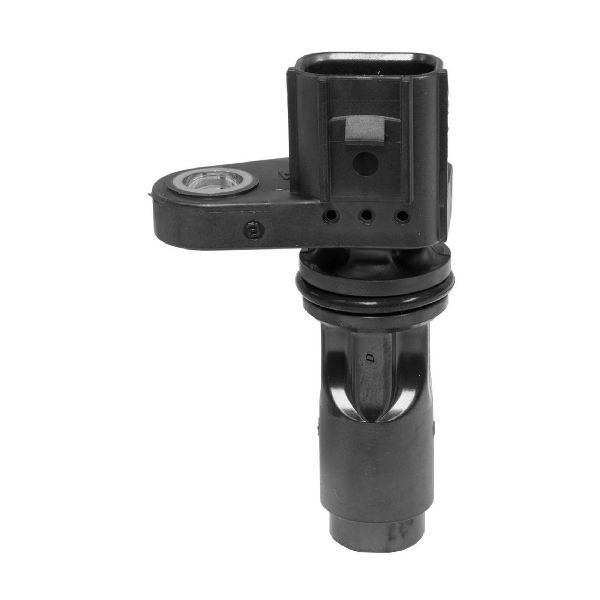
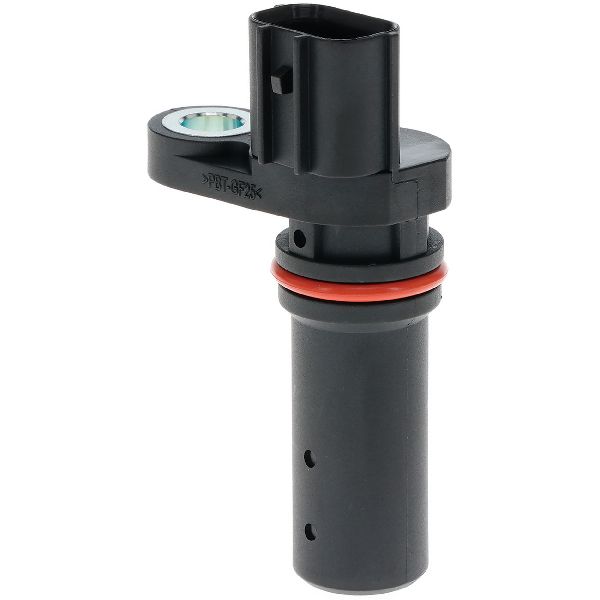
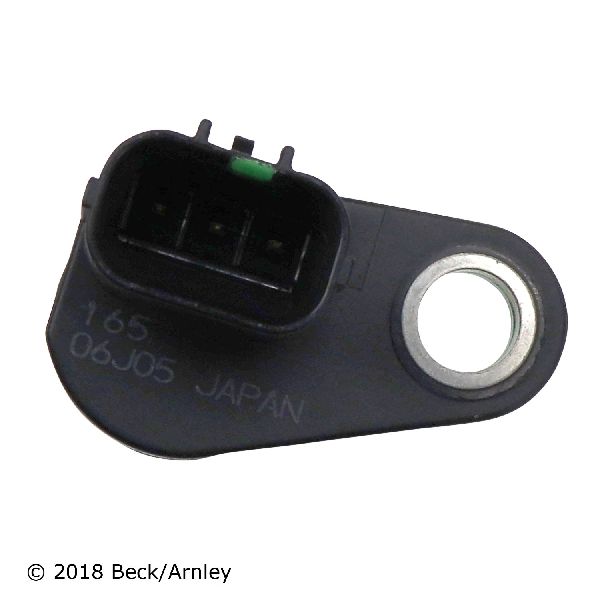
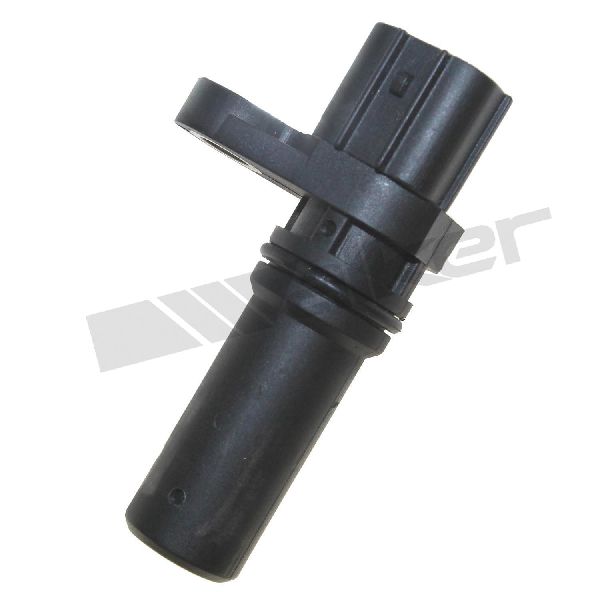
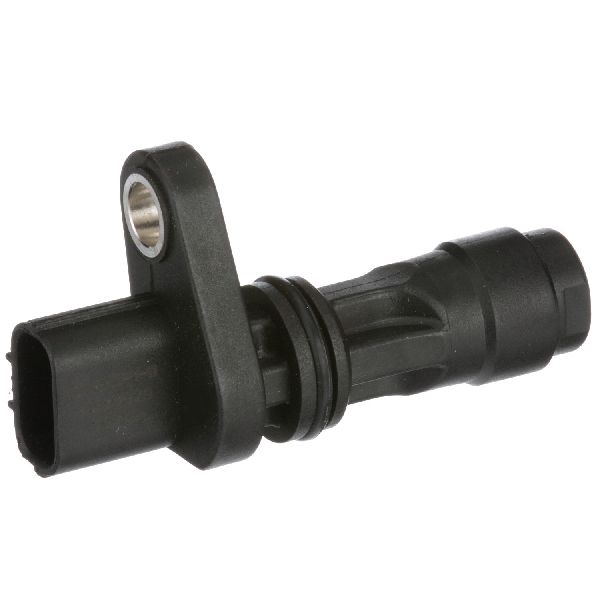
- Crankshaft Position Sensor
(OEM #37500-RAA-A01)— This sensor is the primary point of failure for code P0339 due to its operating environment and tendency to fail from heat soak.
Trusted brands: Denso (OEM Supplier, Part # 196-2003), Hitachi, Bosch
OEM price range: $90-$175
Aftermarket price range: $30-$70
Related Codes That Often Appear With This One
- P0335 — P0335 is 'Crankshaft Position Sensor 'A' Circuit Malfunction,' a hard fault, while P0339 is an intermittent fault. TSB Bulletin #SB16011 notes that the MIL may come on with both DTC P0335 and P0339 simultaneously.
- P0017 — As noted in TSB Bulletin #A23-048, this code for Camshaft/Crankshaft correlation can appear alongside P0339, often accompanied by engine RPM hunting or a rough idle.
- P0300-P0304 — Misfire codes (P0300 for random, P0301-P0304 for specific cylinders) can be triggered because the PCM loses track of the crankshaft's position and cannot time the spark and fuel injection correctly.
Technical Service Bulletins (TSBs) & Recalls
- Honda TSB 16-011: While written for newer Accords and CR-Vs (2013-2016), it identifies corrosion in the CKP sensor connector as a known cause for P0335/P0339. This reinforces the importance of carefully inspecting the connector and wiring on the 8th gen Civic, even though it's not the primary cause.
- Honda TSB 09-050: Written for 2008-2009 Accords, it notes that P0339 can be triggered by a PCM software glitch when cranking with a low battery. This highlights the importance of checking battery health first before replacing parts, as a weak battery can cause false codes.
- TSB Bulletin #DLR MSG - RFP -: This manufacturer message regarding 2014-2015 Accords highlights that Honda has actively collected CKP sensors from vehicles displaying P0335 and P0339 to better understand intermittent circuit interruptions.
Platform-Specific Known Issues
- Heat Soak Failure: The most common failure mode for the CKP sensor on this platform is heat-related. The car will run fine when cold, but after 15-30 minutes of driving, it will stall and may not restart until the engine has cooled down. This points directly to a failing sensor.
- Aftermarket Sensor Quality: Forum users on Reddit and Honda-Tech frequently report that cheap aftermarket sensors can be dead-on-arrival or fail quickly, causing the P0339 code to return. Using an OEM sensor from Honda or the OEM supplier (Denso) is highly recommended for a lasting repair.
Mechanic-Grade Diagnostic Values
- CKP Sensor Connector Pin 3 to Body Ground Voltage (Key ON, Engine OFF) — expected: Battery Voltage. Failure: No voltage indicates an open in the power wire from the PGM-FI main relay.
- CKP Sensor Connector Pin 1 to Body Ground Voltage (Key ON, Engine OFF) — expected: Approximately 5V (Reference Voltage). Failure: No voltage may indicate an open in the wire to the PCM or a faulty PCM.
- CKP Sensor Resistance — expected: Typically 0.5–2.0 kΩ (cold engine). Failure: A reading outside this range indicates a faulty sensor. However, a sensor can test good when cold and still fail when hot (heat soak).
Scan Tool Commands That Help
- Honda HDS (Honda Diagnostic System) or capable aftermarket scanner (e.g., Launch X431): CKP PATTERN CLEAR / CKP PATTERN LEARN — This function must be used after replacing the CKP sensor or the PCM. It clears the old sensor's learned pattern and allows the PCM to learn the new sensor's specific signal variations, preventing potential misfire detection issues or rough running.
- Honda HDS (Honda Diagnostic System): CKP NOISE COUNT (DATA LIST) — While test-driving under the conditions recorded in the freeze frame data, a technician can monitor this value. An increasing count indicates electrical noise or interference in the CKP circuit, pointing towards a wiring, connector, or grounding issue rather than a simple sensor failure.
Wiring & Ground Locations
- CKP Sensor Connector — On the front of the R18A1 engine block, near the crankshaft pulley and oil filter.. This 3-pin connector is the primary interface for the sensor. Corrosion, oil contamination, or a loose connection here will directly cause an intermittent signal and trigger P0339.
- G101 (Engine Ground) — On the right rear of the engine block, typically attached to the thermostat housing area.. This is a critical ground termination point for the PCM and various sensors. A loose or corroded G101 ground can introduce electrical noise and cause an unstable sensor signal, mimicking a sensor failure and leading to a P0339 code.
- CKP Sensor Pinout (3-Pin Connector) — At the sensor body.. Knowing the pin functions is essential for testing. Pin 1 is typically the 5V reference from the PCM, Pin 2 is the signal wire, and Pin 3 is the 12V power supply. Testing voltage at these pins can quickly determine if the sensor is receiving power and if the wiring to the PCM is intact.
Real Owner Repair Stories
- Honda-Tech.com forum user (2011 Honda CR-V (shares engine architecture with Civic)) — P0339 code, intermittent no-start condition (cranks but won't ignite).
❌ Tried (didn't work) Replaced stretched timing chain., Replaced CKP sensor with a new aftermarket part., Replaced the first aftermarket CKP sensor with a second, different brand aftermarket sensor.
✅ What actually fixed it The user was advised by other forum members that the persistent issue was likely due to the low quality of aftermarket sensors and that only a genuine factory Honda (OEM) sensor would resolve the problem, as the PCM is very sensitive to the exact signal profile.
OEM Part Supersession History
37500-PNC-006→37500-RAA-A01— Part revision and consolidation for multiple Honda models.
Heads up: The current part number, 37500-RAA-A01, is the correct replacement for the entire 2006-2011 Civic generation with the R18A1 engine.
Model Year Variations Within This Range
- 2009-2011: A minor facelift was introduced in 2009, which included cosmetic changes to the bumper and grille, as well as some interior trim revisions. However, there were no significant changes to the R18A1 engine, CKP sensor, or its related wiring that would affect the diagnosis or repair of a P0339 code for this generation.
Diagnostic Flowchart
Other Known Issues on This Vehicle
Issues unrelated to this code that are worth knowing about as an owner of this generation:
- Cracked Engine Block 🔴 High — Affects 2006-2008 and some early 2009 models with the R18A1 engine. A casting defect can cause a coolant leak from the front of the block, leading to overheating and engine failure. (Ref: Honda Service Bulletin 10-048 extended the engine block warranty to 10 years with unlimited mileage, but this has since expired.)
- Clear Coat and Paint Failure 🟡 Low — Widespread across the generation, particularly on dark colors like black, blue, and gray. The clear coat peels and flakes, leading to a poor appearance. (Ref: Honda issued a warranty extension (not a recall) for 7 years, but it has expired for all affected vehicles. No current remedy is offered by Honda.)
- Drooping/Broken Sun Visors 🟡 Low — Extremely common. The plastic internal structure of the sun visor cracks, causing it to droop, not stay in place, and become a safety hazard or annoyance. (Ref: No TSB or recall was issued, but it is a well-documented problem with many DIY fixes available online using screws or clips to reinforce the plastic.)
Used vs. New Parts: Buying Guide for This Vehicle
When a used part is the smart pick: For this specific repair, buying a used crankshaft position sensor is NOT recommended. The part is a common failure item due to heat and age, and a used sensor from a junkyard likely has limited remaining life and carries the same risk of intermittent failure.
OEM-only on this vehicle (don't cheap out):
- Crankshaft Position Sensor
Aftermarket brands forum-validated for this vehicle:
- Denso (OEM supplier)
Brands owners have reported issues with on this vehicle:
- Generic, unbranded, or 'white-box' sensors sold on marketplaces like eBay and Amazon are frequently reported on forums to be dead-on-arrival or fail within a few months, causing the P0339 code to return.
Real Owner Stories
Aggregated from forums and TSBs cited above. Mileages and costs reflect what owners reported in those sources.
2010 Honda Civic Diesel — 160000 miles
Symptoms: The car won't start, it just chokes. This happened after previous issues with black smoke, power loss, and high fuel consumption which were thought to be fuel injectors.
What fixed it: The report does not mention a fix for the P0339 code, only that the code was present after other repairs failed to solve the running issues.
Source hint: Reddit r/MechanicAdvice
2011 Honda CR-V (shared engine architecture)
Symptoms: The P0339 code kept appearing intermittently during startup, even after replacing a stretched timing chain.
What fixed it: The issue persisted through two different aftermarket CKP sensors, highlighting the sensitivity of the system and potential problems with non-OEM parts. A final resolution was not detailed.
Source hint: Honda-Tech.com
2006-2011 Honda Civic
Symptoms: The car stalled and would not restart. After repair, the P0339 code returned within a month, indicating an intermittent electrical issue.
What fixed it: A new sensor and pigtail provided a temporary fix, but the problem returned, underscoring the frustration with tracking down the root cause.
Source hint: Reddit r/MechanicAdvice & r/Honda
2006-2011 Honda Civic
Symptoms: An intermittent P0339 code that was difficult to diagnose.
What fixed it: The owner was advised to inspect the reluctor ring behind the crank pulley for damage like broken teeth or debris, which can cause intermittent signal failures.
Source hint: HondaCivicForum.com
Related OBD-II Codes
Frequently Asked Questions
My 2007 Civic stalls after driving for 20 minutes but starts again after it cools down. Is this the P0339 sensor issue?
I replaced the crankshaft position sensor on my Civic, but the P0339 code came back. What did I do wrong?
Is the CKP Pattern Relearn procedure really necessary after replacing the sensor on my 2010 Civic?
I saw Honda TSB 09-050 mentioned for P0339. Does this apply to my 2009 Civic?
Where is the crankshaft position sensor located on my 2006-2011 Civic?
Could a bad battery cause the P0339 code on my Civic?
Helpful Videos


We Have This Part in Stock

The information in this article is provided for general reference and educational purposes only. Vehicle specifications, procedures, and part compatibility can vary by production date, trim level, and region. Always consult your vehicle's factory service manual and verify part numbers before purchasing or performing repairs. Safety-critical components such as airbags, seat belts, and braking systems should be installed by a qualified professional.
- Honda Civic:
- 🧭 Diagnostic Flowchart
- 🎬 Helpful Videos
- 🛍️ Shop This Part
- What's Unique About the 2006-2011 Honda Civic
- Symptoms You May Notice
- Most Likely Causes
- Rare But Worth Checking
- Diagnosis Steps
- Parts You'll Likely Need
- Related Codes That Often Appear With This One
- Technical Service Bulletins (TSBs) & Recalls
- Platform-Specific Known Issues
- Mechanic-Grade Diagnostic Values
- Scan Tool Commands That Help
- Wiring & Ground Locations
- Real Owner Repair Stories
- OEM Part Supersession History
- Model Year Variations Within This Range
- Other Known Issues on This Vehicle
- Used vs. New Parts: Buying Guide for This Vehicle
- Real Owner Stories
- 2010 Honda Civic Diesel — 160000 miles
- 2011 Honda CR-V (shared engine architecture)
- 2006-2011 Honda Civic
- 2006-2011 Honda Civic
- Related OBD-II Codes
- Frequently Asked Questions
- 🎟️ Get 5% Off