

P0339 on 2013-2018 Hyundai Santa Fe 3.3L: Intermittent Crankshaft Sensor Fixes
P0339 on a 2013-2018 Santa Fe 3.3L V6 indicates an intermittent signal from the crankshaft position sensor. This commonly causes stalling, hard starting, or a no-start condition. The most frequent fix is replacing the crankshaft position sensor itself, which is a relatively affordable part ($30-$150) and a moderately easy DIY job. This issue is often heat-related, appearing when the engine is warm.
- P0339 means the engine computer is intermittently losing the signal from the crankshaft position sensor.
- The most common symptoms are sudden engine stalling (especially when hot), hard starting, or a no-start condition.
- The most probable cause is a failing crankshaft position sensor. Replacing it is the most common and effective fix.
- Do not continue to drive with this code, as the risk of the engine stalling in traffic is high and poses a serious safety risk.
- Use a quality OEM or reputable aftermarket sensor for the replacement to ensure a long-lasting repair.
What's Unique About the 2013-2018 Hyundai Santa Fe
On the 3.3L Lambda V6 engine, the crankshaft position sensor is a known failure point, often due to heat degradation over time. While the code itself is a standard SAE definition, the symptoms of sudden stalling and difficulty restarting when the engine is warm are particularly common for Santa Fe owners. Unlike some other manufacturers that have issued recalls or specific TSBs for wiring harness corrosion leading to this code, the issue on the Santa Fe is more typically the sensor itself failing internally. It is also critical to note this engine platform suffers from severe internal issues, and while P0339 is usually a sensor fix, any associated engine noises must be taken seriously.
Symptoms You May Notice
- Engine stalling unexpectedly, often when warm or coming to a stop.
- Engine cranks but will not start.
- Hard starting (requires long cranking time).
- Tachometer needle drops to zero or does not move during cranking.
- Rough or uneven idle.
- Check Engine Light is on.
- Hesitation during acceleration.
- Intermittent crank-no-start even without a trouble code being set.
- Replacing camshaft position sensors. While related to timing, a P0339 code specifically points to the crankshaft sensor circuit. A failing camshaft sensor would set codes like P0340 or P0345.
- Replacing the battery or starter. While symptoms can include a no-start condition, if the engine is cranking strongly but not firing, the issue is more likely related to the lack of spark and fuel timing from the missing CKP signal. A key clue is the tachometer not registering RPMs during the crank.
Most Likely Causes
- Faulty Crankshaft Position Sensor (CKP) 🔴 High Probability → Shop Engine Crankshaft Position Sensor The sensor is a common failure item on many Hyundai models, often due to internal electronic failure from heat and vibration over many cycles.
How to confirm: Test the sensor's resistance with a multimeter; it should be within the manufacturer's specified range. An oscilloscope is the best tool to watch for the signal dropping out live as the engine runs. A very common finding upon removal is a coating of fine metallic dust on the sensor's magnetic tip, which can interfere with its reading.
Typical fix: Replace the crankshaft position sensor. It's highly recommended to use an OEM or high-quality aftermarket sensor (like Delphi, NGK/NTK), as cheap parts are known to fail quickly or not work at all.
Est. part cost: $27-$154 - Damaged Wiring or Connector 🟡 Medium Probability The wiring harness can become brittle from engine heat, and the connector can be damaged by oil leaks or corrosion, leading to a poor connection.
How to confirm: Visually inspect the wiring harness leading to the CKP sensor for any signs of melting, chafing, or breaks. Check the connector pins for corrosion, looseness, or damage. Perform a continuity test on the wires.
Typical fix: Repair the damaged section of wire or replace the connector pigtail. Ensure the connector is clean and seated securely with dielectric grease.
Est. part cost: $10-$30
Rare But Worth Checking
- Stretched Timing Chain or Damaged Reluctor Wheel: While less common for an intermittent electrical code, a stretched timing chain can cause erratic readings from the CKP sensor. The 3.3L Lambda V6 is known to be prone to timing chain issues at higher mileage, usually accompanied by rattling noises on startup or other timing correlation codes (like P0019). A damaged reluctor wheel (tone ring) can also cause this code, sometimes occurring during major engine or transmission work.
- Failing Powertrain Control Module (PCM): → Shop Engine Control Module (ECM) This is a very rare cause and should only be considered after all other possibilities (sensor, wiring, mechanical) have been exhaustively ruled out.
Diagnosis Steps
- Connect an OBD-II scanner to confirm the P0339 code and check for any other pending or stored codes.
- Using the scanner's live data function, monitor the engine RPM while cranking. If it reads 0 or is erratic, the CKP sensor signal is likely missing.
- Observe the dashboard tachometer while cranking the engine. If the needle does not move at all, this is a very strong indication of a failed CKP sensor circuit.
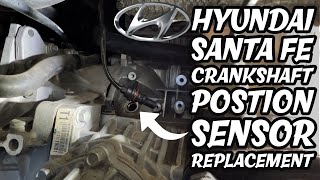
- Perform a visual inspection of the crankshaft position sensor and its wiring harness. Look for any obvious damage, melting, or loose connections. The sensor on the 3.3L V6 is located on the top of the transmission bellhousing, accessible from the top of the engine bay after removing the air intake snorkel.
- Inspect the sensor connector for corrosion or backed-out pins. Clean and apply dielectric grease before reconnecting.
- If visual inspection is inconclusive, test the sensor. You can check its internal resistance with a multimeter (with the sensor unplugged). Compare the reading to the manufacturer's specification.
- For a definitive diagnosis, use an oscilloscope to observe the sensor's waveform while the engine is running. Wiggle the harness to see if you can induce the signal to drop out, which would confirm an intermittent wiring fault. A complete signal dropout points to a failing sensor.
- If the sensor and wiring are confirmed to be good, the next step is to investigate the reluctor wheel for damage or the timing system for excessive slack, though this is less likely.
- Only suspect the PCM if all other possibilities have been eliminated.
Parts You'll Likely Need
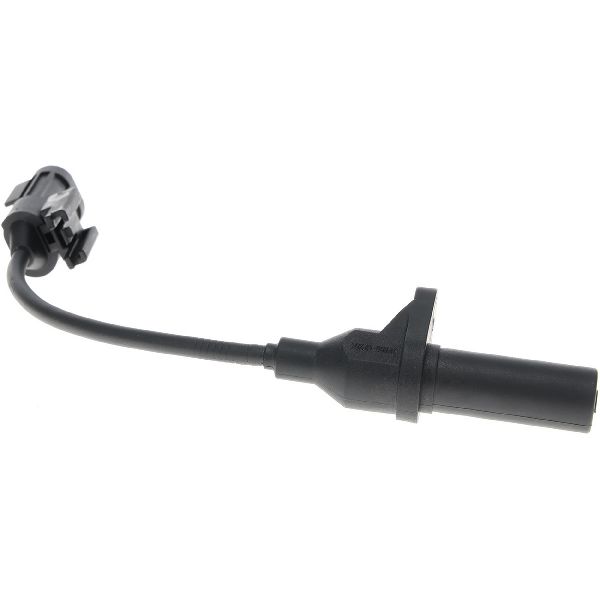
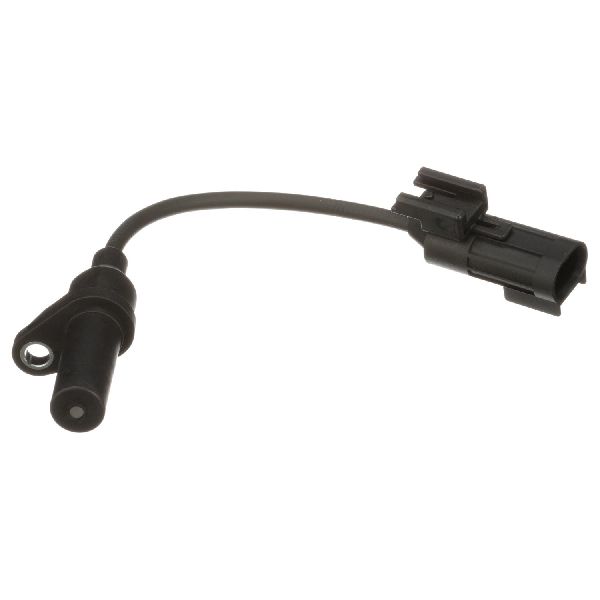
- Crankshaft Position Sensor
(OEM #39180-3C200 (Verify with VIN; 39310-3C600 also cited for Lambda family))— This is the most common cause of a P0339 code on this engine, failing due to heat and age, causing an intermittent signal loss.
Trusted brands: Hyundai/Kia (OEM), Delphi, Denso, NGK/NTK
OEM price range: $85-$155
Aftermarket price range: $27-$90
Related Codes That Often Appear With This One
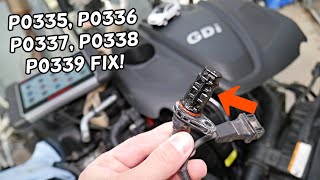
- P0335 — P0335 is 'Crankshaft Position Sensor 'A' Circuit Malfunction'. P0339 indicates an intermittent fault, while P0335 indicates a more constant or 'hard' fault. They often appear together or one can lead to the other.
- P0300-P0306 — These are misfire codes. If the PCM loses the crankshaft signal, it cannot properly time spark and fuel, leading to random or specific cylinder misfires.
Technical Service Bulletins (TSBs) & Recalls
- {'title': 'TSB 25-EM-008H', 'description': 'Supersedes previous bulletins. Details the warranty extension (TXX8) to 15 years or 150,000 miles for certain 2013-2019 Santa Fe 3.3L models for engine noise or damage related to connecting rod bearing wear. Outlines inspection and repair/replacement procedures.'}
Platform-Specific Known Issues
- The 3.3L Lambda II GDI engine in this Santa Fe generation is subject to serious, well-documented reliability issues far beyond this sensor. There is an active class-action lawsuit and a corresponding warranty extension (TSB 25-EM-008H) covering catastrophic engine failure due to premature rod bearing wear. Symptoms include engine knocking, seizure, and in some cases, a hole in the engine block. Owners have also widely reported issues with excessive oil consumption. While P0339 is typically a sensor fault, any owner of this vehicle should be aware of this larger context and treat any engine knocking noises with extreme seriousness.
Mechanic-Grade Diagnostic Values
- Crankshaft Position Sensor (CKP) Internal Resistance — expected: 630 - 770 Ohms at room temperature.. Failure: A reading of infinite resistance (open circuit) or near-zero resistance (short circuit). A sensor may test good when cold but fail when hot.
- CKP Sensor Signal Waveform (Oscilloscope) — expected: A clean digital square wave that switches between approximately 0V (low) and 5V (high). The pattern should show 58 regular pulses and one longer pulse or gap per crankshaft revolution.. Failure: A missing, erratic, flat-lined, or inconsistent waveform, especially when the engine is warm or when wiggling the harness.
- CKP Sensor Connector Voltage (Key On, Engine Off) — expected: Pin 3: ~5V (Reference Voltage), Pin 2: ~0V (Ground), Pin 1: Signal wire (should read near 0V or 5V).. Failure: Missing 5V reference or a bad ground indicates a problem in the wiring or PCM, not the sensor itself.
Scan Tool Commands That Help
- Hyundai GDS / High-End Professional Scanner (e.g., Snap-on, Autel): CKP CMP Signal Test / Cam/Crank Relearn — This is generally not required for a simple CKP sensor replacement, as the ECU self-calibrates. However, this function can be used to verify that the PCM is receiving good signals from both the cam and crank sensors after a repair or to attempt a reset if drivability issues persist after replacing the sensor and verifying the wiring.
Wiring & Ground Locations
- CKP Sensor Harness Routing — The wiring runs from the sensor on the bellhousing up toward the top of the engine.. A common failure point occurs if the harness comes loose from its clip near the thermostat housing, allowing it to contact the hot exhaust system and melt the insulation, causing a short.
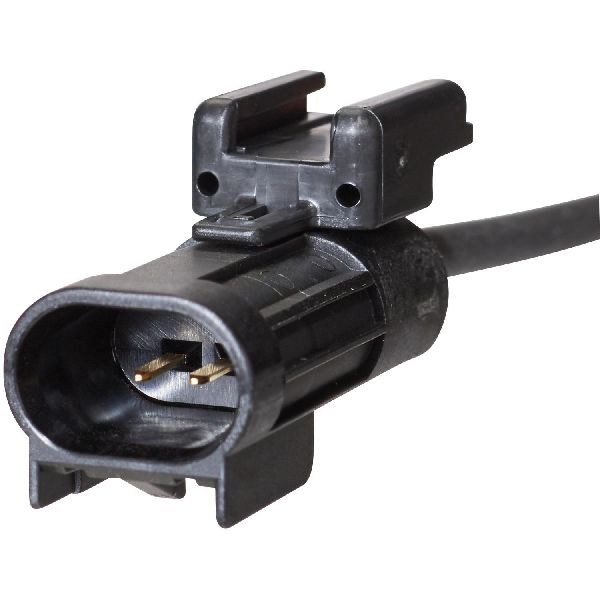
- CKP Sensor Connector — On the sensor itself, located on the top of the transmission bellhousing.. This 3-pin connector is the primary interface. Pins can corrode, or the connector itself may not be fully seated, leading to an intermittent connection and a P0339 code.
Real Owner Repair Stories
- Reddit user in r/Hyundai (Hyundai (model not specified, but behavior is universal)) — After a mechanic replaced the crankshaft sensor, the car had a hard start, sputtered, ran out of sync, had very slow acceleration, and the RPM gauge did not work.
❌ Tried (didn't work) The sensor had already been replaced.
✅ What actually fixed it The mechanic discovered the new crankshaft position sensor's electrical connector was not plugged in all the way. Securing the connector resolved all symptoms.
Diagnostic Flowchart
Other Known Issues on This Vehicle
Issues unrelated to this code that are worth knowing about as an owner of this generation:
- Catastrophic Engine Failure (Rod Bearing Wear) 🔴 High — Can occur at any mileage, but commonly reported between 60,000 and 100,000 miles. Subject of class-action lawsuits. (Ref: TSB 25-EM-008H (TXX8) - Warranty extension to 15 years/150,000 miles for engine noise/damage.)
- Excessive Oil Consumption 🟠 Medium — Often begins after 60,000 miles, with some owners reporting consumption of 1-1.5 quarts per 1,000 miles. Can be caused by worn piston rings or a faulty PCV valve. (Ref: TSB 23-EM-008H outlines diagnosis for oil consumption.)
- Timing Chain Wear 🟠 Medium — Rattling noises on startup, especially around 80,000+ miles, can indicate a stretched timing chain or worn guides. Failure to address can lead to severe engine damage. (Ref: TSB 10-EM-006 describes an in-vehicle repair procedure for timing chain tensioners on earlier 3.3L/3.8L Lambda engines.)
- Intake Valve Carbon Buildup 🟡 Low — As a GDI engine, buildup is common and can cause rough idle or misfires, typically noticeable after 70,000 miles. Requires periodic walnut blasting service for cleaning.
Used vs. New Parts: Buying Guide for This Vehicle
When a used part is the smart pick: For this specific repair, a used part from a salvage yard is NEVER a smart choice. The crankshaft position sensor is a low-cost electronic component that fails due to heat and age. A used sensor has unknown remaining life and carries the same risk of failure as the part being replaced.
What to inspect on the donor part:
- Not applicable, do not purchase this part used.
OEM-only on this vehicle (don't cheap out):
- Crankshaft Position Sensor
Aftermarket brands forum-validated for this vehicle:
- Mando (often the OEM supplier for Hyundai)
- NTK
- Delphi
- Beck/Arnley
Brands owners have reported issues with on this vehicle:
- Unbranded, low-cost sensors from online marketplaces (e.g., Amazon, eBay) are frequently reported by owners to be dead-on-arrival or fail prematurely.
Real Owner Stories
Aggregated from forums and TSBs cited above. Mileages and costs reflect what owners reported in those sources.
2013 Hyundai Santa Fe 3.3L — 108000 miles
Symptoms: Intermittently the car would not start, it will crank over but not fire. No trouble codes, and an occasional stall when stopped.
What fixed it: Replacing the crankshaft position sensor (KPS). The owner noted the old sensor's magnetic tip was covered in metal flakes.
Cost: $27-$80
Source hint: YouTube - '2013 Hyundai Santa Fe crankshaft position sensor replacement with 3.3L engine' by user 'zinsight'
Related OBD-II Codes
Frequently Asked Questions
Is there a warranty extension for engine issues on my 2013-2018 Santa Fe 3.3L?
Where is the crankshaft position sensor located on the 3.3L Lambda V6 engine?
My Santa Fe stalls when coming to a stop but doesn't always throw a code. Could it still be the CKP sensor?
What should I look for when inspecting the sensor during a P0339 diagnosis?
Are there specific brands of sensors recommended for the 3.3L Santa Fe?
Does the Kia Sorento with the 3.3L engine suffer from the same P0339 issues?
Helpful Videos



We Have This Part in Stock

The information in this article is provided for general reference and educational purposes only. Vehicle specifications, procedures, and part compatibility can vary by production date, trim level, and region. Always consult your vehicle's factory service manual and verify part numbers before purchasing or performing repairs. Safety-critical components such as airbags, seat belts, and braking systems should be installed by a qualified professional.
- Hyundai Santa Fe:
- 🧭 Diagnostic Flowchart
- 🎬 Helpful Videos
- 🛍️ Shop This Part
- What's Unique About the 2013-2018 Hyundai Santa Fe
- Symptoms You May Notice
- Most Likely Causes
- Rare But Worth Checking
- Diagnosis Steps
- Parts You'll Likely Need
- Related Codes That Often Appear With This One
- Technical Service Bulletins (TSBs) & Recalls
- Platform-Specific Known Issues
- Mechanic-Grade Diagnostic Values
- Scan Tool Commands That Help
- Wiring & Ground Locations
- Real Owner Repair Stories
- Other Known Issues on This Vehicle
- Used vs. New Parts: Buying Guide for This Vehicle
- Real Owner Stories
- 2013 Hyundai Santa Fe 3.3L — 108000 miles
- Related OBD-II Codes
- Frequently Asked Questions
- 🎟️ Get 5% Off