

P0340 on 2003-2005 Chevrolet Cavalier 2.2L Ecotec: Causes and Fixes for a Missing Cam Sensor
On this specific Cavalier, P0340 is a 'phantom code' because there is no camshaft sensor. The problem is almost always a failed Ignition Control Module (ICM), which generates the cam signal. Replacing the ICM, located on top of the engine, is the most common fix and costs between $70 and $150 for the part.
- Ignore the code's name: Your 2003-2005 Cavalier with the 2.2L Ecotec engine does NOT have a camshaft position sensor.
- The P0340 code is caused by a fault in the ignition system, which generates a simulated cam signal.
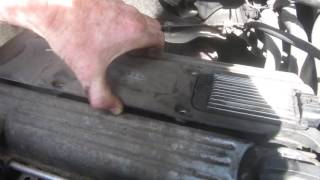
- The most common cause is a failed Ignition Control Module (ICM), which is part of the coil pack assembly on top of the engine.
- Do not waste money on a camshaft sensor, but do consider the Crankshaft Position Sensor (CKP) as a secondary cause if a new ICM doesn't fix it.
What's Unique About the 2003-2005 Chevrolet Cavalier
This is a major trap for mechanics and DIYers. Unlike most engines where P0340 points to a sensor, on this specific non-VVT Ecotec engine, it points to the system that *creates* the signal. The car uses a 'Compression Sense Ignition' system where the ICM, which is integrated with the ignition coils, is responsible for generating the cam signal. Therefore, the diagnostic process must ignore the code's name and focus entirely on the ignition system components, primarily the ICM and its wiring.
Symptoms You May Notice
- Engine is hard to start or will not start at all.
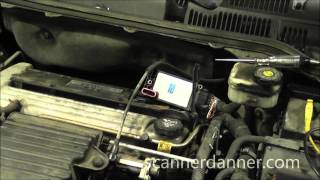
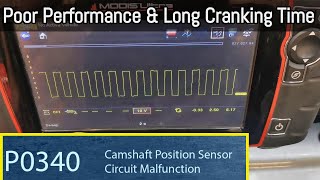
- Extended cranking time before the engine fires. 🎬 Watch: Fixing long cranking times and P0340 codes step-by-step.
- Engine stalls, especially when idling or coming to a stop.
- Rough, unstable idle and engine shaking.
- Noticeable loss of power and poor acceleration.
- Check Engine Light is illuminated on the dashboard.
- Searching for or purchasing a camshaft position sensor. This part does not exist on this engine, and it is the most common mistake made when diagnosing P0340 on this vehicle.
Most Likely Causes
- Failed Ignition Control Module (ICM) 🔴 High Probability The ICM is responsible for generating the cam signal on this engine. It's a common failure point that directly causes a P0340 code.
How to confirm: After verifying wiring and spark plugs are good, replacing the ICM is the most direct diagnostic step. The ICM is located on top of the engine as part of the ignition coil cassette. A test light connected to battery positive should flash when probing the two outer pins of the ICM-to-coil connector during cranking, indicating a functional module.
Typical fix: Replace the Ignition Control Module. It is often sold and replaced as a complete assembly with the ignition coils. 🎬 Watch: How to replace the Ignition Control Module on this engine. An ACDelco or Delphi unit is strongly recommended.
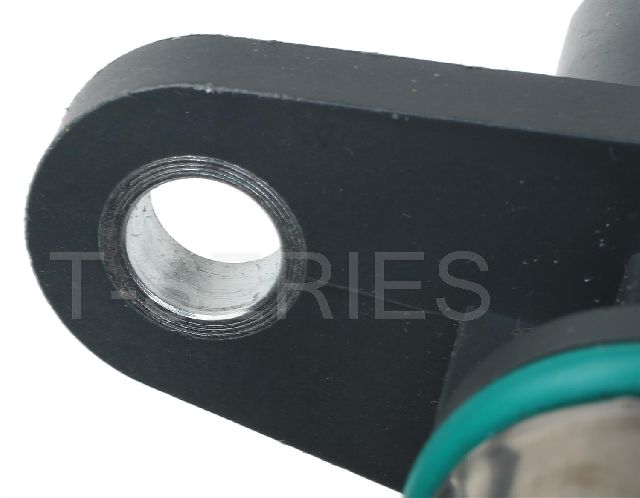
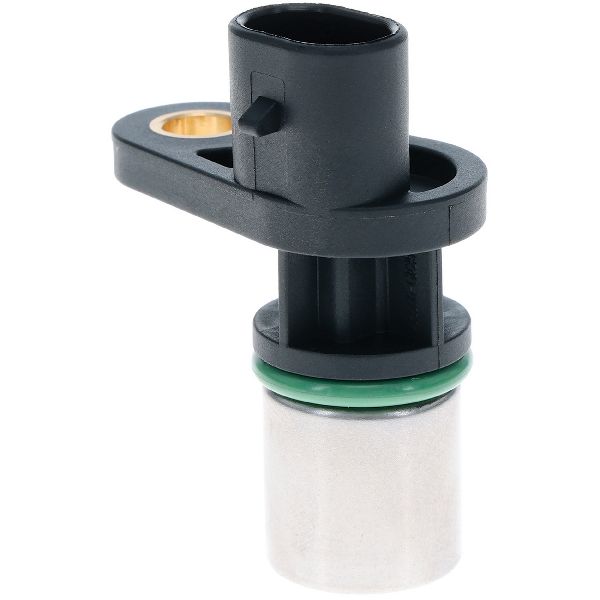
Est. part cost: $70-$150 - Faulty Crankshaft Position Sensor (CKP) 🟡 Medium Probability → Shop Engine Crankshaft Position Sensor The PCM compares the CKP signal with the synthesized cam signal from the ICM. If the CKP sensor provides an erratic or incorrect signal, the PCM can misinterpret this as a fault in the cam circuit.
How to confirm: Test the CKP sensor's output with a multimeter or oscilloscope. Check for related codes like P0335. Due to its difficult location, it's often replaced after the ICM and wiring have been ruled out.
Typical fix: Replace the Crankshaft Position Sensor. This is a labor-intensive job as the sensor is located behind the starter motor.
Est. part cost: $25-$60 - Wiring Harness or Connector Issue ⚪ Low Probability Vibration and heat can cause the signal wire between the ICM and PCM to break or short out over time. This wire is often brown or brown/white. A manufacturer service bulletin, TSB Bulletin #PIP5724, notes that a pinched wiring jumper harness can lead to a P0340 code along with a possible crank no-start or stall condition.
How to confirm: Perform a continuity and load test on the cam signal wire (typically brown/white or brown/yellow) between the ICM connector and the PCM connector to check for an open circuit or high resistance. On a similar L61 in an HHR, this was the brown/yellow wire going to pin #72 on the C1 connector of the ECM.
Typical fix: Repair or bypass the damaged section of the wire.
Est. part cost: $5-$20 - Worn or Incorrect Spark Plugs ⚪ Low Probability The ICM relies on clean spark plug firing events to generate the cam signal. Worn, fouled, or incorrect types of spark plugs (e.g., exotic tip designs) can interfere with this ion-sensing process on the wasted-spark ignition system.
How to confirm: Inspect the spark plugs. They should be the standard ACDelco Iridium plugs recommended for the vehicle.
Typical fix: Replace the spark plugs with the correct OEM-spec parts.
Est. part cost: $20-$40
Rare But Worth Checking
- Failing Alternator: A bad alternator can produce excessive electrical noise (AC ripple) that interferes with sensitive sensor signals, including the synthesized cam signal. You can test this by setting a multimeter to AC Volts. With the engine running, place the positive lead on the alternator's main output terminal and the negative lead on the battery's negative post. A reading above 0.5V AC indicates excessive ripple and a likely faulty alternator.
- Stretched Timing Chain: → Shop Engine Timing Chain While this would typically set other codes like P0016 first, a severely stretched chain could cause enough of a discrepancy between the crank and actual cam positions to trigger a fault in the signal-generating logic.
Technical Service Bulletins (TSBs) & Recalls
- TSB Bulletin #PIP5335D: This bulletin provides information for technicians regarding vehicles setting P0340 and P0341 codes. It advises using normal published service information diagnostics first, but acknowledges these codes may set intermittently.
- TSB Bulletin #PIT5677E: This manufacturer record lists P0340 and P0341 as codes that may be found in combination with various electrical system faults, suggesting that broader circuit issues can trigger these diagnostic trouble codes.
Diagnosis Steps
- Confirm the Check Engine Light is on and code P0340 is present using an OBD-II scanner.
- DO NOT look for a camshaft position sensor. Acknowledge that this engine does not have one.
- Visually inspect the ignition coil/ICM assembly on top of the engine. Check the main electrical connector for corrosion, damage, or loose pins.
- Inspect the spark plugs. Ensure they are the correct type (ACDelco Iridium recommended) and in good condition.
- If wiring and plugs are good, the most likely cause is the Ignition Control Module (ICM). Replacing the ICM/coil assembly is the next logical step. Using an OEM or high-quality aftermarket part (Delphi, ACDelco) is critical.
- If a new ICM does not resolve the code, test the wiring. Perform a load test on the cam signal wire (often brown/white or brown/yellow) between the ICM and PCM connectors. A simple continuity test may not be sufficient.
- If wiring is confirmed good, the next most likely cause is a faulty Crankshaft Position Sensor (CKP). Test and/or replace the CKP sensor. Be aware this requires removing the starter for access.
- If the issue persists, have the charging system tested for excessive AC ripple voltage that could indicate a bad alternator.
Parts You'll Likely Need
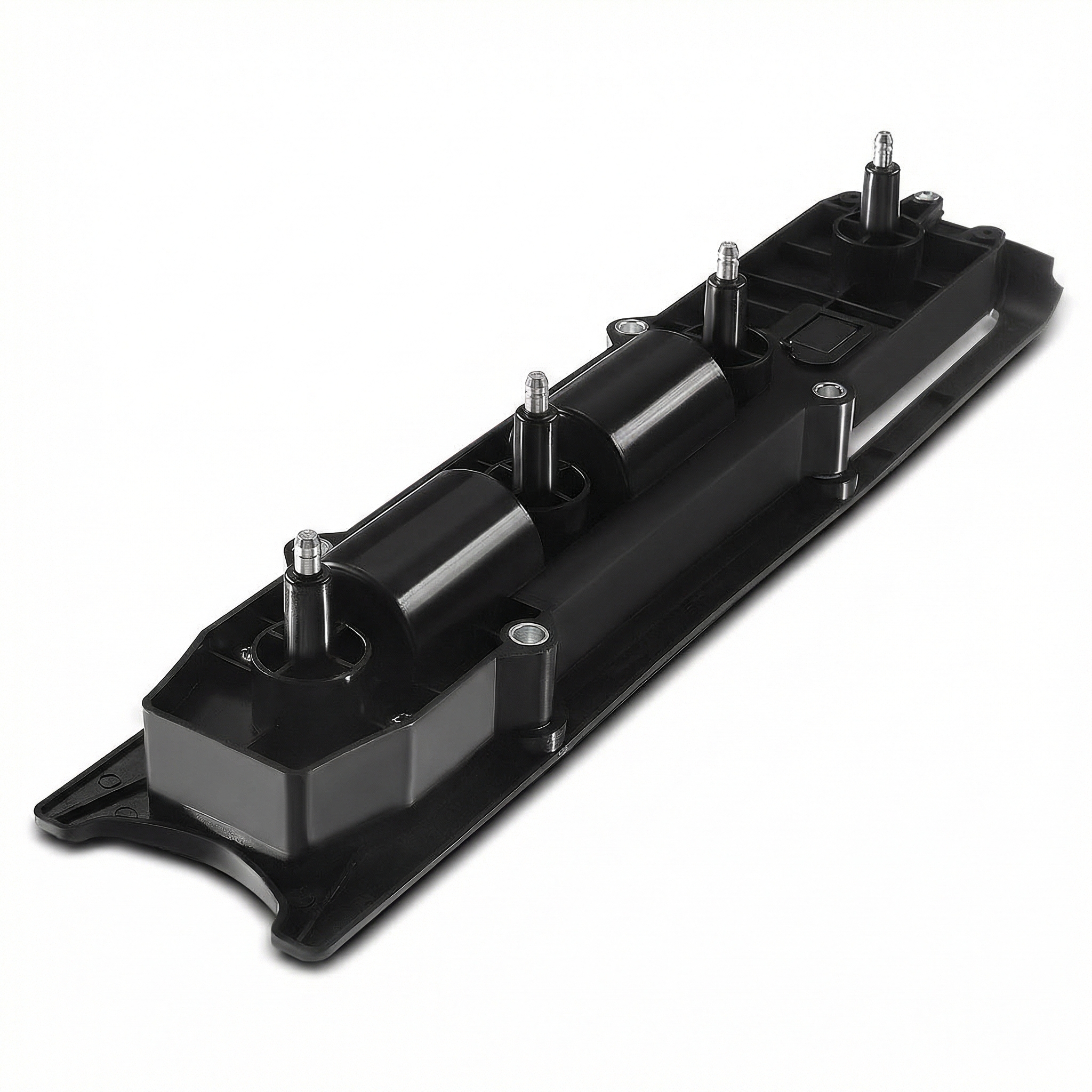
- Ignition Coil Pack Assembly (includes ICM)
(OEM #10458424)— The ICM is integrated into the coil pack housing and is the primary cause of P0340. It is common practice to replace the entire assembly.
Trusted brands: ACDelco D585, Delphi GN10111
OEM price range: $150-$250
Aftermarket price range: $100-$180 - Crankshaft Position Sensor
(OEM #213-1577 (GM 12574323))— A faulty CKP sensor can send bad data that causes the PCM to flag the (synthesized) cam signal as incorrect. It's a common secondary cause if the ICM is not at fault.
Trusted brands: ACDelco, Delphi, NTK
OEM price range: $40-$70
Aftermarket price range: $25-$50
Related Codes That Often Appear With This One
- P0341 — This code indicates a range/performance issue with the same non-existent sensor. It points to the same root causes: a problem with the ICM's ability to generate a stable signal.
- P0300 — A 'Random Misfire' code is common because the loss of the cam signal prevents the PCM from correctly timing fuel and spark, leading to misfires on companion cylinders (e.g., 2 and 3).
- P0335 — A 'Crankshaft Position Sensor Circuit Malfunction' code can appear if the CKP sensor is the root cause of the timing signal conflict.
Platform-Specific Known Issues
- source — An owner of a 2006 HHR with the same L61 engine and P0340 code replaced the coil pack, plugs, ICM, and crank sensor with no luck. The final fix was discovering an open in the brown/yellow wire between the ICM and pin #72 of the ECM. After load testing the wire and finding the fault, they ran a new wire, which permanently solved the code and long-crank issue.
Mechanic-Grade Diagnostic Values
- Ignition Coil Cassette Secondary Resistance — expected: 6,000 to 10,000 Ohms (6kΩ - 10kΩ). Failure: A reading significantly outside this range suggests a failed secondary winding in the coil pack.
- Ignition Coil Cassette Primary Resistance — expected: Approximately 1 to 2 Ohms. Failure: A reading far from this range indicates a fault in the primary circuit of the coil. 🎬 See how a bad module causes misfires and no spark.
- Fuel Pressure (Key On, Engine Off) — expected: 58-62 PSI. Failure: Low pressure points to a fuel delivery issue, which can sometimes be misdiagnosed as an ignition problem.
- ICM Power Supply Wire Voltage — expected: Should be equal to battery voltage with key on, engine off.. Failure: Significantly lower voltage indicates a problem in the power supply circuit to the module, not the module itself.
Scan Tool Commands That Help
- Tech2 / GDS2: Cam/Crank Relearn (CASE Relearn) — While not always required for a P0340 fix on this specific engine, performing a relearn is good practice after replacing the ICM or Crankshaft Position Sensor. It helps ensure the PCM has the correct baseline data and can prevent the code from returning if minor variances exist in the new parts.
Wiring & Ground Locations
- Cam Signal Wire — In the harness between the Ignition Control Module (ICM) connector and the Powertrain Control Module (PCM) connector.. This wire, often Brown/Yellow, carries the synthesized camshaft position signal from the ICM to the PCM. A break or short in this specific wire will directly cause a P0340 code.
- G103 — Located at the left rear of the engine compartment on the cowl, above the brake booster.. This is a major ground point for the Body Control Module (BCM) and the Data Link Connector (DLC). While not a direct engine ground, a poor connection here can cause bizarre communication errors and codes.
- G110 — On the rear of the engine block.. This is a primary engine ground. A loose or corroded connection at G110 can cause a host of sensor and module issues, including problems with the ICM and CKP sensor that lead to a P0340.
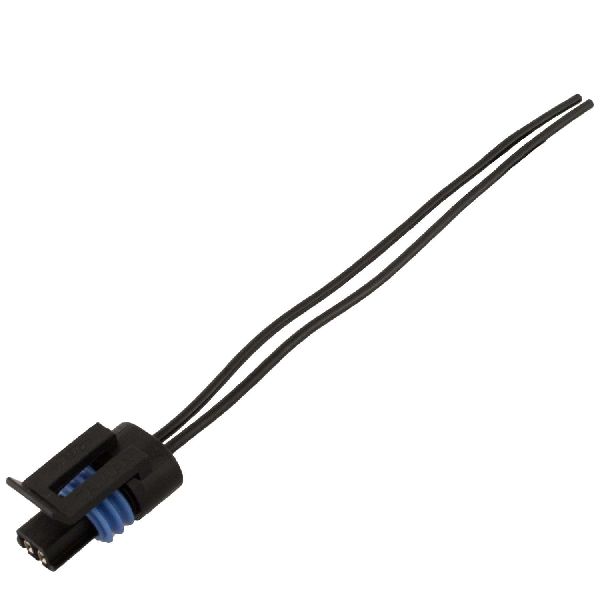
- ICM Connector — Under the ignition coil cassette, on top of the valve cover.. This is the central connection point for the entire ignition system. The pins for power, ground, and the cam signal output are all located here. Corrosion or loose pins in this connector are a common point of failure.
Real Owner Repair Stories
- 2CarPros Forum User (2005 Chevy Cavalier 2.2L DOHC) — Hard start, no power, miss at 2500 RPM, codes P0340 and P0341.
❌ Tried (didn't work) Replaced all timing components after jumped time, Rebuilt cylinder head, Replaced crank sensor, Removed catalytic converter
✅ What actually fixed it The user was informed by an expert on the forum that the vehicle does not have a cam sensor and the code points to the Compression Sense Ignition system, specifically the ICM. The resolution implies the next step was to diagnose or replace the ICM. - NHTSA ODI #11139374 — An owner reported intermittent issues where the current codes stored were P0340, P0300, and P0341. Despite taking the car to the dealer and multiple shops on several occasions, the problem remained without resolution.
- NHTSA ODI #10809597 — A report describes a situation where OBD codes including P0340, P0335, and P0010 appeared alongside "Reduced Engine Power" and "Stabilitrak" warnings, noting that at that point, there didn't appear to be anything left on the vehicle that worked.
Model Year Variations Within This Range
- 2003-2005: These model years consistently use the Gen 1 L61 Ecotec engine with the 'Compression Sense Ignition' system that does not have a physical camshaft position sensor. Be aware that from 2007 onwards, the L61 engine was updated to a 'Gen II' design which *does* include a physical cam sensor, making P0340 diagnosis completely different on those later models.
Diagnostic Flowchart
Other Known Issues on This Vehicle
Issues unrelated to this code that are worth knowing about as an owner of this generation:
- Premature Timing Chain Tensioner Failure 🔴 High → Shop Engine Timing Chain — Common on pre-2005 L61 engines. Can cause a rattling noise on startup, and if it fails completely, can lead to jumped timing and catastrophic engine damage (bent valves). (Ref: Multiple tensioner design revisions were made by GM. The latest design is recommended as a preventative replacement.)
- Fuel Pump Failure 🟠 Medium — A common failure point on GM J-body cars of this era, often occurring without warning and resulting in a no-start condition.
- Leaking Intake Manifold Gaskets 🟡 Low → Shop Engine Intake Manifold — The individual port gaskets are known to degrade over time, causing vacuum leaks that lead to rough idle, misfires, and lean codes.
- Failing Power Window Motors 🟡 Low — Motors are known to overheat and fail, a common annoyance on this platform.
Used vs. New Parts: Buying Guide for This Vehicle
When a used part is the smart pick: A used Ignition Control Module (ICM) / Coil Cassette from a junkyard can be a very cost-effective diagnostic step. If a $20 used part from a low-mileage donor vehicle fixes the problem, it confirms the diagnosis without the expense of a new part. Given the high failure rate, some owners will pull a spare from a junkyard to keep on hand.
Donor-vehicle mileage cap: roughly under 120000 miles for the part to have meaningful remaining life.
What to inspect on the donor part:
- Look for a donor vehicle with no signs of front-end collision or engine fire.
- Inspect the electrical connector on the ICM for any signs of corrosion, melting, or broken pins.
- Check the plastic housing for cracks or signs of extreme heat exposure.
- If possible, check the donor vehicle's mileage. A lower-mileage part is always preferable.
OEM-only on this vehicle (don't cheap out):
- Ignition Control Module (ICM) - For the final repair, using a new OEM ACDelco or a high-quality equivalent like Delphi is strongly recommended. Forum users and mechanics report that cheap, no-name aftermarket ICMs often fail quickly or are dead on arrival, sometimes causing additional codes like P0341.
Aftermarket brands forum-validated for this vehicle:
- ACDelco (OEM)
- Delphi
Brands owners have reported issues with on this vehicle:
- Unbranded, 'white box' parts from online marketplaces are frequently cited as unreliable for this specific component.
Real Owner Stories
Aggregated from forums and TSBs cited above. Mileages and costs reflect what owners reported in those sources.
2006 Chevrolet HHR 2.2L L61 Ecotec
Symptoms: The vehicle had a P0340 code and a long-crank issue. The owner replaced the coil pack, spark plugs, ICM, and crankshaft sensor, but the problem persisted.
What fixed it: The owner discovered an open in the brown/yellow cam signal wire between the ICM and pin #72 of the ECM. Running a new wire permanently solved the issue.
Source hint: Chevy HHR Network - 'code P0340 fixed'
2004 Saturn Ion 2.2L L61 Ecotec
Symptoms: The owner was dealing with P0340 and P0341 codes on the 2.2L Ecotec engine.
What fixed it: The discussion confirmed the absence of a cam sensor and identified the Ignition Control Module (ICM) and Crankshaft Position (CKP) sensor as the likely culprits.
Source hint: Car Talk Community - 'Po340 & po341'
Related OBD-II Codes
Frequently Asked Questions
Where is the camshaft position sensor located on my 2003-2005 Chevrolet Cavalier 2.2L Ecotec?
Which spark plugs should I use to prevent P0340 issues on my Cavalier?
Can a bad crankshaft sensor cause a P0340 code on this vehicle?
What specific wire should I check if I suspect a wiring fault between the ICM and the computer?
Is it better to buy just the ignition coils or the whole assembly to fix P0340?
Why does my Cavalier have an extended cranking time before it starts?
Helpful Videos
Used OEM Parts in Stock
New Aftermarket Parts Available


The information in this article is provided for general reference and educational purposes only. Vehicle specifications, procedures, and part compatibility can vary by production date, trim level, and region. Always consult your vehicle's factory service manual and verify part numbers before purchasing or performing repairs. Safety-critical components such as airbags, seat belts, and braking systems should be installed by a qualified professional.
- Chevrolet Cavalier:
- 🧭 Diagnostic Flowchart
- 🎬 Helpful Videos
- 🛍️ Shop This Part
- What's Unique About the 2003-2005 Chevrolet Cavalier
- Symptoms You May Notice
- Most Likely Causes
- Rare But Worth Checking
- Technical Service Bulletins (TSBs) & Recalls
- Diagnosis Steps
- Parts You'll Likely Need
- Related Codes That Often Appear With This One
- Platform-Specific Known Issues
- Mechanic-Grade Diagnostic Values
- Scan Tool Commands That Help
- Wiring & Ground Locations
- Real Owner Repair Stories
- Model Year Variations Within This Range
- Other Known Issues on This Vehicle
- Used vs. New Parts: Buying Guide for This Vehicle
- Real Owner Stories
- 2006 Chevrolet HHR 2.2L L61 Ecotec
- 2004 Saturn Ion 2.2L L61 Ecotec
- Related OBD-II Codes
- Frequently Asked Questions
- 🎟️ Get 5% Off