

P0340 on 2017-2021 Chrysler Pacifica: Camshaft Sensor Circuit Causes and Fixes
P0340 on a Chrysler Pacifica indicates a fault with the Bank 1 camshaft position sensor circuit, which is on the rear cylinder head near the firewall. The most common fix is replacing the sensor itself, but wiring issues, low oil levels, and even internal engine timing component problems are also possible causes. The sensor part costs $30-$115, but replacement is difficult due to its location under the intake manifold, leading to higher labor costs. Before replacing parts, it's crucial to check
- P0340 on your Pacifica points to the camshaft position sensor circuit on the rear cylinder bank (Bank 1), which is difficult to access.
- Symptoms are serious and include engine stalling, difficulty starting, and rough running.
- The most likely cause is a failed sensor, but you should also check the wiring and ensure your engine oil level is correct before starting repairs.
- Due to the difficult location, DIY replacement is challenging (4/5 difficulty) and shop labor costs can be significant.
- Ask a dealership if your vehicle has any pending PCM software updates, as Chrysler TSBs indicate this can be related to the fault. [Bulletin #18-002-19 REV A, #1805022REVA]
What's Unique About the 2017-2021 Chrysler PACIFICA
The 2017-2021 Pacifica uses the ubiquitous 3.6L Pentastar V6, where P0340 is a well-documented issue. What's unique is that Chrysler has issued multiple Technical Service Bulletins (TSBs) related to this and similar codes. For instance, TSBs #18-002-19 REV A and #1806917 changed the P0340 fault from a sensitive "one-trip" fault to a more robust "two-trip" fault, meaning the PCM requires seeing the error on two separate driving cycles before turning on the Check Engine Light. This suggests the manufacturer was aware of intermittent or false-positive signals and addressed it with software updates. Furthermore, TSB #05048043A indicates that for persistent P0340 codes, Chrysler engineering requested the replacement of all three valve timing components (Phaser, Actuator, OCV) on the affected bank, pointing to deeper mechanical issues beyond a simple sensor failure.
🎬 Watch: A mechanic explains common causes for Chrysler camshaft codes.Diagnostic Flowchart
Tap your situation to follow the diagnostic path that matches what you're seeing on this vehicle.
Symptoms You May Notice
- Check Engine Light is on.
- Engine is hard to start, cranks for a long time, or won't start at all.
- Engine stalls unexpectedly, either while driving or at idle, particularly when coming to a stop.
- Rough or unstable idle.
- Hesitation, stumbling, or loss of power during acceleration.
- Noticeable decrease in fuel economy.
- Transmission may have shifting problems or enter a 'limp mode'.
- Replacing the crankshaft position sensor. While related, the crankshaft sensor has its own specific codes (e.g., P0335, P0339) and replacing it will not fix a P0340.
- Replacing the wrong camshaft sensor. The Pacifica has four camshaft sensors (intake and exhaust for each bank). P0340 is specific to Bank 1 (rear/firewall side), Sensor 'A' (often the intake sensor, but confirm with service manual). Replacing the more accessible Bank 2 sensor will not solve the problem.
- Repeatedly replacing the camshaft sensor without checking for underlying mechanical issues like failing cam phasers or low oil pressure, which are known problems on the 3.6L Pentastar.
Most Likely Causes
- Failed Bank 1 Camshaft Position Sensor 🔴 High Probability → Shop Engine Camshaft Position Sensor The sensor is an electronic component that fails over time from constant heat cycles and engine vibration. It's a very common failure item on the 3.6L Pentastar engine. Oil leaks from the valve cover can also contaminate the sensor, leading to failure.
How to confirm: After verifying the wiring is intact, the most practical way to confirm is by replacing the sensor. A definitive diagnosis can be done by back-probing the sensor's connector with an oscilloscope to check for a proper square wave signal while the engine is running. On the 3.6L, this requires removing the upper intake manifold for access.
Typical fix: Replace the Bank 1 camshaft position sensor. Since access is difficult, it's wise to use a high-quality OEM (Mopar) or top-tier aftermarket (e.g., Delphi, NGK, Hitachi) part to avoid repeat repairs, as some aftermarket sensors are known to cause issues.
Est. part cost: $30-$115 - Wiring Harness or Connector Damage 🟡 Medium Probability The wiring for the Bank 1 sensor is routed in a tight, hot area at the back of the engine, making it susceptible to heat damage, chafing against other components, or corrosion in the connector. A user on KBB.com reported finding a bare wire to the sensor which caused persistent issues.
How to confirm: Visually inspect the entire length of the wiring harness from the sensor to the main engine harness. Check for melted plastic, bare wires, or green corrosion inside the connector. Tug gently on the wires at the connector to ensure they are secure. Check for continuity and voltage using a multimeter.
Typical fix: Repair the damaged section of wire or replace the connector pigtail. Ensure the repaired harness is properly secured away from heat sources and sharp edges.
Est. part cost: $15-$40 - Low or Dirty Engine Oil ⚪ Low Probability The 3.6L Pentastar engine uses oil pressure to control its Variable Valve Timing (VVT) system. If the oil level is low or the oil is old and sludgy, the cam phasers may not respond as commanded by the PCM. This can cause a discrepancy between the expected and actual camshaft position, triggering a sensor code even if the sensor is working correctly. This is a known issue, especially on high-mileage Pentastar engines that may have developed oil leaks.
How to confirm: Check the engine oil level on the dipstick and note the condition of the oil. If the level is low or the oil is past its service interval, this could be the cause. An oil pressure test can definitively confirm if low pressure is the root problem.
Typical fix: Perform an oil and filter change using the correct specification oil (e.g., SAE 5W-20). Clear the codes and drive the vehicle to see if the code returns. Address any oil leaks to prevent recurrence.
Est. part cost: $50-$100
Rare But Worth Checking
- PCM Software Out of Date: As indicated by Chrysler's TSBs #18-002-19 REV A and #1805022REVA, software updates were released to change how this code is triggered and improve drivability during a sensor malfunction. It's crucial to check with a dealer or a qualified shop with a wiTECH tool to see if any PCM updates are available, as this can sometimes resolve spurious codes without parts replacement.
- Timing Chain or Cam Phaser Issue: → Shop Engine Timing Chain A stretched timing chain or a failing cam phaser can cause the camshaft's timing to be physically incorrect, leading to a P0340 code. This is a more serious mechanical issue, often accompanied by rattling noises from the engine on startup. TSB #05048043A specifically calls for replacing the phaser, actuator, and oil control valve together if this code persists, indicating it's a known mechanical failure path. A technician noted that even a circuit code like P0340 can be caused by a mechanical phaser issue.
Diagnosis Steps
- Check the engine oil level and condition. Top off or change if necessary. This is a simple first step that can sometimes resolve the issue on Pentastar engines.
- Using an OBD-II scanner, confirm P0340 is the primary code and check for any other related codes (e.g., P0344, P0365, P0300).
- Check for available Technical Service Bulletins (TSBs) related to P0340 for your vehicle's VIN. A PCM software update may be required.
- Visually inspect the wiring harness and connector for the Bank 1 camshaft position sensor. This requires accessing the rear of the engine. Look for any signs of melting, chafing, or corrosion.
- If wiring looks good and software is up to date, the next step is to replace the Bank 1 camshaft position sensor. This is a difficult job for a DIYer as it requires removing the upper intake manifold.
- For advanced diagnosis, use a multimeter to check for 5V reference voltage and a good ground at the sensor connector. Use an oscilloscope to check for a clean square wave signal from the sensor while cranking the engine.
- If the code returns after replacing the sensor, investigate deeper mechanical issues. Listen for a startup rattle, which could indicate a failing cam phaser or timing chain issue. An oil pressure test would be the next diagnostic step.
- After replacement or repair, clear the trouble codes with a scanner and perform a test drive to ensure the code does not return.
Parts You'll Likely Need
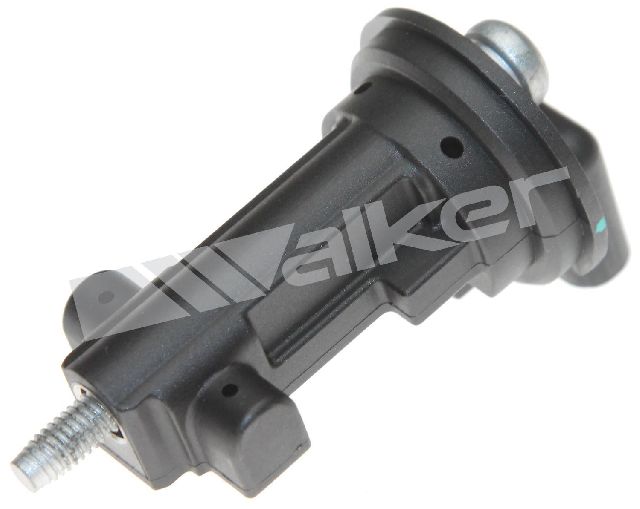
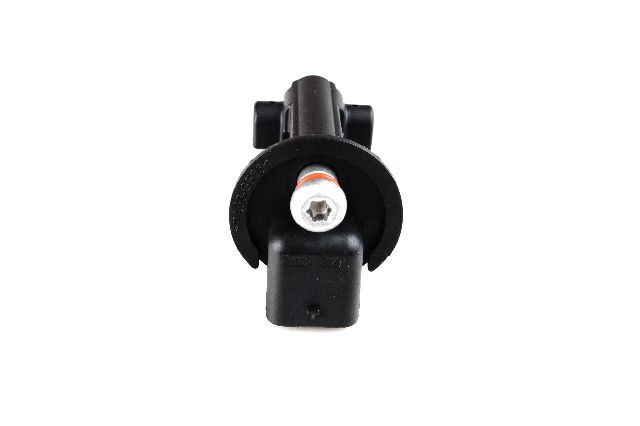
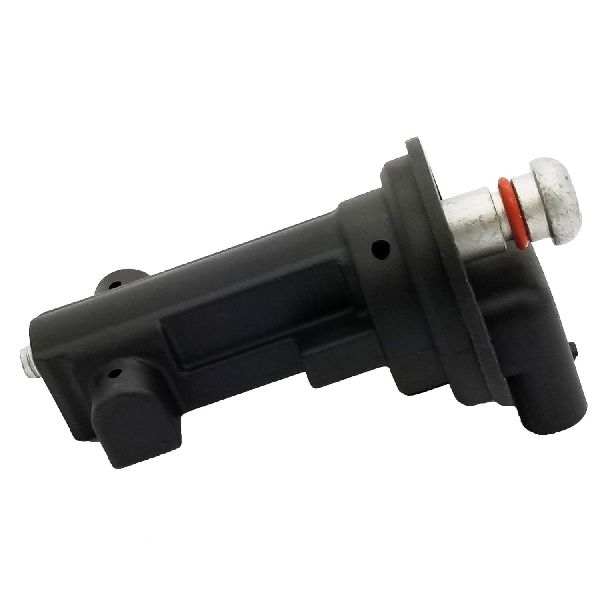
- Camshaft Position Sensor (Bank 1)
(OEM #5149141AF)— This sensor is the most common point of failure for a P0340 code. It is an electronic component exposed to significant heat and vibration, causing it to fail over time. Mopar is the officially endorsed OEM part.
Trusted brands: Mopar, Delphi, NGK/NTK, Hitachi
Related Codes That Often Appear With This One
- P0344 — This code means 'Camshaft Position Sensor 'A' Circuit Intermittent (Bank 1)'. It often appears with P0340 as a sensor begins to fail, indicating the signal is dropping out rather than being completely gone. Both codes were addressed in TSB #18-002-19 REV A.
- P0300 — This code for 'Random/Multiple Cylinder Misfire' is a common result of a bad cam sensor signal. Without correct cam timing data, the PCM cannot properly time spark and fuel, leading to misfires.
- P0365 — This code points to the exhaust camshaft position sensor on Bank 1 ('Sensor B'). It's common to see both P0340 and P0365 together. This often indicates a problem affecting the entire cylinder head, such as a wiring harness issue common to both sensors, a PCM software issue (both mentioned in TSB #18-002-19 REV A), or a mechanical timing problem on Bank 1.
Technical Service Bulletins (TSBs) & Recalls
- Bulletin #1805022REVA: Lists P0340 as one of several DTCs that may be addressed by a PCM software update for 2021 models.
- Bulletin #18-002-19 REV A: Notes that the logic for triggering P0340 was changed from a one-trip to a two-trip fault for 2017 models and provided other software improvements.
- Bulletin #1806917: Also mentions the change from a one-trip to a two-trip fault for P0340 on 2017 models.
- Bulletin #05048043A: An engineering request from 2016 that instructs technicians to replace the phaser, actuator, and OCV if P0340 is present, pointing to a known mechanical failure.
Platform-Specific Known Issues
- Access to the Bank 1 (rear) camshaft position sensor is significantly restricted by the upper intake manifold, making replacement much more labor-intensive than for the Bank 2 (front) sensor. This often requires removal of the wiper cowl and other components for clearance.
- Chrysler has issued software updates for the Powertrain Control Module (PCM) that can affect how P0340 is logged. TSB #18-002-19 REV A specifically changed the code from a one-trip to a two-trip fault to reduce false positives.
- Persistent P0340 codes, especially when accompanied by a startup rattle, may indicate a more severe mechanical failure of the camshaft phasers, a known issue on the 3.6L Pentastar engine. TSB #05048043A points towards this diagnosis path.
Mechanic-Grade Diagnostic Values
- Camshaft Position Sensor 5V Reference Supply — expected: 4.5 to 5.2 Volts DC with key on, engine off, measured at the sensor connector.. Failure: Voltage below 4.5V or above 5.2V indicates a problem with the wiring or the PCM.
- Camshaft Position Sensor Ground Circuit Resistance — expected: Less than 3.0 Ohms between the ground pin on the sensor connector and a known good chassis ground.. Failure: Resistance higher than 3.0 Ohms points to a poor ground connection, which can cause erratic sensor readings.
- Camshaft Position Sensor Signal (Bench Test) — expected: With the sensor receiving a 5V supply, the signal wire should read 5V. When the tip of the sensor is brought near a magnet, the voltage should drop to 0V.. Failure: If the voltage does not switch between 5V and 0V, the sensor is faulty.
Hidden / Shadow Codes Worth Checking
- Camshaft Position Difference (PID): → Shop Engine Camshaft This is not a trouble code, but a live data Parameter ID (PID) viewable on advanced scan tools. It shows the difference in degrees between the PCM's desired camshaft position and the actual position reported by the sensor. A persistent difference of over 10-11 degrees can trigger correlation codes. (see via A professional scan tool like Chrysler's wiTECH or a high-end aftermarket scanner with live data capabilities.)
Scan Tool Commands That Help
- wiTECH (or equivalent): Check for PCM Software Updates — This should be one of the first diagnostic steps. Chrysler issued multiple TSBs to change the P0340 fault from a one-trip to a two-trip fault, making it less sensitive to intermittent glitches. Flashing the PCM to the latest software version can resolve the code without replacing any parts.
Wiring & Ground Locations
- Sensor Connector — The Bank 1 sensor is on the rear cylinder head (firewall side), underneath the upper intake manifold.. This is the primary connection point to test for power, ground, and signal. Its location makes it prone to heat damage and difficult to access.
- G201 (example) — On older Chrysler platforms, this ground point is located behind the left side of the dashboard.. A poor ground connection for the PCM or related interior modules can cause a wide range of seemingly unrelated electrical issues, including sensor circuit faults. While the exact location for the 2017+ Pacifica may vary, checking main dash and engine grounds is crucial.
- PCM Connector — Typically mounted on the firewall in the engine bay.. The 5V reference and ground for the camshaft sensors originate here. Testing for voltage and continuity directly at the PCM connector can isolate a wiring problem from a faulty PCM.
Real Owner Repair Stories
- MotorCity Mechanic (YouTube Channel) (Vehicle with 3.6L Pentastar V6 engine, 200,000+ miles) — Persistent P0340 code (Camshaft Position Sensor Circuit).
❌ Tried (didn't work) The video implies that simply replacing the sensor or checking the electrical circuit would not solve this specific problem.
✅ What actually fixed it The root cause was a failed camshaft phaser. The internal locking pin of the exhaust cam phaser was not engaging, allowing the camshaft to have independent movement from the phaser sprocket. This created a mechanical timing error that the PCM interpreted as a sensor circuit fault. The fix was to replace the faulty camshaft phaser. - Gursky's Garage (YouTube Channel) (2015 Jeep Wrangler with 3.6L Pentastar V6, 120,000 miles) — Persistent cylinder 3 misfire, ticking noise from engine.
❌ Tried (didn't work) Replacing the fuel injector, spark plug, and ignition coil., A previous shop inspected the valvetrain and found nothing.
✅ What actually fixed it The actual cause was a failed rocker arm on cylinder 3. The needle bearings in the roller had collapsed, causing excessive play. This prevented the valve from opening correctly, leading to the misfire. While this story presented with a misfire code, this mechanical failure is a known cause of camshaft-related codes like P0340 if the camshaft lobe becomes damaged. The fix was to replace the failed rocker arm.
"I Checked Everything" — The Actual Cause
- A common scenario for a persistent P0340 on the 3.6L Pentastar is a failed camshaft phaser. All electrical tests for the sensor and wiring harness will pass, and a smoke test for vacuum leaks would be clean. However, the code returns because the issue is mechanical. The internal locking pin in the phaser fails, causing a discrepancy between the camshaft's actual position and where the PCM expects it to be, which is then flagged as a sensor circuit fault.
When the Usual Fixes Don't Work
- In multiple documented cases for the 3.6L Pentastar engine, replacing the camshaft position sensor for a P0340 code did not resolve the issue. The ultimate fix was often mechanical, pointing to a known weakness in the valvetrain. A Chrysler technician demonstrated that a failed camshaft phaser, where the internal lock pin fails, can cause a persistent P0340 code even though the sensor and wiring are perfectly fine. Another common mechanical failure is worn rocker arms, where the needle bearings collapse, causing a ticking noise and potentially damaging the camshaft lobe, which can also lead to cam/crank correlation codes.
OEM Part Supersession History
5149141AF→5149141AF— No supersession found. This part number appears to be stable and has been used since at least 2011 and is listed for vehicles up to 2026.
Model Year Variations Within This Range
- 2017-2021: While the Pacifica received a facelift for the 2021 model year which included styling changes and an available AWD system, the core 3.6L Pentastar V6 powertrain remained fundamentally the same. Therefore, the causes, diagnostic procedures, and fixes for code P0340 are consistent across the entire 2017-2021 model year range.
Helpful Videos


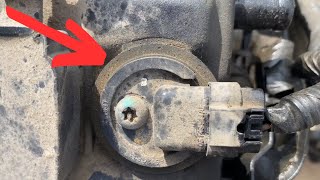
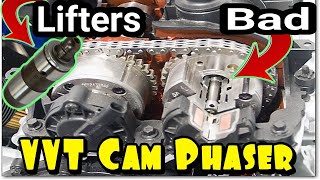
We Have This Part in Stock

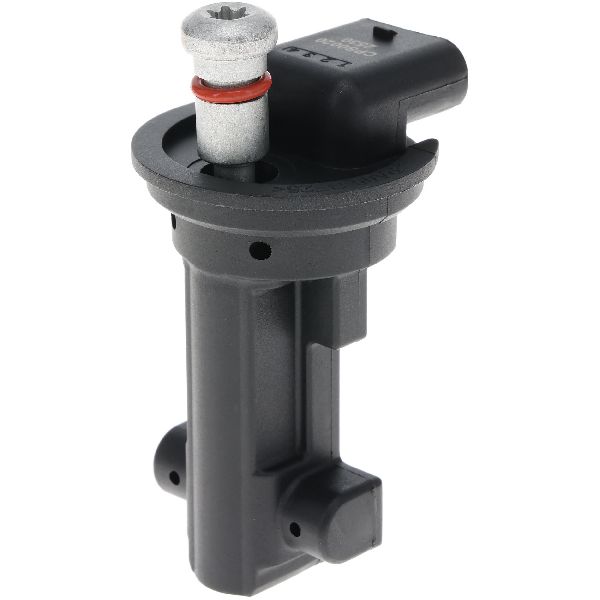
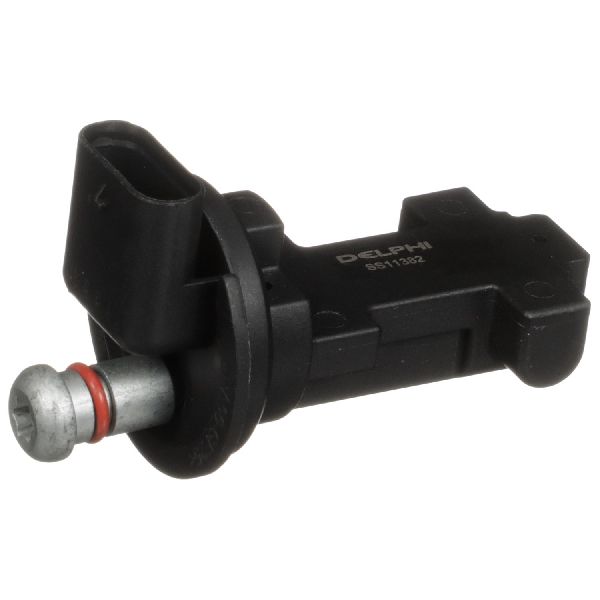

The information in this article is provided for general reference and educational purposes only. Vehicle specifications, procedures, and part compatibility can vary by production date, trim level, and region. Always consult your vehicle's factory service manual and verify part numbers before purchasing or performing repairs. Safety-critical components such as airbags, seat belts, and braking systems should be installed by a qualified professional.
- Chrysler PACIFICA:
- 🧭 Diagnostic Flowchart
- 🎬 Helpful Videos
- 🛍️ Shop This Part
- What's Unique About the 2017-2021 Chrysler PACIFICA
- Symptoms You May Notice
- Most Likely Causes
- Rare But Worth Checking
- Diagnosis Steps
- Parts You'll Likely Need
- Related Codes That Often Appear With This One
- Technical Service Bulletins (TSBs) & Recalls
- Platform-Specific Known Issues
- Mechanic-Grade Diagnostic Values
- Hidden / Shadow Codes Worth Checking
- Scan Tool Commands That Help
- Wiring & Ground Locations
- Real Owner Repair Stories
- "I Checked Everything" — The Actual Cause
- When the Usual Fixes Don't Work
- OEM Part Supersession History
- Model Year Variations Within This Range
- 🎟️ Get 5% Off