

P0340 on 2012-2016 GMC Sierra Denali: Camshaft Sensor Circuit Causes & Fixes
On a 2012-2016 GMC Sierra Denali, code P0340 most often points to a failed camshaft position sensor or a wiring issue. For 2012-2013 models, a faulty sensor is common, while on 2014-2016 models, wiring harness and connector issues are frequent. A new sensor costs between $25 and $75.
- P0340 on a 2012-2016 Sierra Denali is most commonly a bad camshaft position sensor or a wiring/connector issue.
- Always inspect the wiring harness for damage and check for TSBs before replacing any parts.
- For 2014-2016 models, pay close attention to the X154 wiring connector on the front of the engine for corrosion.
- The vehicle may stall or fail to start, so it is not recommended to drive for an extended period with this code active.
- The repair is generally affordable and within the skill level of an experienced DIYer.
What's Unique About the 2012-2016 Gmc SIERRA DENALI
This year range spans two generations of the Sierra (GMT900 and K2XX), with different sensor locations and common failure points. GM has issued multiple Technical Service Bulletins (TSBs) for this code, indicating it's a well-documented problem. For 2012 models, a specific batch of faulty sensors was identified (TSB PIP5099A). For the newer 2014-2016 generation, wiring issues, particularly corrosion in a specific 16-pin connector (X154) on the driver's side of the front engine cover, are a known weakness addressed in TSBs like PIP5335D.
Diagnostic Flowchart
Tap your situation to follow the diagnostic path that matches what you're seeing on this vehicle.
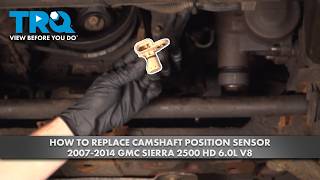
Generation note: This range covers the end of the second generation (GMT900, 2012-2013) and the start of the third generation (K2XX, 2014-2016). The camshaft position sensor location and common issues differ. On 2012-2013 models (Gen IV V8), the sensor is typically at the top rear of the engine block near the firewall or on the front timing cover behind the water pump, making access more difficult. 🎬 See this replacement walkthrough for the GMT900 generation On 2014-2016 models (Gen V V8), it's more accessible on the front of the driver's side cylinder head, just below the valve cover.
Symptoms You May Notice
- Check Engine Light is on
- Difficulty starting the engine, or extended cranking time
- Engine stalling, sometimes unexpectedly, especially at low speeds
- Rough idle or engine misfires
- Reduced engine power and poor acceleration
- Transmission may have shifting issues or go into a limp mode
- Noticeable decrease in fuel economy
- Replacing the crankshaft position sensor instead of the camshaft position sensor. The codes and symptoms can be similar, but P0340 specifically points to the camshaft sensor circuit.
- Replacing the camshaft position sensor without first inspecting the wiring harness and connectors. A simple wiring repair could solve the problem for less money, and is a very common failure point on these trucks.
Most Likely Causes
- Failed Camshaft Position Sensor 🔴 High Probability → Shop Engine Camshaft Position Sensor TSB #PIP5099A specifically notes that for 2012 models built in Sept/Oct, the sensor itself is the likely culprit for intermittent P0340 codes. Normal wear and tear from heat cycles also causes failure.
How to confirm: After verifying wiring is intact, test the sensor's output signal with a multimeter or oscilloscope. For many DIYers, replacement is a cost-effective diagnostic step as the sensor is relatively inexpensive. Ensure the old O-ring is removed with the old sensor.
Typical fix: Replace the camshaft position sensor and its O-ring. It is held by a single 10mm bolt.
Est. part cost: $25-$75 - Wiring Harness or Connector Damage 🔴 High Probability For 2014-2016 models, TSB #PIP5335D points to corrosion in connector X154 on the front engine cover as a known issue. Owners also report the harness chafing against the corner of the cylinder head, power steering lines, or the A/C compressor, leading to shorts or open circuits.
How to confirm: Visually inspect the wiring harness leading to the sensor for any signs of melting, chafing, or breaks. Disconnect the sensor and the X154 connector (on 2014+ models) and check for corrosion (green or white powder) or backed-out pins. Wiggling the connector while the engine is running may cause a stall or stumble, confirming a bad connection.
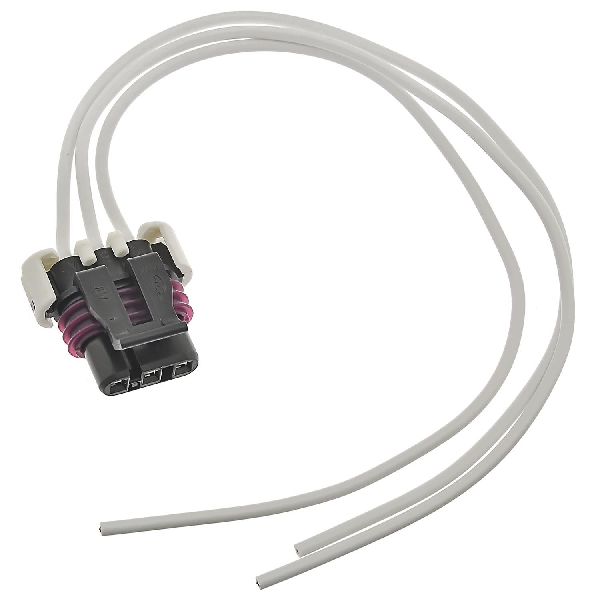
Typical fix: Repair the damaged section of wire or replace the sensor's pigtail connector. Clean corroded connectors with electrical contact cleaner or replace the connector if damage is severe.
Est. part cost: $15-$50 for a pigtail connector. - Stretched Timing Chain or Timing Component Issue ⚪ Low Probability → Shop Engine Timing Chain On higher mileage V8 engines (typically over 100,000-120,000 miles), timing chain stretch can occur, causing the cam and crank signals to fall out of sync and trigger P0340 or P0341.
How to confirm: This is an advanced diagnosis requiring a scan tool to compare actual vs. desired camshaft position angles or an oscilloscope to compare cam and crank sensor patterns. A significant deviation indicates a mechanical timing problem.
Typical fix: Requires replacement of the timing chain, tensioners, and guides. This is a significant, labor-intensive repair.
Est. part cost: $200-$500
Rare But Worth Checking
- Failing Alternator: A faulty alternator can produce excessive AC ripple voltage (electrical noise) that interferes with the camshaft position sensor's signal, triggering a P0340 code even if the sensor and wiring are good. One owner on RepairPal fixed a persistent P0340 on a 2012 Sierra by replacing the alternator after noticing the code would only appear when the alternator was plugged in.
- Weak or Dead Battery: → Shop Vehicle Battery Low system voltage during cranking can cause the PCM to receive an erratic or implausible signal from the cam sensor, setting the code.
- Faulty Powertrain Control Module (PCM): → Shop Engine Control Module (ECM) This is very rare and should only be considered after all other possibilities, including wiring, sensor, and mechanical issues, have been definitively ruled out. A technician on YouTube diagnosed a faulty PCM on a 2014 Silverado 4.3L with P0340 after an oscilloscope showed a good sensor signal but the PCM data showed zero reading.
Diagnosis Steps
- Read all stored fault codes with an OBD-II scanner. Note if P0341 or P0335 are also present.
- Perform a thorough visual inspection of the camshaft position sensor, its connector, and the surrounding wiring harness. Look for loose connections, chafed wires (especially near the power steering lines or A/C compressor), or oil contamination.
- For 2014-2016 models, specifically locate and inspect the 16-pin connector X154 on the front of the engine (driver's side, near the vacuum pump) for any signs of water intrusion or corrosion, as noted in TSB #PIP5335D.
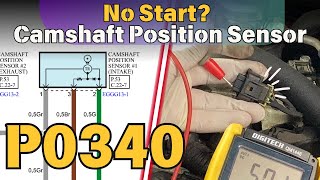
- Using a multimeter with the key on, engine off, check for a 5-volt reference and a good ground at the sensor connector.
- Use a scan tool to observe live data from the sensor while cranking the engine. If there is no signal or it is erratic, the sensor or its circuit is faulty.
- If wiring and connectors are confirmed to be good, replace the camshaft position sensor. It is a relatively low-cost part.
- If the code returns after replacing the sensor, check for AC ripple voltage from the alternator; it should be less than 0.5V AC.
- If all else fails, advanced diagnostics are needed to check for mechanical timing issues (stretched chain) or a faulty PCM.
Parts You'll Likely Need
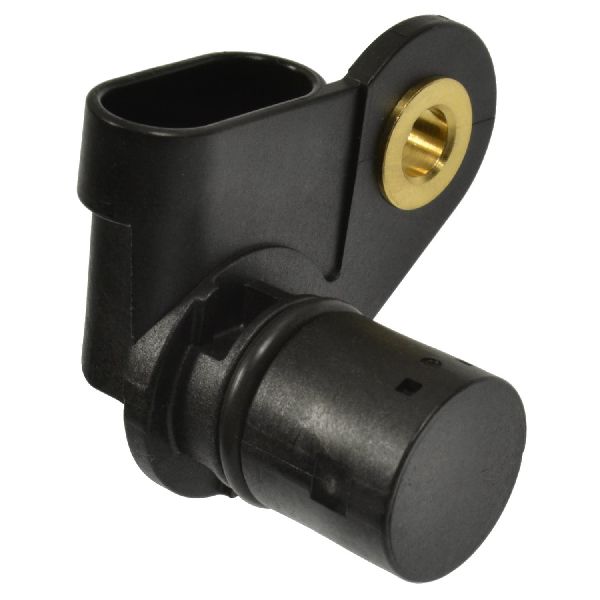
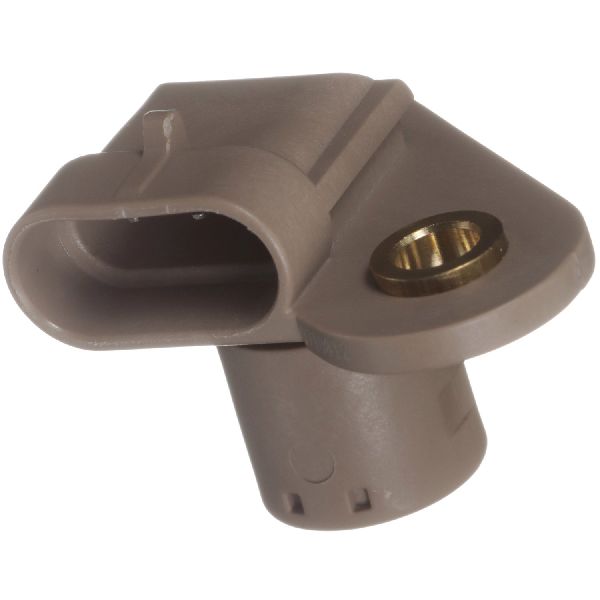
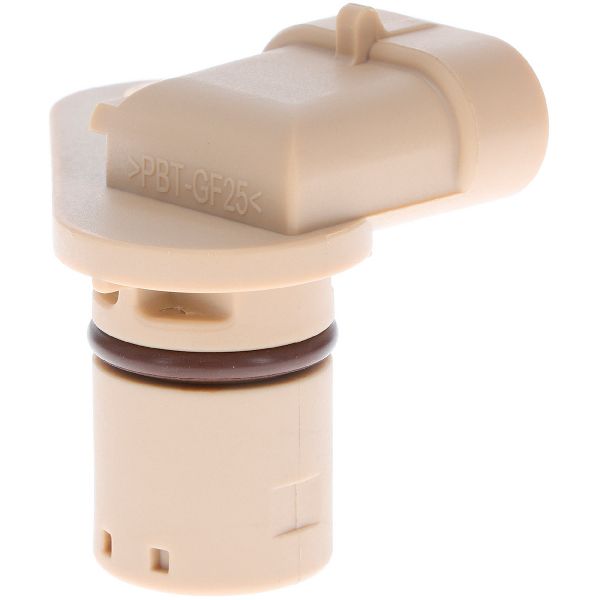
- Camshaft Position Sensor
(OEM #12680669, 12591720)— This is the most frequent cause of a P0340 code, either due to internal failure or as a preventative measure when addressing wiring issues.
Trusted brands: ACDelco, Delphi, Bosch, Standard Motor Products
OEM price range: $50-$75
Aftermarket price range: $25-$60 - Camshaft Position Sensor Pigtail Connector
(OEM #13585316, PT2306)— Needed when the original connector is corroded, melted, or has broken locking tabs, which is a common issue.
Trusted brands: ACDelco, Dorman, Standard Motor Products (HP4240)
OEM price range: $25-$40
Aftermarket price range: $15-$30
Related Codes That Often Appear With This One
- P0341 — This code indicates a 'Range/Performance' issue with the same sensor circuit. TSB #PIP5335D mentions P0340 and P0341 occurring together, 🎬 Watch: Diagnosing P0340 and P0341 codes on a Sierra often pointing to the same wiring or connector fault.
- P0335 — This is the code for the crankshaft position sensor. Since these sensors work together for timing, a fault in the timing chain or a significant electrical issue (like a chafed harness affecting both sensor circuits) could trigger codes for both. TSB #PIE0416A groups these codes.
Technical Service Bulletins (TSBs) & Recalls
- PIE0416A: Information on Malfunction Indicator Lamp with DTCs P0335, P0340, or P0365 Set.
- PIP5335D: Addresses SES lamp with DTCs P0340 and P0341, advising inspection of connector X154 for corrosion.
- PIP5099A: Advises replacing the cam position sensor on specific 2012 builds for intermittent P0340.
Platform-Specific Known Issues
- Bulletin #PIP5099A: For some 2012 models built in September or October 2012, this TSB advises replacing the cam position sensor to resolve an intermittent P0340 code if other diagnostics don't find a cause.
- Bulletin #PIP5335D: This bulletin addresses P0340/P0341 on 2014-2016 models, instructing technicians to inspect connector X154 for corrosion if standard diagnostics fail.
- Bulletin #PIE0416A: This 2017 bulletin notes that GM was gathering information on vehicles setting P0340, P0335, or P0365, indicating a recognized pattern of these faults.
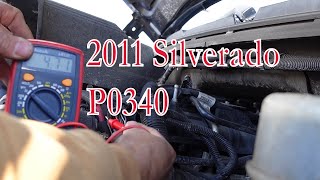
- Owner Experience (Wiring Chafing): A common real-world failure is the wiring harness rubbing through on engine components. A YouTube video on the 'DrShock' channel showed a 2011 Silverado where the blue signal wire was broken from chafing on a power steering line, causing P0340.
Mechanic-Grade Diagnostic Values
- Camshaft Position Sensor 5V Reference Supply — expected: 4.8V to 5.2V DC with key on, engine off.. Failure: Voltage below 4.5V suggests an open or high resistance in the supply circuit from the ECM.
- Camshaft Position Sensor Signal Wire (Key On, Engine Off) — expected: Approximately 5V DC.. Failure: 0V or significantly lower voltage suggests a short to ground or an internally shorted sensor.
- Camshaft Position Sensor Ground Circuit Resistance — expected: Below 5.0 ohms when measured between the sensor connector's ground pin and a known good chassis ground.. Failure: Resistance above 5.0 ohms indicates a poor ground connection, which can cause erratic signals.
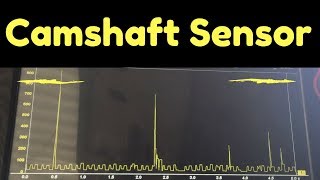
- Camshaft Position Sensor Signal Waveform — expected: A clean digital square wave, switching between 0V and 5V as the engine is cranked or running.. Failure: A shaky, inconsistent, or missing waveform indicates a faulty sensor, poor connection, or damaged reluctor wheel.
Wiring & Ground Locations
- CMP Sensor Connector — On Gen V (2014-2016) engines, it's a 3-wire connector on the front of the driver's side cylinder head. On Gen IV (2012-2013), it's on the front timing cover, behind the water pump.. This is the primary connection point for the sensor. The pins are: 5V reference (Dark Blue), Low Reference/Ground (Brown), and Signal (Dark Blue w/ White stripe). A bad connection here is a primary cause of P0340.
- X154 Connector — A 16-pin connector located on the front engine cover, next to the vacuum pump on 2014-2016 models.. TSB #PIP5335D specifically calls out this connector as a common point for water intrusion and corrosion, which interrupts the cam sensor signal passing through it.
- ECM Ground — Typically located on the engine block, often at the rear of the driver's side.. This is the main ground reference for the Engine Control Module. A loose or corroded ECM ground can cause an unstable ground reference for all engine sensors, including the camshaft sensor, leading to false P0340 codes.
- G103 — Located at the left rear of the engine compartment on the cowl, often near the brake booster.. This is a major body and data link ground. While less likely to be the sole cause for P0340, a poor connection here can cause a wide range of bizarre electrical issues and communication codes that could accompany P0340.
Real Owner Repair Stories
- LS1TECH Forum User (2015 Silverado 5.3L V8 (Gen V)) — Extended cranking, especially when warm. Would eventually start and throw P0340 and P0341. Ran fine once started and codes were cleared.
❌ Tried (didn't work) Replaced camshaft position sensor twice with new AC Delco parts., Replaced the engine sub-harness that connects the cam sensor.
✅ What actually fixed it The issue was unresolved in the thread, but the user noted the truck had an aftermarket Texas Speed Stage 1 camshaft with a zero-degree lockout. This highlights a critical diagnostic point: aftermarket engine modifications, especially camshafts, can cause timing correlation issues that set these codes even with functional sensors and wiring. - YouTube Channel 'Repairs and Reviews' (2011 GMC Sierra 4.3L V6 (Similar Gen IV architecture)) — Check Engine Light with P0340 and P0341.
❌ Tried (didn't work) A simple sensor replacement would not have fixed the issue.
✅ What actually fixed it Using an oscilloscope, the technician confirmed the sensor was producing a good square wave signal, but wiggling the connector caused signal dropouts. The final diagnosis was a faulty pigtail connector, not the sensor itself. The fix was to replace the connector.
OEM Part Supersession History
12568983, 12585545→12591720— Standard part evolution for Gen IV LS engines (2012-2013 models).
Heads up: Part 12591720 is the correct replacement for the earlier numbers on Gen IV V8 engines.
Model Year Variations Within This Range
- 2012-2013 (GMT900 / Gen IV V8): The sensor is located on the front timing cover, behind the water pump, making access more difficult. The primary part number is 12591720. TSB #PIP5099A points to faulty sensors on specific 2012 builds.
- 2014-2016 (K2XX / Gen V V8): The sensor is located on the front of the driver's side cylinder head, making it much more accessible. Wiring issues, especially at the X154 connector, are more common per TSB #PIP5335D. The OEM part number is typically 12680669.
Helpful Videos
We Have This Part in Stock


The information in this article is provided for general reference and educational purposes only. Vehicle specifications, procedures, and part compatibility can vary by production date, trim level, and region. Always consult your vehicle's factory service manual and verify part numbers before purchasing or performing repairs. Safety-critical components such as airbags, seat belts, and braking systems should be installed by a qualified professional.
- Gmc SIERRA DENALI:
- 🧭 Diagnostic Flowchart
- 🎬 Helpful Videos
- 🛍️ Shop This Part
- What's Unique About the 2012-2016 Gmc SIERRA DENALI
- Symptoms You May Notice
- Most Likely Causes
- Rare But Worth Checking
- Diagnosis Steps
- Parts You'll Likely Need
- Related Codes That Often Appear With This One
- Technical Service Bulletins (TSBs) & Recalls
- Platform-Specific Known Issues
- Mechanic-Grade Diagnostic Values
- Wiring & Ground Locations
- Real Owner Repair Stories
- OEM Part Supersession History
- Model Year Variations Within This Range
- 🎟️ Get 5% Off