

P0340 on 2017-2019 GMC Sierra Denali: Camshaft Sensor Circuit Causes and Fixes
On a 2017-2019 GMC Sierra Denali, code P0340 is most often caused by a faulty camshaft position sensor or a wiring issue. Inspect the wiring harness and connectors for damage or corrosion before replacing the sensor. Specifically, check connector X154 on the front engine cover for corrosion, a known issue cited in GM TSBs. A new sensor costs between $25 and $75.
- P0340 on a 2017-2019 Sierra Denali indicates a problem in the Camshaft Position Sensor 'A' circuit.
- Do not immediately replace the sensor. First, inspect the wiring harness for damage and the X154 connector for corrosion, as these are known weak points on this platform.
- Symptoms are serious and include hard starting, stalling, and rough running. Continued driving is not recommended.
- The most likely fix is either repairing a wiring/connector issue or replacing the camshaft position sensor itself.
- The repair is generally considered DIY-friendly, with the sensor being relatively inexpensive and accessible.
What's Unique About the 2017-2019 Gmc SIERRA DENALI
For the GMC Sierra platform and its relatives, P0340 is frequently more than just a bad sensor. GM has issued multiple Technical Service Bulletins (TSBs) that point to specific wiring vulnerabilities. Notably, water intrusion causing corrosion in the X154 connector on the front engine cover is a well-documented issue for 2014-2019 models (TSB #PIP5335D). Additionally, other TSBs like #PIP5724 and #21-NA-149 (which supersedes PIT5677E) warn of the engine wiring harness chafing or getting pinched near the A/C compressor, generator bracket, or the sharp edge of the cylinder head, causing a short in the sensor circuit. Owners should be aware that a thorough wiring inspection is just as important as testing the sensor itself.
Diagnostic Flowchart
Tap your situation to follow the diagnostic path that matches what you're seeing on this vehicle.
Generation note: The 2017-2019 model years span two generations of the GMC Sierra. The 2017-2018 models are part of the third generation (K2XX). The 2019 model year includes both the outgoing K2XX generation (badged as 'Sierra 1500 Limited') and the all-new fourth generation (T1XX). While the P0340 code has the same meaning, be aware of potential differences in part numbers and wiring harness routing between these generations. For example, TSB #PIP5335D specifically covers the K2XX models up to 2019, while TSB #21-NA-149 details different harness chafe points on the newer T1XX platform.
Symptoms You May Notice
- Check Engine Light is on
- Engine is hard to start or requires extended cranking.
- Engine stalls, sometimes intermittently, especially at low speeds.
- Rough idle.
- Noticeable loss of engine power and poor acceleration.
- Reduced fuel economy.
- Engine may not start at all (no-start condition).
- Replacing the camshaft position sensor without first inspecting the wiring harness and connectors. Given the known TSBs for this platform, a wiring issue is a very common cause.
- Replacing the crankshaft position sensor. While symptoms can be similar, P0340 specifically points to the camshaft position sensor 'A' circuit.
- Using cheap aftermarket sensors. Many owners and mechanics report that GM trucks are sensitive to sensor quality, and an aftermarket part may fail quickly or not work at all.
Most Likely Causes
- Wiring Harness or Connector Damage 🔴 High Probability Multiple TSBs mention issues with pinched or chafed wiring harnesses and corrosion in connectors on these trucks. TSB #PIP5335D specifically points to water intrusion and corrosion in the X154 connector on the front of the engine cover for 2014-2019 models. Forum users and other TSBs report the harness chafing on the A/C compressor, power steering lines, or sharp edges of the cylinder head.
How to confirm: Visually inspect the wiring harness leading to the camshaft position sensor for any signs of chafing, melting, or physical damage. Unplug and inspect the X154 connector (16-pin, driver's side of the front engine cover, near the vacuum pump) and the sensor connector itself for green or white corrosion. A user on Reddit with a 2019 model noted that rodent damage to the harness is also a possibility for trucks that sit for periods.
Typical fix: Repair the damaged section of wiring using solder and heat-shrink tubing (butt connectors are not recommended 🎬 Watch: Why replacing the sensor doesn't always fix P0340 for low-voltage sensor circuits). Clean corroded terminals with electrical contact cleaner or replace the connector pigtail if damage is severe.
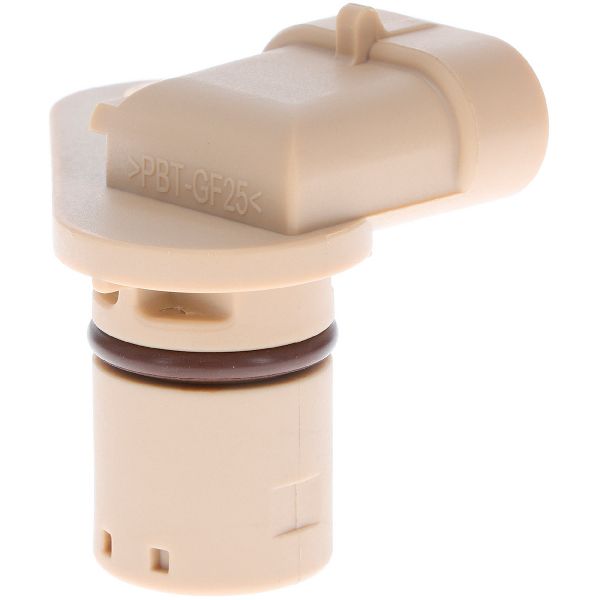
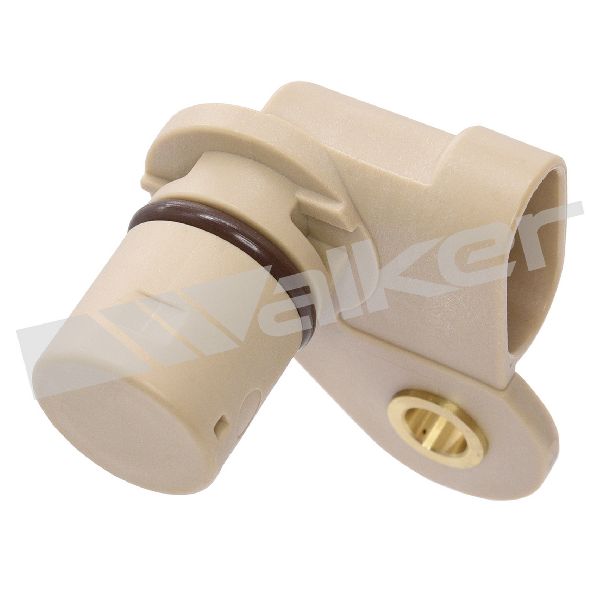
Est. part cost: $15-$50 - Faulty Camshaft Position Sensor 🔴 High Probability → Shop Engine Camshaft Position Sensor Sensors are exposed to extreme heat cycles and vibration at the front of the engine, leading to eventual electronic failure.
How to confirm: After confirming the wiring is intact, the sensor can be tested with a multimeter or oscilloscope for a proper signal. For many DIYers, the easiest confirmation is to replace the sensor, as it is relatively inexpensive and accessible. It is strongly recommended to use an OEM ACDelco or Delphi brand sensor, as these trucks can be sensitive to aftermarket electronics.
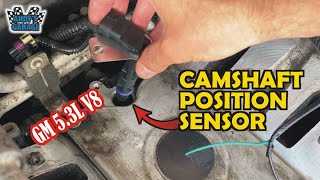
Typical fix: Replace the camshaft position sensor for Bank 1. It is located on the front of the driver's side cylinder head, typically held by a single 10mm bolt.
Est. part cost: $25-$75 - Weak or Failing Battery ⚪ Low Probability → Shop Vehicle Battery Low voltage during cranking can cause various spurious codes to be set by sensitive electronic modules. Modern trucks have high electrical demands. A Reddit user with a 2021 Denali noted that over 40 codes appeared at once due to a low voltage situation.
How to confirm: Test the battery voltage with a multimeter. A healthy battery should read approximately 12.6 volts with the engine off and above 10 volts during cranking. With the engine running, voltage should be 13.7-14.7 volts. Many auto parts stores will test your battery for free.
Typical fix: Charge or replace the battery.
Est. part cost: $150-$300
Rare But Worth Checking
- Internal Engine Timing Issue: While rare, a stretched timing chain or a failing camshaft phaser can cause the camshaft and crankshaft signals to be out of sync, triggering a P0340 code. This is usually accompanied by other codes (like P0011, P0014, P0016) and mechanical noise like rattling on startup.
- Faulty Engine Control Module (ECM): → Shop Engine Control Module (ECM) This is a very rare cause. The ECM should only be considered after all other possibilities, including wiring, sensors, and mechanical timing, have been exhaustively ruled out.
- Faulty Alternator: A recall (N192273510) was issued for some 2019-2020 models for an intermittent electrical connection at the alternator. A failing alternator can introduce electrical noise into the system, which can interfere with sensor signals and cause a P0340 code.
Diagnosis Steps
- Read the code with an OBD-II scanner and note any other codes present.
- Check the battery's state of charge and health. Ensure it provides adequate voltage during cranking (above 10V).
- Perform a thorough visual inspection of the wiring harness leading to the camshaft position sensor. Look for chafing, breaks, or signs of heat damage, especially near the A/C compressor and front of the cylinder head.
- Locate and inspect the 16-pin X154 connector on the front of the engine (driver's side). Disconnect it and check for any signs of moisture or green/white corrosion as per TSB #PIP5335D. Clean with electrical contact cleaner if necessary.
- Inspect the connector at the camshaft position sensor itself for damage or corrosion.
- If wiring and connectors appear to be in good condition, test the sensor's output with a multimeter or oscilloscope to verify it is sending a signal. The three wires are typically a 5V reference, a low reference (ground), and the signal wire.
- If the wiring is good but the sensor signal is absent or incorrect, replace the camshaft position sensor, preferably with an OEM ACDelco part.
- After replacement, clear the codes and perform a test drive to ensure the issue is resolved.
Parts You'll Likely Need
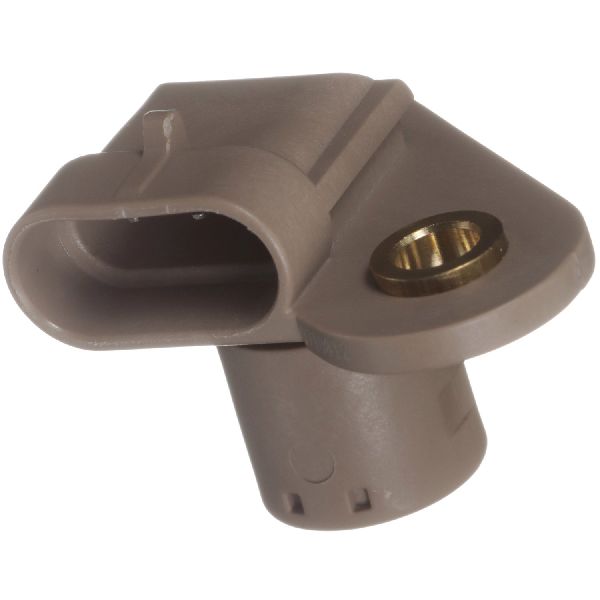
- Camshaft Position Sensor
(OEM #12698173)— This is the most common component to fail within the circuit, after wiring issues have been ruled out. Part number 12698173 is a common ACDelco replacement. Note: GM has superseded part numbers over time (e.g., 12674702), so always verify fitment with your VIN.
Trusted brands: ACDelco (OEM), Delphi (OEM Supplier), Bosch
OEM price range: $30-$50
Aftermarket price range: $20-$75
Related Codes That Often Appear With This One
- P0341 — P0341 indicates a 'Camshaft Position Sensor 'A' Circuit Range/Performance' problem. It often appears with P0340 because a failing sensor or bad wiring can cause both a complete signal loss (P0340) and an intermittent or out-of-spec signal (P0341). TSB #PIP5335D mentions these two codes appearing together. 🎬 Watch: Diagnosing P0340 and P0341 codes on a GMC Sierra
- P0335 / P0336 — These codes relate to the crankshaft position sensor. The ECM compares cam and crank signals for timing. A fault in the cam sensor circuit can cause a correlation error, sometimes triggering codes for the crank sensor system. TSB #PIP5724 notes these can appear together due to a pinched harness.
Technical Service Bulletins (TSBs) & Recalls
- Bulletin #PIP5335D: For 2014-2019 models, advises inspecting connector X154 (or X159 on 2015 models) for corrosion if DTCs P0340 and P0341 are present and standard diagnostics don't find a cause.
- Bulletin #21-NA-149: For 2019+ models, this bulletin (replacing PIT5677E) provides a comprehensive guide to finding engine harness chaf
Platform-Specific Known Issues
- TSB #PIP5335D: Calls attention to potential water intrusion and corrosion in the X154 connector on the front engine cover, which can cause P0340 and P0341 on 2014-2019 models.
- TSB #21-NA-149: Supersedes older bulletins and details multiple engine harness chafe points on 2019+ T1XX models that can cause P0340 and other codes. Key areas include the ECM bracket and shock tower bolt area.
- TSB #PIP5724: Warns of a possible pinched wiring jumper harness between the X154 connector bracket and the front engine cover on 2020 models, which can also affect 2019 T1XX trucks.
Mechanic-Grade Diagnostic Values
- Camshaft Position Sensor 5V Reference Supply — expected: 4.8V to 5.2V with key on, engine off.. Failure: Voltage below 4.5V suggests an open, short, or high resistance in the supply circuit from the ECM.
- Camshaft Position Sensor Ground Circuit Resistance — expected: Below 5.0 ohms when measured between the sensor connector's ground pin and a known good chassis ground.. Failure: Resistance above 5.0 ohms indicates a poor ground connection, which can cause erratic signals.
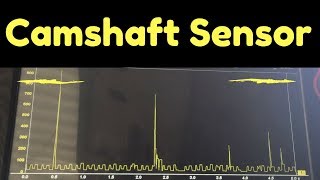
- Camshaft Position Sensor Signal Waveform — expected: A clean 0V to 5V square wave signal when viewed on an oscilloscope while cranking or running the engine.. Failure: Signal dropouts, noise, or a flat line indicates a faulty sensor, poor connection, or wiring issue. Tapping on the connector can reveal intermittent dropouts.
- Alternator AC Voltage Ripple — expected: Under 0.5V AC with the engine running.. Failure: Significant AC voltage indicates failing diodes in the alternator, which creates electrical noise that can interfere with the cam sensor signal.
Scan Tool Commands That Help
- GDS2 / Tech2Win: Crankshaft Variation Relearn (or Cam/Crank Relearn) — This procedure is required after replacing the camshaft position sensor, crankshaft position sensor, or timing components. It synchronizes the signals from both sensors with the ECM to ensure accurate timing. Failure to perform this may result in continued rough running or other codes even after the part is replaced.
Wiring & Ground Locations
- X154 Connector — A 16-pin connector on the driver's side of the front engine cover, near the vacuum pump. A smaller 8-way jumper harness may connect to it.. This is a known weak point for water intrusion and corrosion as cited in TSB #PIP5335D, directly causing P0340 and P0341 by disrupting the sensor signal.
- G103 — On the front of the passenger side cylinder head.. This is a primary engine ground. A poor connection here can introduce electrical noise and cause unstable voltage for various sensors, including the camshaft position sensor.
- G104 / G108 — A ground strap located on the rear of the driver's side cylinder head, connecting to the firewall.. This ground connects the engine block to the vehicle body (cowl). A loose or corroded connection here is a common cause of unexplained electrical issues and sensor faults on GM trucks.
- Main Battery Ground — Connects from the negative battery terminal to the vehicle frame, often under the radiator support area on the driver's side.. This is the primary ground for the entire vehicle's electrical system. Corrosion or a loose connection here can cause widespread, intermittent electrical problems that are difficult to diagnose.
OEM Part Supersession History
Not specified, but a common replacement is 12698173→12733487— Standard part evolution for improved reliability or manufacturing changes.
Heads up: Part number 12674702 is frequently confused with the camshaft sensor but is actually for the CRANKSHAFT position sensor and is not compatible.
Model Year Variations Within This Range
- 2017-2019 (K2XX Platform): These models are specifically called out in TSB #PIP5335D regarding corrosion in the X154 engine harness connector as a primary cause for P0340, especially when paired with P0341.
- 2019 (T1XX Platform): The newer T1XX platform has different wiring harness routing. TSB #21-NA-149 details multiple potential chafe points, such as against the ECM bracket, A/C compressor, and cylinder head, which are more common causes on this newer generation than the X154 connector corrosion.
Helpful Videos
We Have This Part in Stock


The information in this article is provided for general reference and educational purposes only. Vehicle specifications, procedures, and part compatibility can vary by production date, trim level, and region. Always consult your vehicle's factory service manual and verify part numbers before purchasing or performing repairs. Safety-critical components such as airbags, seat belts, and braking systems should be installed by a qualified professional.
- Gmc SIERRA DENALI:
- 🧭 Diagnostic Flowchart
- 🎬 Helpful Videos
- 🛍️ Shop This Part
- What's Unique About the 2017-2019 Gmc SIERRA DENALI
- Symptoms You May Notice
- Most Likely Causes
- Rare But Worth Checking
- Diagnosis Steps
- Parts You'll Likely Need
- Related Codes That Often Appear With This One
- Technical Service Bulletins (TSBs) & Recalls
- Platform-Specific Known Issues
- Mechanic-Grade Diagnostic Values
- Scan Tool Commands That Help
- Wiring & Ground Locations
- OEM Part Supersession History
- Model Year Variations Within This Range
- 🎟️ Get 5% Off