

P0340 on 2002-2008 Jaguar X-Type: Camshaft Sensor Causes and Fixes
P0340 on a Jaguar X-Type usually means the Bank 1 camshaft position sensor has failed. Bank 1 is the cylinder head near the firewall. Replacing the sensor is the most common fix, but the underlying cause is often an oil leak from the Bank 1 valve cover gasket dripping onto the sensor and its connector. This repair can cost between $250 and $600.
- P0340 on a 2002-2008 Jaguar X-Type points to a problem with the camshaft position sensor circuit for the rear cylinder bank (Bank 1), located near the firewall.
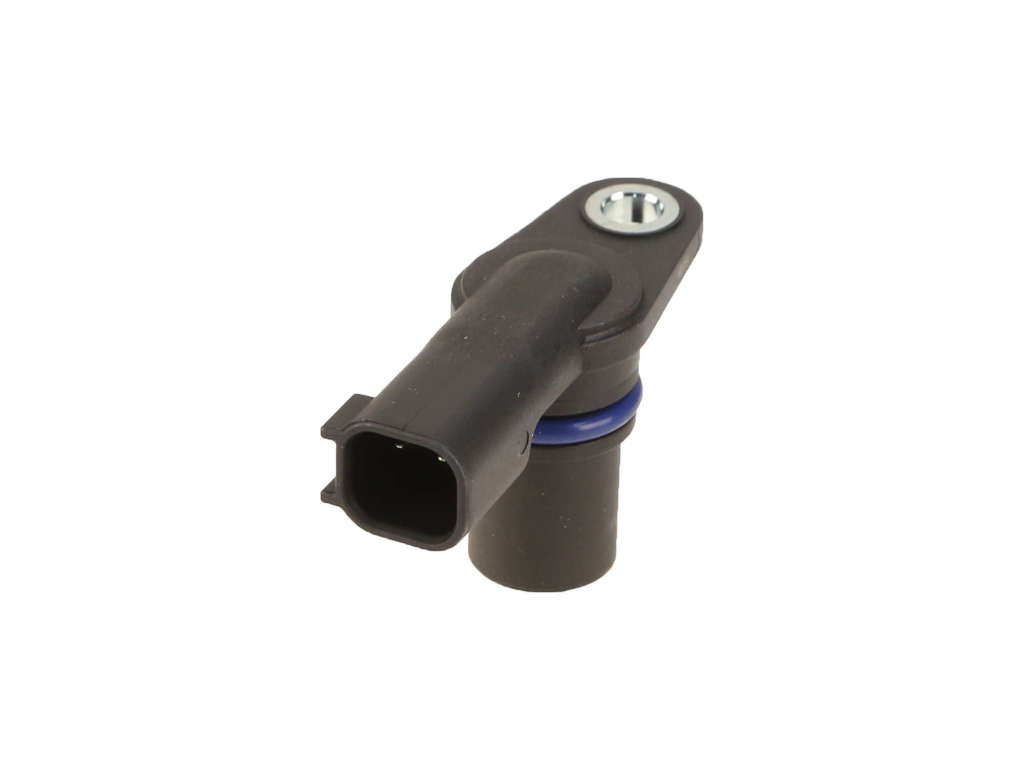
- The most common fix is replacing the camshaft position sensor (Part No. XR853846), but always inspect the wiring and connector for oil contamination or damage first.
- A leaking Bank 1 valve cover gasket is a frequent root cause of this code, as dripping oil can ruin the sensor and its connection. This leak also poses a fire risk from oil dripping on the exhaust.
- Symptoms include difficulty starting (especially when hot), stalling, and a rough idle.
What's Unique About the 2002-2008 Jaguar X-Type
On the Jaguar X-Type's transversely mounted V6 engine, 'Bank 1' is the cylinder bank located against the firewall, making access to its camshaft position sensor significantly more challenging than for Bank 2, which is near the radiator. Many owners first encounter this code due to a simple sensor failure, but oil leaks from the valve cover gaskets are a frequent and critical underlying issue on these engines. A leak on Bank 1 can drip directly onto the hot exhaust manifold, creating a fire hazard, while also contaminating the sensor and its electrical connector, causing the circuit fault.
Symptoms You May Notice
- Check Engine Light is on
- Engine is difficult to start or cranks but won't start
- Engine stalls, especially when warm
- Rough idling or unstable idle speed
- Noticeable loss of power and poor acceleration
- Reduced fuel economy
- Engine hesitates or stumbles during acceleration
- Replacing the camshaft position sensor without first inspecting the wiring harness and connector. The code indicates a 'circuit malfunction', which means the problem could be anywhere in the circuit, not just the sensor itself.
- Replacing the sensor without addressing the root cause, such as a leaking valve cover gasket. The new sensor will likely fail prematurely if it is also contaminated with oil.
Most Likely Causes
- Failed Bank 1 Camshaft Position Sensor 🔴 High Probability → Shop Engine Camshaft Position Sensor The sensor is exposed to significant heat cycles being on the firewall side of the engine, which can lead to electronic failure over time. It is also highly susceptible to contamination from leaking valve cover gaskets.
How to confirm: After verifying the wiring is intact, the most straightforward confirmation is to replace the sensor. A more advanced method involves using an oscilloscope to check for a proper square wave signal from the sensor while the engine is cranked.
Typical fix: Replace the Bank 1 camshaft position sensor. Access is tight, requiring removal of some components for clearance.
Est. part cost: $70-$200 - Damaged Wiring or Connector 🟡 Medium Probability The wiring harness is in a hot, tight space. Oil leaks from the valve cover can degrade the wire insulation and the connector seal, leading to shorts or open circuits. In some early models, the engine harness could also chafe on its mounting bracket. One owner on JaguarForums reported triggering the code simply by pressure washing the engine, forcing water into the connector.
How to confirm: Visually inspect the wiring harness leading to the sensor for any signs of melting, chafing, or oil contamination. Check the electrical connector for corrosion, backed-out pins, or a loose fit. Test for 5V reference, ground, and signal continuity using a multimeter.
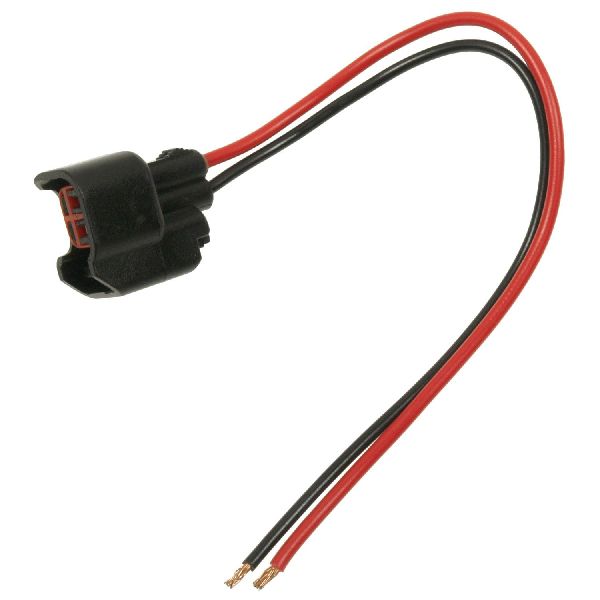
Typical fix: Repair the damaged section of the harness or replace the connector pigtail. Ensure the connector is clean and dry before reconnecting.
Est. part cost: $15-$50 - Oil Leak from Bank 1 Valve Cover Gasket 🟡 Medium Probability Valve cover gaskets on the AJ-V6 engine are a very common failure point. A leak on the Bank 1 (firewall side) valve cover will drip directly onto the camshaft position sensor and its connector, fouling the connection and causing the sensor to fail. This repair is labor-intensive as the upper intake manifold must be removed to access the valve cover.
How to confirm: Inspect the area around the Bank 1 valve cover and the camshaft position sensor for signs of fresh or caked-on oil. A burning oil smell is also a strong indicator, as oil drips onto the exhaust.
Typical fix: Replace the Bank 1 valve cover gasket set, which includes the main gasket and spark plug tube seals. Thoroughly clean all oil from the sensor, connector, and surrounding area with electrical contact cleaner. It is highly recommended to replace the camshaft sensor at the same time.
Est. part cost: $40-$100
Rare But Worth Checking
- Failing Powertrain Control Module (PCM): → Shop Engine Control Module (ECM) This is very rare. The PCM should only be considered after all other possibilities, including the sensor, wiring, and mechanical timing, have been exhaustively ruled out.
- Stretched Timing Chain: → Shop Engine Timing Chain While possible, a stretched timing chain would typically cause other codes related to cam/crank correlation (like P0016) and may produce audible rattling noises from the engine.
Diagnosis Steps
- Read the code with an OBD-II scanner and confirm P0340 is present.
- Identify Bank 1. On the X-Type V6, this is the cylinder bank against the firewall.
- Visually inspect the Bank 1 camshaft position sensor and its electrical connector. Look for obvious damage, loose connection, or heavy oil contamination from a leaking valve cover gasket. A burning oil smell is a key symptom.
- If oil is present, the valve cover gasket leak MUST be addressed. This requires removing the upper intake manifold. Plan to replace the valve cover gasket set and the camshaft position sensor at the same time.
- If no oil is present, inspect the wiring harness leading to the sensor as far as you can. Look for brittle insulation, chafing against other components (especially the harness mounting bracket), or melting.
- (Advanced) Using a multimeter, disconnect the sensor and check for approximately 5 volts reference and a good ground at the connector with the key on, engine off.
- (Advanced) The most definitive test is to use an oscilloscope to view the sensor's output signal while cranking the engine. A good sensor will produce a clean square wave.
- If the wiring and connector are confirmed to be good and free of oil, the camshaft position sensor itself is the most likely culprit and should be replaced.
- After replacement, clear the trouble codes with the scanner and perform a test drive to ensure the issue is resolved.
Parts You'll Likely Need
- Camshaft Position Sensor
(OEM #XR853846 (supersedes AJ87965, C2S6438))— This is the most common component to fail, triggering the P0340 code.
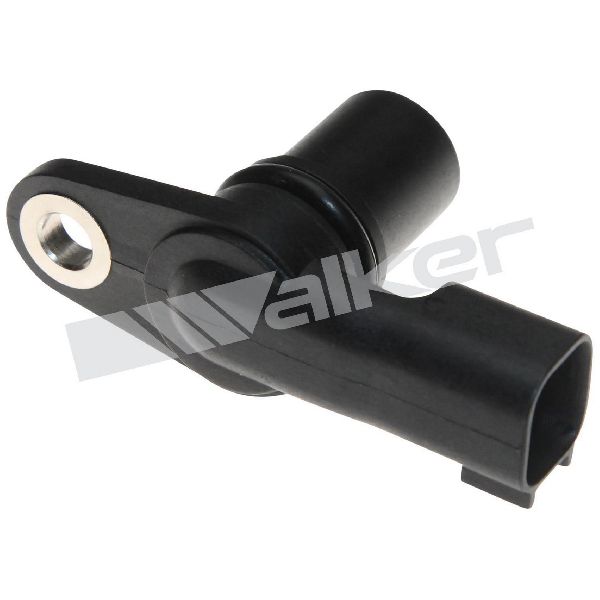
Trusted brands: Jaguar (OEM), Bosch, Delphi, Standard Motor Products (SMP), Walker Products
OEM price range: $150-$250
Aftermarket price range: $70-$150 - Bank 1 Valve Cover Gasket Set
(OEM #C2S40559)— Frequently required if the sensor failure was caused by a common oil leak onto the sensor. The repair is labor-intensive due to the need to remove the intake manifold.
Trusted brands: Mahle (VS50615R), Fel-Pro, Victor Reinz
OEM price range: $80-$150
Aftermarket price range: $40-$80
Related Codes That Often Appear With This One
- P0341 — P0341 indicates a 'Camshaft Position Sensor 'A' Circuit Range/Performance' issue. It can appear alongside P0340 if the sensor signal is erratic or intermittent before it fails completely.
Technical Service Bulletins (TSBs) & Recalls
- XT303-02: A Technical Service Bulletin for early 2002 models addresses potential engine harness chafing on a mounting bracket, which could lead to a short circuit and trigger various electrical faults, including sensor circuit codes.
Platform-Specific Known Issues
- Owner Experience: Hard Start When Hot: An owner on JaguarForums detailed a classic symptom progression where the car would start fine when cold, but required extensive cranking to restart once it was at full operating temperature on a hot day. This intermittent hard-starting eventually threw the P0340 code, confirming the camshaft position sensor was failing under heat soak.
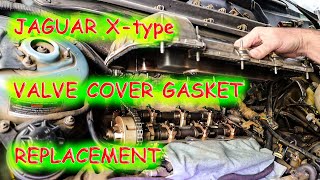
- DIY Repair: Accessing the Bank 1 Sensor and Valve Cover: A detailed video walkthrough of the valve cover gasket replacement on the firewall-side bank (Bank 1) confirms the complexity of the job. To access the valve cover and the camshaft sensor area properly, the entire upper intake manifold assembly must be removed. This significantly increases the labor time compared to the easily accessible Bank 2 sensor.
Mechanic-Grade Diagnostic Values
- Camshaft Position Sensor Power Supply Voltage — expected: Approximately 5V DC. Failure: No voltage or significantly lower voltage indicates a wiring or PCM issue. If both cam sensors have faults, the shared power supply is a likely culprit.
- Camshaft Position Sensor Signal Wire Voltage (KOEO, sensor disconnected) — expected: Approximately 5V DC. Failure: No voltage suggests a problem with the pull-up resistor inside the PCM or a short to ground in the signal wire.
- Camshaft Position Sensor Ground Circuit — expected: Good continuity to chassis ground (near 0 ohms).. Failure: High resistance indicates a corroded or broken ground wire, which can cause erratic sensor readings.
- CMP Sensor Sense Circuit Resistance (end-to-end) — expected: Less than 5 ohms. Failure: Resistance greater than 5 ohms indicates a high-resistance circuit (corrosion, damaged wire) that needs repair.
Wiring & Ground Locations
- Main Engine Ground Strap — A large braided stainless steel strap located on the passenger side (right side) of the car, connecting the engine/transmission assembly to the chassis/frame, directly under the starter area.. A poor engine ground can cause a host of electrical issues, including erratic sensor readings and incorrect voltages. While not a direct cause of P0340, verifying this ground is clean and tight is a crucial step in diagnosing any electrical fault on the vehicle.
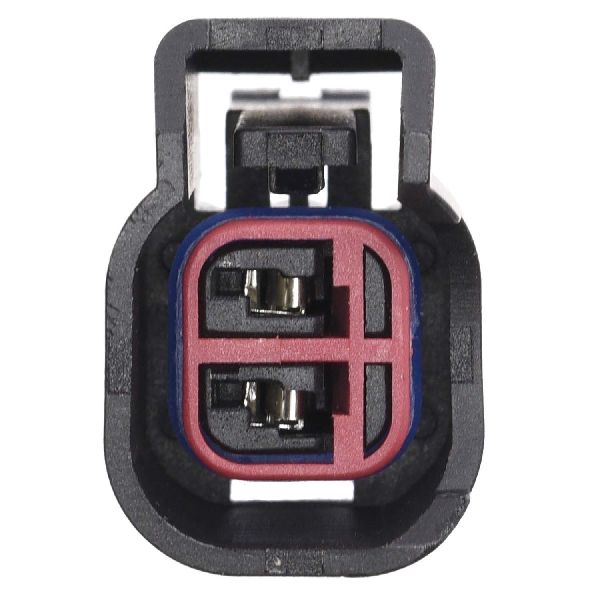
- CMP Sensor Connector (Bank 1) — On the Bank 1 (firewall side) cylinder head, near the top. Access is difficult and typically requires removal of the upper intake manifold.. This is the primary connection point for the sensor. It is highly susceptible to oil contamination from a leaking valve cover gasket, which can degrade the connector and pins, causing a circuit fault.
- ECM Connector EM13, Pin 20 — At the Engine Control Module (ECM).. This is the pin for the Bank 1 CMP sensor signal. Checking for continuity between this pin and the corresponding pin at the sensor connector can definitively rule out a wiring break.
Real Owner Repair Stories
- JaguarForums.com user CaptWSims (Jaguar S-Type (with same engine family)) — P0340 and P0341 codes reappeared after clearing.
❌ Tried (didn't work) Replaced the sensor with a $35 aftermarket part from Parts Geek., Soldered the new sensor's wires.
✅ What actually fixed it The user discovered the power supply to the sensor was only 2.2mV instead of the required ~5V, indicating the problem was in the wiring or PCM, not the sensor itself. The cheap aftermarket sensor was not the root cause, but this highlights the need for proper circuit testing before and after replacing parts.
OEM Part Supersession History
AJ87965, C2S6438→XR853846— Part consolidation and potential design revisions for reliability or manufacturing efficiency. The part is used across multiple Jaguar models with the V6 engine, including the S-Type and XJ.
Heads up: While the parts are listed as interchangeable, some forum members note that on the related diesel engine, an original black sensor was revised to a grey one, suggesting a material or electronic update. For the V6 petrol, using the latest part number (XR853846) from a reputable brand is recommended.
Model Year Variations Within This Range
- 2001-2003: Early models are noted to have more general reliability issues, including electrical glitches. A TSB (XT303-02) for 2002 models specifically points to engine harness chafing, which could cause this code.
- 2004-2009: Jaguar made substantial improvements starting in 2004, resolving many of the early mechanical and electrical problems. While the P0340 fault can still occur, post-2004 models are generally considered more reliable.
Diagnostic Flowchart
Other Known Issues on This Vehicle
Issues unrelated to this code that are worth knowing about as an owner of this generation:
- AWD Transfer Case Failure 🔴 High — Very common, often occurring between 50,000 and 100,000 miles. Caused by fluid breakdown in a unit misleadingly called 'sealed for life'.
- Vacuum Leaks (P0171/P0174) 🟠 Medium — Extremely common. Leaks typically originate from a cracked PCV hose, deteriorated brake booster vacuum line, or dried-out IMT valve O-rings on the intake manifold. (Ref: XT303-13 (Addresses IMT valve O-ring replacement))
- Sagging Headliner 🟡 Low — Happens to a majority of vehicles as they age due to the foam backing on the headliner material deteriorating.
- J-Gate Shifter Mechanism Failure 🟠 Medium — Common issue where internal plastic components break, causing the shifter to feel loose, get stuck, or fail to select gears, often resulting in a 'Gearbox Fault' message.
- Water Ingress in Trunk/Boot 🟠 Medium — Frequently reported problem caused by leaking tail light seals or the main boot lid seal, leading to water pooling in the spare tire well and potentially damaging nearby electronics.
Used vs. New Parts: Buying Guide for This Vehicle
When a used part is the smart pick: For this repair, a used part is generally not recommended for the electronic sensor itself due to the low cost of a new part and the unknown remaining lifespan of a used one. A used valve cover is a viable option if the original is cracked, but the gasket set must always be new.
Donor-vehicle mileage cap: roughly under 100000 miles for the part to have meaningful remaining life.
What to inspect on the donor part:
- For a used valve cover, ensure there are no cracks, especially around bolt holes.
- Check that the plastic is not excessively brittle.
- Verify it is not warped by placing it on a known flat surface.
OEM-only on this vehicle (don't cheap out):
- Valve Cover Gaskets: While some aftermarket gaskets like Fel-Pro are used successfully, several forum members state they only use OEM gaskets for this labor-intensive job to avoid premature failure and having to do the work twice.
Aftermarket brands forum-validated for this vehicle:
- Camshaft Position Sensor: Delphi, Bosch, Standard Motor Products (SMP), Walker.
- Valve Cover Gaskets: Fel-Pro, Mahle, Victor Reinz.
Brands owners have reported issues with on this vehicle:
- Unbranded/white-box electronic sensors: Forum discussions frequently show that troubleshooting continues after installing a cheap, no-name sensor, which may be dead-on-arrival or fail quickly.
Real Owner Stories
Aggregated from forums and TSBs cited above. Mileages and costs reflect what owners reported in those sources.
2002 Jaguar X-Type V6
Symptoms: The car would start fine when cold, but required extensive cranking to restart once it was at full operating temperature on a hot day.
What fixed it: Replacement of the camshaft position sensor which was failing due to heat soak.
Source hint: JaguarForums.com thread titled 'Owner Experience: Hard Start When Hot'
Jaguar X-Type V6
Symptoms: Triggered the P0340 code immediately after cleaning the engine bay.
What fixed it: Drying out the sensor connector after forcing water into it during a pressure wash.
Source hint: JaguarForums.com
Jaguar X-Type V6
Symptoms: Persistent codes and engine performance issues.
What fixed it: Comprehensive repair including replacing valve cover gaskets, IMT gaskets, and PCV system components.
Source hint: JaguarForums.com user documentation
Related OBD-II Codes
Frequently Asked Questions
Where is Bank 1 located on my X-Type V6 engine?
Does Technical Service Bulletin XT303-02 apply to my 2002 X-Type?
Why is my P0340 code accompanied by a burning oil smell?
Can I replace the Bank 1 camshaft sensor without removing other parts?
Could pressure washing my engine cause the P0340 code?
Are there any specific O-rings I should replace while fixing related intake issues?
Helpful Videos
We Have This Part in Stock


The information in this article is provided for general reference and educational purposes only. Vehicle specifications, procedures, and part compatibility can vary by production date, trim level, and region. Always consult your vehicle's factory service manual and verify part numbers before purchasing or performing repairs. Safety-critical components such as airbags, seat belts, and braking systems should be installed by a qualified professional.
- Jaguar X-Type:
- 🧭 Diagnostic Flowchart
- 🎬 Helpful Videos
- 🛍️ Shop This Part
- What's Unique About the 2002-2008 Jaguar X-Type
- Symptoms You May Notice
- Most Likely Causes
- Rare But Worth Checking
- Diagnosis Steps
- Parts You'll Likely Need
- Related Codes That Often Appear With This One
- Technical Service Bulletins (TSBs) & Recalls
- Platform-Specific Known Issues
- Mechanic-Grade Diagnostic Values
- Wiring & Ground Locations
- Real Owner Repair Stories
- OEM Part Supersession History
- Model Year Variations Within This Range
- Other Known Issues on This Vehicle
- Used vs. New Parts: Buying Guide for This Vehicle
- Real Owner Stories
- 2002 Jaguar X-Type V6
- Jaguar X-Type V6
- Jaguar X-Type V6
- Related OBD-II Codes
- Frequently Asked Questions
- 🎟️ Get 5% Off