

P0340 on 2011-2017 Jeep Grand Cherokee: Cam Sensor Causes and Fixes
P0340 indicates a fault in the Bank 1 camshaft position sensor circuit. On the 3.6L V6, this is often a sign of a failing cam phaser, not just the sensor itself, and is accompanied by a startup rattle. For the 5.7L V8 and 3.0L Diesel, it's more likely a bad sensor or wiring. A sensor costs $25-$70, while a phaser repair can exceed $1,500. Always use an OEM Mopar sensor for replacement, as the system is sensitive.
- P0340 means there's a fault in the camshaft position sensor circuit for Bank 1 (passenger side).
- On the 3.6L V6, do not assume it's just a bad sensor. A rattling noise on startup strongly suggests a more serious and expensive cam phaser failure.
- Always check the simple things first: engine oil level and condition, and the sensor's wiring/connector.
- If you replace the sensor and the code returns, a deeper mechanical issue is highly likely and should be diagnosed by a professional.
- Jeep has issued software updates (TSBs) that may make the system less sensitive to this fault; check if your vehicle's PCM is up to date.
What's Unique About the 2011-2017 Jeep GRAND CHEROKEE

On the 2011-2017 Grand Cherokee, particularly those with the 3.6L Pentastar V6, code P0340 is notorious for being more than just a bad sensor. It frequently points to underlying mechanical issues within the valvetrain, such as failing camshaft phasers. This can cause a rattling or chattering noise for a few seconds on startup and may lead to more extensive repairs. Chrysler issued several Technical Service Bulletins (TSBs) to update the PCM software, changing the code from a one-trip to a two-trip fault, making it less sensitive to minor signal glitches. However, if the code persists after the update, a mechanical or wiring issue is highly likely.
Diagnostic Flowchart

Tap your situation to follow the diagnostic path that matches what you're seeing on this vehicle.
Symptoms You May Notice
- Check Engine Light is on
- Engine is hard to start or cranks for a long time before starting
- Engine stalls, especially at idle or when coming to a stop
- Rough running and unstable idle
- Noticeable loss of power and poor acceleration
- Rattling, chattering, or ticking noise from the engine for a few seconds on a cold startup (especially 3.6L V6)
- Vehicle may enter 'limp mode', restricting engine power and speed
- Traction control light may illuminate simultaneously
- Replacing only the camshaft position sensor when the actual fault is a mechanical issue like a bad cam phaser, especially on the 3.6L V6.
- Using an aftermarket camshaft position sensor instead of an OEM Mopar part, which can cause the code to return.
- Replacing the crankshaft position sensor, which can cause similar symptoms but will typically set different codes (e.g., P0335).
Most Likely Causes

- Failed Camshaft Position Sensor (Bank 1) 🔴 High Probability → Shop Engine Camshaft Position Sensor Sensors are electronic components that can fail over time due to heat and vibration. Oil leaks from the valve cover gasket can also contaminate the sensor and its connector, causing failure. Many owners report that using aftermarket (non-Mopar) sensors causes the code to return quickly, indicating the PCM is sensitive to signal quality.
How to confirm: Swap the Bank 1 sensor with the Bank 2 sensor (if applicable and accessible). Clear codes and see if the fault code changes to P0345 (Bank 2). If it does, the sensor is bad. If not, the problem is elsewhere.
Typical fix: Replace the Bank 1 camshaft position sensor with a genuine OEM Mopar part.
Est. part cost: $25-$70 - Failing Camshaft Phaser (3.6L V6) 🔴 High Probability → Shop Engine Camshaft The 3.6L Pentastar engine is known for cam phaser issues. The phaser is oil-operated and its internal locking pins or springs can wear out, causing it to fail. This prevents it from holding the correct camshaft timing, especially at startup before oil pressure builds, which the sensor detects as a fault. A TSB specifically notes that if a phaser is replaced for this code, other timing components should be inspected. [TSB #05048043A$]
How to confirm: Listen for a distinct rattling or ticking noise for 2-5 seconds on a cold start. A mechanic can use a scan tool to check camshaft deviation or physically inspect the phaser for excessive rotational play with the valve cover removed.
Typical fix: Replace the failing camshaft phaser(s), timing chain, and guides. This is a labor-intensive job requiring special tools.
Est. part cost: $150-$400 for phasers and timing components - Wiring Harness or Connector Issue 🟡 Medium Probability Engine bay heat can make wires brittle and plastic connectors fragile. On the 5.7L V8, the harness can chafe against the back of the cylinder head cover, cutting into the wires and causing a short or open circuit.
How to confirm: Visually inspect the wiring harness leading to the Bank 1 cam sensor for any signs of melting, chafing, or corrosion, paying close attention to where it might rub against other components. Use a multimeter to check for a 5V reference signal, proper ground, and signal continuity at the connector.
Typical fix: Repair the damaged section of the wiring harness or replace the connector pigtail.
Est. part cost: $10-$30 - Low or Dirty Engine Oil ⚪ Low Probability The cam phasers are hydraulically actuated by engine oil pressure. If the oil is low, dirty, or the wrong viscosity, the phasers may not respond correctly, leading to timing errors that trigger P0340. This is especially true if the oil filter is clogged or a non-OEM filter is used, which can affect oil pressure.
How to confirm: Check the engine oil level and condition on the dipstick. Ensure the correct oil filter and oil viscosity are being used per the manufacturer's specification.
Typical fix: Perform an oil and filter change with the correct OEM-specified oil grade and a Mopar filter. Clear the code and see if it returns.
Est. part cost: $50-$100
Rare But Worth Checking
- Stretched Timing Chain: → Shop Engine Timing Chain While less common than a phaser failure, a stretched timing chain can cause similar symptoms and trigger P0340. This is usually accompanied by rattling noises and other timing correlation codes like P0016.
- Faulty Powertrain Control Module (PCM): → Shop Engine Control Module (ECM) This is rare, but the PCM itself can fail. This should only be considered after all other possibilities (sensor, wiring, mechanical) have been exhaustively ruled out. Some owners have replaced the PCM only to have the code return, indicating the root cause was missed.
- PCM Software Update Needed: Jeep issued TSBs #18-049-20 and #18-024-17 REV. C to change this from a one-trip to a two-trip fault, making the system less sensitive. If your vehicle's software was never updated, it might be more prone to setting this code from a momentary glitch.
Diagnosis Steps
- Check the engine oil level and condition. Ensure it is full, clean, and of the correct viscosity. An oil change with an OEM filter is a good first step if oil maintenance is questionable.
- Scan for any other accompanying trouble codes. Codes like P0016 or P0344 provide important clues.
- Listen for a rattling noise from the top of the engine during a cold start. This is a strong indicator of a failing cam phaser on the 3.6L engine.
- Visually inspect the wiring and connector for the Bank 1 (passenger side) camshaft position sensor. Look for damage, corrosion, or loose connections. On the 5.7L, specifically check for chafing on the back of the cylinder head.
- If accessible, swap the Bank 1 and Bank 2 camshaft sensors (on 3.6L V6). Clear the codes and run the engine. If the code moves to P0345, the sensor you moved is faulty.
- Use a multimeter to test the sensor's connector. With the key on, you should have a 5-volt reference wire, a good ground wire, and a signal wire.
- If a sensor replacement is needed, use a genuine Mopar part to avoid compatibility issues.
- If mechanical issues are suspected (e.g., startup rattle), consult a professional. Diagnosis will involve removing the valve cover to inspect the timing components, including the phasers and timing chain.
Parts You'll Likely Need

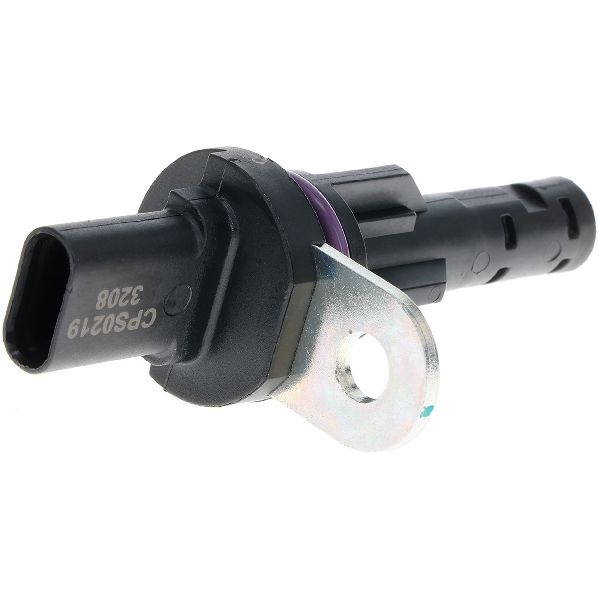
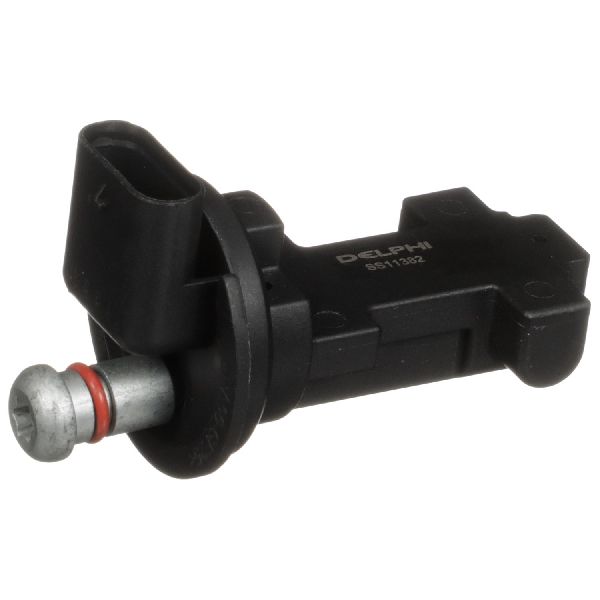
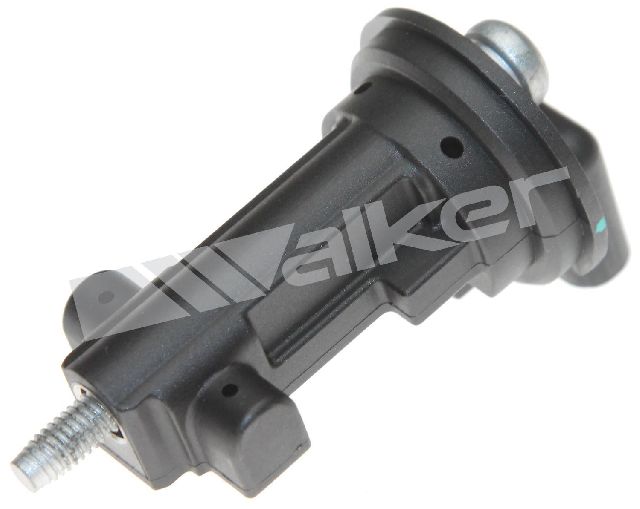
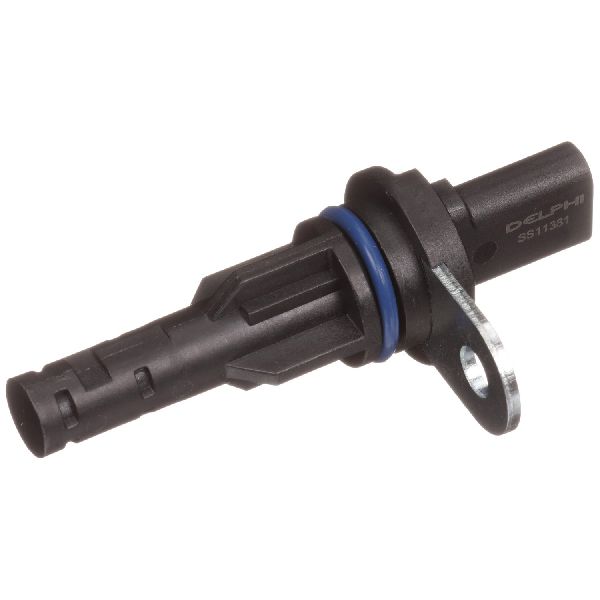
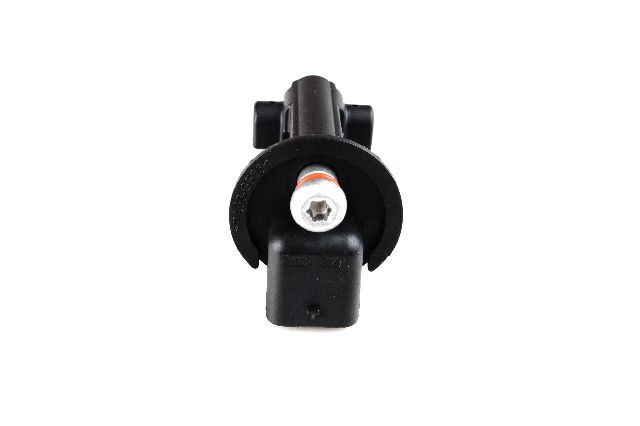
- Camshaft Position Sensor
(OEM #5149141AF)— This is the most common and straightforward fix if the sensor itself has failed. It is highly recommended to use the OEM Mopar part.
Trusted brands: Mopar
OEM price range: $45-$70
Aftermarket price range: $25-$50 - Camshaft Phaser (3.6L V6)
(OEM #Intake: 5184370AH, Exhaust: 5184369AH)— On the 3.6L V6 engine, a failing cam phaser is a very common underlying cause of the P0340 code, often identified by a startup rattle.
Trusted brands: Mopar
OEM price range: $80-$150 per phaser
Aftermarket price range: $50-$100 per phaser - Timing Chain Kit — If a cam phaser is being replaced, it is best practice to also replace the timing chain, tensioners, and guides, as these are all wear items and require significant labor to access.
Trusted brands: Mopar, Cloyes
OEM price range: $200-$350
Related Codes That Often Appear With This One
- P0344 — This is the 'intermittent' version of P0340, indicating the signal loss is sporadic. They point to the same root causes.
- P0365 / P0390 — These are the equivalent codes for the Bank 2 (driver's side) camshaft sensors. Seeing multiple cam sensor codes at once can point to a systemic issue like a shared wiring problem, a timing chain problem, or low oil pressure.
- P0016 / P0017 — These codes indicate a crankshaft/camshaft position correlation error. They strongly suggest a mechanical timing problem, such as a stretched chain or a faulty phaser, rather than just a sensor circuit fault.
Technical Service Bulletins (TSBs) & Recalls
- 18-049-20: PCM software update for 3.0L and 3.6L engines to change P0340 to a two-trip fault.
- 05048043A$: Recommends replacing all three valve timing components if an exhaust phaser is replaced for P0340.
- 18-024-17 REV. C: PCM software update for 3.0L and 3.6L engines to change P0340 to a two-trip fault.
- 1802417: PCM software update for 2017 MY 3.0L and 3.6L engines related to the P0340 fault.
Platform-Specific Known Issues
- Code P0340 is very frequently a symptom of a failing cam phaser, not just the sensor. A key indicator is a 2-5 second rattle or ticking noise on cold startups. Low oil pressure from incorrect oil/filters can also cause this by affecting the VVT system. The Bank 1 sensor is on the passenger side, but access may require removing the upper intake manifold.
- The issue is more likely to be the sensor itself or a wiring problem. A known failure point is the wiring harness chafing on the back of the passenger-side cylinder head, causing wires to break. This engine only has one camshaft position sensor, located on the front of the engine, making it relatively easy to access.
- Failures are less commonly documented but typically follow the pattern of sensor or wiring faults. The TSBs for PCM updates to make the code a two-trip fault also apply to the 3.0L, suggesting it was prone to setting the code from transient glitches.
Mechanic-Grade Diagnostic Values
- Camshaft Position Sensor 5-Volt Supply Circuit Voltage — expected: 4.5 - 5.2 Volts. Failure: Voltage outside this range indicates an open, short to ground, or short to voltage in the supply circuit.
- Camshaft Position Sensor Signal Circuit Voltage (Key On, Engine Off) — expected: 4.5 - 5.0 Volts. Failure: No voltage or low voltage can indicate a faulty sensor or an open/shorted signal wire. This is a pull-down design, so with the sensor unplugged, the signal wire at the harness connector should read 5V.
- Camshaft Position Sensor Ground Circuit Resistance — expected: < 5.0 Ohms. Failure: High resistance indicates a poor ground connection, which can cause erratic sensor readings.
- Camshaft Position Sensor Signal Waveform (at idle) — expected: A clean square wave alternating between approximately 0V and 5V.. Failure: A missing, noisy, or inconsistent waveform indicates a failing sensor or a problem with the tone wheel on the camshaft.
Scan Tool Commands That Help
- wiTECH (or equivalent professional scan tool): Cam/Crank Relearn Procedure — This procedure should be performed after replacing the camshaft position sensor, crankshaft position sensor, or any major timing components to allow the PCM to relearn the variations between the components. Failure to do so may cause misfire faults or other timing-related codes to set.
Wiring & Ground Locations

- G103 / G102 — On the engine block, often near the starter or transmission bell housing area. A key ground point for the PCM.. A poor connection at the main PCM ground can cause erratic behavior and fault codes for multiple sensors, including the camshaft position sensor.
- G108 — On the passenger side inner fender, near the Power Distribution Center (PDC).. This ground point serves the Body Control Module (BCM) and other components on the passenger side. While not a direct engine ground, electrical noise from a bad ground here can interfere with sensor signals.
- CMP Sensor Connector (3-wire) — On the top of the valve cover for the respective bank (Bank 1 is passenger side).. The three pins are typically: Pin 1 - 5V Supply, Pin 2 - Sensor Ground, Pin 3 - Signal. Verifying voltage and ground at this connector is the primary electrical diagnostic step.
Real Owner Repair Stories
- CollegeAutomotiveClasses on YouTube (Jeep with 3.6L Pentastar V6) — P0340 and P0345 codes set after a rocker arm replacement.
❌ Tried (didn't work) Replacing the camshaft position sensors.
✅ What actually fixed it The issue was traced back to the rocker arm replacement job. The root cause was likely related to incorrect timing during the repair or damage to the camshaft/phaser assembly that was not caught initially. The video implies the fix is related to addressing the consequences of the rocker arm failure, not the sensors themselves. - JeepGarage.org forum user (2014 Jeep Grand Cherokee 3.6L) — P0340, hard starting, and stalling.
❌ Tried (didn't work) Replacing the camshaft position sensor (code returned)., Checking wiring.
✅ What actually fixed it The final fix was replacing the intake camshaft and all rocker arms on Bank 1. The original camshaft had worn lobes, which was causing the valve timing to be incorrect, triggering the sensor code.
OEM Part Supersession History
05149141AE→5149141AF— Standard part revision and update by the manufacturer.
Heads up: The 'AF' revision is the current recommended replacement for the 3.6L V6 and is backward compatible. Using older stock or non-OEM parts can lead to repeat failures.
Model Year Variations Within This Range
- 2016-2017: In 2016, the 3.6L Pentastar V6 was updated. Changes included a two-step variable valve lift (VVL) system, a cooled EGR, and an increased compression ratio (from 10.2:1 to 11.3:1). While the P0340 code's meaning is the same, these changes add complexity to the valvetrain, and diagnostics might need to consider the VVL system's function.
- 2011-2012: The earliest versions of the 3.6L Pentastar in the WK2 were more prone to certain issues like cylinder head failures that were addressed in later years. While P0340 is more often a phaser/sensor issue, on an early, high-mileage model, underlying engine health should be considered.
Helpful Videos

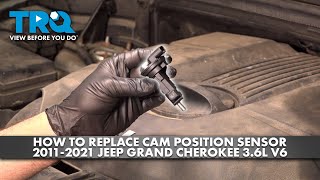
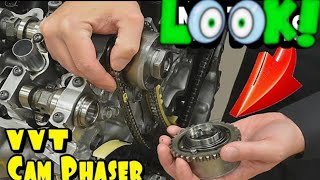
We Have This Part in Stock
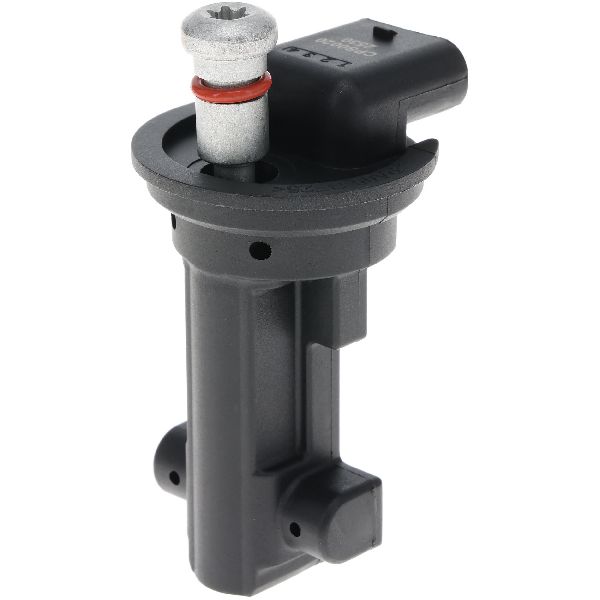

The information in this article is provided for general reference and educational purposes only. Vehicle specifications, procedures, and part compatibility can vary by production date, trim level, and region. Always consult your vehicle's factory service manual and verify part numbers before purchasing or performing repairs. Safety-critical components such as airbags, seat belts, and braking systems should be installed by a qualified professional.
- Jeep GRAND CHEROKEE:
- 🧭 Diagnostic Flowchart
- 🎬 Helpful Videos
- 🛍️ Shop This Part
- What's Unique About the 2011-2017 Jeep GRAND CHEROKEE
- Symptoms You May Notice
- Most Likely Causes
- Rare But Worth Checking
- Diagnosis Steps
- Parts You'll Likely Need
- Related Codes That Often Appear With This One
- Technical Service Bulletins (TSBs) & Recalls
- Platform-Specific Known Issues
- Mechanic-Grade Diagnostic Values
- Scan Tool Commands That Help
- Wiring & Ground Locations
- Real Owner Repair Stories
- OEM Part Supersession History
- Model Year Variations Within This Range
- 🎟️ Get 5% Off