

P0340 on 2019-2023 Kia Forte: Camshaft Sensor 'A' Circuit Causes and Fixes
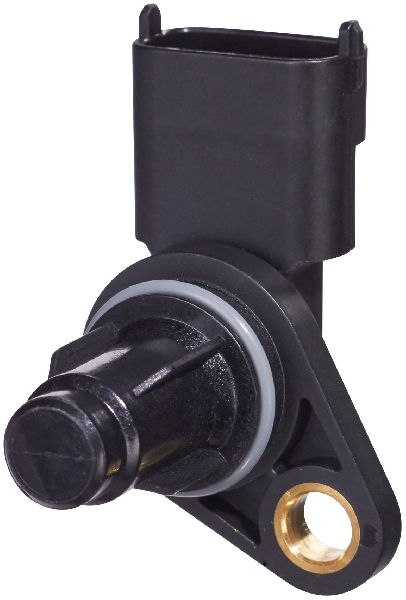
For a 2019-2023 Kia Forte, code P0340 is most often caused by a failed camshaft position sensor. It's a simple DIY replacement that costs between $25 for an aftermarket part and $65 for an OEM sensor. Before replacing, always check the wiring connector for a secure fit.
- P0340 on a 2019-2023 Forte almost always points to the camshaft position sensor 'A' (intake).
- Symptoms are typically a check engine light and a car that is hard to start or stalls.
- Before replacing the sensor, check its electrical connector for a tight fit and inspect the nearby wiring for damage.
- The repair is very DIY-friendly, requiring only a 10mm socket and about 15 minutes. The sensor is on top of the engine and easy to access.
- The OEM part number is 39350-2E200, and the vehicle uses two of them (one for intake, one for exhaust).
What's Unique About the 2019-2023 Kia Forte
On the third-generation Kia Forte (2019-2023) with the 2.0L Nu engine, this is a common and straightforward repair. The engine uses two identical camshaft position sensors located on top of the valve cover, making them easily accessible with just a 10mm socket. Sensor 'A' is for the intake cam and is located closer to the front of the vehicle, while sensor 'B' is for the exhaust. While the code itself is generic, the high probability of it being a simple sensor failure and the ease of access make this a very manageable DIY job for owners of this specific vehicle.
Symptoms You May Notice
- Check Engine Light is on
- Engine is hard to start or has an extended crank time.
- Engine cranks but does not start.
- Rough idle or stalling, especially when warm or at a stop.
- Hesitation or loss of power during acceleration.
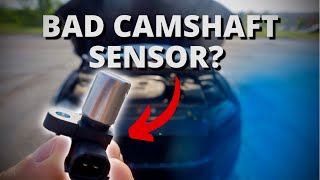
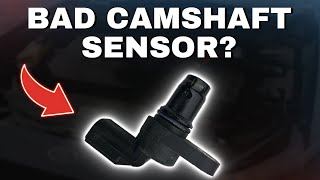
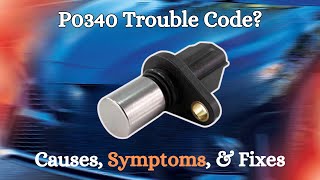
- Reduced fuel economy. 🎬 See a breakdown of common bad camshaft sensor symptoms.
- Replacing the Crankshaft Position Sensor instead of the Camshaft Position Sensor.
- Replacing the sensor without first checking the connector for a secure fit and the wiring for damage.
- Assuming the sensor is bad when the underlying cause is a blown 'SNSR' fuse.
- Replacing the sensor when the actual issue is a mechanical timing problem, such as a slipped CVVT sprocket dowel pin.
Most Likely Causes
- Failed Camshaft Position Sensor 'A' (Intake) 🔴 High Probability → Shop Engine Camshaft Position Sensor This is a common failure point on many modern Hyundai and Kia engines, including the 2.0L Nu platform.
How to confirm: After ruling out wiring issues, replacing the sensor is the most common fix. You can test the sensor with a multimeter by checking for a changing voltage signal as the engine is cranked, but given the low cost of the part, replacement is often the most efficient diagnostic step.
Typical fix: Replace the 'A' (intake) camshaft position sensor. Since both sensors are identical (Part No. 39350-2E200) and have the same wear, many owners choose to replace both at the same time to prevent future failure of the 'B' sensor.
Est. part cost: $25-$65 - Damaged Wiring or Loose/Corroded Connector 🟡 Medium Probability The sensor is located on top of the engine, where heat and vibration can make wiring brittle or cause connectors to loosen over time. Oil from a leaky valve cover gasket can also contaminate the connector pins. A melted wiring harness has also been documented as a cause.
How to confirm: Visually inspect the wiring harness leading to the sensor for any signs of cracking, melting, or rodent damage. Ensure the connector is securely clipped onto the sensor. Unplug the connector and check for corrosion, oil, or pushed-out pins. A user on a forum fixed their P0340 code simply by cleaning the connector contacts.
Typical fix: Repair the damaged section of wire or clean the connector with electrical contact cleaner. If the connector is damaged, replace the pigtail.
Est. part cost: $5-$25 - Blown Fuse ⚪ Low Probability An electrical short in the sensor circuit can cause the fuse to blow as a protective measure. This is not specific to this vehicle but is a possibility in any P0340 diagnosis.
How to confirm: Check the fuse box in the engine compartment for a blown fuse. On some Kia models, this fuse is labeled 'SNSR' (for sensor). If you are not getting a reference voltage at the sensor connector with the key on, a blown fuse is a likely cause.
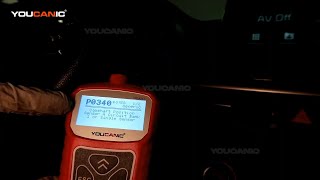
Typical fix: Replace the blown fuse after diagnosing the underlying short circuit 🎬 Watch: 7 common causes for a P0340 trouble code. that caused it to blow.
Est. part cost: $1-$5
Rare But Worth Checking
- Stretched Timing Chain or Timing Issue: → Shop Engine Timing Chain While less common on a newer vehicle, a stretched timing chain can cause the camshaft and crankshaft signals to be out of sync, triggering this code. This would typically be accompanied by rattling noises from the engine, especially on startup. In some cases on this engine family, the dowel pin holding the CVVT sprocket can shear or recess into the camshaft, causing the sprocket to spin on the camshaft and creating a timing deviation that logs a P0340 code.
- Faulty Powertrain Control Module (PCM): → Shop Engine Control Module (ECM) This is extremely rare. The PCM should only be considered a potential cause after all other possibilities (sensor, wiring, mechanical timing) have been completely ruled out by a professional.
Diagnosis Steps
- Read the codes with an OBD-II scanner to confirm P0340 and check for any other related codes like P0365, P0014, or P0017.
- Pop the hood and remove the plastic engine cover by pulling it straight up.
- Locate the two camshaft position sensors on top of the valve cover. Sensor 'A' (Intake) is the one closer to the front of the vehicle (intake manifold side).
- Inspect the electrical connector and wiring going to the sensor. Wiggle the connector to see if it's loose. Unplug it and check for oil contamination or corrosion on the pins.
- If the wiring looks good, use a multimeter to check for reference voltage and a good ground at the connector with the key in the 'ON' position (see 'Specific Diagnostic Values' section for details).
- Check the 'SNSR' fuse in the engine bay fuse box to ensure it is not blown.
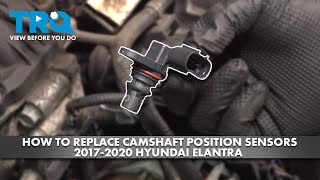
- If wiring and fuse are good, the sensor itself is the most likely culprit. Replace the sensor using a 10mm socket to remove the single hold-down bolt. 🎬 Watch: Step-by-step 2019+ Forte camshaft sensor replacement guide.
- Clear the code with the OBD-II scanner and start the vehicle. A successful repair is often immediately noticeable by a much quicker, smoother start.
Parts You'll Likely Need
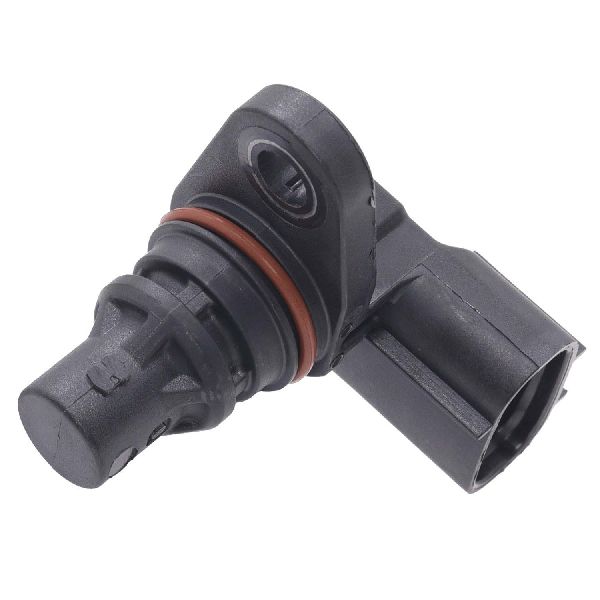
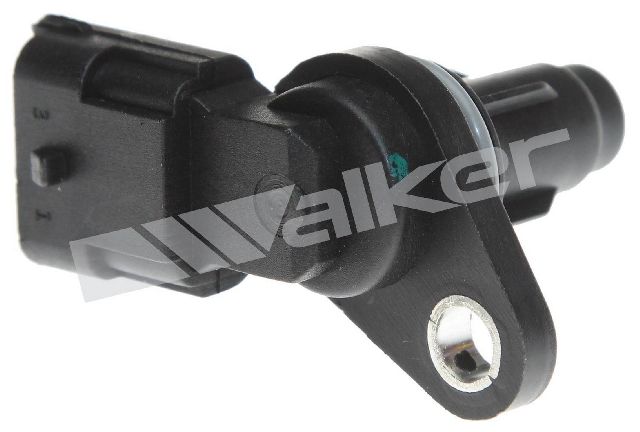
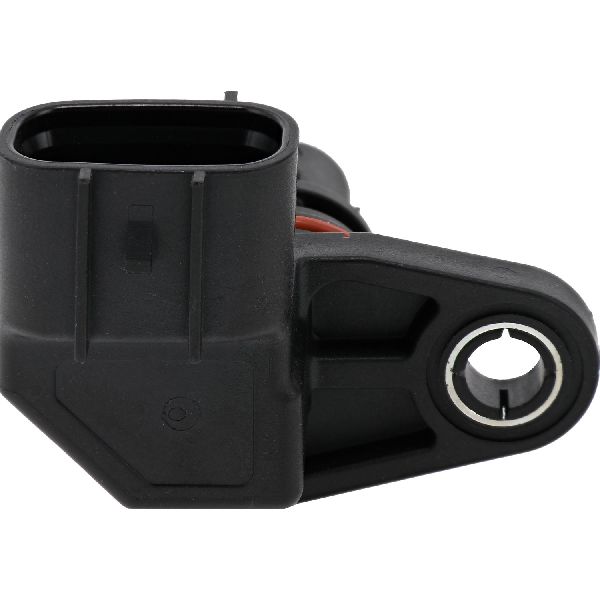
- Camshaft Position Sensor
(OEM #39350-2E200)— This is the most common component to fail in the sensor circuit, causing the P0340 code. The vehicle uses two of these identical sensors.
Trusted brands: Kia (Genuine OEM), Hyundai (Genuine OEM), Bosch, NGK, Delphi, Mando
OEM price range: $45-$65
Aftermarket price range: $25-$50
Related Codes That Often Appear With This One
- P0365 — P0365 is the code for the Camshaft Position Sensor 'B' Circuit (Exhaust). Since the sensors are identical and exposed to the same conditions, it's common for them to fail around the same time. A YouTube repair video on a 2019 Forte showed both P0340 and P0365 codes present simultaneously.
- P0014, P0017 — These codes relate to camshaft position timing being over-advanced or having a correlation issue with the crankshaft. If P0340 appears alongside these codes, it strongly suggests a mechanical timing problem (like a stretched chain or failed CVVT gear) rather than a simple sensor failure.
Technical Service Bulletins (TSBs) & Recalls
- While no TSBs directly address P0340 on this specific model, Kia has issued numerous ECU logic updates and service campaigns for related engine and transmission issues. For example, TSB ELE 233 and CS2310 involved ECU software updates for other models/issues, showing a history of software-based fixes. It's always worth checking with a dealer for the latest software updates.
- TSB PS731 for the Kia Soul notes that camshaft-related codes can appear after major engine work if the camshaft's reluctor wheel is installed incorrectly, which is a timing issue rather than a sensor fault.
Platform-Specific Known Issues
- On some Hyundai/Kia 2.0L engines, a P0340 code can be triggered by a slipped dowel pin on the CVVT (Continuously Variable Valve Timing) sprocket, which causes the camshaft to lose its correct rotational position relative to the sprocket. This is a mechanical timing issue, not a sensor failure, but presents with the same code.
Mechanic-Grade Diagnostic Values
- Sensor Connector 5V Reference Voltage — expected: ~5.0 Volts DC. Failure: A reading of 0V or significantly less than 5V indicates a problem with the wiring or the ECU. This could also be caused by a blown 'SNSR' fuse.
- Sensor Connector Signal Wire Voltage (KOEO) — expected: ~5.0 Volts DC. Failure: A reading of 0V or significantly less than 5V points to an issue in the circuit or with the ECU.
- Sensor Connector Ground Pin Test — expected: ~12.6 Volts DC (Battery Voltage). Failure: A reading significantly lower than battery voltage indicates a poor ground connection.
- Sensor Signal (Dynamic Test) — expected: Using an oscilloscope or a multimeter set to DC voltage, the signal wire should show a square wave or fluctuating voltage between ~0V and ~5V as the engine is cranked.. Failure: A flat line at 0V or 5V indicates a non-responsive sensor or a complete circuit failure.
Scan Tool Commands That Help
- Professional Scan Tool (e.g., Kia GDS): Live Data > Cam/Crank Correlation — Use this function if a new sensor does not fix the P0340 code. It allows you to see if the camshaft and crankshaft signals are in sync. A deviation here strongly points to a mechanical timing issue like a stretched chain or failed CVVT gear, which is a known issue on this engine family.
Wiring & Ground Locations
- Camshaft Position Sensor 'A' Connector — On top of the valve cover, closer to the front of the vehicle (intake side).. This is the 3-pin connector where all electrical testing for the sensor circuit begins. It has a power/reference wire, a ground wire, and a signal wire that sends the camshaft's position back to the ECU.
- Engine Bay Fuse Box ('SNSR' Fuse) — In the main fuse box in the engine compartment.. The camshaft position sensor circuit is protected by a fuse, often labeled 'SNSR'. If this fuse is blown, the sensor will receive no power, causing a P0340 code.
Documented NHTSA Reports
- NHTSA ODI #11711571 — A report for a related Kia model describes a vehicle showing multiple codes simultaneously, including P0340, P0365, P0780, and P0010, indicating that camshaft circuit issues can often be part of a broader electrical or timing failure.
Real Owner Repair Stories
- Reddit comment by a claimed technician (Kia with 2.0L Nu engine (applicable to the 2019-2023 Forte)) — Camshaft sensor code (like P0340)
❌ Tried (didn't work) Replacing the camshaft position sensor.
✅ What actually fixed it The root cause was a known fault where the dowel pin for the CVVT sprocket had recessed into the camshaft, allowing the sprocket to spin and lose correct timing. The fix requires replacing the camshaft and CVVT assembly. - YouTube video by 'kia forte/Cerato hyundai elantra' (Kia/Hyundai with P0340 and P0365) — Hard to start, Check Engine Light on with codes P0340 and P0365.
❌ Tried (didn't work) Checking the sensors themselves.
✅ What actually fixed it The wiring harness had melted, causing a short and preventing voltage from reaching either of the camshaft position sensors. Repairing the melted section of the harness resolved the issue.
OEM Part Supersession History
39350-2E200→N/A— No supersession history was found for this part number during research. It appears to be the consistent part number for the specified vehicle range.
Model Year Variations Within This Range
- 2022-2023: The Kia Forte received a mid-cycle refresh (facelift) for the 2022 model year, which updated its exterior styling and interior technology. However, the base 2.0L MPI engine and its components, including the camshaft position sensors (39350-2E200), remained unchanged. Therefore, the causes, diagnosis, and repair for code P0340 are identical for all 2019-2023 models with the 2.0L engine.
Diagnostic Flowchart
Other Known Issues on This Vehicle
Issues unrelated to this code that are worth knowing about as an owner of this generation:
- Premature IVT (Intelligent Variable Transmission) Failure 🔴 High — Common on 2019-2021 models, sometimes at very low mileage (<20,000 miles). Symptoms include hesitation, RPM surging, and total loss of power. (Ref: Kia issued Service Action SA424 for an IVT logic update and potential replacement. A class-action lawsuit was filed against Hyundai for the identical transmission.)
- Excessive Oil Consumption 🟠 Medium — Reported in some 2.0L Nu engines, can lead to engine damage if not monitored. (Ref: Kia has a TSB for other engines (Nu/Gamma/Theta/Kappa) regarding an oil consumption test procedure, but not a specific recall for the Forte.)
- Infotainment System Glitches 🟡 Low — Owners report issues with Apple CarPlay/Android Auto connectivity, freezing screens, and unresponsiveness. (Ref: Kia has released software updates (e.g., Service Action SA569 / TSB ELE338) to address phone projection and other infotainment issues.)
- Steering Knuckle and Control Arm Recalls 🔴 High — Specific to 2023 models, but indicates potential quality control issues. A cracked steering knuckle or failed lower control arm can cause a loss of steering. (Ref: Recalls SC259 (steering knuckle) and SC283/SC306 (lower control arm) were issued for certain 2023 Forte vehicles.)
Used vs. New Parts: Buying Guide for This Vehicle
When a used part is the smart pick: For this specific repair, a used part is NOT recommended. The camshaft position sensor is a relatively inexpensive electronic component. The potential for premature failure of a used sensor from a junkyard far outweighs the small cost savings compared to a new part.
What to inspect on the donor part:
- Not applicable as used parts are not advised for this repair.
OEM-only on this vehicle (don't cheap out):
- While not strictly OEM-only, using a genuine Kia/Hyundai sensor or one from a reputable OEM supplier like Mando is highly recommended for reliability and to avoid repeat failures.
Aftermarket brands forum-validated for this vehicle:
- Mando (often the Original Equipment supplier)
- Bosch
- NTK
- NGK
- Delphi
Brands owners have reported issues with on this vehicle:
- Unbranded, no-name sensors from online marketplaces should be avoided as their quality and longevity can be highly questionable.
Real Owner Stories
Aggregated from forums and TSBs cited above. Mileages and costs reflect what owners reported in those sources.
2019 Kia Forte 2.0L
Symptoms: The engine had an extended crank time and the OBD-II scanner showed codes P0340 and P0365. Once started, the repair was confirmed by a much quicker, smoother start.
What fixed it: Replacement of the camshaft position sensor using a 10mm socket to remove the single hold-down bolt.
Source hint: YOUCANIC / YouTube
2010 Kia Forte 2.0L
Symptoms: Crank but no start 98% of the time. Replacing both the cam and crank sensors did not resolve the P0340 code.
What fixed it: The timing was found to be off by two teeth, indicating a mechanical timing failure rather than a sensor fault.
Source hint: RepairPal Forum Thread - 2010 Kia Forte Crank no start P0340
2019-2023 Kia Forte 2.0L
Symptoms: P0340 code triggered by electrical issues at the sensor connector.
What fixed it: Cleaning the connector contacts with electrical contact cleaner resolved the code.
Source hint: Damaged Wiring or Loose/Corroded Connector section citing forum user
Kia Sorento (Cross-Model Reference)
Symptoms: An owner reported that their vehicle was showing multiple codes simultaneously, specifically P0340, P0365, P0780, and P0010.
What fixed it: Not specified, but the report highlights how P0340 often presents alongside other circuit and timing codes.
Source hint: NHTSA ODI #11711571
Related OBD-II Codes
Frequently Asked Questions
Which sensor should I replace first on my 2019-2023 Kia Forte if I have a P0340 code?
Are the intake and exhaust camshaft sensors the same part for the 2.0L Nu engine?
Could my P0340 code be related to the IVT transmission issues on my 2020 Forte?
Is there a specific fuse I should check for the camshaft sensor circuit?
Could a mechanical timing issue cause a P0340 code even if the sensor is new?
My 2023 Forte has a P0340; could this be related to the recent steering recalls?
Helpful Videos
We Have This Part in Stock


The information in this article is provided for general reference and educational purposes only. Vehicle specifications, procedures, and part compatibility can vary by production date, trim level, and region. Always consult your vehicle's factory service manual and verify part numbers before purchasing or performing repairs. Safety-critical components such as airbags, seat belts, and braking systems should be installed by a qualified professional.
- Kia Forte:
- 🧭 Diagnostic Flowchart
- 🎬 Helpful Videos
- 🛍️ Shop This Part
- What's Unique About the 2019-2023 Kia Forte
- Symptoms You May Notice
- Most Likely Causes
- Rare But Worth Checking
- Diagnosis Steps
- Parts You'll Likely Need
- Related Codes That Often Appear With This One
- Technical Service Bulletins (TSBs) & Recalls
- Platform-Specific Known Issues
- Mechanic-Grade Diagnostic Values
- Scan Tool Commands That Help
- Wiring & Ground Locations
- Documented NHTSA Reports
- Real Owner Repair Stories
- OEM Part Supersession History
- Model Year Variations Within This Range
- Other Known Issues on This Vehicle
- Used vs. New Parts: Buying Guide for This Vehicle
- Real Owner Stories
- 2019 Kia Forte 2.0L
- 2010 Kia Forte 2.0L
- 2019-2023 Kia Forte 2.0L
- Kia Sorento (Cross-Model Reference)
- Related OBD-II Codes
- Frequently Asked Questions
- 🎟️ Get 5% Off