

P0340 on 2002-2006 Mini Cooper S (R53): Camshaft Sensor Circuit Fixes
On a first-generation supercharged Mini Cooper (R53), code P0340 almost always points to a failed camshaft position sensor. This can cause stalling, hard starts, and may illuminate the DSC light. Replacing the sensor is a common DIY fix, but requires removing the passenger-side engine mount for access. The part costs between $40 for an aftermarket version and $120 for an OEM part.
- P0340 on a 2002-2006 Mini Cooper S almost always means the camshaft position sensor has failed.
- Symptoms include stalling, difficulty starting, rough idle, and often, the DSC warning light will illuminate along with the check engine light.
- The repair is moderately difficult for a DIYer because you must support the engine and remove the passenger-side engine mount to access the sensor.
- Before replacing the sensor, check its wiring connector for oil contamination or damage and ensure your battery is healthy, as low voltage can sometimes trigger this code.
- Use a high-quality replacement sensor (OEM, Delphi, NTK) to ensure a lasting repair, as defective-out-of-the-box aftermarket sensors are a known issue.
What's Unique About the 2002-2006 Mini Cooper
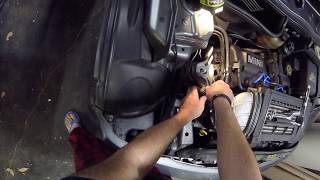
The first-generation Mini Cooper (R50/R53) is well-known for camshaft position sensor failures that trigger the P0340 code. The sensor is a Hall effect type and is located in a heat-soaked area on the passenger side of the cylinder head. Its replacement is notoriously complicated by the need to support the engine from below and remove the upper passenger-side engine mount for access. 🎬 See this step-by-step guide on accessing the sensor. Due to the critical nature of this sensor for engine timing and the high rate of failure, owners and specialists strongly recommend using high-quality OEM or reputable aftermarket parts (like Delphi or NTK) to avoid repeat failures, as some new, cheaper sensors have been reported as defective out of the box.
Symptoms You May Notice
- Check Engine Light is on.
- Engine is hard to start or cranks for a long time before starting.
- Engine cranks but will not start at all.
- Engine stalls unexpectedly, sometimes while driving or coming to a stop.
- Rough idle and engine hesitation or sputtering during acceleration.
- Noticeable loss of engine power.
- Traction control (DSC) light may also illuminate simultaneously with the Check Engine Light.
- Replacing the crankshaft position sensor. Some forum posts incorrectly state P0340 is for the crank sensor, but it is definitively for the camshaft sensor. The crank sensor has its own codes (e.g., P0335).
Most Likely Causes
- Failed Camshaft Position Sensor (CPS) 🔴 High Probability → Shop Engine Camshaft Position Sensor The sensor is a known high-failure part on this platform, likely due to its location exposing it to significant heat cycles. Age and heat degrade the internal electronics.
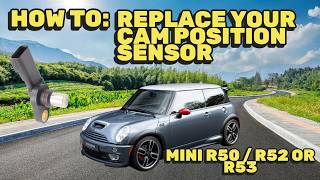
How to confirm: Test the sensor's output with a multimeter or oscilloscope. A professional would look for a clean square wave signal. 🎬 Watch: A professional walkthrough of diagnosing and replacing the sensor. However, given the high failure rate, moderate cost, and difficult access, many DIYers opt to replace it as the first step after checking wiring.
Typical fix: Replace the camshaft position sensor with a high-quality OEM or OES part (e.g., from Delphi, NTK, or Genuine Mini).
Est. part cost: $40-$120 - Wiring Harness or Connector Damage 🟡 Medium Probability The wiring harness runs in a hot, vibrating engine bay. Oil from common leaks (like the valve cover gasket) can seep into the connector and degrade the connection. Wires can become brittle and crack over time.
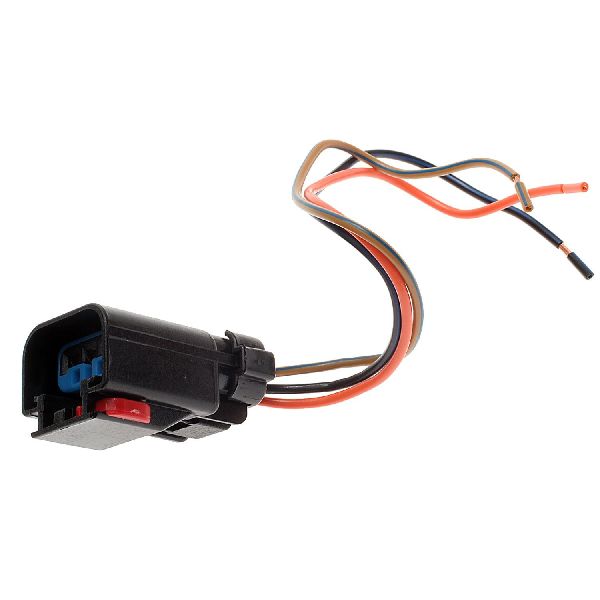
How to confirm: Visually inspect the wiring leading to the sensor for any signs of cracking, fraying, or melting. Unplug the connector and check for oil contamination, corrosion on the pins, or a loose fit. The red locking tab on the connector should be secure.
Typical fix: Clean the connector with electrical contact cleaner. If oil contamination is from another leak, fix the leak first. Repair any damaged section of wiring or replace the connector pigtail.
Est. part cost: $10-$50 - Weak or Failing Battery ⚪ Low Probability → Shop Vehicle Battery Low voltage during cranking, especially in cold weather, can cause spurious sensor circuit codes on many modern cars, including these Minis. The ECU is sensitive to voltage drops.
How to confirm: Test the battery voltage. A healthy battery should be above 12.4V at rest. During cranking, it should not drop below ~10V. With the engine running, alternator output should be around 14V. Many auto parts stores will test your battery for free.
Typical fix: Charge or replace the vehicle's battery.
Est. part cost: $150-$250
Rare But Worth Checking
- Timing Chain Issue: → Shop Engine Timing Chain While less common for just a P0340 code, a severely stretched timing chain or failing tensioner could cause the cam/crank correlation to be off enough to trigger a sensor fault. This would usually be accompanied by a distinct rattling noise from the engine, especially on cold starts.
- Faulty Engine Control Module (ECM): → Shop Engine Control Module (ECM) This is very rare. A technician might suspect an ECM fault if a new, known-good sensor has been installed, the wiring has been tested for continuity and shorts, and the code still returns immediately. This should only be considered after all other possibilities have been exhaustively ruled out.
- Defective Replacement Sensor: There are multiple owner accounts of receiving a new camshaft position sensor that was defective right out of the box, even from reputable brands. If the P0340 code returns immediately after replacement, this is a possibility before suspecting more complex issues like the ECM.
Diagnosis Steps
- Read the code with an OBD-II scanner to confirm P0340 is present. Note if any DSC/ABS codes are also present.
- Check the battery's state of charge and the charging system. A weak battery can cause various electrical faults. Voltage should be ~12.4V+ at rest and ~14V when running.
- Visually inspect the camshaft position sensor's electrical connector on the passenger side of the engine, near the valve cover. Look for loose connections, damaged wires, or oil contamination inside the plug.
- If the wiring and battery are good, the most likely cause is the sensor itself. The replacement procedure is involved.
- To replace the sensor, you must support the engine from below with a floor jack and a block of wood on the oil pan to spread the load.
- Unbolt and remove the upper passenger-side engine mount bracket. This involves several bolts (typically 13mm, 16mm, 18mm) and a ground strap.
- With the mount removed, you now have access. Unplug the sensor's electrical connector (press the tab and pull).
- Unbolt the sensor (typically a single 10mm or E-Torx bolt) and carefully wiggle it out of the cylinder head. A small amount of oil may seep out.
- Install the new sensor with its new O-ring, ensuring it's fully seated. Tighten the retaining bolt gently (spec is around 9 Nm, which is just past hand-tight).
- Reconnect the wiring, reinstall the engine mount, and torque bolts to spec. The main mount-to-chassis bolts are typically 68 Nm (50 ft-lb).
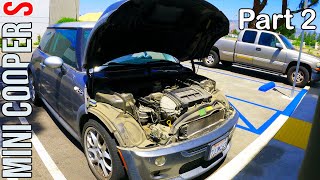
- Clear the trouble code with the scanner. Some owners also recommend an ECU reset. Start the engine to verify the fix. 🎬 Watch: A complete R50/R53 camshaft sensor replacement tutorial. The car should start more easily and the Check Engine Light should remain off.
Parts You'll Likely Need
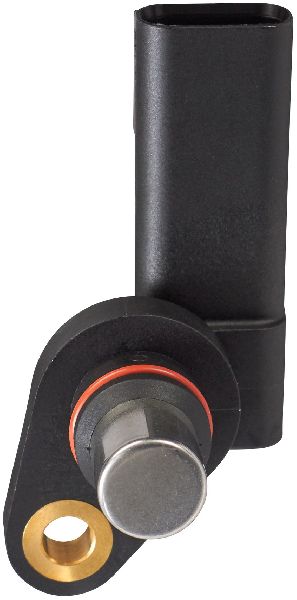
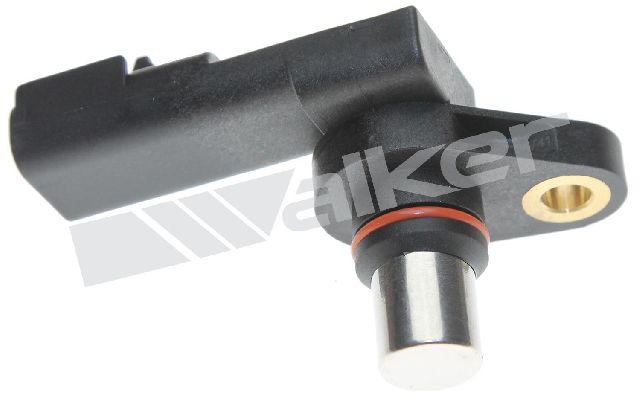
- Camshaft Position Sensor
(OEM #12141485845)— This sensor is the most common failure point for the P0340 code on this specific vehicle.
Trusted brands: Mini (OEM), Delphi, Vemo, NTK / NGK, Bremi
OEM price range: $90-$120
Aftermarket price range: $40-$75
Related Codes That Often Appear With This One
- 5E1F, 5E16, 5E19 (DSC internal fault codes that can sometimes appear concurrently with P0340, possibly due to CAN bus interference).
Platform-Specific Known Issues
- Accessing the camshaft position sensor is more difficult than on many other cars. It requires supporting the engine and removing the upper passenger-side engine mount to create enough clearance to remove the sensor.
- The torque spec for the engine mount bolts can be confusing. A common figure cited is 68 Nm (50 ft-lb) for the main bolts, but it's critical to consult a reliable service manual.
- Due to reports of DOA (dead on arrival) aftermarket sensors, it is highly recommended to use an OEM or well-regarded OES (Original Equipment Supplier) part to avoid having to do the labor-intensive job twice.
Mechanic-Grade Diagnostic Values
- Camshaft Position Sensor Connector - Power Pin Voltage — expected: ~12V with ignition on, engine off (connector unplugged).. Failure: 0V indicates a problem with the power supply from the DME/relay.
- Camshaft Position Sensor Connector - Signal Pin Voltage — expected: ~12V with ignition on, engine off (connector unplugged).. Failure: A reading of 0V or significantly less than supply voltage could indicate a short to ground in the harness or an issue within the DME.
- Camshaft Position Sensor Connector - Ground Pin — expected: 0V when measured to chassis ground. Should show battery voltage (~12.6V) when measuring between the battery positive terminal and this pin.. Failure: Voltage greater than 0V when measured to ground, or lack of battery voltage in the second test, indicates a bad ground connection.
- Camshaft Position Sensor Signal Waveform — expected: A clean square wave when viewed on an oscilloscope while the engine is cranking or running.. Failure: A missing, erratic, or noisy waveform indicates a faulty sensor, a damaged reluctor wheel, or excessive distance between the sensor and the wheel.
Hidden / Shadow Codes Worth Checking
- 5E1F, 5E16, 5E19: These are DSC (Dynamic Stability Control) module fault codes, often indicating an internal module fault or CAN bus communication issue. They frequently appear at the same time as P0340. (see via A MINI/BMW-capable scanner (like Foxwell, Autel, or ISTA) is needed, as generic OBD-II readers may not see these chassis codes.)
Scan Tool Commands That Help
- Manual Procedure: ECU Reset via Odometer Button — After replacing a sensor like the CPS, some owners perform this reset to clear adaptations. It is a no-cost step to try if a new sensor doesn't immediately resolve the code. The procedure involves holding the trip reset button while turning the key to position 1.
Wiring & Ground Locations
- Engine Harness Ground Strap — Bolted to the top of the upper passenger-side engine mount bracket.. This is a primary ground point for the engine harness. It must be removed to access the camshaft sensor. A loose, corroded, or improperly reinstalled strap can cause various electrical issues, including sensor circuit malfunctions.
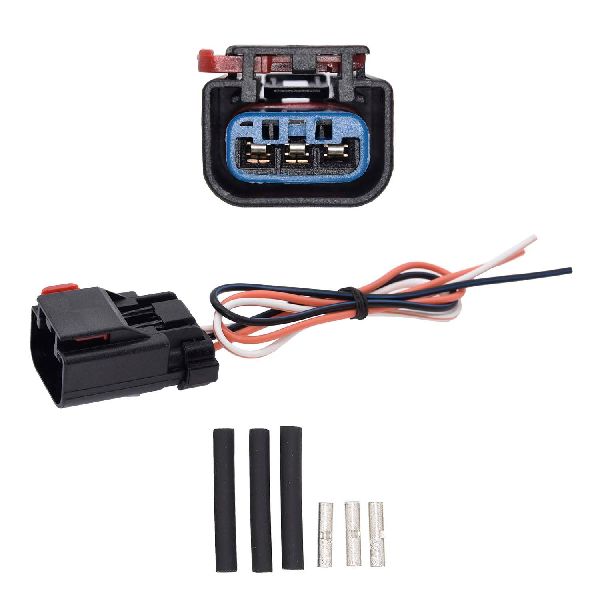
- Camshaft Position Sensor Connector — On the passenger side of the cylinder head, below the engine mount. It is a 3-pin connector.. This is the direct connection to the sensor. It is prone to oil contamination from valve cover leaks. The three pins are Power (supply voltage), Signal (to DME), and Ground.
- Earth Comb-Type Connector — There is one on each side of the front of the car, near the bumper area. It's a plastic housing where multiple brown ground wires terminate at a single bolt to the chassis.. This serves as a central grounding point for many vehicle systems. Damage or corrosion to this connector can cause difficult-to-diagnose electrical faults that could potentially affect sensor readings.
Real Owner Repair Stories
- North American Motoring user 'gumbedamit' (2005 Mini Cooper S (R53), 149k miles) — P0340 and DSC codes (5E1F, 5E16, 5E19) appearing simultaneously. Engine ran flawlessly otherwise.
❌ Tried (didn't work) Replaced camshaft position sensor with a new, BMW-branded OEM part., Replaced crankshaft position sensor., Replaced spark plugs, ignition wires, and ignition coil.
✅ What actually fixed it The new BMW-branded camshaft sensor was defective out of the box. Replacing it *again* with an NTK-branded camshaft sensor finally cleared both the P0340 and all associated DSC codes.
When the Usual Fixes Don't Work
- While a failed sensor is the most common cause, a significant number of owners have found that the true root cause was more complex. In one documented case, after replacing the cam sensor (with an OEM part), crank sensor, and entire ignition system to no avail, the final fix was to replace the *new* OEM cam sensor, which was faulty from the factory. This resolved not only the P0340 but also concurrent DSC module codes, suggesting the faulty sensor was creating interference on the CAN bus. This highlights that even when following the most common advice, the replacement part itself can be the problem.
OEM Part Supersession History
12141485845→12141485845— No supersession found.
Heads up: This part number appears stable for the 2002-2006 R50/R52/R53 models. However, there are multiple forum and professional reports of new sensors, including OEM-branded ones, being defective on arrival. It is critical to test the new sensor or be prepared to exchange it if the code returns immediately.
Model Year Variations Within This Range
- 2002-2006: No significant variations related to the camshaft position sensor, its diagnosis, or the P0340 fault code are documented between the pre-facelift (2002-2004) and facelift (2005-2006) R53 models. The same part number and repair procedure apply to the entire generation.
Diagnostic Flowchart
Real Owner Stories
Aggregated from forums and TSBs cited above. Mileages and costs reflect what owners reported in those sources.
2004 Cooper S
Symptoms: The vehicle quit while driving and would turn over but had no spark, throwing a P0340 code.
What fixed it: The owner replaced the cam position sensor but still had no start/spark. Community members suggested the actual culprit was likely the crankshaft sensor.
Source hint: North American Motoring forum owner report
2002-2006 Mini Cooper (R50/R53)
Symptoms: Check Engine Light and DSC light illuminated simultaneously with a P0340 code.
What fixed it: The owner replaced the cam sensor, crank sensor, plugs, and coil. The new BMW-branded cam sensor was defective out of the box, and the issue was finally resolved by installing an NTK brand sensor.
Source hint: North American Motoring thread titled 'R50/R53 P0340 with DSC'
Mini Cooper S R53
Symptoms: Persistent camshaft position sensor fault codes.
What fixed it: The owner replaced the sensor twice with aftermarket parts and continued to have issues, reinforcing the necessity of using high-quality OEM/OES components.
Source hint: Mini Cooper Forums thread titled 'Camshaft position sensor fault'
Mini Cooper R53
Symptoms: Persistent P0340 code that would not clear despite installing multiple new sensors.
What fixed it: A professional diagnostician used an oscilloscope to analyze the signal and suspected a rare ECU fault after ruling out the replacement sensors.
Source hint: PicoScope Automotive Forum thread titled 'R53 Cam sensor anomaly'
Related OBD-II Codes
Frequently Asked Questions
Why did my DSC (Traction Control) light come on at the same time as the Check Engine Light for P0340?
How difficult is it to replace the camshaft position sensor on the 1.6L Tritec Supercharged engine?
What brand of camshaft position sensor should I use for my R53 Mini?
What is the torque spec for the engine mount bolts when reassembling after a cam sensor replacement?
I replaced the camshaft position sensor on my 2004 Cooper S, but it still cranks without starting and throws P0340. What else could it be?
Can a bad battery cause a P0340 code on my Mini?
Helpful Videos
We Have This Part in Stock


The information in this article is provided for general reference and educational purposes only. Vehicle specifications, procedures, and part compatibility can vary by production date, trim level, and region. Always consult your vehicle's factory service manual and verify part numbers before purchasing or performing repairs. Safety-critical components such as airbags, seat belts, and braking systems should be installed by a qualified professional.
- Mini Cooper:
- 🧭 Diagnostic Flowchart
- 🎬 Helpful Videos
- 🛍️ Shop This Part
- What's Unique About the 2002-2006 Mini Cooper
- Symptoms You May Notice
- Most Likely Causes
- Rare But Worth Checking
- Diagnosis Steps
- Parts You'll Likely Need
- Related Codes That Often Appear With This One
- Platform-Specific Known Issues
- Mechanic-Grade Diagnostic Values
- Hidden / Shadow Codes Worth Checking
- Scan Tool Commands That Help
- Wiring & Ground Locations
- Real Owner Repair Stories
- When the Usual Fixes Don't Work
- OEM Part Supersession History
- Model Year Variations Within This Range
- Real Owner Stories
- 2004 Cooper S
- 2002-2006 Mini Cooper (R50/R53)
- Mini Cooper S R53
- Mini Cooper R53
- Related OBD-II Codes
- Frequently Asked Questions
- 🎟️ Get 5% Off