

P0340 on 2010-2024 Toyota 4Runner 4.0L: Camshaft Sensor Causes and Fixes
On a 2010-2024 4Runner, P0340 is most often caused by a weak battery or a failing camshaft position sensor. Always test the battery first, as a Toyota TSB confirms low voltage can trigger this code. If the battery is good, replacing the passenger side camshaft sensor with a Denso or OEM part (approx. $90-$150) is the most likely fix.
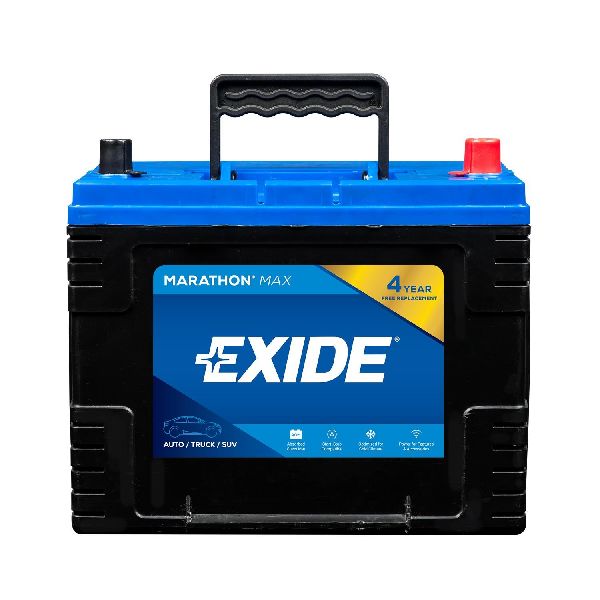
- Before buying any parts, fully test your 4Runner's battery and charging system. A weak battery is a very common cause for P0340.
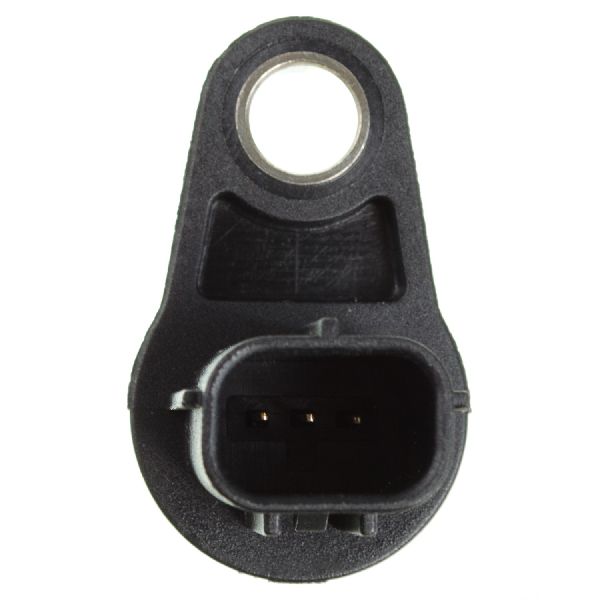
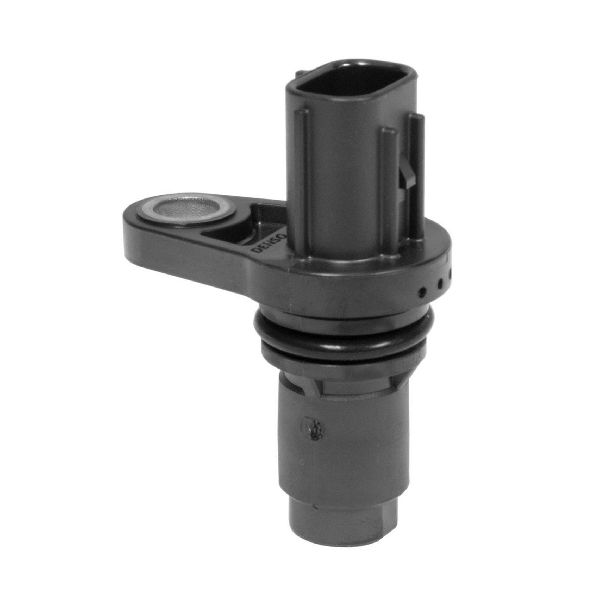
- If you must replace the camshaft position sensor, only use a Genuine Toyota or OEM Denso part (90919-T5005). Aftermarket sensors are known to be unreliable.
- The sensor for this code (Bank 1) is on the passenger side valve cover and is relatively easy to access with a single 10mm bolt.
- Inspect the sensor's wiring and connector for damage or a loose fit before replacing the sensor itself.
- Do not ignore this code, as it can lead to your vehicle stalling in traffic or failing to start, leaving you stranded.
What's Unique About the 2010-2024 Toyota 4Runner
For the 5th generation 4Runner with the 1GR-FE engine, this code has a well-documented quirk. A Toyota Technical Service Bulletin (T-TT-0010-10 Rev) confirms that low battery voltage during cranking is a very common cause of a false P0340. This issue is shared with other 1GR-FE powered vehicles like the Tacoma and FJ Cruiser. Owners and technicians strongly advise against using aftermarket sensors, as they are known to fail quickly or not work at all, making OEM (Denso) parts the only reliable fix if the sensor is indeed faulty.
Symptoms You May Notice
- Check Engine Light is on
- Engine is difficult to start (extended cranking)
- Engine cranks but does not start
- Engine stalls while driving, sometimes intermittently
- Rough idle and poor engine performance
- Lack of acceleration or engine hesitation
- Vehicle enters 'limp mode' with significantly reduced power
- Replacing the camshaft position sensor without first testing the battery and charging system.
- Using a cheap aftermarket camshaft position sensor, which often fails or doesn't work correctly in this specific vehicle.
- Replacing the crankshaft position sensor (P0335) by mistake.
- Assuming the timing chain has failed without checking for simpler electrical issues first.
Most Likely Causes
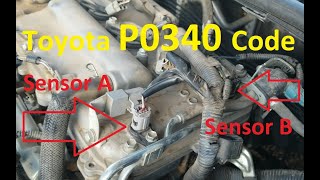
- Low Battery Voltage or Failing Charging System 🔴 High Probability → Shop Vehicle Battery A Toyota Technical Service Bulletin (T-TT-0010-10 Rev) explicitly states that battery voltage below 11V during cranking can cause this code by creating an inconsistent engine speed signal. This is the most common misdiagnosed cause, leading to unnecessary sensor replacement. 🎬 Watch: Understanding the common causes and fixes for Toyota P0340 Forum users frequently report fixing P0340 and P0335 simultaneously with a new battery.
How to confirm: Use a multimeter to test the battery. A healthy battery should read about 12.6 volts with the engine off and 13.5-14.5 volts when running. Check the freeze-frame data with a scanner to see what the voltage was at the moment the code was triggered. Many auto parts stores offer free battery and alternator testing.
Typical fix: Recharge or replace the battery. If charging voltage is low, the alternator may need replacement.
Est. part cost: $150-$400 - Failed Camshaft Position Sensor (Bank 1) 🔴 High Probability → Shop Engine Camshaft Position Sensor The sensor is a common failure point due to age and heat cycles in the engine bay. Aftermarket sensors are notoriously unreliable for this application, often failing out of the box or within a short period.
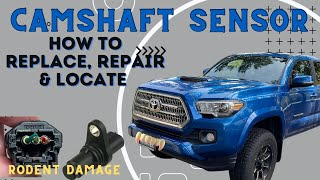
How to confirm: After confirming the battery and wiring are good, replacing the sensor is the next logical step. The sensor is located on the passenger side valve cover, near the front of the engine, and is 🎬 See this guide to locate and repair your camshaft sensor held by a single 10mm bolt.
Typical fix: Replace the Bank 1 (passenger side) camshaft position sensor. It is critical to use a Genuine Toyota or OEM Denso part.
Est. part cost: $90-$150 - Damaged Wiring or Loose Connector 🟡 Medium Probability Engine heat can make the wiring harness brittle, and the connector's plastic locking tab can break, leading to a poor connection. Rodent damage to soy-based wiring insulation is also a known possibility across many modern vehicles.
How to confirm: Visually inspect the wiring harness and connector for the passenger-side cam sensor. Check for fraying, melting, corrosion, or a broken locking tab. Wiggle the connector with the engine running (if possible) to see if it triggers a stall or rough running.
Typical fix: Repair the damaged section of wiring or replace the connector pigtail. If the locking tab is broken, a zip tie can be used as a temporary measure to secure the connection.
Est. part cost: $15-$50
Rare But Worth Checking
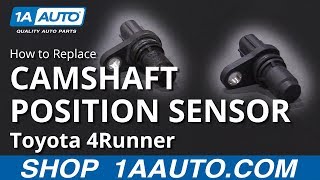
- Dirty Camshaft Position Sensor Tip: → Shop Engine Camshaft Position Sensor A film of oil sludge from infrequent oil changes can coat the sensor's magnetic tip, interfering with its signal. Removing and cleaning the sensor with brake cleaner is a simple check. 🎬 Watch: Quick DIY steps to fix a P0340 engine code
- Stretched or Jumped Timing Chain: → Shop Engine Timing Chain While the 1GR-FE's timing chain is robust, it's not impossible for it to stretch or for a tensioner to fail at very high mileage. This would de-synchronize the cam and crank signals. This usually appears with other codes like P0016, which specifically indicates a correlation error. A user on TacomaWorld with a P0340 found their timing was off by one tooth after a timing belt change (on an older V6).
- Faulty Engine Control Module (ECM): → Shop Engine Control Module (ECM) This is the least likely cause and should only be considered after all other possibilities (sensor, wiring, battery, timing) have been exhaustively ruled out.
Diagnosis Steps
- Read all stored fault codes with an OBD-II scanner. Note any other codes present, especially P0335 or P0345.
- Check freeze-frame data to see the engine conditions and, most importantly, the battery voltage when the code was set.
- Using a multimeter, test the battery voltage. It should be ~12.6V with the engine off and 13.5-14.5V while running. A voltage drop below 11V during cranking is a known trigger for this code.
- Locate the Bank 1 camshaft position sensor on the passenger side valve cover, near the front of the engine.
- Thoroughly inspect the sensor's electrical connector and wiring for damage, corrosion, oil contamination, or looseness. Ensure the connector is fully seated and the locking tab is intact.
- If battery, wiring, and connector are good, remove the sensor (one 10mm bolt) and inspect its tip for metal shavings or heavy oil sludge. Clean and reinstall for a quick test.
- If the code persists, replace the camshaft position sensor with a new OEM (Toyota) or OEM-supplier (Denso) part.
- Clear the trouble codes and perform a test drive to see if the code returns. If it does, a more advanced diagnosis of the timing system or ECM may be required.
Parts You'll Likely Need
- Camshaft Position Sensor (Bank 1)
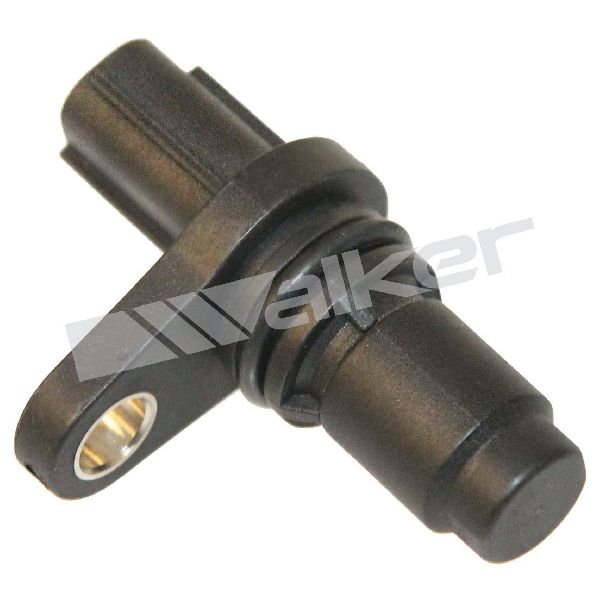
(OEM #90919-T5005)— This is the most commonly failed component in the circuit after a weak battery is ruled out. Using an OEM/Denso part is critical for a lasting repair. This part number supersedes 90919-05060, 90919-T5002, and others. The corresponding Denso part number is often cited as 196-4003.
Trusted brands: Toyota (Genuine), Denso
OEM price range: $90-$150
Aftermarket price range: $30-$80 - Vehicle Battery — A weak or failing battery is a primary cause of a false P0340 code on this vehicle, as documented in a Toyota TSB.
Trusted brands: Interstate, DieHard, Duralast, Odyssey
OEM price range: $200-$400
Aftermarket price range: $150-$300
Related Codes That Often Appear With This One
- P0335 — Crankshaft Position Sensor Circuit Malfunction. Toyota TSB T-TT-0010-10 Rev explicitly states that a weak battery or failing starter can cause both P0340 and P0335 to appear together due to erratic cranking speed. Seeing both is a strong indicator to check the battery first.
- P0345 — Camshaft Position Sensor 'A' Circuit (Bank 2). If both P0340 (Bank 1) and P0345 (Bank 2) appear, it points to a common cause affecting both banks, such as a battery/voltage issue, a major wiring problem, a faulty ECM, or a significant timing chain issue.
- P0016 — Crankshaft Position - Camshaft Position Correlation (Bank 1). This code more strongly suggests a mechanical timing issue, like a stretched timing chain or incorrect timing setup, rather than a purely electrical fault with the sensor circuit itself.
Technical Service Bulletins (TSBs) & Recalls
- T-TT-0010-10 Rev: States that low battery voltage (below 11 volts) during engine cranking can cause inconsistent rotational speed, which may trigger DTC P0335 and/or P0340. It advises checking the freeze frame data for battery voltage at the time of the fault.
Platform-Specific Known Issues
- Owner Story: Intermittent P0340 Fixed with New Battery: → Shop Vehicle Battery A user on 4Runner-Forum.com described a scenario where their 4Runner would intermittently fail to start, throwing a P0340 code. After clearing the code, the vehicle would run fine for days or weeks. Despite the battery testing 'good' at a parts store, they replaced the aging battery, and the problem was permanently resolved, confirming the TSB's warning about low cranking voltage being the root cause.
- Owner Story: Both P0340 and P0335 from a Bad Starter: → Shop Starter Motor On Reddit's r/3rdGen4Runner (for an older model, but the principle applies), a user reported getting both P0340 and P0335 codes after a very weak crank from a known failing starter. The excessive current draw from the bad starter pulled system voltage down, triggering both sensor codes simultaneously.
- Owner Story: P0340 and P0345 leading to Timing Chain Diagnosis: → Shop Engine Timing Chain A user on TacomaWorld with the same 1GR-FE engine experienced a sudden loss of power and codes P0340 and P0345 (both banks). While the initial suspicion was a battery or simple sensor failure, the appearance of both codes at once after hearing a 'ticking sound' led forum members to suspect a more serious timing chain issue, which is a valid, though less common, diagnostic path when both bank sensors fault simultaneously.
Mechanic-Grade Diagnostic Values
- Camshaft Position Sensor Resistance (between terminals 1 and 2) — expected: Cold: 1,630 to 2,740 Ω. Hot: 2,065 to 3,225 Ω.. Failure: A resistance reading outside of these specified ranges indicates a faulty sensor.
- Sensor Power Supply Voltage (at sensor connector, Key On Engine Off) — expected: 4.5 to 5.0 V between the VC pin (power) and body ground.. Failure: Low or no voltage points to a problem with the wiring or the ECM's 5V reference circuit.
- Harness Continuity (Sensor connector to ECM connector) — expected: Below 1 Ω between corresponding pins (e.g., sensor pin 1 to ECM pin 69).. Failure: Resistance above 1 Ω indicates an open or high-resistance in the wire.
- Harness Short to Ground Test — expected: 10 kΩ or higher between each sensor wire and body ground.. Failure: Resistance below 10 kΩ indicates a short circuit to ground in the harness.
- ECM Fault Trigger Condition — expected: The ECM expects a fluctuating signal from the sensor while the engine is cranking or running.. Failure: The ECM will set code P0340 if no sensor signal is detected while cranking, or if the input voltage remains below 0.3V or above 4.7V for a set period (e.g., 4 seconds).
Scan Tool Commands That Help
- Toyota Techstream: DTC Check / Freeze Frame Data — This is the first step. Use it to view the exact conditions when the P0340 code was set, paying critical attention to the 'Battery Voltage' parameter in the freeze frame data. A value below 11V strongly suggests the battery or charging system is the root cause, as per Toyota TSBs.
- Toyota Techstream: Pending DTC Check — After performing a repair (like replacing the sensor or fixing wiring), clear the codes and run the engine. Use the 'Pending DTC' function to quickly see if the fault condition has been detected again by the ECM, even before the Check Engine Light re-illuminates.
- Oscilloscope / Graphing Scan Tool: Live Data Waveform Analysis — For advanced diagnosis, view the camshaft sensor signal (G2 or VV1+) and crankshaft sensor signal (NE+) together. A clean, square wave pattern should be present from the cam sensor. The absence of a signal, or a noisy/erratic signal, confirms a fault in the sensor or its circuit. Comparing it to the crank signal helps verify timing correlation.
Wiring & Ground Locations
- Bank 1 Camshaft Position Sensor Connector (B59) — On the front of the passenger side (Bank 1) valve cover.. This is the primary connection point for the sensor. It's a 3-pin connector. Pin 3 is the 5V power (VC), and pins 1 and 2 are the signal wires (VVR+ and VVR-). All voltage and resistance tests start here.
- ECM Connector (B30) — Located in the engine bay, typically on the passenger side.. This is the termination point for the sensor circuit. For P0340, the relevant pins are VV1+ (Pin 69) and VV1- (Pin 92). Continuity and short-to-ground tests are performed between this connector and the sensor connector to isolate harness faults.
- Engine Ground Points — Multiple points on the engine block, cylinder heads, and chassis. A key ground is often located on the left side of the engine compartment.. While the sensor circuit grounds through the ECM, a poor main engine or ECM ground can introduce electrical noise and cause a variety of sensor codes, including P0340. Verifying that main ground straps are clean and tight is a crucial, often overlooked step.
Real Owner Repair Stories
- 2CarPros Forum User (2008 Toyota Land Cruiser with 1GR-FE engine swap from a Tacoma, 105,500 km) — Persistent P0340 code on Bank 1.
❌ Tried (didn't work) Replaced the camshaft in Bank 1., Replaced the camshaft position sensor multiple times., Verified wiring from the sensor to the ECM was okay.
✅ What actually fixed it The final diagnosis pointed to a faulty Engine Control Module (ECM/PCM). After all other components in the circuit were verified as good, the ECM itself was determined to be the source of the problem. - YouTube User Comment (Implied Story) (MG ZS V6 (different vehicle, but same sensor principle)) — Car would not start when hot, throwing P0340. Would start fine when cold.
❌ Tried (didn't work) Attempting to start the car when the engine was hot.
✅ What actually fixed it The user demonstrated that the sensor's resistance was out of spec when hot. As a temporary fix to get home, they removed the sensor and cooled it with ice for several minutes. This brought the sensor's internal resistance back into a range where it would function, allowing the car to start. The permanent fix was replacing the sensor.
OEM Part Supersession History
90919-05060→90919-T5005— Standard part evolution and updates by Toyota.
Heads up: The part number 90919-05060 is used for many Toyota/Lexus applications, including as a crankshaft position sensor on some engines. Always verify the part number with the vehicle's VIN to ensure the correct sensor is purchased, as a physically identical but electronically different sensor will not work.
Model Year Variations Within This Range
- 2010-2024: The 1GR-FE engine in the 5th generation 4Runner (starting in model year 2010) is the updated dual VVT-i version. This is a significant change from the single VVT-i engine in the 2003-2009 4th generation. However, within the 2010-2024 model years, the engine design, sensors, and diagnostic procedures for P0340 have remained consistent.
Diagnostic Flowchart
Other Known Issues on This Vehicle
Issues unrelated to this code that are worth knowing about as an owner of this generation:
- Front Differential Needle Bearing Failure 🟠 Medium — Common, especially on lifted vehicles, but can occur on stock setups. Often presents as a 'growl' or vibration from the front end between 20-60 mph that disappears in 4WD. (Ref: There is a Technical Service Bulletin (TSB-0026-15) for this issue on some model years, but many owners report the issue outside of the TSB scope. The common fix is replacing the needle bearing with a solid bushing from East Coast Gear Supply (ECGS).)
- Frame and Undercarriage Rust 🔴 High — A notorious issue for Toyota trucks and SUVs, particularly in regions that use road salt. While lawsuits have addressed other models, the 4Runner is still highly susceptible. Proactive undercoating (e.g., Woolwax, Fluid Film) is highly recommended. (Ref: No recall or warranty extension specifically for 5th Gen 4Runner frames, unlike the program for Tacomas.)
- Warped Front Brake Rotors 🟡 Low — A frequent complaint, leading to steering wheel shake or pulsation when braking from higher speeds. This is common on heavy vehicles.
- Secondary Air Injection Pump Failure 🟠 Medium — The air injection pumps and/or valves can fail, forcing the vehicle into 'limp mode' and presenting a high repair cost. The system is designed for emissions on cold starts. (Ref: A warranty enhancement program (ZKK) was issued by Toyota to extend coverage for this specific issue on certain model years.)
- Infotainment System Glitches/Freezing 🟡 Low — Owners of mid-2010s models, in particular, report issues with the head unit freezing, rebooting, or becoming unresponsive. A software update or, in some cases, a hardware replacement is the fix.
Used vs. New Parts: Buying Guide for This Vehicle
When a used part is the smart pick: A used part is generally NOT recommended for the sensor itself. However, sourcing a used wiring harness connector pigtail from a junkyard is a smart choice if only the plastic connector is broken or corroded.
Donor-vehicle mileage cap: roughly under 150000 miles for the part to have meaningful remaining life.
What to inspect on the donor part:
- For a connector pigtail, ensure the plastic is not brittle or cracked.
- Check that the locking tab is intact and functional.
- Inspect for any signs of corrosion on the metal pins inside the connector.
- Ensure there is at least 6 inches of wire attached to allow for easy splicing.
OEM-only on this vehicle (don't cheap out):
- Camshaft Position Sensor
Aftermarket brands forum-validated for this vehicle:
- Denso (This is the Original Equipment Manufacturer for Toyota)
Brands owners have reported issues with on this vehicle:
- Unbranded or generic 'white-box' sensors from online marketplaces are frequently reported on forums as being dead-on-arrival or failing within a few months.
Real Owner Stories
Aggregated from forums and TSBs cited above. Mileages and costs reflect what owners reported in those sources.
2010-2024 Toyota 4Runner 4.0L V6
Symptoms: The vehicle would intermittently fail to start and throw a P0340 code. After clearing the code, it would run fine for days or weeks. The battery had tested 'good' at a parts store.
What fixed it: Replacing the aging battery, which resolved the low cranking voltage issue described in the TSB.
Source hint: 4Runner-Forum.com thread cited in 'Owner Story: Intermittent P0340 Fixed with New Battery'
Toyota 4Runner (3rd Gen principle applied)
Symptoms: The engine had a very weak crank followed by both P0340 and P0335 codes appearing simultaneously.
What fixed it: Replacing a failing starter that was pulling system voltage down during cranking.
Source hint: Reddit r/3rdGen4Runner - 'P0340 & P0335 codes help'
Toyota Tacoma 4.0L 1GR-FE V6 — ~150000 miles
Symptoms: Sudden engine stall while driving accompanied by both P0340 and P0345 codes.
What fixed it: Diagnosis pointed towards a potential timing chain failure since both bank sensors faulted at once.
Source hint: TacomaWorld - 'P0345 and p0340. Engine DIED!'
Toyota Tacoma 4.0L 1GR-FE V6
Symptoms: The owner replaced the sensor and checked the wiring, but the code persisted. Further inspection found the timing was one tooth off.
What fixed it: Correcting the engine timing; the owner also suspected the ECU during the process.
Source hint: TacomaWorld - 'P0340 code --> New ECU'
2010-2024 Toyota 4Runner 4.0L V6
Symptoms: Intermittent no-start condition that eventually threw code P0340. The car would run perfectly after a hard start.
What fixed it: The diagnosis was complicated by the intermittent nature of the failure, but centered on the P0340 error code path.
Source hint: 4Runners.com Forum - 'P0016 Then P0340 Error Codes'
Related OBD-II Codes
Frequently Asked Questions
Does Toyota TSB T-TT-0010-10 Rev apply to my 4Runner's P0340 code?
Can I use an aftermarket camshaft position sensor to fix this on my 4.0L V6?
Where is the Bank 1 camshaft position sensor located on the 4Runner 4.0L?
Why did my 4Runner throw P0340 and P0335 at the same time?
Could a bad starter cause a P0340 code on my Toyota?
Is it possible for a timing chain issue to cause P0340 on the 1GR-FE?
Helpful Videos
![How to Fix P0340 Engine Code in 7 Minutes [7 DIY / Under $9.99]](https://img.youtube.com/vi/9XUV4ds8R4Q/mqdefault.jpg)
We Have This Part in Stock


The information in this article is provided for general reference and educational purposes only. Vehicle specifications, procedures, and part compatibility can vary by production date, trim level, and region. Always consult your vehicle's factory service manual and verify part numbers before purchasing or performing repairs. Safety-critical components such as airbags, seat belts, and braking systems should be installed by a qualified professional.
- Toyota 4Runner:
- 🧭 Diagnostic Flowchart
- 🎬 Helpful Videos
- 🛍️ Shop This Part
- What's Unique About the 2010-2024 Toyota 4Runner
- Symptoms You May Notice
- Most Likely Causes
- Rare But Worth Checking
- Diagnosis Steps
- Parts You'll Likely Need
- Related Codes That Often Appear With This One
- Technical Service Bulletins (TSBs) & Recalls
- Platform-Specific Known Issues
- Mechanic-Grade Diagnostic Values
- Scan Tool Commands That Help
- Wiring & Ground Locations
- Real Owner Repair Stories
- OEM Part Supersession History
- Model Year Variations Within This Range
- Other Known Issues on This Vehicle
- Used vs. New Parts: Buying Guide for This Vehicle
- Real Owner Stories
- 2010-2024 Toyota 4Runner 4.0L V6
- Toyota 4Runner (3rd Gen principle applied)
- Toyota Tacoma 4.0L 1GR-FE V6 — ~150000 miles
- Toyota Tacoma 4.0L 1GR-FE V6
- 2010-2024 Toyota 4Runner 4.0L V6
- Related OBD-II Codes
- Frequently Asked Questions
- 🎟️ Get 5% Off