

P0340 on 2005-2011 Toyota Matrix: Camshaft Sensor Circuit Causes and Fixes
P0340 on a Toyota Matrix most often means the camshaft position sensor has failed. It's an affordable DIY fix, typically under $75 for an aftermarket part. However, always check for simple issues like a weak battery or damaged wiring before replacing the sensor. For this vehicle, it's crucial to use a high-quality Denso (OEM) or NGK/NTK sensor, as cheaper alternatives are known to fail quickly.
- P0340 on a Toyota Matrix is most often a failed camshaft position sensor, but the TSB regarding low battery voltage makes checking the battery a mandatory first step.
- Only use an OEM Denso or other high-quality aftermarket sensor; cheap parts are a common cause of repeat failures.
- The issue is shared with the Pontiac Vibe and Toyota Corolla, making their forums valuable resources for diagnosis and part number verification.
- If a new, quality sensor doesn't fix the code, inspect the wiring harness connector for damage before suspecting a more serious mechanical timing issue.
What's Unique About the 2005-2011 Toyota MATRIX
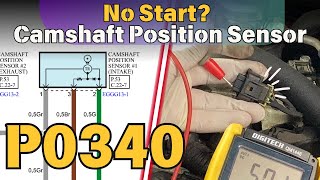
For the 2005-2011 Toyota Matrix, a key consideration is a Technical Service Bulletin (TSB) issued by Toyota. It notes that low battery voltage during cranking can cause inconsistent engine speed, triggering a P0340 code even if the sensor is perfectly fine. This makes 🎬 Watch: How to diagnose Toyota P0340 circuit codes checking the battery and charging system a crucial first step on these vehicles, potentially saving you the cost of a new sensor. The vehicle also spans two generations with three different engines and shares its platform and engines with the Pontiac Vibe and Toyota Corolla, making cross-referencing parts and known issues essential. Using a high-quality OEM (Denso) or top-tier aftermarket sensor is highly recommended, as owner forums report frequent issues with cheaper parts.
Diagnostic Flowchart
Tap your situation to follow the diagnostic path that matches what you're seeing on this vehicle.
Generation note: This range covers two generations of the Toyota Matrix. The first generation (2005-2008) uses the 1.8L 1ZZ-FE engine. The second generation (2009-2011) uses either the 1.8L 2ZR-FE (Base model) or the 2.4L 2AZ-FE engine (S and XRS models). While the causes are similar, the sensor's exact location and part number differ between these engines. The Pontiac Vibe is a mechanical twin during these years and experiences the exact same issues.
Symptoms You May Notice
- Check Engine Light is on
- Engine is difficult to start or cranks but won't start
- Engine stalls unexpectedly, sometimes while driving
- Rough or unstable idle
- Noticeable loss of power and poor acceleration
- Increased fuel consumption
- Engine may go into 'limp mode,' limiting power
- Replacing the camshaft position sensor when the actual problem is a weak battery or failing alternator.
- Replacing the crankshaft position sensor (P0335) instead of the camshaft position sensor (P0340).
- Using a cheap, low-quality aftermarket sensor that is faulty out of the box or fails shortly after installation.
Most Likely Causes
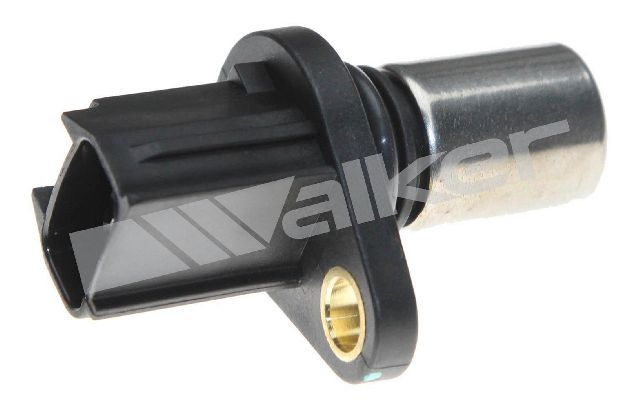
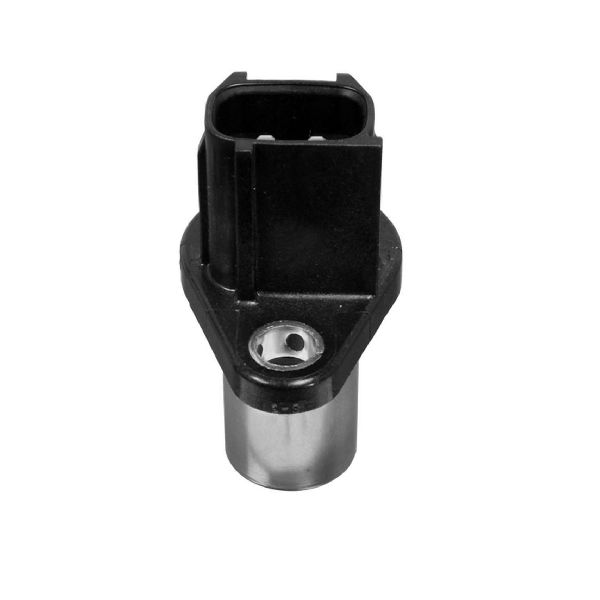
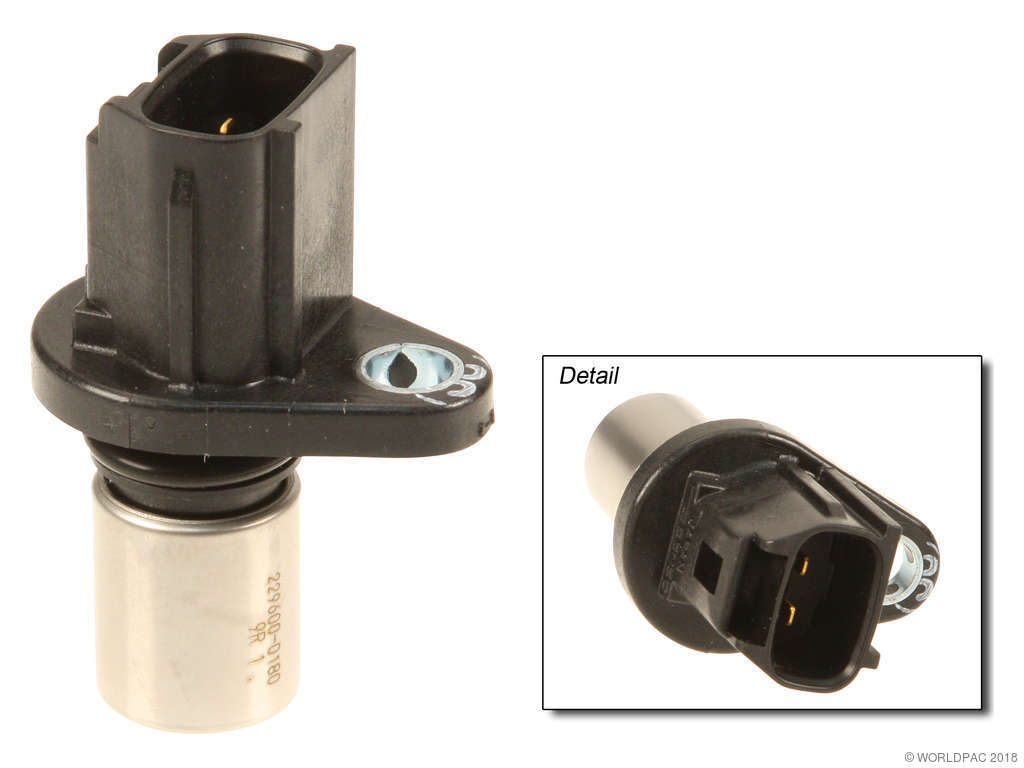
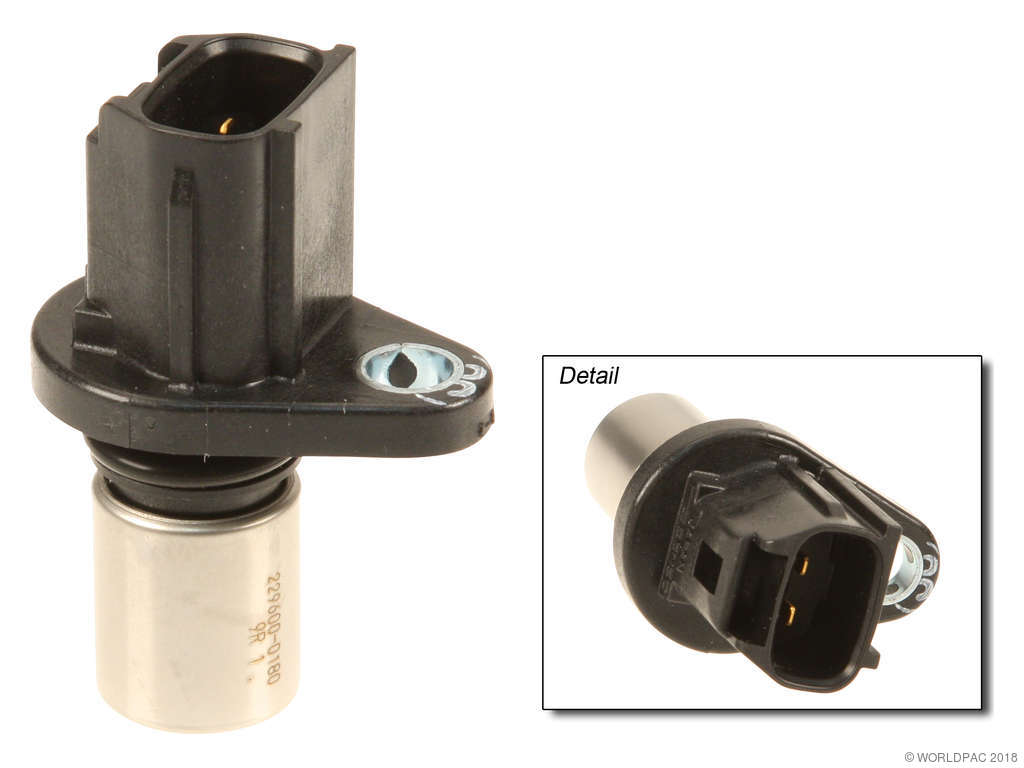
- Failed Camshaft Position Sensor 🔴 High Probability → Shop Engine Camshaft Position Sensor Sensors are electronic components that can fail over time due to heat cycles and vibration. It is the most common point of failure in the circuit. Owners and mechanics strongly recommend using OEM Denso sensors, as aftermarket versions have a high rate of premature failure.
How to confirm: After checking wiring, test the sensor's resistance with a multimeter or observe its output signal with an oscilloscope. The easiest confirmation for a DIYer is to replace it with a known-good, high-quality part, as it's relatively inexpensive. Sometimes, cleaning oil sludge off the sensor tip can temporarily restore function.
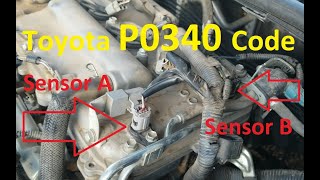
Typical fix: Replace the camshaft position sensor. On the 1.8L 1ZZ-FE engine, it is on the driver's side of the cylinder head, held by one 10mm bolt. On 2ZR-FE and 2AZ-FE engines, there can be two sensors (intake and exhaust), so confirm which one is faulty if applicable.
Est. part cost: $30-$110 - Low Battery Voltage or Weak Battery 🟡 Medium Probability → Shop Vehicle Battery A Toyota TSB (#T-TT-0010-10 Rev) specifically states that low battery voltage (below 11V) during cranking can cause inconsistent crankshaft rotational speed, leading to a P0340 code. This is a well-documented quirk for this platform.
How to confirm: Test the battery voltage with a multimeter. A healthy, fully charged battery should read around 12.6V with the engine off and 13.7V-14.7V with the engine running. Check the freeze frame data with a scanner to see what the battery voltage was when the code was set.
Typical fix: Charge or replace the battery. If the charging voltage is low, the alternator may need replacement.
Est. part cost: $100-$250 - Damaged Wiring or Connector 🟡 Medium Probability The wiring harness in the engine bay is exposed to heat, oil, and vibration, which can cause wires to become brittle, frayed, or shorted over time. The connector's locking tab can also break. Forum users have reported fixing the P0340 code by simply replacing the connector pigtail.
How to confirm: Visually inspect the wiring leading to the camshaft position sensor for any signs of cracking, melting, or rodent damage. Wiggle the connector with the engine running to see if it affects idle. Use a multimeter to check for 5V reference, ground, and signal continuity back to the ECM.
Typical fix: Repair the damaged section of wire or replace the connector pigtail.
Est. part cost: $10-$30
Rare But Worth Checking
- Stretched Timing Chain or Skipped Tooth: → Shop Engine Timing Chain This is a more serious mechanical issue. If the sensor and wiring are confirmed to be good, the physical timing between the camshaft and crankshaft may be off, which can trigger this code. This is more common on higher-mileage engines (over 150,000 miles) where the chain has stretched or a tensioner has failed. One owner on a forum found their timing chain had jumped the sprocket entirely.
- Faulty Engine Control Module (ECM): → Shop Engine Control Module (ECM) This is very rare. The ECM is the last component to suspect after all other possibilities (sensor, wiring, timing) have been thoroughly ruled out. An ECM failure will typically present with multiple, unrelated codes, not just P0340.
Diagnosis Steps
- Read the code with an OBD-II scanner and check for any other pending or stored codes. Record the freeze frame data, paying close attention to the battery voltage at the time of the fault.
- Check the Battery and Charging System: Test the battery voltage with the engine off (should be ~12.6V) and running (should be 13.7-14.7V). A low reading points to a battery or alternator issue, as noted in Toyota's TSB.
- Inspect the Wiring: Carefully examine the wires and connector for the camshaft position sensor. Look for any breaks, corrosion, or loose pins. Ensure the connector is securely plugged in. A wiggle test on the harness can help identify intermittent connections.
- Inspect the Sensor: Remove the sensor (typically one 10mm bolt). Check for any physical damage or heavy oil contamination/sludge, which can interfere with the reading.
- Test or Replace the Sensor: For most DIYers, the simplest next step is to replace the sensor with a high-quality OEM (Denso) or top-tier aftermarket (NGK/NTK) part. A professional may test the sensor's output with an oscilloscope to confirm a dead signal.
- Check Mechanical Timing: If a new, quality sensor and good wiring do not resolve the code, the issue may be mechanical. This involves inspecting the timing chain for stretching or damage, a job best left to a professional.
- Consider the ECM: If all other steps fail, the ECM may be at fault, which is a rare and expensive possibility.
Parts You'll Likely Need
- Camshaft Position Sensor (1.8L 1ZZ-FE Engine, 2005-2008)
(OEM #90919-05026 (Superseded by 90080-19014))— This is the most common failure point for the P0340 code on the first-generation Matrix. The original part number has been superseded by Toyota.
Trusted brands: Denso (OEM), NGK/NTK, Standard Motor Products
OEM price range: $65-$90
Aftermarket price range: $30-$60 - Camshaft Position Sensor (2.4L 2AZ-FE Engine, 2009-2011)
(OEM #90919-05050)— This is the most common failure point for the P0340 code on the S and XRS models. This engine may have two separate sensors for intake and exhaust.
Trusted brands: Denso (OEM), Walker Products, Standard Motor Products
OEM price range: $80-$110
Aftermarket price range: $35-$65 - Camshaft Position Sensor (1.8L 2ZR-FE Engine, 2009-2011)
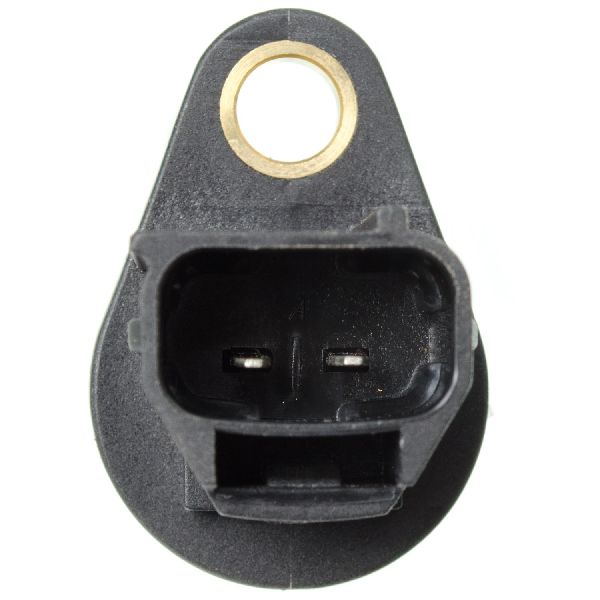
(OEM #90919-05060)— This is the most common failure point for the P0340 code on the second-generation base model. This engine uses a 3-pin sensor.
Trusted brands: Denso (OEM), NGK/NTK
OEM price range: $70-$100
Aftermarket price range: $40-$70
Related Codes That Often Appear With This One
- P0335 — This code is for the Crankshaft Position Sensor. The ECM compares signals from both the cam and crank sensors. A problem with one can sometimes lead to a fault code for the other. The TSB for low battery voltage also lists P0335 as a possible related code.
Technical Service Bulletins (TSBs) & Recalls
- T-TT-0010-10 Rev: Notes that low battery voltage (below 11V) can contribute to a MIL 'ON' for P0340 due to inconsistent engine rotational speed during cranking.
Platform-Specific Known Issues
- TSB Regarding Low Battery Voltage: → Shop Vehicle Battery A Technical Service Bulletin (T-TT-0010-10 Rev) for the 2005 model year indicates that low battery voltage can cause this code to set without any actual sensor failure. This applies across many Toyota models and is a critical first check.
- Aftermarket Sensor Unreliability: Multiple owner forums for the Matrix, Vibe, and Corolla emphasize the importance of using the OEM Denso sensor or a top-tier brand like NGK/NTK. Cheaper, unbranded sensors are frequently reported to be dead-on-arrival or fail within a short period, causing the P0340 code to return.
- 2-pin vs 3-pin Sensor Confusion (2009+): A Pontiac Vibe owner with the 1.8L 2ZR-FE engine reported confusion where parts stores listed a 2-pin sensor, but his vehicle required a 3-pin sensor, which matched the listing for the 2009 Matrix. This highlights the importance of visually verifying the part before purchasing for 2nd generation models.
Helpful Videos
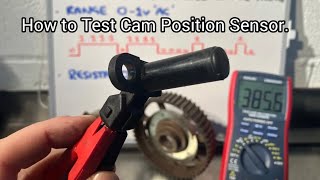
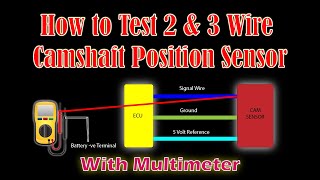


We Have This Part in Stock


The information in this article is provided for general reference and educational purposes only. Vehicle specifications, procedures, and part compatibility can vary by production date, trim level, and region. Always consult your vehicle's factory service manual and verify part numbers before purchasing or performing repairs. Safety-critical components such as airbags, seat belts, and braking systems should be installed by a qualified professional.
- Toyota MATRIX:
- 🧭 Diagnostic Flowchart
- 🎬 Helpful Videos
- 🛍️ Shop This Part
- What's Unique About the 2005-2011 Toyota MATRIX
- Symptoms You May Notice
- Most Likely Causes
- Rare But Worth Checking
- Diagnosis Steps
- Parts You'll Likely Need
- Related Codes That Often Appear With This One
- Technical Service Bulletins (TSBs) & Recalls
- Platform-Specific Known Issues
- 🎟️ Get 5% Off