

P0340 on 2013-2018 Toyota RAV4 2.5L: Camshaft Sensor Causes and Fixes
On a 2013-2018 RAV4, code P0340 is most often caused by a weak or failing battery. Before replacing any parts, test the battery and charging system. A voltage below 11V during cranking is a known trigger per a Toyota TSB. If the battery is healthy, the next most likely cause is a failed intake camshaft position sensor (black connector), which is an affordable and easy DIY replacement.
- Always test your RAV4's battery first when you see a P0340 code. A weak battery (below 11V on crank) is a very common and documented cause per Toyota TSB T-TT-0010-10 Rev.
- If the battery is good, the intake camshaft position sensor (the one with the black connector) is the next most likely failure point.
- The repair is very DIY-friendly, typically requiring only a single 10mm bolt to replace the sensor.
- Driving with this code can be unsafe due to the risk of stalling in traffic.
- If you hear a rattling noise along with code P0340, stop driving and investigate a potential timing chain issue, which is a much more serious problem.
What's Unique About the 2013-2018 Toyota RAV4
For this generation of RAV4 and other Toyotas from the same era, a key issue documented by Toyota itself is the high potential for a low battery to trigger a P0340 code. A Technical Service Bulletin (T-TT-0010-10 Rev) confirms that low battery voltage (specifically below 11 volts during cranking) can cause inconsistent engine cranking speed, leading the ECM to incorrectly flag the camshaft sensor. This makes checking the battery and charging system a critical, money-saving first step before assuming the sensor has failed.
Symptoms You May Notice
- Check Engine Light is on
- Engine is hard to start or cranks but won't start
- Engine stalls, sometimes intermittently while driving
- Rough idle
- Noticeable lack of engine power and poor acceleration
- Possible issues with transmission shifting
- Horrible rattling noise on cold starts (may indicate a more serious timing chain issue)
- Replacing the camshaft position sensor without first testing the battery. Many owners replace a perfectly good sensor when the root cause was low system voltage, as noted in Toyota's own service bulletin.
- Replacing the wrong sensor. P0340 refers to 'Sensor A', which is the intake camshaft sensor on the 2AR-FE engine. It has a black connector, while the exhaust sensor ('Sensor B') has a gray connector.
Most Likely Causes
- Low Battery Voltage or Weak Charging System 🔴 High Probability → Shop Vehicle Battery A specific Toyota Technical Service Bulletin (T-TT-0010-10 Rev) directly links low battery voltage (below 11V) to the P0340 code on these vehicles due to inconsistent engine rotational speed during cranking.
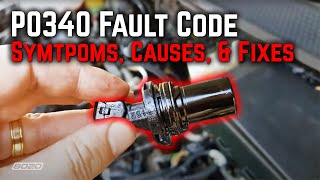
How to confirm: Test the battery with a multimeter. A healthy resting battery should be approximately 12.6V. With the engine running, the alternator should be charging between 13.7V and 14.7V. Check the freeze-frame data with a scanner to see what the battery voltage was when the code was set. A load test provides the most definitive confirmation of battery health. 🎬 See how to diagnose and fix the P0340 code properly.
Typical fix: Recharge or replace the vehicle's 12V battery (Group Size 35 is common for this model).
Est. part cost: $150-$250 - Faulty Intake Camshaft Position Sensor 🟡 Medium Probability → Shop Engine Camshaft Position Sensor The sensor is a common failure point after years of heat cycles. It's the most likely component to fail after the battery has been ruled out. The intake sensor has a black electrical connector, while the exhaust sensor has a gray one. 🎬 Watch: Identifying and testing the Camshaft Sensor A circuit.
How to confirm: After confirming the battery and wiring are good, the most practical step is to replace the sensor. It can also be tested with an oscilloscope for an erratic signal, as demonstrated in some diagnostic videos. Before replacing, inspect the sensor tip for oil sludge, which can interrupt the signal.
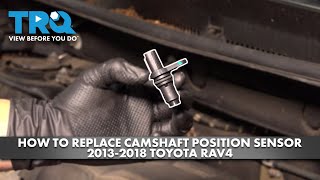
Typical fix: Replace the intake camshaft position sensor. It is located on the top of the cylinder head and held by a single 10mm bolt, making for a quick replacement. 🎬 Watch: Step-by-step guide to replacing the camshaft position sensor. Applying a small amount of clean oil to the new O-ring helps with installation.
Est. part cost: $40-$150 - Damaged Wiring or Loose Connector ⚪ Low Probability Engine heat can make wiring insulation brittle and connectors fragile over time. Rodent damage to soy-based wiring is also a possibility.
How to confirm: Visually inspect the wiring harness leading to the intake camshaft sensor for any signs of fraying, melting, or rodent damage. Check that the connector is securely plugged in and free of corrosion or oil. Wiggle the harness with the engine running to see if it causes a stall or stumble.
Typical fix: Repair the damaged section of the wire harness or replace the connector pigtail.
Est. part cost: $15-$50 - Dirty Sensor Tip / Oil Contamination ⚪ Low Probability On the 2AR-FE engine, mechanics have noted that poor quality oil or extended oil change intervals can lead to sludge buildup on the magnetic tip of the sensor, which can weaken or block the signal it sends to the ECM.
How to confirm: Remove the sensor (one 10mm bolt) and visually inspect the tip. If it is covered in thick, dark sludge, this may be the cause.
Typical fix: Clean the sensor tip with brake cleaner and a rag. If the code returns, replace the sensor. An engine oil flush may be recommended if significant sludge is present.
Est. part cost: $5-$15 (for cleaner)
Rare But Worth Checking
- Stretched Timing Chain: → Shop Engine Timing Chain On higher mileage engines (over 150,000 miles), a stretched timing chain can cause the camshaft and crankshaft to lose synchronization, triggering P0340, often along with correlation codes like P0016 or exhaust cam code P0365. A rattling noise on cold starts is a key symptom of this. This is a major mechanical repair.
- Faulty Engine Control Module (ECM): → Shop Engine Control Module (ECM) This is the least likely cause and should only be considered after all other possibilities (battery, sensor, wiring, timing components) have been exhaustively ruled out. A service manual procedure confirms this is the last step in the diagnostic tree.
Diagnosis Steps
- Read the trouble codes with an OBD-II scanner to confirm P0340 is present. Note any other codes, especially P0335, P0365, or P0016.
- CRITICAL FIRST STEP: Test the battery and charging system per TSB T-TT-0010-10 Rev. Check freeze-frame data for voltage at the time of the fault. Use a multimeter to check for at least 12.6V with the engine off. Start the engine and ensure the alternator is charging between 13.7V and 14.7V. Resolve any low voltage issues before proceeding.
- Locate the intake camshaft position sensor ('Sensor A') on the top of the engine's cylinder head. It is the sensor with the black electrical connector.
- Inspect the sensor's wiring harness and connector. Look for visible damage, corrosion, rodent chew marks, or loose connections. Ensure the connector is seated firmly.
- Remove the sensor (one 10mm bolt) and inspect the tip for heavy oil sludge or metallic debris. Clean if necessary.
- If wiring appears intact, use a multimeter to check for the correct reference voltage (usually 5V) and a good ground at the sensor connector with the key on and engine off.
- If the battery and wiring circuit test good, the camshaft position sensor itself is the most likely culprit. Replace the sensor.
- After replacement, clear the trouble code with the scanner. Some Toyota models may require a specific ECM reset procedure, such as disconnecting the battery for over 5 minutes, to clear learned values. Perform a drive cycle to see if the code returns.
Parts You'll Likely Need
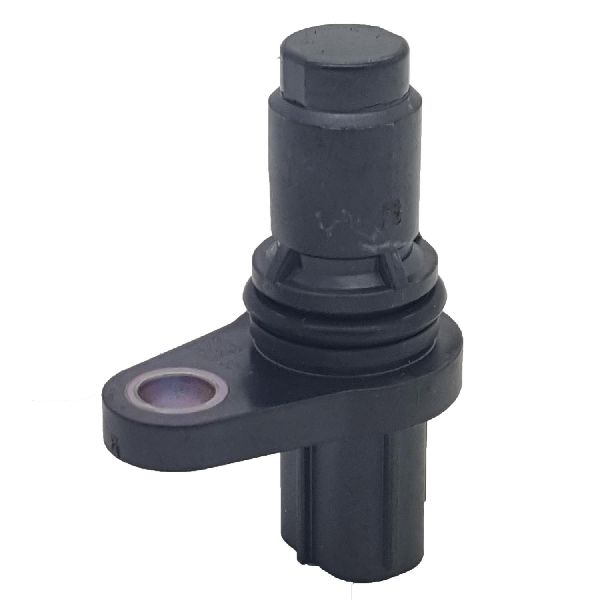
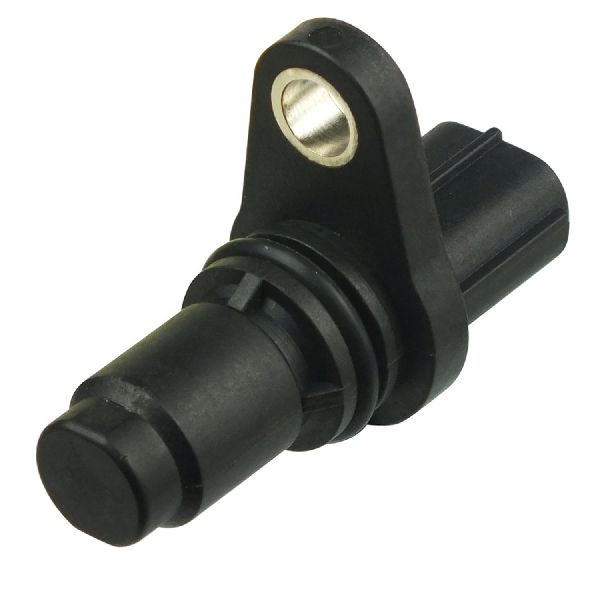
- Camshaft Position Sensor
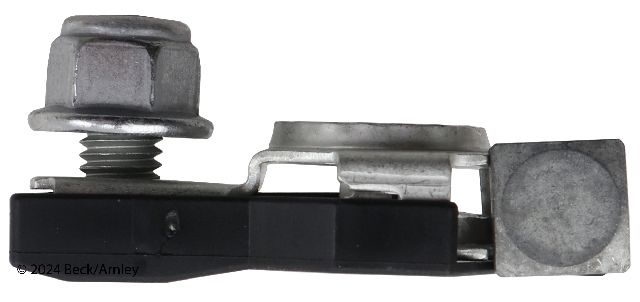
(OEM #90919-T5005)— This is the most common part to fail after a weak battery is ruled out. The 2AR-FE engine uses the same sensor for both intake and exhaust camshafts. The OEM part 90919-T5005 supersedes the older part number 90919-05060.
Trusted brands: Denso (OEM Supplier), Hitachi, NTK
OEM price range: $90-$150
Aftermarket price range: $40-$90 - Car Battery — A weak or failing battery is a well-documented cause of P0340 on this vehicle, as confirmed by a Toyota TSB.
Trusted brands: Interstate, DieHard, Duralast, Optima
OEM price range: $150-$250
Aftermarket price range: $120-$200
Related Codes That Often Appear With This One
- P0335 — This is the code for the Crankshaft Position Sensor. The TSB T-TT-0010-10 Rev mentions that low battery voltage can cause both P0340 and P0335 to appear together because the ECM sees inconsistent rotational speed from both sensors.
- P0365 — This is the code for the Camshaft Position Sensor 'B' Circuit (Exhaust). If both P0340 and P0365 appear together, especially with a rattling noise, it strongly suggests a mechanical timing issue like a stretched chain or a problem with the VVT-i system, rather than two simultaneous sensor failures.
- P0016 — Crankshaft Position - Camshaft Position Correlation (Bank 1 Sensor A). This code specifically indicates a timing mismatch between the crank and cam sensors, pointing more directly towards a stretched timing chain or jumped timing, rather than a sensor circuit failure.
Technical Service Bulletins (TSBs) & Recalls
- T-TT-0010-10 Rev: A Toyota Tech Tip bulletin that notes low battery voltage (below 11V) can cause a MIL 'ON' condition for P0335 (Crankshaft Position Sensor Circuit) and/or P0340 (Camshaft Position Sensor Circuit). The bulletin advises checking freeze frame data for battery voltage when the DTC was set.
- TC 002-03: A Toyota service bulletin detailing the procedure to reset the ECM's 'Learned Values' after replacing components like a transmission. While not specific to P0340, it's relevant as clearing memory (e.g., by disconnecting the battery for 5+ minutes) may be necessary after a sensor replacement to ensure proper function.
Platform-Specific Known Issues
- A Reddit user with a 2010 RAV4 (previous generation but with 2AR-FE) experienced a stall while driving with codes P0340 and P0365, accompanied by a horrible rattle on cold starts, pointing to a likely timing chain failure. This highlights that hearing a rattle with this code is a sign of a much more severe issue.
- A YouTube DIY video for the 2013-2018 RAV4
Mechanic-Grade Diagnostic Values
- Camshaft Position Sensor Connector Voltage (Key On, Engine Off) — expected: Terminal 1 (VC) to Terminal 3 (E2): 4.5V to 5.5V. Failure: Voltage outside of this range indicates a problem with the ECM's 5V reference circuit or the ground circuit.
- Camshaft Position Sensor Signal Wire (Backprobed at idle) — expected: Pulsing square wave, alternating between approximately 0V and 5V. An oscilloscope is required to view this.. Failure: A flat line, erratic signal, or a signal with significant electrical noise indicates a faulty sensor or wiring issue.
- Camshaft Position Sensor Internal Resistance (Sensor disconnected) — expected: Toyota does not specify a resistance test for the 3-wire MRE-type sensor used in the 2AR-FE. The older 2-wire VR-type sensors had a resistance spec, but this does not apply here.. Failure: N/A. Testing voltage and signal waveform is the correct procedure.
Scan Tool Commands That Help
- Toyota Techstream: Active Test: 'Control the VVT System (Bank 1)' — This command allows a technician to manually activate the VVT solenoid (Oil Control Valve). If activating the solenoid causes a change in engine idle or stall, it confirms the mechanical part of the VVT system (the phaser) is responding. This helps differentiate a sensor/electrical issue from a mechanical VVT problem (like a stuck phaser) that could also set cam-related codes.
Wiring & Ground Locations
- Intake Camshaft Sensor Connector (C4) — On the top of the cylinder head, black connector.. This is the primary connection point for testing. Pin 1 is VC (5V reference), Pin 2 is G2+ (Signal), and Pin 3 is E2 (Ground).
- ECM Connector A24 — At the Engine Control Module, located in the engine bay.. This connector contains the pins for the camshaft sensor circuit, allowing for end-to-end continuity checks. Pin A24-100 is the signal (G2+), Pin A24-101 is the 5V reference (VC), and Pin A24-111 is the sensor ground (E2).
- Ground Point 'EA' — On the left side of the cylinder head, near the intake manifold.. This is a primary engine ground point. A loose or corroded connection here can cause unstable sensor readings and trigger false P0340 codes. The sensor's ground circuit (E2) ultimately connects to the chassis through engine ground points like this.
Real Owner Repair Stories
- 2CarPros Forum User (Vehicle unspecified, but diagnosis is relevant to P0340 on modern engines.) — Car stalls only when it reaches normal operating temperature, throwing code P0340. A squealing noise was heard from the belt area when the code appeared.
❌ Tried (didn't work) Replaced both camshaft position sensors, Replaced the crankshaft position sensor, Replaced the MAF sensor, Replaced the battery
✅ What actually fixed it The final cause was a failing alternator. A bad diode in the alternator was creating AC ripple voltage (electrical noise) when hot, which interfered with the camshaft sensor signal. Replacing the alternator resolved the P0340 code. - Rav4World Forum User (2017 Toyota RAV4, mileage not specified.) — Check engine light with codes P0340 and P0017 (Camshaft Position - Crankshaft Position Correlation Bank 1 Sensor B).
❌ Tried (didn't work) Replacing the camshaft position sensor
✅ What actually fixed it The technician found the small filter screen for the VVT oil control valve was clogged with debris. Cleaning this screen and performing an oil change resolved the codes. The clogged screen was starving the VVT phaser of oil pressure, causing the timing correlation issue that the sensors detected.
OEM Part Supersession History
90919-05060→90919-T5005— Standard part number update and consolidation across multiple Toyota/Lexus/Scion models using the 2AR-FE and similar engines.
Heads up: While many aftermarket sensors are available, master technicians and forum veterans strongly recommend using the OEM Denso part. Some aftermarket sensors can have slightly different magnetic properties or voltage outputs that, while close, can cause intermittent issues or fail to work with specific ECM software versions, leading to the code returning.
Diagnostic Flowchart
Real Owner Stories
Aggregated from forums and TSBs cited above. Mileages and costs reflect what owners reported in those sources.
2010 Toyota RAV4 2.5L 2AR-FE — 180000 miles
Symptoms: Experienced a no-start condition accompanied by a horrible rattle on cold starts, with codes P0340 and P0365.
What fixed it: Diagnosed as a probable timing chain failure rather than a simple sensor issue.
Source hint: Reddit r/MechanicAdvice - Thread 'RAV4 Camshaft Position Sensor' (2023)
Toyota RAV4
Symptoms: Replaced the camshaft position sensor but the P0340 code remained.
What fixed it: The issue remained unresolved after installing an aftermarket Hitachi part, highlighting that the root cause was likely battery/wiring related or the aftermarket part was faulty.
Source hint: Reddit r/MechanicAdvice - Thread 'Replaced camshaft position sensor, still getting P0340 code' (2024)
Related OBD-II Codes
Frequently Asked Questions
Does TSB T-TT-0010-10 Rev apply to my 2013-2018 RAV4 for the P0340 code?
I have a P0340 code and hear a horrible rattling noise on cold starts. What does this mean for my 2.5L 2AR-FE?
Which camshaft position sensor is the intake sensor on the RAV4 2AR-FE?
I replaced the camshaft position sensor with an aftermarket part, but the P0340 code came back. Why?
Do I need to perform a special reset after replacing the camshaft position sensor on my RAV4?
Can dirty engine oil cause a P0340 code on the 2AR-FE engine?
Helpful Videos

We Have This Part in Stock


The information in this article is provided for general reference and educational purposes only. Vehicle specifications, procedures, and part compatibility can vary by production date, trim level, and region. Always consult your vehicle's factory service manual and verify part numbers before purchasing or performing repairs. Safety-critical components such as airbags, seat belts, and braking systems should be installed by a qualified professional.
- Toyota RAV4:
- 🧭 Diagnostic Flowchart
- 🎬 Helpful Videos
- 🛍️ Shop This Part
- What's Unique About the 2013-2018 Toyota RAV4
- Symptoms You May Notice
- Most Likely Causes
- Rare But Worth Checking
- Diagnosis Steps
- Parts You'll Likely Need
- Related Codes That Often Appear With This One
- Technical Service Bulletins (TSBs) & Recalls
- Platform-Specific Known Issues
- Mechanic-Grade Diagnostic Values
- Scan Tool Commands That Help
- Wiring & Ground Locations
- Real Owner Repair Stories
- OEM Part Supersession History
- Real Owner Stories
- 2010 Toyota RAV4 2.5L 2AR-FE — 180000 miles
- Toyota RAV4
- Related OBD-II Codes
- Frequently Asked Questions
- 🎟️ Get 5% Off