

P0340 on 2007-2016 Volvo S80 3.2L: Camshaft Sensor Circuit Causes and Fixes
On a 2007-2016 Volvo S80 with the 3.2L engine, code P0340 is most often caused by a failed camshaft position sensor. This can lead to a no-start or, characteristically for this platform, a no-crank condition. Replacing the sensor is a common, DIY-friendly fix with parts costing between $50 and $150. Using a genuine Volvo or OEM Bosch/Bremi part is highly recommended to avoid repeat failures.
- P0340 on this Volvo S80 most likely means the intake camshaft position sensor has failed.
- A primary symptom can be a no-start or even a no-crank condition, which is somewhat unique to this platform.
- Before replacing the sensor, always check that the battery is strong and the connections are clean, as low voltage can trigger this code.
- A simple diagnostic is to swap the intake and exhaust cam sensors to see if the fault code moves, confirming a bad sensor.
- Use a high-quality OEM or reputable aftermarket brand for the replacement sensor to ensure reliability.
What's Unique About the 2007-2016 Volvo S80
The 3.2L inline-six engine in the second-generation S80 is known for a peculiar symptom with code P0340: a no-crank condition. Unlike many cars that will still crank with a bad cam sensor, the Volvo's ECU may prevent the starter from engaging as a protective measure. Additionally, these vehicles can be sensitive to low voltage; a weak battery or a failing starter motor drawing excessive current can sometimes trigger a P0340 code even if the sensor and its wiring are perfectly fine. This makes checking the battery and starting system an important early diagnostic step. The two camshaft position sensors (intake and exhaust) are identical and easily accessible on top of the engine, making a diagnostic swap a very effective troubleshooting step.
Symptoms You May Notice
- Check Engine Light is on
- Engine will not start (may crank for an extended time, or may not crank at all)
- Engine stalls, especially at idle
- Rough running or misfiring
- Noticeable loss of engine power or hesitation
- Reduced fuel economy
- Engine may seem to have a false rev limiter around 3000-4000 RPM
- Replacing the camshaft position sensor without first checking the battery and wiring. A simple voltage issue could be the true cause, leading to wasted money on a new sensor.
- Replacing the sensor with a cheap, non-OEM part, which often leads to the code returning quickly.
Most Likely Causes
- Failed Camshaft Position Sensor 🔴 High Probability → Shop Engine Camshaft Position Sensor The sensor is a common electronic failure point over time due to heat cycles and age. The plastic can become brittle and the internal electronics can fail.
How to confirm: Test the sensor's output with a multimeter or oscilloscope. 🎬 Watch: How to test and fix the P0340 circuit fault. A simpler and highly effective method for this engine is to swap the intake and exhaust camshaft position sensors (they are identical, located on top of the valve cover) and see if the fault code changes to P0365 (Camshaft Position Sensor 'B' Circuit). If it does, the sensor is bad.
Typical fix: Replace the faulty camshaft position sensor. It is highly recommended to use a genuine Volvo or OEM-quality part (e.g., Bremi, Bosch) to avoid premature failure. The replacement involves removing a single T30 Torx screw. 🎬 Watch: See a step-by-step walkthrough of the sensor replacement.
Est. part cost: $50-$150 - Damaged Wiring or Connector 🟡 Medium Probability The wiring harness in the engine bay is exposed to heat and vibration, which can cause wires to become brittle, frayed, or connectors to become loose or corroded over time. The plastic connectors themselves can degrade and fail to lock securely.
How to confirm: Visually inspect the entire wiring harness leading to the camshaft position sensor. Check for frayed wires, loose pins in the connector, and signs of corrosion or oil contamination. Wiggle the connector with the engine running (if possible) to see if it affects engine behavior. In one documented case, the connector had simply come apart, and plugging it back in resolved the issue.
Typical fix: Repair the damaged section of wiring or replace the sensor connector pigtail. Ensure the connector clicks into place securely.
Est. part cost: $15-$50 - Weak Battery or Failing Starter Motor ⚪ Low Probability → Shop Starter Motor The engine management system is sensitive to voltage drops. During cranking, a weak battery or a starter drawing too much current can cause system voltage to dip low enough to disrupt the cam sensor signal, falsely triggering a P0340 code. This can also cause a related P0335 (Crankshaft Position Sensor) code to appear simultaneously.
How to confirm: Test the battery's voltage and load capacity. A healthy battery should have ~12.6V at rest and not drop below ~10.5V during cranking. If the battery is good, a starter current draw test may be needed.
Typical fix: Replace the weak battery or faulty starter motor.
Est. part cost: $150-$500
Rare But Worth Checking
- Stretched Timing Chain: → Shop Engine Timing Chain While the timing chain is designed to last the engine's life, significant wear or a failed tensioner can cause the camshaft and crankshaft correlation to be incorrect, triggering P0340. This is usually accompanied by rattling noises on startup and is a major, labor-intensive repair as the chain is on the transmission side of the engine.
- Faulty Variable Valve Timing (VVT) Solenoid: A clogged or failed VVT solenoid can cause the camshaft to be in an unexpected position, which the ECM might misinterpret as a sensor circuit fault. This is more likely to be accompanied by other codes like P0011 or P0014.
- Failed Powertrain Control Module (PCM): → Shop Engine Control Module (ECM) This is extremely rare. The internal driver circuit for the sensor can fail. The PCM should only be considered after all other possibilities (sensor, wiring, timing) have been exhaustively ruled out.
Diagnosis Steps
- Read all fault codes stored in the ECM. Note any other codes besides P0340, such as P0335 or P0014.
- Check the battery. Ensure it is fully charged and healthy. Test voltage during cranking; it should not drop below 10.5V.
- Inspect the camshaft position sensor connector and wiring. Look for any signs of damage, corrosion, or oil saturation. Ensure the connector is securely plugged in.
- If you have access to a professional scan tool, monitor the camshaft position sensor data while cranking the engine to see if a signal is being generated.
- Locate the intake and exhaust camshaft position sensors on the top of the engine. They are identical parts, each held by a single T30 Torx screw. Swap their positions.
- Clear the codes and attempt to start the engine. If the code changes to P0365 (Camshaft Position Sensor 'B' Circuit), the sensor you moved to the exhaust cam location is faulty and needs replacement.
- If the P0340 code returns after the swap, the problem lies in the wiring for the intake cam sensor circuit 🎬 Watch: What to do if the code returns after replacement. or a deeper mechanical issue.
- If no fault is found with the sensor or wiring, the issue may be more complex, such as a timing chain problem or a faulty ECM, and may require professional diagnosis.
Parts You'll Likely Need
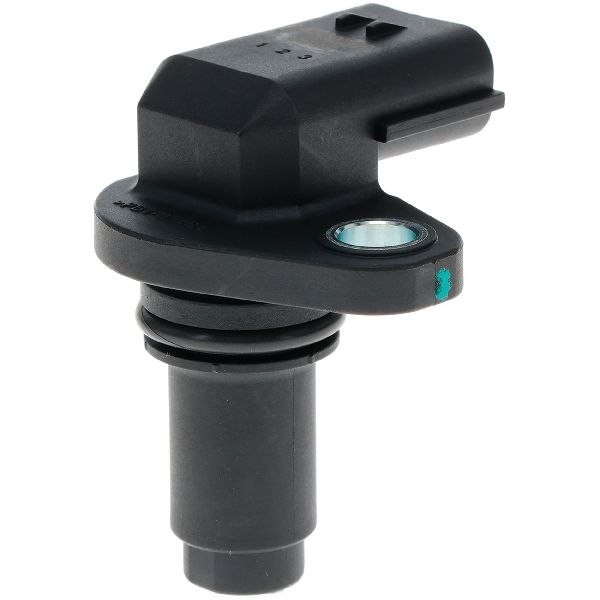
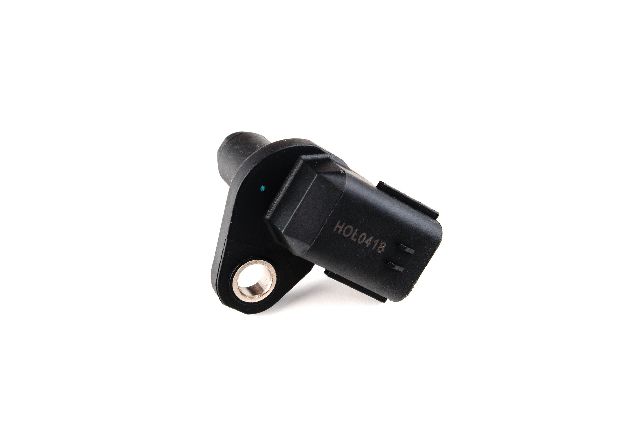
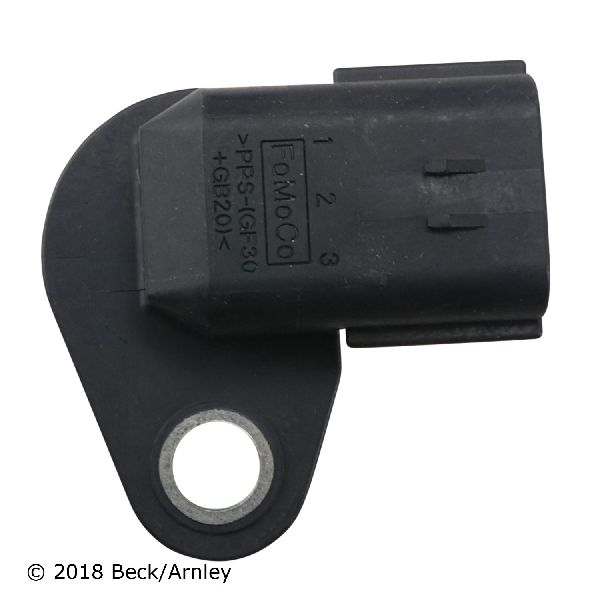
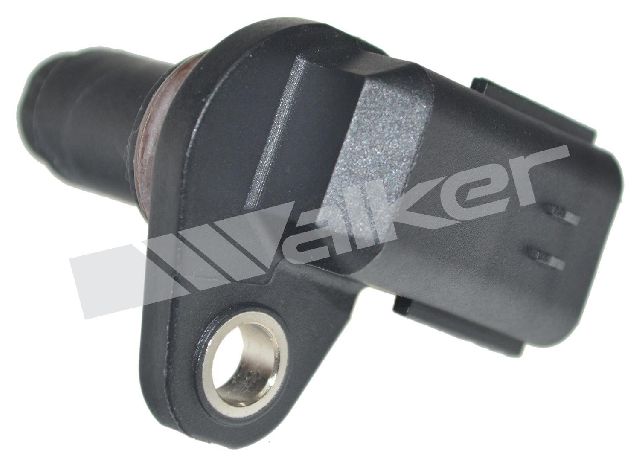
- Engine Camshaft Position Sensor
(OEM #31491073)— This is the most common component to fail, causing a loss of signal to the ECM and triggering the P0340 code.
Trusted brands: Volvo (Genuine), Bremi, Bosch
OEM price range: $110-$150
Aftermarket price range: $50-$90
Related Codes That Often Appear With This One
- P0335 — Crankshaft Position Sensor Circuit Malfunction. This code can appear with P0340, especially if the root cause is a weak battery or starter causing a voltage drop that affects both sensors during startup.
- P0011 / P0014 — Intake ('A') or Exhaust ('B') Camshaft Position Timing Over-Advanced. These codes point to a problem with the mechanical timing or VVT system, which can sometimes trigger a P0340 if the sensor reading is illogical as a result.
- P0365 — Camshaft Position Sensor 'B' Circuit Malfunction. This code will appear after swapping the intake and exhaust cam sensors if the original intake sensor was faulty, confirming the sensor failure.
Technical Service Bulletins (TSBs) & Recalls
- No specific Technical Service Bulletins (TSBs) were found to directly address a standalone P0340 code for this vehicle. Diagnostics are covered under general engine management procedures.
Platform-Specific Known Issues
- A known symptom for a failed camshaft position sensor on this platform is a no-crank condition, where all electronics power on but the starter does not engage.
- The 3.2L SI6 engine's control system is sensitive to voltage, and a weak battery or failing starter can induce a false P0340 code during startup.
- The two camshaft position sensors are identical and interchangeable for diagnostic purposes, which is a very convenient and reliable way to confirm a failed sensor.
Mechanic-Grade Diagnostic Values
- Camshaft Position Sensor Power Supply Voltage — expected: Approximately 5 Volts DC (with ignition on, engine off) when back-probing the connector's power pin.. Failure: Voltage significantly below 5V suggests a wiring issue, blown fuse, or a problem with the ECM's 5V reference circuit.
- Camshaft Position Sensor Ground Circuit Resistance — expected: Near 0 Ohms between the sensor connector's ground pin and a clean chassis ground point.. Failure: Resistance above 1-2 Ohms indicates a poor or corroded ground connection, which can cause erratic signals.
- VVT Solenoid (Oil Control Valve) Resistance — expected: 6.9 - 7.9 Ohms at 68°F (20°C).. Failure: A reading outside this range, or an open circuit (infinite resistance), points to a failed solenoid coil. This can cause timing correlation issues that may be misinterpreted as a sensor circuit fault.
- Battery Voltage During Cranking — expected: Should not drop below 10.5 Volts.. Failure: A drop below 10.5V indicates a weak battery or excessive starter draw, which is a known cause of false P0340 codes on this platform.
Scan Tool Commands That Help
- Volvo VIDA: Fault Trace — This is Volvo's guided diagnostic procedure. It will walk a technician through a logical series of tests and checks specific to the P0340 code and the vehicle's configuration.
- Volvo VIDA: Read Camshaft Adaptation Value — To check if the ECM is compensating for a mechanical timing issue. A value significantly outside the expected range (e.g., 57 +/- 8 degrees for intake) can indicate a stretched chain or phaser problem, even if P0340 is the only code present.
Wiring & Ground Locations
- Engine Control Module (ECM) — Located in the engine bay, on the right (passenger side in LHD vehicles) in a black plastic box near the coolant reservoir and power steering reservoir.. The camshaft position sensor wiring harness terminates at the ECM. Inspecting the ECM connectors for corrosion or damage is a key step if the sensor and its local wiring test good.
- Main Engine Harness Ground — Typically, a primary engine-to-chassis ground strap is located near the starter motor or on the engine block, and smaller harness grounds are located on the valve cover or strut towers.. A poor engine ground can cause a floating voltage reference for various sensors, including the camshaft position sensor, leading to erratic signals and false codes.
- Camshaft Position Sensor Connector — Directly on top of the valve cover, one for the intake camshaft and one for the exhaust camshaft.. This connector is a common failure point. The plastic can become brittle from heat and fail to lock, or the internal pins can corrode. A loose connection here is a direct cause of P0340.
Real Owner Repair Stories
- VolvoForums user '84 Blue 240' (Volvo S90 (Note: The user applied general knowledge to help an S90 owner, but the principle is identical for the S80)) — P0340 Camshaft Position Sensor Circuit Malfunction code present.
❌ Tried (didn't work) Initial diagnosis pointed towards a faulty sensor or complex wiring issue.
✅ What actually fixed it The electrical connector plug for the camshaft position sensor had come completely apart. The owner located the sensor, found the disconnected plug, reconnected it securely, and the code was resolved.
OEM Part Supersession History
30713599, 31272689→31491073— Standard part evolution and consolidation by Volvo.
Heads up: None. The newer part number is a direct replacement for the older ones and is fully compatible.Volvo 31491073→Ford 6G9N-12K073-BB— This is a cross-reference part number from Ford, as the SI6 engine was used in various Ford/Land Rover products.
Heads up: While often identical, it is always safest to order the part based on the Volvo part number to ensure correct specification.
Model Year Variations Within This Range
- 2007-2016: The 3.2L SI6 engine was the base engine from 2007. Its power was slightly increased from 235 hp to 240 hp in 2011. Starting in 2015, it was phased out of Front-Wheel Drive models in favor of the new 4-cylinder 'Drive-E' engine but remained available in All-Wheel Drive models. For the purposes of diagnosing P0340, the camshaft position sensors and related engine management components on the 3.2L engine remained consistent throughout its production run.
Diagnostic Flowchart
Other Known Issues on This Vehicle
Issues unrelated to this code that are worth knowing about as an owner of this generation:
- Rear End Accessory Drive (READ) Bearing Failure 🔴 High — A known but uncommon failure. Can occur at higher mileages (around 100k miles). Failure is characterized by a whining or grinding noise from the transmission-side of the engine. (Ref: No TSB, but it is a widely discussed issue. Repair is very expensive and requires special Volvo tools.)
- Brake Vacuum Pump Oil Leak 🟠 Medium — Very common. The seals in the pump, which is driven by the camshaft, degrade and leak oil down the side of the engine. (Ref: No TSB, but repair kits are readily available from Volvo and aftermarket suppliers like IPD and FCP Euro. It is a manageable DIY repair.)
- Excessive Oil Consumption 🟠 Medium — Affected some earlier models (pre-2011/2012) due to piston ring design. Less common than on other Volvo engines of the era, but still documented. Frequent oil changes (5k-7.5k miles) can help mitigate it. (Ref: Volvo addressed this with updated pistons/rings in later model years and performed some out-of-warranty repairs.)
- PCV System Failure 🟡 Low — The PCV breather box on top of the engine can fail, leading to a strong vacuum in the crankcase, often causing a whistling or howling noise at idle. (Ref: No TSB. The fix is to replace the PCV breather box, which is a relatively simple and inexpensive DIY job.)
- Alternator Drive Coupler Failure 🟠 Medium — The alternator is driven by the READ via a rubber coupler. The bolt securing this coupler can loosen, or the coupler itself can fail, causing the alternator to stop charging. This can be misdiagnosed as a failed alternator.
Used vs. New Parts: Buying Guide for This Vehicle
When a used part is the smart pick: For this specific repair, using a used part is not recommended. The camshaft position sensor is an electronic component prone to failure from age and heat cycles. A used sensor from a salvage yard has an unknown history and may fail soon after installation.
What to inspect on the donor part:
- Not applicable as used parts are not recommended.
OEM-only on this vehicle (don't cheap out):
- Engine Camshaft Position Sensor
Aftermarket brands forum-validated for this vehicle:
- Bosch
- Bremi
Brands owners have reported issues with on this vehicle:
- Unbranded or 'white-box' sensors. Forum consensus strongly suggests these parts have a high failure rate and can cause the P0340 code to return quickly.
Real Owner Stories
Aggregated from forums and TSBs cited above. Mileages and costs reflect what owners reported in those sources.
2009 Volvo S90 (Platform Mate)
Symptoms: The user reported a P0340 Camshaft Position Sensor Circuit Malfunction.
What fixed it: The owner discovered the sensor's electrical plug had simply come apart. Reconnecting the plug resolved the issue.
Source hint: VolvoForums - 'Help: P0340 Camshaft Position Sensor Circuit Malfunction'
Related OBD-II Codes
Frequently Asked Questions
Is there a specific TSB for the P0340 code on my 2007-2016 Volvo S80 3.2L?
Can I test the camshaft sensors by swapping them on this engine?
My S80 won't crank at all; could this be the camshaft sensor?
Could a weak battery cause a false P0340 code on my Volvo?
What tools do I need to replace the camshaft sensor on the 3.2L engine?
What brand of replacement sensor should I use for my S80?
Helpful Videos
![How to Fix P0340 Engine Code in 7 Minutes [7 DIY / Under $9.99]](https://img.youtube.com/vi/9XUV4ds8R4Q/mqdefault.jpg)
We Have This Part in Stock


The information in this article is provided for general reference and educational purposes only. Vehicle specifications, procedures, and part compatibility can vary by production date, trim level, and region. Always consult your vehicle's factory service manual and verify part numbers before purchasing or performing repairs. Safety-critical components such as airbags, seat belts, and braking systems should be installed by a qualified professional.
- Volvo S80:
- 🧭 Diagnostic Flowchart
- 🎬 Helpful Videos
- 🛍️ Shop This Part
- What's Unique About the 2007-2016 Volvo S80
- Symptoms You May Notice
- Most Likely Causes
- Rare But Worth Checking
- Diagnosis Steps
- Parts You'll Likely Need
- Related Codes That Often Appear With This One
- Technical Service Bulletins (TSBs) & Recalls
- Platform-Specific Known Issues
- Mechanic-Grade Diagnostic Values
- Scan Tool Commands That Help
- Wiring & Ground Locations
- Real Owner Repair Stories
- OEM Part Supersession History
- Model Year Variations Within This Range
- Other Known Issues on This Vehicle
- Used vs. New Parts: Buying Guide for This Vehicle
- Real Owner Stories
- 2009 Volvo S90 (Platform Mate)
- Related OBD-II Codes
- Frequently Asked Questions
- 🎟️ Get 5% Off