

P0341 on 2009-2017 Audi A8: Camshaft Sensor Range/Performance Causes and Fixes
On the Audi A8 3.0T and 4.0T, code P0341 most often points to a failing Bank 1 intake camshaft position sensor, a relatively simple fix costing $200-$450. However, this code can also be a critical early warning of more serious issues like a stretched timing chain (especially if a rattle is heard on cold starts) or, on the 4.0T V8, oil starvation due to a clogged turbo oil strainer (Audi TSB 2044640). Thorough diagnosis is essential before replacing parts.
- P0341 on a 2009-2017 Audi A8 points to the Bank 1 (passenger side) intake camshaft position sensor.
- The easiest first step is to inspect the sensor and its connector for oil contamination. Swapping the sensor with its Bank 2 equivalent is a simple and effective diagnostic test.
- A rattling noise from the engine on cold starts is a major red flag for a stretched timing chain. Do not ignore this symptom.
- Use a VAG-specific scan tool to check 'camshaft adaptation'. If the value is outside +/- 5 degrees, a very expensive timing chain service is likely needed.
- On the 4.0T V8, this code is often related to mechanical timing or oil pressure issues, not just a bad sensor.
What's Unique About the 2009-2017 Audi A8
For the D4 generation Audi A8, P0341 is more than just a sensor code; it's often a warning sign of deeper mechanical issues. On the 3.0T V6, this code can be an early indicator of timing chain stretch or, less commonly, rocker arm bearing problems, especially if you hear a rattle on cold starts. 🎬 Watch: Hear what the 3.0T timing chain rattle sounds like. On the 4.0T V8, this code is frequently linked to stretched timing chains or issues within the variable valve timing (VVT) system. A critical and well-documented issue for the 4.0T is a small, internal turbocharger oil strainer that clogs over time, leading to oil starvation, turbo failure, and can trigger cam/crank correlation codes like P0341. This specific issue is covered by Audi Technical Service Bulletin (TSB) 2044640 and NHTSA Recall 22V178000.
Generation note: The 2009-2017 year range covers the Audi A8 (D4) generation, which was sold from 2010 to 2017. The causes and fixes are generally consistent across this generation for the specified engines, with the turbo oil screen being a specific concern for the 4.0T V8.
Symptoms You May Notice
- Check Engine Light is on
- EPC (Electronic Power Control) light may illuminate
- Engine is difficult to start or cranks for a long time
- Engine stalls unexpectedly, especially at idle or low speeds
- Rough or unstable idle
- Noticeable loss of engine power and hesitation during acceleration
- Reduced fuel efficiency
- Engine bucking or chugging at low RPM
- Replacing the crankshaft position sensor. P0341 specifically points to the camshaft sensor circuit, not the crankshaft sensor.
- Immediately replacing the timing chain without diagnosis. While a possible cause, the much cheaper and more common sensor failure should always be ruled out first by swapping sensors and checking wiring.
- On a 4.0T, replacing only the camshaft sensor without considering the underlying turbo oil strainer issue. The sensor code could just be a symptom of the larger oil pressure problem.
Most Likely Causes
- Failing Bank 1 Intake Camshaft Position Sensor 🔴 High Probability → Shop Engine Camshaft Position Sensor These sensors operate in a high-heat environment and can fail electronically over time. It's the most common and straightforward cause for this code. Oil leaks from valve cover gaskets can also contaminate the sensor's connector.
How to confirm: Disconnect the sensor's electrical connector and inspect for oil contamination or corrosion. Test the sensor's resistance and voltage output with a multimeter against factory specifications. The easiest test is to swap the Bank 1 intake sensor with the Bank 2 intake sensor and see if the fault code changes to P0346 (Bank 2).
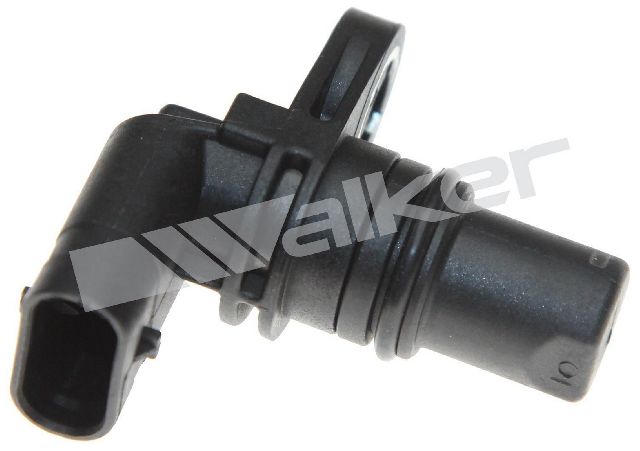
Typical fix: Replace the faulty camshaft position sensor. It is held in by a single T30 Torx bolt and is typically located on the top of the valve cover. The OEM part number is often 04C907601K (or revised versions), which supersedes older numbers like 07L905163C.
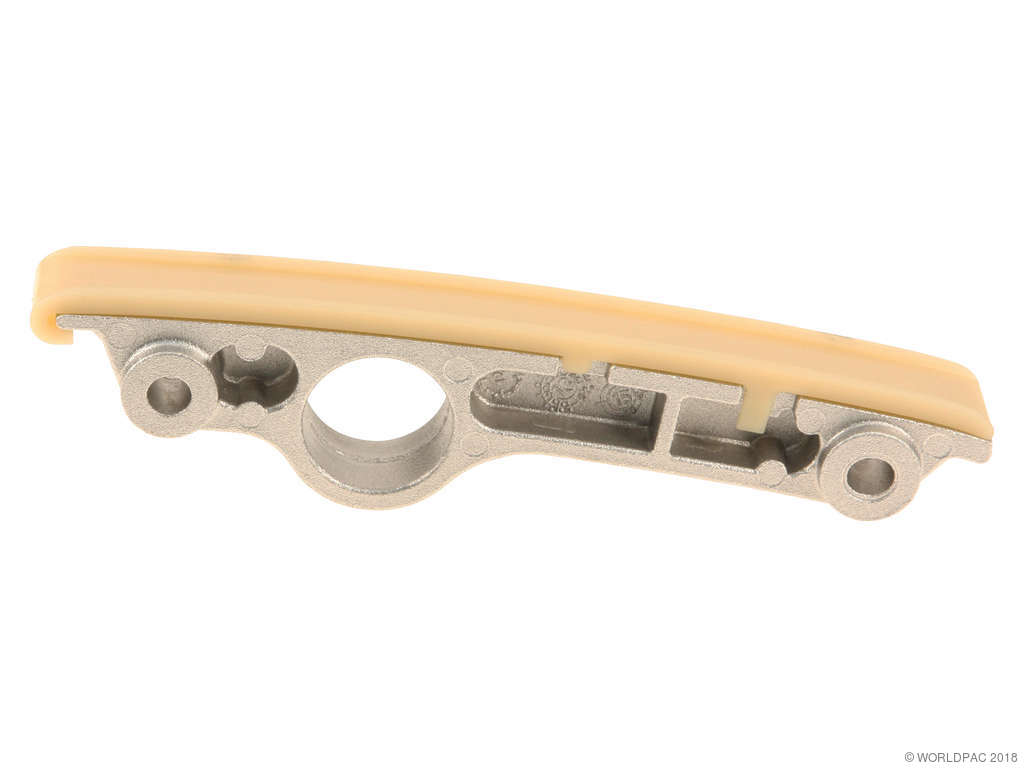
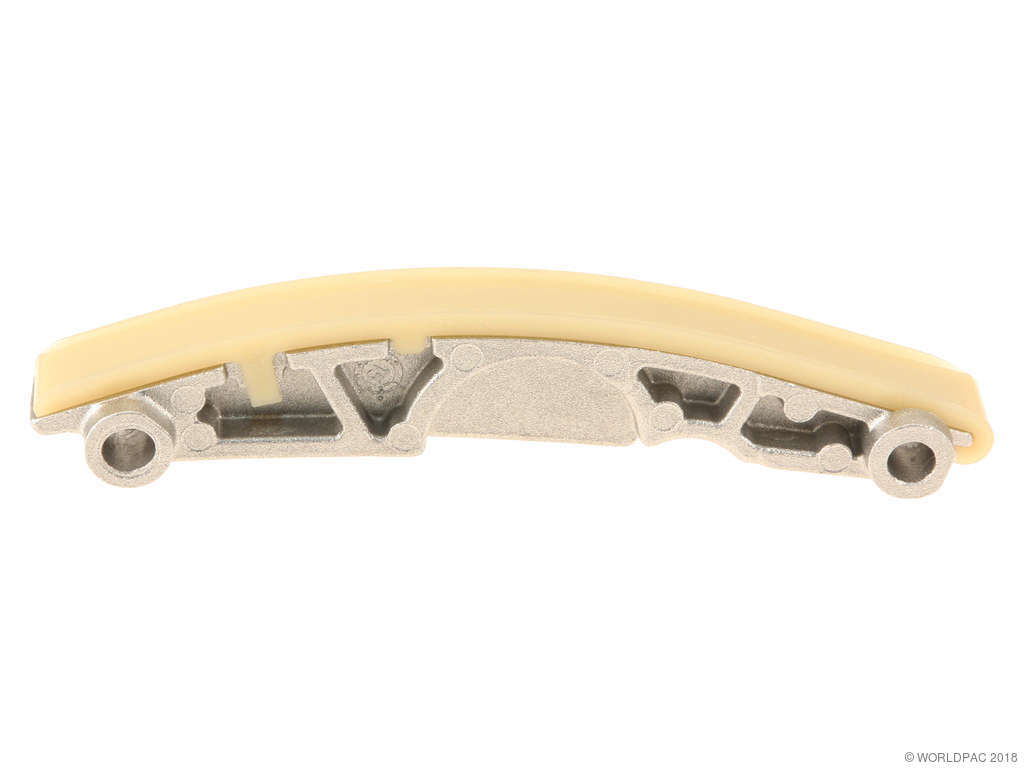
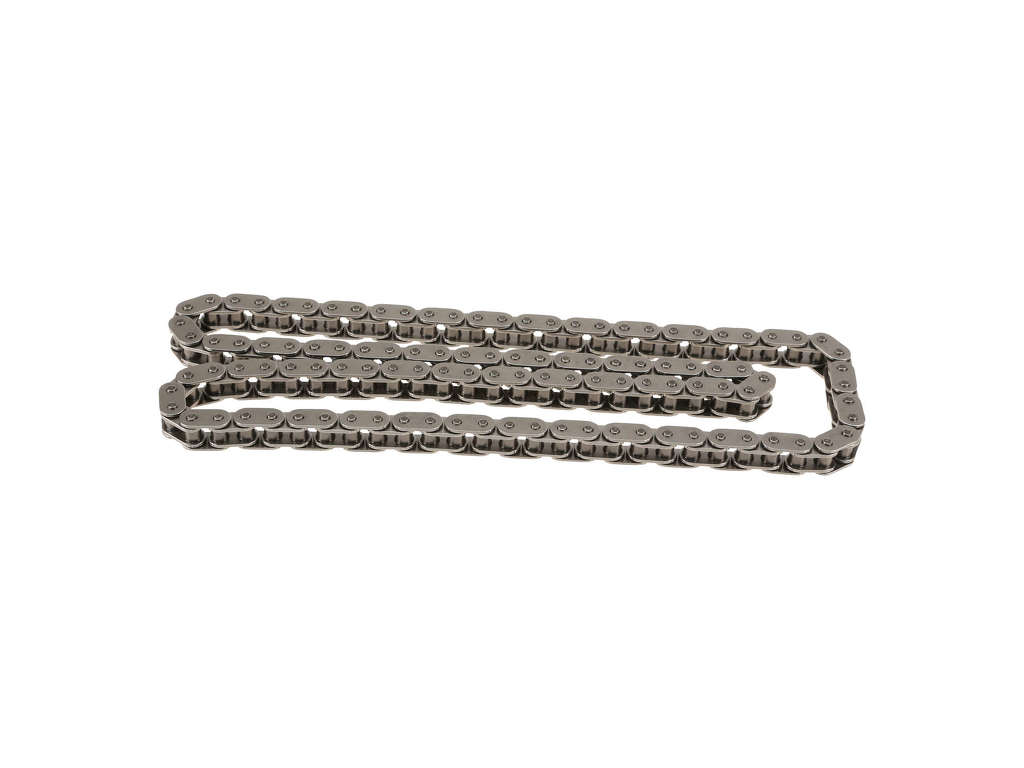
Est. part cost: $35-$150 for an OEM or quality OE-supplier sensor (e.g., Bosch). - Stretched Timing Chain or Failing Tensioner 🟡 Medium Probability → Shop Engine Timing Chain Timing chains on both the 3.0T and 4.0T engines are known wear items, though the job is very labor-intensive as the chains are on the rear of the engine. As they stretch, the correlation between the camshafts and crankshaft drifts out of spec, triggering this code. A rattling noise for 1-3 seconds on a cold start is a classic symptom.
How to confirm: Use a VAG-specific scan tool (like VCDS or OBDeleven) to check 'Camshaft Adaptation Intake Bank 1 Phase Position'. A value greater than +/- 5 degrees from zero under warm idle conditions indicates significant chain stretch. Some technicians consider values over 8 degrees to be definitive.
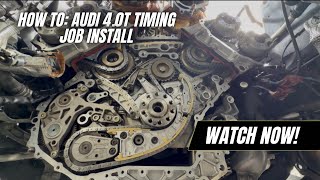
Typical fix: This is a major, engine-out repair that involves replacing the timing chains, tensioners, and guides. It is a very expensive job due to the high labor hours required. 🎬 See a full walkthrough of the 4.0T timing chain replacement.
Est. part cost: $1100-$2500 - Low Oil Pressure or Degraded Oil (4.0T Turbo Oil Strainer) 🟡 Medium Probability The camshaft adjusters (phasers) are hydraulically operated. On the 4.0T engine, a well-known issue with a small, non-serviceable oil strainer for the turbochargers getting clogged with sludge and carbon deposits is a primary concern. This blockage starves the turbos of oil, causing them to fail, and can also affect system-wide oil pressure, impacting the cam phasers and triggering P0341. This is addressed in Audi TSB 2044640 and NHTSA Recall 22V178000.
How to confirm: Check the engine oil level and condition. If you own a 4.0T, this should be a primary suspicion. Diagnosis requires significant disassembly to inspect the strainer, which is located deep within the engine's 'hot V'. Aftermarket kits exist to relocate the screen to a serviceable location.
Typical fix: Perform an oil and filter change with the correct OEM-spec oil. If the 4.0T turbo oil strainer is clogged, it must be replaced with the updated part (PN 079115175G), which is an intensive job often requiring 9+ hours of labor. Many owners opt to install a relocation kit at this time.
Est. part cost: $80-$150 for an oil change; $1,500-$3,000+ for strainer replacement at a shop. - Wiring or Connector Issue ⚪ Low Probability Engine vibration and heat, especially in the 'hot V' of the 4.0T, can cause wires to become brittle and fray or connectors to become loose over time. Oil leaks from valve cover gaskets can also contaminate the connector, disrupting the signal.
How to confirm: Visually inspect the wiring harness leading to the Bank 1 intake cam sensor for any signs of damage, chafing, or melting. Check that the connector is securely plugged in and that the terminals are clean and free of oil or corrosion. Perform a continuity test on the wiring harness.
Typical fix: Repair the damaged section of wiring or clean the connector terminals with electrical contact cleaner. If the connector itself is broken, it will need to be replaced.
Est. part cost: $5-$50
Rare But Worth Checking
- Failing Camshaft Adjuster Solenoid (VVT Solenoid / N205): → Shop Engine Camshaft This solenoid, also known as the N205 valve, controls oil flow to the camshaft phaser. If it becomes sticky or fails, it can cause the camshaft to be out of position, triggering P0341. It will typically set other codes (like P0011 or P0021) but is worth considering if other causes are ruled out.
- Damaged Reluctor Wheel on Camshaft: → Shop Engine Camshaft The sensor reads notches on a reluctor wheel (or sensor ring) on the camshaft. If this wheel is damaged, has shifted, or has debris on it, the sensor signal will be incorrect. This is very rare and usually only occurs after major engine work or a catastrophic failure of another component.
- Failing Engine Control Module (ECM): In extremely rare cases, the ECM itself can be the source of the problem, misinterpreting a good sensor signal. This should only be considered after all other possibilities have been exhaustively ruled out by a qualified technician.
Diagnosis Steps
- Read the codes: Use an OBD-II scanner to confirm P0341 and check for any other related codes (e.g., P0016, P030x, P0346). Note freeze frame data.
- Inspect the sensor and connector: Locate the Bank 1 (passenger side) intake camshaft position sensor on the valve cover. Disconnect it and check the connector and sensor for oil, coolant, or corrosion. Clean if necessary.
- Swap sensors: The 3.0T and 4.0T engines have four cam sensors (Intake/Exhaust for Bank 1/2). Swap the Bank 1 intake sensor with the Bank 2 intake sensor. They are identical parts. Clear the codes and drive the vehicle. If the code returns as P0346 (Bank 2), the sensor is bad and needs replacement.
- Check wiring: If the code remains P0341 after the swap, the sensor is likely good. Check the wiring to the Bank 1 sensor for continuity, shorts, and proper voltage (typically a 5V reference) using a multimeter.
- Check Camshaft Adaptation Value: Using a VAG-specific scan tool (VCDS, OBDeleven), access Engine -> Measuring Blocks and find 'Camshaft Adaptation Intake Bank 1 Phase Position'. With the engine warm and idling, check the value. If it is beyond +/- 5 degrees, the timing chain has likely stretched and requires replacement.
- Check Oil System (Especially on 4.0T): Ensure the engine oil is at the correct level, condition, and viscosity (use only OEM-spec oil). If you have a 4.0T, the clogged turbo oil strainer (TSB 2044640) is a primary suspect and requires inspection, which is a labor-intensive job.
Parts You'll Likely Need
- Camshaft Position Sensor (Bank 1 Intake)
(OEM #07L905163C, 04C907601K)— This is the most common failure part for a P0341 code when there are no other symptoms like a startup rattle.
Trusted brands: Bosch, Hella, Genuine Audi
OEM price range: $80-$150
Aftermarket price range: $40-$90 - Timing Chain Kit — If diagnosis reveals a stretched chain (via adaptation values or startup rattle), a full kit including chains, tensioners, and guides is required for this complex repair.
Trusted brands: Iwis, INA, Genuine Audi
OEM price range: $1100-$1500
Aftermarket price range: $600-$900
Related Codes That Often Appear With This One
- P0016 — This code indicates a direct correlation problem between the crank and Bank 1 intake cam. If you see P0341 and P0016 together, a mechanical timing issue (stretched chain) is highly probable.
- P0346 — This is the equivalent code for Bank 2 ('Camshaft Position Sensor 'A' Circuit Range/Performance Bank 2'). Seeing it appear after swapping sensors from Bank 1 to Bank 2 is a great way to confirm the sensor itself is faulty.
- P0300, P0301-P0304 — These are random or specific misfire codes for Bank 1. Incorrect cam timing disrupts the combustion process, leading to misfires on the affected bank.
- P0343 — This code for 'Circuit High' may appear if the sensor is unplugged entirely during diagnosis, confirming the ECU is seeing a change in the circuit.
Technical Service Bulletins (TSBs) & Recalls
- TSB 2044640 / NHTSA Recall 22V178000: Addresses the clogging turbocharger oil strainer on the 4.0T V8 engine, which can lead to oil starvation, turbo failure, and potentially trigger cam/crank correlation codes. The fix involves replacing the strainer with an updated design.
Platform-Specific Known Issues
- On 3.0T engines, a P0341 code accompanied by a cold start rattle is a strong indicator of a failing timing chain tensioner or stretched chain.
- On 4.0T engines, P0341 is frequently a secondary code to a primary mechanical timing issue. A known problem is the turbocharger oil strainer screen becoming clogged, leading to oil pressure issues that affect the VVT system and trigger timing codes. This was subject to NHTSA recall 22V178000.
- On some 3.0T engines, rocker arm bearing failure can also present with camshaft-related fault codes.
Mechanic-Grade Diagnostic Values
- Camshaft Position Sensor (Hall Sensor) Signal Voltage — expected: The sensor should produce a square wave signal that switches between approximately 0V and 5V as the camshaft rotates.. Failure: A flat line at 0V or 5V, or a noisy/erratic waveform when viewed on an oscilloscope, indicates a failed sensor.
- Camshaft Position Sensor Connector Voltage (Key On, Engine Off) — expected: Using a multimeter, you should find one pin with a 5V reference from the ECM, one pin for ground (near 0V), and one signal pin.. Failure: Absence of the 5V reference or a bad ground points to a wiring or ECM issue, not a sensor failure.
- VCDS Measuring Block 93, Field 2 (Camshaft Adaptation) — expected: At warm idle, this value should be between -5.0° and +5.0°.. Failure: A value consistently greater than +/- 5° (with some technicians considering +/- 8° as definitive) indicates a stretched timing chain or incorrect mechanical timing.
Hidden / Shadow Codes Worth Checking
- Fault Priority 2 (or similar high priority): In VAG diagnostic tools like VCDS, faults are assigned a priority level. A high priority for P0341 suggests a significant deviation that can cause immediate drivability problems or potential engine damage, steering the diagnosis towards mechanical issues over minor sensor glitches. (see via A VAG-specific scan tool such as VCDS by Ross-Tech or OBDeleven.)
Scan Tool Commands That Help
- VCDS (VAG-COM): Output Test: N205 Camshaft Adjustment Valve — If a sticky camshaft adjuster solenoid (N205) is suspected, this test will command the solenoid to actuate. The technician can listen for an audible click from the solenoid, confirming it is mechanically responding to the ECM's command. A lack of a click points to a failed solenoid or wiring issue.
- VCDS (VAG-COM): Basic Settings: Camshaft Adaptation — After a timing chain or camshaft adjuster replacement, this function may be required to clear learned adaptation values and force the ECM to relearn the new baseline camshaft positions. This can resolve a persistent P0341 code after a major mechanical repair.
Wiring & Ground Locations
- Bank 1 Camshaft Position Sensor (G300) Connector — On the 4.0T, it is located on the front of the Bank 1 (passenger side in North America) cylinder head, accessible after removing the engine cover.. This is the primary connector to inspect for oil contamination, corrosion, or loose pins. The wiring harness in this area is exposed to significant heat.
- Engine to Chassis Ground Straps — Key ground points are located from the engine block to the chassis frame rails on both sides of the engine bay.. A corroded or loose ground strap can create electrical noise and voltage drops, causing the ECM to receive an unstable signal from the camshaft sensor, triggering a P0341 even if the sensor and its direct wiring are good.
Real Owner Repair Stories
- Ross-Tech Forums (2009 Audi A5 2.0T (Similar VVT system logic)) — Intermittent stutter and EPC light at low RPM when the engine is warm, which evolved into a choke and constant MIL with code P0341.
❌ Tried (didn't work) Replaced timing chain and tensioners, Swapped camshaft position sensor with a known-good used one, Inspected wiring
✅ What actually fixed it The final fix was twofold: replacing a faulty camshaft bridge (which controls oil pressure to the adjuster) and resolving an underlying misfire by replacing a worn-out high-pressure fuel pump (HPFP) cam follower. The misfire was causing enough crankshaft speed fluctuation to trigger the cam/crank correlation fault.
OEM Part Supersession History
07L905163B→07L905163C, later revised to numbers like 04C907601K— Internal electronic revisions for improved reliability and signal stability.
Heads up: While physically similar, using an older or incorrect revision may lead to intermittent signal issues. It is critical to use the latest part number specified by the dealer for the vehicle's VIN.079115175F (or earlier)→079115175G— The original turbo oil strainer for the 4.0T engine had a fine mesh that was prone to clogging. The 'G' revision features a less restrictive design to improve oil flow and prevent turbo starvation.
Model Year Variations Within This Range
- 2015-2017: The D4 A8 received a facelift for the 2015 model year. For the 4.0T engine, this included a power boost from 420 hp to 435 hp. While this didn't fundamentally change the cause of P0341, later model year 4.0T engines may have received the updated 'G' revision turbo oil screen from the factory.
- 2009-2012 (Early 3.0T): Early Gen1 3.0T engines used an older style oil pressure switch that was prone to failure, potentially affecting oil pressure to the VVT system and contributing to timing codes. The updated switch is purple.
Diagnostic Flowchart
Other Known Issues on This Vehicle
Issues unrelated to this code that are worth knowing about as an owner of this generation:
- 4.0T V8 Turbo Oil Strainer Clogging 🔴 High — Very common on 4.0T engines, can lead to turbo failure as early as 40k-60k miles. Risk increases with extended oil change intervals. (Ref: TSB 2044640 / NHTSA 22V178000)
- 3.0T V6 Water Pump & Thermostat Failure 🟠 Medium — Common failure item, often occurring between 60,000 and 100,000 miles. The original parts are plastic and prone to leaking.
- Adaptive Air Suspension Leaks/Failure 🟠 Medium — Common on higher-mileage D4 A8s (typically over 100,000 miles). Air springs can develop leaks or the compressor can fail, causing the vehicle to sag.
- 3.0T V6 PCV Valve Failure 🟠 Medium — The PCV (oil separator) is a common failure point around 80,000-120,000 miles, leading to rough idle, oil consumption, and sometimes a vacuum leak code.
- MMI Infotainment Screen Mechanism Failure 🟡 Low — The gears in the mechanism that retracts the main MMI screen can fail, causing the screen to get stuck open or closed.
- 3.0T CREC Engine Oil Consumption 🔴 High — Later versions of the 3.0T (engine code CREC) can suffer from significant oil consumption issues, sometimes leading to carbon buildup and valve damage.
Used vs. New Parts: Buying Guide for This Vehicle
When a used part is the smart pick: Used parts are a reasonable choice for non-electronic, non-wear items like wiring harness connectors/pigtails or engine covers. A complete used engine can be a gamble but may be cost-effective if from a low-mileage, verified source with a known service history, especially if your current engine has catastrophic failure.
Donor-vehicle mileage cap: roughly under 80000 miles for the part to have meaningful remaining life.
What to inspect on the donor part:
- Request service history for any major component like an engine or transmission.
- Inspect for external signs of damage, oil leaks, or heavy corrosion.
- For electronic parts, ask the seller if they can be tested before purchase.
- Check the reason the donor car was salvaged; avoid engines from cars with frontal impacts or known head gasket failure.
OEM-only on this vehicle (don't cheap out):
- Timing Chain and Tensioners: Given the labor-intensive nature of the job, using OEM or OE-supplier (like Iwis) parts is critical to ensure longevity and avoid a repeat failure.
- Turbo Oil Strainer (4.0T): Always use the latest Genuine Audi 'G' revision part (079115175G) to prevent a recurrence of the clogging issue.
- Engine Sensors (Cam/Crank): While top-tier OE brands are good, cheap unbranded sensors are a common cause of persistent codes. Sticking to Genuine Audi or the original supplier (e.g., Bosch) is the safest bet.
Aftermarket brands forum-validated for this vehicle:
- Bosch: Often the Original Equipment supplier for sensors and various electronic components.
- NTK: A well-regarded brand for engine management sensors.
- Liqui Moly: For engine oil and flushes, which are critical for the health of the VVT system.
Brands owners have reported issues with on this vehicle:
- URO Parts: Forum discussions frequently mention quality control issues with URO parts for European cars, with some components failing prematurely. While some simple parts may be acceptable, for critical items like sensors or engine components, it's a significant risk.
- Unbranded/No-Name eBay/Amazon sensors: These are notoriously unreliable and can be dead-on-arrival or fail within a short period, wasting time and money on diagnosis.
Real Owner Stories
Aggregated from forums and TSBs cited above. Mileages and costs reflect what owners reported in those sources.
Audi A8 (D4 platform)
Symptoms: The owner experienced a P0341 code and used VCDS to scan the vehicle for results.
What fixed it: The dealer replaced the camshaft sensors and performed an ECM software update.
Source hint: AudiWorld forum thread titled 'Camshaft Position Sensor'
Audi A4 (B8 platform) with similar engine architecture
Symptoms: The vehicle was bucking and stalling unexpectedly while driving.
What fixed it: The issue was identified as a VVT system failure involving the N205 solenoid and related oil pressure problems.
Source hint: AudiWorld forum thread titled 'Car bucking/stalling P0341 code'
2006 Audi A8
Symptoms: The owner reported engine misfires on a specific bank occurring alongside the camshaft sensor codes.
What fixed it: Diagnosis confirmed a link between the P0341 code and misfire codes (P0301) on the corresponding engine bank.
Source hint: AudiForums.com thread '06 A8 missfire n cam sensor codes P0341 n P0301'
Related OBD-II Codes
Frequently Asked Questions
Does the Audi recall for the 4.0T engine apply to my P0341 code?
I hear a rattling sound for a few seconds when I start my A8 3.0T. Is this related to P0341?
Can I test if the sensor is actually bad before buying a new one?
What is the specific part number for the camshaft sensor on my A8?
How can I use VCDS to check if my timing chain is stretched?
Is there a way to prevent the 4.0T oil strainer from clogging again?
Helpful Videos
![3.0 T AUDI TFSI ENGINE TIMING CHAIN RATTLE (NOISE) COLD Start .... [PART 1] #audi #automotive #a7](https://img.youtube.com/vi/MlMCHpJmELo/mqdefault.jpg)
We Have This Part in Stock

The information in this article is provided for general reference and educational purposes only. Vehicle specifications, procedures, and part compatibility can vary by production date, trim level, and region. Always consult your vehicle's factory service manual and verify part numbers before purchasing or performing repairs. Safety-critical components such as airbags, seat belts, and braking systems should be installed by a qualified professional.
- Audi A8:
- 🧭 Diagnostic Flowchart
- 🎬 Helpful Videos
- 🛍️ Shop This Part
- What's Unique About the 2009-2017 Audi A8
- Symptoms You May Notice
- Most Likely Causes
- Rare But Worth Checking
- Diagnosis Steps
- Parts You'll Likely Need
- Related Codes That Often Appear With This One
- Technical Service Bulletins (TSBs) & Recalls
- Platform-Specific Known Issues
- Mechanic-Grade Diagnostic Values
- Hidden / Shadow Codes Worth Checking
- Scan Tool Commands That Help
- Wiring & Ground Locations
- Real Owner Repair Stories
- OEM Part Supersession History
- Model Year Variations Within This Range
- Other Known Issues on This Vehicle
- Used vs. New Parts: Buying Guide for This Vehicle
- Real Owner Stories
- Audi A8 (D4 platform)
- Audi A4 (B8 platform) with similar engine architecture
- 2006 Audi A8
- Related OBD-II Codes
- Frequently Asked Questions
- 🎟️ Get 5% Off