

P0341 on 2009-2011 Chevrolet Aveo: Cam Sensor Causes and Fixes
On a 2009-2011 Aveo, code P0341 most often points to a failing camshaft position sensor, specifically the intake sensor. A GM Technical Service Bulletin (TSB #PIP5329C) confirms this is a common issue. The sensor itself is affordable (around $25-$70) and relatively easy to replace for DIYers, typically requiring only a 10mm socket.
- P0341 on a 2009-2011 Aveo is very likely a bad intake camshaft position sensor, located on the rear (firewall side) of the engine.
- A GM Technical Service Bulletin (PIP5329C) confirms this is a known issue and the primary fix is sensor replacement.
- Before replacing, do a quick visual inspection of the wiring and connector for obvious damage. The connector has a grey locking tab.
- The correct OEM part for the intake sensor is #25195555 (which supersedes #55565708). Do not confuse it with crankshaft sensor part numbers.
- The repair is DIY-friendly, typically only requiring a 10mm socket and about 30 minutes.
What's Unique About the 2009-2011 Chevrolet AVEO
For this generation of Chevrolet Aveo and its platform mates like the Pontiac G3, the P0341 code is very frequently a straightforward intake camshaft sensor failure. This is strongly supported by a manufacturer Technical Service Bulletin (TSB #PIP5329C) that directs technicians to replace the sensor as the primary fix. While other causes like timing and wiring are possible, the sensor itself is the most common and well-documented point of failure.
Diagnostic Flowchart
Tap your situation to follow the diagnostic path that matches what you're seeing on this vehicle.
Symptoms You May Notice
- Check Engine Light is on
- Engine is hard to start or won't start
- Rough idling or stalling, especially at low speeds
- Engine hesitation or lack of power during acceleration
- Reduced fuel economy
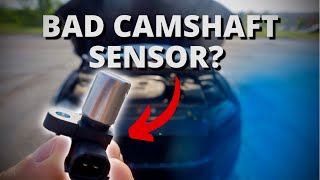
- Engine backfiring 🎬 Watch: Common symptoms of a failing camshaft sensor
- Replacing the Crankshaft Position Sensor (CKP) when the code is for the Camshaft Position Sensor (CMP).
- Replacing the wrong camshaft sensor (e.g., replacing the exhaust sensor for a P0341 code, which refers to the intake sensor).
- Replacing the ECM before verifying wiring and mechanical timing are correct.
Most Likely Causes
- Faulty Intake Camshaft Position Sensor (CMP) 🔴 High Probability → Shop Engine Camshaft Position Sensor A widely known issue confirmed by GM Technical Service Bulletin #PIP5329C, which directs technicians to replace the sensor for this code. The sensor is exposed to significant heat and oil vapor at the top of the engine, which can degrade its internal components over time.
How to confirm: After checking wiring, this is the most likely cause. A definitive test involves using a multimeter to check for 12V power, a good ground, and a 5V reference signal at the connector with the key on. Observing the square wave signal on an oscilloscope is the professional standard. A simple DIY confirmation is to replace the sensor, as it's inexpensive and the most probable culprit.
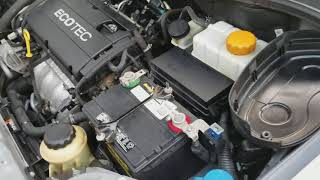
Typical fix: Replace the intake camshaft position sensor ('Sensor A'). On the 1.6L engine, the intake sensor is located on the rear side of the valve cover, toward the firewall. The exhaust sensor is on the front side, toward the radiator.
Est. part cost: $25-$70 - Wiring or Connector Issues 🟡 Medium Probability The wiring harness runs across the top of the hot engine. Over time, the plastic conduit can become brittle and break, exposing wires to chafing. The connector itself can become contaminated with oil or its locking tab can break, leading to a poor connection.
How to confirm: Visually inspect the wiring harness leading to the intake camshaft position sensor for any signs of melting, chafing, or exposed copper. Unplug the connector (pull back the grey locking tab first) and check for corroded pins or oil inside. Wiggle the connector and harness with the engine running to see if it causes a stumble.
Typical fix: Repair the damaged section of wiring with new wire and heat-shrink tubing. Clean the connector with electrical contact cleaner or replace the pigtail connector if it's damaged.
Est. part cost: $15-$40 - Timing Belt Issues ⚪ Low Probability → Shop Engine Timing Chain The 1.6L E-TEC II is an interference engine with a timing belt that requires replacement at recommended intervals (typically 60,000-100,000 miles). If the belt stretches or jumps a tooth, the cam/crank correlation will be incorrect, triggering a P0341 even with a good sensor.
How to confirm: If service history is unknown or the engine has high mileage, this is a valid concern. Remove the upper timing belt cover and inspect the belt for fraying or damage. Align the crankshaft pulley to its timing mark and verify that the camshaft pulley marks are also perfectly aligned with the marks on the engine backplate. 🎬 See how to inspect your timing belt and marks
Typical fix: Replace the timing belt, tensioner, and idler pulley as a kit. This is a critical, labor-intensive job that can prevent catastrophic engine failure.
Est. part cost: $100-$200 for a kit
Rare But Worth Checking
- Magnetized Cylinder Head Components: GM TSB #PIP5329C notes a rare scenario where, if the P0341 code returns after sensor replacement, it could be due to magnetized components in the cylinder head. This is typically caused by improper welding procedures during a previous collision repair. This condition requires replacement of the entire cylinder head assembly.
- Damaged Reluctor Wheel: The reluctor wheel on the camshaft, which the sensor reads, can be damaged or come loose, though this is uncommon. This would require removing the valve cover for inspection and would likely involve a more significant mechanical repair.
- Failing Engine Control Module (ECM): It's very rare for the ECM to be the problem, but it can happen. This should only be considered after all other possibilities (sensor, wiring, timing, and the TSB's collision history check) have been thoroughly ruled out.
Diagnosis Steps
- Read the code: Use an OBD-II scanner to confirm P0341 is present and check for any other codes like P0340, P0366, or P0300.
- Locate and Inspect the Sensor: Locate the intake camshaft position sensor on the rear (firewall side) of the valve cover. Visually inspect the sensor for cracks and its connector for damage. Ensure the connector is plugged in securely.
- Inspect the Wiring: Trace the wiring harness from the sensor. Look for brittle plastic conduit, chafed wires, or heat damage. Unplug the connector by pulling back the grey locking tab and check the pins for corrosion or oil contamination.
- Test the Circuit (Optional but Recommended): With the key on and engine off, use a multimeter to probe the connector pins. You should find approximately 12V power, a good ground (near 0V), and a 5V reference signal.
- Check Mechanical Timing: If the car has over 100,000 miles or an unknown service history, it's wise to remove the upper timing cover and verify the timing marks on the cam pulleys align correctly when the engine is set to Top Dead Center.
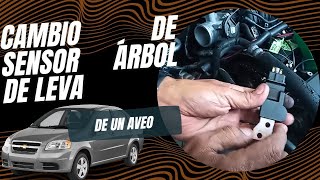
- Replace the Sensor: Given the high probability of sensor failure on this model (backed by TSB #PIP5329C), replacing the intake sensor is the most logical next step if wiring and timing appear correct. The sensor is held by a single 10mm bolt. 🎬 Watch this walkthrough for replacing the Aveo camshaft sensor
- Clear Codes and Test Drive: After any repair, clear the trouble codes with a scanner and perform a thorough test drive to ensure the Check Engine Light does not return.
- Advanced TSB Step: If the code returns after sensor replacement, follow TSB #PIP5329C's advice and investigate the vehicle's collision history for improper welding that could have magnetized head components.
Parts You'll Likely Need
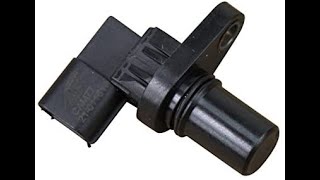
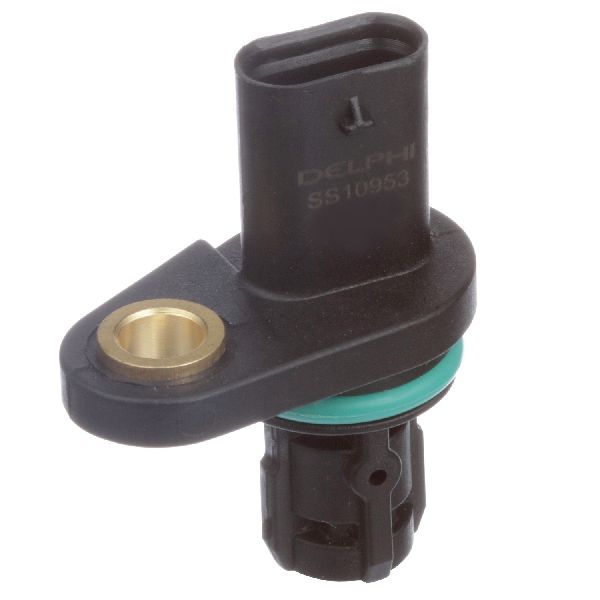
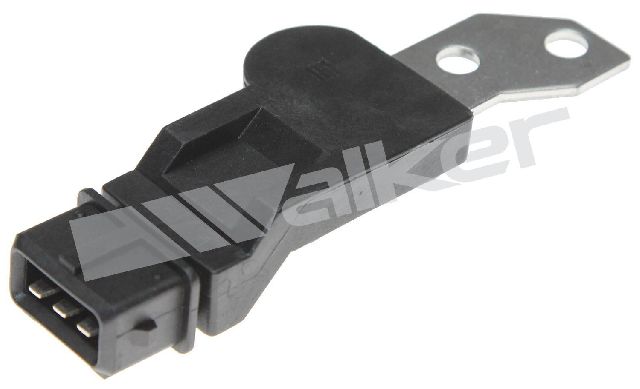
- Intake Camshaft Position Sensor
(OEM #25195555 (replaces 55565708))— This is the most common failure part for code P0341 ('Sensor A') on this vehicle, as confirmed by TSB #PIP5329C.
Trusted brands: ACDelco (GM Genuine), Delphi, Walker Products, Standard Motor Products
OEM price range: $45-$75
Aftermarket price range: $20-$50 - Exhaust Camshaft Position Sensor
(OEM #25195556 (replaces 55565709))— Often replaced as a pair with the intake sensor for preventative maintenance, especially if code P0366 is also present.
Trusted brands: ACDelco (GM Genuine), Delphi, Walker Products, Standard Motor Products
OEM price range: $45-$75
Aftermarket price range: $20-$50
Related Codes That Often Appear With This One
- P0340 — P0340 indicates a general malfunction in the camshaft position sensor circuit, while P0341 points to a performance/range issue. They often appear together as they relate to the same failing sensor.
- P0300 — A random/multiple cylinder misfire code. A bad camshaft sensor signal disrupts ignition and fuel timing, which can directly lead to engine misfires.
- P0366 — This code is for the Camshaft Position Sensor 'B' (Exhaust) Circuit Range/Performance. TSB #PIP5329C mentions that P0341 and P0366 can appear together, indicating a potential issue with both sensors or a shared problem like timing.
Technical Service Bulletins (TSBs) & Recalls
- PIP5329C: Addresses Service Engine Soon lamp with DTC P0341 and/or P0366. Recommends replacement of the camshaft position sensor as the primary fix and provides advanced diagnostics related to collision repair if the code returns.
Platform-Specific Known Issues
- GM TSB #PIP5329C: GM issued this bulletin specifically for 2009-2011 Aveo/G3 and other models with the 1.6L/1.8L engines for DTC P0341 and/or P0366. The primary instruction is to replace the corresponding camshaft position sensor. It also provides a rare but important secondary diagnostic path: if the code returns, investigate for a history of front-end collision, as improper welding can magnetize cylinder head components, requiring a head replacement.
Mechanic-Grade Diagnostic Values
- Camshaft Position Sensor Connector - Power Supply Pin — expected: ~12V (Battery Voltage) with key on, engine off.. Failure: Significantly lower or no voltage indicates a wiring or fuse issue.
- Camshaft Position Sensor Connector - Ground Pin — expected: Good continuity to ground (near 0V).. Failure: High resistance or voltage on the ground pin indicates a bad ground connection.
- Camshaft Position Sensor Connector - 5V Reference Pin — expected: Approximately 5V with key on, engine off.. Failure: No voltage or incorrect voltage points to an ECM or wiring fault.
- Camshaft Position Sensor Connector - Signal Wire (Engine Cranking/Running) — expected: Voltage should fluctuate or pulse, typically between 2V and 3.5V as the engine turns.. Failure: A static, unchanging voltage (e.g., stuck at 2.5V) while the engine is cranking indicates a failed sensor.
Scan Tool Commands That Help
- Professional Scan Tool (e.g., GDS2): Cam/Crank Relearn Procedure — Some GM vehicles may require a relearn procedure after replacing a camshaft or crankshaft position sensor to synchronize the new sensor's signal with the ECM. This should be performed if the code returns immediately after sensor replacement or if drivability issues persist.
Wiring & Ground Locations
- ECM Connector X2, Pin 26 — At the Engine Control Module (ECM).. This is the specific pin on the ECM that receives the signal from the intake camshaft position sensor. A wiring diagram identifies this as a Light Blue/Black wire. Testing for continuity between this pin and the signal wire at the sensor connector can rule out a broken wire in the harness.
- ECM Grounds — The ECM has several ground pins, as shown in wiring diagrams.. A poor ground connection for the ECM can cause a wide range of erratic sensor readings, including P0341. While not a direct cause, verifying ECM grounds is a crucial step in advanced diagnostics if direct sensor and circuit tests are inconclusive.
Real Owner Repair Stories
- Car Talk Community Forum (2008 Chevrolet Aveo, ~100,000 miles) — Engine revved high with little acceleration, P0340 (Camshaft Position Sensor Malfunction) and P0420 codes appeared.
❌ Tried (didn't work) Replacing the Camshaft Position Sensor did not resolve the code or the symptoms.
✅ What actually fixed it The issue started after a timing belt replacement where the cam gears were removed. The user discovered the new timing belt was being damaged and rubbing inside the cover. After taking everything apart again and installing another new timing belt correctly, the car ran great for several weeks, indicating the root cause was a mechanical timing issue, not the sensor itself.
OEM Part Supersession History
55565708→25195555— Standard part update by the manufacturer.
Heads up: The new part number, 25195555, is the correct replacement for the original. Using the old number may result in receiving old stock, but both are functionally identical for this application.
Model Year Variations Within This Range
- 2009-2011: For 2009, the Aveo received an updated 1.6L engine (Gen 3 Ecotec) featuring variable valve timing, which was a change from the previous years' engine design. This change is relevant as the camshaft position sensors are critical for the VVT system's operation. However, within the 2009-2011 range, there were no major engine hardware changes that would affect the diagnosis of P0341.
Helpful Videos
We Have This Part in Stock


The information in this article is provided for general reference and educational purposes only. Vehicle specifications, procedures, and part compatibility can vary by production date, trim level, and region. Always consult your vehicle's factory service manual and verify part numbers before purchasing or performing repairs. Safety-critical components such as airbags, seat belts, and braking systems should be installed by a qualified professional.
- Chevrolet AVEO:
- 🧭 Diagnostic Flowchart
- 🎬 Helpful Videos
- 🛍️ Shop This Part
- What's Unique About the 2009-2011 Chevrolet AVEO
- Symptoms You May Notice
- Most Likely Causes
- Rare But Worth Checking
- Diagnosis Steps
- Parts You'll Likely Need
- Related Codes That Often Appear With This One
- Technical Service Bulletins (TSBs) & Recalls
- Platform-Specific Known Issues
- Mechanic-Grade Diagnostic Values
- Scan Tool Commands That Help
- Wiring & Ground Locations
- Real Owner Repair Stories
- OEM Part Supersession History
- Model Year Variations Within This Range
- 🎟️ Get 5% Off