

P0341 on 2014-2019 Jaguar F-TYPE: Camshaft Sensor and Timing Chain Guide
P0341 on a Jaguar F-TYPE indicates a problem with the Bank 1 camshaft position sensor signal. While a faulty sensor is possible, this code is often a critical early warning for significant issues like a stretched timing chain or worn guides, a well-documented weakness on the AJ126 and AJ133 engines. Do not ignore this code, as continued driving risks catastrophic engine failure.
- P0341 on a 2014-2019 F-TYPE means there's a performance issue with the Bank 1 intake camshaft position sensor signal.
- Do not assume it's just a bad sensor. A stretched timing chain or failing guides are a very common cause on these specific Jaguar engines and must be investigated.
- Look for associated codes. If you see misfire codes (P030x) or timing codes for the other bank (P0346), a mechanical timing problem is highly likely.
- Due to the risk of severe engine damage from a failed timing chain, professional diagnosis is strongly recommended.
What's Unique About the 2014-2019 Jaguar F-TYPE

On the Jaguar F-TYPE's AJ126 V6 and AJ133 V8 engines, a P0341 code should be investigated with extreme caution. While it can be a simple sensor failure, these engines are notorious for premature wear of their plastic timing chain guides and hydraulic tensioner issues. A worn guide or failing tensioner leads to chain slack, causing the camshaft's actual position to deviate from what the PCM expects, triggering P0341 as a primary symptom. This is not just a theoretical risk; it's a widely discussed problem in owner forums and is the subject of multiple technical service bulletins for the engine family. Ignoring the rattle on startup or a P0341 code can lead to the chain skipping time or breaking, resulting in catastrophic piston-to-valve contact.
Diagnostic Flowchart

Tap your situation to follow the diagnostic path that matches what you're seeing on this vehicle.
Symptoms You May Notice

- Check Engine Light illuminated.
- Engine is difficult to start or has extended cranking time.
- Rough idle or stalling at low speeds.
- Reduced engine power and performance, sometimes described as 'limp-home mode'.
- Audible rattling or clicking noise from the front of the engine, especially on cold startup, which may quiet down after a few seconds as oil pressure builds.
- In some cases, no noticeable drivability issues are present, as noted in TSB #SSM74160.
- Immediately replacing the camshaft position sensor without investigating the timing system. Given the engine's history, timing problems are a strong and much more serious possibility. Many owners replace the sensor only to have the code return.
Most Likely Causes

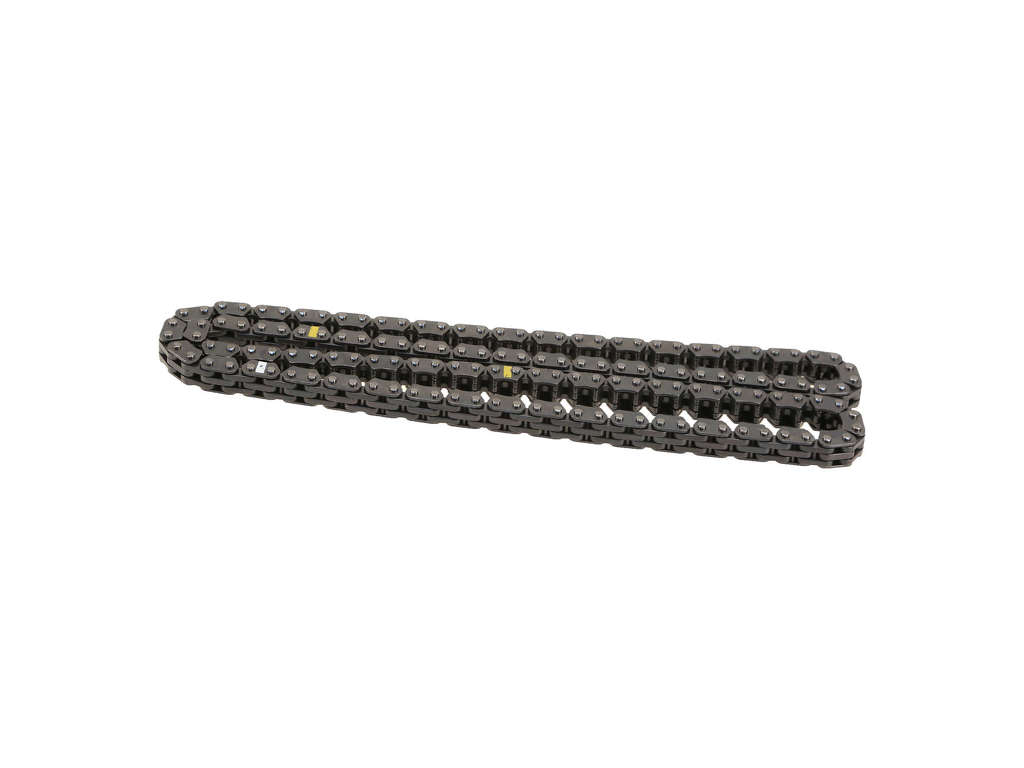
- Stretched Timing Chain or Worn Guides/Tensioners 🔴 High Probability → Shop Engine Timing Chain The AJ126 and AJ133 engines have well-documented issues with premature wear of their plastic timing chain guides and failures of the hydraulic tensioners' ratchet mechanism. The guides become brittle, crack, and break apart, and the tensioners can fail to hold pressure on startup, leading to chain slack.
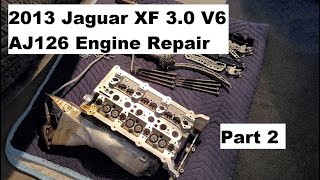
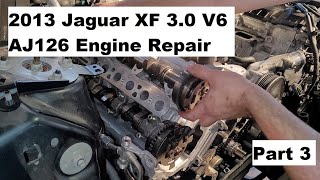
How to confirm: A mechanic will listen for a distinct rattling noise from the front of the engine on startup. Diagnosis requires checking camshaft-to-crankshaft correlation with a professional scan tool (looking for codes like P0016 is a strong clue). Visual inspection is the ultimate confirmation but requires significant engine disassembly, including removal of the front timing cover. 🎬 Watch: A deep dive into Jaguar V6 timing chain repair.
Typical fix: Replacement of all timing chains, guides, and tensioners with updated parts. This is a very labor-intensive job, often quoted at over $5,000.
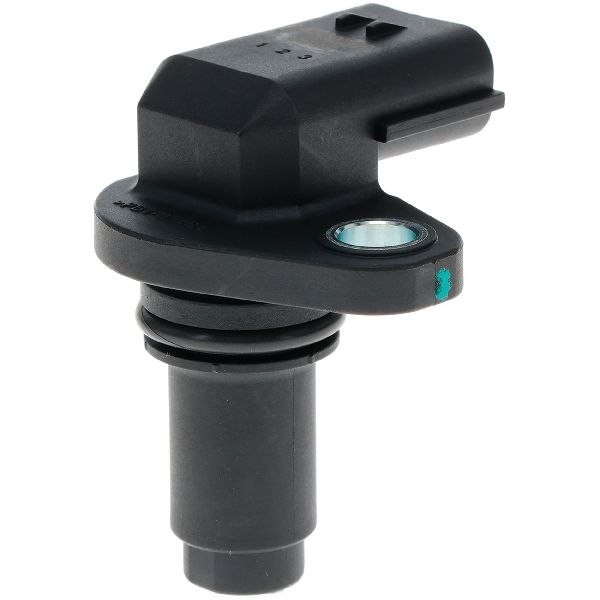
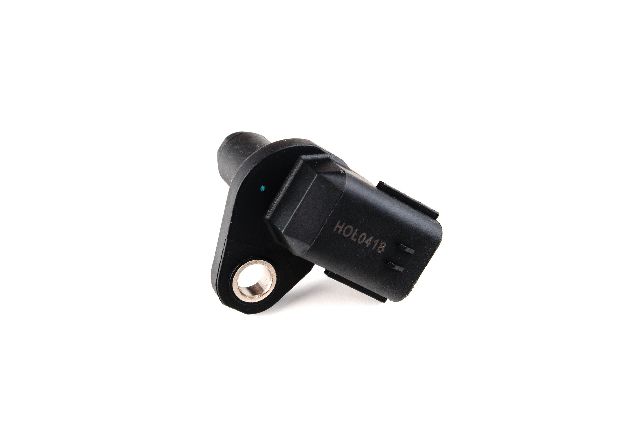
Est. part cost: $500-$1200 for a full OEM kit - Failing Camshaft Position Sensor (Bank 1) 🟡 Medium Probability → Shop Engine Camshaft Position Sensor Sensors can fail from heat and age on any vehicle. While possible, it's often replaced unnecessarily when the root cause is mechanical timing.
How to confirm: Test the sensor's output signal with a multimeter or oscilloscope to see if it's generating a consistent square wave signal as the engine runs. A diagnostic scan tool can also monitor the live data. 🎬 Watch: How to diagnose P0341 using a scan tool. An easy first step is to swap the Bank 1 and Bank 2 intake cam sensors to see if the fault code changes to P0346 (for Bank 2). If it does, the sensor is bad.
Typical fix: Replace the Bank 1 intake camshaft position sensor. The OEM part number is often cited as C2Z31521 or AJ814035.
Est. part cost: $50-$150 - Wiring Harness or Connector Issue ⚪ Low Probability
How to confirm: Visually inspect the wiring and connector leading to the camshaft position sensor for any signs of damage, corrosion, oil contamination, or loose connections. Perform a continuity and resistance check on the circuit from the sensor back to the PCM.
Typical fix: Repair the damaged wire or replace the connector pigtail.
Est. part cost: $15-$50
Rare But Worth Checking
- Faulty Variable Valve Timing (VVT) Solenoid: A sticky or failing VVT solenoid can cause the camshaft to be in the wrong position, mimicking a timing or sensor issue. This is often accompanied by other VVT-specific codes, like those mentioned in TSB #SSM74160 or JTB00611NAS4.
- Damaged Reluctor Wheel: The reluctor wheel (a toothed ring) on the camshaft, which the sensor reads, can be damaged or slip, causing incorrect signals. This is very rare but possible, usually only occurring during major engine work.
- Low Battery Voltage: → Shop Vehicle Battery Some owners have reported that low battery voltage on startup can cause spurious camshaft sensor codes to appear. One owner on JaguarForums noted codes P0341, P0346, and P0366 appeared in conjunction with a failing battery that couldn't hold a charge. If you have other electrical issues or a known weak battery, this should be addressed first.
- Low Engine Oil Level/Pressure: The timing chain tensioners are hydraulic and rely on oil pressure to function correctly. Severely low oil levels can prevent the tensioners from taking up slack, leading to chain noise and timing correlation codes like P0341.
Diagnosis Steps
- Read all stored DTCs with an OBD-II scanner. Note any other codes that appear with P0341, as they provide critical context (e.g., P0016, P0346).
- Check the engine oil level and condition. Low or dirty oil can affect the VVT system and hydraulic tensioners.
- On a cold start, listen carefully for any rattling, ticking, or scraping noises from the front of the engine. A rattle that lasts for a few seconds is a classic symptom of a failing tensioner or loose chain.
- Inspect the wiring and connector for the Bank 1 intake camshaft position sensor. Look for any signs of damage, corrosion, or loose pins.
- Using a scan tool with live data capability, monitor the camshaft and crankshaft position sensors. Check if the signals are stable and rational. Advanced tools can graph the cam/crank correlation.
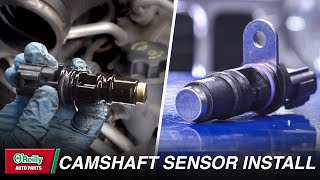
- If wiring is okay, test the sensor. The easiest test is to swap the Bank 1 intake sensor with the Bank 2 intake sensor. Clear the codes and run the engine. If the code changes to P0346, the original sensor is faulty. 🎬 See this walkthrough on replacing a camshaft position sensor.
- If the sensor and wiring are confirmed to be good, the investigation must turn to the mechanical timing. This is a professional-level job that involves removing the valve covers and/or timing cover to visually inspect the guides for breakage and check the chain for excessive slack.
Parts You'll Likely Need
- Camshaft Position Sensor
(OEM #C2Z31521 / AJ814035)— This is a potential cause if the sensor itself has failed electronically. It's a common first-step replacement due to its low cost and accessibility, though it may not be the root cause.
Trusted brands: Bosch, Denso, Genuine Jaguar
OEM price range: $90-$150
Aftermarket price range: $40-$80 - Timing Chain Kit (Chains, Guides, Tensioners)
(OEM #AJ133KIT (example for V8))— This is the most likely comprehensive fix if the code is caused by stretched chains or broken guides, a known issue on these engines. The kit should include the chains, the notoriously weak plastic guides, and the hydraulic tensioners.
Trusted brands: Genuine Jaguar/Land Rover
OEM price range: $700-$1200
Aftermarket price range: $400-$800
Related Codes That Often Appear With This One
- P0016 — Crankshaft Position - Camshaft Position Correlation (Bank 1 Sensor A). This code is a direct confirmation that the PCM sees a mechanical timing mismatch between the crank and cam, making a stretched chain or jumped tooth the prime suspect.
- P0346 — This is the equivalent code for the Camshaft Position Sensor on Bank 2. If both P0341 and P0346 appear, it points towards a systemic problem like stretched timing chains affecting both banks, or a widespread electrical issue.
- P0300, P0302, P0303 — These are random or specific cylinder misfire codes. Incorrect camshaft timing disrupts the engine's rhythm, leading to misfires. TSB #SSM74160 specifically lists P0302 and P0303 with P0341.
Technical Service Bulletins (TSBs) & Recalls
- SSM74160: Mentions P0341 appearing with other DTCs on some Jaguar models, potentially without driveability concerns.
- JTB00337v7 (and related versions): An older TSB for the 4.2L V8, but establishes a history of Jaguar timing chain tensioner issues that carried over in design principle to the AJ133/AJ126.
- LTB00525v4: A Land Rover TSB for the identical 5.0L V8 engine describing a rattle from the front of the engine due to timing chain lever wear, requiring new tensioners and levers.
Platform-Specific Known Issues
- The AJ126 (V6) and AJ133 (V8) engines are known for issues with their timing chain tensioners and plastic guides, which can become brittle and fail, leading to timing slack that triggers codes like P0341.
- Technical Service Bulletin SSM74160 indicates that P0341 can be stored along with several other codes (P054A-00, P0014-71, P000B-00, P0303-00, P0302-00) even without any noticeable drivability concerns.
- Land Rover issued TSB LTB00525v4 for the 5.0L V8 (AJ133) specifically addressing
Mechanic-Grade Diagnostic Values
- Engine Grounding Point Voltage Drop — expected: Well under 0.5V (500mV). Failure: A reading higher than 0.5V indicates a poor ground connection, which can cause erratic sensor behavior.
- Camshaft vs. Crankshaft Signal Waveform — expected: A clean, synchronized square wave pattern from both sensors when viewed on an oscilloscope.. Failure: An erratic, intermittent, or out-of-phase waveform from the camshaft sensor relative to the crankshaft sensor points to a fault. This can be a sensor, wiring, or mechanical timing issue.
Hidden / Shadow Codes Worth Checking
- P0341-92: Indicates a malfunction or range/performance problem with the Camshaft Position Sensor 'A'. This sub-code has been reported by owners and points towards an unstable sensor, incorrect air gap, wiring fault, or a stretched timing chain. (see via Jaguar SDD/Pathfinder or an advanced professional scan tool.)
- P0341-00: A general sub-code meaning 'No sub type information'. It is mentioned in JLR Technical Service Bulletins in relation to general range/performance faults and can be associated with issues like loose VCT actuator bolts. (see via Jaguar SDD/Pathfinder or an advanced professional scan tool.)
Scan Tool Commands That Help
- Jaguar SDD / Pathfinder: Live Data - Cam/Crank Correlation — This is a primary diagnostic step to visually confirm a timing issue. The tool can graph the requested vs. actual camshaft position. A significant deviation between the two strongly suggests a mechanical fault (chain slack, VVT phaser) rather than a simple sensor failure.
- Jaguar SDD / Pathfinder: VVT System Test / Actuator Control — This bidirectional test allows a technician to command the VVT solenoids and phasers to move, verifying their mechanical and electrical operation independently of the engine's running state. This helps isolate a sticky phaser or faulty solenoid from a stretched chain.
- Jaguar SDD / Pathfinder: Configure Existing Module - Powertrain Control Module — After replacing certain components, or if a software glitch is suspected, the PCM may need to be updated or reconfigured. This function is also used to apply software updates issued by Jaguar to fix known bugs, which in some cases can resolve erroneous fault codes.
Wiring & Ground Locations
- Engine Ground Strap — On similar JLR platforms, a main engine grounding strap is located under the starter motor, connecting the engine block to the right side lower frame.. A poor main engine ground can cause a voltage differential between the engine block (where sensors are grounded) and the chassis/battery, leading to erratic sensor signals and spurious codes like P0341.
- Cylinder Head Ground Stud — A ground wire stud is located at the back of the passenger-side cylinder head on the AJ126 engine.. This is a critical grounding point for the engine wiring harness. If this connection is loose or corroded, it can directly impact the reference ground for nearby sensors, including the camshaft position sensor.
- Camshaft Position Sensor Connector — On the front of the engine, on the valve cover for each bank. The Bank 1 (right side) intake sensor is typically below the VVT solenoid actuator. It is a 3-wire connector.. This is the direct connection point for the sensor. It is prone to oil contamination, and the wiring can become brittle from heat, leading to poor connections that trigger a range/performance code.
Real Owner Repair Stories
- JaguarForums user (Jaguar F-TYPE) — After a long drive, the car threw codes P0341, P0346, and P0366. Engine performance felt reduced.
❌ Tried (didn't work) The owner planned to revert a tune to OEM to see if the fault persisted.
✅ What actually fixed it Another user replied to the thread stating, "I think those are the codes we were getting when the timing chain guides were worn." This strongly suggests the multiple cam sensor codes were symptoms of a mechanical timing failure. - JaguarForums user 'motorcarman' (2000 Jaguar Vanden Plas (AJ27 engine, similar diagnostic principle)) — Constant P0341 code, slight jerking/bucking at 50 mph, 'Reduced Performance' message.
❌ Tried (didn't work) Replacing the camshaft position sensor., Verifying engine was mechanically in time., Confirming timing chain tensioners were the updated metal type.
✅ What actually fixed it After verifying the wiring harness from the ECM to the sensor was good, the final diagnosis was a faulty Engine Control Module (ECM). A replacement ECM from a similar car resolved the issue.
OEM Part Supersession History
C2Z28428, LR051008, AJ813898→LR095472— Updated design to improve reliability and prevent premature failure of the tensioning mechanism.
Heads up: It is critical to use the latest revision of the tensioners when performing timing chain service to prevent a recurrence of the failure.
Model Year Variations Within This Range
- 2014-2019: The F-TYPE received a significant facelift for the 2020/2021 model year, which included revised styling and simplified engine options. The 2014-2019 range represents the first generation.
- 2018-2019: In 2018, Jaguar introduced a new base model with a 2.0L 4-cylinder Ingenium engine. While this article focuses on the V6/V8, be aware that diagnostic procedures and common causes for P0341 can differ significantly for the 4-cylinder engine.
Helpful Videos
Used OEM Parts in Stock
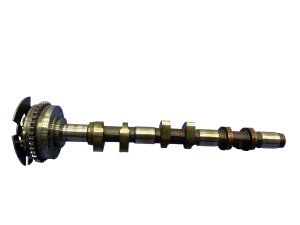
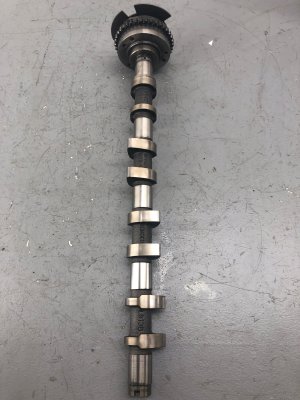
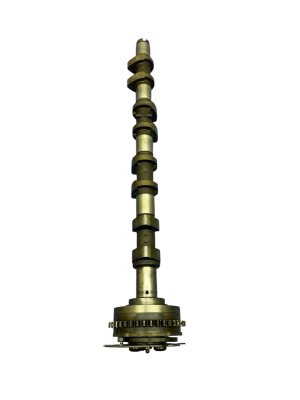
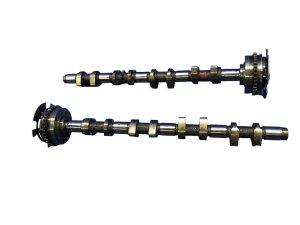
New Aftermarket Parts Available


The information in this article is provided for general reference and educational purposes only. Vehicle specifications, procedures, and part compatibility can vary by production date, trim level, and region. Always consult your vehicle's factory service manual and verify part numbers before purchasing or performing repairs. Safety-critical components such as airbags, seat belts, and braking systems should be installed by a qualified professional.
- Jaguar F-TYPE:
- 🧭 Diagnostic Flowchart
- 🎬 Helpful Videos
- 🛍️ Shop This Part
- What's Unique About the 2014-2019 Jaguar F-TYPE
- Symptoms You May Notice
- Most Likely Causes
- Rare But Worth Checking
- Diagnosis Steps
- Parts You'll Likely Need
- Related Codes That Often Appear With This One
- Technical Service Bulletins (TSBs) & Recalls
- Platform-Specific Known Issues
- Mechanic-Grade Diagnostic Values
- Hidden / Shadow Codes Worth Checking
- Scan Tool Commands That Help
- Wiring & Ground Locations
- Real Owner Repair Stories
- OEM Part Supersession History
- Model Year Variations Within This Range
- 🎟️ Get 5% Off