

P0341 on 2002-2008 Jaguar S-Type & X-Type V6: Causes and Fixes
On the Jaguar S-Type and X-Type V6, code P0341 is most often a failing Bank 1 camshaft position sensor. Before replacing it, check for faulty spark plugs, as a Jaguar TSB notes this as a specific cause. A new sensor costs about $40-$100 for an aftermarket part. Oil leaks onto the wiring harness are also a common culprit.
- P0341 on this V6 is most likely a bad Bank 1 camshaft sensor, a faulty spark plug/coil, or a wiring issue.
- Always check the resistance of the Bank 1 spark plugs before replacing the sensor, per Jaguar TSB S303-17.
- Bank 1 is the passenger side on an S-Type and the rear (firewall) side on an X-Type.
- Do not immediately assume a timing chain failure; this is a rare cause for this specific engine, unlike newer Jags.
- Swapping the cam sensors between banks is a fast and effective way to confirm if a sensor is faulty.
What's Unique About the 2002-2008 Jaguar S-Type/X-Type
Unlike newer Jaguar engines where P0341 is often a warning for timing chain failure, on the AJ25/AJ30 V6 this is less common. A specific Technical Service Bulletin (S303-17) for the 3.0L V6 identifies that a faulty spark plug with low internal resistance can create electrical noise that triggers this code, leading to a misdiagnosis of the sensor itself. Therefore, checking the spark plugs is a unique and critical diagnostic step for this particular platform before replacing more expensive components. Bank 1 is the rear bank on the transversely mounted X-Type engine and the passenger side (right hand) bank on the longitudinally mounted S-Type engine.
Generation note: This guide covers the entire production run of the Jaguar X-Type (X400; 2001-2009) and the facelifted first-generation Jaguar S-Type (X202/X204; 2002.5-2007) equipped with the AJ25 or AJ30 V6 engine. The underlying causes of P0341 are consistent across both models as they share the same engine family, which is a derivative of the Ford Duratec V6.
Symptoms You May Notice
- Check Engine Light is on
- Difficulty starting the engine, or extended cranking time
- Engine stalls, especially at idle
- Rough idle or hesitation
- Reduced engine performance and acceleration
- Possible 'Reduced Performance' message on the dashboard
- Sudden jerking or bucking at cruising speeds.
- Engine will not exceed 2000 RPM (Limp Mode).
- Assuming the cause is a stretched timing chain without performing basic diagnostics. While possible, it's much less likely on this engine than a bad sensor, plug, or wiring.
- Replacing the camshaft sensor without checking for oil contamination in the connector or addressing the source of the oil leak (usually a valve cover gasket).
Most Likely Causes
- Failing Bank 1 Camshaft Position Sensor (CMP) 🔴 High Probability → Shop Engine Camshaft Position Sensor Sensors can fail over time due to heat cycles and oil contamination. It is the most direct cause for a sensor performance code. Given the age of these vehicles, sensor failure is very common.
How to confirm: After checking wiring, the easiest way to confirm is to swap the Bank 1 and Bank 2 camshaft sensors (they are identical). Clear the codes and drive. If the code changes to P0346 (Bank 2), the sensor is bad. Bank 1 is the rear bank on the X-Type, which requires removal of the upper intake manifold for access.
Typical fix: Replace the Bank 1 camshaft position sensor.
Est. part cost: $40-$100 - Faulty Spark Plug and/or Ignition Coil 🟡 Medium Probability Jaguar TSB S303-17 specifically identifies that a spark plug with internal resistance below 1k ohm can cause electrical interference, triggering P0341. This is a known issue on these V6 engines, and owners on forums frequently recommend this as the first check.
How to confirm: Remove the spark plugs on Bank 1. Use a multimeter to measure the tip-to-tip resistance of each plug. If any are below 1,000 ohms (1k ohm), they are faulty.
Typical fix: If a faulty spark plug is found, replace both that spark plug and its corresponding ignition coil-on-plug as a matched set, per the TSB. Due to the labor involved in accessing the rear bank on an X-Type, it is wise to replace all three plugs and coils on that bank at the same time.
Est. part cost: $50-$120 for one OEM-quality coil and plug. - Wiring Harness or Connector Issue 🟡 Medium Probability The engine bay environment can cause wiring to become brittle or connectors to corrode. Oil leaks from the valve cover gaskets are a very common issue on the AJ-V6, and leaking oil can saturate the CMP sensor connector and wiring, causing a poor signal.
How to confirm: Visually inspect the wiring harness and connector for the Bank 1 CMP sensor. Look for chafed or melted wires, oil contamination, and corrosion or loose pins in the connector. Use a multimeter to check for continuity and proper voltage at the connector according to the vehicle's wiring diagram.
Typical fix: Repair the damaged section of wiring or clean/replace the connector. If oil contamination is the cause, the valve cover gasket should also be replaced to prevent recurrence.
Est. part cost: $5-$30 for wiring repair, $50-$150 for valve cover gasket set.
Rare But Worth Checking
- Stretched Timing Chain or Faulty Tensioner: → Shop Engine Timing Chain While this is a common cause on newer Jaguar engines, it is less common on the 2002-2008 AJ25/AJ30 V6. However, if the vehicle has high mileage and other causes have been ruled out, a stretched chain can cause the cam/crank correlation to be off, triggering P0341. This is an expensive repair and should be the last item to investigate.
- Failing Variable Valve Timing (VVT) Solenoid: A sticky or failing VVT solenoid on Bank 1 can cause the camshaft to be in the wrong position at certain times, leading to a range/performance code. This was noted as a possibility in forum discussions. If P1384 is also present, this becomes a more likely cause.
- Failing Powertrain Control Module (PCM): This is extremely rare. The PCM itself can fail, but all other possibilities, especially wiring, should be exhaustively checked before condemning the module. One owner on JaguarForums reported resolving a persistent P0341 by swapping the ECM from a salvage vehicle after verifying the wiring was good.
Diagnosis Steps
- Read all fault codes with an OBD-II scanner. Note any other codes present.
- Check Bank 1 Spark Plugs: Following TSB S303-17, remove the spark plugs from Bank 1 (passenger side on S-Type, rear bank on X-Type). Test the resistance of each plug with a multimeter. If any are below 1k ohm, replace that plug and its ignition coil.
- Inspect Sensor and Wiring: Visually inspect the Bank 1 camshaft position sensor and its electrical connector for any signs of damage, corrosion, or oil contamination. If oil is present, the source (likely valve cover gasket) must be fixed.
- Check for Power: Using a multimeter, verify that the sensor connector has power, ground, and a signal wire according to the vehicle's wiring diagram. Check for a blown fuse, which may be shared with other components.
- Swap Sensors: If the wiring and plugs are good, swap the Bank 1 and Bank 2 camshaft position sensors. They are the same part. Clear the codes and run the engine. If the code returns as P0346 (for Bank 2), the sensor you moved is faulty. This is more labor intensive on the X-Type as it requires removing the intake manifold to access the rear (Bank 1) sensor.
- Check VVT Solenoid: Inspect and test the Bank 1 VVT solenoid for proper operation, especially if code P1384 is also present.
- Check for Vacuum Leaks: While not a direct cause, vacuum leaks are extremely common on this platform and can cause similar symptoms. A smoke test is the most effective method to find leaks from intake gaskets or PCV hoses.
- Mechanical Inspection: If all else fails, a professional mechanical inspection of the timing chains, guides, and tensioners may be necessary. This should be the last resort.
Parts You'll Likely Need
- Camshaft Position Sensor
(OEM #XR853846)— This is the most common component to fail and directly cause the P0341 code.
Trusted brands: NTK, Bosch, Delphi, Standard Motor Products, Walker
OEM price range: $150-$250
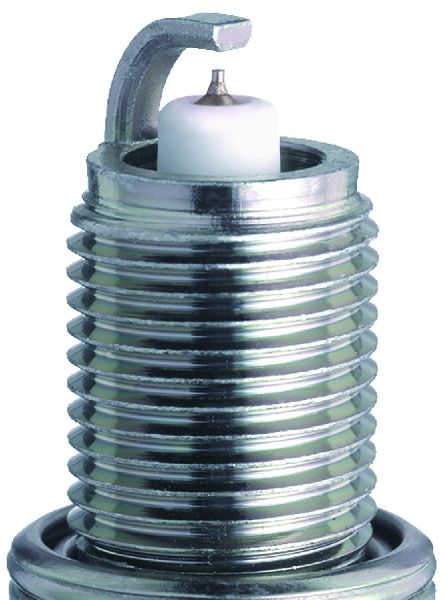
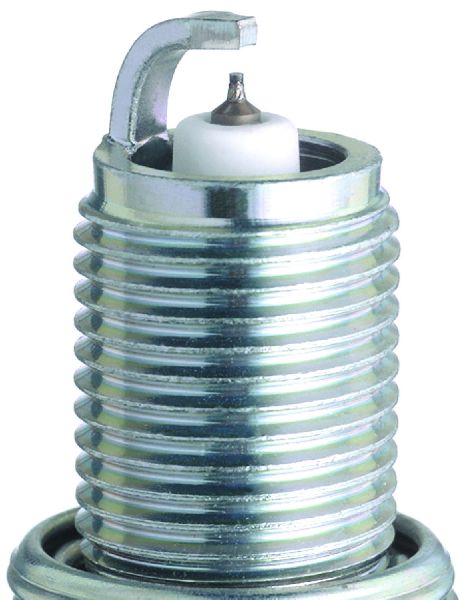
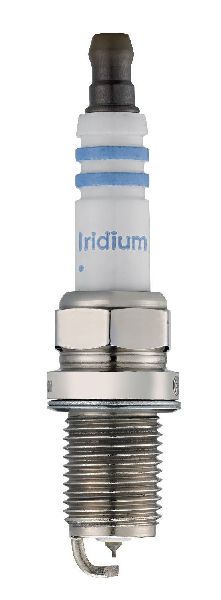
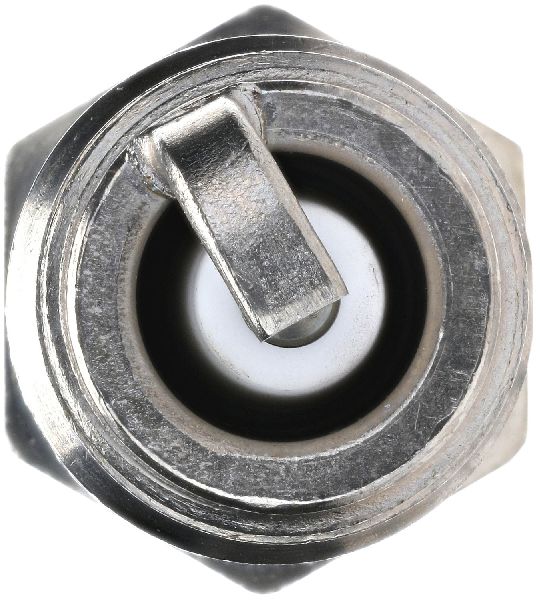
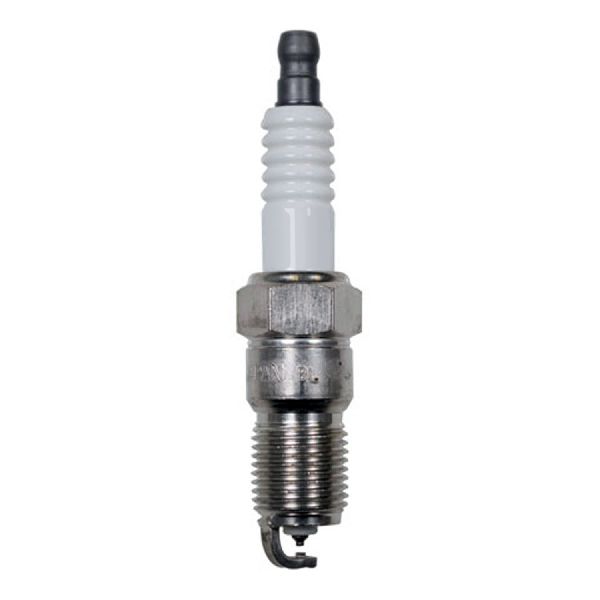
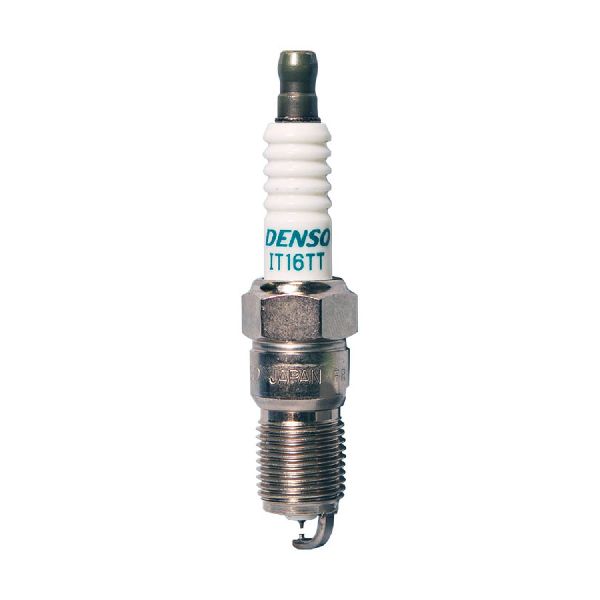
Aftermarket price range: $40-$100 - Spark Plug — A faulty spark plug with low resistance is a known cause of this code on these engines, as per a Jaguar TSB.
Trusted brands: NGK, Denso
OEM price range: $15-$25
Aftermarket price range: $8-$15 - Ignition Coil-on-Plug — The TSB recommends replacing the coil along with any faulty spark plug as a matched pair. They are also a common failure item on their own.
Related Codes That Often Appear With This One
- P0346 — This is the equivalent code for the Bank 2 camshaft position sensor. Seeing both P0341 and P0346 could point to a systemic issue like low battery voltage, a wiring problem common to both, or a mechanical timing issue.
- P0300, P0301, P0302, P0303 — These are random or Bank 1 specific misfire codes. An incorrect camshaft position signal can disrupt ignition and fuel timing, leading to misfires on the affected bank.
- P1384 — This is a Jaguar-specific code for VVT over-retarded on Bank 1, which could be related if the VVT solenoid is the root cause.
- P0171, P0174 — These are 'System Too Lean' codes for Bank 1 and Bank 2. While not directly caused by the CMP sensor, they are often present on these vehicles due to common vacuum leaks from intake gaskets or breather hoses, which can cause rough running that might be confused with CMP sensor symptoms.
Technical Service Bulletins (TSBs) & Recalls
- S303-17: Check Engine MIL/DTC P0341 And P0346 – V6 Engine – Repair Procedure
- TSB Bulletin #JTB00516NAS1: Notes that the MIL may be illuminated with DTC P0341-91 stored in the Powertrain Control Module (PCM).
- TSB Bulletin #JTB00480NAS2: Identifies that the MIL may be illuminated with codes including P0016, P0017, P0026, or P0341.
- TSB Bulletin #SSM74160Attachme: Describes a situation where the MIL is illuminated with no driveability concern, but DTCs P0341-00, P0303-00, and P0302-00 are stored in the PCM.
Platform-Specific Known Issues
- TSB S303-17: For 2003 and newer models with the 3.0L V6, this bulletin explicitly links DTC P0341 to faulty spark plugs with a resistance below 1k ohm, which can cause electrical interference mistaken for a sensor fault. The prescribed fix is to replace the faulty spark plug and its corresponding ignition coil together.
- Bank 1 Location: On the Jaguar X-Type, the AJ-V6 engine is mounted transversely. Bank 1 is the cylinder bank closer to the firewall. Accessing the sensor, spark plugs, or VVT solenoid for Bank 1 requires removing the upper intake manifold, which adds significant labor and requires new gaskets.
- Oil Contamination: Leaking valve cover gaskets are a frequent problem, leading to oil seeping into spark plug wells and onto the camshaft position sensor connectors, causing misfires and sensor circuit faults.
Mechanic-Grade Diagnostic Values
- CMP Sensor Power Supply Voltage — expected: 5 Volts DC. Failure: Voltage significantly lower than 5V or 0V indicates a wiring or PCM issue.
- CMP Sensor Signal Wire Voltage (KOEO, sensor disconnected) — expected: Approximately 5 Volts DC. Failure: 0V indicates an open or short in the signal wire to the PCM.
- CMP Sensor Ground Wire — expected: Good continuity to chassis ground (less than 1 ohm).. Failure: High resistance indicates a poor ground connection, which can cause an erratic signal.
- Spark Plug Internal Resistance — expected: Greater than 1,000 ohms (1k ohm). Failure: Resistance below 1k ohm can create electrical interference that triggers P0341.
- CMP Sensor Signal Waveform — expected: A clean digital square-wave signal, typically switching between 0V and 5V, with frequency increasing with engine RPM.. Failure: Missing pulses, a noisy signal, or an incorrect waveform pattern indicates a faulty sensor or reluctor wheel issue.
Hidden / Shadow Codes Worth Checking
- P0341-92: Indicates 'Component Failure - Performance or Incorrect Operation'. This sub-code is more specific than the base P0341 and strongly suggests the sensor's signal pattern does not match what the PCM expects, pointing towards a mechanical timing issue (stretched chain) or a failing sensor, rather than just a simple circuit fault. (see via Jaguar's dealer-level diagnostic tools like IDS (Integrated Diagnostic System) or WDS (Worldwide Diagnostic System), or a high-level aftermarket scanner with manufacturer-specific capabilities.)
Wiring & Ground Locations
- CMP Sensor Connector — On the valve cover, plugging into the camshaft position sensor for the respective bank.. This is the primary point of failure for wiring issues. Oil from leaking valve cover gaskets saturates the connector, causing poor contact. Wires near the connector can become brittle from heat and crack, causing intermittent shorts or opens.
- Main Engine Ground Strap — On the S-Type, typically a braided strap located on the passenger side (right side), connecting the engine/transmission to the lower frame rail, often under the starter.. A poor engine ground can introduce electrical noise and unstable voltages for all engine sensors, including the CMP. This can cause erratic sensor readings and trigger performance codes like P0341. Checking and cleaning this connection is a crucial step in diagnosing persistent electronic issues.
- Passenger Cylinder Head Ground — On some S-Type models, a ground point for the coil packs is located on the front side of the passenger cylinder head.. Since faulty spark plugs and coils are a known cause of P0341 on this platform due to electrical interference, ensuring their ground path is secure is critical. A loose ground here can cause issues that mimic a bad CMP sensor.
Real Owner Repair Stories
- JaguarForums user 'motorcarman' (2000 Jaguar Vanden Plas (similar AJ-V8 architecture, but same diagnostic principle applies)) — Persistent P0341 code, slight jerking/bucking at ~50 mph, 'Reduced Performance' message.
❌ Tried (didn't work) Replaced camshaft position sensor, Verified mechanical engine timing was correct, Ran new parallel wires from ECM to the sensor to rule out harness issues
✅ What actually fixed it Replacing the Powertrain Control Module (PCM/ECM). The original ECM had an internal fault. A used ECM was sourced, and an 'Immobilization Setup' was performed with Jaguar diagnostic software to make it work with the car.
OEM Part Supersession History
AJ87965, C2S6438→XR853846— Standard part number consolidation and potential minor internal revisions over the production life.
Heads up: The newer part number XR853846 is the correct replacement for the older numbers and is fully compatible.
Model Year Variations Within This Range
- Pre-2002.5 vs Post-2002.5: Early S-Type models (pre-facelift) may have slight differences in wiring harness connectors and routing compared to the 2002.5+ models which are more aligned with the X-Type. For instance, early engines used two-pin ignition coils while later ones used four-pin coils, indicating changes in the ignition system wiring that could be relevant when diagnosing electrical interference issues.
Diagnostic Flowchart
Other Known Issues on This Vehicle
Issues unrelated to this code that are worth knowing about as an owner of this generation:
- Vacuum Leaks (Intake Gaskets & PCV Hoses) 🔴 High — Extremely common. Brittle plastic hoses and failing rubber gaskets cause lean codes (P0171/P0174), rough idle, and stalling. Often occurs after 60,000 miles.
- Automatic Transmission Faults (5R55N) 🔴 High — Common on pre-2003 S-Types with the Ford 5R55N transmission. Symptoms include harsh shifting, delayed engagement, and 'Transmission Fault' warnings. Often related to worn servo bores or solenoid pack failure.
- X-Type Transfer Case Failure 🔴 High — A well-documented weak point on all-wheel-drive X-Types. The unit was sealed 'for life' and prone to fluid loss and bearing failure, often around 50,000-80,000 miles, resulting in loud whining or grinding noises.
- Coolant Reservoir and Hose Leaks 🟠 Medium — The plastic coolant expansion tank and various plastic hose connectors become brittle with age and heat cycles, leading to cracks and coolant loss.
- Leaking Valve Cover Gaskets 🟠 Medium — Very common on the AJ-V6. Gaskets harden and leak oil down the side of the engine and into the spark plug wells, causing misfires and damaging sensor wiring.
Used vs. New Parts: Buying Guide for This Vehicle
When a used part is the smart pick: A used Powertrain Control Module (PCM/ECM) can be a cost-effective solution if the original is confirmed faulty, as new units are often unavailable or prohibitively expensive. However, this is only for advanced DIYers or shops with the correct Jaguar diagnostic software to perform the immobilizer relearn procedure. Major mechanical components like cylinder heads or the engine block are also viable from a low-mileage donor car.
Donor-vehicle mileage cap: roughly under 100000 miles for the part to have meaningful remaining life.
What to inspect on the donor part:
- For wiring harnesses, check for flexibility; avoid any that are stiff, brittle, or show signs of cracking insulation.
- Inspect all plastic connectors for melting, cracks, or broken locking tabs.
- Look for evidence of a well-maintained donor car (e.g., clean oil, no major leaks).
- Avoid parts from vehicles with signs of major impact or flood damage.
OEM-only on this vehicle (don't cheap out):
- While not strictly 'OEM-only', camshaft and crankshaft position sensors are critical for engine operation. Using reputable OE-supplier brands (like NTK, Bosch, Delphi) is highly recommended over generic, no-name parts which are known to have high failure rates.
Aftermarket brands forum-validated for this vehicle:
- NTK (for sensors)
- Bosch (for sensors)
- Delphi (for sensors)
- NGK (for spark plugs)
- Denso (for spark plugs)
Brands owners have reported issues with on this vehicle:
- Unbranded, 'white box' electronic sensors from online marketplaces are frequently cited in forums as being dead-on-arrival or failing shortly after installation.
Real Owner Stories
Aggregated from forums and TSBs cited above. Mileages and costs reflect what owners reported in those sources.
2003-2008 Jaguar S-Type/X-Type 3.0L V6
Symptoms: Check Engine MIL with DTC P0341 or P0346.
What fixed it: Replaced the faulty spark plug (found to have resistance below 1k ohm) and its corresponding ignition coil-on-plug as a matched set.
Source hint: TSB S303-17: Check Engine MIL/DTC P0341 And P0346 – V6 Engine – Repair Procedure
Jaguar S-Type V6
Symptoms: Constant code P0341 for Cam Sensor Bank 1.
What fixed it: Replacing the ECM after all other components and wiring were verified to be functional.
Source hint: jaguarforums.com thread titled 'constant-code-p0341-cam-sensor-bank-1-a-268291/'
Jaguar X-Type V6
Symptoms: Error codes P0341 and P0346; owner was quoted over £1000 for a timing issue.
What fixed it: Checking the sensor and spark plugs first as a cheaper alternative to mechanical timing repair.
Cost: $50-$150
Source hint: jaguarownersclub.com/forums/topic/13679-x-type-error-code-p0341-and-p0346/
Jaguar S-Type V6
Symptoms: P0340 and P0341 codes appearing immediately after an engine rebuild.
What fixed it: Correcting the VVT timing which was improperly set during the engine reassembly.
Source hint: jaguarforums.com thread titled 'i-rebuild-my-engine-now-i-am-getting-p0340-p0341-42998/'
Related OBD-II Codes
Frequently Asked Questions
Does TSB S303-17 apply to my 3.0L V6 Jaguar S-Type?
Why is it more expensive to change the Bank 1 sensor on an X-Type compared to an S-Type?
Can an oil leak cause a P0341 code on my AJ-V6 engine?
How can I tell if the sensor is actually bad without buying a new one?
My Jaguar is stuck in 'Limp Mode' and won't go over 2000 RPM; is this related to P0341?
Helpful Videos
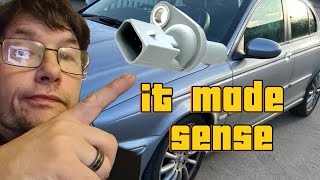

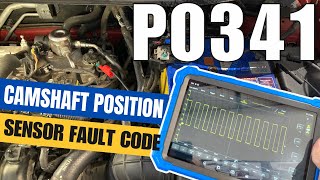
We Have This Part in Stock

The information in this article is provided for general reference and educational purposes only. Vehicle specifications, procedures, and part compatibility can vary by production date, trim level, and region. Always consult your vehicle's factory service manual and verify part numbers before purchasing or performing repairs. Safety-critical components such as airbags, seat belts, and braking systems should be installed by a qualified professional.
- Jaguar S-Type/X-Type:
- 🧭 Diagnostic Flowchart
- 🎬 Helpful Videos
- 🛍️ Shop This Part
- What's Unique About the 2002-2008 Jaguar S-Type/X-Type
- Symptoms You May Notice
- Most Likely Causes
- Rare But Worth Checking
- Diagnosis Steps
- Parts You'll Likely Need
- Related Codes That Often Appear With This One
- Technical Service Bulletins (TSBs) & Recalls
- Platform-Specific Known Issues
- Mechanic-Grade Diagnostic Values
- Hidden / Shadow Codes Worth Checking
- Wiring & Ground Locations
- Real Owner Repair Stories
- OEM Part Supersession History
- Model Year Variations Within This Range
- Other Known Issues on This Vehicle
- Used vs. New Parts: Buying Guide for This Vehicle
- Real Owner Stories
- 2003-2008 Jaguar S-Type/X-Type 3.0L V6
- Jaguar S-Type V6
- Jaguar X-Type V6
- Jaguar S-Type V6
- Related OBD-II Codes
- Frequently Asked Questions
- 🎟️ Get 5% Off