

P0341 on 2010-2015 Kia Optima 2.4L: Camshaft Sensor Causes and Fixes
On a 2010-2015 Kia Optima 2.4L, code P0341 most often points to a failing intake camshaft position sensor. It's a low-cost part (around $25-$60 for an aftermarket replacement) and is relatively easy to replace, often resolving symptoms like a rough idle or difficulty starting. However, due to known engine issues, checking oil level and condition is a critical first step.
- P0341 on the 2010-2015 Optima 2.4L almost always refers to the intake camshaft position sensor.
- Before buying any parts, check the engine oil level. Low or dirty oil is a known cause of this code on this specific engine.
- The most likely fix is replacing the intake camshaft position sensor, which is an affordable and simple DIY job for most people.
- If the code persists after changing the sensor and verifying the oil level, the issue could be more serious, such as a wiring problem or a stretched timing chain, which may require professional diagnosis.
What's Unique About the 2010-2015 Kia Optima
The 2.4L GDI Theta II engine in this generation of Optima has a well-documented history of engine-related issues. While no TSB directly addresses P0341, several are relevant to overall engine health. Issues like excessive oil consumption (TSB ENG222/ENG223) and potential connecting rod bearing wear from manufacturing debris (Safety Campaign SC147) can lead to low or contaminated oil. Low oil pressure severely impacts the timing system and can trigger camshaft sensor performance codes. Therefore, on this specific vehicle, it's crucial to check the engine oil level and condition immediately when this code appears, as it can be an early indicator of a more serious underlying problem.
Symptoms You May Notice
- Check Engine Light is on
- Engine is difficult to start or cranks but won't start
- Rough idle or stalling at low speeds
- Engine hesitation or lack of power during acceleration
- Reduced fuel efficiency
- Engine running rough and misfiring.
- Rattling noise from the engine, especially on cold starts, which could indicate timing chain issues.
- Replacing the crankshaft position sensor instead of the camshaft position sensor.
- Replacing the exhaust camshaft position sensor ('Sensor B') instead of the intake camshaft position sensor ('Sensor A'). The intake sensor is on the front side of the engine (firewall side is exhaust).
- Replacing the sensor without first checking the engine oil level and condition.
Most Likely Causes
- Faulty Intake Camshaft Position Sensor 🔴 High Probability → Shop Engine Camshaft Position Sensor Sensors are a common failure point on modern vehicles due to constant heat cycles and electrical wear. It is the most frequently replaced part for this code.
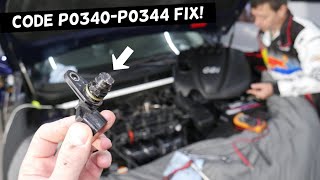
How to confirm: After visually inspecting the wiring, the easiest way to confirm is to replace the sensor. 🎬 See this walkthrough for fixing P0341 camshaft sensor codes. It's a low-cost, accessible part. A more advanced method involves using a multimeter to test the sensor's voltage signal as the engine is cranked; it should produce a pulsing voltage (e.g., switching between 5V and 0V). A scan tool can also be used to watch its live data feed.
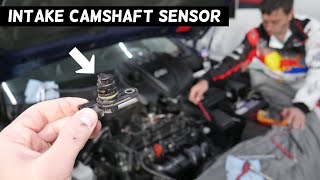
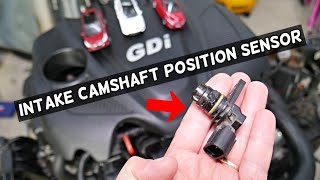
Typical fix: Replace the intake camshaft position sensor. It is located on the top of the valve cover on the intake side, held in by a single 10mm bolt. 🎬 Watch: How to remove and replace the intake camshaft sensor.
Est. part cost: $25-$60 - Low or Dirty Engine Oil 🟡 Medium Probability The Theta II 2.4L engine is known for potential oil consumption issues, addressed in TSB ENG222/ENG223. Kia considers consumption of more than 1 quart per 1,000 miles to be excessive. Low oil pressure affects the Continuous Variable Valve Timing (CVVT) system, causing the camshaft position to be out of the expected range and triggering a performance code like P0341 or P0011.
How to confirm: Check the engine oil level on the dipstick. Note the color and condition of the oil. If it is low, black, or sludgy, this is a likely contributor. Many owners report this code appearing when the oil level is low.
Typical fix: Top off the oil to the full mark using 5W-30 oil. If the oil is old or dirty, perform an oil and filter change. Clear the code and see if it returns. If oil consumption is high, an oil consumption test at a dealership may be necessary.
Est. part cost: $40-$70 - Wiring or Connector Issue ⚪ Low Probability The sensor connector is on top of the engine and exposed to heat, which can make the plastic and wires brittle over time. Rodents can also chew on wires.
How to confirm: Visually inspect the wiring harness and connector leading to the intake camshaft position sensor. Look for any signs of damage, melting, corrosion in the pins, or oil contamination. Check for a blown fuse, which may be labeled "SNSR" in the fuse box.
Typical fix: Repair the damaged section of wiring or clean the connector with electrical contact cleaner. If the connector itself is broken, it will need to be replaced.
Est. part cost: $5-$50
Rare But Worth Checking
- Stretched Timing Chain or Failing Tensioner: → Shop Engine Timing Chain While less common than a bad sensor, timing chain issues can occur on the Theta II engine. A stretched chain can cause the camshaft and crankshaft signals to be out of sync, triggering P0341. Symptoms include a rattling noise from the passenger side of the engine on a cold start, which may disappear after a second or two as oil pressure builds. This is a serious mechanical issue that requires immediate attention to prevent catastrophic engine failure.
- Failing Powertrain Control Module (PCM): It is extremely rare for the PCM to be the cause of the problem. This should only be considered after all other possibilities, including sensors, wiring, and mechanical timing, have been exhaustively ruled out by a professional.
- Damaged Camshaft Reluctor Wheel/Tone Ring: → Shop Engine Camshaft The sensor reads notches on a reluctor wheel (tone ring) on the camshaft. If this wheel is damaged, cracked, or has debris on it, the sensor signal will be erratic. This is an uncommon failure and requires removing the valve cover to inspect.
Diagnosis Steps
- Check for other stored diagnostic trouble codes (DTCs) to see if codes like P0011 or P1326 are present, which would point to a more systemic issue.
- CRITICAL: Inspect the engine oil level and condition. Top off or change the oil if necessary. This resolves the issue in many cases.
- Visually inspect the intake camshaft position sensor and its electrical connector for any signs of damage, corrosion, or oil saturation.
- Clear the code and test drive the vehicle to see if the code returns. If it returns immediately, the issue is likely persistent.
- If the code returns and oil level is correct, the most common repair is to replace the intake camshaft position sensor. It is a relatively inexpensive part and easy to access.
- If replacing the sensor does not fix the issue, perform a more thorough inspection of the wiring harness for breaks or shorts. Test for power, ground, and signal at the connector with a multimeter.
- If wiring and the sensor are confirmed to be good, listen for a timing chain rattle on cold startup. The problem may be mechanical with the timing chain or CVVT system. At this point, professional diagnosis is recommended.
Parts You'll Likely Need
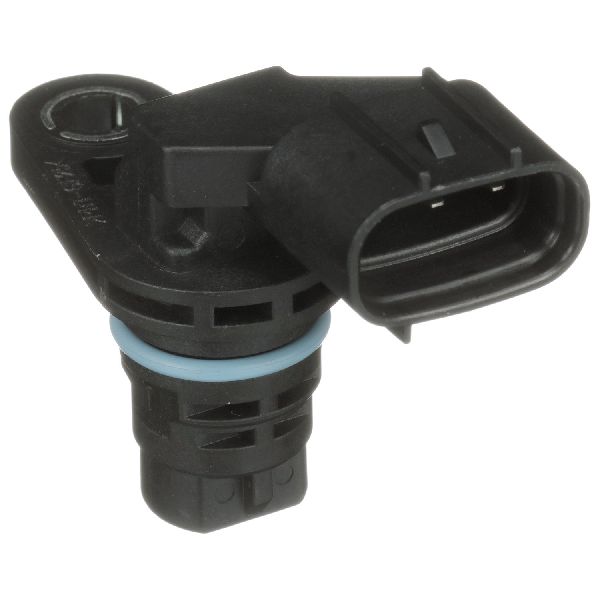
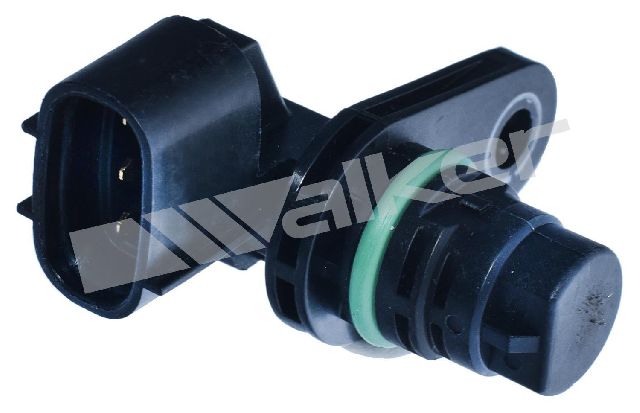
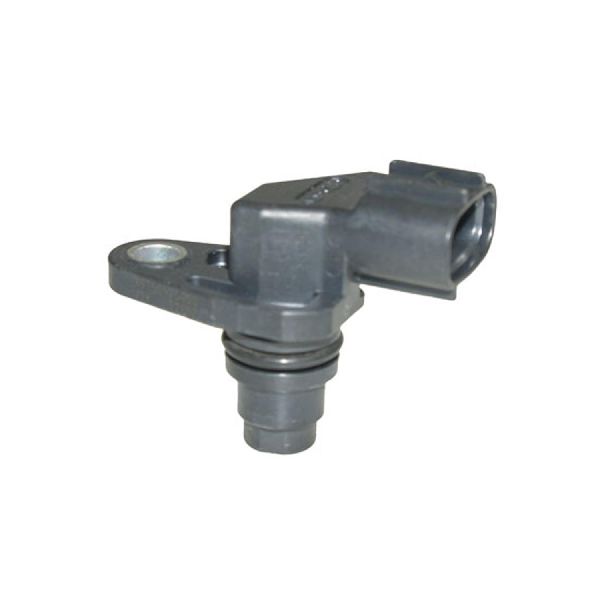
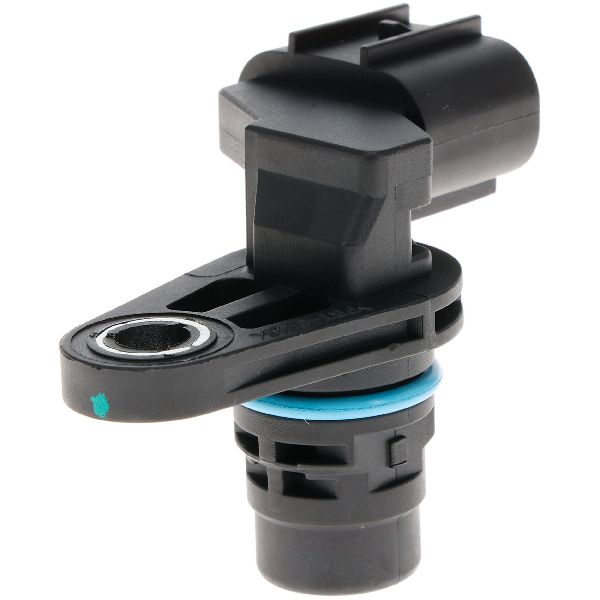
- Intake Camshaft Position Sensor
(OEM #39350-25010)— This sensor is the most common failure point for code P0341. Its signal is critical for engine timing, and failure directly causes the symptoms associated with this code.
Trusted brands: Kia (OEM), Dorman, Walker Products, Spectra Premium
OEM price range: $170-$200
Aftermarket price range: $25-$60 - Engine Oil and Filter
(OEM #N/A)— Due to the Theta II engine's propensity for oil consumption, low or dirty oil is a frequent cause of this code. An oil change is a critical diagnostic and maintenance step.
Trusted brands: Mobil 1 (5W-30), Pennzoil Platinum (5W-30), Kia OEM Filter
OEM price range: $50-$80
Aftermarket price range: $40-$70
Related Codes That Often Appear With This One
- P0340 — P0340 indicates a general circuit malfunction, while P0341 indicates a performance/range problem. They can appear together if the sensor is failing intermittently or has a wiring issue.
- P0011 — P0011 indicates 'Camshaft Position 'A' - Timing Over-Advanced'. This code is very commonly associated with low/dirty oil affecting the CVVT system. If P0011 is present with P0341, the root cause is very likely oil pressure or a failing CVVT solenoid, not just the sensor itself. 🎬 Watch: How to fix P0011 timing and performance issues.
- P1326 — This code is specific to the Knock Sensor Detection System (KSDS) and often indicates the system has detected vibrations consistent with connecting rod bearing wear, putting the vehicle into 'limp mode'. Its presence with P0341 strongly points to a significant underlying engine health issue (like low oil or internal wear) that needs immediate dealer investigation under the engine warranty extension/recall.
Technical Service Bulletins (TSBs) & Recalls
- SC147 - THETA II ENGINE INSPECTION AND/OR REPLACEMENT: A safety recall to inspect for and replace engines with connecting rod bearing wear. A knocking noise and this code could be symptoms leading to a warranty engine replacement.
- PI1802 - Knock Sensor Detection System (KSDS) ECU Upgrade: An important software update for the engine management system to protect the engine from damage related to bearing wear.
- TSB ENG222 / ENG223 - Excessive Oil Consumption Nu/Gamma/Theta/Kappa Engines: Addresses a known issue of oil consumption that can lead to low oil levels, a potential cause for P0341.
Platform-Specific Known Issues
- This vehicle's 2.4L Theta II engine was subject to a major safety recall (SC147) for premature connecting rod bearing wear, which could lead to catastrophic engine failure. The recall was due to metal debris from manufacturing not being fully cleaned from the crankshaft oil passages, restricting oil flow.
- A Technical Service Bulletin (TSB ENG222, formerly ENG223) exists for excessive oil consumption. The dealer procedure involves an oil consumption test over 1,000 miles; if consumption is excessive, a combustion chamber cleaning is performed, followed by another test. If it still fails, engine replacement may be warranted.
- A product improvement campaign (PI1802) was issued to update the software for the Knock Sensor Detection System (KSDS). This update makes the sensor more sensitive to vibrations indicative of engine bearing wear, triggering code P1326 and limp mode to prevent catastrophic failure.
Mechanic-Grade Diagnostic Values
- Camshaft Position Sensor (3-wire Hall Effect) Signal Voltage — expected: A square wave signal that switches between approximately 0V and 5V as the engine is cranked or running.. Failure: No voltage, a steady voltage that does not pulse, or a weak/erratic pulse. For example, a signal that does not drop cleanly to 0V or rise to 5V.
- Camshaft Position Sensor Connector - Reference Voltage — expected: Approximately 5V DC with the key on, engine off (KOEO), measured between the reference wire and a known good ground.. Failure: No voltage or significantly lower than 5V, indicating a wiring or PCM issue.
- Camshaft Position Sensor Connector - Ground Circuit — expected: Less than 100mV (0.1V) when testing voltage between the ground pin and the negative battery terminal.. Failure: Voltage significantly higher than 0.1V indicates a poor ground connection.
Scan Tool Commands That Help
- Advanced OBD-II Scanners (e.g., iCarsoft, Autel): Cam Sensor Relearn / ECM Reset — After replacing the camshaft position sensor, some systems require a relearn procedure to clear old error data and adapt to the new sensor's characteristics. This can prevent the code from returning falsely after a successful repair.
Wiring & Ground Locations
- SNSR Fuse — Located in the under-hood fuse box. May be labeled 'SNSR3' or similar.. The camshaft position sensor circuit is protected by a fuse. A blown fuse will cut power to the sensor, causing a P0340 (circuit malfunction) or P0341 code. This should be checked before replacing parts.
- 91860-4C010 — Engine Ground Strap for US-built models.. A poor or corroded engine ground can cause a host of electrical issues, including erratic sensor readings. If voltage tests are inconsistent, verifying the integrity of main engine grounds is a critical step.
- 91860-2T011 — Engine Ground Strap for Korean-built models.. A poor or corroded engine ground can cause a host of electrical issues, including erratic sensor readings. If voltage tests are inconsistent, verifying the integrity of main engine grounds is a critical step.
OEM Part Supersession History
39350-25000→39350-25010— Standard part revision and update by the manufacturer.
Heads up: The new part number (39350-25010) is the correct replacement and is backward compatible with vehicles that used the original part.
Model Year Variations Within This Range
- 2011-2013: The standard 2.4L GDI engine produced 200 horsepower.
- 2014-2015: For the 2014 model year facelift, the 2.4L GDI engine was slightly detuned to 192 horsepower.
Diagnostic Flowchart
Real Owner Stories
Aggregated from forums and TSBs cited above. Mileages and costs reflect what owners reported in those sources.
2017 Kia Soul
Symptoms: The owner reported a P0341 code appearing at the same time as a P1326 code.
What fixed it: A technician advised that a dealer visit was necessary, noting that low oil pressure can cause timing-related codes and that the P1326 code indicates a serious issue requiring professional attention.
Source hint: Reddit r/kia - User discusses P0341 appearing with P1326
Kia 2.4L Theta II Engine — 76000 miles
Symptoms: The owner experienced engine issues related to the SC147 safety recall for connecting rod bearing wear.
What fixed it: The engine was replaced under the extended warranty details provided by Kia.
Source hint: BobIsTheOilGuy.com - Discussion on SC147 Recall
Kia 2.4L Theta II Engine — 100000 miles
Symptoms: The owner was undergoing an oil consumption test (TSB ENG222) due to excessive oil burning.
What fixed it: The owner had a frustrating experience with the dealership, as warranty coverage for the engine was disputed once the vehicle crossed the 100,000-mile mark during the testing period.
Source hint: Reddit r/kia - Oil Consumption Test Warranty Clarification
Related OBD-II Codes
Frequently Asked Questions
Is the P0341 code related to the SC147 engine recall on my 2.4L Optima?
My Optima is burning a lot of oil and threw a P0341 code. Is there a TSB for this?
I have both P0341 and P1326 codes. What does this mean for my 2010-2015 Optima?
Where is the intake camshaft position sensor located on the 2.4L Theta II engine?
How does the oil consumption test work for TSB ENG222?
Can low engine oil really cause a P0341 camshaft sensor code?
Helpful Videos

We Have This Part in Stock


The information in this article is provided for general reference and educational purposes only. Vehicle specifications, procedures, and part compatibility can vary by production date, trim level, and region. Always consult your vehicle's factory service manual and verify part numbers before purchasing or performing repairs. Safety-critical components such as airbags, seat belts, and braking systems should be installed by a qualified professional.
- Kia Optima:
- 🧭 Diagnostic Flowchart
- 🎬 Helpful Videos
- 🛍️ Shop This Part
- What's Unique About the 2010-2015 Kia Optima
- Symptoms You May Notice
- Most Likely Causes
- Rare But Worth Checking
- Diagnosis Steps
- Parts You'll Likely Need
- Related Codes That Often Appear With This One
- Technical Service Bulletins (TSBs) & Recalls
- Platform-Specific Known Issues
- Mechanic-Grade Diagnostic Values
- Scan Tool Commands That Help
- Wiring & Ground Locations
- OEM Part Supersession History
- Model Year Variations Within This Range
- Real Owner Stories
- 2017 Kia Soul
- Kia 2.4L Theta II Engine — 76000 miles
- Kia 2.4L Theta II Engine — 100000 miles
- Related OBD-II Codes
- Frequently Asked Questions
- 🎟️ Get 5% Off