

P0341 on 2014-2018 Mazda 3 SKYACTIV-D 2.2L: Camshaft Wear and Sensor Fixes
On the Mazda 3 with the 2.2L SKYACTIV-D engine, code P0341 is most often caused by a worn-out exhaust camshaft, a known issue with this diesel engine. This wear also damages the vacuum pump, potentially causing a loss of brake assist. While a faulty sensor is possible, inspection of the camshaft lobes is critical before replacing parts. A camshaft replacement is a costly professional repair.
- P0341 on a SKYACTIV-D 2.2L is not a typical sensor code; it's a strong indicator of potential mechanical engine wear.
- Before replacing any parts, you MUST visually inspect the exhaust camshaft lobes for wear by removing the valve cover.
- Simply replacing the camshaft position sensor without inspection will likely not fix the issue and waste money.
- Repairing the root cause (worn camshaft) is a complex, labor-intensive job best left to a professional familiar with these engines.
- If the camshaft lobes are in good condition, then proceed with standard electrical diagnosis of the sensor and its circuit.
What's Unique About the 2014-2018 Mazda 3
Unlike many vehicles where P0341 is simply a bad sensor, the SKYACTIV-D 2.2L diesel engine has a widely documented issue with premature wear of the exhaust camshaft lobes. This is reportedly due to the rocker arms being made of a harder metal than the camshaft itself. The wear is most severe on the lobes that drive the high-pressure fuel pump and the brake vacuum pump. This mechanical wear changes the physical profile the sensor reads, leading to a signal performance issue that the sensor correctly reports as a fault. This means a simple sensor replacement will not fix the root cause if the camshaft is worn. Diagnosis must include a physical inspection of the camshaft.
Symptoms You May Notice
- Check Engine Light is on
- Difficulty starting the engine
- Engine runs rough or idles poorly
- Engine hesitates or stalls during acceleration
- Noticeable loss of engine power
- Reduced fuel efficiency
- Loss of brake servo assistance (hard brake pedal)
- Rattling noise from the top of the engine
- Replacing the camshaft position sensor without inspecting the camshaft. Because worn camshaft lobes are a common issue on this engine, simply replacing the sensor will not fix the problem and the code will return.
- Ignoring a hard brake pedal or attributing it to a separate brake booster issue, when it is in fact caused by the failing camshaft not properly driving the vacuum pump.
Most Likely Causes
- Worn or Damaged Exhaust Camshaft 🔴 High Probability → Shop Engine Camshaft This specific diesel engine has a known design flaw leading to premature wear on the exhaust camshaft lobes, sometimes causing pieces to break off. This is often exacerbated by oil dilution issues. Mazda TSB R005/21b addresses wear of the vacuum pump and camshaft.
How to confirm: Remove the valve cover and visually inspect the lobes of the exhaust camshaft for scoring, pitting, or uneven wear patterns, especially the lobes driving the vacuum pump. Compare them to the intake camshaft lobes, which typically do not wear as quickly.
Typical fix: Replace the exhaust camshaft (OEM P/N: SH01-12-440B) 🎬 Watch: Step-by-step DIY tutorial for replacing the exhaust camshaft., rocker arms, and hydraulic lifters. The vacuum pump should also be inspected and likely replaced. This is a significant repair.
Est. part cost: $400-$800 - Faulty Camshaft Position (CMP) Sensor 🟡 Medium Probability → Shop Engine Camshaft Position Sensor
How to confirm: After confirming wiring is okay and the camshaft is not worn, test the sensor's resistance with a multimeter or substitute it with a known good sensor. The Mazda diagnostic procedure recommends this as a primary check after wiring. A healthy sensor should produce a square wave signal viewable on an oscilloscope.
Typical fix: Replace the camshaft position sensor.
Est. part cost: $50-$150 - Stretched Timing Chain 🟡 Medium Probability → Shop Engine Timing Chain This engine is known for premature timing chain stretch, which can cause cam/crank correlation issues. This is often accelerated by poor oil quality from fuel dilution. A reading of over 10 degrees of deviation in scan tool data is a strong indicator.
How to confirm: Use a scan tool (like FORScan for Mazda) to check the 'CC_MAIN' PID, which shows the degrees of deviation between cam and crank. A physical inspection to measure chain slack is the definitive test, but it is labor-intensive.
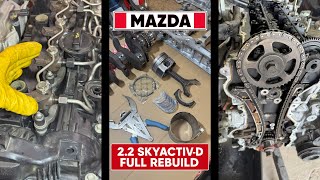
Typical fix: Replace the timing chain, tensioners, and guides. This is a labor-intensive job. 🎬 See a full engine rebuild including the timing chain system.
Est. part cost: $300-$600 - Wiring Harness or Connector Issue ⚪ Low Probability
How to confirm: Visually inspect the wiring going to the camshaft position sensor for any signs of damage, corrosion, or loose pins at the connector. Perform a continuity and resistance test on the wiring harness between the sensor and the PCM.
Typical fix: Repair the damaged section of the wiring harness or replace the connector.
Est. part cost: $10-$50
Rare But Worth Checking
- PCM Malfunction: This is extremely rare. The Powertrain Control Module should only be considered after all other possibilities, including mechanical and wiring faults, have been exhaustively ruled out.
Diagnosis Steps
- Scan the PCM for any and all stored trouble codes. Note any other codes, especially P0340, P0016, or P258B, as they strongly point towards the known mechanical failures.
- CRITICAL SAFETY CHECK: With the engine off, pump the brake pedal several times to deplete any residual vacuum. Then press and hold the pedal firmly while starting the engine. If the pedal does not drop slightly, you may have a lack of brake assist due to a failing vacuum pump/camshaft.
- Remove the engine valve cover to gain access to the camshafts. This is a mandatory step on this engine before replacing any sensors.
- Carefully and thoroughly inspect the lobes on the exhaust camshaft. Look for any signs of scoring, pitting, galling, or lobes that are visibly worn down, especially the lobe that drives the vacuum pump.
- If camshaft wear is found, the camshaft and associated components (rockers, lifters, vacuum pump) must be replaced. This is the most likely cause.
- If the camshaft appears pristine, check for timing chain stretch. Using a capable scan tool, check the cam/crank deviation PID. A value exceeding 10-11 degrees indicates a stretched chain requiring replacement. 🎬 Watch: Detailed guide on replacing a stretched timing chain.
- If the camshaft and timing chain are confirmed to be in good condition, proceed with electrical diagnosis. Visually inspect the CMP sensor wiring and connector for damage.
- Test the camshaft position sensor itself using a multimeter to check resistance against factory specifications. If it fails, replace it.
- After any repair, clear the DTCs from the PCM and perform a drive cycle to verify the fix.
Parts You'll Likely Need
- Exhaust Camshaft
(OEM #SH01-12-440B)— This is the most common point of failure on the SKYACTIV-D 2.2L engine that leads to a P0341 code, due to a known issue with premature lobe wear.
Trusted brands: Mazda (OEM)
OEM price range: $450-$750
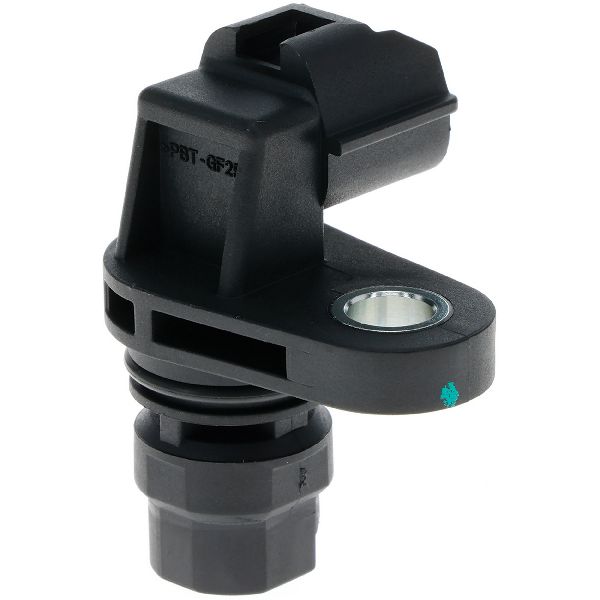
Aftermarket price range: $300-$500 - Camshaft Position Sensor — If the camshaft is not worn, the sensor itself is the next most likely component to have failed.
Trusted brands: Denso, Bosch, Mazda (OEM)
OEM price range: $100-$180
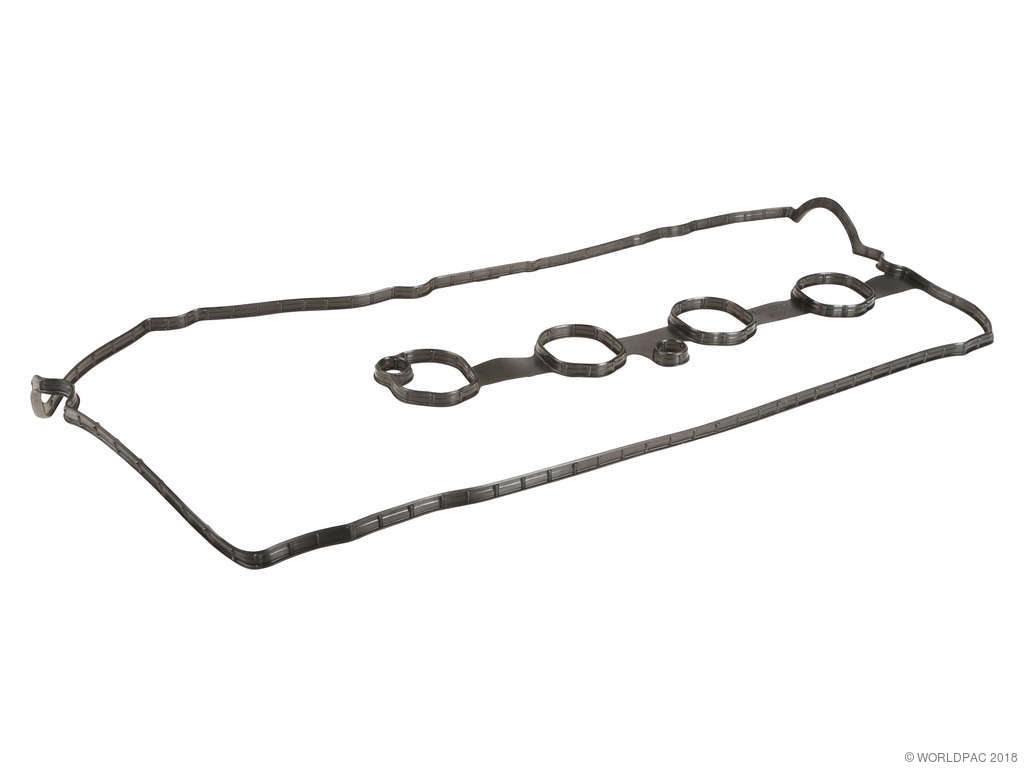
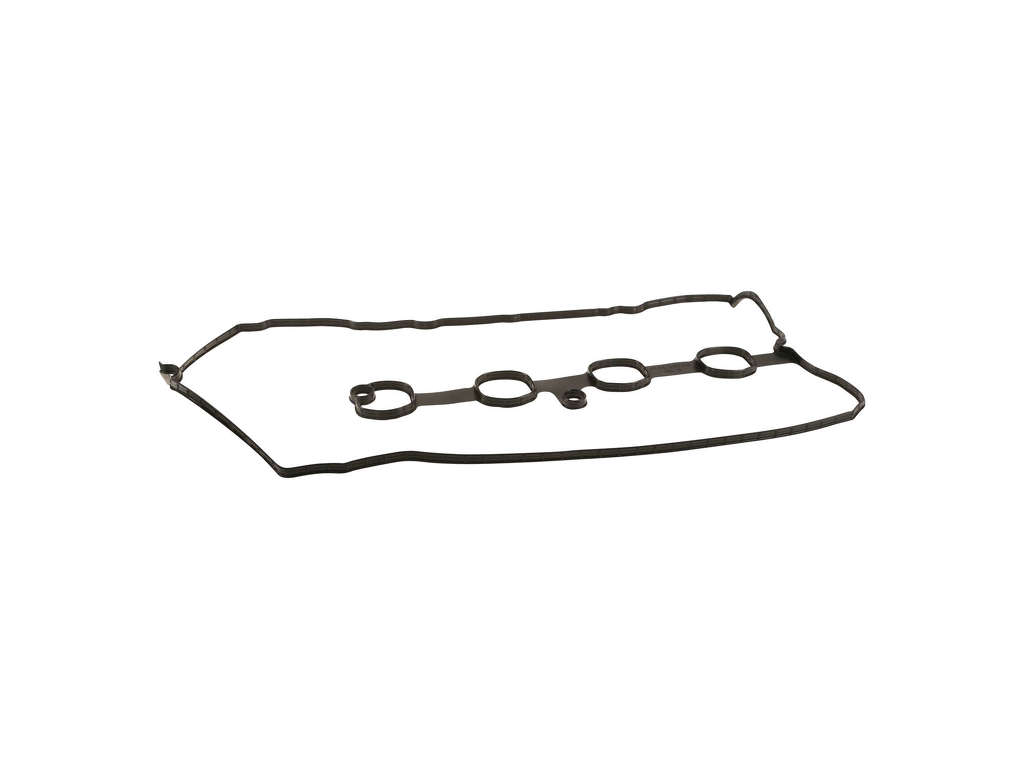
Aftermarket price range: $50-$100 - Valve Cover Gasket
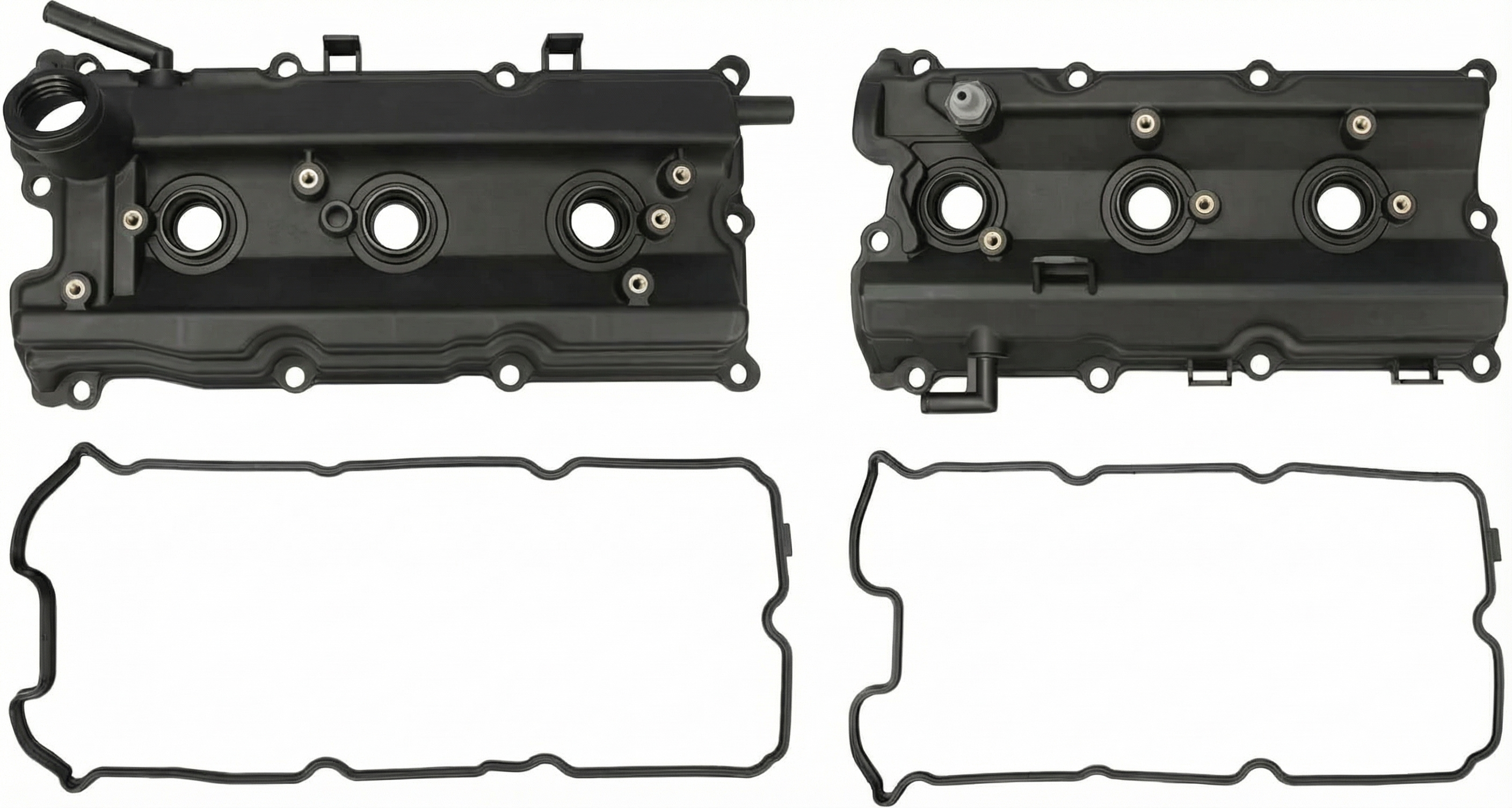
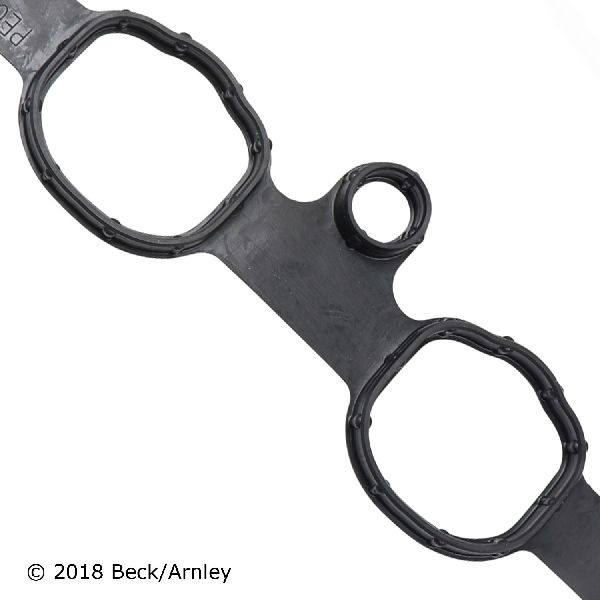
(OEM #SH01-10-235)— Required to be replaced anytime the valve cover is removed for inspection or replacement of the camshaft.
Trusted brands: Mazda (OEM), Fel-Pro, Mahle
OEM price range: $40-$70
Aftermarket price range: $20-$40 - Brake Vacuum Pump
(OEM #SH01-18-G00)— The vacuum pump is driven by the exhaust camshaft. Metal debris from a failing camshaft will destroy the pump, and the worn lobe will no longer actuate it correctly. It should be inspected and likely replaced during a camshaft job.
Trusted brands: Mazda (OEM)
OEM price range: $250-$400
Related Codes That Often Appear With This One
- P0340 — P0340 indicates a general malfunction in the camshaft position sensor circuit, while P0341 points to a performance/range problem. They are closely related and can appear together if the signal is both failing and erratic.
- P0016 — P0016 indicates a Crankshaft/Camshaft Correlation error. If the timing chain has stretched or a camshaft lobe is severely worn, the timing between the two shafts will be incorrect, potentially triggering both codes.
- P258B — This code indicates a fault with the vacuum pump. On this engine, the vacuum pump is driven by the exhaust camshaft. A worn camshaft lobe will cause the vacuum pump to fail, often triggering both P0341 and P258B simultaneously.
Technical Service Bulletins (TSBs) & Recalls
- TSB R005/21b: Addresses premature wear of the vacuum pump and exhaust camshaft on SKYACTIV-D 2.2 engines.
- TSB R081/20: Addresses issues related to timing chain stretch on SKYACTIV-D 2.2 engines.
Platform-Specific Known Issues
- The SH-VPTR SKYACTIV-D 2.2L engine is known to have issues with premature exhaust camshaft lobe wear. This is a well-documented problem among owners and mechanics, and it is a primary cause for code P0341 on this specific powertrain.
- The camshaft wear is directly linked to failure of the brake vacuum pump, which can result in a hard brake pedal and significantly increased stopping distances.
- Chronic fuel-in-oil dilution from the DPF regeneration process is believed to accelerate wear on internal engine components, including the camshaft and timing chain.
Mechanic-Grade Diagnostic Values
- Camshaft Position Sensor (CMP) Power Supply Voltage — expected: 5V (with ignition on, engine off). Failure: Voltage significantly lower than 5V or no voltage indicates a wiring or PCM issue. Note: The same 5V reference is shared with the intake CMP sensor, so a fault here may set codes for both.
- Camshaft Position Sensor (CMP) Ground Circuit — expected: Near 0V. Failure: Any significant voltage reading indicates a poor ground connection.
- Camshaft Position Sensor (CMP) Signal Waveform — expected: A clean square wave when viewed on an oscilloscope while the engine is cranking or running.. Failure: A missing, erratic, or misshapen waveform indicates a faulty sensor or a problem with the reluctor wheel/camshaft lobe.
Scan Tool Commands That Help
- Mazda M-MDS (Mazda Modular Diagnostic System): KOER Self Test (Key On, Engine Running) — Used after a repair to verify the fix and ensure no pending codes are generated. The official Mazda diagnostic procedure calls for this as a final step.
- Mazda M-MDS (Mazda Modular Diagnostic System): Clear DTCs — Required to clear the P0341 code from the PCM's memory after the repair is complete.
- FORScan: Read PID: CC_MAIN (Cam/Crank Deviation) — To diagnose potential timing chain stretch without disassembly. A value greater than 10-11 degrees suggests the timing chain has stretched beyond its service limit, which can be a contributing factor or separate cause of P0341.
Wiring & Ground Locations
- CMP Sensor Connector — On the top of the valve cover, near the exhaust side of the engine. It is a 3-pin connector.. This is the primary connection point for the sensor. Corrosion or damage here will directly cause P0341. Pin 1 is the 5V power supply, Pin 2 is the signal wire, and Pin 3 is the ground.
- Main Engine Ground — Typically a heavy gauge wire from the negative battery terminal to a point on the chassis/strut tower, and another from the chassis to the engine block or transmission case.. A poor engine ground can cause a floating voltage reference for all sensors, including the CMP, leading to erratic signals and difficult-to-diagnose codes like P0341.
OEM Part Supersession History
SH01-12-440 / SH01-12-440A→SH01-12-440B— The original camshafts were prone to premature wear. The 'B' revision is the updated part intended to address the wear issue. It is believed to have improved surface hardening.
Heads up: While older part numbers will physically fit, installing anything other than the latest 'B' revision is highly inadvisable as it will likely fail prematurely in the same manner.
Diagnostic Flowchart
Other Known Issues on This Vehicle
Issues unrelated to this code that are worth knowing about as an owner of this generation:
- Fuel in Oil Dilution 🔴 High — Very common, especially for vehicles used for frequent short trips. The DPF regeneration process dumps unburnt fuel into the oil sump, raising the oil level and severely degrading its lubricating properties. (Ref: Mazda issued a software update and a revised dipstick to mitigate the issue, but it remains a persistent problem for many owners.)
- Intake System Carbon Buildup 🟠 Medium — Common to most direct-injection engines, including this one. Becomes problematic after 60,000-80,000 miles, leading to reduced performance and efficiency.
- Timing Chain Stretch 🔴 High → Shop Engine Timing Chain — Occurs more frequently than on many other engines, often noted by 80,000-100,000 miles. Poor oil quality from fuel dilution can accelerate wear. Can lead to catastrophic engine failure if not addressed. (Ref: Mazda TSB R081/20 addresses this issue.)
- Turbocharger Failure 🔴 High — A notable number of owners report turbo failures, often linked to oil starvation or contamination caused by the oil dilution and camshaft wear issues.
- Head Gasket Failure 🔴 High — Less common than camshaft or oil issues, but a known catastrophic failure point for this engine, often attributed to high operating temperatures and stress on the aluminum head.
Used vs. New Parts: Buying Guide for This Vehicle
When a used part is the smart pick: For this specific failure, buying a used exhaust camshaft is an extremely high-risk choice and is NOT recommended. The part is known for a design/material defect causing premature wear. A used camshaft from a donor vehicle is highly likely to have the same wear or be close to failing, even if it looks acceptable visually.
What to inspect on the donor part:
- Not applicable. Do not purchase a used exhaust camshaft for this engine.
OEM-only on this vehicle (don't cheap out):
- Exhaust Camshaft
- Brake Vacuum Pump
- Fuel Injector Seals
Brands owners have reported issues with on this vehicle:
- Any unbranded or suspiciously cheap exhaust camshafts found on online marketplaces. Given the specific metallurgical requirements to fix the original flaw, a low-cost aftermarket part is unlikely to be a durable solution.
Real Owner Stories
Aggregated from forums and TSBs cited above. Mileages and costs reflect what owners reported in those sources.
2014 Mazda 3 2.2L Skyactiv-D — 145000 miles
Symptoms: Extreme wear on the exhaust camshaft lobes; the owner/mechanic noted 'just a smidge of wear' sarcastically while comparing the old cam to a new one.
What fixed it: Replacement of the exhaust camshaft.
Source hint: Reddit r/Justrolledintotheshop - 'Just a smidge of wear in this 145k mile cam! 2.2 Mazda Skyactiv Diesel, new Vs old.'
2014 Mazda CX-5 2.2L Skyactiv-D
Symptoms: A cascade of failures starting from camshaft wear and leading to complex issues including head gasket problems.
What fixed it: The discussion confirms the severity of the camshaft wear issue and its link to broader engine failure.
Source hint: Mazdas247 Forum - 'Need help with my CX-5 2014 Skyactiv 2.2L Diesel'
2012-2018 Mazda 6 2.2L Skyactiv-D — ~90000 miles
Symptoms: Timing chain stretch and oil dilution problems; rising oil levels due to DPF regeneration.
What fixed it: Replacement of the timing chain, tensioners, and guides.
Source hint: Mazdas247 Forum - 'FUEL IN OIL DILUTION and complaints'
Related OBD-II Codes
Frequently Asked Questions
Does TSB R005/21b apply to my 2014 Mazda 3 with the 2.2L diesel engine?
Why is my brake pedal hard to press when I have a P0341 camshaft code?
Can I just replace the Camshaft Position (CMP) sensor to fix P0341?
How does oil dilution affect the timing chain and camshaft on my Mazda 3?
What is the 'CC_MAIN' PID and why is it important for P0341?
Is there a TSB for the timing chain stretch issue on the 2.2L Skyactiv-D?
Helpful Videos


Used OEM Parts in Stock
New Aftermarket Parts Available


The information in this article is provided for general reference and educational purposes only. Vehicle specifications, procedures, and part compatibility can vary by production date, trim level, and region. Always consult your vehicle's factory service manual and verify part numbers before purchasing or performing repairs. Safety-critical components such as airbags, seat belts, and braking systems should be installed by a qualified professional.
- Mazda 3:
- 🧭 Diagnostic Flowchart
- 🎬 Helpful Videos
- 🛍️ Shop This Part
- What's Unique About the 2014-2018 Mazda 3
- Symptoms You May Notice
- Most Likely Causes
- Rare But Worth Checking
- Diagnosis Steps
- Parts You'll Likely Need
- Related Codes That Often Appear With This One
- Technical Service Bulletins (TSBs) & Recalls
- Platform-Specific Known Issues
- Mechanic-Grade Diagnostic Values
- Scan Tool Commands That Help
- Wiring & Ground Locations
- OEM Part Supersession History
- Other Known Issues on This Vehicle
- Used vs. New Parts: Buying Guide for This Vehicle
- Real Owner Stories
- 2014 Mazda 3 2.2L Skyactiv-D — 145000 miles
- 2014 Mazda CX-5 2.2L Skyactiv-D
- 2012-2018 Mazda 6 2.2L Skyactiv-D — ~90000 miles
- Related OBD-II Codes
- Frequently Asked Questions
- 🎟️ Get 5% Off