

P0341 on 2013-2016 Mazda CX-5 2.2L Diesel: Camshaft Sensor, Timing Chain, and Cam Wear Causes
On the SKYACTIV-D 2.2L engine, P0341 is rarely just a bad sensor. It's a critical warning for a stretched timing chain or a worn exhaust camshaft, both known issues. Expect a complex, expensive repair costing $1,500-$4,000+; do not drive the vehicle.
- P0341 on a 2013-2016 Mazda CX-5 2.2L Diesel is a critical code that strongly suggests a major mechanical engine problem.
- Do not replace the camshaft position sensor without first performing a thorough diagnosis of the timing chain and exhaust camshaft.
- Check your engine oil immediately for signs of fuel dilution (high level, fuel smell), as this is a root cause of the mechanical failures.
- Be aware of a hard brake pedal, as this is a key symptom of a related vacuum pump failure and poses a serious safety risk.
- Due to the complexity and cost, this repair should be handled by a professional mechanic experienced with Mazda diesel engines.
What's Unique About the 2013-2016 Mazda CX-5
While P0341 often points to a simple sensor failure on many cars, on the Mazda CX-5 with the SKYACTIV-D 2.2L engine, it is a strong indicator of severe and well-documented mechanical failures. This engine is known for premature timing chain stretching and a unique failure where the exhaust camshaft lobes wear down, destroying the brake vacuum pump in the process. Mazda TSB R005/21b specifically addresses the premature wear of the vacuum pump and exhaust camshaft. These mechanical issues cause the camshaft's timing to become erratic, which triggers the P0341 sensor code. Simply replacing the sensor will not fix the underlying problem.
Symptoms You May Notice
- Check Engine Light is on
- Flashing DPF (Diesel Particulate Filter) light, which can be a specific indicator of timing chain stretch on this engine.
- Engine is hard to start or cranks for a long time
- Engine cranks but will not start
- Rough idling or stalling, especially at low RPMs
- Reduced engine power and acceleration
- Hard or stiff brake pedal, indicating reduced braking performance
- Rattling noise from the engine, particularly from the timing chain area (driver's side of the engine).
- Replacing the camshaft position sensor without first inspecting the timing chain and exhaust camshaft. This is the most common mistake and will not fix the code if the underlying cause is mechanical.
Most Likely Causes
- Stretched Timing Chain 🔴 High Probability → Shop Engine Timing Chain This is a widely documented issue with the SKYACTIV-D 2.2L engine, often accelerated by oil contamination from fuel dilution (due to DPF regeneration) or leaking injector seals which introduce soot into the oil. This contaminated oil can block the oil pump pickup strainer, leading to oil starvation and accelerated chain wear.
How to confirm: A technician can use a professional scan tool like FORScan to measure the 'camshaft/crankshaft differential angle' PID (often labeled 'CCDFP_WA'). A value consistently exceeding 10.45 degrees indicates the chain is stretched beyond its service limit. A flashing DPF light is also a strong indicator. Visual inspection for a clogged oil pickup strainer during an oil pan removal is also telling.
Typical fix: Replace the timing chain, tensioners, and guides with an updated kit. It is critical to also address the root cause of oil contamination by replacing the fuel injector seals, cleaning the oil pump pickup strainer, and performing an oil change. A 'Timing Chain Learning' procedure must be performed with a scan tool after replacement.
Est. part cost: $250-$600 - Worn Exhaust Camshaft and/or Failing Vacuum Pump 🔴 High Probability → Shop Engine Camshaft The exhaust camshaft lobes can wear prematurely, often described as being made of a softer metal than the followers. This wear damages the mechanically-driven vacuum pump, causing a loss of brake assist. The resulting drag and metal debris can cause the P0341 code. This issue is addressed in Mazda TSB R005/21b.
How to confirm: Remove the valve cover and visually inspect the exhaust camshaft lobes for scoring, pitting, or a worn-down profile. Also, check for a hard brake pedal or use a vacuum gauge on the pump to check for low vacuum (should be a steady -22 kPa or lower at idle).
Typical fix: Replace the exhaust camshaft (with updated part SH0112440B), rocker arms, and the vacuum pump. An engine oil and filter change is required to remove metal debris.
Est. part cost: $800-$1500 - Faulty Camshaft Position (CMP) Sensor ⚪ Low Probability → Shop Engine Camshaft Position Sensor While possible, sensor failure is much less common than the mechanical issues on this specific engine. It should only be considered after ruling out chain and camshaft problems.
How to confirm: After confirming the timing chain and camshaft are in good condition, test the sensor's voltage signal with a multimeter or oscilloscope while cranking the engine. The signal should be a clean, fluctuating square wave with a maximum value of 4.8V or more and a minimum of 0.8V or less.
Typical fix: Replace the camshaft position sensor.
Est. part cost: $60-$120 - Wiring or Connector Issue ⚪ Low Probability
How to confirm: Visually inspect the wiring harness and connector leading to the camshaft position sensor for damage, corrosion, or loose pins. Check for 5V reference voltage and ground at the connector. The ground circuit resistance to the chassis should be near 0 Ohms.
Typical fix: Repair the damaged wiring or replace the connector pigtail.
Est. part cost: $15-$50
Diagnosis Steps
- Check Engine Oil: Immediately check the oil level and condition. Look for a level that is too high and smells strongly of diesel fuel, which indicates severe dilution. Note any excessive soot or a gritty texture.
- Check Brake Assist: With the engine off, pump the brakes until the pedal is firm. Start the engine. If the pedal does not drop and soften, you likely have a vacuum pump failure, pointing towards camshaft wear.
- Scan for Other Codes: Use an OBD-II scanner to check for related codes like P0016, P258B, P253F, or a flashing DPF light, which can help pinpoint the root cause.
- Inspect Camshaft Lobes: This is a critical step. Remove the engine valve cover and visually inspect the lobes on the exhaust camshaft for signs of wear, scoring, or damage. This is the most definitive way to confirm camshaft failure.
- Check Timing Correlation: If you have access to an advanced scan tool (like FORScan), check the live data PID for 'camshaft/crankshaft differential angle' (CCDFP_WA) to diagnose timing chain stretch. Values consistently above 10.45 degrees indicate a problem.
- Inspect Sensor and Wiring: Only after confirming the mechanical components are okay, inspect the camshaft position sensor's wiring and connector for damage. Test the sensor's output if possible.
- Replace Parts Based on Findings: Address the root cause found in the steps above. Do not default to replacing the sensor. If the chain is stretched, replace the kit and injector seals. If the camshaft is worn, replace the camshaft, followers, and vacuum pump.
Parts You'll Likely Need
- Timing Chain Kit
(OEM #SH01-12-K00 or SH20-12-K00)— A stretched timing chain is a primary cause of P0341 on this engine.
Trusted brands: Mazda OE
OEM price range: $300-$500
Aftermarket price range: $200-$350 - Exhaust Camshaft
(OEM #SH01-12-440B (updated part))— Premature lobe wear on the exhaust camshaft is a known failure pattern that triggers this code. Ensure the updated part is used.
Trusted brands: Mazda OE
OEM price range: $600-$900
Aftermarket price range: $400-$600 - Brake Vacuum Pump
(OEM #SH01-18-G00)— The vacuum pump is typically destroyed as a consequence of exhaust camshaft wear and must be replaced along with it.
Trusted brands: Mazda OE
OEM price range: $350-$500
Aftermarket price range: $200-$350 - Camshaft Position Sensor
(OEM #SH01-18-230)— This is the part directly referenced by the code, but it is the least likely cause of the problem. Replace only after ruling out mechanical issues.
Trusted brands: Denso, Bosch, Mazda OE
OEM price range: $90-$120
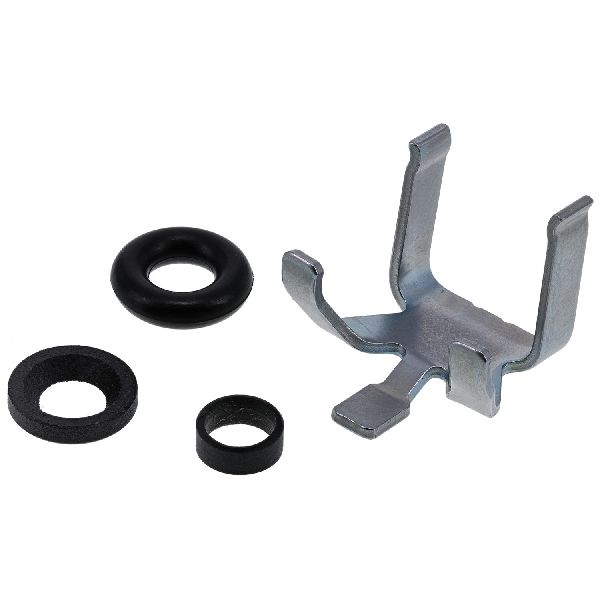
Aftermarket price range: $60-$90 - Fuel Injector Seal Kit
(OEM #SH01-13-H50A)— Leaking injector seals are a primary cause of oil contamination that leads to timing chain stretch. They should be replaced as part of a timing chain job.
Trusted brands: Mazda OE
OEM price range: $50-$80
Aftermarket price range: N/A
Related Codes That Often Appear With This One
- P0016 — This code for 'Crankshaft Position - Camshaft Position Correlation' often appears with P0341 when a stretched timing chain is the cause.
- P258B — This code for 'Vacuum Pump Range/Performance' directly points to the failing vacuum pump, which is mechanically linked to the camshaft wear issue that also causes P0341.
- P253F — This code for 'Engine Oil Deteriorated' indicates oil dilution from fuel, which is a known root cause for accelerated timing chain and camshaft wear on this engine.
- P1336 — Indicates the crankshaft and camshaft correlation is out of range, another strong pointer towards a stretched timing chain.
Technical Service Bulletins (TSBs) & Recalls
- R005/21b: Addresses the premature wear of the vacuum pump and the exhaust camshaft on SKYACTIV-D 2.2 engines, a primary cause of P0341.
Platform-Specific Known Issues
- The SKYACTIV-D 2.2L engine in this vehicle is known for premature exhaust camshaft wear, which is a primary cause of code P0341. This is addressed by Mazda TSB R005/21b.
- Timing chain stretch, accelerated by fuel dilution in the oil from DPF regeneration cycles and/or leaking injector seals, is another major, well-documented issue leading to this code.
- Failure of the brake vacuum pump is commonly linked
Mechanic-Grade Diagnostic Values
- Timing Chain Stretch (FORScan PID: CCDFP_WA) — expected: Below 10.0 degrees on a healthy engine.. Failure: A value consistently over 10.45 degrees indicates the chain is stretched beyond its service limit and must be replaced.
- Camshaft Position Sensor Output Voltage (at sensor connector) — expected: A fluctuating square wave on an oscilloscope. Maximum value should be 4.8V or more; minimum value should be 0.8V or less.. Failure: A flat line, erratic signal, or voltages outside the specified range indicate a failed sensor.
- Camshaft Position Sensor Supply Voltage (at sensor connector) — expected: Approximately 5V DC with key on, engine off.. Failure: Voltage significantly below 5V indicates a wiring or PCM issue.
- Brake Vacuum Pump Output — expected: A steady vacuum of -22 kPa or lower at idle.. Failure: Inability to hold a steady vacuum or significantly weaker readings, often accompanied by a hard brake pedal.
Scan Tool Commands That Help
- FORScan or Mazda M-MDS: Read PID: CCDFP_WA (Camshaft Crankshaft Differential Position Without Adaptation) — This is the primary diagnostic step to confirm or deny timing chain stretch without engine disassembly. It directly measures the angular deviation between the cam and crank.
- Mazda M-MDS or capable scan tools: Timing Chain Learning Procedure / Reset — This is a mandatory procedure after replacing the timing chain. It resets the PCM's learned adaptation value for chain stretch. Failure to perform this can cause the code to return or lead to other performance issues.
- Mazda M-MDS: KOER (Key On, Engine Running) Self-Test — This is the final verification step in the official Mazda diagnostic procedure to confirm that the repair has been successful and no pending codes are generated under operating conditions.
Wiring & Ground Locations
- CMP Sensor Connector — The exhaust CMP sensor is located on the rear housing of the engine. The intake CMP is on the cylinder head. Both are 3-pin connectors.. This is the primary point for electrical testing (5V reference, ground, signal). Damage, corrosion, or oil contamination here can directly cause the P0341 code.
- G09 Ground Point — Located behind the instrument cluster.. While not a direct engine ground, a fault at G09 can cause data line and communication errors with the PCM, which could potentially accompany or be misread as a sensor fault.
Real Owner Repair Stories
- Owner report on PistonHeads.com forum (Mazda 3 2.2D (same engine and failure pattern)) — Flashing DPF light, no other immediate driveability issues.
❌ Tried (didn't work) Initial thoughts were related to the DPF system itself.
✅ What actually fixed it The owner used FORScan to check the timing chain stretch PID and found it was 10.63 degrees, just over the 10.5-degree limit. This confirmed a stretched timing chain. The fix was a complete timing chain kit replacement at a Mazda dealer.
OEM Part Supersession History
SH01-12-440A→SH01-12-440B— The original camshaft was prone to premature lobe wear. The 'B' revision is the updated, more durable part intended to resolve the wear issue.
Heads up: While the 'A' part may physically fit, installing it is not recommended as it does not solve the underlying wear problem. The 'B' revision should always be used for replacement.
Diagnostic Flowchart
Other Known Issues on This Vehicle
Issues unrelated to this code that are worth knowing about as an owner of this generation:
- Excessive Intake Carbon Buildup 🔴 High — Very common, especially on vehicles used for short trips. Can cause symptoms as early as 75,000 miles (120,000 km).
- Twin-Turbocharger Failure 🔴 High — Commonly reported between 75,000 and 100,000 miles. Often linked to oil starvation from a clogged oil pickup strainer or oil dilution.
- Leaking Fuel Injector Seals 🔴 High — A frequent root cause of oil contamination (soot/carbon in oil), leading to a blocked oil pump pickup strainer and accelerated wear on the timing chain and camshafts. (Ref: A UK recall (R/2018/289) was issued for improperly tightened injector mounting nuts, which could cause similar oil contamination issues.)
- Oil Dilution from DPF Regeneration 🟠 Medium — An inherent design characteristic, particularly affecting cars used for frequent short trips where DPF regeneration cycles are interrupted. This leads to diesel fuel contaminating the engine oil.
Used vs. New Parts: Buying Guide for This Vehicle
When a used part is the smart pick: For this specific P0341 repair, buying used parts is generally not recommended for the primary failure components (timing chain, camshaft, vacuum pump) due to the well-documented premature wear issues. A used camshaft position sensor from a low-mileage vehicle could be a viable option for diagnosis (swapping with a known-good part) but not as a permanent fix.
Donor-vehicle mileage cap: roughly under 50000 miles for the part to have meaningful remaining life.
What to inspect on the donor part:
- For any part, seek a donor vehicle with a verifiable service history of frequent, high-quality oil changes.
- If inspecting an engine, remove the oil cap and look for any signs of sludge or varnish, which would be a major red flag.
- Avoid any parts from an engine that shows signs of oil dilution (oil level overfull, strong diesel smell in oil).
OEM-only on this vehicle (don't cheap out):
- Exhaust Camshaft: Given the specific material hardness issue, only the updated Mazda OE part (SH01-12-440B) should be used to ensure the fix is permanent.
- Timing Chain Kit: This is a critical, high-labor component. Using a non-OEM kit is a significant risk that could lead to catastrophic failure. Stick with Mazda OE.
- Fuel Injector Seals: These are inexpensive but critical for preventing oil contamination. Use only Mazda OE seals to ensure proper fit and material.
Aftermarket brands forum-validated for this vehicle:
- For the Camshaft Position Sensor only: Denso, Bosch (if available, as they are often the original OE manufacturer).
Brands owners have reported issues with on this vehicle:
- Avoid unbranded, 'white box' camshafts, timing kits, or vacuum pumps from online marketplaces. The risk of premature failure is extremely high with these components on this engine.
Real Owner Stories
Aggregated from forums and TSBs cited above. Mileages and costs reflect what owners reported in those sources.
2014 Mazda 6 2.2D
Symptoms: The owner was investigating potential timing chain issues and discovered severe camshaft wear and carbon buildup.
What fixed it: The forum discussion confirms the need to address oil contamination and mechanical wear, though the specific teardown revealed widespread SH series diesel engine problems.
Source hint: Mazdas247 Forum - Mazda 6 2.2 skyactiv-d timing chain issues
2015 Mazda CX-5 2.2L diesel — 77671 miles
Symptoms: Extremely carbon-clogged intake manifold.
What fixed it: Cleaning of the intake manifold; technicians noted this is a common failure mode for the SH diesel engine.
Source hint: Mazdas247 Forum - Mazda cx-5 carbon build up
2013-2016 Mazda CX-5 SKYACTIV-D 2.2L
Symptoms: A cascade of failures starting with EGR/PCV carbon buildup, leading to oil contamination, worn camshafts, and stretched timing chains.
What fixed it: Complete engine teardown and analysis identifying the need to replace the timing chain, camshafts, and address the EGR/PCV systems.
Source hint: YouTube - I Found Out Why Mazda's Diesel Engine Keeps Blowing Up by Rebuilds
Related OBD-II Codes
Frequently Asked Questions
What does a flashing DPF light mean on my 2013-2016 Mazda CX-5 2.2L diesel?
Is there a Technical Service Bulletin for the camshaft and vacuum pump issues causing P0341?
How can a technician confirm if my timing chain is stretched without taking the engine apart?
Why is my brake pedal stiff when I have a P0341 code?
What part number should be used for the replacement exhaust camshaft?
Can oil contamination cause the timing chain to stretch on the SKYACTIV-D?
Helpful Videos


We Have This Part in Stock


The information in this article is provided for general reference and educational purposes only. Vehicle specifications, procedures, and part compatibility can vary by production date, trim level, and region. Always consult your vehicle's factory service manual and verify part numbers before purchasing or performing repairs. Safety-critical components such as airbags, seat belts, and braking systems should be installed by a qualified professional.
- Mazda CX-5:
- 🧭 Diagnostic Flowchart
- 🎬 Helpful Videos
- 🛍️ Shop This Part
- What's Unique About the 2013-2016 Mazda CX-5
- Symptoms You May Notice
- Most Likely Causes
- Diagnosis Steps
- Parts You'll Likely Need
- Related Codes That Often Appear With This One
- Technical Service Bulletins (TSBs) & Recalls
- Platform-Specific Known Issues
- Mechanic-Grade Diagnostic Values
- Scan Tool Commands That Help
- Wiring & Ground Locations
- Real Owner Repair Stories
- OEM Part Supersession History
- Other Known Issues on This Vehicle
- Used vs. New Parts: Buying Guide for This Vehicle
- Real Owner Stories
- 2014 Mazda 6 2.2D
- 2015 Mazda CX-5 2.2L diesel — 77671 miles
- 2013-2016 Mazda CX-5 SKYACTIV-D 2.2L
- Related OBD-II Codes
- Frequently Asked Questions
- 🎟️ Get 5% Off