

P0341 on 2007-2013 MINI Cooper: Camshaft Sensor and Timing Chain Guide
On a 2007-2013 MINI Cooper, code P0341 often points to a failing camshaft position sensor, but it is very frequently a symptom of a much larger problem: a stretched timing chain. This is especially true on turbocharged N14 engines, known for the 'death rattle' on cold starts. A sensor replacement is a cheap first step, but be prepared for a timing chain service, which is a significantly more expensive repair.
- Code P0341 on a 2007-2013 MINI Cooper points to an issue with the intake camshaft position sensor signal.
- While a faulty sensor is possible, the most common and serious cause is a stretched timing chain, especially on turbocharged N14 engines.
- Listen for a rattling noise on startup; this is a classic symptom of a failing timing chain tensioner and a loose chain.
- As a DIY step, you can try replacing the camshaft position sensor first, as it's relatively cheap and easy. However, be prepared for the possibility of a much more involved and expensive timing chain service.
- Do not ignore this code. A failing timing chain can jump time or break, causing severe and potentially irreparable engine damage.
What's Unique About the 2007-2013 MINI Cooper
The 2007-2013 MINI Cooper (R56 generation) is notorious for timing chain issues, especially the turbocharged N14 engine used in Cooper S models. These engines are prone to premature timing chain stretching and tensioner failure. The plastic timing chain guides can also become brittle from engine heat and break apart. This mechanical issue directly causes the camshaft and crankshaft to go out of sync, which is then reported by the camshaft sensor, triggering the P0341 code. While the code points to a sensor, the root cause is very often the timing chain itself.
Generation note: This guide covers the second-generation MINI Cooper (models R55, R56, R57, etc.) produced from 2007 to 2013. The engines covered are the naturally aspirated N12 and N16, and the turbocharged N14. The N14 engine, used in Cooper S models until 2010 and JCW models until 2012, is significantly more prone to the timing chain issues that cause this code. The N18 engine, introduced around 2011, featured an improved timing chain design and dual VANOS, making it less susceptible but not immune to these issues.
Symptoms You May Notice
- Check Engine Light is on
- Engine is hard to start or will not start.
- Rough or lopey idle, sometimes stalling when coming to a stop.
- Hesitation or lack of power during acceleration, sometimes described as 'limp-home mode'.
- Engine stalling, especially when coming to a stop
- Reduced fuel efficiency.
- Audible rattling noise from the engine, especially on a cold start (the "death rattle"), which quiets down as the oil warms up and pressure builds.
- Replacing only the camshaft position sensor when the actual problem is a stretched timing chain. The new sensor will not fix the mechanical timing issue, and the code will return, often immediately.
- Mistaking the P0341 camshaft position sensor code for a crankshaft position sensor issue and replacing the wrong part.
Most Likely Causes
- Stretched Timing Chain / Failed Tensioner 🔴 High Probability → Shop Engine Timing Chain The N14 engine, in particular, is well-documented to have issues with timing chain stretch and tensioner failure. The tensioner is hydraulic and can weaken or fail, allowing the chain to become slack, which wears out the plastic guides and causes the infamous 'death rattle'.
How to confirm: Listen for a rattling noise from the passenger side of the engine on startup. A mechanic can remove the valve cover to inspect the chain guides for damage (look for broken orange/brown plastic pieces) and measure the chain for slack. TSB SI M11 04 13 outlines the official procedure for checking chain elongation. Special timing tools are required to lock the cams and crank to definitively confirm timing has jumped.
Typical fix: Replace the entire timing chain kit, including the chain, tensioner, all guide rails, and sometimes the sprockets. This is a labor-intensive job. 🎬 Watch: A complete DIY guide to replacing the timing chain. It is also recommended to clean the oil pan, as broken guide fragments can fall in and clog the oil pump pickup.
Est. part cost: $150-$400 - Faulty Camshaft Position Sensor 🟡 Medium Probability → Shop Engine Camshaft Position Sensor
How to confirm: Swap the intake and exhaust camshaft position sensors (on N12/N16/N18 engines) and see if the code changes to P0366 (Exhaust Cam Sensor). If it does, the sensor is bad. Alternatively, test the sensor's voltage supply (should be 4.5 to 5.5 V with ignition on) and check the signal wire for shorts or open circuits.
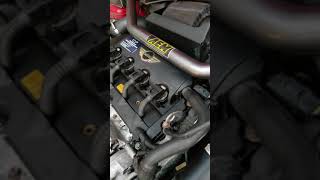
Typical fix: Replace the faulty camshaft position sensor. It is located on the valve cover and is held in by a single 10mm bolt. 🎬 See this quick walkthrough on replacing the camshaft position sensor.
Est. part cost: $40-$100 - Low Engine Oil Level or Pressure 🟡 Medium Probability These engines can consume oil, up to 1 quart per 750 miles according to MINI. The timing chain tensioner and VANOS system are operated by engine oil pressure. Low oil levels or pressure can cause these components to function improperly, leading to timing correlation errors and the P0341 code.
How to confirm: Check the engine oil level using the dipstick and inspect for oil leaks. Verify oil pressure using a mechanical gauge if a low pressure condition is suspected. An oil level that is too high can also cause issues.
Typical fix: Top off or change the engine oil and filter. Use an oil with the correct viscosity rating. Repair any oil leaks found.
Est. part cost: $40-$80 - Damaged Wiring or Loose Connector ⚪ Low Probability
How to confirm: Visually inspect the wiring harness and connector for the camshaft position sensor. Look for any signs of damage, corrosion, or loose pins. Check for a solid connection and ensure the O-ring on the sensor is present and not damaged.
Typical fix: Repair the damaged section of the wiring harness or clean/replace the connector.
Est. part cost: $10-$50
Rare But Worth Checking
- Failed VANOS Solenoid: The variable valve timing (VANOS) solenoids can get clogged with oil sludge, causing them to stick. This can affect camshaft timing and trigger a P0341 code. The N14 engine has one solenoid for the intake cam, while N12/N16/N18 engines have two (intake and exhaust). Swapping the intake and exhaust solenoids (on engines with two) is a common diagnostic step.
- Damaged or Magnetized Camshaft Reluctor Ring: → Shop Engine Camshaft The sensor reads a toothed wheel (reluctor ring) on the camshaft. If this ring is damaged or has slipped, it will send an incorrect signal. In a documented case, a mechanic's magnetic tool magnetized a single tooth on the reluctor ring, which was enough to disrupt the sensor signal and repeatedly trigger P0341. The fix was to de-magnetize the camshaft. This is very rare but possible.
- Faulty Engine Control Module (ECM/DME): In very rare cases, the fault may lie within the engine's computer itself. One owner reported a clicking DME main relay, suggesting a potential issue with the module's output to the relay. A technician diagnosed a no-start with no cam/crank signal as a faulty DME that was not providing the necessary pull-up voltage on the signal circuits.
Diagnosis Steps
- Read the code with an OBD-II scanner and document any other codes present.
- Check the engine oil level and condition. Top up or change if necessary. Low or dirty oil is a common culprit for timing-related issues.
- Inspect the camshaft position sensor's wiring and connector for any visible damage, corrosion, or loose connections.
- On N12/N16/N18 engines, swap the intake and exhaust camshaft position sensors to see if the fault code follows the sensor (changes to P0366). If it does, the sensor is bad.
- Test the sensor circuit. Check for a 4.5-5.5V reference voltage at the connector with the ignition on.
- Listen for a rattling noise from the right side of the engine (timing chain side), especially during cold starts. A rattle is a strong indicator of a timing chain issue.
- If the sensor and wiring are good, consider cleaning or swapping the VANOS solenoids (if applicable) to see if the issue changes or resolves.
- If the code persists, the next step is mechanical inspection. This requires removing the valve cover to inspect the timing chain, guides, and tensioner. This is an involved job and may require a professional.
- During timing chain service, be aware that the flywheel locking pin can fit in two positions 180 degrees apart. Ensure the crank is in the correct position relative to the cams.
Parts You'll Likely Need
- Timing Chain Kit
(OEM #11318618317KT (FCP Euro Kit), 11318618317 (Chain), 11317607551 (Tensioner))— This is the most common root cause of P0341 on N12/N14/N16 engines due to high failure rates of the chain and tensioner. A full kit is recommended.
Trusted brands: Febi Bilstein, Iwis, FCP Euro, OEM MINI
OEM price range: $250-$400
Aftermarket price range: $150-$250 - Camshaft Position Sensor
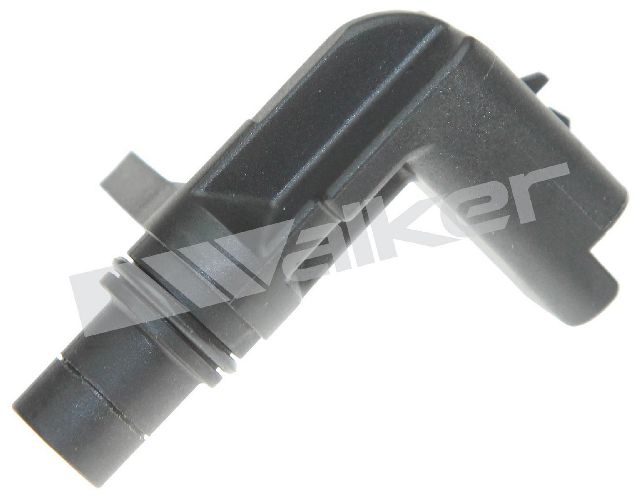
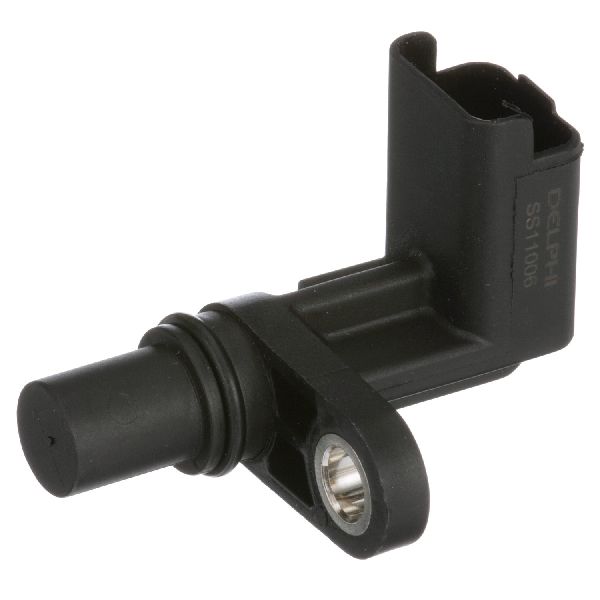
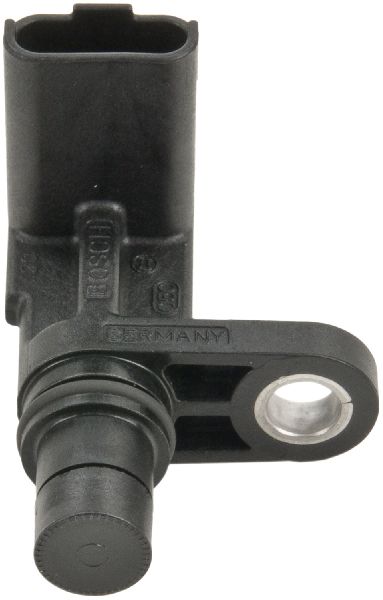
(OEM #13627588095)— This is the component directly identified by the code. It can fail on its own and is a relatively inexpensive and easy part to replace as a first step.
Trusted brands: Bosch, VDO, Delphi, NTK
OEM price range: $80-$120
Aftermarket price range: $40-$70
Related Codes That Often Appear With This One
- P0012 — 'A' Camshaft Position Timing Over-Retarded. This code often appears with P0341 when there is a mechanical timing issue, like a stretched chain.
- P0015 — 'B' Camshaft Position Timing Over-Retarded. Similar to P0012, this points to a timing correlation problem, often caused by the same root issues.
- P0300-P0304 — Random or specific cylinder misfire codes. Incorrect camshaft timing disrupts the engine's combustion cycle, leading to misfires.
- 2845 — A BMW/MINI specific code for VANOS actuator movement. This often points to a faulty VANOS solenoid, which can be a contributing factor to the P0341 code.
Technical Service Bulletins (TSBs) & Recalls
- SI M11 04 13: Describes the official procedure for checking timing chain for elongation. It may also recommend removing the oil pan to clean out fragments of broken guides.
- SI M01 07 16: Related to the limited warranty extension for the timing chain as part of the class-action settlement, providing claim processing information.
Platform-Specific Known Issues
- Timing Chain Warranty Extension & Class Action: → Shop Engine Timing Chain Due to a class-action lawsuit (O'Connor v. BMW), MINI extended the warranty on the timing chain and tensioner for certain 2007-2010 models with the N14 engine to 7 years or 100,000 miles. While this program has expired for most vehicles due to age, it highlights the widespread nature of the problem. Always check with a dealer for any potential open campaigns, though it is unlikely at this point.
Mechanic-Grade Diagnostic Values
- Camshaft Position Sensor Voltage Supply — expected: 4.5 to 5.5 Volts DC with ignition on.. Failure: Voltage outside this range indicates a wiring or DME issue.
- Camshaft Position Sensor Signal Voltage (Hall Effect Sensor) — expected: Fluctuates between near 0V and a higher voltage (can be 5V or 12V depending on pull-up circuit design) as the engine is rotated by hand.. Failure: Voltage stays fixed at 0V or the higher voltage, indicating a failed sensor.
- Camshaft Position Sensor to Reluctor Ring Air Gap — expected: 0.1 to 2.0 mm. Failure: An incorrect gap can cause signal errors. Ensure the sensor is fully seated and the bolt is torqued to 1.5 - 2 Nm.
- Camshaft Position Sensor Pinout (Common) — expected: Pin 1: 5V supply; Pin 2: Signal to DME; Pin 3: Ground. Note: Some diagrams may show Pin 2 as signal and Pin 3 as ground, always verify with a vehicle-specific diagram.. Failure: Incorrect voltages at any pin point to either a sensor, wiring, or DME fault.
Hidden / Shadow Codes Worth Checking
- 2845: VANOS, intake: actuator movement. This code points directly to a problem with the intake VANOS solenoid or mechanism, a common companion to P0341. (see via BMW/MINI specific scan tools like ISTA or advanced OBD-II scanners.)
- 2F7C: DME: Relay, main, activation. This code can indicate a problem with the DME's ability to activate its main relay, which could be a symptom of a larger internal DME fault that might also affect sensor processing. (see via BMW/MINI specific scan tools like ISTA.)
Scan Tool Commands That Help
- ISTA: Delete engine adaptation values / Reset adaptation values — After replacing timing components or VANOS solenoids, the VANOS adaptations must be reset. This function clears the learned values and forces the DME to relearn the camshaft positions. Failure to do this can cause persistent timing-related codes even after a successful mechanical repair.
- ISTA: VANOS test module — This service function allows the technician to command the VANOS solenoids to activate, helping to determine if the solenoid itself is functioning correctly or if it is stuck.
Wiring & Ground Locations
- X60004 — This is one of the main connectors at the DME (Engine Control Module).. The activation signal for the main DME relay originates from a pin on this connector (Pin 28). An issue here could point to a DME problem rather than a sensor issue.
- X167 / X151 — These are ground point designators used in BMW/MINI wiring diagrams. Their physical locations vary by model but are typically on the engine block or chassis near the DME.. A poor ground connection for the DME or the sensor circuit can cause erratic signals and trigger a P0341 code.
Real Owner Repair Stories
- North American Motoring user 'RedSkunk' (2006 MINI Cooper S (R53, supercharged - note: this is a Gen 1, but the code and symptoms are analogous) with 136,000+ miles) — Limp-home mode, severe lack of power, rough/lopey idle, stalling, and a persistent P0341 code after hitting a large bump. Owner also noted a rattling noise at startup for years.
❌ Tried (didn't work) Clearing the code (it came back immediately), Checking wiring harnesses
✅ What actually fixed it The timing chain had skipped two teeth. The final repair was a full timing service and camshaft replacement. - North American Motoring user 'rob_jones' (2010 MINI Cooper Base (N12) with 102,000 miles) — P0341 code and top-end clatter immediately after a cylinder head valve job and new timing chain installation.
❌ Tried (didn't work) Clearing codes, Swapping intake and exhaust cam sensors, Checking wiring and oil level, Swapping VANOS actuators
✅ What actually fixed it The user discovered that the flywheel can be locked in two positions 180 degrees apart. The initial timing was set with the cams 180 degrees out of phase with the crank. Correcting the cam timing relative to the locked crank resolved the issue.
OEM Part Supersession History
Older, shorter timing chain tensioners (e.g., 78mm length)→11317607551 (or interchangeable 11314609482)— The original tensioner design did not provide adequate tension, especially on cold starts or with slight chain stretch, leading to chain rattle and wear. The updated part is longer (approx. 82mm or 92mm depending on source) to provide more consistent tension.
Heads up: Using an old-style or short tensioner will not solve the underlying rattle and slack issues and is not recommended.
Model Year Variations Within This Range
- 2007-2010 (Cooper S), 2007-2012 (JCW): These models primarily used the N14 engine, which is most susceptible to timing chain failure and carbon buildup. It has a single VANOS system on the intake camshaft.
- 2011-2013: These models transitioned to the N16 (base) and N18 (Cooper S) engines. These engines feature an improved timing chain tensioner design from the factory and a dual VANOS system (intake and exhaust). While less frequent, timing chain issues can still occur. The N18 also has a different valve cover design and reduced carbon buildup issues compared to the N14.
- All N14 Engines: The N14 engine only has one camshaft position sensor, for the intake side.
Diagnostic Flowchart
Real Owner Stories
Aggregated from forums and TSBs cited above. Mileages and costs reflect what owners reported in those sources.
2010 MINI Cooper (N12) — 102000 miles
Symptoms: Check engine light with code P0341 immediately on startup, significant clatter from the top end of the engine.
What fixed it: The owner discovered that the flywheel can be locked in two positions 180 degrees apart during a timing chain replacement. After realizing the cams rotate at half the speed of the crank, they corrected the mechanical timing.
Source hint: North American Motoring forum
Related OBD-II Codes
Frequently Asked Questions
Is the 'death rattle' on my N14 MINI Cooper related to the P0341 code?
Does the timing chain warranty extension cover my 2007-2013 MINI Cooper?
How can I test if the camshaft position sensor is causing P0341 on my N12 or N16 engine?
What is the official procedure for checking timing chain stretch on these engines?
Can low engine oil cause the P0341 code on my MINI?
I just replaced the timing chain on my MINI and immediately got P0341. What did I do wrong?
Helpful Videos


We Have This Part in Stock


The information in this article is provided for general reference and educational purposes only. Vehicle specifications, procedures, and part compatibility can vary by production date, trim level, and region. Always consult your vehicle's factory service manual and verify part numbers before purchasing or performing repairs. Safety-critical components such as airbags, seat belts, and braking systems should be installed by a qualified professional.
- MINI Cooper:
- 🧭 Diagnostic Flowchart
- 🎬 Helpful Videos
- 🛍️ Shop This Part
- What's Unique About the 2007-2013 MINI Cooper
- Symptoms You May Notice
- Most Likely Causes
- Rare But Worth Checking
- Diagnosis Steps
- Parts You'll Likely Need
- Related Codes That Often Appear With This One
- Technical Service Bulletins (TSBs) & Recalls
- Platform-Specific Known Issues
- Mechanic-Grade Diagnostic Values
- Hidden / Shadow Codes Worth Checking
- Scan Tool Commands That Help
- Wiring & Ground Locations
- Real Owner Repair Stories
- OEM Part Supersession History
- Model Year Variations Within This Range
- Real Owner Stories
- 2010 MINI Cooper (N12) — 102000 miles
- Related OBD-II Codes
- Frequently Asked Questions
- 🎟️ Get 5% Off