

P0341 on 2009-2010 Pontiac G3: Camshaft Sensor Causes and Fixes
On a 2009-2010 Pontiac G3, the P0341 code is almost always caused by a failed camshaft position sensor. A GM Technical Service Bulletin (PIP5329C) directs technicians to replace the sensor as the primary fix. It's a relatively inexpensive part and a straightforward DIY repair, but using a quality OEM or Delphi replacement part is critical, as cheap aftermarket sensors are known to fail.
- P0341 on a 2009-2010 Pontiac G3 strongly points to a bad intake camshaft position sensor.
- A GM service bulletin (PIP5329C) confirms that sensor replacement is the most common and recommended fix.
- Symptoms include stalling, rough idle, and difficulty starting, which can escalate to a no-start condition.
- This is an inexpensive and easy DIY repair, but using a quality OEM or Delphi sensor is critical for a lasting fix.
- If a new, quality sensor does not solve the issue, the next most likely cause is a stretched or jumped timing belt, especially on higher-mileage vehicles.
What's Unique About the 2009-2010 Pontiac G3
The 2009-2010 Pontiac G3 is a rebadged Chevrolet Aveo and shares its 1.6L engine and electronics with the Aveo and Suzuki Swift+. For this specific platform, General Motors issued a Technical Service Bulletin (TSB #PIP5329C) that identifies a faulty camshaft position sensor as the most common culprit for the P0341 code. This makes diagnosis more straightforward than on other vehicles where the cause might be less obvious. Owner forums for the Chevrolet Aveo are filled with reports confirming this exact failure pattern.
Diagnostic Flowchart
Tap your situation to follow the diagnostic path that matches what you're seeing on this vehicle.
Symptoms You May Notice
- Check Engine Light is on
- Difficulty starting the engine, including crank-no-start scenarios
- Engine stalling, especially at low speeds or when coming to a stop
- Rough or uneven idle
- Hesitation or stumbling during acceleration
- Reduced engine power
- Replacing the crankshaft position sensor when the code points specifically to the camshaft sensor circuit.
- Replacing ignition coils or spark plugs without first addressing the sensor code.
- Using a cheap, low-quality aftermarket camshaft sensor that is faulty out of the box, leading to the assumption that the sensor was not the problem.
Most Likely Causes
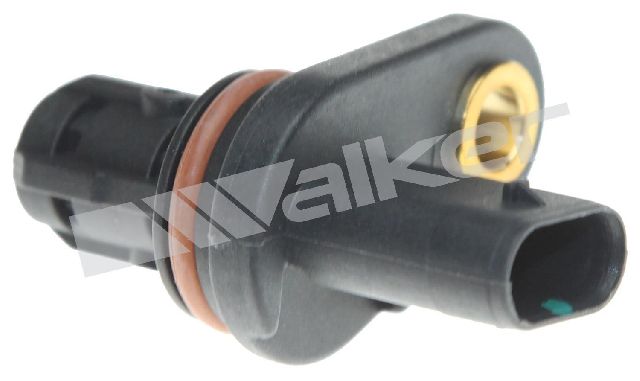
- Faulty Camshaft Position Sensor 🔴 High Probability → Shop Engine Camshaft Position Sensor A known issue documented by GM in TSB #PIP5329C, which specifically instructs technicians to replace the sensor to resolve this code. Forum discussions strongly indicate that cheap, non-OEM sensors often fail quickly or are defective out of the box, making it crucial to use a quality part from brands like ACDelco or Delphi.
How to confirm: After confirming the code with a scanner, the most practical step for this vehicle is to replace the sensor, given the TSB. Alternatively, the sensor's signal can be tested with an oscilloscope to look for a clean square wave pattern.
Typical fix: Replace the intake camshaft position sensor. The 1.6L engine has two sensors (intake and exhaust); P0341 refers to the intake sensor ('A' circuit). Many owners replace both at the same time as a preventative measure.
Est. part cost: $15-$60 - Wiring or Connector Issue 🟡 Medium Probability The wiring harness can become brittle from heat and age. The connector's locking tab is also fragile and can break, leading to a poor connection.
How to confirm: Visually inspect the wiring harness and connector leading to the camshaft position sensor for any signs of damage, corrosion, oil contamination, or loose connections. Wiggle the connector with the engine running to see if it causes a change in idle.
Typical fix: Repair the damaged section of wire or clean/replace the connector pigtail.
Est. part cost: $5-$25 - Timing Belt Problem ⚪ Low Probability → Shop Engine Timing Chain The 1.6L LXV is an interference engine with a timing belt that has a recommended service interval of around 100,000 miles. If the belt stretches or jumps a tooth, the cam/crank correlation will be incorrect, triggering P0341 even with a good sensor.
How to confirm: If a new, quality sensor doesn't fix the code, the next step is to inspect the timing belt for proper tension and alignment. This is especially suspect on vehicles with over 80,000-100,000 miles or where the belt's service history is unknown.
Typical fix: Replace the timing belt, tensioner, and idler pulley. It is also common practice to replace the water pump at the same time.
Est. part cost: $100-$250
Rare But Worth Checking
- Magnetized Cylinder Head Components: TSB #PIP5329C mentions a rare scenario where if the code returns after sensor replacement, it could be due to magnetized components in the head, often from improper welding during a prior collision repair. The fix is a complete cylinder head replacement.
- Damaged Camshaft Reluctor Wheel: → Shop Engine Camshaft The wheel on the camshaft that the sensor reads can be damaged, bent, or loose, though this is uncommon. Another GM TSB (#PIP5822B) for a different engine notes that a bent exciter wheel can cause a P0341 code.
- Failing Engine Control Module (ECM): This is a very rare cause and should only be considered after all other possibilities, including wiring and mechanical timing, have been exhausted.
Diagnosis Steps
- Use an OBD-II scanner to confirm P0341 is the active code and check for any other related codes like P0366 or P0016. 🎬 Watch a mechanic diagnose and swap the intake camshaft sensor.
- Inspect the wiring and connector for the intake camshaft position sensor (located on the valve cover) for obvious damage, oil contamination, or loose connections.
- Given the high probability from TSB #PIP5329C, the most direct step is to replace the camshaft position sensor. Crucially, use a quality OEM (ACDelco) or reputable aftermarket (Delphi) sensor. Cheap sensors are a common cause of repeat failures.
- When installing the new sensor, apply a small amount of dielectric grease to the connector pins to ensure a good seal against moisture.
- Clear the code with the scanner and test drive the vehicle. If the code does not return, the repair is complete.
- If the code returns, re-inspect the wiring. Test the sensor circuit for proper voltage (typically 5V reference), ground, and signal. 🎬 See how to perform electrical tests on the sensor circuit.
- If wiring and the new sensor are confirmed good, the next step is to inspect the mechanical timing. Check the timing belt for wear, proper tension, and correct alignment, especially if the vehicle is over 100,000 miles.
- As a final, rare step, consider a faulty ECM or the possibility of magnetized head components as noted in the TSB.
Parts You'll Likely Need
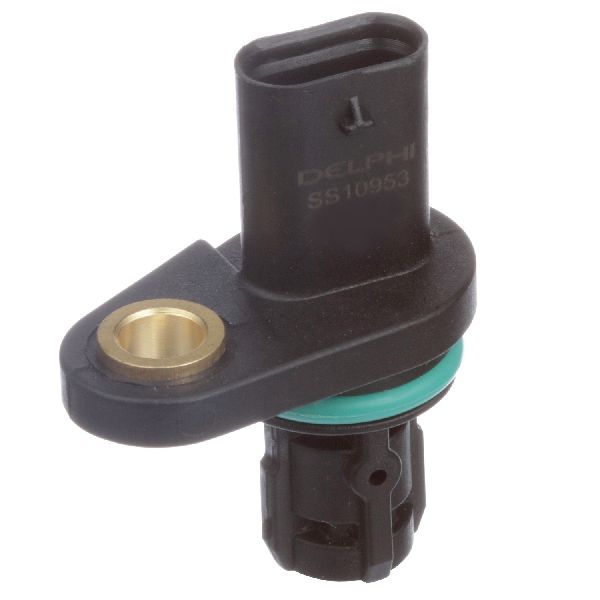
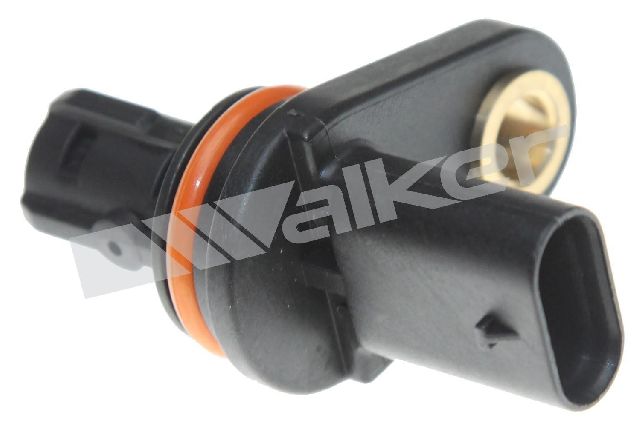
- Intake Camshaft Position Sensor
(OEM #55565708)— This is the most common failure part for code P0341 on this vehicle, as confirmed by GM's own service bulletin and numerous owner reports.
Trusted brands: ACDelco (OEM), Delphi (OEM supplier), NTK
OEM price range: $40-$60
Aftermarket price range: $15-$40 - Exhaust Camshaft Position Sensor
(OEM #55565709)— Often replaced preventatively along with the intake sensor to avoid a future P0366 code. The sensors are physically similar and subject to the same conditions. Some aftermarket brands may use the same part number for both positions.
Trusted brands: ACDelco (OEM), Delphi (OEM supplier), NTK
OEM price range: $40-$60
Aftermarket price range: $15-$40
Related Codes That Often Appear With This One
- P0366 — This code refers to the 'B' (exhaust) camshaft position sensor. TSB #PIP5329C mentions that P0341 and P0366 can appear together, indicating a potential issue with both sensors or their shared circuitry. It's common practice to replace both sensors at the same time.
- P0340 — This is a general circuit malfunction code for the same sensor. P0341 indicates a performance issue (e.g., an erratic signal), while P0340 points to a complete loss of signal or electrical fault (e.g., an open or shorted circuit).
- P0016 — This indicates a Crankshaft/Camshaft Position Correlation error. If seen with P0341, it points more strongly towards a mechanical timing issue like a stretched or jumped timing belt, rather than just a faulty sensor.
Technical Service Bulletins (TSBs) & Recalls
- PIP5329C: States that for a P0341 and/or P0366 code, the recommended action is to replace the related Camshaft Position (CMP) sensor. It also notes a rare cause of magnetized head components if the code returns after replacement.
Platform-Specific Known Issues
- A Technical Service Bulletin (PIP5329C) was issued by GM specifically for the 2009-2010 Pontiac G3 (and related vehicles) which identifies replacing the camshaft position sensor as the primary fix for a P0341 code.
- Owner experiences on forums for the identical Chevrolet Aveo frequently warn against using inexpensive, unbranded aftermarket sensors, as they are reported to fail quickly or be dead-on-arrival, causing the P0341 code to return immediately.
Mechanic-Grade Diagnostic Values
- Camshaft Position Sensor Power Supply Voltage at Connector Pin 1 (Gray wire) — expected: 5 Volts (with key on, engine off). Failure: 0V or significantly less than 5V points to a wiring or ECM power supply issue.
- Camshaft Position Sensor Signal Wire Voltage at Connector Pin 2 (Green wire) — expected: 5 Volts (with key on, engine off). Failure: 0V or a significantly different voltage suggests a problem with the sensor or the signal wire to the ECM.
- Camshaft Position Sensor Ground Circuit Continuity at Connector Pin 3 (White wire) — expected: Near 0 Ohms to a known good ground. Failure: High resistance or an open circuit (OL) indicates a broken or corroded ground wire.
- Intake Camshaft Position Sensor Signal at ECM Connector X2 — expected: A square wave signal should be present on Pin 56 (Yellow wire) when the engine is running.. Failure: No signal or an erratic signal indicates a problem with the sensor or the wiring between the sensor and the ECM.
Scan Tool Commands That Help
- Tech2 / GDS2 / High-End Scan Tool: Crankshaft Position Variation Learn — This procedure may be required if the P0341 code is accompanied by other timing correlation codes (like P0016) or after replacing the ECM. It synchronizes the signals from the crank and cam sensors with the ECM. Failure to perform this when required can result in a persistent check engine light (P1336 on some models).
- High-End Scan Tool: Camshaft Sensor Relearn — Some advanced scan tools offer a specific function to reset ECM adaptations after a new camshaft sensor is installed, ensuring the module correctly interprets the new sensor's signal.
Wiring & Ground Locations
- G103 — On the engine block, below the Engine Control Module (ECM).. This is a primary ground point for the engine control system. A corroded or loose G103 can cause erratic sensor readings and trigger various engine codes, including P0341, even if the sensor and its direct wiring are good.
- CMP Sensor Connector — On the intake camshaft position sensor, located on the rear (firewall side) of the valve cover.. This 3-pin connector is a common point of failure due to heat, vibration, and oil contamination. Pin 1 is 5V power, Pin 2 is the signal, and Pin 3 is ground. Testing at these pins is the fastest way to diagnose the circuit.
- ECM Connector X2, Pin 56 — The ECM is located on the left front fender, near the battery. Pin 56 is on the larger of the two main connectors.. This is the specific pin where the intake camshaft position sensor signal (from a Yellow wire) terminates at the ECM. Testing for a signal here can confirm if the entire circuit from the sensor to the ECM is intact.
Real Owner Repair Stories
- aveoforum.com (2009 Chevrolet Aveo (identical platform)) — Check Engine Light with code P0341.
❌ Tried (didn't work) Replacing the camshaft position sensor with a cheap, non-OEM aftermarket part from an auto parts store.
✅ What actually fixed it The code returned almost immediately after installing the cheap sensor. The problem was resolved only after replacing the sensor again, this time with a genuine Delphi (OEM supplier) part. This highlights the known issue of poor quality aftermarket sensors for this specific application.
OEM Part Supersession History
55565708→25195555— Part number consolidation and potential design revision by GM.
Heads up: The two part numbers are generally interchangeable for this application, but it is always best to verify fitment with the vehicle's VIN when ordering.
Helpful Videos
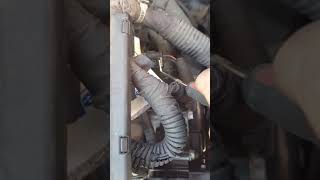
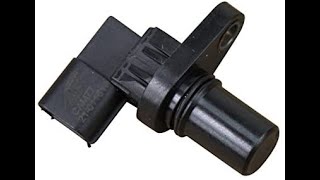

![How to Fix P0341 Engine Code in 3 Minutes [2 DIY Methods / Only $9.45]](https://img.youtube.com/vi/y3mPQ48c-_Q/mqdefault.jpg)
We Have This Part in Stock


The information in this article is provided for general reference and educational purposes only. Vehicle specifications, procedures, and part compatibility can vary by production date, trim level, and region. Always consult your vehicle's factory service manual and verify part numbers before purchasing or performing repairs. Safety-critical components such as airbags, seat belts, and braking systems should be installed by a qualified professional.
- Pontiac G3:
- 🧭 Diagnostic Flowchart
- 🎬 Helpful Videos
- 🛍️ Shop This Part
- What's Unique About the 2009-2010 Pontiac G3
- Symptoms You May Notice
- Most Likely Causes
- Rare But Worth Checking
- Diagnosis Steps
- Parts You'll Likely Need
- Related Codes That Often Appear With This One
- Technical Service Bulletins (TSBs) & Recalls
- Platform-Specific Known Issues
- Mechanic-Grade Diagnostic Values
- Scan Tool Commands That Help
- Wiring & Ground Locations
- Real Owner Repair Stories
- OEM Part Supersession History
- 🎟️ Get 5% Off