

P0341 on 2005-2010 Scion tC: Camshaft Sensor Causes and Fixes
On a 2005-2010 Scion tC, code P0341 is most often a failing camshaft position sensor or a wiring issue. However, due to known oil consumption issues with the 2AZ-FE engine, always check your oil level first, as low oil can cause this code by affecting the VVT system. A new OEM sensor costs between $65 and $90, while aftermarket options range from $25 to $85.
- Always check your engine oil level first on a 2005-2010 Scion tC before diagnosing a P0341 code.
- The most common fix is replacing the camshaft position sensor, which is an affordable and accessible DIY job.
- Inspect the sensor's wiring and connector carefully for damage, as this is a common point of failure.
- If the problem persists after checking oil and replacing the sensor, a stretched timing chain is a possibility that may require professional diagnosis.
What's Unique About the 2005-2010 Scion tC
The 2AZ-FE engine used in this generation of Scion tC has a well-documented history of excessive oil consumption due to piston ring design, which was addressed by a warranty enhancement program (ZE7) and detailed in TSB S-SB-0024-11. This is critical for code P0341 because low or dirty engine oil can starve the Variable Valve Timing (VVT) system, causing the camshaft timing to be incorrect and triggering this code even if the sensor is perfectly fine. Therefore, checking the engine oil level and condition is a mandatory first step on this specific vehicle before replacing any parts. Many owners have reported that simply topping off or changing the oil has resolved the code.
Symptoms You May Notice
- Check Engine Light is on
- Engine is hard to start or cranks for a long time
- Engine stalls, especially at idle or low speeds
- Rough or unstable idle
- Hesitation or stumbling during acceleration
- Noticeable loss of engine power
- Reduced fuel economy
- Engine misfires
- Replacing the crankshaft position sensor. While related, a P0341 code specifically points to the camshaft sensor 'A' (intake) circuit, not the crankshaft sensor.
- Immediately replacing the camshaft sensor without checking the oil level first. On the 2AZ-FE, low oil is a very common cause and should be the first check.
Most Likely Causes
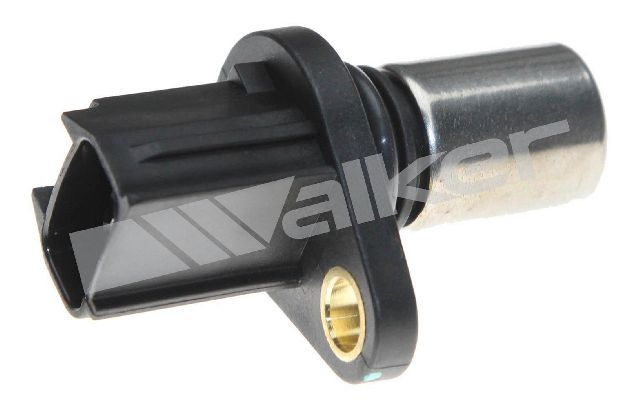
- Failing Camshaft Position Sensor 🔴 High Probability → Shop Engine Camshaft Position Sensor Sensors are a common failure point due to heat cycles and age. Aftermarket sensors, in particular, are noted in forums to have a higher failure rate than the OEM Denso part.
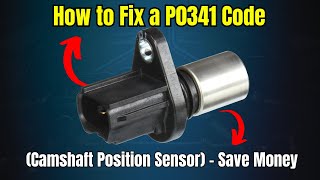
How to confirm: After verifying wiring is intact and oil level is correct, this is the most likely component failure. The sensor can be tested with a multimeter for resistance (typically 200-900 ohms) or by observing its signal on an oscilloscope. The easiest confirmation for a DIYer is often replacement, as it's an accessible and relatively inexpensive part located on the top of the cylinder head. 🎬 Watch: A helpful guide on fixing the P0341 code yourself.
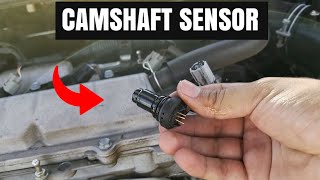
Typical fix: Replace the camshaft position sensor. It is located on the top of the cylinder head (intake side) and held in by a single 10mm bolt.
Est. part cost: $25-$85 - Low or Dirty Engine Oil 🔴 High Probability The 2AZ-FE engine is known for excessive oil consumption due to piston ring design flaws. Low oil pressure affects the performance of the VVT (Variable Valve Timing) system, which can cause the camshaft to be out of phase with the crankshaft, triggering a P0341 code.
How to confirm: Check the engine oil dipstick. If the oil level is low or the oil is very dirty/sludgy, this is a very likely contributor to the problem. Many owners on forums for 2AZ-FE powered vehicles report P0341 appearing when the oil level is low.
Typical fix: Top off or change the engine oil and filter. Use the correct viscosity (5W-20). Reset the code and see if it returns. Monitor oil consumption closely as per TSB S-SB-0031-14.
Est. part cost: $30-$70 - Damaged Wiring or Connector 🟡 Medium Probability The wiring harness can become brittle over time from engine heat. In some cases, the harness can rub against other components, like an A/C pulley, causing a short.
How to confirm: Visually inspect the wiring harness and connector for the camshaft position sensor. Look for frayed or melted insulation, corrosion in the connector pins, or a loose connection. Use a multimeter to check for 5V reference and ground at the connector with the key on.
Typical fix: Repair the damaged section of wiring or clean/replace the connector pigtail.
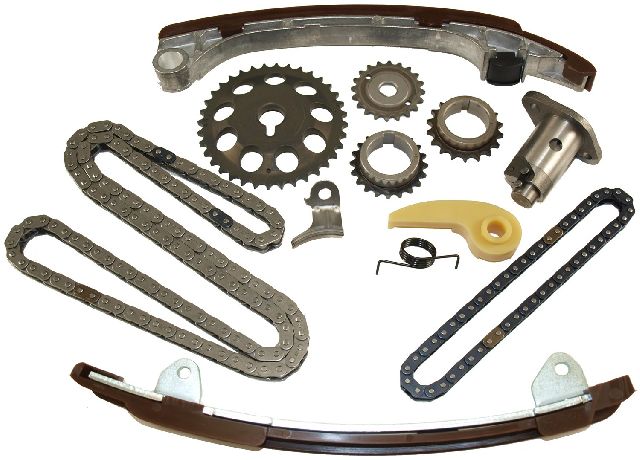
Est. part cost: $5-$50 - Stretched Timing Chain ⚪ Low Probability → Shop Engine Timing Chain While not extremely common, the 2AZ-FE can suffer from stretched timing chains at higher mileage (typically over 150,000 miles), which directly causes cam/crank correlation issues.
How to confirm: This is a more advanced diagnosis. A key symptom is a rattling noise from the front of the engine (passenger side) on a cold start that lasts for a few seconds. A mechanic can confirm by checking cam/crank deviation with a professional scan tool or by physically inspecting the chain tensioner and guides.
Typical fix: Replace the timing chain, tensioner, and guides. This is a labor-intensive job.
Est. part cost: $200-$500
Rare But Worth Checking
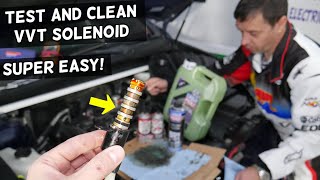
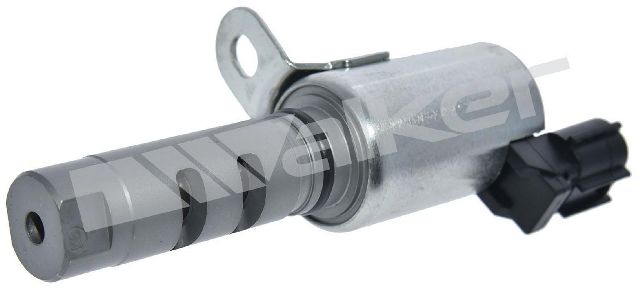
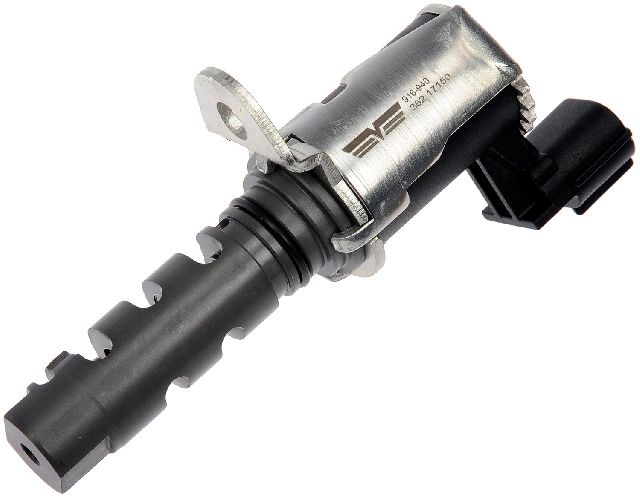
- Failing VVT Solenoid (Oil Control Valve): A dirty or failing VVT solenoid can cause the camshaft to be stuck in one position, leading to a timing correlation error. It is located near the camshaft sensor and can often be cleaned by removing it and clearing its internal screen and passages before replacement is deemed necessary. 🎬 See how to properly test and clean your VVT solenoid. This is often a cause for P0011/P0012 but can also contribute to P0341.
- Failing Engine Control Module (ECM): This is very rare. The ECM should only be considered after all other possibilities, including sensors, wiring, and mechanical timing, have been exhaustively ruled out.
- Damaged Reluctor Wheel: The teeth on the camshaft that the sensor reads can be damaged during engine work, although this is highly unlikely unless the engine has been recently disassembled.
Diagnosis Steps
- Check the engine oil level and condition. Top off or change if necessary. This is a critical first step for the 2AZ-FE engine.
- Scan for any other trouble codes. If codes like P0011 or P0012 are present, it may point more strongly to a VVT or oiling issue.
- Visually inspect the camshaft position sensor's wiring and connector for any signs of damage, corrosion, or looseness. Ensure it's not routed too close to ignition components.
- With the key on and engine off, use a multimeter to verify 5V reference voltage and a good ground at the sensor connector.
- If wiring is good and oil is full, the most likely cause is the sensor itself. Replace the camshaft position sensor, preferably with an OEM Denso part.
- If the code returns after replacing the sensor, investigate the mechanical timing. Listen for a rattling timing chain on cold starts.
- Consider testing or cleaning the VVT solenoid (Oil Control Valve). Check its filter screen for sludge.
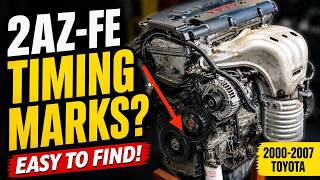
- If timing components are suspected, consult a professional for diagnosis, as this requires significant disassembly to inspect. 🎬 Watch: How to check the 2AZ-FE timing chain alignment marks.
Parts You'll Likely Need
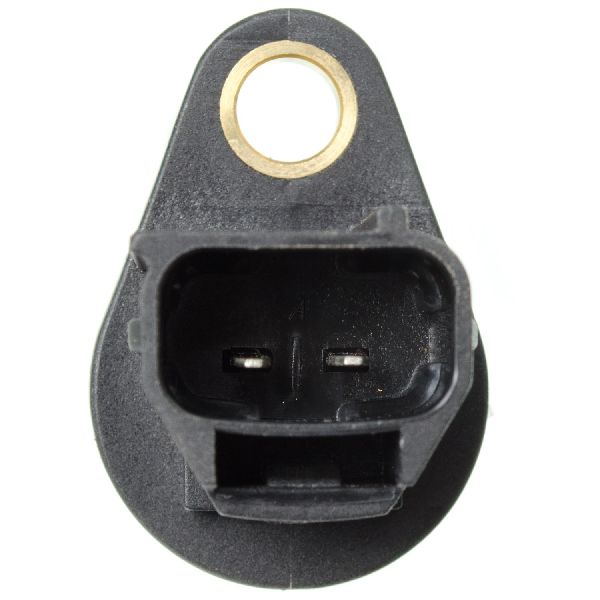
- Camshaft Position Sensor
(OEM #90080-19014)— This sensor is the most common electronic component to fail in this circuit and is a straightforward replacement. The OEM part number 90080-19014 supersedes the older number 90919-05026.
Trusted brands: Denso (OEM), NTK, Standard Motor Products (SMP)
OEM price range: $65-$90
Aftermarket price range: $25-$85 - VVT Solenoid / Oil Control Valve
(OEM #15330-28020)— If the issue is caused by a faulty VVT system due to sludge or failure, this part will be needed. It's often clogged by dirty oil, a common issue on the 2AZ-FE.
Trusted brands: Denso (OEM), Dorman, Aisin
OEM price range: $100-$130
Aftermarket price range: $40-$80 - Timing Chain Kit — If the timing chain has stretched, a full kit including the chain, guides, and tensioner is required to properly fix the mechanical timing issue.
Trusted brands: Cloyes, AISIN
OEM price range: $300-$500
Aftermarket price range: $150-$250
Related Codes That Often Appear With This One
- P0340 — This code indicates a general malfunction in the same camshaft position sensor circuit, while P0341 points to a performance/range problem. They often appear together.
- P0011 / P0012 — These codes relate to 'A' Camshaft Position Timing (Over-Advanced / Over-Retarded). They can be caused by the same underlying VVT system, VVT solenoid, or oil pressure issues that trigger P0341.
- P030x (e.g., P0301, P0302) — Misfire codes can be a symptom of the incorrect timing information provided by the faulty camshaft sensor circuit. TSB S-SB-0031-14 also notes that misfire codes can be set as a result of the oil consumption issue.
Technical Service Bulletins (TSBs) & Recalls
- S-SB-0024-11 (Rev2) - Details the repair procedure for excessive oil consumption on the 2AZ-FE engine, which involves replacing the piston and piston ring set.
- S-SB-0031-14 - Details the
Platform-Specific Known Issues
- This engine is subject to Toyota's Warranty Enhancement Program (ZE7) for excessive oil consumption. Low oil levels resulting from this condition can trigger P0341 by causing the VVT system to malfunction.
- A user on ScionLife.com with a 2AZ-FE engine and P0341 code found the cause to be a damaged wiring harness for the *crankshaft* sensor that was shorting on the A/C pulley. While a different sensor, it highlights the vulnerability of harnesses in that area.
Mechanic-Grade Diagnostic Values
- Camshaft Position Sensor Resistance — expected: 835 to 1,400 Ω (cold), 1,060 to 1,645 Ω (hot).. Failure: Resistance outside of these ranges indicates a faulty sensor coil.
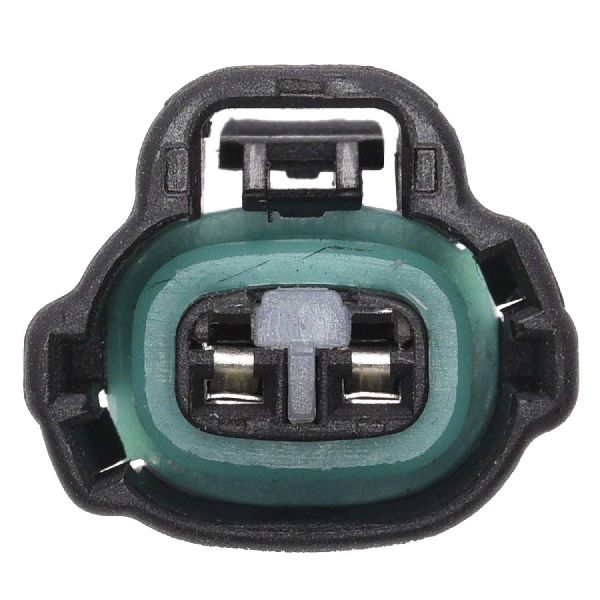
- Camshaft Position Sensor Connector Voltage (Key On, Engine Off) — expected: Pin 1 (Power from ECM): ~5V. Pin 2 (Signal): ~5V. Pin 3 (Ground): Near 0V with good continuity to ground.. Failure: No voltage on the power or signal wire, or high resistance on the ground wire, points to a wiring or ECM issue.
- Camshaft Position Sensor Signal (Oscilloscope) — expected: A clean, repeating square wave alternating between approximately 0V and 5V as the engine runs.. Failure: A missing, erratic, distorted, or noisy waveform indicates a failing sensor or a problem with the camshaft's reluctor teeth.
- VVT Solenoid (Oil Control Valve) Resistance — expected: 6.9 to 7.9 Ω at 20°C (68°F).. Failure: Resistance outside this range suggests the solenoid coil is failing.
Scan Tool Commands That Help
- Toyota Techstream: Active Test: Control the VVT System (or VVT System Bank 1) — This command allows the technician to manually activate the VVT solenoid (Oil Control Valve). When activated at idle, the engine should run rough or stall. If there is no change in engine operation, it indicates a problem with the VVT solenoid, oil passages (sludge), or the VVT phaser itself, which are all known root causes of P0341 on this engine.
Wiring & Ground Locations
- Camshaft Position Sensor Connector — On the top of the cylinder head, on the intake (firewall) side of the engine.. This is the primary point for testing sensor voltage, signal, and ground. The wiring harness here is exposed to significant heat and can become brittle.
- ECM Pins (G2+, G2-) — At the Engine Control Module (ECM), which is typically located behind the glove box. The Camshaft Position Sensor signals are G2+ and G2-.. Allows for continuity testing of the sensor wiring from the sensor connector all the way to the ECM, ruling out a break in the harness.
- Ground Point EG — On the left side of the cylinder head.. A poor engine ground can cause erratic behavior from various sensors, including the camshaft position sensor. This is a primary ground point for the engine sensor harness.
- Ground Point EH — On the intake side of the cylinder block.. This is another critical engine block ground. Verifying it is clean and tight is a key step in diagnosing any electrical issue on the engine.
Real Owner Repair Stories
- ScionLife.com forum user (Scion with 2AZ-FE engine (specific model xB, but same engine and common issue)) — Engine shuts off while driving and won't restart, throwing code P0341.
❌ Tried (didn't work) Replaced camshaft position sensor, Replaced crankshaft position sensor, Replaced VVT sensor, Replaced fuel pump
✅ What actually fixed it The wiring harness for the CRANKSHAFT position sensor had rubbed against the A/C pulley, causing a short. The damaged wire was barely visible. Repairing the wire resolved the P0341 code.
OEM Part Supersession History
90919-05026→90080-19014— Standard part number consolidation and potential minor design revision by Toyota.
Heads up: The new part number 90080-19014 is a direct replacement for 90919-05026 and is fully compatible.
Model Year Variations Within This Range
- 2007-2010 vs 2005-2006: The 2AZ-FE engine was updated for the 2007 model year. The later engines (07-10) have a slightly higher compression ratio (9.8:1 vs 9.6:1), piston oil squirters for better cooling, and potentially more aggressive camshaft profiles. While the P0341 diagnosis is largely the same, these internal differences mean swapping a long block between the year ranges may require using the original engine's ECU and sensors to ensure compatibility.
Diagnostic Flowchart
Real Owner Stories
Aggregated from forums and TSBs cited above. Mileages and costs reflect what owners reported in those sources.
Scion xB (2.4L 2AZ-FE)
Symptoms: Engine shuts off, won't start, and threw a P0341 code.
What fixed it: Repaired a damaged wiring harness to the crankshaft sensor that was shorting against the A/C pulley.
Source hint: ScionLife.com - xB Shuts off / Won't Start - P0341 Code
Related OBD-II Codes
Frequently Asked Questions
Is my 2005-2010 Scion tC's oil consumption related to the P0341 code?
Are there any TSBs or warranty programs for the oil consumption issue on this engine?
Should I buy an aftermarket camshaft position sensor for my Scion tC?
I have a P0341 code and hear a rattling noise on cold starts. What does this mean?
Could wiring be causing the P0341 code on my 2.4L engine?
Helpful Videos
We Have This Part in Stock

The information in this article is provided for general reference and educational purposes only. Vehicle specifications, procedures, and part compatibility can vary by production date, trim level, and region. Always consult your vehicle's factory service manual and verify part numbers before purchasing or performing repairs. Safety-critical components such as airbags, seat belts, and braking systems should be installed by a qualified professional.
- Scion tC:
- 🧭 Diagnostic Flowchart
- 🎬 Helpful Videos
- 🛍️ Shop This Part
- What's Unique About the 2005-2010 Scion tC
- Symptoms You May Notice
- Most Likely Causes
- Rare But Worth Checking
- Diagnosis Steps
- Parts You'll Likely Need
- Related Codes That Often Appear With This One
- Technical Service Bulletins (TSBs) & Recalls
- Platform-Specific Known Issues
- Mechanic-Grade Diagnostic Values
- Scan Tool Commands That Help
- Wiring & Ground Locations
- Real Owner Repair Stories
- OEM Part Supersession History
- Model Year Variations Within This Range
- Real Owner Stories
- Scion xB (2.4L 2AZ-FE)
- Related OBD-II Codes
- Frequently Asked Questions
- 🎟️ Get 5% Off