

P0341 on 2011-2013 Subaru Forester: Camshaft Sensor Causes, TSBs, and Fixes
On a 2011-2013 Forester, P0341 is most often caused by an incorrect camshaft sensor air gap or outdated engine computer software, both covered by Subaru Technical Service Bulletins (TSBs). Before replacing parts, check with a dealer about TSB 11-130-13R (sensor shim) and TSB 11-137-14 (reprogram). If those don't apply, a faulty sensor is the next likely cause, costing $40-$80 for an aftermarket part. In some cases, a failing AVCS oil control solenoid can also trigger this code.
- Do not immediately buy a new camshaft sensor. The most likely cause for P0341 on this specific Forester is a known issue that requires a dealer-installed software update or a simple shim.
- Call a Subaru dealer with your VIN and ask about TSB 11-130-13R and TSB 11-137-14.
- If you do replace the sensor, also replace the small O-ring (P/N 13099AA050).
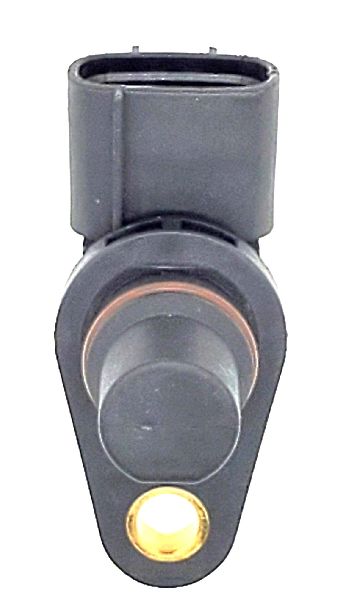
- The sensor for this code is on the passenger side of the engine (Bank 1) and monitors the intake camshaft.
- Driving with this code can be unsafe due to potential stalling; address it promptly.
What's Unique About the 2011-2013 Subaru Forester
For the 2011-2013 Forester with the then-new FB25B timing-chain engine, this code is uniquely tied to specific manufacturing tolerances and software issues identified after the vehicle's release. Unlike many vehicles where this code points directly to a bad sensor, Subaru issued two key Technical Service Bulletins (TSBs). TSB 11-130-13R addresses an incorrect physical air gap between the sensor and the camshaft reluctor, requiring a shim for correction. TSB 11-137-14 involves an ECM software update to prevent the code from being set incorrectly by logic that is too sensitive. These two issues are the most probable causes and should be investigated before replacing any parts, as simply swapping the sensor often fails to fix the problem.
🎬 Watch: Understanding P0341 causes and common fixesSymptoms You May Notice
- Check Engine Light is on (often with flashing cruise control and brake lights)
- Engine is difficult to start or requires extended cranking
- Engine won't start on the first try, but may start on the second
- Engine stalls, especially at idle or low speeds
- Rough idling
- Hesitation, stumbling, or lurching during acceleration
- Reduced engine power and performance
- Decreased fuel economy
- Immediately replacing the camshaft position sensor without first checking for applicable TSBs. Many owners replace the sensor only to have the code return because the root cause was the sensor's air gap or the ECM software.
Most Likely Causes
- Incorrect Camshaft Position Sensor Air Gap 🔴 High Probability → Shop Engine Camshaft Position Sensor A known issue addressed by Subaru TSB 11-130-13R, which supersedes several earlier bulletins. Manufacturing variations in the timing cover or sensor plate can cause the sensor's clearance to be out of specification, leading to an erratic signal that the ECM flags as a performance issue. TSB Bulletin #11-100-11R further clarifies that if this condition is verified, a shim must be added to the Bank 1 (right hand) camshaft position sensor to bring the air gap into specification.
How to confirm: The air gap must be measured with a depth micrometer or digital caliper as per the TSB's procedure. The measurement is taken between the sensor mounting surface and the camshaft reluctor plate. The target specification is 1.25mm to 1.35mm.
Typical fix: Install the correct thickness shim (from Shim Kit P/N 10130AA060) between the sensor and the timing cover to bring the air gap into the target specification. The kit contains 8 shims of varying thickness (0.1mm to 0.8mm).
Est. part cost: $20-$40 for the shim kit. - Outdated Engine Control Module (ECM) Software 🔴 High Probability The original ECM logic may be too sensitive, falsely triggering P0341. Subaru released updated software to correct this, referenced in TSB 11-137-14. This TSB specifically mentions correcting false P0341/P0346 codes.
How to confirm: A Subaru dealer or a properly equipped independent shop can check the current software calibration ID against the TSB to see if an update is available for your vehicle's VIN.
Typical fix: Reprogramming (reflashing) the ECM with the updated software file. This must be done by a dealer or a shop with a J2534 pass-thru device and a Subaru software subscription.
Est. part cost: $0 (if under warranty) to $150-$250 for the labor to reprogram. - Failing Camshaft Position Sensor 🟡 Medium Probability → Shop Engine Camshaft Position Sensor The sensor is an electronic component that can fail over time due to heat cycles and vibration. Owners often replace this part, but it's crucial to rule out the TSBs first, as many have replaced the sensor only for the code to return.
How to confirm: After ruling out TSBs, test the sensor. You can check for a consistent signal using an oscilloscope or multimeter. A common DIY method is to swap the Bank 1 (passenger side) and Bank 2 (driver side) intake cam sensors. Clear the codes and drive. If the code changes to P0346 (for Bank 2), the sensor is confirmed bad.
Typical fix: Replace the Bank 1 (right side, intake) camshaft position sensor and the one-time-use O-ring (P/N 13099AA050). Torque the retaining bolt to 6.4 Nm (56.4 inch-pounds).
Est. part cost: $40-$80 for aftermarket, $95-$150 for OEM. - Wiring Harness or Connector Issue ⚪ Low Probability The engine bay environment can cause wires to become brittle or connectors to corrode. Oil leaking from the valve cover can also contaminate the connector.
How to confirm: Visually inspect the wiring harness and the connector for the Bank 1 intake cam sensor for any signs of damage, chafing, or corrosion. Use a multimeter to check for proper voltage and ground at the connector.
Typical fix: Repair the damaged section of the wiring harness or clean/replace the sensor connector.
Est. part cost: $5-$50 for repair materials.
Rare But Worth Checking
- Failing AVCS Solenoid (Oil Control Valve): A failing or clogged oil control valve (OCV) for the Bank 1 intake camshaft can get stuck or become slow to respond. This causes the actual cam position to deviate from the ECM's commanded position, which can set a P0341 code. One owner on subaruforester.org reported this as the ultimate fix after replacing sensors didn't work. 🎬 See how to diagnose a failing AVCS solenoid This is more likely if oil changes have been neglected.
- Low or Dirty Engine Oil: The FB25 engine uses the AVCS (Active Valve Control System), which relies on clean oil and proper pressure to adjust cam timing. If the oil is low or sludged, the AVCS solenoid may not function correctly, preventing the camshaft from reaching its target position and triggering a performance code. This is especially relevant given the known oil consumption issues with early FB25 engines.
- Stretched Timing Chain or Failed Tensioner: → Shop Engine Timing Chain While less common than on older timing belt engines, the timing chain on the FB25 can stretch over high mileage. This changes the physical relationship between the cam and crank, causing a correlation code like P0341. This is a major mechanical repair often preceded by a rattling noise on startup or at idle.
Diagnosis Steps
- Check engine oil level and condition. Given the FB25's tendency for oil consumption, this is a critical first step. Top off or change if low or dirty. An oil change alone has reportedly cleared the code for some owners, at least temporarily.
- Use an OBD-II scanner to confirm P0341 and check for any other codes. Note if the code is listed as pending, confirmed, or permanent.
- Crucial Step: Contact a Subaru dealer with your VIN to see if TSB 11-130-13R (shim) or TSB 11-137-14 (ECM reprogram) are open or apply to your vehicle. This should be done before purchasing any parts.
- If TSBs are not the cause, inspect the Bank 1 (passenger side) intake camshaft sensor connector and wiring for any visible damage, corrosion, or loose connections. Ensure the connector is not full of oil.
- If wiring is good, test the sensor. The most definitive DIY test is to swap the Bank 1 and Bank 2 intake cam sensors. They are identical parts. Clear the codes and drive the vehicle. If the code returns as P0346 (for Bank 2), the original sensor is faulty.
- If the code remains P0341 after the swap, the issue is not the sensor itself. The problem lies in the circuit, air gap, or a mechanical issue (timing chain, AVCS solenoid).
- If you have advanced tools, follow the procedure in TSB 11-130-13R to measure the sensor air gap. This requires a digital caliper or depth micrometer.
- If all else fails, the problem may be mechanical. Consider the AVCS solenoid (oil control valve) for Bank 1 intake as the next likely culprit, especially if oil maintenance has been poor. A professional diagnosis may be needed to check timing chain stretch.
Parts You'll Likely Need
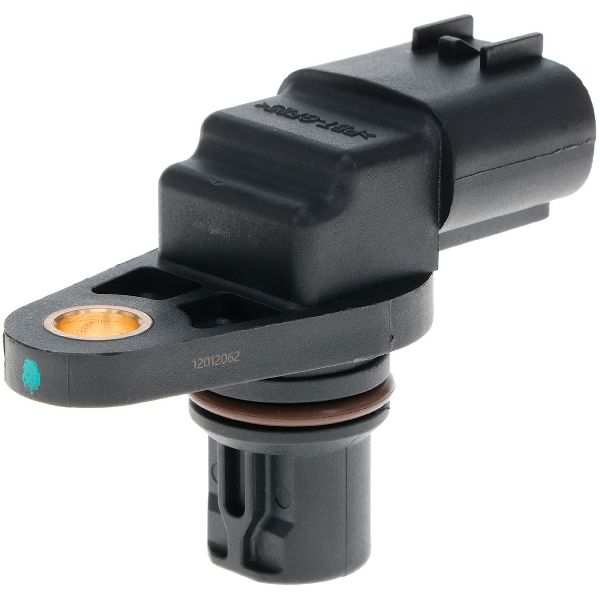
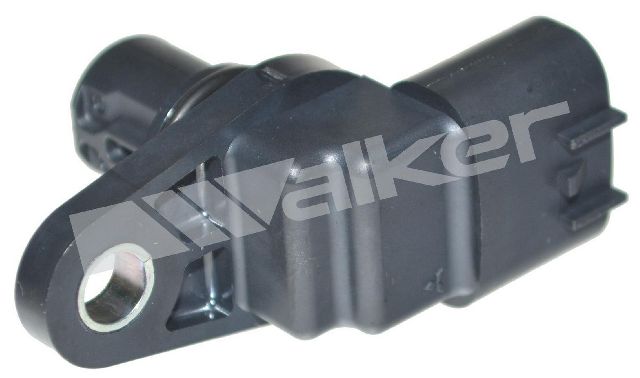
- Camshaft Position Sensor (Bank 1, Intake)
(OEM #22056AA270)— This is the most commonly replaced part if the TSBs for shimming or reprogramming do not apply or fail to resolve the issue.
Related Codes That Often Appear With This One
- P0340 — This is the general circuit malfunction code for the same sensor. A failing sensor or wiring issue can trigger both P0340 and P0341.
- P0301, P0302 — These are misfire codes for cylinders on Bank 1. An incorrect camshaft signal disrupts ignition and fuel timing for that bank, leading to misfires. TSB 11-130-13R explicitly lists misfire codes as a related symptom.
- P0346 — This is the same code but for Bank 2 (driver's side). Seeing both codes together could point to a systemic issue like low oil pressure/level or a timing chain problem affecting both banks.
Technical Service Bulletins (TSBs) & Recalls
- source — TSB Bulletin #11-130-13R supersedes multiple older bulletins. Details the procedure for inspecting and correcting the camshaft position sensor air gap using a shim kit (P/N 10130AA060) for various FA/FB engine models, including the 2011-2014 Forester. Lists P0341 as a primary DTC addressed.
- TSB Bulletin #11-137-14 provides an ECM software update to correct logic that may be too sensitive and falsely trigger cam position sensor performance codes.
- TSB Bulletin #11-100-11R notes that symptoms like difficulty starting and rough idle may be accompanied by DTCs P0301, P0302, P0303, P0304, P0340, P0341, P0345, or P0346.
- source — Addresses the oil consumption issue in early FB engines. The fix evolved from replacing piston rings to replacing the entire short block assembly. While not directly for P0341, low oil level from this issue can cause AVCS-related faults that trigger P0341.
Platform-Specific Known Issues
- Early production FB25B engines were subject to TSB 11-130-13R, which indicates a known manufacturing issue with the camshaft position sensor air gap that requires a shim to correct.
- TSB Bulletin #11-100-11R specifies that for certain vehicles, DTCs P0341 and P0346 are specifically applicable to 2013MY vehicles only.
Mechanic-Grade Diagnostic Values
- Camshaft Position Sensor internal resistance — expected: 1.0 - 4.0 kΩ (kilo-ohms). Failure: A reading outside this range indicates a faulty sensor.
- AVCS (Oil Control Valve) Solenoid internal resistance — expected: 6 - 12 Ω (ohms). Failure: No reading (open circuit) or a reading far outside this range indicates a failed solenoid.
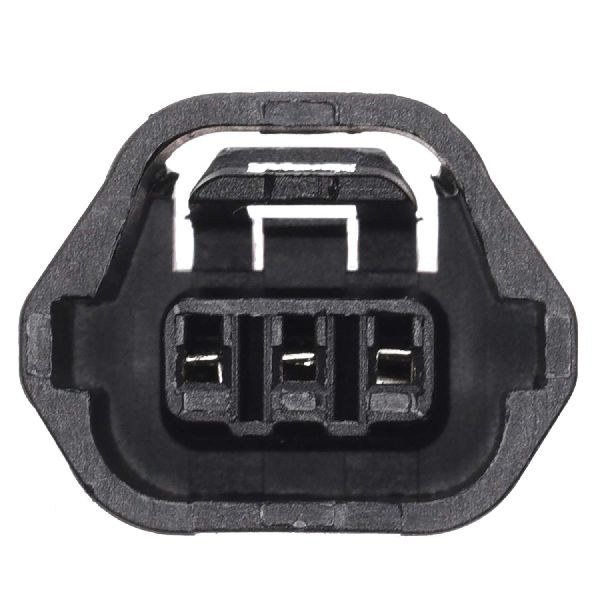
- Camshaft Sensor Connector (E36) Pin 1 to Ground Voltage (Key On, Engine Off) — expected: 10 V or more. Failure: Voltage below 10V indicates a problem with the power supply from the ECM.
- Camshaft Sensor Connector (E36) Pin 2 to ECM Connector (B136) Pin 26 Resistance — expected: Less than 1 Ω (ohm). Failure: Higher resistance indicates a break or corrosion in the signal wire.
- Camshaft Sensor Connector (E36) Pin 3 to ECM Connector (B136) Pin 34 Resistance — expected: Less than 1 Ω (ohm). Failure: Higher resistance indicates a break or corrosion in the ground wire.
Scan Tool Commands That Help
- Subaru Select Monitor (SSMIII): Oscilloscope Function — To visually inspect the camshaft sensor's square wave signal. TSB 11-130-13R calls for checking the waveform to confirm if the signal is noisy or misshapen, which can be caused by an incorrect air gap or a failing sensor.
- RomRaider or similar data logger: Live Data Logging: 'AVCS Intake Angle Left' vs. 'AVCS Intake Angle Right' — To diagnose a suspected AVCS solenoid issue. While driving, command AVCS activation and log both left and right bank angles. If the Bank 1 (right) angle lags significantly behind Bank 2 or fails to reach the target angle, it points to a problem with the Bank 1 solenoid or oil supply.
Wiring & Ground Locations
- E36 — The electrical connector at the Bank 1 (passenger side) intake camshaft position sensor itself.. This is the primary point for testing voltage, ground, and signal integrity coming to and from the sensor.
- B136 — The main engine control module (ECM) connector, typically located in the passenger footwell area.. This is the termination point for the camshaft sensor wiring. Testing for continuity between connector E36 and B136 confirms the integrity of the wiring harness.
- GE1 / GE2 — Two main engine ground points bolted side-by-side to the top rear center of the engine block.. A poor main engine ground can cause floating voltages and erratic behavior in multiple sensors, including the camshaft sensor. These should be checked for corrosion and tightness.
- B21 / E2 Connector (Pin 34) — A large, 54-pin engine-to-body harness connector. Pin 34 is a critical ground wire within this connector.. A documented failure involves corrosion or a loose pin specifically at Pin 34 of this main connector, causing an intermittent ground for the sensor circuit that is very difficult to trace.
When the Usual Fixes Don't Work
- In a documented case, a vehicle owner with a P0341 code replaced the Bank 1 sensor, but the code returned. They then swapped the new Bank 1 sensor with the old Bank 2 sensor, and the P0341 code for Bank 1 persisted. This definitively proved the sensor was not the cause of the fault. An oil change temporarily cleared the code, strongly suggesting the root cause was related to the oil-driven AVCS system or a wiring/mechanical issue, not the sensor itself. This reinforces the need to follow the TSBs and diagnostic steps before replacing parts.
OEM Part Supersession History
22056AA270→22056AA270— No supersession found.
Heads up: This part number appears to be stable for the 2011-2013 model years and is used across multiple Subaru models with FA/FB series engines.
Model Year Variations Within This Range
- 2011-2013: While the FB25B engine and the root causes of P0341 are consistent across these years, the 2011 model primarily used a 4-speed automatic transmission (4EAT), while 2012-2013 models began introducing the CVT. This does not affect the diagnosis of P0341 but is a notable platform difference.
Diagnostic Flowchart
Other Known Issues on This Vehicle
Issues unrelated to this code that are worth knowing about as an owner of this generation:
- Excessive Oil Consumption 🔴 High — Very common on 2011-2014 models with the FB25 engine. Caused by faulty low-tension oil control rings. Can manifest early in the vehicle's life. (Ref: TSB 02-157-14R; Class Action Lawsuit Settlement extended warranty coverage for this issue.)
- Valve Spring Failure 🔴 High — Less common than oil consumption, but subject to a major recall. Affects certain 2012-2013 models. A failed spring can lead to engine misfires or catastrophic engine damage. (Ref: Subaru Recalls WVU-08, WTV-81.)
- PCV Valve Malfunction 🟠 Medium — A faulty PCV valve was subject to a recall on some models. It can contribute to increased oil consumption and other engine running issues. (Ref: Recall campaigns have been issued for related PCV issues.)
- Minor Oil Leaks from Cam Carriers/Timing Cover 🟡 Low — As these engines age, minor oil leaks or seeping can develop from the cam carrier seals or the front timing cover sealant. Not as severe as the old EJ engine head gasket issues, but requires monitoring.
Used vs. New Parts: Buying Guide for This Vehicle
When a used part is the smart pick: For purely mechanical components like the front timing cover (if damaged, causing an air gap issue) or an AVCS solenoid (Oil Control Valve) from a verified low-mileage donor vehicle.
Donor-vehicle mileage cap: roughly under 80000 miles for the part to have meaningful remaining life.
What to inspect on the donor part:
- For an AVCS solenoid, inspect the mesh screens for any metallic debris or heavy sludge, which indicates poor maintenance of the donor engine.
- For a timing cover, ensure all mounting surfaces are flat and free of deep gouges or cracks, especially around the sensor mounting boss.
OEM-only on this vehicle (don't cheap out):
- Camshaft Position Sensor (22056AA270): Aftermarket electronic sensors are a frequent cause of repeat failures or new, different codes. The cost savings are not worth the risk of a comeback issue.
- Camshaft Sensor Shim Kit (10130AA060): This is a dealer-only part kit specifically designed to solve the TSB-related air gap issue.
Aftermarket brands forum-validated for this vehicle:
- Denso: Denso is a major OEM supplier to Subaru and other Japanese manufacturers. If buying aftermarket, a Denso-branded sensor is the most reliable alternative to a genuine Subaru part.
Brands owners have reported issues with on this vehicle:
- Unbranded 'white-box' sensors from online marketplaces. While cheap, they have a high failure rate and may have incorrect internal resistance, causing persistent issues.
Real Owner Stories
Aggregated from forums and TSBs cited above. Mileages and costs reflect what owners reported in those sources.
2011 Subaru Forester 2.5X
Symptoms: Experienced P0341 and P0346 codes. Sensor replacement and wiring checks failed to resolve the issue.
What fixed it: Replacing the Bank 1 AVCS oil control solenoid.
Source hint: subaruforester.org - User '...'
2013 Subaru Forester 2.5L
Symptoms: P0341 returned after replacing the sensor. An oil change cleared the code temporarily, but it returned. Swapping sensors between banks did not move the code.
What fixed it: The issue was pointed away from a bad sensor since the code did not move to the other bank after swapping.
Source hint: reddit.com/r/MechanicAdvice
2013 Subaru Outback 2.5L — ~200000 miles
Symptoms: Persistent P0341 with severe lurching, stalling, and increased oil consumption.
What fixed it: Not specified, but highlighted as a persistent drivability issue linked to the FB25B engine.
Source hint: reddit.com/r/subaru
Related OBD-II Codes
Frequently Asked Questions
Does TSB 11-130-13R apply to my 2011-2014 Subaru Forester?
My 2013 Forester is throwing P0341 but the sensor seems fine. Is there a software fix?
Can I test the camshaft sensor myself before buying a new one?
What is the correct air gap specification for the camshaft sensor on the FB25B engine?
Could my Forester's high oil consumption be related to the P0341 code?
What parts are included in the Subaru shim kit for P0341?
Helpful Videos

We Have This Part in Stock


The information in this article is provided for general reference and educational purposes only. Vehicle specifications, procedures, and part compatibility can vary by production date, trim level, and region. Always consult your vehicle's factory service manual and verify part numbers before purchasing or performing repairs. Safety-critical components such as airbags, seat belts, and braking systems should be installed by a qualified professional.
- Subaru Forester:
- 🧭 Diagnostic Flowchart
- 🎬 Helpful Videos
- 🛍️ Shop This Part
- What's Unique About the 2011-2013 Subaru Forester
- Symptoms You May Notice
- Most Likely Causes
- Rare But Worth Checking
- Diagnosis Steps
- Parts You'll Likely Need
- Related Codes That Often Appear With This One
- Technical Service Bulletins (TSBs) & Recalls
- Platform-Specific Known Issues
- Mechanic-Grade Diagnostic Values
- Scan Tool Commands That Help
- Wiring & Ground Locations
- When the Usual Fixes Don't Work
- OEM Part Supersession History
- Model Year Variations Within This Range
- Other Known Issues on This Vehicle
- Used vs. New Parts: Buying Guide for This Vehicle
- Real Owner Stories
- 2011 Subaru Forester 2.5X
- 2013 Subaru Forester 2.5L
- 2013 Subaru Outback 2.5L — ~200000 miles
- Related OBD-II Codes
- Frequently Asked Questions
- 🎟️ Get 5% Off