

P0344 on 2011 Chrysler Town & Country: Camshaft Sensor Intermittent Causes and Fixes
For a 2011 Town & Country, code P0344 is most often a failing Bank 1 camshaft position sensor or a software glitch in the engine computer (PCM). If a new sensor doesn't fix it, a dealer software update is likely needed. A sensor costs about $25-$60, while a dealer PCM flash can cost $100-$200.
- P0344 on a 2011 Town & Country points to an intermittent signal from the Bank 1 (rear) camshaft position sensor.
- The most likely cause is a faulty sensor, which is a relatively inexpensive and easy part to replace for a DIYer.
- If replacing the sensor doesn't solve the problem, do not assume the new part is bad. The next step should be to have a dealer update the engine computer's software, a known issue for this specific year and engine.
- Always inspect the wiring and connector for damage or oil contamination before replacing parts.
What's Unique About the 2011-2011 Chrysler TOWN AND COUNTRY
The 2011 model year was the first time Chrysler used the 3.6L Pentastar V6 engine in the Town & Country. Early versions of this engine platform had some initial bugs, and one of the most well-documented for this specific code is a software glitch in the PCM. Technicians and owners have noted that even after replacing a perfectly good sensor, the P0344 code can persist until the PCM is 'flashed' with updated software from a Chrysler dealership. This makes diagnosing the 2011 model unique compared to later years where the issue is more straightforwardly a hardware failure. The original software calibration was overly sensitive to minor signal variations.
Diagnostic Flowchart
Tap your situation to follow the diagnostic path that matches what you're seeing on this vehicle.
Symptoms You May Notice
- Check Engine Light is on
- Engine is difficult to start or requires a long crank time
- Engine stalls, sometimes unexpectedly, especially when coming to a stop
- Rough idling or engine misfiring
- Hesitation or lack of power during acceleration
- Traction control light may illuminate along with the Check Engine Light
- Vehicle enters 'limp mode' with limited power and shifting 🎬 Watch: Fixing the P0344 code and traction control light.
- Replacing the crankshaft position sensor. While related to timing, the P0344 code specifically points to the camshaft sensor circuit, not the crankshaft.
- Replacing the battery or alternator. While low system voltage can cause strange codes, the intermittent nature of P0344 usually points directly to the sensor circuit itself. However, some owners have reported a P0562 (Low Voltage) code appearing just before the P0344, so ensuring the charging system is healthy is a valid first step.
Most Likely Causes
- Failing Camshaft Position Sensor (Bank 1) 🔴 High Probability → Shop Engine Camshaft Position Sensor Sensors are exposed to high heat cycles in the engine bay, which can cause their internal electronics to fail over time, leading to an intermittent signal before total failure. This is the most common cause.
How to confirm: Swap the Bank 1 sensor with the identical sensor from Bank 2. Clear the codes and drive. If the code changes to P0349 (Camshaft Position Sensor Intermittent - Bank 2), the sensor is confirmed bad. This is a widely accepted DIY diagnostic step.
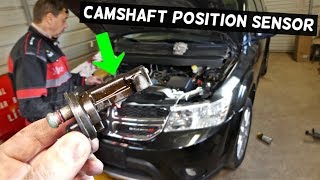
Typical fix: Replace the Bank 1 camshaft position sensor. There are two sensors on the Bank 1 head (intake and exhaust); P0344 refers to Sensor 'A' or '1', which is the intake sensor. Using an OEM Mopar sensor is highly recommended by owners to avoid repeat failures.
Est. part cost: $25-$60 - Engine Computer (PCM) Software Requires Update 🟡 Medium Probability Being the first model year for the 3.6L engine in this platform, early software calibrations were overly sensitive to minor signal variations from the cam sensors. Chrysler released Technical Service Bulletins (like 18-059-16) and subsequent software updates to correct this by, for example, making the code a 'two-trip' fault, requiring the error to be seen twice before illuminating the light.
How to confirm: This can only be confirmed by a Chrysler dealership or a qualified shop with access to OEM software tools (like wiTECH). If you have replaced the sensor with a quality part and verified the wiring is good, but the code returns, a software issue is the next logical suspect.
Typical fix: The PCM must be 'flashed' or reprogrammed with the latest software calibration. This is a dealer or specialty shop service. 🎬 See a case study on fixing these specific cam codes. Owners report dealer costs for this service ranging from $100 to $200.
Est. part cost: $0 (parts), labor for flashing is typically 0.5-1.0 hour. - Damaged Wiring or Connector 🟡 Medium Probability The wiring harness can become brittle from heat and vibration, leading to frayed wires or loose pins in the connector. A known chafe point on the 3.6L is where the harness runs near the oil dipstick tube mounting bracket. Oil leaks from the valve cover can also contaminate the connector and disrupt the signal.
How to confirm: Visually inspect the wiring leading to the sensor for any signs of cracking, melting, or oil saturation. Unplug the connector and check for corrosion or damage on the pins. Wiggle the harness with the engine running to see if it triggers the symptom or a change in engine behavior.
Typical fix: Repair the damaged section of wire or replace the connector pigtail. Clean any oil or corrosion from the connector using electrical contact cleaner.
Est. part cost: $10-$30
Rare But Worth Checking
- Damaged Camshaft Phaser Reluctor Wheel: → Shop Engine Camshaft The reluctor wheel is a toothed ring on the camshaft that the sensor reads. Though rare, it can be damaged, develop a crack, or have its magnetic signature weaken over time or from contact with a magnetic tool. This causes an erratic signal even with a good sensor. In one documented case on a 3.6L, replacing the entire camshaft (which includes the wheel) was the only fix. This is a major mechanical repair.
- Low Engine Oil or Incorrect Oil Viscosity: The camshaft phasers (part of the VVT system) are operated by oil pressure. If the oil level is very low, the oil is the wrong viscosity, or oil pressure is lost due to issues like loose oil gallery plugs, the phasers can't adjust cam timing correctly. The sensor accurately reports a position that is out of sync with the crankshaft, triggering the code.
- Failing Rocker Arms: The 3.6L Pentastar engine is known for potential rocker arm bearing failures. A seized rocker arm can cause damage to the camshaft lobe, disrupting the camshaft's rotation enough to be detected by the sensor as an intermittent fault. This is usually accompanied by a distinct ticking noise from the upper engine.
Diagnosis Steps
- Check the engine oil level and condition. Low or dirty oil can affect the VVT system and trigger timing-related codes. Top off or change if necessary.
- Scan for any other stored trouble codes. Codes like P0349, P0369, or P0562 can provide important clues. Diagnose and fix other codes first.
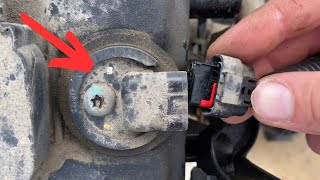
- Visually inspect the Bank 1 camshaft position sensor and its electrical connector. Bank 1 is the rear bank, near the firewall. Look for loose connections, damaged wires, or oil contamination.
- A simple DIY test is to swap the Bank 1 intake cam sensor with the Bank 2 intake cam sensor (front bank). They are identical parts. Clear the codes.
- Drive the vehicle. If the code returns as P0349 (for Bank 2), the sensor you moved is faulty and needs to be replaced.
- If the P0344 code returns after the swap, the problem is in the wiring, the reluctor wheel, or the PCM. Inspect the wiring harness carefully, especially in known chafe spots like near the dipstick tube mount.
- If you have access to a scan tool with live data, monitor the camshaft sensor signal (Cam Signal Bank 1) while the engine is running. Look for dropouts or an erratic waveform. A good sensor should produce a clean square wave.
- If the sensor and wiring are confirmed to be good, the next step is to have a dealership check for and apply any available PCM software updates. This is a very common fix for the 2011 model year.
Parts You'll Likely Need
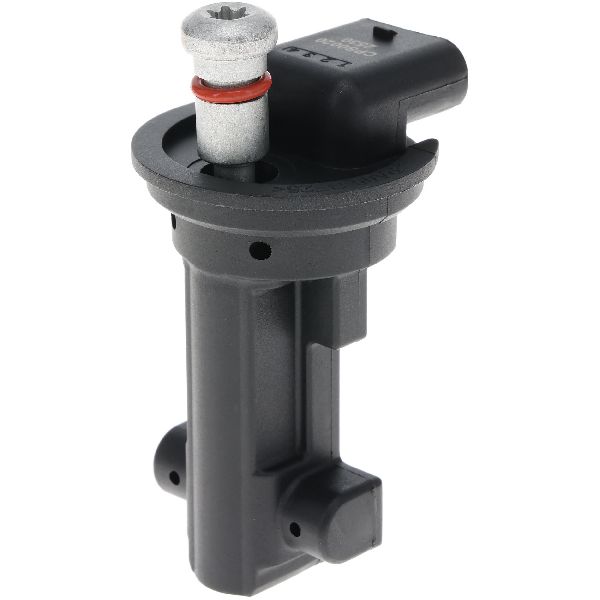
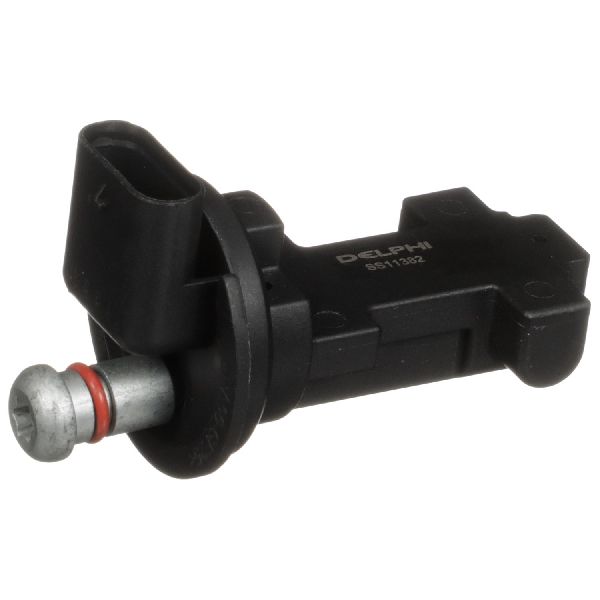
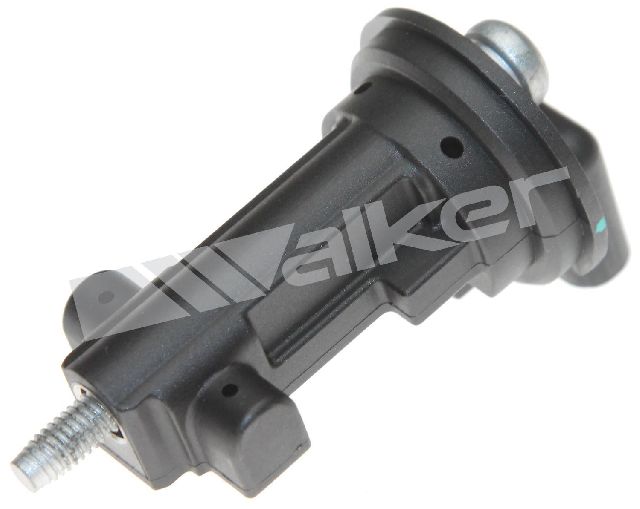
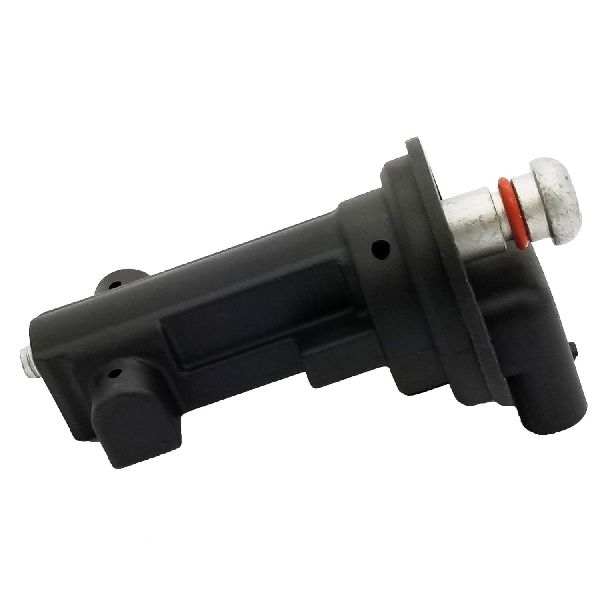
- Camshaft Position Sensor
(OEM #5149141AF)— This sensor is the most common failure point for code P0344. Its internal electronics wear out from heat and vibration, causing the intermittent signal fault. This part number is used across a vast range of Chrysler, Dodge, Jeep, and Ram vehicles with the 3.6L engine.
Trusted brands: Mopar, Bosch, Denso, NTK/NGK
OEM price range: $50-$80
Aftermarket price range: $25-$50
Related Codes That Often Appear With This One
- P0349 — This is the identical code but for Bank 2. Seeing both P0344 and P0349 together could point to a systemic issue like a PCM software problem, low oil pressure, or a timing chain issue affecting both banks.
- P0369 — This is an intermittent fault for the exhaust camshaft sensor on Bank 1. The provided TSB #18-059-16 lists these codes together, suggesting they are related to the same PCM software issue.
- P0562 — This code for 'System Voltage Low' has been reported by some owners as appearing right before or alongside P0344. A failing battery or alternator can cause erratic behavior in various sensors, so this code should be addressed first if present.
Technical Service Bulletins (TSBs) & Recalls
- 18-059-16: Mentions P0344 as one of several codes that can be addressed by a PCM software update for the 3.6L engine.
- 18-050-16: An earlier TSB from 2016 that involved PCM reprogramming for 2013 Town & Country models to address other codes, showing a history of software updates for this platform.
- 18-024-17 REV. C: A TSB for newer models that specifically mentions changing the P0344 fault to a 'two-trip' logic to reduce sensitivity, confirming the manufacturer's strategy for this code.
Platform-Specific Known Issues
- A PCM software update is often required to fix this code on 2011 models, as documented in TSBs and by Chrysler technicians. The original software was too sensitive and could set this code even with a good sensor.
- Access to the Bank 1 (rear) camshaft sensors on the transversely mounted 3.6L engine can be tight, but does not typically require removing the intake manifold as it does on some other vehicles like the Ram ProMaster.
Helpful Videos
We Have This Part in Stock


The information in this article is provided for general reference and educational purposes only. Vehicle specifications, procedures, and part compatibility can vary by production date, trim level, and region. Always consult your vehicle's factory service manual and verify part numbers before purchasing or performing repairs. Safety-critical components such as airbags, seat belts, and braking systems should be installed by a qualified professional.
- Chrysler TOWN AND COUNTRY:
- 🧭 Diagnostic Flowchart
- 🎬 Helpful Videos
- 🛍️ Shop This Part
- What's Unique About the 2011-2011 Chrysler TOWN AND COUNTRY
- Symptoms You May Notice
- Most Likely Causes
- Rare But Worth Checking
- Diagnosis Steps
- Parts You'll Likely Need
- Related Codes That Often Appear With This One
- Technical Service Bulletins (TSBs) & Recalls
- Platform-Specific Known Issues
- 🎟️ Get 5% Off