

P0344 on 2011-2024 Dodge Durango 3.6L: Camshaft Sensor Intermittent Causes and Fixes
P0344 indicates an intermittent signal from the Bank 1 (passenger side) camshaft position sensor. The most common fix is replacing the sensor itself, preferably with an OEM Mopar part. However, on the 3.6L Pentastar, it's crucial to also check the wiring for oil contamination and be aware that this code can sometimes be a symptom of more significant mechanical engine issues like failing rocker arms.
- P0344 means the Bank 1 (passenger side) camshaft sensor signal is intermittent.
- The most likely cause is a faulty sensor or oil-contaminated wiring, but a PCM software update may also be required.
- Replacing the sensor is more difficult on the 3.6L V6 than on other engines because it's located under the intake manifold.
- Before replacing parts, check the oil level and inspect the sensor's wiring connector for damage or oil.
- Be aware that on the 3.6L Pentastar, this code can sometimes be an early symptom of a more serious mechanical valvetrain issue.
What's Unique About the 2011-2024 Dodge Durango
For the 3.6L Pentastar V6, code P0344 is a well-documented issue. While the sensor itself can fail, this code can also be an early warning for more significant mechanical problems, such as failing camshaft phasers or worn rocker arms (the infamous 'Pentastar tick'), which are known issues for this engine. Dodge has also released Technical Service Bulletins (TSBs), like 18-049-20, to update the PCM software, making it less sensitive to minor, temporary signal glitches that could trigger the light unnecessarily by changing it to a two-trip fault. The location of the Bank 1 sensor at the rear of the passenger-side cylinder head makes access difficult, often requiring the removal of the upper intake manifold for replacement.
Generation note: This guide covers the third generation (WD) of the Dodge Durango (2011-present). While the 3.6L Pentastar engine received updates around 2016, the causes and diagnostic procedures for code P0344 remain consistent across this generation. The issue is also common on platform-mates like the Jeep Grand Cherokee and Ram 1500 with the same engine.
Symptoms You May Notice
- Check Engine Light (MIL) is on
- Engine is hard to start or takes a long time to crank
- Engine stalling, especially at low speeds or when stopping
- Rough or shaky idle
- Hesitation or lack of acceleration power
- Engine may enter a 'limp mode', refusing to rev above a certain RPM
- Cruise control may be disabled
- Replacing the wrong sensor. P0344 specifically refers to Bank 1, which is the passenger side on a Durango. The driver's side is Bank 2.
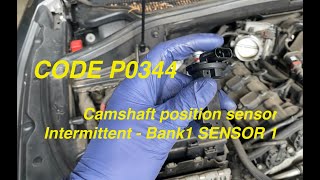
- Immediately assuming a major mechanical failure. While possible on the Pentastar, the sensor and wiring are far more common 🎬 Watch: A mechanic explains common causes and fixes for P0344 and cheaper culprits and should be checked first.
- Using cheap aftermarket sensors. Many forum users report that the P0344 code returned shortly after replacing the sensor with a non-OEM part, only to be resolved by installing a Mopar sensor.
Most Likely Causes
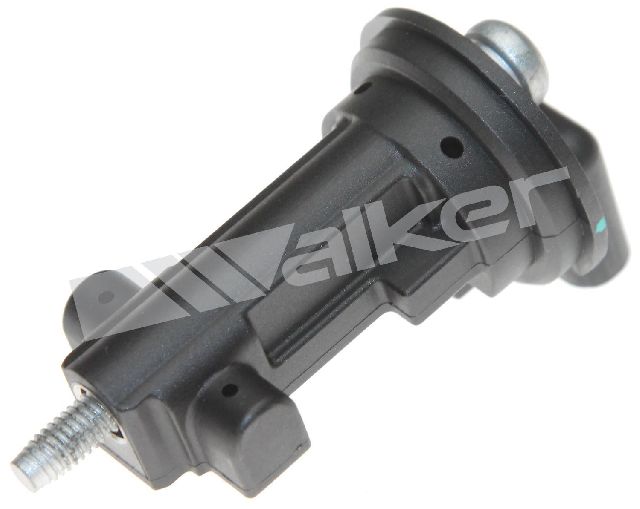
- Faulty Bank 1 Camshaft Position Sensor 🔴 High Probability → Shop Engine Camshaft Position Sensor Sensors can fail over time due to heat cycles and internal electronic component degradation. This is the most common point of failure for P0344.
How to confirm: After confirming wiring is intact, replacing the sensor is a common diagnostic step. An oscilloscope can be used to monitor the sensor's square wave signal for dropouts. Many owners report that using non-OEM sensors leads to repeat failures.
Typical fix: Replace the Bank 1 (passenger side) camshaft position sensor with a high-quality OEM Mopar part. 🎬 Watch: Step-by-step guide to replacing the Bank 1 sensor
Est. part cost: $25-$75 - Wiring or Connector Issue 🟡 Medium Probability Oil from a leaking valve cover gasket can drip onto the sensor's electrical connector, causing an intermittent short. The wiring harness can also become brittle, frayed, or damaged from engine heat.
How to confirm: Visually inspect the sensor's connector for oil, corrosion, or pushed-out pins. Wiggle the harness while the engine is running (if safe) or while monitoring resistance with a multimeter to check for intermittent opens/shorts.
Typical fix: Clean the oil from the connector with electrical contact cleaner and repair any damaged wiring. Apply dielectric grease to the connector pins before reassembly. Replace the connector pigtail if it's damaged.
Est. part cost: $10-$30 - PCM Software Update Needed ⚪ Low Probability Dodge issued TSB 18-049-20 to make the PCM less sensitive to brief signal interruptions that aren't indicative of a true fault. The update changes P0344 from a one-trip to a two-trip fault.
How to confirm: A dealership or a shop with a wiTECH scan tool can check the vehicle's current software calibration level against the latest available version mentioned in the TSB.
Typical fix: Reprogram the Powertrain Control Module (PCM) with the latest software.
Est. part cost: $0 (if under warranty), otherwise labor charges apply.
Rare But Worth Checking
- Failing Camshaft, Rocker Arms, or Phasers: → Shop Engine Camshaft While less common than a simple sensor failure, the 3.6L Pentastar engine is known for potential valvetrain issues, specifically rocker arm bearing failure (the 'Pentastar Tick'). A worn cam lobe or failing phaser can cause erratic camshaft rotation, which the sensor correctly reports as an intermittent signal (P0344). This is a much more serious and expensive repair, often accompanied by a ticking noise from the top of the engine.
- Failing Crankshaft Position Sensor: An intermittent signal from the crankshaft position sensor can sometimes confuse the PCM, causing it to incorrectly flag the camshaft sensor. If replacing the cam sensor doesn't work, the crank sensor may be the next logical part to investigate. Some owners replace both at the same time as a preventative measure.
- Low Engine Oil Level or Incorrect Viscosity: On VVT engines like the Pentastar, correct oil pressure is critical for the camshaft phasers to operate properly. Low or incorrect viscosity oil can affect cam timing and potentially trigger timing-related codes like P0344. This is a very common cause on the related 5.7L HEMI engine. Always check the oil level and condition first.
Diagnosis Steps
- Scan for any other trouble codes to see if other faults are present.
- Check the engine oil level and condition. Low or dirty oil can affect the VVT system and trigger timing-related codes.
- Visually inspect the Bank 1 (passenger side, rear of head) camshaft position sensor and its electrical connector. Look for oil contamination, corrosion, or loose pins.
- Inspect the wiring harness leading to the sensor for any visible damage, such as melting, fraying, or rubbing against other components.
- With a multimeter, disconnect the sensor and check the connector for a 5-volt reference, a good ground, and a signal wire that is not shorted to power or ground.
- If the wiring appears intact, the most common fix is to replace the camshaft position sensor, preferably with an OEM Mopar part. Note that accessing this sensor often requires removing the upper intake manifold. 🎬 See how to properly remove the intake manifold for access
- After replacement, clear the codes with a scanner and perform a comprehensive test drive, including varied speeds and conditions, to see if the P0344 code returns.
- If the code persists, consult a professional for further diagnosis, which may include using an oscilloscope to analyze the sensor's live waveform, checking for PCM software updates, or investigating a potential mechanical engine issue like a worn tone ring or valvetrain problem.
Parts You'll Likely Need
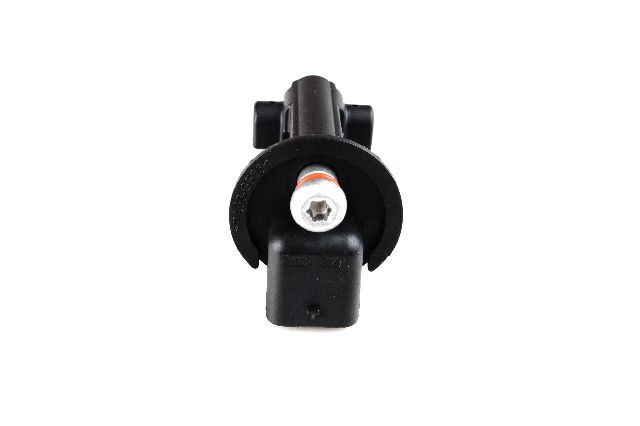
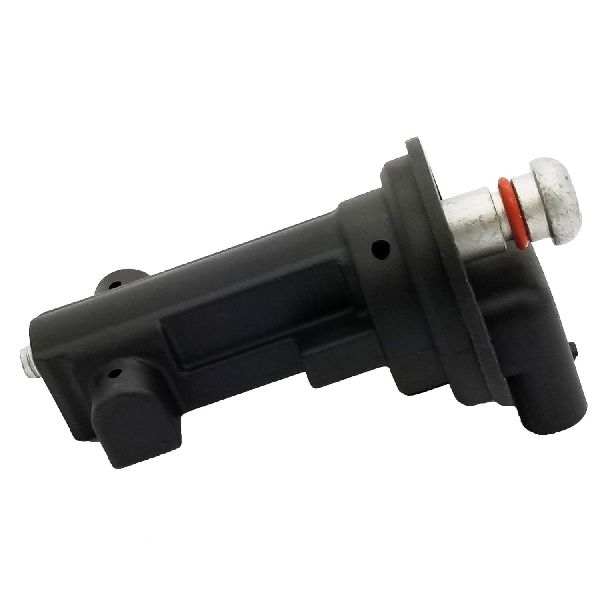
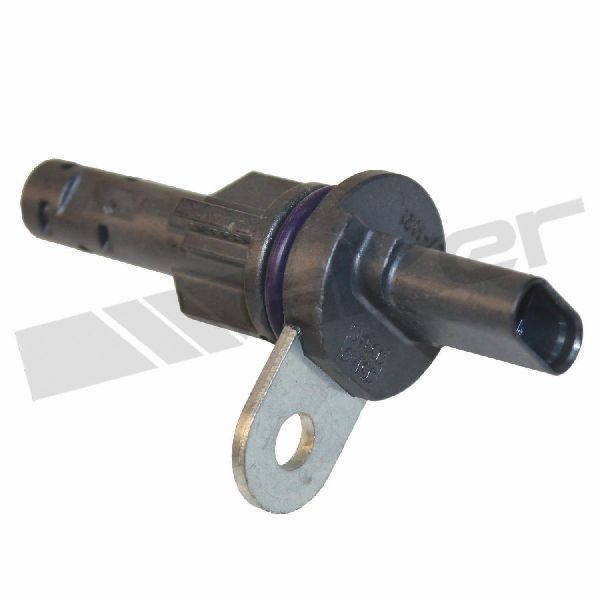
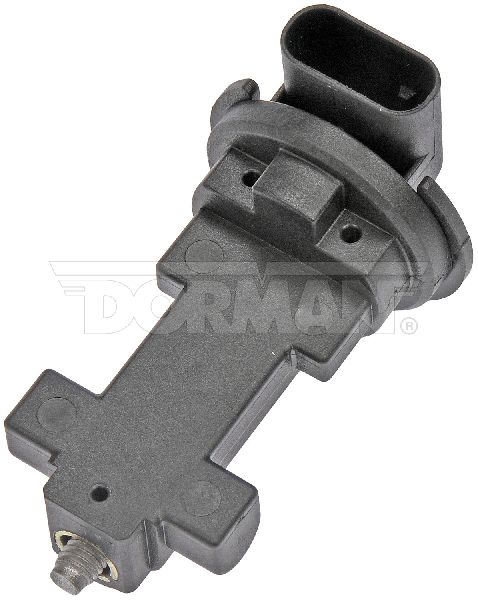
- Camshaft Position Sensor (Bank 1)
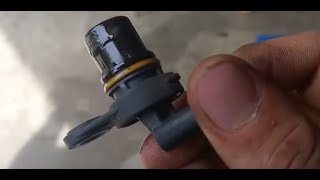
(OEM #05149141AF)— This is the most frequent point of failure for this code. The sensor's internal electronics can fail, leading to an intermittent signal. Using the OEM Mopar part is highly recommended to avoid repeat failures.
Trusted brands: Mopar, Delphi, NGK, Standard Motor Products
OEM price range: $50-$150
Aftermarket price range: $25-$75
Related Codes That Often Appear With This One
- P0340 — P0340 is the general fault code for the same sensor circuit. P0344 indicates the problem is intermittent, while P0340 suggests a more constant failure.
- P0369, P0349, P0394 — These are the intermittent fault codes for the other camshaft position sensors on the 3.6L V6. Seeing multiple codes may point to a systemic issue like low oil pressure, a widespread wiring harness problem, or the need for a PCM software update per TSB 18-049-20.
- P0300, P0301, P0303, P0305 — Misfire codes on Bank 1 (cylinders 1, 3, 5) can occur alongside P0344 because incorrect cam timing data disrupts the proper spark and fuel delivery for that bank.
Technical Service Bulletins (TSBs) & Recalls
- 18-049-20: A PCM software update that makes the system less sensitive to intermittent cam/crank sensor signal drops, changing P0344 to a two-trip fault.
- 18-024-17 REV. C: A previous, now superseded, version of the PCM software update TSB.
Platform-Specific Known Issues
- Access to the Bank 1 (passenger side) camshaft position sensor on the 3.6L V6 is difficult, requiring the removal of the upper intake manifold.
- Dodge has issued Technical Service Bulletin (TSB) 18-049-20, which supersedes previous versions. This TSB involves a PCM software update that changes P0344 from a one-trip to a two-trip fault, reducing the chance of the check engine light coming on for a minor, non-critical signal drop.
Mechanic-Grade Diagnostic Values
- Camshaft Position Sensor Supply Voltage — expected: 4.5 - 5.2 Volts DC (Key On, Engine Off). Failure: Voltage below 4.5V or above 5.2V points to a wiring issue or a problem with the PCM's 5V reference circuit.
- Camshaft Position Sensor Ground Circuit Resistance — expected: Less than 5.0 Ohms between the ground pin at the connector and a known good chassis ground.. Failure: Resistance higher than 5.0 Ohms indicates a poor or corroded ground connection.
- Camshaft Position Sensor Signal Waveform — expected: A clean, sharp digital square wave pattern switching between approximately 0V and 5V while the engine is running.. Failure: A flat line, a signal that is stuck high (5V) or low (0V), or a waveform with 'hash', dropouts, or distortion indicates an intermittent fault.
- Resistance between CMP Signal Circuit and 5V Supply Circuit — expected: Greater than 5.0 ohms.. Failure: Resistance below 5.0 ohms indicates a short between the signal and supply wires.
Scan Tool Commands That Help
- wiTECH: View DTCs and Freeze Frame Data — To capture the engine conditions (RPM, temperature, etc.) at the exact moment the intermittent P0344 fault was logged, which can help replicate the issue during diagnosis.
- wiTECH: Reprogram PCM / Check Software Level — To verify if the vehicle's PCM has the latest software installed, specifically the update from TSB 18-049-20 which changes P0344 to a two-trip fault to reduce sensitivity.
- High-end Scan Tool / Oscilloscope: Live Data Graphing - Cam/Crank Sync — To visually monitor the camshaft and crankshaft sensor signals simultaneously in real-time. A dropout or flat line on the cam sensor graph while the crank sensor signal remains steady confirms an intermittent cam sensor circuit issue.
Wiring & Ground Locations
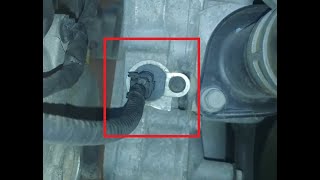
- Bank 1 CMP Sensor Connector — On the rear of the passenger side cylinder head, often requiring removal of the upper intake manifold for access.. This is the primary connection point for the sensor. It is prone to oil contamination from leaking valve cover gaskets, which can cause intermittent signal loss. The pins must be clean and make secure contact.
- CMP Sensor Pin 1 (Supply) — Pin 1 of the sensor connector.. This pin should have a 4.5-5.2V reference signal from the PCM with the key on. A lack of voltage indicates an open or short in the supply wire (Circuit F856) or a PCM issue.
- CMP Sensor Pin 2 (Signal) — Pin 2 of the sensor connector.. This is the signal wire (Circuit K44) that sends the square wave back to the PCM. It's the wire to back-probe for oscilloscope testing to look for signal dropouts.
- CMP Sensor Pin 3 (Ground) — Pin 3 of the sensor connector.. This pin provides the ground for the sensor. High resistance (over 5 ohms) on this circuit to chassis ground will cause the sensor to send an erratic or weak signal.
Real Owner Repair Stories
- YouTube channel 'The Howards Garage' (2011 Dodge Charger with 3.6L Pentastar (mechanically identical for this issue)) — Persistent P0344 code, traction control light on, reduced engine power.
❌ Tried (didn't work) Replacing the camshaft position sensor, Checking wiring harness for faults
✅ What actually fixed it The magnetic signature on the camshaft's reluctor wheel (tone ring) was weak and distorted, preventing the sensor from getting a reliable reading. The entire Bank 1 exhaust camshaft had to be replaced to resolve the issue. - Reddit user in r/MechanicAdvice (2015 Dodge Challenger with 3.6L Pentastar, 172k miles) — P0344, P0369, P06DD codes, limp mode, traction control off, especially when accelerating past 3500 RPM. Ticking noise on cold start that goes away.
❌ Tried (didn't work) Replaced all 24 rocker arms and lifters, Attempted cam/crank relearn procedure (fails at 85%)
✅ What actually fixed it The user was still in the diagnostic process, but the combination of codes (cam sensor, oil pressure), ticking noise, and failure at high RPM strongly points towards a mechanical issue with the valvetrain or oiling system (e.g., failing cam phaser or oil pump), not just a sensor. This case highlights how P0344 can be a symptom of a larger mechanical problem.
OEM Part Supersession History
Multiple older part numbers→05149141AF— Standard part evolution, potential improvements in materials or electronics for durability.
Heads up: While multiple part numbers exist, 05149141AF is the most current and widely cited OEM replacement for the 3.6L Pentastar across many model years and platforms. Using this verified number is recommended.
Model Year Variations Within This Range
- 2016-2017 (and potentially others): Vehicles in this range are specifically called out in TSB 18-049-20 for a PCM software update. The update changes P0344 from a one-trip to a two-trip fault, making the system less sensitive. An earlier TSB (18-024-17 REV. C) also addressed this. Checking if this flash has been performed is a critical step for these model years before replacing parts.
- 2011-2015 (approx): Earlier models of the 3.6L Pentastar may be more prone to the underlying mechanical issues (rocker arms, phasers) that can trigger P0344 as a secondary code. While the sensor and wiring are still primary suspects, the likelihood of a deeper mechanical cause increases with engine age and mileage.
Diagnostic Flowchart
Other Known Issues on This Vehicle
Issues unrelated to this code that are worth knowing about as an owner of this generation:
- Cracked Oil Filter/Cooler Housing 🔴 High — Extremely common. The plastic housing, located in the engine valley, becomes brittle from heat cycles and cracks, causing significant oil and/or coolant leaks. Often misdiagnosed as a rear main seal leak.
- Rocker Arm and Lifter Failure ('Pentastar Tick') 🔴 High — A widely known issue, particularly in 2014+ models, where needle bearings in the rocker arms fail, causing a distinct ticking noise, misfires, and eventual camshaft damage if not addressed.
- Clogged or Leaking Heater Core 🟠 Medium — Commonly causes a lack of cabin heat, a sweet coolant smell inside, or a perpetually foggy windshield. The repair is very labor-intensive as it requires removing the entire dashboard. (Ref: Check for TSB 23-023-20 on 2018-2020 models, which addresses a coolant tube leak that can mimic heater core failure symptoms.)
- Stuck-Open Thermostat 🟡 Low — A very high-frequency failure where the thermostat sticks open, preventing the engine from reaching full operating temperature and triggering code P0128. The entire plastic housing assembly is typically replaced. (Ref: TSB #9100287 has been issued for some models for this issue.)
- Faulty Totally Integrated Power Module (TIPM) 🔴 High → Shop Fuse Box — More common on earlier models (approx. 2011-2013), a failing TIPM (fuse box/main computer) can cause a wide range of bizarre electrical issues, including no-start conditions, fuel pump problems, and random accessory activation.
Used vs. New Parts: Buying Guide for This Vehicle
When a used part is the smart pick: For this repair, using used parts is generally not recommended for the electronic components. However, if a major mechanical failure is diagnosed (e.g., damaged cylinder head or camshaft), sourcing a complete, low-mileage used cylinder head or engine from a reputable salvage yard can be a cost-effective alternative to a full engine rebuild.
Donor-vehicle mileage cap: roughly under 75000 miles for the part to have meaningful remaining life.
What to inspect on the donor part:
- For a used engine/cylinder head, look for evidence of regular maintenance (clean oil passages, no heavy sludge).
- Check the vehicle history of the donor car for accidents or flood damage.
- If possible, get compression test numbers from the donor engine.
- Avoid parts from vehicles that sat for a long time with the hood open, exposed to the elements.
OEM-only on this vehicle (don't cheap out):
- Camshaft Position Sensor: Due to the sensitivity of the system and numerous forum reports of immediate or premature failure with aftermarket parts, using an OEM Mopar sensor (Part No. 05149141AF) is strongly advised to avoid repeat repairs.
- Oil Filter: The Pentastar engine's VVT system is sensitive to oil pressure. Use an OEM-style cartridge filter with the correct bypass valve design. Collapsed or incorrect aftermarket filters are a known cause of oil pressure-related DTCs.
Aftermarket brands forum-validated for this vehicle:
- NTK
- Delphi
- Standard Motor Products (SMP)
Brands owners have reported issues with on this vehicle:
- Unbranded, 'white-box' sensors from online marketplaces are frequently cited as failing quickly.
Real Owner Stories
Aggregated from forums and TSBs cited above. Mileages and costs reflect what owners reported in those sources.
2003 Dodge Durango
Symptoms: Owner battled a persistent P0344 code after replacing the sensor multiple times, including twice with aftermarket parts and once with a Mopar part.
What fixed it: The actual fix was repairing a frayed wiring pigtail leading to the camshaft position sensor, highlighting the importance of checking the harness.
Source hint: DodgeForum.com: DTC P0344 Help
Related OBD-II Codes
Frequently Asked Questions
Where is the Bank 1 camshaft position sensor located on my 3.6L Durango?
Should I use a cheaper aftermarket camshaft sensor for the P0344 code?
I replaced the sensor but P0344 came back. What's the next step?
What is TSB 18-049-20 and how does it relate to P0344?
Besides the check engine light, what are common symptoms of P0344 on this Durango?
My mechanic found oil on the camshaft sensor connector. Could this cause P0344?
Helpful Videos
We Have This Part in Stock


The information in this article is provided for general reference and educational purposes only. Vehicle specifications, procedures, and part compatibility can vary by production date, trim level, and region. Always consult your vehicle's factory service manual and verify part numbers before purchasing or performing repairs. Safety-critical components such as airbags, seat belts, and braking systems should be installed by a qualified professional.
- Dodge Durango:
- 🧭 Diagnostic Flowchart
- 🎬 Helpful Videos
- 🛍️ Shop This Part
- What's Unique About the 2011-2024 Dodge Durango
- Symptoms You May Notice
- Most Likely Causes
- Rare But Worth Checking
- Diagnosis Steps
- Parts You'll Likely Need
- Related Codes That Often Appear With This One
- Technical Service Bulletins (TSBs) & Recalls
- Platform-Specific Known Issues
- Mechanic-Grade Diagnostic Values
- Scan Tool Commands That Help
- Wiring & Ground Locations
- Real Owner Repair Stories
- OEM Part Supersession History
- Model Year Variations Within This Range
- Other Known Issues on This Vehicle
- Used vs. New Parts: Buying Guide for This Vehicle
- Real Owner Stories
- 2003 Dodge Durango
- Related OBD-II Codes
- Frequently Asked Questions
- 🎟️ Get 5% Off