

P0344 on 1998-2004 Dodge Intrepid 2.7L: Intermittent Cam Sensor Causes and Fixes
This code indicates an intermittent signal from the camshaft position sensor. On the 2.7L Intrepid, the most common fix is replacing the camshaft position sensor itself. A bad sensor or a faulty wiring connector are the top culprits. Expect to pay $25-$75 for an aftermarket sensor, with DIY difficulty rated at 2/5. Before replacing, always inspect the wiring for damage, as brittle connectors are common.
- P0344 means the camshaft position sensor signal is intermittent, not completely gone.
- The most likely fix is a new camshaft position sensor, which is relatively inexpensive and accessible on the driver's side of the engine.
- Before replacing the sensor, always inspect the wiring and connector for damage, as this is a common point of failure.
- If a new sensor doesn't fix the code on this specific 2.7L engine, be aware that oil-sludge-related timing chain issues could be the underlying cause.
What's Unique About the 1998-2004 Dodge Intrepid
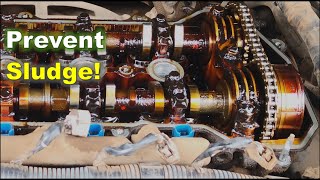
The Dodge Intrepid's 2.7L V6 engine is notoriously prone to developing oil sludge if maintenance is neglected. While the primary causes for P0344 are electronic (the sensor or wiring), this engine's mechanical weaknesses cannot be ignored. 🎬 Watch: A deep dive into the 2.7L engine's design flaws. Oil sludge can restrict oil flow, leading to failure of the timing chain tensioner. This creates slack in the timing chain, causing the camshaft's rotation to become erratic relative to the crankshaft, which in turn generates an intermittent signal from the sensor. Therefore, a simple sensor swap might only be a temporary fix if a deeper, sludge-related mechanical issue is the true root cause.
Symptoms You May Notice
- Check Engine Light is on
- Engine takes longer than usual to start (extended crank).
- Engine stalls unexpectedly, sometimes while driving at low speeds or when coming to a stop.
- Hesitation or jerking during acceleration.
- Inability to rev the engine past a certain RPM (e.g., 2500 RPM) as the PCM enters a protective limp mode.
- Rough idle or poor engine performance.
- Engine may not start at all, just cranks.
- Replacing the Crankshaft Position Sensor. While these sensors can also fail and cause similar no-start or stalling symptoms, P0344 specifically points to the camshaft sensor circuit. The crankshaft sensor has its own set of codes (e.g., P0335).
Most Likely Causes
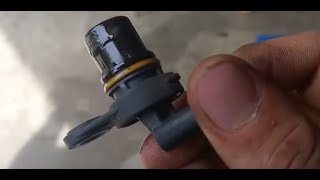
- Faulty Camshaft Position Sensor 🔴 High Probability → Shop Engine Camshaft Position Sensor The sensor is a very common failure item due to age and constant exposure to high heat cycles in the engine bay, which degrades its internal electronics.
How to confirm: After confirming the wiring is intact, replacing the sensor is the most direct way to confirm. A more advanced method is to use an oscilloscope to watch the sensor's signal for dropouts while the engine is running and the harness is wiggled. A failing sensor may also work when cold but fail as the engine warms up.
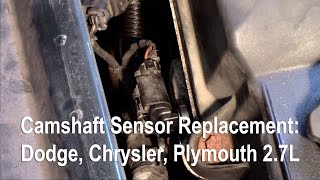
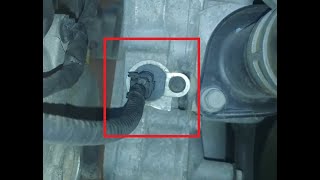
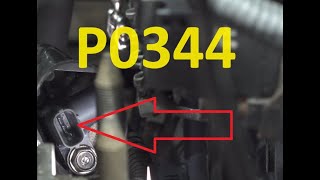
Typical fix: Replace the camshaft position sensor. It is located on the front of the driver's side cylinder head, near the oil fill cap. It is held by a single 13mm bolt. 🎬 See this step-by-step walkthrough for replacing the sensor. The job is considered beginner-level and takes less than 30 minutes.
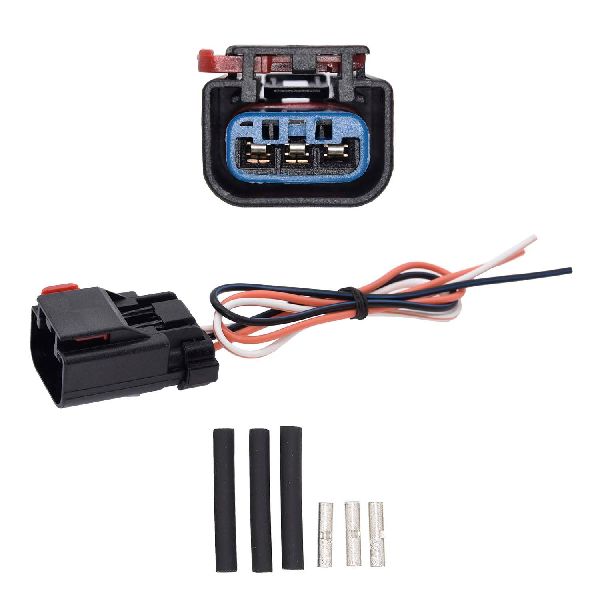
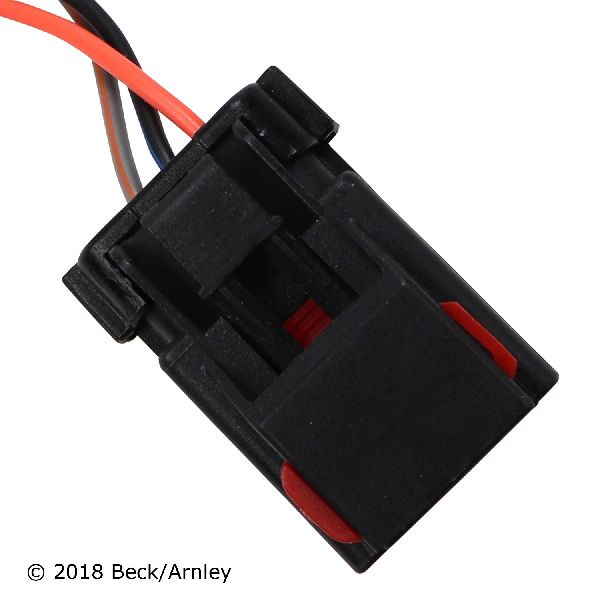
Est. part cost: $25-$75 - Damaged Wiring or Connector 🟡 Medium Probability The wiring harness and plastic connector can become brittle and fail from years of heat and vibration. The connector's red locking tab is often found broken, and oil from a leaking sensor or valve cover can contaminate the terminals, causing a poor connection.
How to confirm: Visually inspect the wiring harness leading to the sensor for any signs of cracking, fraying, or melting. Check the connector for corrosion, backed-out pins, or a loose fit. Wiggle the connector and harness with the engine running to see if it triggers a stall or causes the code to appear.
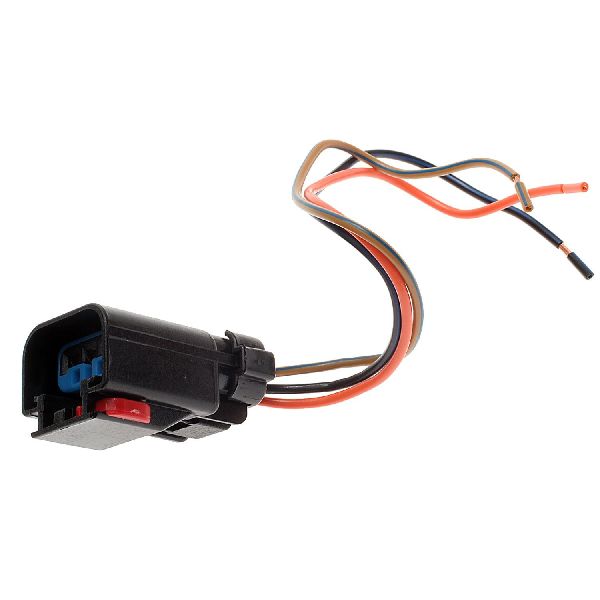
Typical fix: Repair the damaged section of wire or replace the connector pigtail. Ensure the connection is secure and free of oil.
Est. part cost: $10-$30
Rare But Worth Checking
- Timing Chain or Tensioner Issue: → Shop Engine Timing Chain The 2.7L V6 is susceptible to oil sludge, which can cause the timing chain tensioner to fail. This leads to a loose timing chain, which can make the camshaft's position erratic relative to the crankshaft, triggering an intermittent sensor code. This should be suspected if new sensors and wiring checks don't solve the problem, especially on an engine with a poor maintenance history.
- Failing Powertrain Control Module (PCM): → Shop Engine Control Module (ECM) In rare cases, the fault lies within the engine computer itself, specifically the driver circuit for the sensor. This should only be considered after all other possibilities (sensor, wiring, mechanical) have been exhaustively ruled out.
- Damaged Camshaft Reluctor Wheel/Tone Ring: → Shop Engine Camshaft The sensor reads teeth on a reluctor wheel (or tone ring) mounted on the camshaft. While rare, if this wheel is damaged, cracked, or has debris on it, it can cause an erratic signal. This would typically require significant disassembly to inspect.
Diagnosis Steps
- Scan for Codes: Confirm P0344 is present and check for any other codes, like P0340, which could provide more clues.
- Inspect the Connector and Wiring: Locate the camshaft position sensor on the driver's side cylinder head. Carefully inspect the electrical connector for damage, corrosion, or oil saturation. The red locking tab is often broken. Check the wiring harness near the sensor for any signs of brittleness, cracking, or heat damage.
- Test the Circuit: Disconnect the sensor and turn the key to the 'ON' position. Using a multimeter, check the connector terminals. On this vehicle, you should find approximately 8-9 volts on the power wire (often orange) and a good ground on the ground wire (often black/light blue). The third wire (tan/yellow) is the signal wire that sends data to the PCM.
- Monitor Live Data (Optional): Using a scan tool with live data or an oscilloscope is the most definitive test. Monitor the cam sensor signal while the engine is running. Wiggle the harness and tap on the sensor to see if you can force the signal to drop out, confirming an intermittent fault.
- Replace the Camshaft Position Sensor: If the wiring and connector appear to be in good condition, the most likely culprit is the sensor itself. It is held in by one 13mm bolt. Gently twist and pull to remove the old sensor. Lubricate the O-ring on the new sensor with clean engine oil before installation.
- Clear Codes and Test Drive: After replacing the sensor, clear the trouble codes and perform a test drive, allowing the engine to reach full operating temperature to ensure the code does not return.
- Investigate Mechanical Issues: If the code persists after a new sensor and verified wiring, the problem may be mechanical, such as a stretched or skipping timing chain. This is a more complex diagnosis and may require professional help, especially on the 2.7L engine.
Parts You'll Likely Need
- Camshaft Position Sensor
(OEM #4609089AG)— This sensor is the most common failure point for code P0344 due to its electronic nature and exposure to engine heat.
Trusted brands: Mopar, NTK/NGK, Standard Motor Products (SMP), Delphi
OEM price range: $60-$100
Aftermarket price range: $25-$75 - Camshaft Sensor Connector Pigtail — The original connector often becomes brittle from heat and the locking tab breaks, leading to a poor connection that can trigger an intermittent code.
Trusted brands: Dorman, Standard Motor Products (SMP)
Aftermarket price range: $15-$35
Related Codes That Often Appear With This One
- P0340 — P0340 indicates a complete loss of signal ('Camshaft Position Sensor Circuit Malfunction'), while P0344 is for an intermittent signal. It's common to see P0344 appear first as the sensor begins to fail, eventually progressing to a hard fault that sets P0340.
Technical Service Bulletins (TSBs) & Recalls
- TSB 08-36-99: Addresses an oil pressure light that flickers at idle. While not directly for P0344, it involves a faulty sensor (oil pressure switch) and wiring harness issue common to this engine, highlighting the platform's electrical vulnerabilities and oil system concerns.
- AMSOIL TSB MO-2005-08-29: Specifically calls out the 1998-2004 Dodge Intrepid with the 2.7L V6 as being prone to sludge issues and recommends against extending oil change intervals. 🎬 Watch: How oil sludge forms and how to prevent it.
Platform-Specific Known Issues
- The 2.7L V6 engine has a well-documented history of oil sludge problems, which can lead to premature timing chain and tensioner wear. A worn tensioner can cause chain slack, which may result in an intermittent signal from the camshaft sensor, triggering code P0344. This is a crucial secondary check if a sensor replacement does not resolve the issue.
- A flickering oil pressure light at hot idle is another common symptom on these engines, sometimes preceding sludge-related failure. This can be caused by a faulty oil pressure switch (TSB 08-36-99) or actual low pressure from sludge blocking the oil pickup screen.
Mechanic-Grade Diagnostic Values
- Camshaft Sensor Power Supply Voltage — expected: Approximately 8-9 Volts DC. Failure: Significantly lower or no voltage indicates a problem with the PCM supply or wiring.
- Camshaft Sensor Signal Voltage — expected: Fluctuating signal between 0 and 5 Volts as the engine is rotated.. Failure: A static voltage (stuck at 0V or 5V) or no signal indicates a faulty sensor or a wiring issue.
- Ignition Coil Primary Resistance — expected: 0.4 - 0.6 Ohms. Failure: A reading outside this range indicates a faulty ignition coil, which is part of the overall ignition system but not a direct cause of P0344.
Scan Tool Commands That Help
- Generic OBD-II Scanner / Dealer Tool (DRB III): Cam Sensor Relearn Procedure — Some vehicles may require a 'relearn' procedure after the camshaft position sensor is replaced to properly sync with the PCM. While not always mandatory for this specific vehicle, if the code returns immediately after a sensor replacement with a known good part, researching a relearn procedure is a valid next step.
Wiring & Ground Locations
- Camshaft Position Sensor Connector (C106) — On the driver's side cylinder head, near the oil fill cap, connecting to the camshaft position sensor.. This is the primary point of failure for wiring issues. The connector becomes brittle from heat, and its terminals can get contaminated with oil, causing an intermittent signal. The pinout is critical for testing.
- Connector Pin 1: Power Supply — On the sensor connector.. This pin, typically an Orange wire, should have approximately 8-9V DC with the key on. A lack of voltage points to a PCM or wiring fault.
- Connector Pin 2: Signal Output — On the sensor connector.. This pin, typically a Tan/Yellow wire, sends the 0-5V signal to the PCM. This is the wire to probe with an oscilloscope to check for signal dropouts.
- Connector Pin 3: Ground — On the sensor connector.. This pin, typically a Black/Light Blue wire, provides the ground for the sensor. A poor ground connection will cause an erratic or missing signal.
Real Owner Repair Stories
- DodgeForum.com user 'g00dy11' (2002 Dodge Intrepid 2.7L with ~120k miles) — P0344 and P0340 codes, jerking, stalling, car is only drivable under 2400 RPMs.
❌ Tried (didn't work) Replaced camshaft sensor, Replaced crankshaft sensor, Replaced catalytic converter, Replaced PCM (computer), Checked wires for shorts
✅ What actually fixed it The user did not post a final resolution, but the story is a critical cautionary tale. After replacing all common components, the problem persisted. The fact that the issue only occurred above a certain RPM strongly suggests the root cause was either a wiring harness issue that only manifested with specific engine vibrations or a mechanical timing problem (like a loose timing chain) that became unstable at higher engine speeds. This highlights the necessity of considering mechanical faults when electrical fixes fail. - Quora user experience (2004 Dodge Intrepid 2.7L) — Would crank but not start when hot. After cooling down, it would start and run.
❌ Tried (didn't work) Initial diagnosis was difficult as the problem was intermittent.
✅ What actually fixed it A mechanic diagnosed and replaced the camshaft position sensor. This is a classic example of a heat-soak failure, where the sensor's internal electronics fail when they reach a certain temperature but work again once they cool off, which is characteristic of an intermittent P0344 fault.
When the Usual Fixes Don't Work
- While replacing the camshaft position sensor is the most common fix, there are numerous documented cases on forums where this does not resolve the P0344 code. In one detailed case involving a 2002 Intrepid, the owner replaced the cam sensor, crank sensor, and even the PCM without success. The problem, which only occurred above 2400 RPM, pointed to a more deeply hidden issue, likely a wiring harness problem that only appeared under specific vibrations or a mechanical timing chain issue. This serves as strong counter-evidence to the idea that a sensor swap is a guaranteed fix and reinforces the need to investigate wiring integrity and mechanical timing if the code persists.
OEM Part Supersession History
4609089AG→68407872AA— Standard part lifecycle update by manufacturer.
Heads up: While vendor sites list 68407872AA as a compatible replacement, always verify with a dealer using the vehicle's VIN before purchasing a superseded part.
Model Year Variations Within This Range
- 1998-2004: No significant variations have been identified for the camshaft position sensor, its wiring, or the causes of code P0344 within this model year range for the 2.7L engine. The diagnostic procedure is consistent across all years.
Diagnostic Flowchart
Other Known Issues on This Vehicle
Issues unrelated to this code that are worth knowing about as an owner of this generation:
- Engine Oil Sludge Buildup 🔴 High — Very common, especially if oil changes are extended past 3,000 miles. Can lead to catastrophic engine failure at any mileage, often cited between 75k-150k miles. (Ref: AMSOIL TSB MO-2005-08-29)
- Internal Water Pump Failure 🔴 High — Common failure item. The pump is driven by the timing chain, making replacement labor-intensive (4-6 hours). A failed internal seal allows coolant to mix directly with engine oil, leading to rapid engine destruction.
- Transmission Solenoid Pack Failure 🟠 Medium — Common on the A606/42LE automatic transmission. Symptoms include harsh shifting, getting stuck in gear (limp mode), or delayed engagement.
- Cracked Radiator Side Tanks 🟠 Medium — The plastic end tanks on the radiator become brittle with age and can crack, causing coolant leaks. The 2.7L is extremely sensitive to overheating, making any coolant leak a high-priority issue.
- Transmission Cooler Failure ('Strawberry Milkshake') 🔴 High — An internal failure in the radiator can allow transmission fluid and coolant to mix. This contaminated fluid quickly destroys the automatic transmission, requiring a full rebuild or replacement.
Used vs. New Parts: Buying Guide for This Vehicle
When a used part is the smart pick: For this repair, a used part only makes sense for the electrical connector pigtail. If the original connector is broken or brittle, a pigtail cut from a harness at a junkyard is a cost-effective and reliable repair. A used camshaft sensor itself is NOT recommended due to its high failure rate and the low cost of a new part.
Donor-vehicle mileage cap: roughly under 150000 miles for the part to have meaningful remaining life.
What to inspect on the donor part:
- For a connector pigtail, ensure the plastic is not brittle or cracked.
- Check that the locking tab (often red) is intact and functional.
- Inspect the wire insulation for at least a few inches back from the connector to ensure it is flexible and not heat-hardened or cracked.
- Look for clean, corrosion-free metal terminals inside the connector.
OEM-only on this vehicle (don't cheap out):
- While not strictly 'OEM-only', many owners on forums report that cheap, unbranded aftermarket camshaft sensors fail quickly or are dead-on-arrival. Using an OEM Mopar sensor is the safest bet to avoid repeat repairs.
Aftermarket brands forum-validated for this vehicle:
- NTK/NGK
- Standard Motor Products (SMP)
- Delphi
Brands owners have reported issues with on this vehicle:
- Unbranded, 'white-box' sensors from online marketplaces with no reputable brand name attached.
Real Owner Stories
Aggregated from forums and TSBs cited above. Mileages and costs reflect what owners reported in those sources.
2001 Dodge Intrepid 2.7L
Symptoms: A flickering oil light, which can be a precursor to sludge issues that cause timing problems.
What fixed it: A new oil pressure switch and modified harness as per TSB 08-36-99 resolved the flickering light. The dealer confirmed actual oil pressure was within spec.
Source hint: ChryslerForum.com
1998-2004 Dodge Intrepid 2.7L V6
Symptoms: Jerking during acceleration, especially above 2400 RPMs.
What fixed it: In this case, replacing the sensor and even the PCM did not fix the issue, pointing to a deeper, unresolved wiring or mechanical fault.
Source hint: DodgeForum.com
1998-2004 Dodge Intrepid 2.7L V6
Symptoms: Check Engine Light with code P0344 and/or P0340.
What fixed it: The most common fix reported by owners was replacing the faulty sensor with an OEM Mopar part, as aftermarket sensors were often problematic.
Source hint: DodgeIntrepid.net
Related OBD-II Codes
Frequently Asked Questions
Where is the camshaft position sensor located on my 1998-2004 Dodge Intrepid 2.7L?
I replaced the cam sensor, but the P0344 code came back. What's the next thing to check on this specific engine?
Is it okay to use an aftermarket camshaft position sensor on my Intrepid?
My oil pressure light is flickering at idle. Could this be related to the P0344 code?
How difficult is it to replace the camshaft position sensor myself?
What voltage should I test for at the cam sensor connector?
Helpful Videos

We Have This Part in Stock


The information in this article is provided for general reference and educational purposes only. Vehicle specifications, procedures, and part compatibility can vary by production date, trim level, and region. Always consult your vehicle's factory service manual and verify part numbers before purchasing or performing repairs. Safety-critical components such as airbags, seat belts, and braking systems should be installed by a qualified professional.
- Dodge Intrepid:
- 🧭 Diagnostic Flowchart
- 🎬 Helpful Videos
- 🛍️ Shop This Part
- What's Unique About the 1998-2004 Dodge Intrepid
- Symptoms You May Notice
- Most Likely Causes
- Rare But Worth Checking
- Diagnosis Steps
- Parts You'll Likely Need
- Related Codes That Often Appear With This One
- Technical Service Bulletins (TSBs) & Recalls
- Platform-Specific Known Issues
- Mechanic-Grade Diagnostic Values
- Scan Tool Commands That Help
- Wiring & Ground Locations
- Real Owner Repair Stories
- When the Usual Fixes Don't Work
- OEM Part Supersession History
- Model Year Variations Within This Range
- Other Known Issues on This Vehicle
- Used vs. New Parts: Buying Guide for This Vehicle
- Real Owner Stories
- 2001 Dodge Intrepid 2.7L
- 1998-2004 Dodge Intrepid 2.7L V6
- 1998-2004 Dodge Intrepid 2.7L V6
- Related OBD-II Codes
- Frequently Asked Questions
- 🎟️ Get 5% Off