

P0345 on 2005-2008 Audi A4 3.2L V6: Cam Sensor Fault vs. Timing Chain Failure
P0345 indicates a fault with the driver's side (Bank 2) intake camshaft position sensor. While the most likely fix is a new sensor (~$40-$100), this code on the 3.2L V6 is a serious warning sign for failing timing chain tensioners, a very expensive repair. Listen carefully for a rattling noise on startup. Checking camshaft adaptation values in VCDS Measuring Block 093 is critical for diagnosis.
- P0345 on this Audi A4 3.2L is a serious code that requires immediate attention.
- Before buying any parts, listen for a rattling noise from the engine on startup. A rattle strongly suggests a major timing chain problem.
- The easiest and first diagnostic step is to swap the driver's side and passenger's side intake cam sensors to see if the code follows the sensor.
- If a new sensor does not fix the code, do not continue driving. The vehicle needs professional diagnosis to check for mechanical timing failure, a known and very expensive issue on this engine.
- Always use high-quality OEM-supplier parts like Bosch for critical engine sensors to avoid premature failure.
What's Unique About the 2005-2008 Audi A4
The B7 generation A4 with the BKH 3.2L V6 engine has its timing chains located at the rear of the engine, against the firewall. This engine family is well-documented for having issues with plastic timing chain guides and hydraulic tensioners failing. Therefore, a P0345 code is not just a simple sensor fault; it can be the first and most urgent warning of a stretched timing chain or failing tensioner. Ignoring this code, especially if accompanied by a startup rattle, can lead to catastrophic engine failure.
Symptoms You May Notice
- Check Engine Light is on
- Engine is difficult to start or cranks for a long time
- Engine stalls, especially at low RPM or idle
- Rough idle and engine vibration
- Noticeable loss of power and poor acceleration
- Engine misfires, potentially with codes for multiple cylinders on Bank 2 (e.g., P0300, P0304, P0306)
- Reduced fuel efficiency
- Replacing only the camshaft position sensor without checking for a startup rattle or checking camshaft adaptation values. The sensor is often just reporting the symptom (incorrect timing) of a much larger mechanical problem.
- Assuming the timing chain is bad without first checking/swapping the camshaft adjustment solenoid, which is a much easier and cheaper fix.
Most Likely Causes
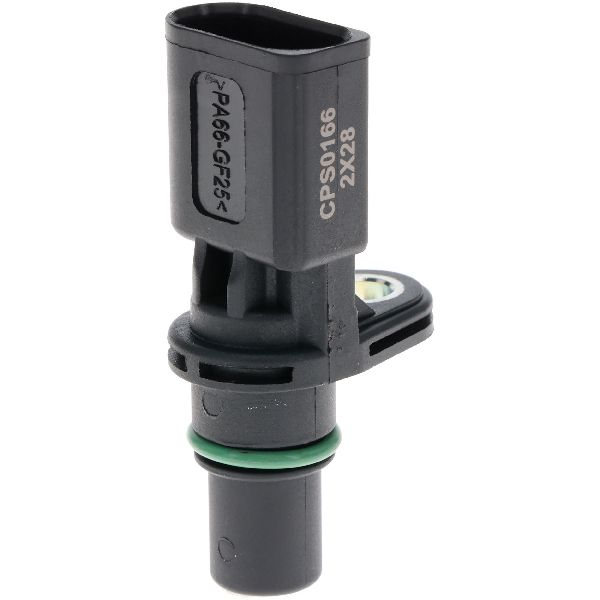
- Failed Camshaft Position Sensor (Bank 2 Intake) 🔴 High Probability → Shop Engine Camshaft Position Sensor Heat and vibration in the engine bay can cause these electronic sensors to fail over time. Oil leaks from the valve cover gasket can also contaminate the sensor and its connector.
How to confirm: Swap the Bank 2 (driver's side) intake camshaft sensor with the Bank 1 (passenger's side) intake sensor. Clear the codes and run the engine. If the code changes to P0340 (Camshaft Position Sensor 'A' Circuit Malfunction Bank 1), the sensor is faulty.
Typical fix: Replace the Bank 2 intake camshaft position sensor.
Est. part cost: $40-$120 - Failing Timing Chain Tensioners or Stretched Chain 🟡 Medium Probability → Shop Engine Timing Chain The 3.2L FSI V6 is known for premature failure of its plastic timing chain guides and hydraulic tensioners. The rear-mounted position of the timing system makes this a very labor-intensive repair.
How to confirm: Listen for a distinct metallic rattle from the back of the engine for 1-3 seconds on a cold start. 🎬 Watch: Hear what a failing timing chain sounds like at startup. Use a diagnostic tool (like VCDS) to check Measuring Value Block 093 for camshaft phase adaptation. Values for Bank 2 exceeding -8° are a strong indicator of a timing system problem. Some forum users report driving with values over -10° but this is not advised.
Typical fix: This is a major repair requiring engine removal to replace all timing chains, tensioners, and guides. This should be performed by a qualified specialist. The job can cost between $4,000 and $6,000 at an independent shop.
Est. part cost: $800-$1500 for a full kit - Damaged Wiring or Connector ⚪ Low Probability Engine bay heat can make wiring insulation brittle and connectors fragile over time. The harness can be damaged during other repairs if not handled carefully.
How to confirm: Visually inspect the wiring harness and connector for the Bank 2 intake cam sensor. Check for chafing, breaks, or corrosion on the pins. Use a multimeter to test for continuity and proper voltage at the connector (typically a 5V reference, ground, and signal wire).
Typical fix: Repair the damaged section of the wiring harness or replace the sensor pigtail connector.
Est. part cost: $15-$50 - Faulty Camshaft Adjustment Solenoid (VVT) ⚪ Low Probability → Shop Engine Camshaft These solenoids can become clogged with oil sludge or fine metal particles, causing them to stick and not adjust cam timing correctly.
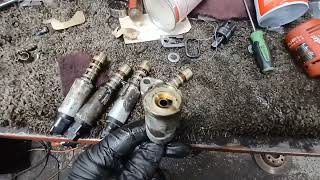
How to confirm: Swap the Bank 2 intake solenoid with the Bank 2 exhaust solenoid. Clear codes and see if the fault code changes (e.g., to a P0346 or similar). You can also remove the solenoid (held by one T25/T30 Torx bolt) and inspect its screen for debris. 🎬 Watch: How to test and clean a stuck camshaft adjuster solenoid. Test it with a 12V source to see if it actuates (clicks).
Typical fix: Remove and clean the solenoid screen. If cleaning doesn't work, replace the Bank 2 intake camshaft adjustment solenoid.
Est. part cost: $50-$150
Rare But Worth Checking
- Failing Engine Control Module (ECM): This is very rare. The ECM should only be considered after all other possibilities, including sensors, wiring, and mechanical timing, have been exhaustively ruled out.
Diagnosis Steps
- Read the code with an OBD-II scanner to confirm P0345 is present.
- CRITICAL STEP: On a cold engine, start the vehicle and listen carefully for any rattling or chain-slap noise from the rear of the engine near the firewall. Any rattle indicates a probable timing chain issue and you should stop and seek professional diagnosis.
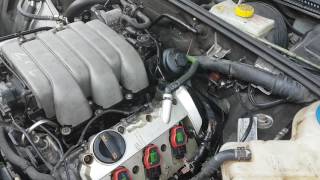
- If there is no rattle, proceed. Visually inspect the wiring and connector for the Bank 2 (driver's side) intake camshaft position sensor. It is located on the top front of the valve cover. 🎬 See this walkthrough on how to access and replace the sensor. Look for any signs of damage, corrosion, or loose connections.
- As a simple test, swap the Bank 2 intake sensor with the identical Bank 1 (passenger side) intake sensor. Clear the codes, start the engine, and see if the fault code returns as P0340. If it does, the sensor you moved is bad.
- If the code remains P0345, consider the camshaft adjustment solenoid. Swap the Bank 2 intake solenoid with the Bank 2 exhaust solenoid. If the code changes, the solenoid is faulty. You can also remove it (one Torx bolt) and clean the mesh screen.
- If the code remains P0345 after the sensor and solenoid swaps, the problem is likely in the wiring or the mechanical timing.
- Use a multimeter to check the sensor connector for a 5V reference signal, a good ground, and a fluctuating signal wire with the engine cranking.
- If wiring and sensors are confirmed good, the next step is to check for mechanical timing issues. This requires an advanced scan tool (like VCDS) to read camshaft phase adaptation values in measuring block 093. A value for Bank 2 greater than -8° (e.g., -9°, -10°) strongly indicates a stretched chain or bad tensioner, which is a job for a professional.
- If all else fails, consider a faulty ECM, though this is extremely unlikely.
Parts You'll Likely Need
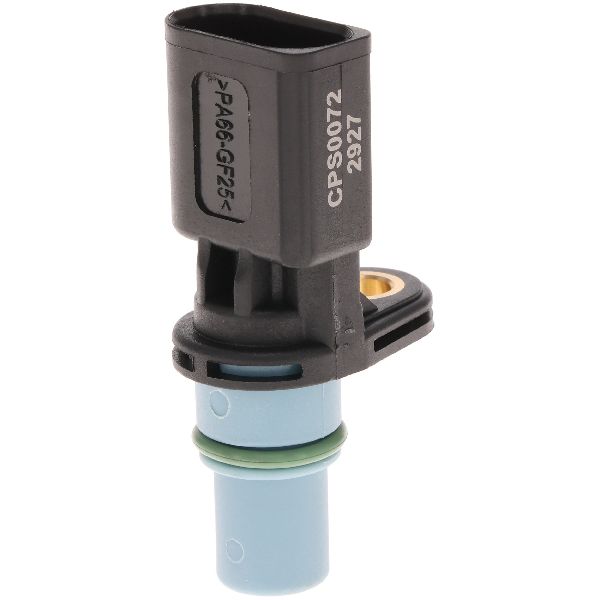
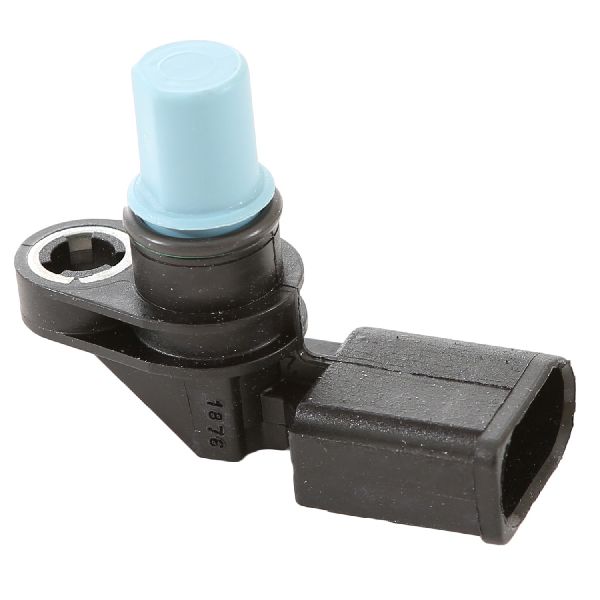
- Camshaft Position Sensor (Bank 2 Intake)
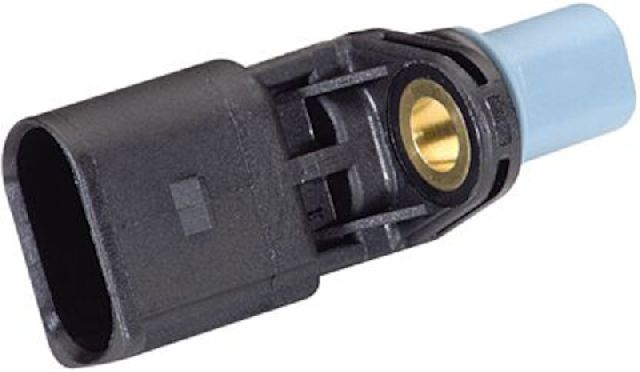
(OEM #06E905163)— This is the most common direct cause of the code when there are no underlying mechanical issues.
Trusted brands: Bosch, Vemo, NGK, OE Supplier
OEM price range: $80-$120
Aftermarket price range: $40-$75 - Timing Chain Kit — Required if diagnosis points to stretched chains or failed tensioners, a known issue on the BKH engine. This is a major, high-labor repair.
Trusted brands: Iwis (OEM supplier), FCP Euro Kit, INA, ECS Tuning Kit
OEM price range: $1000-$1500 (for parts kit)
Aftermarket price range: $700-$1000 (for parts kit) - Camshaft Adjustment Solenoid
(OEM #06E109257P)— A less common but possible cause. The solenoid can get stuck due to debris, preventing proper cam phasing and triggering a sensor performance code.
Trusted brands: Audi Genuine, INA
OEM price range: $120-$160
Aftermarket price range: $70-$100
Related Codes That Often Appear With This One
- P0340 — This is the equivalent code for Bank 1. It may appear if sensors are swapped for diagnosis or if there are widespread timing issues.
- P0300, P0304, P0305, P0306 — These are random and cylinder-specific misfire codes. If the cam timing on Bank 2 is incorrect, it will cause misfires on the cylinders of that bank (4, 5, and 6).
- P0018 — Crankshaft Position - Camshaft Position Correlation Bank 2 Sensor 'A'. This code specifically indicates that the timing between the crank and the Bank 2 intake cam is out of sync, pointing more strongly toward a mechanical timing issue.
Platform-Specific Known Issues
- The BKH 3.2L V6 engine is widely known for premature failure of its upper timing chain tensioners and plastic guides. This code is a primary symptom. The repair is extremely labor-intensive as the timing system is at the rear of the engine, requiring engine or transmission removal for access. Repair costs can exceed the value of the vehicle.
- A user on YouTube documented a P0346 (Bank 2 exhaust sensor) fault that presented with identical symptoms. After replacing the tensioner with no success, the root cause was found to be a camshaft adjustment solenoid that was stuck due to a small metal particle. This highlights the importance of diagnosing the solenoids before condemning the timing chains.
Mechanic-Grade Diagnostic Values
- Camshaft Position Sensor (G163) Connector Voltage — expected: 5V between the outer pins with key on, engine off.. Failure: No voltage or significantly less than 5V suggests a wiring or ECM power supply issue.
- Camshaft Adjustment Solenoid (N208) Internal Resistance — expected: 5.0 to 8.0 Ohms at approximately 20°C (68°F).. Failure: A reading outside this range, or an open/short circuit, indicates a faulty solenoid.
- Wiring Harness Continuity to ECM — expected: Maximum resistance of 1.5 Ohms between a sensor connector pin and the corresponding ECM pin.. Failure: Resistance higher than 1.5 Ohms indicates a break or high resistance in the harness.
Hidden / Shadow Codes Worth Checking
- 16729/P0345: Camshaft Position Sensor (G163): Malfunction. This is the VAG-specific (Ross-Tech) identifier for the generic P0345 code, pointing to the Bank 2 sensor. (see via VCDS (VAG-COM) or other diagnostic tools that read manufacturer-specific codes.)
- P0346 - Implausible Signal: This is a range/performance code for the same sensor. In some cases, it can appear alongside P0345 or instead of it, often pointing to intermittent signal loss or mechanical timing issues rather than a complete circuit failure. (see via Standard OBD-II scanner or VCDS. A forum post showed this code appearing with a P0304 misfire.)
Scan Tool Commands That Help
- VCDS (VAG-COM): Engine-01 -> Measuring Blocks-08 -> Group 093 — This is the most critical diagnostic step after checking the sensor itself. The values in fields 2 (Bank 1) and 4 (Bank 2) show the camshaft phase adaptation in degrees. A value for Bank 2 that is more negative than -8° (e.g., -9°, -10°) is a strong sign of a stretched timing chain or failing tensioner.
- VCDS (VAG-COM): Engine-01 -> Output Tests-03 — This function can be used to cycle the camshaft adjustment solenoids (N205, N208, etc.). You should hear an audible click from the solenoid as it actuates. A lack of a click can indicate a stuck or failed solenoid, which is a much cheaper fix than a timing chain job.
Wiring & Ground Locations
- Camshaft Position Sensor (G163) Connector — On the top front of the driver's side (Bank 2) valve cover.. This is the primary connection point for the sensor. Pin 1 is power (5V), Pin 3 is ground. Testing voltage here is the first step in diagnosing the electrical circuit.
- G12 Ground Point — Located at the center of the firewall in the engine bay.. This ground point serves the ECM. A loose or corroded connection here can cause a variety of erratic engine management faults, including sensor codes.
- Engine Block Ground Strap — A small ground wire often attached to a bolt on the oil filter housing.. This is a critical ground point for engine sensors. Forum users report it can be easily missed or left loose after service, causing hard-to-diagnose electrical issues.
Real Owner Repair Stories
- Ross-Tech Forum User (2008 Audi A6 3.2L BKH Engine) — MIL on, misfire in Cylinder 4 (P0304), and Camshaft Position Sensor Implausible Signal (P0346).
❌ Tried (didn't work) Replacing valve cover gaskets, Replacing all spark plugs and coil packs, Replacing the Bank 2 Camshaft Position Sensor (G163)
✅ What actually fixed it A dealership found and cleaned out dirt that was clogging the Bank 2 Cam Adjuster Valve (solenoid). This resolved the misfire and related codes without requiring a timing chain replacement.
OEM Part Supersession History
06E109257F→06E109257J, then 06E109257P— Revisions to improve reliability and prevent sticking/clogging issues.
Heads up: The latest part number, 06E109257P, is the recommended replacement for all previous versions.06E905163→No direct supersession found, but multiple manufacturers produce this part. There is a note for some models that this part is for vehicles built up to 05/15/2006, suggesting a possible change, but it appears to fit the entire 2005-2008 range for the A4 3.2L.
Model Year Variations Within This Range
- 2004-2010: The BKH engine is part of a larger EA837 family that includes AUK, BPK, and BYU codes. While mechanically very similar, there can be minor differences in ECU software. A Ross-Tech forum thread indicates that VCDS may identify a BKH engine as AUK because they use the same label file, confirming they are functionally almost identical for diagnostic purposes.
Diagnostic Flowchart
Other Known Issues on This Vehicle
Issues unrelated to this code that are worth knowing about as an owner of this generation:
- Intake Valve Carbon Buildup 🔴 High — Extremely common on all FSI (direct injection) engines. Typically requires cleaning every 60,000-80,000 miles. Causes misfires, rough idle, and loss of power.
- Front Control Arm Bushing Failure 🟠 Medium — The multi-link front suspension has numerous rubber bushings that wear out, causing clunking noises over bumps, poor handling, and uneven tire wear. Usually requires replacement around 80,000-100,000 miles.
- PCV Valve Failure 🟠 Medium — The Positive Crankcase Ventilation (PCV) valve can fail, leading to high oil consumption, rough idle, and potential damage to engine seals. It's a common failure point on many VAG engines of this era.
Used vs. New Parts: Buying Guide for This Vehicle
When a used part is the smart pick: A used Camshaft Position Sensor or Camshaft Adjustment Solenoid from a low-mileage donor vehicle can be a cost-effective option, as they are plug-and-play components. However, given the relatively low cost of new aftermarket parts, buying new is often preferable.
Donor-vehicle mileage cap: roughly under 75000 miles for the part to have meaningful remaining life.
What to inspect on the donor part:
- For sensors/solenoids, check the connector for corrosion or damage.
- Ask for the donor vehicle's VIN to verify mileage and check for accident history.
- Avoid parts from engines that show signs of heavy oil sludge or poor maintenance.
- NEVER buy used timing chain components (chains, tensioners, guides).
OEM-only on this vehicle (don't cheap out):
- Timing Chain Components: Due to the high failure rate and extreme labor cost of the job, only use OEM (Iwis) or high-quality, reputable aftermarket kits. This is not a job you want to do twice.
Aftermarket brands forum-validated for this vehicle:
- Sensors: Bosch, NGK, OE Supplier
- Solenoids: INA (often an OE supplier), Genuine Audi
- Timing Chain Kits: Iwis, FCP Euro Kit, ECS Tuning Kit, Vaico
Brands owners have reported issues with on this vehicle:
- Unnamed or 'white-box' electronic sensors and timing chain kits from online marketplaces. The risk of premature failure is too high for the labor involved.
Real Owner Stories
Aggregated from forums and TSBs cited above. Mileages and costs reflect what owners reported in those sources.
2007 Audi A4 B7 3.2L V6
Symptoms: The owner had a P0346 code (Bank 2 exhaust) and replaced the timing chain tensioner, but the error persisted.
What fixed it: The root cause was a camshaft adjustment solenoid that was stuck due to a small metal particle.
Source hint: YouTube: User 'Tee Eye' posted a video titled 'AUDI B7 3.2 V6 P0346 ERROR CE LIGHT STUCK UP CAMSHAFT VALVE'
2006 Audi A6 (C6) 3.2L FSI — ~120000 miles
Symptoms: VCDS log showed Bank 1 at -4.4° and Bank 2 at -7.9° in Block 093.
What fixed it: Forum members advised against purchasing the vehicle or suggested immediate timing service as -8° is considered the service limit.
Source hint: AudiWorld Forums: A 2016 thread about a potential purchase of an A6 3.2L
2008 Audi A4 3.2L V6
Symptoms: Rattle on startup and adaptation values greater than -9.0°.
What fixed it: The user noted that driving with these values was a significant risk and indicated the tensioner was failing.
Source hint: AudiWorld Forums: A 2023 thread confirms that driving with adaptation values greater than -9.0° is not advised
Related OBD-II Codes
Frequently Asked Questions
I have a P0345 code on my 3.2L V6; how can I tell if it's just a sensor or the expensive timing chain issue?
Can I just swap parts to confirm if the Bank 2 intake camshaft sensor is bad?
How much does it cost to fix the timing chain tensioners on a 2005-2008 Audi A4 3.2L?
Is there anything else besides the sensor or timing chain that causes P0345 on the BKH engine?
I see oil near my camshaft sensor connector; could this be the problem?
Helpful Videos



We Have This Part in Stock

The information in this article is provided for general reference and educational purposes only. Vehicle specifications, procedures, and part compatibility can vary by production date, trim level, and region. Always consult your vehicle's factory service manual and verify part numbers before purchasing or performing repairs. Safety-critical components such as airbags, seat belts, and braking systems should be installed by a qualified professional.
- Audi A4:
- 🧭 Diagnostic Flowchart
- 🎬 Helpful Videos
- 🛍️ Shop This Part
- What's Unique About the 2005-2008 Audi A4
- Symptoms You May Notice
- Most Likely Causes
- Rare But Worth Checking
- Diagnosis Steps
- Parts You'll Likely Need
- Related Codes That Often Appear With This One
- Platform-Specific Known Issues
- Mechanic-Grade Diagnostic Values
- Hidden / Shadow Codes Worth Checking
- Scan Tool Commands That Help
- Wiring & Ground Locations
- Real Owner Repair Stories
- OEM Part Supersession History
- Model Year Variations Within This Range
- Other Known Issues on This Vehicle
- Used vs. New Parts: Buying Guide for This Vehicle
- Real Owner Stories
- 2007 Audi A4 B7 3.2L V6
- 2006 Audi A6 (C6) 3.2L FSI — ~120000 miles
- 2008 Audi A4 3.2L V6
- Related OBD-II Codes
- Frequently Asked Questions
- 🎟️ Get 5% Off