

P0345 on 2007-2010 Audi Q7 4.2L V8: Camshaft Sensor Causes and Fixes
On the 2007-2010 Audi Q7 4.2L, P0345 is most often a failed camshaft position sensor on the driver's side of the engine. A replacement sensor costs $30-$180. However, before replacing it, check for swapped electrical connectors with the nearby intake manifold runner valve, a common mistake. This code can also be an early warning for serious timing chain guide failure.
- P0345 on your Audi Q7 refers to the driver's side intake camshaft position sensor.
- Before buying parts, check for swapped connectors with the intake manifold tuning valve, especially if you also have a P2075 code.
- A startup rattle with this code is a red flag for timing chain problems, a very expensive repair.
- The easiest way to test the sensor is to swap it with the passenger side sensor and see if the code changes to P0340.
What's Unique About the 2007-2010 Audi Q7
The Audi 4.2L V8 engine (BAR) has two quirks related to code P0345. First, the electrical connector for the camshaft position sensor is identical to the one for the nearby intake manifold tuning valve; swapping them by mistake during maintenance is a common cause of this code, often accompanied by P2075. Second, and more seriously, this engine is known for premature failure of its plastic timing chain guides. A camshaft position sensor code can be the first and only early warning that the timing is slightly off due to a failing guide or tensioner, a major repair that requires engine removal.
Symptoms You May Notice
- Check Engine Light is on
- Engine is hard to start or requires extended cranking
- Rough or unstable idle
- Noticeable loss of power and poor acceleration
- Engine may stall unexpectedly
- Reduced fuel economy
- Rattling noise from the rear of the engine on cold starts (indicates potential timing chain issue)
- Replacing the crankshaft position sensor. This is a different sensor and will not fix a P0345 code.
- Immediately assuming the timing chain has failed without performing simpler diagnostic steps first, like swapping sensors or checking for swapped connectors.
Most Likely Causes
- Failed Camshaft Position Sensor (Bank 2) 🔴 High Probability → Shop Engine Camshaft Position Sensor Sensors are wear items that fail over time due to heat cycles and vibration in the engine bay.
How to confirm: Swap the Bank 2 (driver's side) sensor with the Bank 1 (passenger's side) sensor, as they are identical. If the code changes to P0340 (Bank 1 fault), the sensor is bad. Alternatively, use a multimeter to check for 5 volts at the connector with the ignition on.
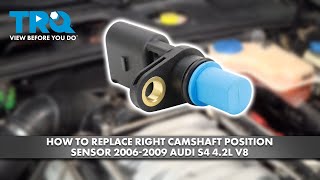
Typical fix: Replace the Bank 2 Camshaft Position Sensor. It is held in by a single T30 Torx bolt. 🎬 Watch this walkthrough on how to replace the sensor.
Est. part cost: $30-$185 - Swapped Electrical Connectors 🟡 Medium Probability The camshaft position sensor connector is identical to the nearby Intake Manifold Tuning (IMT) Valve connector and they can be easily mixed up during repairs like valve cover gasket replacement.
How to confirm: Visually inspect the connectors on the driver's side cylinder head. If you also have a P2075 code, this is almost certainly the cause.
Typical fix: Swap the connectors back to their correct components. Clear the codes.
Est. part cost: $0 - Damaged Wiring or Connector ⚪ Low Probability Engine bay heat can make wiring brittle over time, leading to cracks or breaks. Pins in the connector can also corrode.
How to confirm: Visually inspect the wiring harness and connector for the Bank 2 camshaft sensor for any signs of cracking, melting, or corrosion on the pins. Check for a blown fuse, as the sensor circuit is often fused.
Typical fix: Repair the damaged section of the wiring harness or replace the connector pigtail.
Est. part cost: $15-$50
Rare But Worth Checking
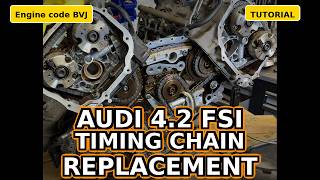
- Failing Timing Chain, Guides, or Tensioners: → Shop Engine Timing Chain This is the most serious potential cause. The 4.2L FSI is known for plastic timing chain guide failure. This code can appear when the camshaft timing is slightly off due to chain stretch or a broken guide. A rattling noise from the rear of the engine on startup is a strong indicator of this issue, which is an engine-out repair costing thousands.
- Failing Engine Control Module (ECM): This is very rare, but the ECM can fail internally and stop processing the sensor signal correctly. This should only be considered after all other possibilities have been exhaustively ruled out.
Diagnosis Steps
- Scan for any other fault codes. Pay close attention to P2075, P0340, or any correlation codes like P0018.
- If P2075 is present, inspect the electrical connectors on the driver's side cylinder head to ensure the cam sensor and IMT valve plugs are not swapped.
- Listen carefully to the engine during a cold start. A brief (1-2 second) rattle from the back of the engine is a tell-tale sign of timing chain tensioner/guide problems.
- If no other codes are present, inspect the wiring and connector for the Bank 2 camshaft position sensor for any visible damage.
- With the ignition on (engine off), use a multimeter to verify 5V power between Pin 1 and Pin 3 of the sensor's electrical connector. If power is absent, check for a blown fuse or wiring issue.
- As a definitive test for the sensor, swap the Bank 2 (driver's side) sensor with the Bank 1 (passenger's side) sensor. Clear the codes and run the engine. If the fault code changes to P0340, the sensor you moved is faulty and needs to be replaced.
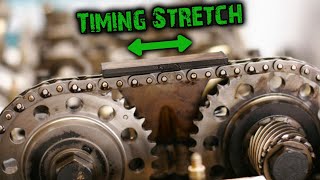
- If the P0345 code returns after the swap, the problem lies in the wiring or a mechanical timing issue. At this point, use a scan tool (like VCDS) to check Measuring Block 093 for camshaft adaptation. A deviation greater 🎬 See how to check for timing chain stretch using VCDS. than 8 degrees strongly indicates a mechanical timing problem.
- If advanced diagnostics point to a mechanical issue, professional service is strongly recommended.
Parts You'll Likely Need
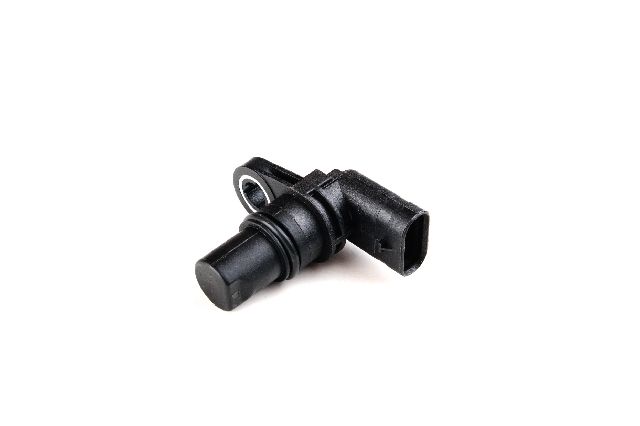
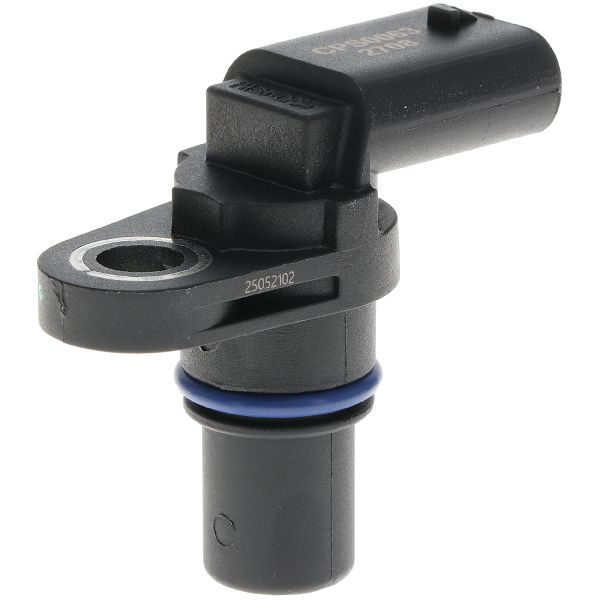
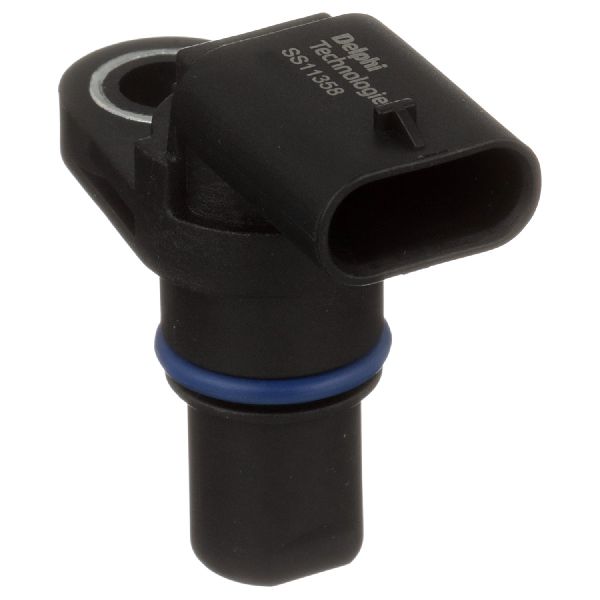
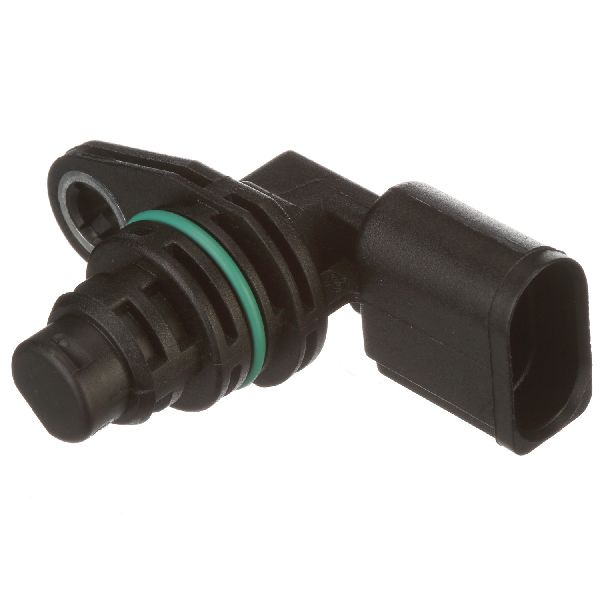
- Camshaft Position Sensor (Bank 2)
(OEM #07L905163C)— This is the most common part to fail, causing the P0345 code when not related to swapped connectors or timing issues.
Trusted brands: Bosch, NTK, Standard Motor Products, Genuine Audi
OEM price range: $120-$185
Aftermarket price range: $30-$90
Related Codes That Often Appear With This One
- P0340 — Camshaft Position Sensor 'A' Circuit (Bank 1). This code will appear if you swap a faulty Bank 2 sensor to the Bank 1 position as a diagnostic test, confirming the sensor itself is bad.
- P2075 — Intake Manifold Tuning (IMT) Valve Position Sensor/Switch Circuit. This code often appears with P0345 when the identical electrical connectors for the cam sensor and the IMT valve have been accidentally swapped.
- P0018 — Crankshaft Position - Camshaft Position Correlation (Bank 2). This code is more serious and indicates a mechanical timing problem. If you see this with P0345, it strongly suggests the issue is with the timing chain system, not just the sensor.
Technical Service Bulletins (TSBs) & Recalls
- 2045732/1 — Notes that a screen housing on a non-return valve in the camshaft bridge can fail. Debris can be cleaned out, potentially restoring proper oil flow to cam adjusters without replacing the entire bridge, which could indirectly resolve cam position faults.
Platform-Specific Known Issues
- The 4.2L FSI V8 in this Q7 has timing chains at the rear of the engine, making any service to them an engine-out procedure. A P0345 code must be taken seriously as a potential early warning of this major issue.
- Accidentally swapping the identical connectors for the camshaft position sensor and the intake manifold tuning valve is a well-documented issue that can lead to a P0345 fault.
Mechanic-Grade Diagnostic Values
- Camshaft Position Sensor Connector Voltage — expected: Approximately 5.0V DC between Pin 1 (Power) and Pin 3 (Ground) with ignition on, engine off.. Failure: No voltage or significantly lower voltage suggests a wiring harness issue, blown fuse, or an ECM fault.
- VCDS Scan Tool - Engine Measuring Block 093 — expected: At warm idle, the sum of the values for 'Intake Bank 2 Phase' and 'Exhaust Bank 2 Phase' should be less than 8 degrees.. Failure: A consistent deviation value greater than 8 degrees (e.g., -5 intake and -4 exhaust = -9 total) strongly points towards a mechanical timing issue like a stretched chain or failing tensioner, not a sensor fault.
Scan Tool Commands That Help
- VCDS (VAG-COM) or equivalent: Read Measuring Value Blocks (MVB) - Group 093 — This is a critical diagnostic step after confirming the sensor and wiring are electrically sound. It helps differentiate between a simple sensor fault and a much more serious mechanical timing issue by showing the ECM's commanded vs. actual camshaft position.
Wiring & Ground Locations
- Camshaft Position Sensor (G301) Connector — On the front of the driver's side (Bank 2) cylinder head.. This is the primary connection point for the sensor. Pin 1 is the 5V reference, and Pin 3 is the ground. Testing voltage here is a primary diagnostic step.
- Ground Point 640 / 671 — In the engine compartment, on the left side frame rail (long member).. This is a primary engine harness ground point. A loose or corroded connection here can cause intermittent and difficult-to-diagnose electrical faults for multiple sensors, including the camshaft position sensor.
- ECM Connector (T94) — Located in the plenum chamber (the area below the windshield wipers).. This is the final destination for the sensor's signal wire. Water ingress into the plenum chamber is a known issue on this platform and can corrode pins on the ECM connector, causing this fault.
OEM Part Supersession History
7L905163→07L905163C— Part has been revised multiple times by the manufacturer. The 'C' revision is the latest and most current version.
Heads up: The previous versions (7L905163A, 7L905163B) are all replaced by 07L905163C. There are no known incompatibilities when using the newest part on an older vehicle.
Model Year Variations Within This Range
- 2007-2010: The 4.2L FSI V8 (BAR) engine and 6-speed transmission were consistent across this range. A cosmetic facelift in 2009 did not affect the engine components relevant to P0345. For the 2011 model year, this engine was replaced by a 3.0L supercharged V6, making this guide inapplicable to 2011+ models.
Diagnostic Flowchart
Other Known Issues on This Vehicle
Issues unrelated to this code that are worth knowing about as an owner of this generation:
- Intake Valve Carbon Buildup 🟠 Medium — Common on all FSI engines, typically requires cleaning every 60,000-100,000 miles. Symptoms include rough idle, loss of power, and misfires.
- Timing Chain Guide & Tensioner Failure 🔴 High → Shop Engine Timing Chain — A notorious and widespread issue. Plastic guides become brittle and break, or tensioners fail. Often signaled by a startup rattle. Failure is catastrophic and requires engine removal for repair.
- Adaptive Air Suspension Failure 🟠 Medium — Common as the vehicle ages. Air springs (bladders) develop leaks, and compressors wear out, leading to the vehicle sagging or not adjusting height. Can be expensive to repair.
- Oil Leaks (Valve Covers, Timing Covers) 🟡 Low — Common in higher-mileage V8s. Gaskets for the valve covers and timing chain covers can seep or leak oil over time.
- Cooling System Leaks 🟠 Medium — Plastic coolant pipes, thermostat housings, and water pumps can become brittle and leak, potentially leading to overheating if not addressed.
Used vs. New Parts: Buying Guide for This Vehicle
When a used part is the smart pick: For a critical, relatively inexpensive electronic sensor like the camshaft position sensor, buying a used part is not recommended. The risk of premature failure and having to repeat the labor outweighs the minimal cost savings.
OEM-only on this vehicle (don't cheap out):
- Timing Chain Kit (Chains, Guides, Tensioners): If the root cause is mechanical timing, using anything other than Genuine Audi or OEM supplier (Iwis for chains, etc.) parts is extremely risky and a common cause of premature failure of the new components.
Aftermarket brands forum-validated for this vehicle:
- Bosch
- Hella
- Vemo
- NTK / NGK
Brands owners have reported issues with on this vehicle:
- Unbranded, 'white-box' sensors from online marketplaces should be avoided due to inconsistent quality and high failure rates.
Real Owner Stories
Aggregated from forums and TSBs cited above. Mileages and costs reflect what owners reported in those sources.
2019 Audi A6 2.4L (C6 Platform)
Symptoms: The car threw P2075 and a camshaft sensor code immediately after a mechanic performed repairs.
What fixed it: Checking and swapping the electrical connectors for the intake manifold tuning valve and the camshaft sensor, which had been mixed up.
Source hint: AudiWorld Forums - A user with an A6 2.4L in 2019 experienced P2075 and a cam sensor code after a mechanic performed repairs.
Related OBD-II Codes
Frequently Asked Questions
I just replaced my valve cover gaskets and now have a P0345 and P2075 code. Did I break the sensor?
How can I tell if my P0345 is a simple sensor failure or a major timing chain issue?
Does TSB 2045732/1 apply to my P0345 fault?
Can I test the Bank 2 sensor by using the one from the other side of the engine?
Is there a specific fuse I should check for the camshaft position sensor circuit?
Which side of the engine is Bank 2 on my Audi Q7 4.2L?
Helpful Videos

We Have This Part in Stock



The information in this article is provided for general reference and educational purposes only. Vehicle specifications, procedures, and part compatibility can vary by production date, trim level, and region. Always consult your vehicle's factory service manual and verify part numbers before purchasing or performing repairs. Safety-critical components such as airbags, seat belts, and braking systems should be installed by a qualified professional.
- Audi Q7:
- 🧭 Diagnostic Flowchart
- 🎬 Helpful Videos
- 🛍️ Shop This Part
- What's Unique About the 2007-2010 Audi Q7
- Symptoms You May Notice
- Most Likely Causes
- Rare But Worth Checking
- Diagnosis Steps
- Parts You'll Likely Need
- Related Codes That Often Appear With This One
- Technical Service Bulletins (TSBs) & Recalls
- Platform-Specific Known Issues
- Mechanic-Grade Diagnostic Values
- Scan Tool Commands That Help
- Wiring & Ground Locations
- OEM Part Supersession History
- Model Year Variations Within This Range
- Other Known Issues on This Vehicle
- Used vs. New Parts: Buying Guide for This Vehicle
- Real Owner Stories
- 2019 Audi A6 2.4L (C6 Platform)
- Related OBD-II Codes
- Frequently Asked Questions
- 🎟️ Get 5% Off