

P0345 on 2007-2014 Ford Edge 3.5L: Camshaft Sensor Circuit 'A' Bank 2 Causes and Fixes
P0345 on a Ford Edge 3.5L indicates a fault with the Bank 2 camshaft position sensor circuit. The most common fix is replacing the Bank 2 (front, radiator side) camshaft position sensor. However, it's crucial to first check the wiring and consider that this code can sometimes be a symptom of more serious timing chain issues or an internal water pump failure, which are common to this engine.
- P0345 points to a fault in the Bank 2 (radiator side) camshaft position sensor circuit.
- Before replacing parts, check your engine oil level and condition, as VCT system issues from poor oil quality can trigger this code.
- The most common fix is replacing the Bank 2 camshaft position sensor, a relatively simple and inexpensive DIY job.
- If a new sensor doesn't fix the code, inspect the wiring harness for damage before suspecting more serious mechanical issues.
- Be aware that this code can be a symptom of a stretched timing chain or a failed internal water pump, both known issues on the 3.5L V6.
What's Unique About the 2007-2014 Ford Edge
The 3.5L Cyclone V6 has a well-documented history of issues related to its Variable Camshaft Timing (VCT) system, which is highly sensitive to oil quality and pressure. While P0345 can be a simple sensor failure, it can also be an early indicator of more severe mechanical problems like a stretched timing chain or a failing internal water pump that has contaminated the oil with coolant. A user on 2CarPros reported getting P0345 and P0349 immediately after replacing a water pump where the bearing had failed and mixed coolant into the oil, highlighting the direct link between these issues. Therefore, unlike on some other vehicles, this code warrants a careful diagnosis to rule out a larger underlying issue before simply replacing the sensor.
Generation note: The 2007-2014 year range covers the first generation Ford Edge (2007-2010) and its facelift (2011-2014). Both use the 3.5L Cyclone V6, and the causes and fixes for P0345 are consistent across this entire period, as are the underlying potential issues with the timing chain and internal water pump.
Symptoms You May Notice
- Check Engine Light is on
- Engine is difficult to start or will not start
- Rough idling or stalling
- Reduced engine power and acceleration
- Engine misfires
- Increased fuel consumption
- Erratic shifting or transmission performance issues
- Replacing the PCM. PCM failure is extremely rare and should only be considered after all other possibilities (sensor, wiring, mechanical timing) have been exhaustively ruled out.
- Replacing the crankshaft position sensor. While related, a failure of the crankshaft sensor would typically set its own specific codes (e.g., P0335).
Most Likely Causes
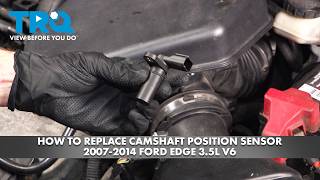
- Faulty Bank 2 Camshaft Position Sensor 🔴 High Probability → Shop Engine Camshaft Position Sensor Sensors are electronic components that fail over time due to constant heat cycles and exposure to oil. It's the most frequently replaced part for this code. 🎬 See this walkthrough on how to replace the sensor yourself.
How to confirm: Swap the Bank 2 sensor (front) with the Bank 1 sensor (rear). Clear the codes and run the engine. If the code changes to P0340 (Bank 1), the sensor is bad. This is a commonly recommended diagnostic step in owner forums. Alternatively, test the sensor's signal with a multimeter or oscilloscope.
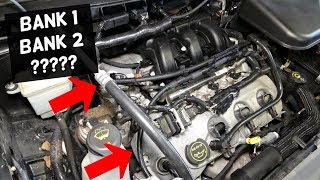
Typical fix: Replace the Bank 2 (front, radiator side) camshaft position sensor. 🎬 Watch this to quickly identify Bank 1 versus Bank 2. After replacement, some vehicles may require a Cam Sensor Relearn procedure, though many will adapt automatically after a short drive.
Est. part cost: $25-$60 - Wiring Harness or Connector Issue 🟡 Medium Probability The wiring harness in the engine bay is exposed to extreme heat, which can make wires brittle. Oil leaks can saturate the connector, causing poor contact or short circuits.
How to confirm: Visually inspect the wiring and connector for the Bank 2 camshaft position sensor. Check for breaks, corrosion, or loose pins. Wiggle the connector with the engine running to see if it affects idle. Test for 5V reference, ground, and signal continuity at the connector using a multimeter.
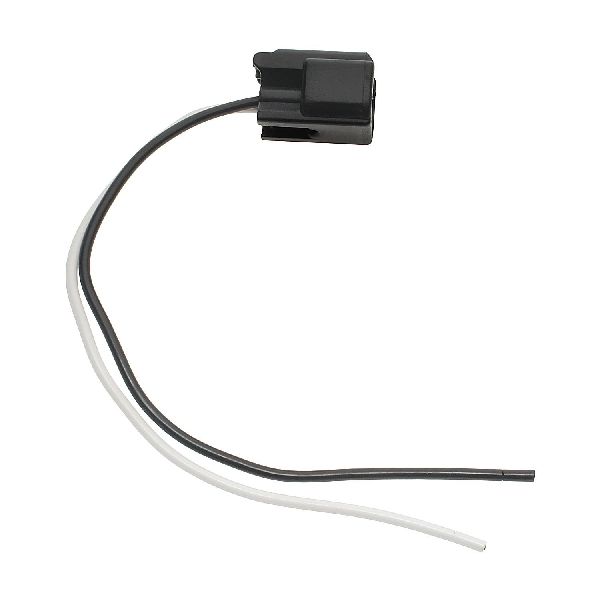
Typical fix: Repair the damaged section of wiring or clean/replace the connector pigtail.
Est. part cost: $10-$50 - Low or Dirty Engine Oil ⚪ Low Probability The VCT system, which controls cam timing, is operated by oil pressure. Low, old, or contaminated oil (especially from a failing water pump) can cause the cam phasers or VCT solenoids to operate incorrectly, leading the sensor to report an out-of-spec position.
How to confirm: Check the engine oil level and condition on the dipstick. If the oil is low, very dark, or has a milky/frothy appearance (coolant contamination), this is a likely contributor.
Typical fix: Perform an oil and filter change using the correct grade of oil (Motorcraft 5W-20 Synthetic Blend) and a quality filter like the Motorcraft FL-500S. If oil was contaminated, multiple flushes may be needed.
Est. part cost: $40-$80
Rare But Worth Checking
- Stretched Timing Chain or Failed Timing Components: → Shop Engine Timing Chain The 3.5L Cyclone V6 is known for timing chain stretch, especially at higher mileage (over 100k miles). If the chain has jumped a tooth or is excessively loose, the camshaft's position will be incorrect relative to the crankshaft, triggering P0345. This is often accompanied by rattling noises from the engine on cold starts and may be paired with codes like P0021 or P0022.
- Failing Alternator: → Shop Alternator A failing alternator can introduce electrical noise (AC ripple) into the vehicle's electrical system, which can interfere with the sensitive camshaft position sensor signal. This is a known issue on many Ford platforms. A quick test is to disconnect the alternator's electrical connector (with a fully charged battery) and see if the code disappears on startup.
- Failing Internal Water Pump: A critical design flaw of this engine is the internal, timing-chain-driven water pump. When it fails, it leaks coolant directly into the engine oil. This contaminated oil turns into sludge, destroying its lubricating properties and damaging the VCT solenoids, phasers, and timing chain, which can lead to timing codes like P0345. This is a catastrophic failure requiring an expensive, labor-intensive repair.
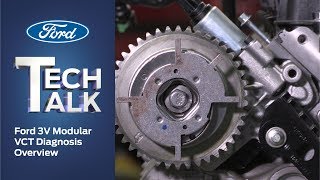
- Faulty VCT Solenoid (Bank 2): The VCT solenoids control oil flow to the cam phasers. If the Bank 2 intake solenoid is stuck or clogged with debris from dirty oil, it can't properly adjust the cam timing, leading to a correlation error that can manifest as a P0345 code, often with P0021 or P0022. 🎬 Watch: A Ford technician explains how to diagnose VCT issues.
Diagnosis Steps
- Read all codes from the PCM using an OBD-II scanner. Note any other codes present, especially P0349, P0021, P0022, or any for Bank 1.
- Check the engine oil level and condition. Ensure it is full and clean. Look for a 'chocolate milk' consistency, which indicates coolant contamination from a failed internal water pump—a critical issue for this engine. If oil is old or contaminated, perform an oil and filter change before proceeding.
- Inspect the electrical connector and wiring for the Bank 2 camshaft position sensor (located on the front valve cover, near the radiator). Look for any signs of damage, corrosion, or oil saturation.
- If the wiring looks good, swap the Bank 2 sensor with the Bank 1 sensor (located on the rear valve cover, near the firewall). Clear the codes and run the engine. If the code changes to P0340 (Bank 1), the sensor you moved is faulty and needs replacement. This is the most definitive DIY test for the sensor itself.
- If the code P0345 returns after the swap, the problem is in the circuit or is a mechanical issue. Use a multimeter to check for proper voltage (approx. 5V reference) and ground at the sensor connector.
- Consider testing for AC ripple from the alternator. With the engine running, set a multimeter to AC volts and check across the battery terminals. A reading above ~0.5V AC could indicate a failing alternator diode pack is creating electrical noise and interfering with the sensor signal.
- Listen for any rattling or whining noises from the front of the engine (timing cover area), especially on cold starts. This could indicate a timing chain or water pump issue. At this point, the diagnosis becomes more complex and may require checking mechanical timing, which is best left to a professional.
Parts You'll Likely Need
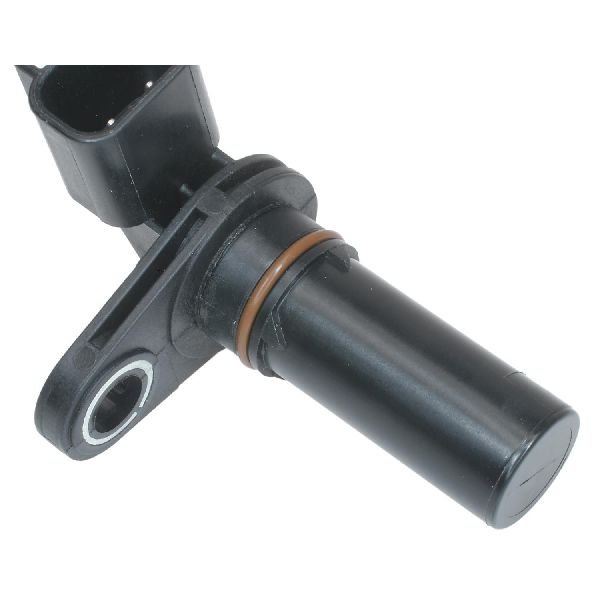
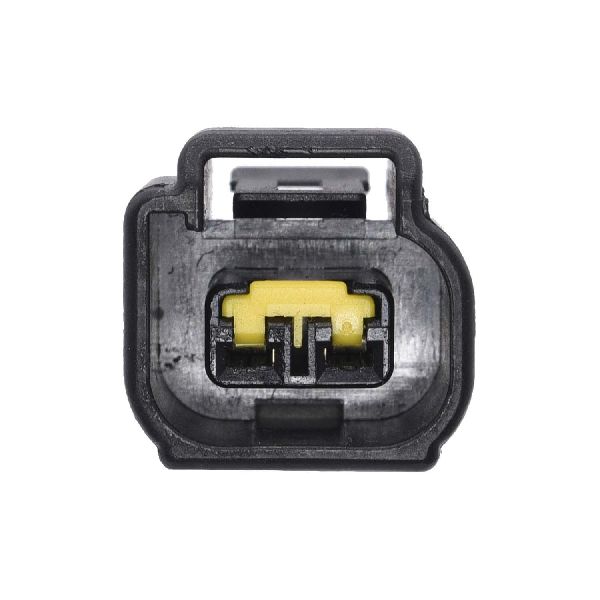
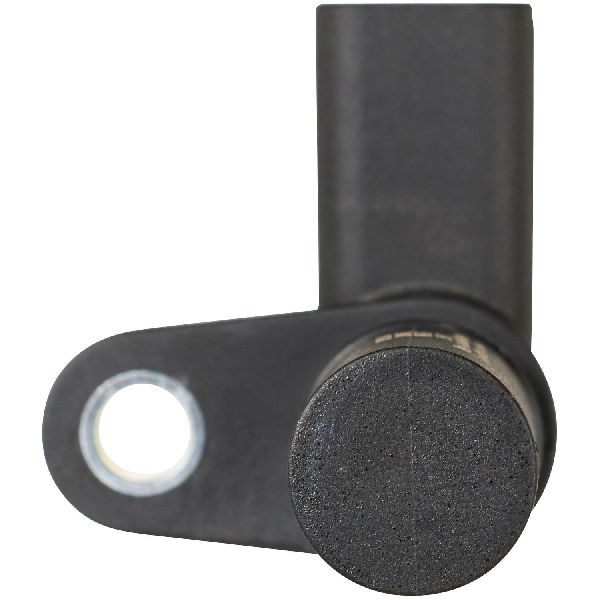
- Camshaft Position Sensor (Bank 2)
(OEM #Motorcraft DU-90 (also seen as 7T4Z-6B288-A))— This is the most common failure point for a P0345 code. The sensor is responsible for reading the camshaft's position, and it can fail electronically over time.
Trusted brands: Motorcraft, Bosch, Delphi, NTK/NGK
OEM price range: $40-$60
Aftermarket price range: $25-$45 - VCT Solenoid (Bank 2 Intake)
(OEM #Motorcraft 7T4Z-6M280-B)— Often replaced when timing codes are present, especially if oil is dirty or a timing chain job is being performed. A clogged or failing solenoid can cause timing deviation codes.
Trusted brands: Motorcraft, Dorman
OEM price range: $45-$70
Aftermarket price range: $30-$50
Related Codes That Often Appear With This One
- P0349 — This code indicates an intermittent signal from the same sensor (Camshaft Position Sensor 'A' Circuit Intermittent Bank 2). They often appear together, strongly pointing to a failing sensor or a loose/corroded connection.
- P0021 / P0022 — These codes indicate that the Bank 2 camshaft timing is over-advanced (P0021) or over-retarded (P0022). If seen with P0345, it strongly suggests a mechanical timing issue (stretched chain, bad phaser, VCT solenoid) rather than just a sensor circuit fault.
- P0340 / P0344 — These are the equivalent codes for Bank 1 (firewall side). Seeing codes for both banks simultaneously (P0340 and P0345) is rare but could point to a systemic issue like a failing alternator causing widespread electrical noise, a jumped timing chain affecting both banks, or a faulty PCM.
Technical Service Bulletins (TSBs) & Recalls
- TSB 06-19-12: While for the 4.6L/5.4L 3V engines, it establishes a precedent for Ford diagnosing P034x codes caused by alternator electrical noise, which can be a rare cause on the 3.5L as well.
- TSB 14-0212: Although for the 3.7L Mustang, this TSB discusses coolant pump leakage due to air in the system. While the pump design is external on the Mustang, it points to a broader pattern of cooling system issues in this engine family that owners should be aware of.
Platform-Specific Known Issues
- The internal water pump on the 3.5L Cyclone V6 is a known major failure point. When its bearing or seal fails, it leaks coolant into the oil pan, contaminating the oil. This sludge can clog VCT solenoids and damage timing components, leading to codes like P0345. A repair can cost over $2,000 due to the labor involved in removing the timing cover.
- Timing chain stretch is another known issue, particularly on higher-mileage engines or those with poor oil change history. This can cause camshaft/crankshaft correlation errors that manifest as sensor codes. A user on an F150 forum with a similar engine noted that after replacing the chain, phasers, and sensors, the code persisted, highlighting the diagnostic difficulty.
Mechanic-Grade Diagnostic Values
- VCT Solenoid (Oil Control Valve) Resistance — expected: 6.9 to 7.9 ohms at 68°F (20°C). Failure: A reading outside this range, or an open/infinite reading, indicates a faulty solenoid coil.
- Camshaft Position Sensor (CMP) Resistance (if 2-wire Variable Reluctance type) — expected: 200 to 900 ohms (varies by manufacturer). Failure: A reading significantly outside the expected range for the specific part suggests an internal sensor fault.
- Alternator AC Ripple Voltage — expected: Less than 0.5V AC (500mV AC) across battery terminals with engine running. Failure: A reading above 0.5V AC indicates a failing diode in the alternator is producing electrical noise that can interfere with the CMP sensor signal.
- Engine Oil Pressure at Idle — expected: Minimum of 15-25 PSI at hot idle. Failure: Pressure below this threshold can cause VCT system malfunctions, leading to timing-related codes.
Hidden / Shadow Codes Worth Checking
- Mode 6, Test ID $82: This is the on-board diagnostic monitor for VCT system performance. It can reveal if the VCT system is failing its self-test, even before a persistent DTC is set. (see via A professional scan tool or an advanced OBD-II app (like FORScan) that can access Mode $06 data.)
Scan Tool Commands That Help
- Ford IDS or FORScan: VCT System Test / VCT Solenoid Command — This bidirectional control allows a technician to manually command the VCT solenoid to a specific duty cycle while monitoring the CAM_ERR PID. It's used to confirm if the solenoid is electrically functional and if the phaser is mechanically capable of moving, helping to isolate the fault between the solenoid, phaser, and oil pressure.
- Ford IDS or FORScan: VCT Solenoid Cleaning Cycle / Pinpoint Test HK11 — As per Ford TSBs, if a solenoid is suspected of sticking from debris, this function cycles the solenoid on and off multiple times (e.g., 10 times) in an attempt to dislodge the particle and restore function before replacing the part.
- Ford IDS or FORScan: Monitor VCT PIDs (e.g., RCAM, VCT_ADV, CAMERR) — Use this to get a live view of what the camshaft is doing. At a hot idle, if Bank 2 shows a large or erratic error value while Bank 1 is stable, it strongly suggests a mechanical or hydraulic issue on Bank 2, not just a sensor circuit fault.
Wiring & Ground Locations
- Engine Block Ground — On the side of the engine block, accessible after removing the battery.. The main engine ground is critical for all sensors, including the CMP sensors. A poor connection here can cause floating grounds and erratic sensor readings, leading to codes like P0345.
- Forward Chassis Grounds — Behind the front bumper cover, on the chassis rails on both the driver and passenger sides.. These grounds serve the main forward wiring harness, which includes circuits for the engine sensors and the PCM. Corrosion or looseness at these points can introduce noise or resistance into the CMP sensor circuit.
- PCM Power Fuse — In the under-hood Power Distribution Box, fuse #90 (10A) is listed as 'PCM'.. While a blown fuse would likely cause a no-start and multiple other codes, a poor connection at this fuse could cause intermittent power issues to the PCM, potentially affecting sensor readings.
Real Owner Repair Stories
- Ford Truck Enthusiasts Forums user 'Ottawavalleylad' (2009 Ford F-150 5.4L (similar VCT system logic)) — P0345 and P0349, odd vibrations at start-up and while driving.
❌ Tried (didn't work) Checked battery (fully charged), Inspected alternator wiring
✅ What actually fixed it The engine oil was at the half-mark on the dipstick. Topping it off with the correct synthetic oil and clearing the codes resolved the issue, and the codes did not return for over a month. - Ford F150 Forum user 'Alex from GA' (Ford F-150 (engine not specified, but common issue)) — P0345 and P0349 codes.
❌ Tried (didn't work) Swapping the sensor with the opposite bank to test it.
✅ What actually fixed it Replaced the Bank 2 camshaft position sensor and disconnected the battery during the repair. The engine ran well and the check engine light did not return. - 2CarPros user report (2011 Ford Edge 3.5L) — P0345 and P0349, rough running.
❌ Tried (didn't work) Clearing codes.
✅ What actually fixed it The codes appeared immediately after a water pump replacement where the bearing failed and mixed coolant into the oil. The final fix was not explicitly stated, but the cause was directly linked to the oil contamination from the water pump failure, requiring extensive cleaning and likely component replacement. - NHTSA ODI #11568355 — An owner reported the cam position sensor throwing code P0345. Even after replacing the part, the code returned a week later, followed by the engine starting to rattle, despite the alternator, battery, and starter testing fine.
- NHTSA ODI #11163346 — A report describes a vehicle where the motor was missing and throwing codes P0345, P0349, and P0171.
OEM Part Supersession History
7T4Z-6B288-A→AT4Z-6B288-A— Standard part revision and consolidation by Ford.
Heads up: The new part number (AT4Z-6B288-A) is a direct replacement for the old one (7T4Z-6B288-A) and is backward compatible. The Motorcraft service part number is DU-90.
Model Year Variations Within This Range
- 2007-2010: The 3.5L V6 engine produced 265 horsepower.
- 2011-2014: Following a major facelift, the 3.5L V6 was updated to produce 285 horsepower. The core issues related to P0345 remain the same.
Diagnostic Flowchart
Other Known Issues on This Vehicle
Issues unrelated to this code that are worth knowing about as an owner of this generation:
- AWD Power Transfer Unit (PTU) Failure 🔴 High — Common, especially on vehicles over 60,000 miles. The unit is located near the hot exhaust, causing the gear oil to break down and cook, leading to bearing failure. (Ref: No official recall, but a widely known issue. Ford considers the fluid 'lifetime,' but owners recommend fluid changes every 20-30k miles to prevent failure.)
- Internal Water Pump Failure 🔴 High — A significant design flaw. Failure can occur at any mileage, often after 80,000 miles. The pump is driven by the timing chain, and when it fails, it leaks coolant directly into the engine oil, causing catastrophic engine damage if not caught immediately. (Ref: No recall, but numerous TSBs exist for related symptoms. Repair is extremely labor-intensive, costing $2,000+ as the timing cover must be removed.)
- Faulty Brake Booster 🟠 Medium — Common across 2007-2015 models. The internal diaphragm can tear, causing a hissing noise when the brake pedal is pressed and a hard or spongy pedal feel. (Ref: Ford issued Customer Satisfaction Program 13N02, extending the warranty for this specific part to 10 years or 150,000 miles.)
- Persistent 'Door Ajar' Light 🟡 Low — Extremely common. The sensor within the door latch assembly fails, causing the car to think a door is open. This prevents doors from locking, can drain the battery via the dome light, and is a major annoyance. (Ref: No recall. The fix is to replace the entire door latch assembly, though many owners have developed DIY workarounds by bypassing the faulty switch.)
- Throttle Body Failure 🟠 Medium — Affects many Ford models of this era. The electronic throttle body can fail, causing the vehicle to enter 'limp mode' with sudden loss of power, stalling, and rough idle. Often sets codes P2111 and P2112. (Ref: Ford initiated a customer satisfaction program (13N03) for some vehicles, extending warranty coverage on the throttle body.)
Used vs. New Parts: Buying Guide for This Vehicle
When a used part is the smart pick: For this specific code, used parts are generally not recommended for sensors or timing components. A used wiring harness pigtail from a junkyard is a viable option if the original connector is damaged, provided the donor vehicle shows no signs of engine fire or major front-end collision.
Donor-vehicle mileage cap: roughly under 80000 miles for the part to have meaningful remaining life.
What to inspect on the donor part:
- For a wiring pigtail, ensure the locking tab is intact and not brittle.
- Check for any signs of corrosion on the pins.
- Ensure there is at least 6-8 inches of wire attached to make splicing easy.
- Avoid parts from vehicles that show signs of coolant leaks or oil sludge around the valve covers.
OEM-only on this vehicle (don't cheap out):
- Timing Chain Kit
- Cam Phasers
- VCT Solenoids
- Internal Water Pump
Aftermarket brands forum-validated for this vehicle:
- Cloyes (for timing chain kits, though OEM is still preferred by many specialists)
- Bosch, Delphi, NTK/NGK (for Camshaft Position Sensors)
Brands owners have reported issues with on this vehicle:
- Unbranded, 'white-box' electronic sensors and timing components from online marketplaces are frequently cited in forums as being dead-on-arrival or failing prematurely.
Real Owner Stories
Aggregated from forums and TSBs cited above. Mileages and costs reflect what owners reported in those sources.
2010 Ford Edge 3.5L
Symptoms: Codes P0340, P0345, P0344, and P0349 appearing simultaneously for both banks.
What fixed it: Discussion pointed toward addressing oil quality and potential VVT control valve fouling.
Source hint: fordedgeforum.com thread titled '2010 edge 3.5 codes P0340 P0345 P0344 P0349'
2011 Ford Edge 3.5L
Symptoms: Experienced codes P0345 and P0349 immediately following a water pump replacement.
What fixed it: The failure was linked to coolant that had contaminated the engine oil during the water pump failure/repair.
Source hint: 2carpros.com post titled '2011 Ford Edge: Codes P0345 and 0349'
Ford F150 (Similar Cyclone Engine)
Symptoms: Code P0345/P0349 persisted even after replacing the timing chain, phasers, and sensors.
What fixed it: The case highlighted the diagnostic difficulty of distinguishing sensor issues from mechanical phaser problems without engine disassembly.
Source hint: f150forum.com thread titled 'Code P0345/P0349'
NHTSA Reported Case (ODI #11568355)
Symptoms: An owner reported a P0345 code that returned a week after replacing the sensor, followed by engine rattling.
What fixed it: The report notes that while the alternator and battery tested fine, the rattling suggests a deeper mechanical timing issue developed shortly after the code appeared.
Related OBD-II Codes
Frequently Asked Questions
Which camshaft sensor is Bank 2 on my 3.5L Ford Edge?
Can a bad alternator cause a P0345 code on my Edge?
Is it true that a water pump failure can cause this camshaft code?
What specific oil and filter should I use to prevent VCT issues on this engine?
Does TSB 14-0212 apply to my Ford Edge cooling system?
Will I need a 'relearn' procedure after replacing the sensor?
Helpful Videos
We Have This Part in Stock


The information in this article is provided for general reference and educational purposes only. Vehicle specifications, procedures, and part compatibility can vary by production date, trim level, and region. Always consult your vehicle's factory service manual and verify part numbers before purchasing or performing repairs. Safety-critical components such as airbags, seat belts, and braking systems should be installed by a qualified professional.
- Ford Edge:
- 🧭 Diagnostic Flowchart
- 🎬 Helpful Videos
- 🛍️ Shop This Part
- What's Unique About the 2007-2014 Ford Edge
- Symptoms You May Notice
- Most Likely Causes
- Rare But Worth Checking
- Diagnosis Steps
- Parts You'll Likely Need
- Related Codes That Often Appear With This One
- Technical Service Bulletins (TSBs) & Recalls
- Platform-Specific Known Issues
- Mechanic-Grade Diagnostic Values
- Hidden / Shadow Codes Worth Checking
- Scan Tool Commands That Help
- Wiring & Ground Locations
- Real Owner Repair Stories
- OEM Part Supersession History
- Model Year Variations Within This Range
- Other Known Issues on This Vehicle
- Used vs. New Parts: Buying Guide for This Vehicle
- Real Owner Stories
- 2010 Ford Edge 3.5L
- 2011 Ford Edge 3.5L
- Ford F150 (Similar Cyclone Engine)
- NHTSA Reported Case (ODI #11568355)
- Related OBD-II Codes
- Frequently Asked Questions
- 🎟️ Get 5% Off