

P0345 on 2013-2019 Ford Explorer 3.5L EcoBoost: Cam Sensor Causes and Fixes
P0345 indicates a fault with the Bank 2 (front/radiator side) intake camshaft position sensor. While the sensor itself can fail, it's often a symptom of a sticking VCT solenoid due to dirty oil, or a more serious timing chain issue. A simple sensor swap costs ~$150-$300, but be prepared for a more complex VCT, timing chain, or internal water pump problem.
- P0345 on this Explorer is a serious code. Do not ignore it.
- Always check engine oil level and condition first. A simple oil change can sometimes resolve VCT-related issues that trigger this code.
- Do not automatically assume the camshaft sensor is the problem. The root cause is often a sticking VCT solenoid or, in more serious cases, a stretched timing chain.
- The Bank 2 sensor is on the front (radiator side) of the engine and can be difficult to access.
- If you hear a rattling noise on startup, suspect a timing chain issue and seek professional diagnosis immediately.
What's Unique About the 2013-2019 Ford Explorer
On the 3.5L V6 family, P0345 is often more than just a bad sensor. This engine's Variable Camshaft Timing (VCT) system is highly sensitive to oil quality and pressure. Sticking VCT solenoids or a stretched timing chain are very common issues that can disrupt cam timing and trigger this sensor circuit code. Furthermore, in the transversely mounted Explorer, the internal water pump is driven by the timing chain; a pump failure can leak coolant into the oil, leading to catastrophic timing system failure that presents with codes like P0345. A visual check for coolant dripping from a weep hole near the A/C compressor is a key diagnostic step for this platform.
Symptoms You May Notice
- Check Engine Light is on
- Engine is hard to start or has long crank times
- Engine stalls, especially at idle
- Rough idling
- Hesitation or loss of engine power
- Reduced fuel economy
- Rattling noise from the engine on cold starts (indicates timing chain issue)
- Replacing the camshaft position sensor without checking for underlying mechanical issues. The sensor often correctly reports a problem with the timing, which may be caused by a bad VCT solenoid or a stretched timing chain.
- Ignoring the cold-start rattle. Many owners dismiss the brief startup noise, not realizing it's a direct symptom of a stretching timing chain that will eventually lead to more severe codes and potential engine damage.
Most Likely Causes
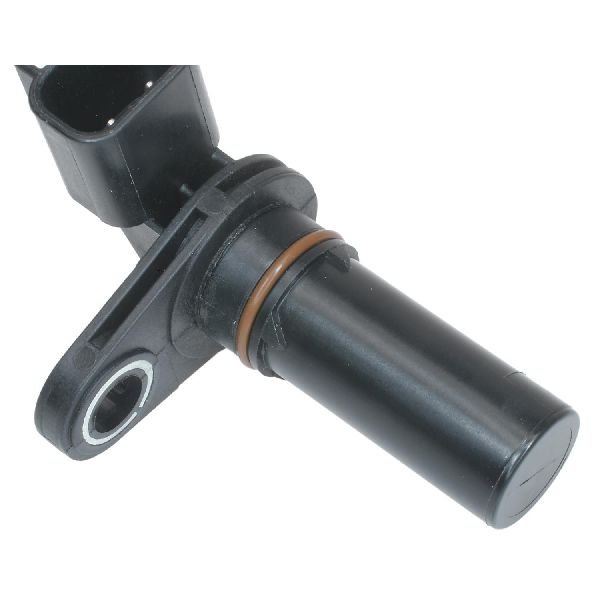
- Faulty Bank 2 Camshaft Position Sensor (CMP) 🔴 High Probability → Shop Engine Camshaft Position Sensor Sensors can fail over time due to heat cycles and oil contamination. However, this is often replaced when it is not the root cause. It's the most direct part related to the code, but frequently a misdiagnosis of a deeper mechanical problem.
How to confirm: After checking wiring, swap the suspect sensor with an identical one from another position (e.g., the Bank 1 intake sensor). If the code changes to P0340 (Bank 1), the sensor is bad. The sensor can also be tested with a multimeter for correct voltage signals or resistance.
Typical fix: Replace the Bank 2 intake camshaft position sensor. Bank 2 is on the front (radiator side) of the engine. The intake sensor ('A') is one of two on that bank.
Est. part cost: $30-$90 - Wiring or Connector Issue 🟡 Medium Probability The sensor is located on the front of the engine, exposed to heat and potential oil leaks which can degrade the wiring harness and connector over time. Wires can become frayed, melted, or corroded.
How to confirm: Visually inspect the harness for frayed wires, melting, or corrosion. Check the connector for a secure fit and clean contacts. Use a multimeter to test for continuity and proper voltage at the connector, referencing a wiring diagram for the vehicle.
Typical fix: Repair the damaged section of wiring or replace the pigtail connector.
Est. part cost: $15-$40 - Sticking Bank 2 VCT (Variable Camshaft Timing) Solenoid 🟡 Medium Probability The VCT solenoids are notoriously sensitive to oil condition. Sludge or debris from infrequent oil changes can clog the fine mesh screens and cause the solenoid to stick, leading to incorrect cam timing that the sensor reports as a fault.
How to confirm: An oil change may temporarily resolve the issue. A scan tool can monitor commanded vs. actual cam angle (VCT_ERR PID). 🎬 Watch: See how a failed VCT solenoid behaves on a scan tool. Swapping the Bank 2 intake solenoid with the Bank 1 intake solenoid is a good diagnostic step; if the code changes to a Bank 1 code (like P0011/P0012), the solenoid is faulty.
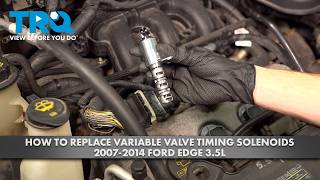
Typical fix: Replace the Bank 2 intake VCT solenoid. This is located under the valve cover and should be done along with an oil and filter change using full synthetic oil.
Est. part cost: $40-$120 - Stretched Timing Chain or Failed Timing Components ⚪ Low Probability → Shop Engine Timing Chain The first-generation 3.5L EcoBoost engine is known for timing chain stretch, especially after 80,000-100,000 miles. A stretched chain causes the camshafts to be out of sync with the crankshaft, which can trigger sensor circuit codes. Ford issued TSB 15-0131 and the later TSB 16-0027 for this issue, which involves replacing the chain and phasers.
How to confirm: Listen for a distinct rattling noise from the front of the engine on a cold start that lasts for 2-5 seconds. A professional diagnosis is needed to measure timing chain deflection or confirm via disassembly. This is usually suspected after electrical and VCT solenoid issues are ruled out.
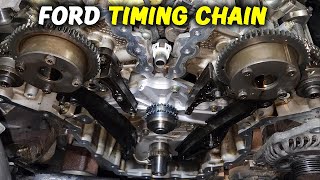
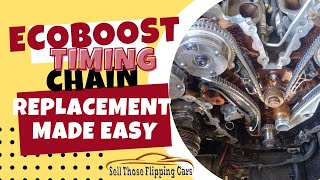
Typical fix: A full timing job is required, including replacing the primary timing chain, tensioners, guides, and all four VCT phasers. 🎬 See this walkthrough for replacing the timing chain and phasers. The internal water pump should always be replaced at the same time on this engine.
Est. part cost: $700-$1200
Rare But Worth Checking
- Weak Battery or Failing Alternator: → Shop Alternator Low system voltage during cranking can sometimes cause the PCM to fail to receive a clear signal from the sensor, triggering the code. This is an easy check before diving into engine components.
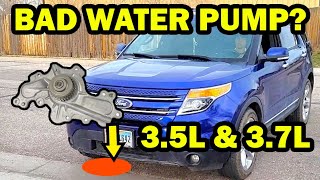
- Failed Internal Water Pump: This is a critical design issue on transverse 3.5L engines. The water pump is driven by the timing chain, and a seal failure will leak coolant into the oil. This contamination destroys timing components, leading to codes like P0345. If the oil is milky or you see coolant dripping from the weep hole near the AC compressor, this is the likely cause. 🎬 Watch: How to identify a failing internal water pump leak.
- Faulty Powertrain Control Module (PCM): This is extremely rare but possible. The PCM should only be considered after all other possibilities, including wiring and mechanical faults, have been exhaustively ruled out.
Diagnosis Steps
- Check the battery and charging system. Ensure the battery is fully charged (above 12.4V) and the alternator is functioning correctly. Low voltage during cranking can trigger this code.
- Inspect the engine oil. Check the oil level and condition. If it is low, past its change interval, or appears 'milky' (coolant contamination), address this immediately. An oil and filter change with full synthetic 5W-30 oil is a recommended first step for any timing-related code on this engine.
- Inspect the wiring and connector for the Bank 2 (front/radiator side) intake camshaft position sensor. Look for any signs of damage, melting, or corrosion. Ensure the connector is secure.
- If wiring looks good, consider swapping the Bank 2 intake sensor with the Bank 1 (rear/firewall side) intake sensor. Clear the codes and drive. If the code returns as P0340 (for Bank 1), the sensor itself is faulty.
- If the code remains P0345, the issue is likely in the circuit or is a mechanical problem. Use a scan tool to monitor VCT PIDs (VCT_ADV, VCT_ERR). A large, persistent error between commanded and actual cam angle points towards a VCT solenoid or timing chain issue.
- Listen for a cold start rattle. After the vehicle has sat for 6+ hours, start the engine and listen for a 2-5 second rattle from the front of the engine. This is a classic sign of a stretched timing chain per TSB 15-0131.
- Check for water pump failure. Inspect the area around and below the A/C compressor for signs of orange or yellow coolant leakage from the block's weep hole. If coolant is present, the internal water pump has failed and a full timing job is required.
- If no timing chain rattle or water pump leak is present, consider swapping the Bank 2 VCT solenoids (intake and exhaust) with the Bank 1 solenoids. If the code moves to Bank 1 (e.g., P0011/P0012), the VCT solenoid is the culprit.
- If all other steps fail to identify the issue, a professional diagnosis to measure timing chain slack is the final step before considering a PCM fault.
Parts You'll Likely Need
- Camshaft Position Sensor (Bank 2, Intake)
(OEM #BL3Z-6B288-C)— This is the most direct part indicated by the code and a common failure point, though often misdiagnosed as the root cause. The original part BL3Z-6B288-A has been superseded by this part number.
Trusted brands: Motorcraft, NTK, Delphi, Standard Motor Products
Related Codes That Often Appear With This One
- P0349 — This is the intermittent version of P0345, indicating the signal from the same sensor is dropping out sporadically.
- P0021 / P0022 — These codes indicate a timing performance issue (over-advanced/over-retarded) on Bank 2. Seeing them with P0345 strongly suggests the root cause is mechanical (VCT solenoid, timing chain) rather than a simple sensor circuit failure.
- P0016 / P0018 — These are camshaft/crankshaft correlation codes. Their presence points towards a significant base timing problem, most likely a stretched timing chain. P0016 is a common companion code for timing chain issues on this engine.
Technical Service Bulletins (TSBs) & Recalls
- TSB 15-0131: Addresses cold start rattle from timing chain stretch on 2011-2015 3.5L GTDI engines. Recommends replacement of primary timing chain and all four VCT phasers.
- TSB 16-0027: Supersedes a previous TSB, also for the cold start timing chain rattle. Confirms the repair procedure of replacing the chain and phasers.
- TSB 18-2305: Supersedes TSB 16-0027 to update the parts list, adding a timing chain tensioner kit to the repair for the cold start rattle.
Platform-Specific Known Issues
- Internal Water Pump Failure: The water pump is located inside the timing cover and is driven by the timing chain. A seal failure can cause coolant to mix with engine oil, leading to rapid wear and failure of all timing components. Any major timing service on this engine should include replacing the water pump.
- VCT System Sensitivity: The Variable Camshaft Timing system is highly susceptible to problems from low or dirty engine oil. Following the recommended oil change interval with the correct oil type is critical to preventing codes like P0345.
Mechanic-Grade Diagnostic Values
- Camshaft Position (CMP) Sensor Resistance (2-wire sensor) — expected: 205 to 579 Ohms. Failure: A reading outside this range indicates a faulty sensor.
- VCT Solenoid Internal Resistance — expected: 5 to 15 Ohms. Failure: A reading outside this range, or an open circuit, points to a bad solenoid coil.
- CMP Sensor Connector Voltage (Key On, Engine Off) — expected: Greater than 10 Volts DC on each wire (for 2-wire sensors).. Failure: Voltage below 10V suggests a wiring issue between the connector and the PCM.
- CMP Sensor Signal Voltage (3-wire Hall-effect sensor) — expected: Should toggle between approximately 0V and 5V as the engine is cranked.. Failure: Voltage that is stuck high (5V) or low (0V) and does not change indicates a faulty sensor or a short/open in the signal wire.
- Scan Tool PID: VCT_ERR2 (VCT Error Bank 2) — expected: Close to 0 degrees at hot idle.. Failure: A large, persistent error value (e.g., consistently several degrees off) indicates a mechanical timing issue like a stuck phaser or stretched chain.
Scan Tool Commands That Help
- Ford IDS / FORScan: VCT Solenoid On/Off Command (Bidirectional Control) — Use this with the engine running to manually activate and deactivate the Bank 2 VCT solenoids. Monitor the VCT_ERR2 PID to see if the camshaft angle responds. If the angle doesn't change when commanded, it confirms a fault with the solenoid, oil passages, or the phaser itself, helping to distinguish a mechanical problem from a sensor circuit issue.
- Ford IDS / FORScan: Reset KAM (Keep Alive Memory) — This should be performed after replacing components like VCT solenoids or performing a timing job. It clears the adaptive learning tables in the PCM, forcing it to relearn the new component characteristics immediately, which can prevent lingering drivability issues.
Wiring & Ground Locations
- G105 (Top right side of engine) — Located on the top right (passenger side) of the engine itself.. This is a primary engine ground. A loose or corroded connection here can cause erratic behavior in various engine sensors, including the camshaft position sensors, leading to intermittent signal faults.
- G104 (Right side of engine compt) — Located on the right (passenger side) of the engine compartment, on the chassis.. This is a major chassis ground point for the engine harness. Poor contact at this location can introduce electrical noise or voltage drops that can interfere with the low-voltage signal from the CMP sensor.
- CMP Sensor Connector Pins — At the Bank 2 intake camshaft position sensor.. When testing, you need to know which pins are for signal, power, and ground. For 3-wire sensors, one pin will have ~5V reference, one will be ground (<1.0 Ω to chassis), and the third is the signal wire that toggles voltage. For 2-wire sensors, both wires should show >10V with key on, engine off.
Real Owner Repair Stories
- Ford F150 Forum user (Ford F-150 with similar engine architecture) — P0345 and P0349 codes present.
❌ Tried (didn't work) Initial diagnosis pointed towards complex timing or phaser issues.
✅ What actually fixed it The user swapped the Bank 2 sensor with the Bank 1 sensor. The codes did not follow the sensor. However, simply replacing the original Bank 2 sensor with a new part resolved the issue, suggesting the original sensor was failing intermittently in a way that swapping didn't immediately reveal. The final fix was a new sensor. - NHTSA ODI #11568355 — An owner reported a cam position sensor throwing code P0345. Despite replacing the part, the code returned a week later. While the alternator, battery, and starter tested fine, the engine started rattling a week later, suggesting the code was a precursor to mechanical timing failure.
- NHTSA ODI #11163346 — A report describes a vehicle where the motor was missing and the diagnostic scan revealed codes P0345, P0349, and P0171.
OEM Part Supersession History
TSB 15-0131 (Parts List)→TSB 16-0027, then TSB 18-2305 (Parts Lists)— Ford updated the official repair procedure and parts list for the 3.5L EcoBoost cold start rattle (timing chain stretch) issue over several years. The later TSBs contain the most current and revised part numbers for the timing chain, phasers, and gaskets.
Heads up: While performing a timing job, it is critical to use the parts list from the latest applicable TSB (18-2305 for F-150s, which is a strong reference for the Explorer) to ensure all updated components are used. Using an older parts list may result in a recurring failure.
Model Year Variations Within This Range
- 2013-2016 vs. 2017-2019 (in other platforms): The 3.5L EcoBoost engine was significantly redesigned for the 2017 model year (becoming the 'Gen 2'), receiving a dual-injection system (port and direct), new turbochargers, and a revised timing system with dual primary chains. However, the 2013-2019 Explorer continued to use the transverse version of the first-generation 3.5L EcoBoost, so these 'Gen 2' changes do not apply to the vehicle in question. All 2013-2019 Explorers share the same fundamental engine design.
Diagnostic Flowchart
Other Known Issues on This Vehicle
Issues unrelated to this code that are worth knowing about as an owner of this generation:
- Internal Water Pump Failure 🔴 High — Common failure item, often occurring between 80,000-120,000 miles. It is considered a wear item that will eventually fail on most units.
- Power Transfer Unit (PTU) Failure 🔴 High — The PTU is prone to overheating due to its proximity to the exhaust and lack of a drain plug for service. The fluid degrades, leading to bearing failure. Often fails before 100,000 miles if fluid is not serviced.
- Intake Valve Carbon Buildup 🟠 Medium — As a direct-injection-only engine, the intake valves are not cleaned by fuel spray, leading to carbon accumulation over 60,000-100,000 miles. This causes rough idle, misfires, and power loss.
- Cracked Exhaust Manifold / Leaking Studs 🟠 Medium — The exhaust manifolds can warp or crack, and the mounting studs can break due to heat cycles, causing an exhaust leak. This can sometimes be mistaken for a timing rattle.
- Turbocharger Coolant Line Leaks 🟡 Low — The fittings on the coolant lines feeding the turbochargers can develop slow leaks over time, requiring replacement of the lines or O-rings.
Used vs. New Parts: Buying Guide for This Vehicle
When a used part is the smart pick: For this repair, using a used part only makes sense for the Camshaft Position Sensor (CMP) itself. It is an external, easily accessible electronic component that can be sourced from a low-mileage donor vehicle as a cost-effective diagnostic step or replacement.
Donor-vehicle mileage cap: roughly under 75000 miles for the part to have meaningful remaining life.
What to inspect on the donor part:
- Check for a clean donor vehicle without signs of major engine trauma or fire.
- Inspect the sensor's plastic housing for cracks, melting, or physical damage.
- Ensure the electrical connector pins are straight and free of corrosion.
- If possible, ask for the VIN of the donor car to verify it had a clean title and no reported engine issues.
OEM-only on this vehicle (don't cheap out):
- Timing Chain Kit (Chain, Guides, Tensioners, Phasers)
- VCT Solenoids
- Internal Water Pump
Aftermarket brands forum-validated for this vehicle:
- For Timing Chain Kits: Melling is a well-regarded brand in forums, often considered OEM-equivalent.
- For Camshaft Position Sensors: Motorcraft (OEM), NTK, Delphi, and Standard Motor Products (SMP) are reputable choices.
Brands owners have reported issues with on this vehicle:
- Avoid unbranded, 'white-box' timing chain kits and VCT solenoids from online marketplaces. These are precision mechanical parts where poor metallurgy or tolerances can lead to catastrophic engine failure. Sticking to OEM or top-tier aftermarket brands is critical for internal engine components.
Real Owner Stories
Aggregated from forums and TSBs cited above. Mileages and costs reflect what owners reported in those sources.
2011-2015 Ford F150 3.5L EcoBoost — ~90000 miles
Symptoms: Cold start rattle from the front of the engine lasting for 2-5 seconds.
What fixed it: Replacement of the primary timing chain and all four VCT phasers as per TSB 15-0131.
Source hint: Ford F150 Forum - Community of Ford Truck Fans: Multiple threads discuss TSB 15-0131 and 16-0027
2013-2019 Ford Explorer 3.5L EcoBoost — ~100000 miles
Symptoms: Orange or yellow coolant leakage from the block's weep hole near the A/C compressor.
What fixed it: Full timing job including the internal water pump, as the pump is driven by the timing chain and its failure requires full disassembly.
Source hint: Reddit r/FordExplorer: A thread titled "How common is the water pump issue in the 3.5?"
2011-2015 Ford F150 3.5L EcoBoost — ~85000 miles
Symptoms: Startup rattle; owners reported the issue sometimes returned even after initial repairs.
What fixed it: Replacement of the primary timing chain, phasers, and the addition of a timing chain tensioner kit.
Source hint: Ecoboost Performance Forum: A thread titled "New TSB for 3.5 GDI Sartup Rattle 15-0131"
Related OBD-II Codes
Frequently Asked Questions
Does TSB 15-0131 apply to my 2013-2015 Ford Explorer with the 3.5L EcoBoost?
What is the significance of TSB 18-2305 for my timing chain repair?
I have a P0345 on Bank 2; where exactly is that sensor located on the Explorer?
Can a simple oil change really fix a P0345 code on this engine?
Should I replace the water pump while fixing the timing chain for P0345?
How can I tell if my P0345 is a sensor failure or a stretched timing chain?
Helpful Videos
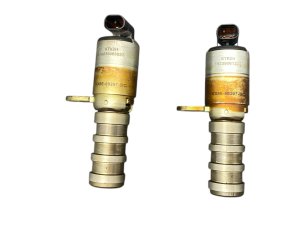
Used OEM Parts in Stock
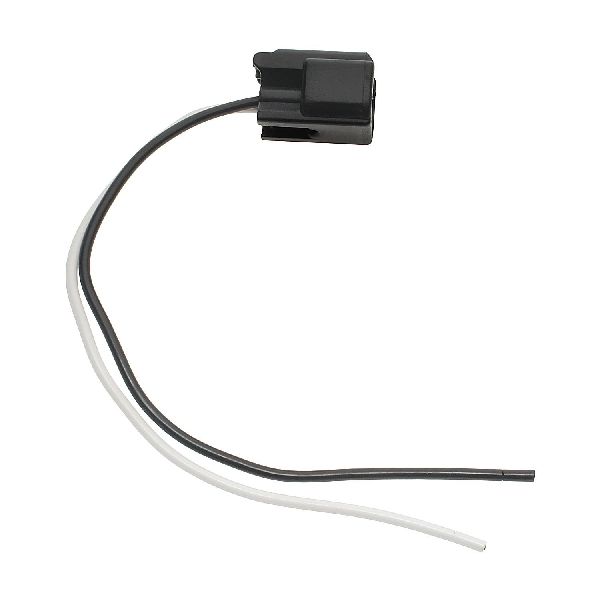
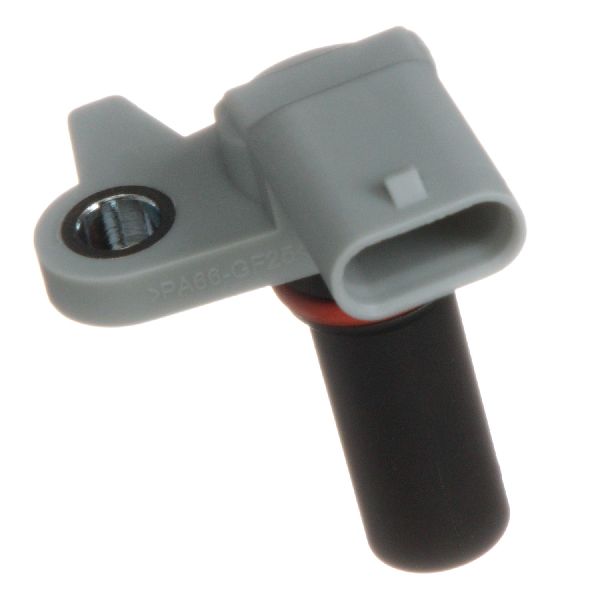
New Aftermarket Parts Available


The information in this article is provided for general reference and educational purposes only. Vehicle specifications, procedures, and part compatibility can vary by production date, trim level, and region. Always consult your vehicle's factory service manual and verify part numbers before purchasing or performing repairs. Safety-critical components such as airbags, seat belts, and braking systems should be installed by a qualified professional.
- Ford Explorer:
- 🧭 Diagnostic Flowchart
- 🎬 Helpful Videos
- 🛍️ Shop This Part
- What's Unique About the 2013-2019 Ford Explorer
- Symptoms You May Notice
- Most Likely Causes
- Rare But Worth Checking
- Diagnosis Steps
- Parts You'll Likely Need
- Related Codes That Often Appear With This One
- Technical Service Bulletins (TSBs) & Recalls
- Platform-Specific Known Issues
- Mechanic-Grade Diagnostic Values
- Scan Tool Commands That Help
- Wiring & Ground Locations
- Real Owner Repair Stories
- OEM Part Supersession History
- Model Year Variations Within This Range
- Other Known Issues on This Vehicle
- Used vs. New Parts: Buying Guide for This Vehicle
- Real Owner Stories
- 2011-2015 Ford F150 3.5L EcoBoost — ~90000 miles
- 2013-2019 Ford Explorer 3.5L EcoBoost — ~100000 miles
- 2011-2015 Ford F150 3.5L EcoBoost — ~85000 miles
- Related OBD-II Codes
- Frequently Asked Questions
- 🎟️ Get 5% Off