

P0345 on 2007 Ford Explorer Sport Trac 4.6L V8: Cam Sensor, Alternator, and Fixes
On the 2007 Explorer Sport Trac 4.6L V8, code P0345 is very often caused by a failing alternator producing electrical noise, not the camshaft sensor itself. Before replacing the sensor, have the alternator tested for AC ripple (frequency below 500 Hz at idle) per Ford TSB 06-19-12 to avoid a common misdiagnosis.
- For a P0345 code on this truck, suspect the alternator first. Have it tested for AC ripple before buying a cam sensor.
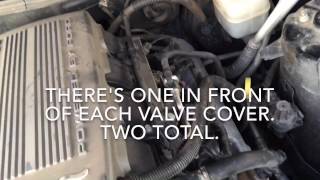
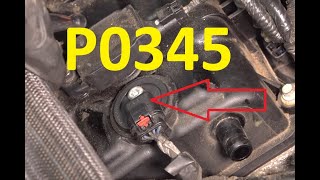
- The Bank 2 Camshaft Position Sensor is on the driver's side valve cover and is a relatively easy and inexpensive part to replace.
- Do not ignore this code. It can lead to stalling or a no-start condition, posing a safety risk.
- If a new alternator and sensor do not fix the code, the problem may be in the wiring or, more seriously, the engine's internal timing components.
What's Unique About the 2007-2007 Ford Explorer Sport Trac
For this specific engine and vehicle, there is a well-documented history of a failing alternator causing this code. Ford issued Technical Service Bulletin (TSB) 06-19-12 which states that a bad diode in the alternator can create electrical interference (AC ripple) that disrupts the sensitive Hall-effect camshaft sensor signal. The PCM cannot distinguish this electrical noise from a genuine sensor fault. Many owners and shops mistakenly replace the camshaft sensor multiple times, when the alternator is the actual root cause. A simple multimeter voltage check is insufficient; the TSB specifies testing the alternator for AC frequency with an oscilloscope. A reading below 500 Hz at idle with electrical loads on indicates a faulty alternator.
Symptoms You May Notice
- Check Engine Light is on
- Engine is hard to start or cranks for a long time
- Engine stalls, especially at idle or when coming to a stop
- Rough running, hesitation, or bucking while driving
- Loss of engine power
- Engine sounds like a diesel at idle (if related to mechanical timing)
- "Check Charging System" message may appear intermittently
- Replacing the camshaft position sensor without first testing the alternator for AC ripple. Per TSB 06-19-12, the alternator is a very common cause of this code on this specific vehicle.
- Replacing the cam sensor when the VCT solenoid seal is the actual source of the oil leak that is contaminating the wiring.
Most Likely Causes
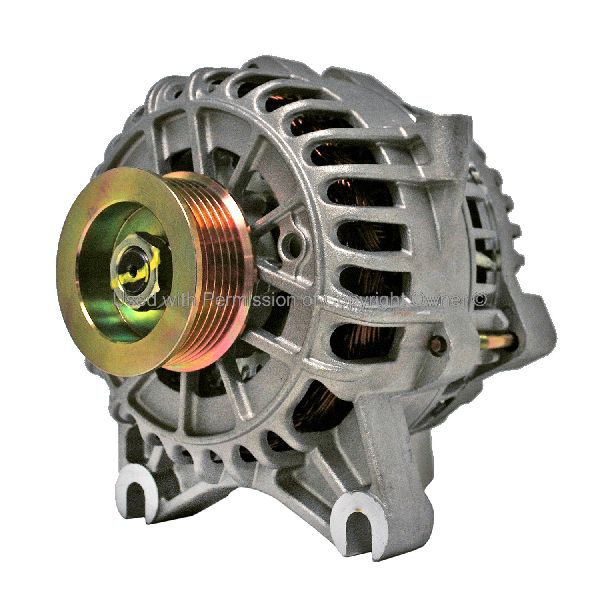
- Failing Alternator (Generator) 🔴 High Probability → Shop Alternator A known issue documented in Ford TSB 06-19-12. A failing diode inside the alternator creates AC voltage 'noise' that interferes with the camshaft position sensor's signal.
How to confirm: Perform a generator frequency or AC ripple test using an oscilloscope. Per the TSB, with the engine at idle and electrical loads on (headlights, blower), a frequency reading below 500 Hz indicates a faulty alternator. A standard multimeter test will likely show normal voltage and miss the problem. Some multimeters can read AC voltage; a reading above 500mV (0.5V) AC at the battery terminals is a strong indicator of a bad diode.
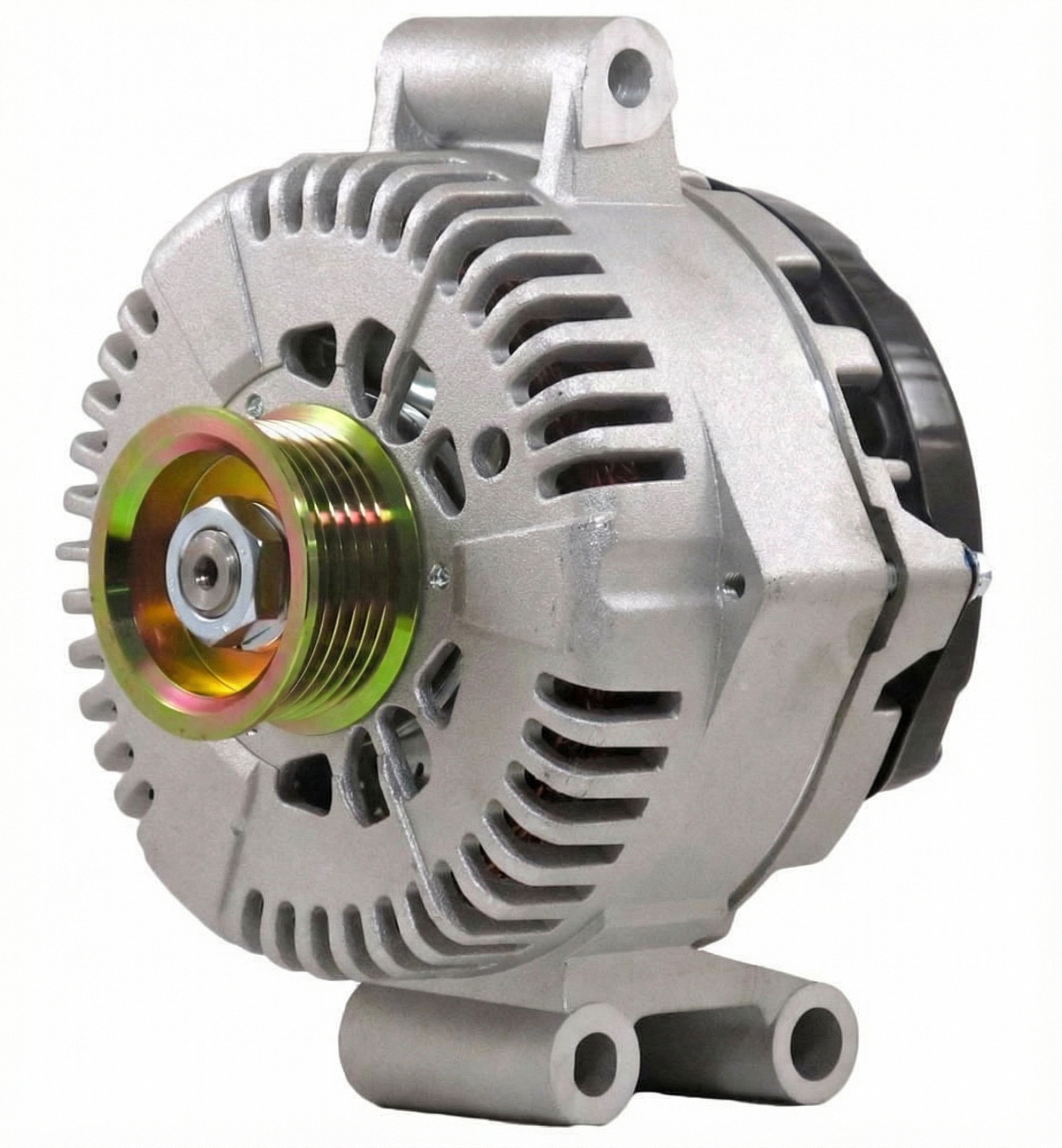
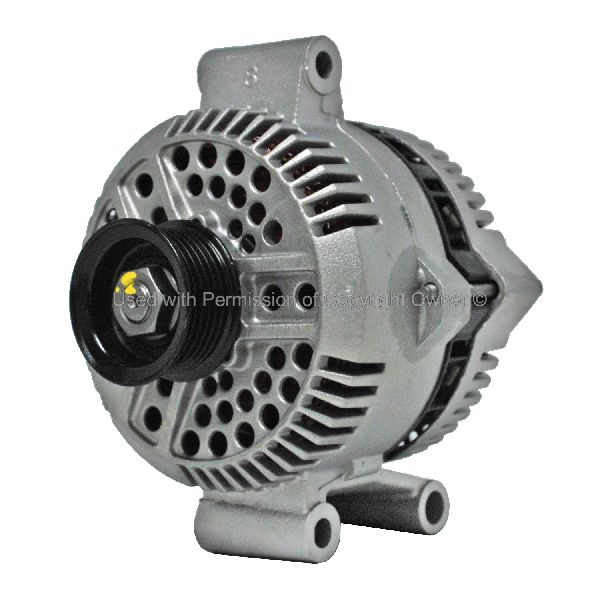
Typical fix: Replace the alternator. It is highly recommended to use a quality OEM (Motorcraft) or premium remanufactured unit to ensure clean power delivery.
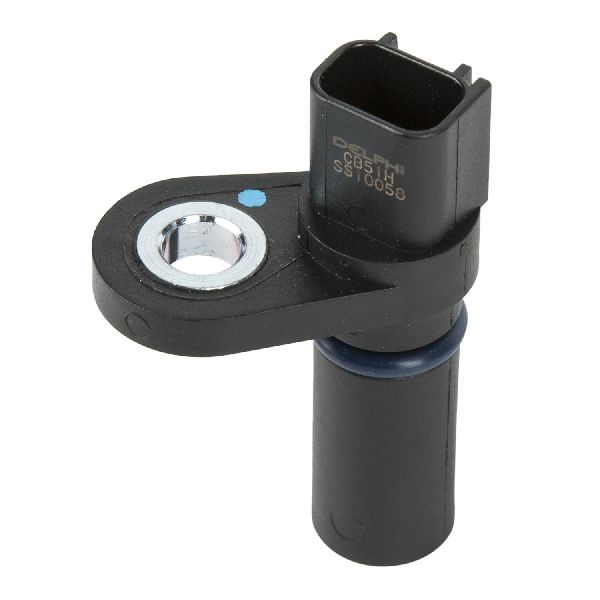
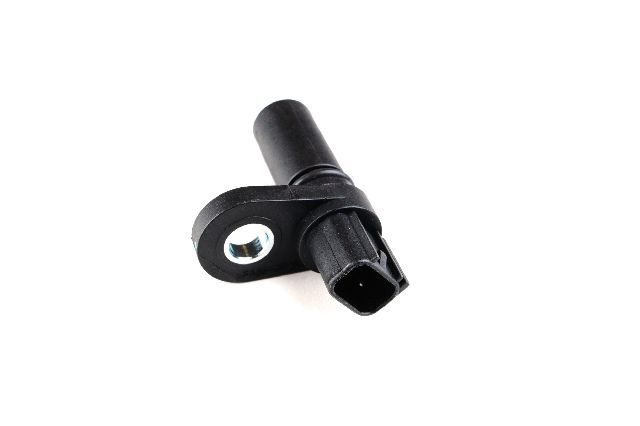
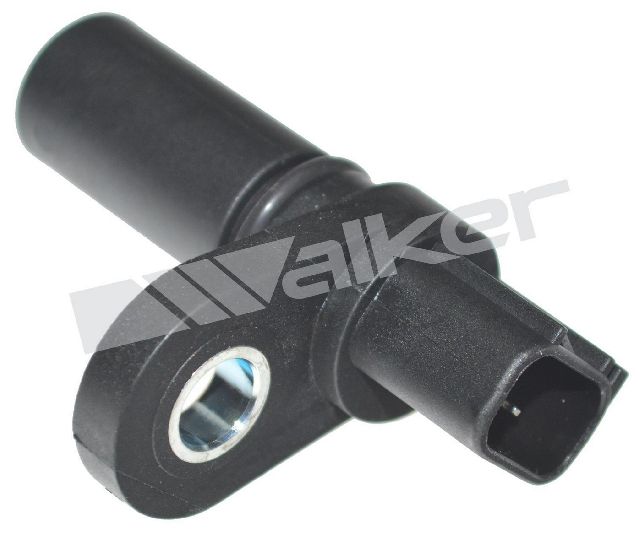
Est. part cost: $150-$350 - Faulty Camshaft Position Sensor (Bank 2) 🟡 Medium Probability → Shop Engine Camshaft Position Sensor The sensor's O-ring can fail, allowing engine oil to leak into the sensor's electronics and connector, causing it to short out. Standard electronic failure over time is also common.
How to confirm: Inspect the sensor and its connector for oil contamination. The sensor can be tested with a multimeter for resistance, or its signal can be monitored with an oscilloscope during cranking. The Bank 2 sensor is on the driver's side valve cover, near the front of the engine. Swapping the Bank 1 and Bank 2 sensors is a good diagnostic step; if the code changes to P0340 (Bank 1), the sensor is bad.
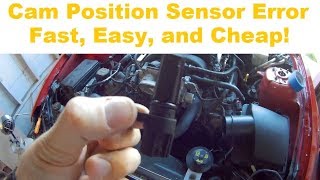
Typical fix: Replace the Bank 2 camshaft position sensor. 🎬 Watch: Step-by-step guide to replacing the sensor and clearing codes. Ensure the new O-ring is properly lubricated and seated.
Est. part cost: $25-$60 - Wiring or Connector Issue ⚪ Low Probability The wiring harness can chafe against A/C lines or other components near the front of the engine or the PCM. Oil from a leaking VCT solenoid or valve cover gasket can also degrade the connector and wiring insulation.
How to confirm: Visually inspect the wiring harness running to the sensor for any signs of chafing, melting, or breaks, especially near the PCM and where it routes around the front of the valve cover. Check the connector for corrosion, bent pins, or a loose fit. Check for continuity and shorts in the circuit using a multimeter.
Typical fix: Repair the damaged section of the harness or replace the connector pigtail.
Est. part cost: $15-$40 - Faulty VCT Solenoid (Bank 2) ⚪ Low Probability The VCT solenoid, located in the valve cover, controls oil flow to the cam phaser. Its internal seal can fail, leaking oil into the electrical connector and down the harness, mimicking a sensor leak. The solenoid itself can also stick or fail electronically.
How to confirm: Unplug the VCT solenoid connector (on the driver's side valve cover) and inspect for engine oil. If oil is present, the solenoid seal has failed. If the engine idle smooths out after unplugging the solenoid, it is likely stuck.
Typical fix: Replace the VCT solenoid and the valve cover gasket/seal for the solenoid.
Est. part cost: $40-$90
Rare But Worth Checking
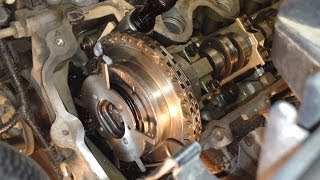
- Mechanical Timing Failure (VCT Phaser, Timing Chain, Tensioner): While less common than electrical issues for this code, the 4.6L 3V engine is known for timing component wear. A failing locking pin in the cam phaser can prevent it from returning to the base position at startup, causing the cam/crank correlation to be off and triggering the code. This is a major repair often accompanied by rattling or diesel-like noises from the front 🎬 See how to identify and fix common cam phaser knocking sounds. of the engine, especially on startup.
- Weak Battery or Starting System Problem: A weak battery or a starter drawing excessive current can cause a significant voltage drop during cranking. This can lower system voltage enough to disrupt the CMP sensor signal and trigger the code. This should be considered if the code only appears during cranking.
- Powertrain Control Module (PCM) Failure: This is extremely rare. The PCM should only be considered after all other possibilities, including wiring and mechanical issues, have been exhaustively ruled out by a professional. A wiring short can sometimes damage the PCM driver for the sensor circuit.
Diagnosis Steps
- Scan for any other stored trouble codes. Codes for both banks (P0340/P0345) or timing codes (P0022) can help narrow the cause.
- Crucial Step: Test the alternator for AC ripple/frequency. Using an oscilloscope, connect to the battery terminals. With the engine at idle and heavy electrical load (A/C, high beams, defroster on), check the frequency. Per TSB 06-19-12, a frequency below 500 Hz indicates a bad alternator. If you only have a multimeter with an AC voltage function, a reading over 0.5V AC is a strong indicator of failure.
- If the alternator tests good, locate the Bank 2 (driver's side) camshaft position sensor on the front of the valve cover.
- Inspect the sensor's electrical connector and wiring for damage, corrosion, or oil saturation. Also inspect the nearby Bank 2 VCT solenoid connector for oil, as its seal can fail and leak onto the harness.
- Remove the sensor (one 8mm bolt) and inspect it for physical damage or heavy oil contamination from a failed O-ring.
- Diagnostic Swap: If you have no tools, a simple test is to swap the Bank 2 (driver's side) and Bank 1 (passenger's side) cam sensors. Clear the codes and drive. If the code returns as P0340, the sensor you moved is faulty.
- If the code remains P0345 after the swap, the problem is in the Bank 2 circuit wiring, VCT system, or mechanical timing.
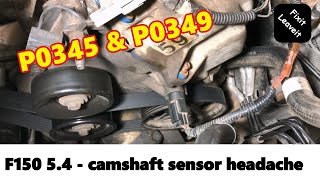
- Perform a thorough check of the wiring harness for continuity and shorts between the sensor connector and the PCM. 🎬 Watch: A helpful breakdown of P0345 circuit causes and fixes. Pay close attention to areas where the harness might rub against the engine or A/C lines.
- If all electrical tests pass, the issue may be mechanical. Listen for timing chain rattle or a diesel-like ticking sound. A professional diagnosis of the engine's timing components (chains, guides, VCT solenoids, phasers) would be the next step.
Parts You'll Likely Need
- Alternator
(OEM #Motorcraft GL-980-AA (reman))— A failing alternator with a bad diode is a very common, well-documented cause of P0345 on this vehicle, per TSB 06-19-12.
Trusted brands: Motorcraft (OEM), Bosch (Remanufactured), Denso
OEM price range: $250-$400
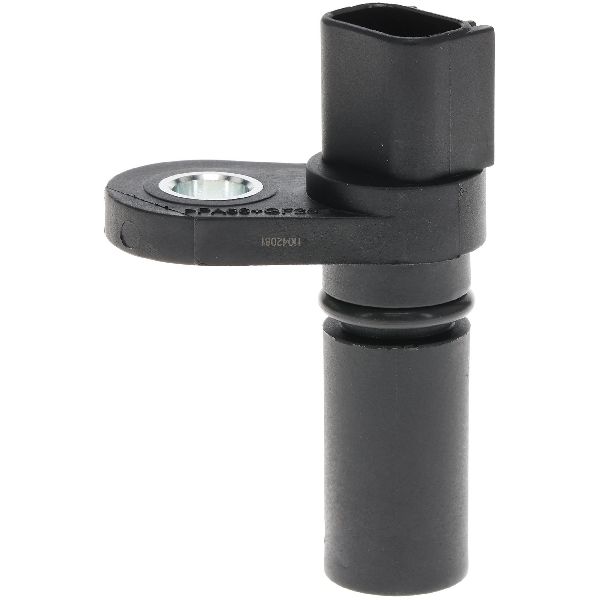
Aftermarket price range: $150-$250 - Camshaft Position Sensor (Bank 2)
(OEM #5L2Z-6B288-A)— This is the sensor that the code directly references. It can fail electronically or become contaminated by oil.
Trusted brands: Motorcraft, Standard Motor Products (SMP), Delphi
OEM price range: $40-$60
Aftermarket price range: $25-$45
Related Codes That Often Appear With This One
- P0349 — P0349 is the intermittent version of the same fault ('Camshaft Position Sensor 'A' Circuit Intermittent Bank 2'). They often appear together and are both mentioned in TSB 06-19-12 regarding the faulty alternator.
- P0340 / P0344 — These are the equivalent codes for Bank 1 (passenger side). If you see codes for both banks simultaneously, it more strongly suggests a common root cause like a failing alternator, a weak battery, or a problem with the crankshaft position sensor.
- P0022 — 'Intake Camshaft Position Timing - Over-Retarded (Bank 2)'. This code often appears with P0345 if the root cause is mechanical, such as a stuck VCT solenoid or a failing cam phaser, rather than purely electrical.
Technical Service Bulletins (TSBs) & Recalls
- TSB 06-19-12: States that DTCs P0345 and/or P0349 on a 2007 Explorer Sport Trac 4.6L 3V may be due to a malfunctioning diode or open phase connection in the generator (alternator). It provides a specific diagnostic procedure using an oscilloscope to test frequency.
Platform-Specific Known Issues
- TSB 06-19-12 was issued by Ford because a failing alternator can produce electrical noise (AC ripple) that the PCM misinterprets as a fault from the camshaft position sensor, leading to code P0345. The TSB explicitly states that a peak-to-peak voltage test is not a good indicator, but a frequency test is required.
Mechanic-Grade Diagnostic Values
- Camshaft Position Sensor (3-wire Hall-effect) Resistance — expected: Approximately 850 Ohms +/- 10% at 77°F (25°C) between specified pins.. Failure: A reading of zero ohms indicates a short, while an infinite (OL) reading indicates an open circuit within the sensor.
- CMP Sensor Connector Voltage (Key On, Engine Off) — expected: One wire should have 5V or 12V reference, one wire should be ground (less than 0.1V), and the third is the signal wire.. Failure: Absence of reference voltage or a bad ground reading points to a wiring or PCM issue, not a sensor failure.
- Alternator AC Ripple Voltage — expected: Less than 500mV (0.5V) AC at the battery terminals with engine running and electrical loads on.. Failure: A reading above 500mV AC strongly indicates a failing diode in the alternator's rectifier, causing electrical noise that interferes with the CMP sensor.
- CMP Sensor Signal Wire (at PCM) — expected: Continuity (less than 2 ohms) between the sensor connector signal pin and the corresponding PCM pin (C175E, Pin 44 for Bank 2).. Failure: High resistance or an open (OL) reading indicates a break in the signal wire.
Scan Tool Commands That Help
- Ford IDS (Integrated Diagnostic System): Power Balance Test — After confirming the alternator is good, a power balance test can help determine if the P0345 code is accompanied by a misfire on a specific cylinder. This can help differentiate between a widespread electrical issue and a localized mechanical problem on Bank 2.
- Ford IDS (Integrated Diagnostic System): Relative Compression Test — If a mechanical timing issue is suspected, this test can quickly indicate if one bank has lower compression than the other, which could be a result of incorrect cam timing, without needing to tear down the engine front cover. A passing test with even compression across all cylinders makes a major mechanical timing jump less likely.
Wiring & Ground Locations
- G106 — Right side of the engine compartment.. This is a primary engine compartment ground. A poor connection here can cause a variety of sensor and module communication issues, including erratic signals for the CMP sensor.
- PCM Connector C175B — One of the main connectors at the Powertrain Control Module (PCM).. This connector contains several key ground pins for the PCM (Pins 47, 48, 49, 50). Corrosion or a loose connection here can create floating grounds and unpredictable electronic behavior.
- PCM Connector C175E, Pin 44 — Pin 44 (Orange wire) on the C175E connector at the PCM.. This is the specific input pin for the Bank 2 (driver's side) camshaft position sensor signal. Testing for signal at this pin is the definitive way to confirm if the signal is reaching the PCM.
- Splice S106 — Located in the engine wiring harness that routes around the back of the engine.. This splice connects the signal return (ground) for a large bundle of sensors, including both camshaft position sensors. Corrosion or a break in this splice can cause multiple sensor codes or intermittent issues that are difficult to trace.
- Radio Noise Suppressor Capacitor — Typically bolted to the engine block or cylinder head near the alternator.. This capacitor is designed to filter RFI/EMI noise from the charging system. If it fails or has a poor ground, it can allow excessive electrical noise onto the power circuits, which can interfere with sensitive sensors like the CMP, mimicking the symptoms of a bad alternator.
Real Owner Repair Stories
- S197 Mustang Forum (Ford Mustang with 4.6L 3V engine (shares architecture)) — P0345 & P0349 codes appeared immediately after installing a new aftermarket Powermaster alternator.
❌ Tried (didn't work) Swapping cam sensors from bank to bank (code did not move, stayed on Bank 2).
✅ What actually fixed it The issue was determined to be the new aftermarket alternator itself producing excessive AC ripple/noise, a known cause for these codes. The owner was advised that even new, some aftermarket alternators can cause this specific issue. - Ford F150 Forum (2004 Ford F-150 5.4L 3V (shares VCT and sensor design)) — Persistent P0345 after major timing job.
❌ Tried (didn't work) Replacing timing chain, cam phasers, camshaft sensor, crankshaft sensor, and VCT solenoid.
✅ What actually fixed it The forum expert explained that P0345 is a cranking code, meaning the PCM didn't see the cam signal when it expected it *during startup*. This is often caused by the cam phaser's internal locking pin failing to hold the phaser at 0 degrees retard before oil pressure builds. The root cause was a mechanical phaser issue, not an electrical circuit problem, despite the code's definition.
OEM Part Supersession History
1L2Z-6B288-AA→5L2Z-6B288-A— Standard part revision and consolidation by Ford.
Heads up: The new part number (5L2Z-6B288-A) is the correct service replacement for the original. Using older stock or other superseded numbers (like F57Z-12K072-AB) is not recommended.
Diagnostic Flowchart
Real Owner Stories
Aggregated from forums and TSBs cited above. Mileages and costs reflect what owners reported in those sources.
Ford Mustang GT 4.6L 3V
Symptoms: Persistent P0345 and P0349 codes that would not clear.
What fixed it: The owner replaced the alternator, sensor, VCT solenoid, and phaser, but still had the codes, illustrating a deep diagnostic challenge pointing to wiring or mechanical issues.
Source hint: S197Forum.com thread titled 'P0345 P0349 Hell'
Ford F-150 5.4L
Symptoms: Diesel-like sound from the engine and persistent P0345 code.
What fixed it: Cam phaser replacement.
Source hint: Ford-F150-Forum.com thread titled 'P0345 Have tried everything'
Ford Mustang GT 4.6L 3V
Symptoms: Trouble codes P0345 and P0349.
What fixed it: Confirmed bad alternator per TSB 06-19-12.
Source hint: TheMustangSource.com thread titled 'Trouble Codes P0345 and P0349'
Documented NHTSA Reports
Ford F-150 (Cross-Manufacturer Reference)
Symptoms: An owner reported a cam position sensor throwing code P0345. After replacing the part, the code returned a week later. Despite the alternator, battery, and starter testing fine, the engine started rattling shortly after (NHTSA ODI #11568355).
Ford F-150 (Cross-Manufacturer Reference)
Symptoms: A report describes the motor missing with multiple codes present, including P0345, P0349, and P0171 (NHTSA ODI #11163346).
Related OBD-II Codes
Frequently Asked Questions
Does TSB 06-19-12 apply to my 2007 Ford Explorer Sport Trac 4.6L 3V for code P0345?
Why would a bad alternator cause a camshaft position sensor code on this vehicle?
How can I test if the alternator is causing the P0345 code on my Sport Trac?
Where is the Bank 2 camshaft position sensor located on the 4.6L 3V engine?
Can I swap sensors to test if the Bank 2 cam sensor is bad?
My 4.6L engine sounds like a diesel at idle and has code P0345. What does this mean?
Helpful Videos
Used OEM Parts in Stock
New Aftermarket Parts Available

The information in this article is provided for general reference and educational purposes only. Vehicle specifications, procedures, and part compatibility can vary by production date, trim level, and region. Always consult your vehicle's factory service manual and verify part numbers before purchasing or performing repairs. Safety-critical components such as airbags, seat belts, and braking systems should be installed by a qualified professional.
- Ford Explorer Sport Trac:
- 🧭 Diagnostic Flowchart
- 🎬 Helpful Videos
- 🛍️ Shop This Part
- What's Unique About the 2007-2007 Ford Explorer Sport Trac
- Symptoms You May Notice
- Most Likely Causes
- Rare But Worth Checking
- Diagnosis Steps
- Parts You'll Likely Need
- Related Codes That Often Appear With This One
- Technical Service Bulletins (TSBs) & Recalls
- Platform-Specific Known Issues
- Mechanic-Grade Diagnostic Values
- Scan Tool Commands That Help
- Wiring & Ground Locations
- Real Owner Repair Stories
- OEM Part Supersession History
- Real Owner Stories
- Ford Mustang GT 4.6L 3V
- Ford F-150 5.4L
- Ford Mustang GT 4.6L 3V
- Documented NHTSA Reports
- Ford F-150 (Cross-Manufacturer Reference)
- Ford F-150 (Cross-Manufacturer Reference)
- Related OBD-II Codes
- Frequently Asked Questions
- 🎟️ Get 5% Off