

P0345 on 2010-2016 Hyundai Genesis Coupe 3.8L: Camshaft Sensor Bank 2 Causes and Fixes
This code almost always points to a failed Bank 2 (driver's side) intake camshaft position sensor. Replacing the sensor is a common DIY fix, with the part costing between $40 for aftermarket and $150 for OEM. Before replacing, swap the driver's side and passenger's side sensors to confirm the failure; if the code changes to P0340, the sensor is bad. Also, inspect the connector for oil contamination.
- P0345 on a 3.8L Genesis Coupe refers to the intake camshaft position sensor on the driver's side (Bank 2).
- The most common cause is a failed sensor. A simple diagnostic test is to swap the driver's side and passenger's side sensors to see if the code follows (changes to P0340).
- Symptoms include hard starting, rough idle, and a loss of power.
- The 2010-2012 (BK1 MPI) and 2013-2016 (BK2 GDI) models have different engines; always verify the correct sensor part number (e.g., 39318-3C100 for BK1, 39318-3C500 for BK2) with your VIN.
- Before replacing the sensor, check its electrical connector and wiring for any obvious damage or oil contamination, as this is the second most likely cause.
What's Unique About the 2010-2016 Hyundai Genesis Coupe
The 2010-2016 year range covers two distinct versions of the 3.8L V6 engine, and this can affect parts. The 2010-2012 (BK1) models use a Multi-Port Injection (MPI) engine, while the 2013-2016 (BK2) models feature a more powerful Gasoline Direct Injection (GDI) engine with a higher compression ratio. While the root cause of P0345 is the same, the specific part number for the camshaft position sensor may differ between these generations. It is critical to verify the correct part for your specific year with a VIN, as owners have reported issues when using incorrect or non-OEM sensors.
Generation note: This vehicle range covers two generations of the Genesis Coupe, known as the BK1 (2010-2012) and BK2 (2013-2016). The primary difference for this engine was the switch from Multi-Port Injection (MPI) in the BK1 to Gasoline Direct Injection (GDI) in the BK2. This engine update may have resulted in different camshaft position sensor part numbers. Always confirm the correct part for your vehicle's specific year and VIN before purchasing. The BK2 models are generally considered more reliable but both are susceptible to this sensor failure.
Symptoms You May Notice
- Check Engine Light is on
- Difficulty starting the engine, or long crank times
- Engine stalling or hesitating, especially at low speeds
- Rough idle
- Noticeable loss of engine power and poor acceleration
- Reduced fuel economy
- Engine may go into limp mode
- Replacing the crankshaft position sensor. 🎬 See this video to locate the crankshaft sensor and avoid confusion. While related, a P0345 code specifically points to the camshaft sensor circuit for Bank 2.
- Replacing the wrong sensor. Many people replace the Bank 1 (passenger side) sensor by mistake. Remember P0345 is for Bank 2 (driver's side).
- Not using an OEM sensor. Some owners report that aftermarket sensors fail quickly or are dead-on-arrival, causing the code to reappear.
Most Likely Causes
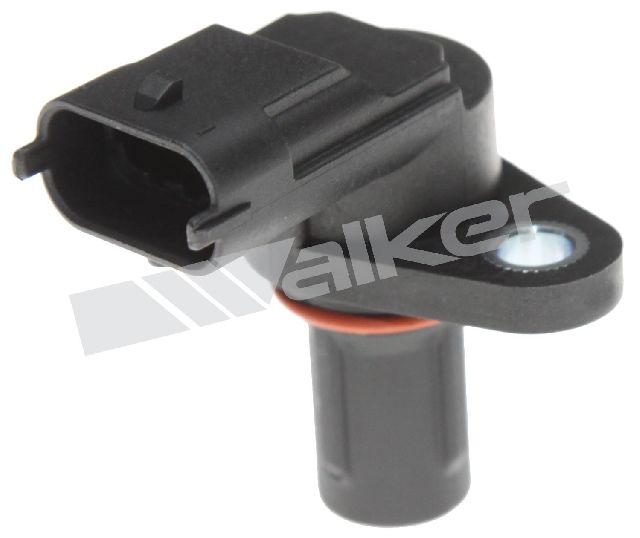
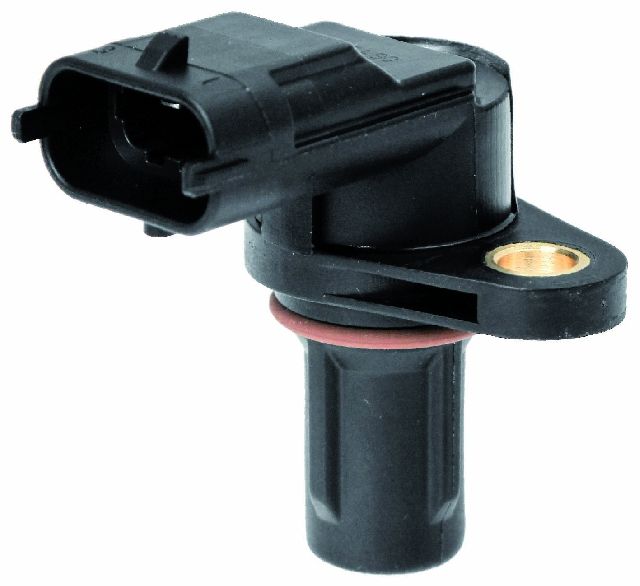
- Failed Bank 2 Camshaft Position Sensor 🔴 High Probability → Shop Engine Camshaft Position Sensor Heat and vibration in the engine bay cause the electronic sensor to fail over time. This is a very common failure part on this platform. Oil can also leak into the sensor's connector, disrupting the signal.
How to confirm: The most effective method is to swap the Bank 2 (driver's side) sensor with the Bank 1 (passenger's side) sensor. Clear the codes and run the engine. If the code changes to P0340 (Bank 1), the sensor is confirmed bad. 🎬 Watch this walkthrough for fixing hard starts and sensor issues. While the sensor is out, inspect the electrical connector for oil contamination.
Typical fix: Replace the Bank 2 camshaft position sensor. It is held in by a single 10mm bolt. Ensure the new sensor's O-ring is lubricated with clean engine oil before installation. Using an OEM sensor is highly recommended by owners to prevent premature failure.
Est. part cost: $40-$150 - Wiring Harness or Connector Issue 🟡 Medium Probability The wiring harness connector is plastic and can become brittle from engine heat cycles, leading to a poor connection. Wires can also be damaged by abrasion, rodents, or oil contamination from leaky valve cover gaskets.
How to confirm: Visually inspect the wiring and connector leading to the Bank 2 camshaft sensor. Look for cracked plastic, corroded pins, frayed wires, or oil saturation. With a multimeter, check for 5V reference power and a good ground at the connector with the key on.
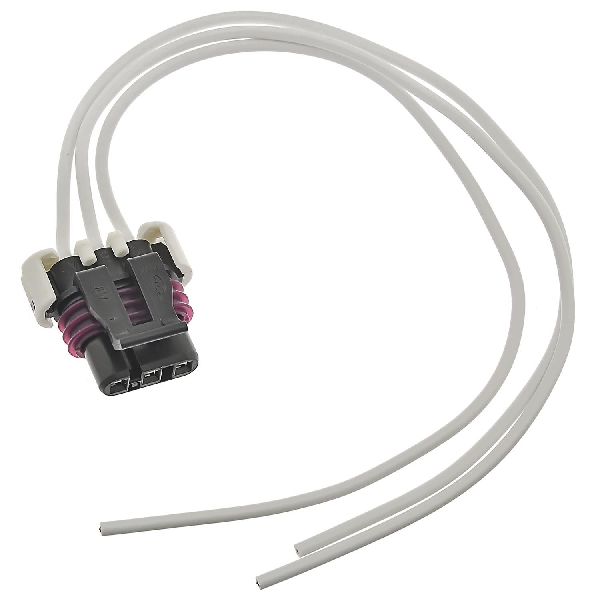
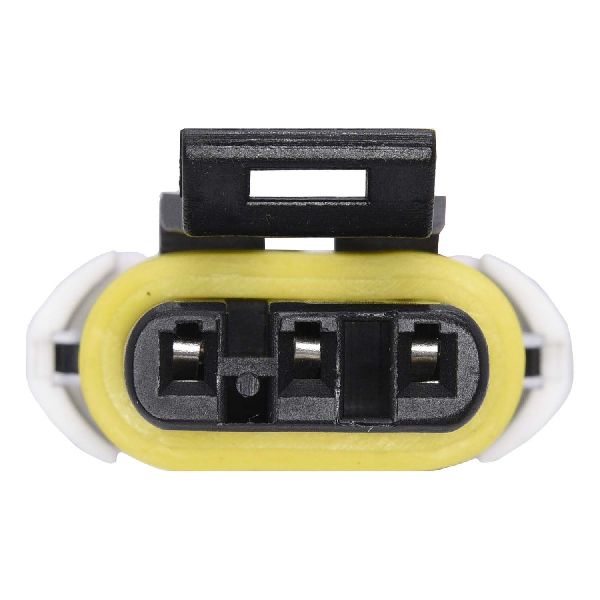
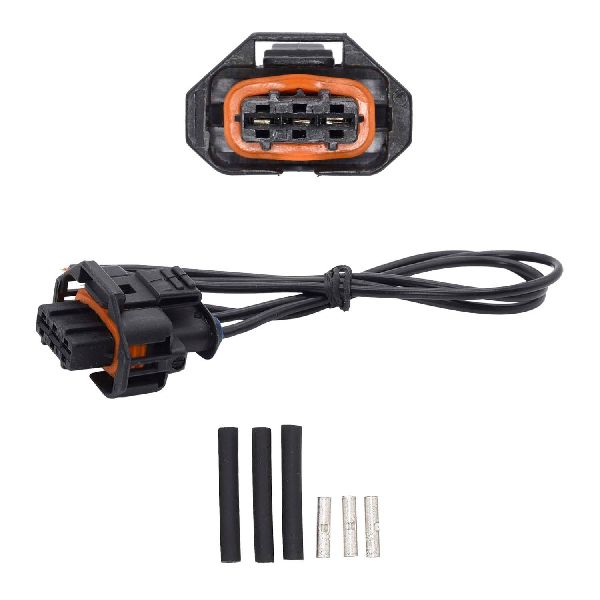
Typical fix: Repair the damaged section of wiring or replace the connector pigtail. If the connector lock is broken, it should be replaced to ensure a secure connection. Clean any oil residue with electrical contact cleaner.
Est. part cost: $15-$50
Rare But Worth Checking
- Weak Battery or Starting System Fault: On some vehicles, low voltage during cranking can cause the ECM to temporarily lose the camshaft sensor signal and set a code. One owner with P0340 and P0345 found the root cause to be a faulty starter solenoid that was causing erratic electrical behavior during startup.
- Stretched Timing Chain or Timing Issue: → Shop Engine Timing Chain If the timing chain has stretched or a tensioner has failed, the correlation between the camshaft and crankshaft sensors can be off, triggering a code. This is a known issue on higher-mileage Genesis Coupes and would usually be accompanied by other timing-related codes (like P0016, P0017) or an audible chain rattle on startup.
- Failed Powertrain Control Module (PCM): This is extremely rare. The PCM should only be considered after all other possibilities, including sensors, wiring, and mechanical timing, have been definitively ruled out.
Diagnosis Steps
- Read the code with an OBD-II scanner to confirm P0345 is present.
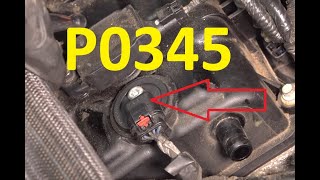
- Visually inspect the Bank 2 (driver's side) camshaft position sensor and its electrical connector. The sensor is located on the top of the valve cover and is held by a single 10mm bolt. Check for any signs of damage, oil leaks, or corrosion.
- Diagnostic Swap: The easiest test is to swap the Bank 2 (driver's side) sensor with the Bank 1 (passenger's side) sensor. They are the same part. Clear the codes, start the engine, and rescan. If the code changes to P0340 (Camshaft Position Sensor 'A' Circuit Bank 1), the sensor you moved is faulty and needs to be replaced.
- If the code does not change: The problem is likely in the wiring or ECM. Disconnect the Bank 2 sensor connector.
- Turn the ignition to 'ON' (engine off). Use a multimeter to check the connector for a 5-volt reference signal and a proper ground. If either is missing, you have a wiring problem that needs to be traced back to the ECM.
- If power and ground are good, the issue may be in the signal wire between the sensor and the ECM. Check for continuity on that wire.
- If all wiring tests pass and a new, known-good (preferably OEM) sensor does not fix the issue, the problem may be a rare mechanical issue (like a damaged reluctor wheel on the camshaft or stretched timing chain) or an ECM fault.
Parts You'll Likely Need
- Camshaft Position Sensor
(OEM #39318-3C500 (BK2 GDI), 39318-3C100 (BK1 MPI))— This is the most common component to fail for a P0345 code. The internal electronics fail from heat and age. Note: Part numbers may differ. 39318-3C500 is commonly cited for the GDI engine, while 39318-3C100 is for the earlier MPI. Always verify the correct part for your year/VIN.
Trusted brands: Hyundai (OEM), NTK, Beck/Arnley, Hitachi
OEM price range: $110-$170
Aftermarket price range: $40-$90
Related Codes That Often Appear With This One
- P0340 — If you swap a faulty Bank 2 sensor to the Bank 1 position for diagnosis, the code will change to P0340, confirming the sensor is the problem.
- P0346, P0347, P0348, P0349 — These are all related codes for the Bank 2 camshaft position sensor, indicating different types of faults like range/performance, low input, high input, or intermittent signal. Seeing one of these points to the same general problem area.
- P0016, P0017, P0018, P0019 — These codes indicate a timing correlation issue between the crank and cam sensors. If P0345 appears with these, it could suggest a more serious mechanical problem like a stretched timing chain, rather than just a sensor failure.
Technical Service Bulletins (TSBs) & Recalls
- While no specific TSB for P0345 on the Genesis Coupe was found, Ford issued TSB 06-19-12 for a similar P0345/P0349 code on their V8 engines, which was sometimes caused by electrical interference (AC ripple) from a failing alternator diode. This highlights the possibility of electrical system issues triggering the code.
Platform-Specific Known Issues
- Owners on Gencoupe.com and Reddit strongly advise using OEM Hyundai sensors. Many have reported that aftermarket sensors either don't work out of the box or fail very quickly, causing the P0345 code to return.
- Oil leaking from the valve cover gasket can seep into the camshaft sensor connector, causing a bad reading. This is a common issue and should be checked when diagnosing P0345.
- The diagnostic swap (swapping Bank 1 and Bank 2 sensors) is a widely accepted and effective method within the Genesis Coupe community to confirm a bad sensor before spending money on parts.
Mechanic-Grade Diagnostic Values
- Camshaft Position Sensor (Hall Effect) Signal Voltage — expected: A square wave, switching between approximately 0V (low) and 5V (high) as the camshaft rotates.. Failure: A flat line at 0V or 5V, or a noisy/inconsistent signal waveform when viewed on an oscilloscope.
- Sensor Connector Pin 3 (Reference Voltage) to Ground — expected: Approximately 5V with Key On, Engine Off (KOEO).. Failure: No voltage or significantly lower voltage, indicating a wiring issue or problem with the ECM's 5V reference circuit.
- Sensor Connector Pin 2 (Ground) to Chassis Ground — expected: Near 0 Ohms of resistance.. Failure: High resistance or an open circuit (OL), indicating a bad ground connection which can cause erratic sensor readings.
Scan Tool Commands That Help
- Hyundai GDS (Global Diagnostic System): CKP & CMP Signal Test — This function allows the technician to view the live waveform of the camshaft and crankshaft sensors directly on the scan tool. It's used to verify if the sensor is producing a clean, consistent square wave signal, which confirms the sensor's operational status without needing an external oscilloscope.
- Hyundai GDS (Global Diagnostic System): Resetting Adaptive Values — After replacing a sensor or performing timing work, some Hyundai vehicles may benefit from or require a reset of the engine's adaptive values. This function in the GDS clears learned values, forcing the ECM to relearn parameters with the new components, which can resolve rough running issues post-repair.
Wiring & Ground Locations
- Engine Ground Strap — There are several key ground points. One is on the engine mount. Another important ground for the ECU is on the driver's side of the engine compartment. A common aftermarket upgrade involves adding grounds to the intake manifold and a bolt on the transmission bell housing near the starter.. A poor engine ground can cause a voltage differential between the sensor's ground reference and the ECM's ground, leading to a noisy or offset signal that the ECM interprets as a fault. Ensuring all engine and chassis grounds are clean and tight is a critical step before condemning a sensor or ECM.
- Camshaft Position Sensor Connector — On the top of the driver's side (Bank 2) valve cover. The intake sensor ('A') is the one located towards the front of the engine.. This is the primary point of failure for wiring issues. The connector itself can become brittle, the locking tab can break, or the pins can become contaminated with oil from a leaking valve cover gasket, disrupting the signal.
Real Owner Repair Stories
- Gencoupe.com forum user (High-mileage Hyundai Genesis Coupe 3.8L) — Persistent P0345 code, sometimes accompanied by timing correlation codes like P0017 or P0018.
❌ Tried (didn't work) Replacing the Bank 2 camshaft position sensor (sometimes multiple times with aftermarket parts), Swapping sensors between banks (code stayed on Bank 2), Checking wiring for continuity
✅ What actually fixed it The ultimate cause was a stretched timing chain and/or a failing timing chain tensioner. The slack in the chain caused the camshaft's actual position to deviate from what the ECM expected, triggering the sensor code. A full timing chain service was required to resolve the issue permanently.
OEM Part Supersession History
39318-3C300→39318-3C100— Part number consolidation and potential minor internal revisions for durability.
Heads up: 39318-3C100 is the widely accepted replacement for the earlier MPI engines and is listed as compatible for the Genesis Coupe. However, for BK2 GDI models, 39318-3C500 is often specified. Always confirm with VIN.
Model Year Variations Within This Range
- 2013-2016 (BK2): The BK2 3.8L GDI engine has a high-pressure fuel pump (HPFP) driven by the camshaft. The driver's side (Bank 2) exhaust camshaft has an extra lobe specifically to drive this pump. While this doesn't directly affect the intake camshaft sensor for P0345, it highlights a significant mechanical difference in the valvetrain between BK1 and BK2 that is important to be aware of during any camshaft-related diagnosis.
Diagnostic Flowchart
Other Known Issues on This Vehicle
Issues unrelated to this code that are worth knowing about as an owner of this generation:
- Manual Transmission Grind / Lockout 🟠 Medium — Very common, especially on earlier BK1 (2010-2012) models. Can occur when shifting into 2nd, 3rd, 5th, or 6th gear. (Ref: No official recall, but many owners report warranty replacements. Community fixes include using better transmission fluid (e.g., Redline MT-85), installing upgraded transmission mounts, and bleeding the clutch.)
- Timing Chain Rattle / Tensioner Failure 🔴 High → Shop Engine Timing Chain — Becomes a concern around 80k-100k miles. Often presents as a brief rattle on cold startups as oil pressure builds. Can lead to catastrophic engine failure if the chain skips a tooth.
- Carbon Buildup on Intake Valves (BK2 GDI) 🟠 Medium — Inherent to GDI engines, becomes problematic around 80,000-100,000 miles. Symptoms include rough idle, misfires, and loss of power.
- Interior Rattles and Peeling Chrome Trim 🟡 Low — Common across all model years. Rattles emanate from the dashboard and pillar areas. The matte chrome finish on the steering wheel, door handles, and cupholders is known to flake and peel over time.
- Water Leaks into Trunk 🟡 Low — Frequently reported by owners. Caused by failed taillight gaskets, allowing water to pool in the spare tire well.
Used vs. New Parts: Buying Guide for This Vehicle
When a used part is the smart pick: For this repair, buying a used sensor is generally not recommended. It is a low-cost electronic part where the age and heat cycles are the primary cause of failure. A used sensor has an unknown history and may fail soon after installation, wasting time and effort.
Donor-vehicle mileage cap: roughly under 20000 miles for the part to have meaningful remaining life.
What to inspect on the donor part:
- If forced to buy used, look for a part from a clearly low-mileage, late-model vehicle.
- Inspect the plastic housing for any signs of cracking or heat stress.
- Ensure the connector pins are clean, straight, and free of corrosion or oil.
OEM-only on this vehicle (don't cheap out):
- Camshaft Position Sensor
Aftermarket brands forum-validated for this vehicle:
- NTK
- Delphi
- Hitachi
Brands owners have reported issues with on this vehicle:
- Unbranded, 'white-box' sensors from online marketplaces are frequently reported as dead-on-arrival or failing within a few months.
Real Owner Stories
Aggregated from forums and TSBs cited above. Mileages and costs reflect what owners reported in those sources.
2010-2016 Hyundai Genesis Coupe 3.8L V6
Symptoms: Recurring P0345 code even after the sensor was replaced.
What fixed it: The community suggested the issue was likely caused by using a non-OEM part or a potential underlying mechanical timing issue.
Source hint: https://www.reddit.com/r/genesiscoupe/comments/1c9443j/cam_shaft_position_senors/
2010-2016 Hyundai Genesis Coupe 3.8L V6
Symptoms: Multiple camshaft sensor codes appearing simultaneously (P0340, P0345, P0365, P0390).
What fixed it: The community helped diagnose the problem as either a wiring issue or faulty sensors.
Source hint: https://www.gencoupe.com/threads/p0340-p0345-p0365-p0390-help.679161/
Related OBD-II Codes
Frequently Asked Questions
Can I use an aftermarket sensor from a local parts store to fix P0345 on my Genesis Coupe?
Is there a simple way to confirm the Bank 2 sensor is actually bad before I buy a new one?
Could an oil leak be causing my P0345 code?
Does the Ford TSB 06-19-12 apply to my 3.8L Genesis Coupe?
What is the typical cost for a replacement OEM camshaft sensor for the 3.8L Lambda II?
Are there other engine issues I should look out for while fixing this code on a high-mileage Genesis Coupe?
Helpful Videos

We Have This Part in Stock


The information in this article is provided for general reference and educational purposes only. Vehicle specifications, procedures, and part compatibility can vary by production date, trim level, and region. Always consult your vehicle's factory service manual and verify part numbers before purchasing or performing repairs. Safety-critical components such as airbags, seat belts, and braking systems should be installed by a qualified professional.
- Hyundai Genesis Coupe:
- 🧭 Diagnostic Flowchart
- 🎬 Helpful Videos
- 🛍️ Shop This Part
- What's Unique About the 2010-2016 Hyundai Genesis Coupe
- Symptoms You May Notice
- Most Likely Causes
- Rare But Worth Checking
- Diagnosis Steps
- Parts You'll Likely Need
- Related Codes That Often Appear With This One
- Technical Service Bulletins (TSBs) & Recalls
- Platform-Specific Known Issues
- Mechanic-Grade Diagnostic Values
- Scan Tool Commands That Help
- Wiring & Ground Locations
- Real Owner Repair Stories
- OEM Part Supersession History
- Model Year Variations Within This Range
- Other Known Issues on This Vehicle
- Used vs. New Parts: Buying Guide for This Vehicle
- Real Owner Stories
- 2010-2016 Hyundai Genesis Coupe 3.8L V6
- 2010-2016 Hyundai Genesis Coupe 3.8L V6
- Related OBD-II Codes
- Frequently Asked Questions
- 🎟️ Get 5% Off