

P0345 on 2007-2012 Hyundai Veracruz 3.8L: Camshaft Sensor Causes and Fixes
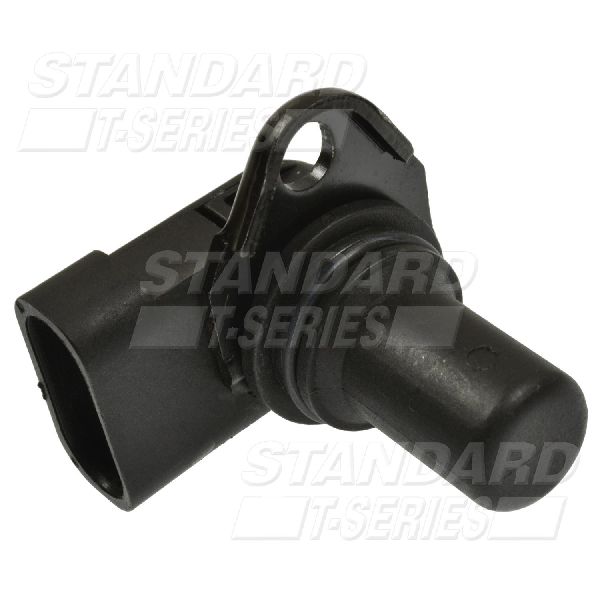
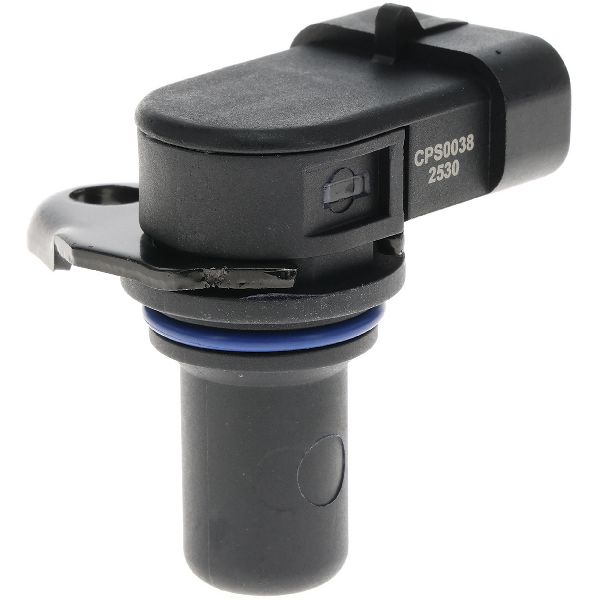
On a 2007-2012 Veracruz, code P0345 is most often caused by a failed Bank 2 (front/radiator side) camshaft position sensor. Replacing the sensor is a common, DIY-friendly fix, with the part costing between $40 and $120. However, it's crucial to inspect the wiring for oil contamination, as a leaking valve cover gasket on Bank 2 is a known issue for this vehicle and can also cause this code.
- P0345 points to an electrical fault with the intake camshaft sensor on the front (radiator side) of the engine.
- The most likely fix is replacing the Bank 2 camshaft position sensor, which is an accessible and affordable DIY job.
- Before replacing the sensor, always inspect its electrical connector and wiring for damage or oil contamination.
- While this engine can have more serious timing chain issues, they are less likely to be the cause of a simple circuit code like P0345. Start with the simple fixes first.
What's Unique About the 2007-2012 Hyundai Veracruz
The Lambda 3.8L V6 engine uses a Continuous Variable Valve Timing (CVVT) system that is highly dependent on clean engine oil and proper oil pressure. While P0345 is an electrical circuit code, the overall health of this engine's timing system is sensitive. A notable and widespread issue on this platform is a factory recall (Hyundai Recall 121, later superseded by Recall 197) for a leaking front valve cover gasket (Bank 2). This leak can drip oil directly onto the alternator, 🎬 See how a leaking gasket can destroy your alternator. causing it to fail, and can also saturate the camshaft position sensor's wiring and connector, leading to the P0345 circuit fault. Therefore, any P0345 diagnosis on a Veracruz must include a careful inspection for oil leaks from the front valve cover.
Symptoms You May Notice
- Check Engine Light is on
- Engine is difficult to start or cranks but won't start
- Engine stalls unexpectedly, especially at idle or low speeds
- Rough idle and engine misfires
- Noticeable loss of engine power and poor acceleration
- Reduced fuel economy
- Engine hesitation or stumbling
- Replacing the Crankshaft Position Sensor. This code specifically points to the camshaft sensor circuit, not the crankshaft sensor.
- Assuming a major timing chain issue immediately. While possible, a simple sensor or oil-soaked wiring fault is far more common and should be diagnosed first for a P0345 circuit code.
- Replacing the sensor without checking for oil contamination. On the Veracruz, the valve cover leak is a primary suspect and cleaning or repairing the oil-soaked connector may be the actual fix.
Most Likely Causes
- Failed Bank 2 Camshaft Position Sensor 🔴 High Probability → Shop Engine Camshaft Position Sensor Like any electronic sensor, the camshaft position sensor can fail over time due to heat cycles and vibration. It's a very common failure point for this specific code.
How to confirm: Visually inspect the sensor for damage or oil contamination. Test the sensor's output with a multimeter or oscilloscope. The most straightforward confirmation for a DIYer is to replace the sensor, as it's the most likely cause for a circuit-specific code after wiring is checked.
Typical fix: Replace the Bank 2 (front) camshaft position sensor. It is held in by a single 10mm bolt. 🎬 Watch this walkthrough on replacing the Bank 2 camshaft sensor.
Est. part cost: $40-$120 - Wiring Harness or Connector Issue 🔴 High Probability The engine bay environment can cause wiring to become brittle. Crucially, the known oil leak from the Bank 2 valve cover gasket (Recall 121/197) can saturate the sensor's connector and wiring, causing a poor connection or short circuit, making this a very high probability cause on the Veracruz.
How to confirm: Visually inspect the wiring harness leading to the Bank 2 camshaft sensor for any signs of fraying, melting, or breaks. Check the electrical connector for corrosion, bent pins, and especially for saturation with engine oil. Use a multimeter to check for continuity and proper voltage at the connector.
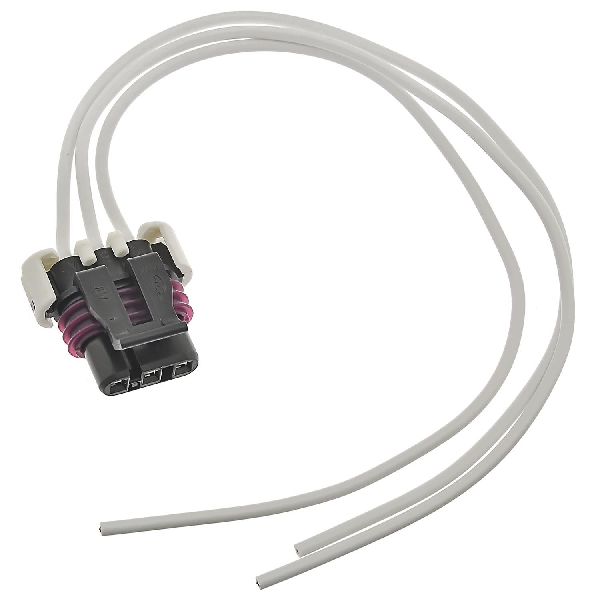
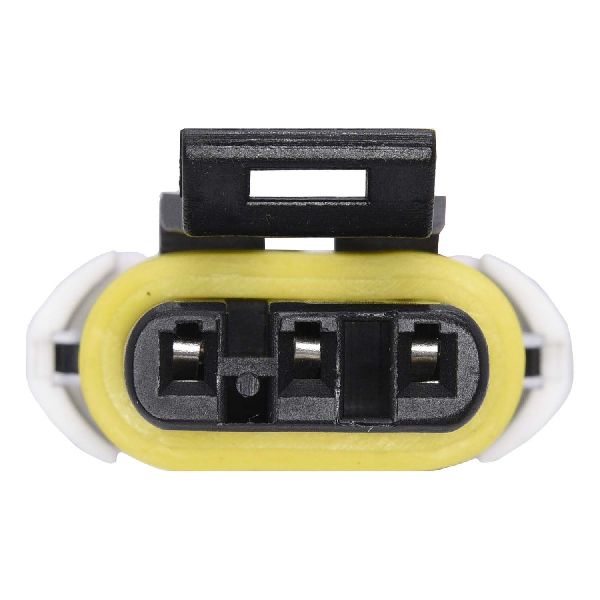
Typical fix: Repair the damaged section of wiring or clean the oil out of the connector with electrical contact cleaner. If the connector is damaged, it must be replaced.
Est. part cost: $5-$50 - Stretched Timing Chain / Failed Tensioner ⚪ Low Probability → Shop Engine Timing Chain The Lambda V6 is known to be susceptible to timing chain stretch and tensioner failure, particularly at higher mileage (over 100,000 miles), which can cause timing correlation issues.
How to confirm: This is an advanced diagnosis. A key symptom is a distinct rattling noise from the engine on a cold startup 🎬 Listen to the specific sound of a failing timing chain. that lasts for a few seconds. A mechanic would need to check for timing correlation with a scan tool. This cause is more likely to throw codes like P0018, but can sometimes trigger a circuit code.
Typical fix: Replace the timing chain, guides, and tensioners. This is a labor-intensive and expensive repair.
Est. part cost: $400-$1200 - Failed or Clogged Oil Control Valve (OCV) ⚪ Low Probability The OCV controls oil flow for the CVVT system. If it gets clogged with sludge from infrequent oil changes or fails electrically, it can sometimes cause erratic camshaft behavior that might be misinterpreted by the PCM as a sensor circuit fault, though it more commonly causes performance codes like P0022.
How to confirm: Test the OCV resistance with a multimeter. Remove and inspect the OCV and its filter screen for sludge or debris. The filter is located in the cylinder head oil passage directly below the OCV.
Typical fix: Replace the Bank 2 intake OCV and clean or replace its filter screen.
Est. part cost: $50-$150
Rare But Worth Checking
- Failed Powertrain Control Module (PCM): This is very rare. The PCM should only be considered after all other possibilities, including the sensor, wiring, and mechanical timing, have been thoroughly ruled out.
- Damaged Camshaft Reluctor Ring: → Shop Engine Camshaft The reluctor ring on the camshaft itself, which the sensor reads, can be damaged or dirty, though this is uncommon. This would require significant disassembly to inspect.
Diagnosis Steps
- Read the code with an OBD-II scanner to confirm P0345 is present. Note any other codes.
- Locate the Bank 2 camshaft position sensor. On the Veracruz 3.8L V6, it is on the valve cover of the cylinder bank closer to the radiator.
- CRITICAL: Thoroughly inspect the front (Bank 2) valve cover for any signs of an oil leak. Pay close attention to the area around the alternator and the camshaft sensor itself.
- Inspect the sensor's electrical connector and wiring harness. Check for oil saturation, corrosion, loose pins, or physical damage. If oil is present, clean the connector thoroughly with electrical contact cleaner and reassess.
- If wiring and connector are clean and look good, the most probable cause is the sensor itself. Replace the Bank 2 camshaft position sensor. This is typically held in by a single 10mm bolt.
- After replacement, clear the trouble code with the scanner and start the engine. Drive the vehicle to see if the code returns.
- If the code returns, perform a more in-depth electrical diagnosis. Use a multimeter to check for 5V reference, ground, and a signal from the sensor at the connector. An oscilloscope is best for verifying the signal waveform.
- If the sensor and wiring are confirmed to be good, the issue may be mechanical. Listen for a timing chain rattle on cold starts. At this point, a professional diagnosis to check the timing chain, tensioners, and CVVT system is recommended.
Parts You'll Likely Need
- Camshaft Position Sensor (Bank 2, Intake)
(OEM #39350-3C110)— This sensor is the most common failure point for a P0345 circuit malfunction code.
Trusted brands: Hyundai OE, Delphi, NGK/NTK, Beck/Arnley
OEM price range: $80-$120
Aftermarket price range: $40-$75 - Valve Cover Gasket (Bank 2 / Front)
(OEM #22441-3C110)— Often needs to be replaced concurrently if it is found to be leaking oil onto the sensor wiring or alternator, which is a very common root cause of electrical issues on this bank.
Trusted brands: Hyundai OE, Fel-Pro, Mahle
OEM price range: $25-$40
Aftermarket price range: $15-$30
Related Codes That Often Appear With This One
- P0340 — This is the equivalent camshaft sensor circuit code for Bank 1 (firewall side). Seeing both may indicate a common wiring problem, a systemic issue like a failing alternator causing voltage fluctuations, or a problem with the crankshaft sensor signal that the PCM is using for comparison.
- P0346 — This code indicates a range/performance problem with the same Bank 2 sensor. It suggests the sensor is providing a signal, but it's erratic, out of the expected range, or doesn't align with the crankshaft signal, which can be caused by the same faults as P0345.
- P0018 — This is a timing correlation code for Bank 2 (Crankshaft Position - Camshaft Position Correlation). If the root cause is a stretched timing chain or a problem with the CVVT phaser, it can sometimes trigger the P0345 circuit code as well, though P0018 points more directly to the mechanical timing mismatch.
Technical Service Bulletins (TSBs) & Recalls
- Hyundai Recall 121 / NHTSA 14V415000: Addresses a potential oil leak from the front valve cover gasket, which
Platform-Specific Known Issues
- This engine family is known for timing chain stretch at higher mileage, which can cause a variety of timing-related codes.
- A major recall (Hyundai Recall 121 / 197) was issued for a leaking Bank 2 (front) valve cover gasket. This leak can cause oil to saturate the alternator, leading to charging system failure, and can also directly cause P0345 by contaminating the sensor's wiring.
Mechanic-Grade Diagnostic Values
- Camshaft Position Sensor Signal Voltage (3-wire sensor) — expected: A repeating square-wave pattern switching between approximately 0.5V and 4.5V when viewed on an oscilloscope while the engine is cranking or running.. Failure: A flat line, a voltage that doesn't switch, or a distorted/weak pattern indicates a failed sensor or wiring issue.
- Camshaft Position Sensor Power Supply Voltage (at connector) — expected: Approximately 5.0 Volts on the power wire with the key on, engine off.. Failure: Significantly lower or no voltage indicates a problem with the wiring or the PCM's 5V reference circuit.
- Camshaft Position Sensor Ground Circuit (at connector) — expected: Near 0 Volts, confirming a good path to ground.. Failure: Any significant voltage reading indicates a poor ground connection.
- Camshaft Position Sensor Internal Resistance — expected: Typically between 1,000 and 1,500 ohms, though this can vary by manufacturer.. Failure: An open circuit (infinite resistance) or a short (very low resistance) indicates a failed sensor coil.
Scan Tool Commands That Help
- Hyundai GDS (Global Diagnostic System): Vehicle S/W Management -> Resetting Adaptive Values — After replacing a major engine component like a camshaft sensor or performing timing work, this function can be used to clear the ECU's learned values and force it to relearn sensor inputs and engine parameters. This may help resolve issues if the code persists after a correct repair.
Wiring & Ground Locations
- Engine Wiring Harness Ground — A main ground point for the engine harness is typically located on the right front of the engine compartment.. A corroded or loose main engine ground can cause erratic behavior in various sensors, including the camshaft position sensor, leading to circuit fault codes like P0345.
- Camshaft Position Sensor Connector (Bank 2) — On the front (radiator side) valve cover, plugged into the camshaft position sensor.. This is the primary point of failure for wiring issues, especially due to oil contamination from the common valve cover gasket leak on this engine.
Real Owner Repair Stories
- Edmunds user review (2007 Hyundai Veracruz Limited) — Valve cover gasket leak at 70,000 miles, which sprayed oil onto the alternator, causing it to fail and the vehicle to break down.
✅ What actually fixed it The user's report implies that the alternator failed due to the oil leak. For a P0345 code in this scenario, the fix would be to replace the leaking valve cover gasket, clean the oil from the camshaft sensor connector and wiring, and replace the camshaft sensor if it was damaged by the oil. The alternator would also need replacement.
OEM Part Supersession History
39350-3E110→N/A, but often cross-referenced— This part number is specific to the RH (Right Hand / Bank 1) sensor on many Hyundai/Kia V6 engines.
Heads up: It is critical not to confuse the Bank 1 (RH) sensor with the Bank 2 (LH) sensor. While they may look similar, they are not interchangeable. The P0345 code is for Bank 2, which uses part number 39350-3C110. Using the wrong sensor will result in continued faults.
Model Year Variations Within This Range
- 2007-2012: The core engine and sensor configuration for the 3.8L V6 remained consistent throughout the Veracruz's production run. Minor changes occurred in trim features, such as the availability of a navigation system in 2008 and a new grille in 2012, but these did not affect the diagnosis or repair of a P0345 code.
Diagnostic Flowchart
Other Known Issues on This Vehicle
Issues unrelated to this code that are worth knowing about as an owner of this generation:
- Valve Cover Gasket Oil Leak onto Alternator 🔴 High → Shop Engine Valve Cover — Very common. Affects a large percentage of 2007-2012 models. Can occur at any mileage but more frequent over 60,000 miles. (Ref: Hyundai Recall 121 (NHTSA 14V415000) and subsequent Recall 197.)
- Timing Chain Tensioner Failure / Cold Start Rattle 🔴 High → Shop Engine Timing Chain — Commonly reported, especially on vehicles over 100,000 miles. Presents as a rattling noise for a few seconds on cold engine startup. (Ref: No specific recall, but revised tensioner parts are available.)
- Power Liftgate Failure 🟠 Medium — A frequent complaint where the liftgate fails to latch/cinch closed, or opens/closes erratically. (Ref: No recall, but a common failure of the power latch assembly (Part No. 81230-3J100).)
- Harsh Shifting or Transmission Slips 🟠 Medium — Reported by a significant number of owners, may require software updates or, in some cases, internal transmission repair.
- ABS Module Internal Short 🔴 High — Part of a massive Hyundai/Kia recall. The ABS module can leak internally, creating an electrical short that poses a fire risk even when parked. (Ref: Hyundai Recall 246 (NHTSA 23V651000).)
Used vs. New Parts: Buying Guide for This Vehicle
When a used part is the smart pick: For this repair, using used parts is generally not recommended. The primary failure points are an electronic sensor and a rubber gasket, both of which have a finite lifespan and degrade with heat and time. A used wiring harness pigtail could be a viable option if the original connector is damaged and a new one is unavailable.
Donor-vehicle mileage cap: roughly under 75000 miles for the part to have meaningful remaining life.
What to inspect on the donor part:
- For a wiring pigtail: ensure the plastic is not brittle, the locking tab is intact, and there is no visible corrosion on the pins.
- Check the donor vehicle for signs of the same oil leak; if the donor part is also oil-soaked, it should be avoided.
OEM-only on this vehicle (don't cheap out):
- Camshaft Position Sensor: While some aftermarket brands are reliable, OEM sensors are strongly recommended for critical engine management components to ensure correct signal accuracy and longevity. Aftermarket sensor quality can be inconsistent.
Aftermarket brands forum-validated for this vehicle:
- For Sensors: NTK, Delphi.
- For Gaskets: Fel-Pro, Mahle.
Brands owners have reported issues with on this vehicle:
- Generic, unbranded sensors from online marketplaces should be avoided, as their signal quality and durability are often poor and can cause persistent or intermittent issues.
Real Owner Stories
Aggregated from forums and TSBs cited above. Mileages and costs reflect what owners reported in those sources.
2007 Hyundai Veracruz 3.8L V6
Symptoms: Head gasket leaking oil onto alternator; the oil leak repeatedly destroyed the alternator.
What fixed it: Addressing the Bank 2 valve cover gasket leak (related to Recall 121/197) to stop oil from contaminating electrical components.
Source hint: Reddit r/MechanicAdvice - '2007 Hyundai Veracruz - Head gasket leaking oil onto alternator'
2007-2012 Hyundai Veracruz 3.8L V6 — ~110000 miles
Symptoms: Distinct rattling noise from the engine on a cold startup that lasts for a few seconds.
What fixed it: Replacement of the timing chain, guides, and tensioners using revised tensioner parts.
Source hint: vehicle_specific_issues / known_issues
2007-2012 Hyundai Veracruz 3.8L V6
Symptoms: Power liftgate failing to latch or cinch closed, or opening and closing erratically.
What fixed it: Replacement of the power latch assembly (Part No. 81230-3J100).
Source hint: Edmunds Car Forums - 'Veracruz Limited Power Tailgate'
Related OBD-II Codes
Frequently Asked Questions
Is there a recall for the oil leak that keeps damaging my Bank 2 camshaft sensor and alternator?
My Veracruz has a rattling sound for a few seconds when I start it in the morning; is this related to P0345?
Which camshaft sensor do I need to replace for code P0345 on my 3.8L V6?
Can a bad Oil Control Valve (OCV) cause a P0345 on this vehicle?
I've already replaced the sensor but the code returned; what should I check next on my Veracruz?
Helpful Videos
We Have This Part in Stock


The information in this article is provided for general reference and educational purposes only. Vehicle specifications, procedures, and part compatibility can vary by production date, trim level, and region. Always consult your vehicle's factory service manual and verify part numbers before purchasing or performing repairs. Safety-critical components such as airbags, seat belts, and braking systems should be installed by a qualified professional.
- Hyundai Veracruz:
- 🧭 Diagnostic Flowchart
- 🎬 Helpful Videos
- 🛍️ Shop This Part
- What's Unique About the 2007-2012 Hyundai Veracruz
- Symptoms You May Notice
- Most Likely Causes
- Rare But Worth Checking
- Diagnosis Steps
- Parts You'll Likely Need
- Related Codes That Often Appear With This One
- Technical Service Bulletins (TSBs) & Recalls
- Platform-Specific Known Issues
- Mechanic-Grade Diagnostic Values
- Scan Tool Commands That Help
- Wiring & Ground Locations
- Real Owner Repair Stories
- OEM Part Supersession History
- Model Year Variations Within This Range
- Other Known Issues on This Vehicle
- Used vs. New Parts: Buying Guide for This Vehicle
- Real Owner Stories
- 2007 Hyundai Veracruz 3.8L V6
- 2007-2012 Hyundai Veracruz 3.8L V6 — ~110000 miles
- 2007-2012 Hyundai Veracruz 3.8L V6
- Related OBD-II Codes
- Frequently Asked Questions
- 🎟️ Get 5% Off