

P0345 on 2013 Scion FR-S: Camshaft Sensor 'A' Bank 2 Causes and Fixes
On a 2013 Scion FR-S, P0345 is most often caused by incorrect camshaft sensor clearance, a known issue covered by a Technical Service Bulletin. Before replacing the sensor, check for TSB S-SB-0013-14. The fix often involves installing a specific shim, not replacing the sensor. If not the TSB, a faulty sensor is the next likely cause. This issue is also common on its platform-mate, the Subaru BRZ.
- For a 2013 Scion FR-S with a VIN before ...D#721474, P0345 is very likely caused by a known sensor clearance issue covered by TSB S-SB-0013-14.
- Do not simply replace the sensor without first investigating the TSB; the fix is likely installing a specific shim, which is a cheaper and more accurate repair.
- The code refers to the intake camshaft sensor on the driver's side (Bank 2).
- This issue is also prevalent on the 2013 Subaru BRZ, its identical platform-mate.
- If the TSB is not the cause, swapping the driver-side and passenger-side intake sensors is the definitive DIY method to confirm a faulty sensor.
What's Unique About the 2013-2013 Scion FR-S
For the 2013 Scion FR-S and its twin, the Subaru BRZ, this code is often not due to a failed sensor but rather a manufacturing tolerance issue. Toyota issued Technical Service Bulletins (S-SB-0013-14 and its predecessor S-SB-0033-13 Rev) stating that the clearance between the camshaft position sensor and the camshaft can be out of specification. This applies to vehicles produced before VIN JF1ZNAA1#D#721474. The incorrect gap leads to a host of cam sensor and misfire codes, including P0345. This makes checking the TSB a critical first step before replacing any parts. Subaru has a similar TSB for the BRZ, confirming this is a platform-wide issue with the FA20 engine in early models.
Diagnostic Flowchart
Tap your situation to follow the diagnostic path that matches what you're seeing on this vehicle.
Symptoms You May Notice
- Check Engine Light is on
- Engine is hard to start, has extended cranking, or won't start
- Rough idle or stalling, especially at stops or low speeds
- Engine misfires, sometimes causing a flashing Check Engine Light
- Reduced engine power and acceleration, feeling sluggish
- Poor fuel economy
- Traction control light may also illuminate
- Replacing the camshaft position sensor without first checking for TSB S-SB-0013-14 on an early 2013 model. Many owners and shops make this mistake, and the code returns because the root cause is the sensor clearance, not the sensor itself.
- Replacing the wrong sensor. P0345 specifically refers to Sensor 'A' (Intake) on Bank 2 (Driver's Side). The FR-S/BRZ has four cam sensors, so correct identification is critical.
Most Likely Causes
- Incorrect Camshaft Position Sensor Clearance (TSB) 🔴 High Probability → Shop Engine Camshaft Position Sensor A known issue on early production 2013 models, as documented in Toyota TSB S-SB-0013-14. This applies to vehicles built before VIN JF1ZNAA1#D#721474. The problem stems from manufacturing tolerances.
How to confirm: The clearance must be measured with a digital caliper as per the TSB procedure. The target clearance is 1.3 +/- 0.05 mm (1.25mm to 1.35mm).
Typical fix: Install a specific shim of the correct thickness (ranging from 0.1mm to 0.8mm) to achieve the target clearance. The TSB provides a chart to select the right shim based on the measured gap. The shim kit is Toyota part number SU003-04600. Do NOT stack shims.
Est. part cost: $15-$30 for the shim kit. - Faulty Camshaft Position Sensor 🟡 Medium Probability → Shop Engine Camshaft Position Sensor Sensors can fail from heat and vibration over time. Oil contamination from a leaking seal can also cause failure.
How to confirm: After ruling out the TSB, swap the Bank 2 (driver's side) intake sensor with the Bank 1 (passenger side) intake sensor. They are identical parts. Clear the codes (P0345) and drive. If the code returns as P0340 (for Bank 1), the sensor you moved is faulty.
Typical fix: Replace the faulty camshaft position sensor. It is recommended to use an OEM or high-quality aftermarket part to avoid repeat failures.
Est. part cost: $90-$125 for an OEM sensor. - Wiring or Connector Issue ⚪ Low Probability
How to confirm: Visually inspect the sensor's connector and wiring harness for any signs of damage, corrosion, oil contamination, or looseness. Use a multimeter to check for a good ground, power supply, and signal continuity back to the ECM.
Typical fix: Repair or replace the damaged wiring or connector. Clean any corrosion from the connector pins.
Est. part cost: $5-$50
Rare But Worth Checking
- Timing Chain Issue: → Shop Engine Timing Chain A stretched timing chain, a failing tensioner, or a jumped tooth can cause the camshaft and crankshaft signals to be out of sync, triggering this code. This is less common but should be considered if other diagnostics fail, especially on higher-mileage engines.
- Dirty or Low Engine Oil: The cam phasing system (AVCS) uses oil pressure to adjust timing. Low or dirty oil can cause the system to respond slowly or get stuck, leading to cam position errors. An oil change is a simple, low-cost first step if oil condition is questionable.
- Faulty Engine Control Module (ECM): This is extremely rare but can be the cause if all other possibilities, including sensors, wiring, and mechanical timing, have been ruled out. The ECM would need to be tested by a specialist.
Diagnosis Steps
- Read the trouble codes with an OBD-II scanner. Note P0345 and any other codes present, like misfire codes (P0302, P0304).
- CRITICAL for 2013 models: Check the vehicle's VIN. If it was produced before VIN JF1ZNAA1#D#721474, TSB S-SB-0013-14 is the most likely cause. Proceed with the TSB's measurement and shimming procedure. The target clearance is 1.25-1.35mm.
- If the TSB does not apply or did not fix the issue, inspect the wiring harness and connector for the Bank 2 (driver's side) intake camshaft position sensor (the top sensor). Look for any visible damage, corrosion, or loose connections.
- To test the sensor itself, swap the Bank 2 intake sensor with the Bank 1 (passenger side) intake sensor. They are identical parts. Clear the codes and drive the vehicle. If the code returns as P0340 (Bank 1), the sensor is faulty and needs replacement.
- If the code remains P0345 after swapping sensors, the problem is in the wiring or a mechanical issue. Use a multimeter to test the connector for power, ground, and signal.
- Check engine oil level and condition. If low or dirty, perform an oil and filter change, as the AVCS system is sensitive to oil quality.
- If wiring and sensors are confirmed good, investigate mechanical timing. This is an advanced step that involves checking the timing chain for stretching and ensuring the tensioners are functioning correctly.
- As a final resort, if all other components are verified to be working, the ECM may be at fault, though this is highly unlikely.
Parts You'll Likely Need
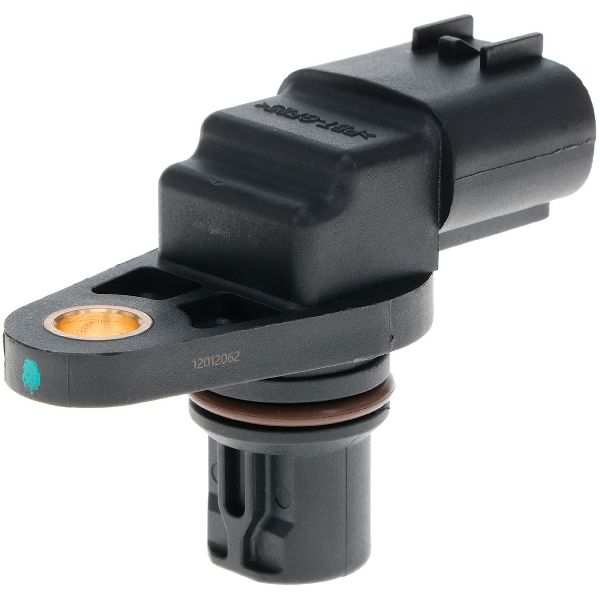
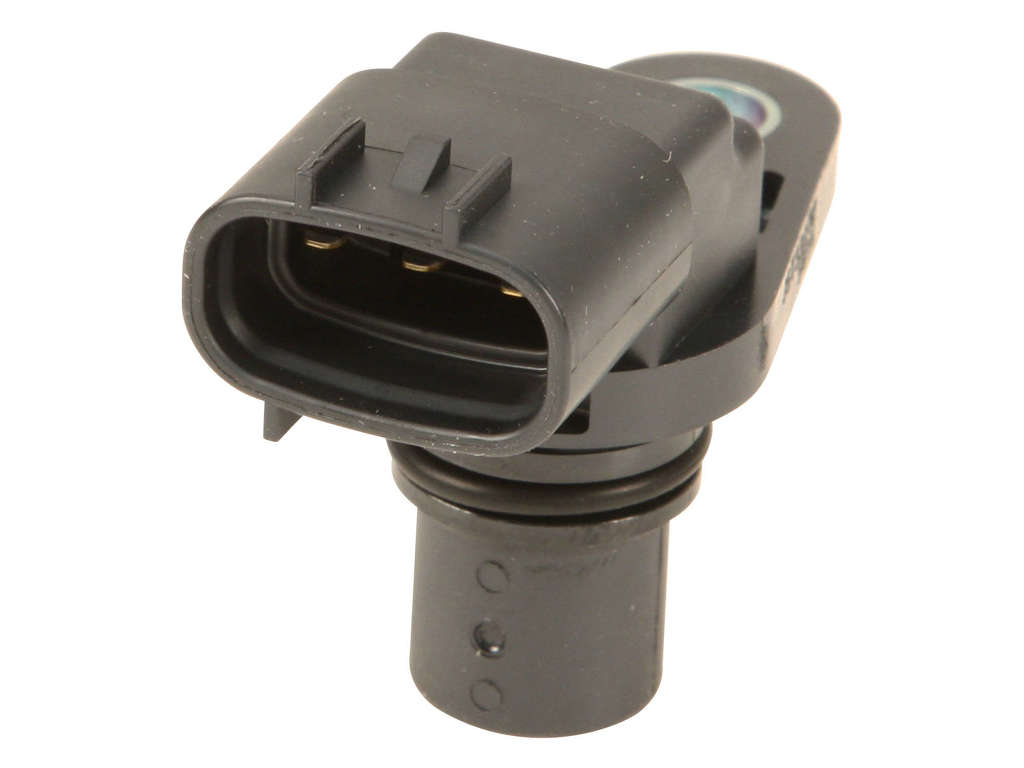
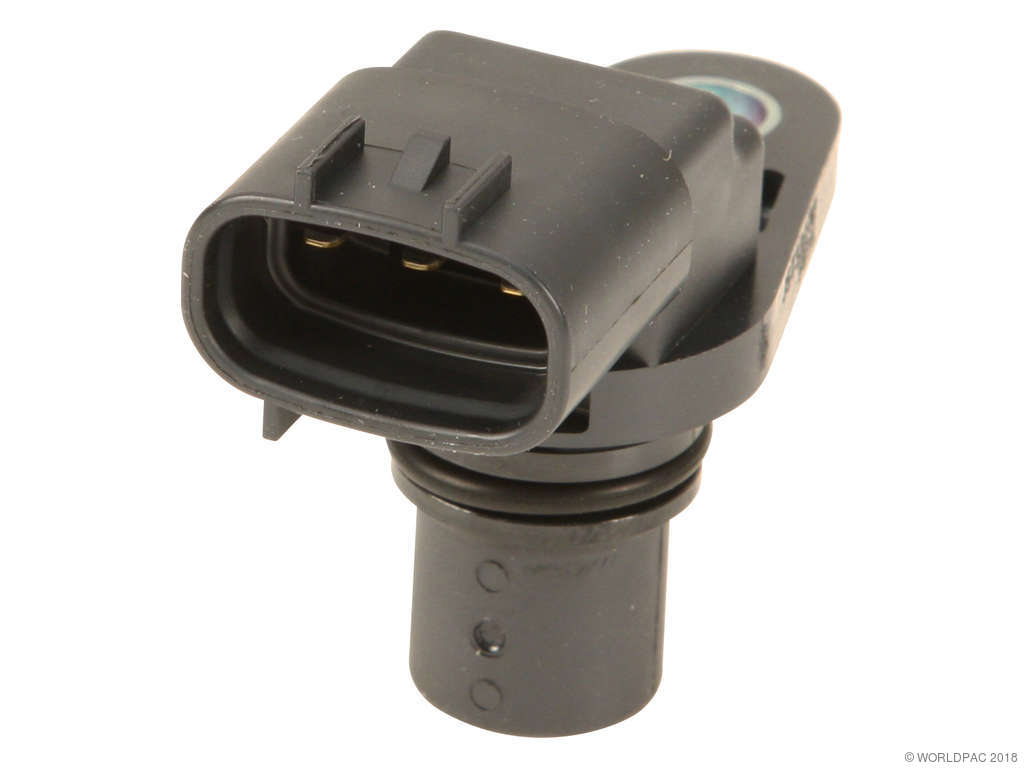
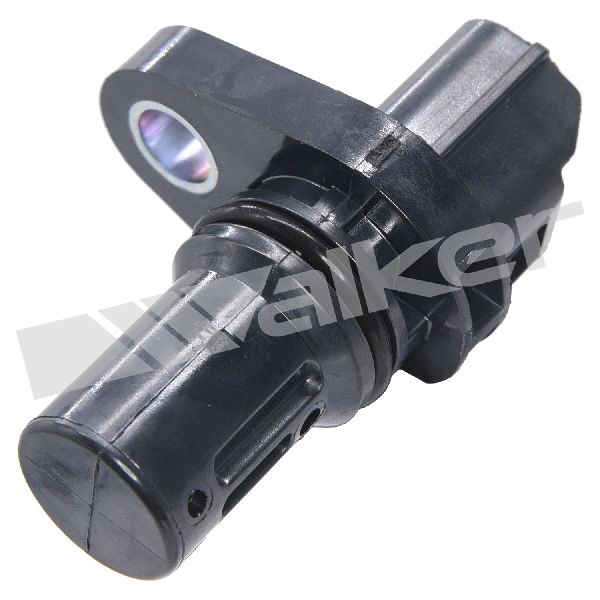
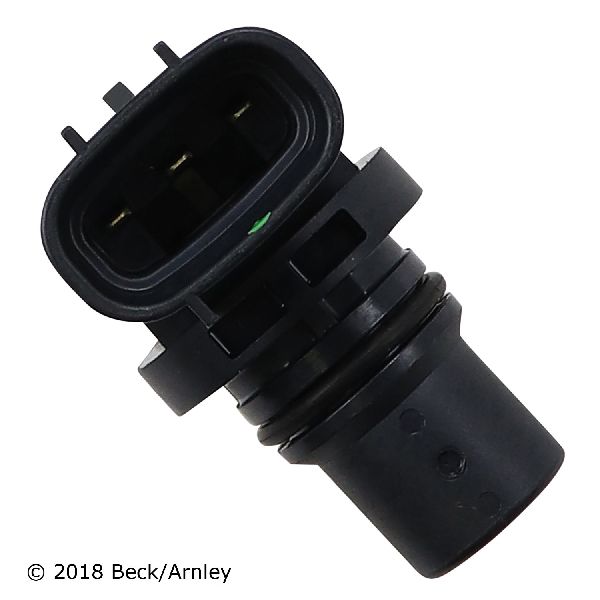
- Camshaft Position Sensor
(OEM #SU003-00414)— This is the sensor that reports the position of the Bank 2 intake camshaft. It is the most commonly replaced part for this code, after ruling out the TSB. The Subaru equivalent part number is 22056AA240.
Trusted brands: Toyota/Subaru (Genuine OEM), Denso, NGK, Standard Motor Products
OEM price range: $90-$126
Aftermarket price range: $50-$90 - Camshaft Sensor Shim Kit
(OEM #SU003-04600)— For early 2013 models, this kit is required to fix the sensor clearance issue described in TSB S-SB-0013-14. It contains shims of various thicknesses.
Trusted brands: Toyota (Genuine)
OEM price range: $15-$30
Aftermarket price range: N/A
Related Codes That Often Appear With This One
- P0340 — This is the identical code but for Bank 1 (passenger side). It will appear if sensors are swapped for diagnosis and the sensor is indeed faulty. It can also appear with P0345 if there is a widespread issue like a timing problem or if the TSB clearance issue is present on both banks.
- P0346 — This code indicates a performance problem with the same sensor circuit (Bank 2 Intake), suggesting an intermittent or out-of-range signal rather than a complete failure. The TSB also lists this as a possible code.
- P0302, P0304 — These are misfire codes for cylinders 2 and 4, which are on Bank 2 (driver's side). An incorrect cam sensor signal leads to improper timing and fuel delivery, causing misfires on the affected bank. The TSBs directly link these codes as being caused by the clearance issue.
- P0335 — This is a Crankshaft Position Sensor code. It can appear alongside camshaft codes if there is a significant mechanical timing issue, like a jumped timing chain, or a major electrical problem affecting multiple sensors.
Technical Service Bulletins (TSBs) & Recalls
- S-SB-0013-14: 'Hard Start, Rough Idle, Camshaft Sensor or Misfire DTCs' - The primary TSB for this issue, superseding the earlier version. It details the procedure for measuring clearance and installing shims.
- S-SB-0033-13 Rev: An earlier, now obsolete, version of the same bulletin, also addressing sensor clearance issues.
- Subaru TSB 11-130-13R: The equivalent bulletin for the Subaru BRZ, confirming this is a platform-wide issue.
Platform-Specific Known Issues
- TSB S-SB-0013-14 & S-SB-0033-13 Rev: Some 2013 FR-S vehicles (before VIN JF1ZNAA1#D#721474) may set camshaft position sensor codes (including P0345) and misfire codes due to the sensor clearance being out of specification. The fix involves measuring the clearance and installing a shim, not just replacing the sensor.
- Valve Spring Recall: The 2013 model year was also subject to a major safety recall for engine valve springs. While unrelated to the sensor itself, a failing valve spring can cause stalling and misfires, which are also symptoms of a bad cam sensor. It is crucial to ensure the recall work has been performed.
Mechanic-Grade Diagnostic Values
- Camshaft Position Sensor Power Supply Voltage — expected: ~5V DC (or battery voltage, depending on specific circuit design). Failure: 0V or significantly lower than 5V indicates a wiring or ECM issue.
- Camshaft Position Sensor Signal Voltage (Dynamic) — expected: Fluctuating square wave between ~0V and ~5V. Failure: No signal, a fixed voltage, or a 'hashy'/erratic signal indicates a faulty sensor or external interference.
- AVCS / Oil Control Valve (OCV) Solenoid Resistance — expected: 8 - 12 Ohms. Failure: A reading far outside this range suggests the solenoid coil is faulty.
Scan Tool Commands That Help
- Techstream: Active Test for AVCS / VVT System — To command the Oil Control Valves (OCVs) on and off to verify their mechanical operation, helping to isolate whether a cam timing issue is due to a stuck solenoid or other mechanical fault.
- High-End OBD-II Scanner: Cam Sensor Relearn Procedure — Some vehicles may require the ECM to relearn the new sensor's characteristics after replacement to prevent rough running. However, for the FR-S, this is not a commonly cited procedure, with the TSB being the primary focus.
Wiring & Ground Locations
- Engine Ground Strap 1 (Bank 1) — Connects the bottom front of the engine (passenger side) to the frame rail.. A poor or corroded ground can introduce electrical noise or voltage drops, potentially causing erratic signals from engine sensors, including the camshaft position sensor.
- Engine Ground Strap 2 (Bank 2) — Connects the bottom front of the engine (driver's side) to the frame rail.. This is the ground strap on the same side as the Bank 2 camshaft sensor. A fault here is highly relevant as it could directly impact the sensor's ground reference.
- Engine Ground Strap 3 (Transmission) — Connects the top-rear of the engine/transmission (passenger side) to the transmission tunnel/firewall.. Provides a crucial grounding path for the powertrain to the chassis.
- ECM (Engine Control Module) — Located at the right end of the dashboard.. This is the destination for the camshaft position sensor's signal. Final wiring continuity checks would be performed between the sensor connector and the ECM connector pins.
Real Owner Repair Stories
- YouTube channel 'The Flat Rate Mechanic' (Nissan Murano (demonstrates a universal principle)) — Stalling, hesitation, cutting out, codes P0340 and P0345.
❌ Tried (didn't work) Initial thought was to replace the sensor.
✅ What actually fixed it The clip on the sensor's electrical connector was broken, causing a loose connection. Wiggling the connector would cause the engine to stall. The final fix was to repair the connector, not replace the sensor itself. - YouTube channel 'masilgosu' (Subaru BRZ / Toyota 86 (platform twin)) — Recurring engine check light with AVCS-related codes (P000A, P000B, etc.), which are often seen alongside cam sensor codes.
❌ Tried (didn't work) Clearing the code without diagnosing the part.
✅ What actually fixed it The fault was a failing Oil Control Valve (OCV). The diagnosis was confirmed by swapping the suspect OCV with the one on the opposite bank and seeing the trouble code move to the other bank (e.g., P000D changed to P000B). Replacing the faulty OCV with a new, updated part number from the dealer resolved the issue.
"I Checked Everything" — The Actual Cause
- For this electronic code, the equivalent scenario is when sensor and wiring tests pass, but the code persists. On the 2013 FR-S, the most common 'everything checks out but it's still broken' cause is the camshaft position sensor air gap. A technician might swap sensors (code P0345 stays), and test the wiring from sensor to ECM (all good), leading to confusion. The actual cause is the physical clearance between the sensor tip and the camshaft reluctor, which can only be found by performing the measurement procedure outlined in TSB S-SB-0013-14.
OEM Part Supersession History
Various older versions→10921AA231 (Subaru) / SU003-07806 (Toyota)— Revisions to improve reliability of the Oil Control Valve (OCV).
Heads up: While not for the cam sensor itself, this is critical for the related OCV. It is highly recommended to purchase from a dealer to ensure you receive the latest revised part, as third-party sellers may have new-old-stock of outdated, less reliable versions.
Model Year Variations Within This Range
- Early 2013 models: Vehicles produced before VIN JF1ZNAA1#D#721474 are subject to TSB S-SB-0013-14 for incorrect camshaft position sensor clearance. Later 2013 models and subsequent years do not have this specific manufacturing issue, making a faulty sensor or wiring more likely causes.
We Have This Part in Stock


The information in this article is provided for general reference and educational purposes only. Vehicle specifications, procedures, and part compatibility can vary by production date, trim level, and region. Always consult your vehicle's factory service manual and verify part numbers before purchasing or performing repairs. Safety-critical components such as airbags, seat belts, and braking systems should be installed by a qualified professional.
- Scion FR-S:
- 🧭 Diagnostic Flowchart
- 🛍️ Shop This Part
- What's Unique About the 2013-2013 Scion FR-S
- Symptoms You May Notice
- Most Likely Causes
- Rare But Worth Checking
- Diagnosis Steps
- Parts You'll Likely Need
- Related Codes That Often Appear With This One
- Technical Service Bulletins (TSBs) & Recalls
- Platform-Specific Known Issues
- Mechanic-Grade Diagnostic Values
- Scan Tool Commands That Help
- Wiring & Ground Locations
- Real Owner Repair Stories
- "I Checked Everything" — The Actual Cause
- OEM Part Supersession History
- Model Year Variations Within This Range
- 🎟️ Get 5% Off