

P0349 on 2017 Chrysler Pacifica: Intermittent Cam Sensor Causes and Fixes
On a 2017 Pacifica, P0349 almost always points to a failing camshaft position sensor on Bank 2 (front of the engine). A software update per TSB 18-069-17 should be checked first, as it was released to make the fault detection less sensitive. If a part is needed, expect to pay $30-$90 for an aftermarket sensor or $70-$120 for OEM. It's an easy DIY fix for the front bank.
- First, check if your Pacifica needs the PCM software update mentioned in TSB 18-069-17 or Safety Recall U01, as this can fix the code without replacing parts.
- The most likely physical cause is a failing camshaft position sensor on the front cylinder bank (Bank 2). It is an inexpensive part and easy to replace for DIYers.
- The four camshaft position sensors on the 3.6L engine are identical, allowing for an easy diagnostic test by swapping the suspect sensor from the front bank to the rear bank to see if the code follows the sensor.
- Always check engine oil level and quality, as low oil pressure can cause VVT issues that mimic sensor failures on the 3.6L Pentastar engine.
What's Unique About the 2017-2017 Chrysler PACIFICA
For the 2017 Chrysler Pacifica with the 3.6L Pentastar engine, this code is particularly noteworthy. Chrysler released Technical Service Bulletin (TSB) 18-069-17 for vehicles built on or before June 29, 2017, which addresses overly sensitive fault detection for this and other sensor codes. The official fix is a PCM software update that changes the code from a one-trip to a two-trip fault, preventing the check engine light from appearing for minor, temporary signal glitches. This should be the first step in diagnosis before any parts are replaced. There was also a related safety recall (NHTSA 18V-049 / FCA U01) for engine stalling that involved a similar PCM reflash.
Diagnostic Flowchart
Tap your situation to follow the diagnostic path that matches what you're seeing on this vehicle.
Symptoms You May Notice
- Check Engine Light is on
- Engine stalls unexpectedly, often at low speeds or when coming to a stop 🎬 Watch: What to do if your Pacifica shuts off while driving.
- Difficulty starting or long crank times
- Rough or unstable idle
- Hesitation or stumbling during acceleration
- Reduced engine power and poor fuel economy
- Transmission may not shift into the final overdrive gear
- Replacing the crankshaft position sensor. While related to timing, a P0349 code is specific to the camshaft sensor circuit for Bank 2.
- Immediately replacing the sensor without first checking for the TSB 18-069-17 software update, which could resolve the issue without new parts.
Most Likely Causes
- Faulty Camshaft Position Sensor 🔴 High Probability → Shop Engine Camshaft Position Sensor The sensor is a common wear item. Heat, vibration, and sometimes internal oil leakage through the sensor body can cause it to fail intermittently before it stops working completely.
How to confirm: Swap the Bank 2 intake sensor with the Bank 1 intake sensor (rear bank). If the code changes to P0344 (Bank 1 intermittent fault), the sensor is bad. The four cam sensors on the 3.6L engine are identical and interchangeable.
Typical fix: Replace the Bank 2 intake camshaft position sensor.
Est. part cost: $30 - $120 - Outdated PCM Software 🟡 Medium Probability Chrysler issued TSB 18-069-17 specifically for 2017 Pacifica models built before June 29, 2017, indicating the factory software is too sensitive and can set this code for minor signal interruptions.
How to confirm: A Chrysler dealership or a qualified shop with a wiTECH scan tool can check the current software calibration number against the TSB to see if an update is available. This update is often performed free of charge under warranty or as part of a related recall.
Typical fix: Reprogram the Powertrain Control Module (PCM) with the latest software version per TSB 18-069-17.
Est. part cost: $0 - $150 - Wiring or Connector Issue ⚪ Low Probability Engine bay heat and vibrations can cause wiring to become brittle or connector pins to lose tension. Oil from a leaking oil cooler/filter housing can also contaminate the connector, leading to an intermittent connection.
How to confirm: Visually inspect the wiring harness and connector for the Bank 2 intake cam sensor. Check for chafing, corrosion, oil contamination, or loose pins. Wiggle the connector with the engine running to see if it affects idle.
Typical fix: Repair the damaged section of the harness or clean/replace the connector pigtail.
Est. part cost: $5 - $50 - Low or Dirty Engine Oil / Low Oil Pressure ⚪ Low Probability The 3.6L Pentastar engine uses oil pressure to control the variable valve timing (VVT) system. A known issue with this engine family involves oil gallery plugs under the valve cover backing out, causing a localized drop in oil pressure to the cam phasers. This can cause erratic phaser movement that the PCM misinterprets as a sensor fault.
How to confirm: Check the engine oil level and condition on the dipstick. If the oil is low, black, or sludgy, this is a likely contributor. If the code persists with good oil and a good sensor, the valve cover may need to be removed 🎬 See how internal engine issues can trigger these sensor codes. to inspect the oil gallery plugs.
Typical fix: Perform an oil and filter change using the correct specification oil (e.g., 5W-20). If gallery plugs are loose, they must be re-tightened to the proper torque specification (13 ft-lbs or 156 in-lbs) and have thread locker applied.
Est. part cost: $40 - $80
Rare But Worth Checking
- Failing Powertrain Control Module (PCM): → Shop Engine Control Module (ECM) While rare, the input circuit within the PCM that reads the sensor signal can fail. This is usually the last thing to suspect after all other causes have been ruled out.
- Damaged Camshaft Tone Ring: → Shop Engine Camshaft The reluctor wheel (tone ring) on the camshaft that the sensor reads can be damaged or have debris on it, causing an erratic signal. This is uncommon and typically only occurs if there has been major internal engine work or failure.
- Failing Cam Phaser: In some cases, the cam phaser itself can fail internally. The locking pin that holds the phaser at its base position can break or stick, causing the camshaft's timing to be erratic, which the sensor correctly reports as an intermittent problem. This is a more significant mechanical repair.
Diagnosis Steps
- Check for any available PCM software updates, specifically TSB 18-069-17, or open recalls like U01. This should be the very first step.
- Check the engine oil level and condition. Top off or change if necessary, using the manufacturer-specified oil weight.
- Visually inspect the Bank 2 (front) intake camshaft position sensor and its electrical connector for any signs of damage, corrosion, or oil contamination.
- To confirm a bad sensor, swap the Bank 2 intake sensor with the Bank 1 (rear) intake sensor. They are identical parts.
- Clear the codes and drive the vehicle. If the code returns as P0344 (Camshaft Position Sensor Intermittent - Bank 1 Sensor 'A'), the sensor is confirmed to be faulty.
- If the P0349 code returns after the swap, the issue is likely in the wiring or a mechanical issue. Test the sensor connector for a 5-volt reference signal and a good ground using a multimeter.
- If wiring is confirmed to be good, more advanced diagnostics are needed to check for mechanical issues like loose oil gallery plugs, a failing cam phaser, or a damaged tone ring.
Parts You'll Likely Need
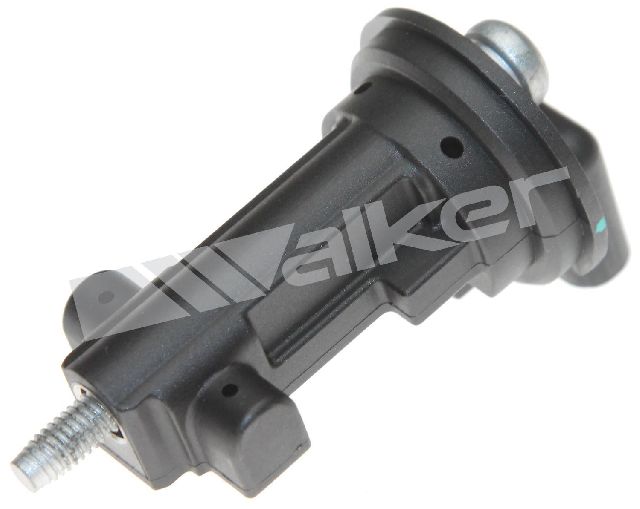
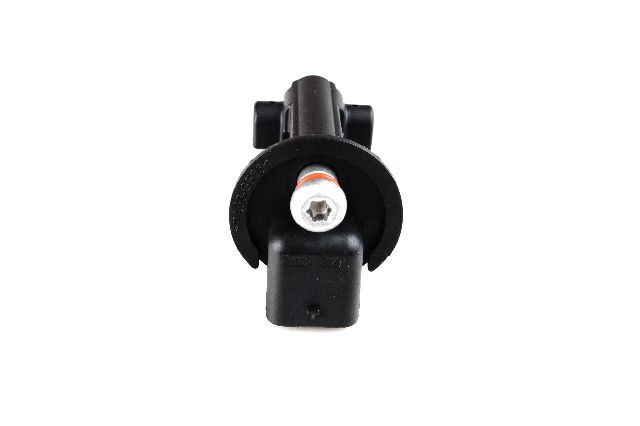
- Camshaft Position Sensor
(OEM #5149141AF)— This sensor is the most common cause of a P0349 code. The Bank 2 sensor is easily accessible on the front of the engine. 🎬 See this walkthrough for locating and replacing the sensors. This part number is used across a wide range of Chrysler/Dodge/Jeep/Ram vehicles with the 3.6L engine.
Trusted brands: Mopar (OEM), NGK/NTK, Delphi, Hitachi, Standard Motor Products (SMP)
OEM price range: $70-$120
Aftermarket price range: $32-$90
Related Codes That Often Appear With This One
- P0345 — P0345 is a hard fault for the same sensor circuit (Bank 2 Sensor 'A' Circuit Malfunction). P0349 may be set first as the sensor begins to fail intermittently before it fails completely and sets P0345.
- P0339 — This is an intermittent fault for the crankshaft position sensor. Both codes being present could indicate a more widespread wiring issue or a problem with the PCM software, as addressed in TSB 18-069-17.
- P0394 — This is the intermittent fault code for the exhaust camshaft sensor ('Sensor B') on the same bank (Bank 2). Seeing both codes together could point to a wiring harness issue common to both sensors or a more significant oil pressure/mechanical problem on that cylinder bank.
Technical Service Bulletins (TSBs) & Recalls
- 18-069-17: Recommends a PCM software update to change P0349 and other sensor codes from a one-trip to a two-trip fault to reduce nuisance CEL illumination on 2017 Pacificas built on or before June 29, 2017.
- 18-002-19 REV A: A broader PCM flash update to improve drivability during cam/crank sensor malfunctions and change fault logic.
- Safety Recall U01 / NHTSA 18V-049: Addresses engine stalling at low speeds via a PCM software update. Some vehicles may have already received this fix under TSB 18-069-17.
Platform-Specific Known Issues
- A PCM software update is available under TSB 18-069-17 to make the fault detection for P0349 less sensitive. This prevents the Check Engine Light from illuminating due to minor, temporary signal interruptions.
- The Bank 2 (front) sensors are very easy to access, requiring only the removal of the engine cover and possibly the air intake tube. The Bank 1 (rear) sensors are more difficult to access and may require removing the upper intake manifold.
- Engine stalling at low speeds was a widely reported issue, leading to Safety Recall U01, which involved a PCM software update similar to the TSB.
Mechanic-Grade Diagnostic Values
- Camshaft Position Sensor Connector Voltage — expected: A 5-volt reference signal from the PCM on one pin, a ground connection on another, and a signal wire that switches between 5V and 0V as the engine is cranked.. Failure: Reference voltage that is not 5V, an open ground circuit, or a signal voltage that is stuck high or low and does not switch.
- Camshaft Position Sensor Mounting Bolt Torque — expected: 9 Nm (80 in-lbs).. Failure: An undertorqued bolt can allow the sensor to vibrate, causing an unstable signal. An overtorqued bolt can damage the sensor housing.
- Cylinder Head Oil Gallery Plug Torque — expected: 13 ft-lbs (156 in-lbs), with red Loctite applied.. Failure: Plugs that are loose can cause a localized loss of oil pressure to the cam phasers, leading to timing codes like P0349.
- Oil Filter Housing Cap Torque — expected: 25 Nm (18 ft-lbs).. Failure: Overtightening the cap is a common mistake that can crack the plastic oil filter/cooler housing, causing oil leaks that can contaminate sensor connectors.
Scan Tool Commands That Help
- wiTECH or equivalent professional scan tool: Cam/Crank Relearn — This procedure should be performed after replacing a camshaft or crankshaft position sensor to allow the PCM to learn the new sensor's signal characteristics and prevent potential misfire faults.
- Professional scan tool: Camshaft Position Sensor Test — This function forces a simulated signal into the PCM to test the module's input circuit independently from the sensor and wiring, helping to isolate a faulty PCM.
Wiring & Ground Locations
- G103 — At the left front of the engine compartment.. This is a primary ground for the power distribution module (IPM/fuse box) which supplies power to many engine control circuits. A poor connection here can cause widespread, erratic electrical issues, including intermittent sensor faults like P0349.
- Shared Sensor Ground — Within the main engine wiring harness, originating from the PCM.. The four camshaft position sensors often share a common ground circuit. A fault in this shared wire can cause multiple cam sensor codes to appear at once.
- Motor Mount Ground Strap — A ground strap is attached to one of the engine mounts.. This ground is critical for the engine block. If it's loose, corroded, or forgotten during other repairs, it can cause intermittent electrical problems that are hard to diagnose.
"I Checked Everything" — The Actual Cause
- In cases where the P0349 code (or its hard-fault counterpart P0345) persists after replacing the sensor and checking the wiring, the root cause is often mechanical, not electrical. Technicians have reported finding the true cause to be low oil pressure starving the VVT system, sometimes due to the known issue of oil gallery plugs backing out from under the valve cover. Another foundational electrical issue is a poor main ground connection at the battery or engine block, which can cause intermittent sensor signals that a simple continuity test might miss.
OEM Part Supersession History
5149141AF→N/A— No supersession history was found during research. 5149141AF appears to be the stable and current OEM part number for this application.
Model Year Variations Within This Range
- 2017 (Early Production): Vehicles built on or before June 29, 2017, are subject to TSB 18-069-17. The PCM software on these early-build models has overly sensitive fault logic for the camshaft position sensors. The TSB updates the software to make P0349 a two-trip fault, preventing the check engine light from appearing for minor, non-critical signal glitches.
Helpful Videos
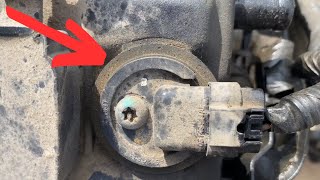

![How to Fix P0349 Engine Code in 3 Minutes [2 DIY Methods / Only $9.54]](https://img.youtube.com/vi/1QQEU0C5elE/mqdefault.jpg)
We Have This Part in Stock

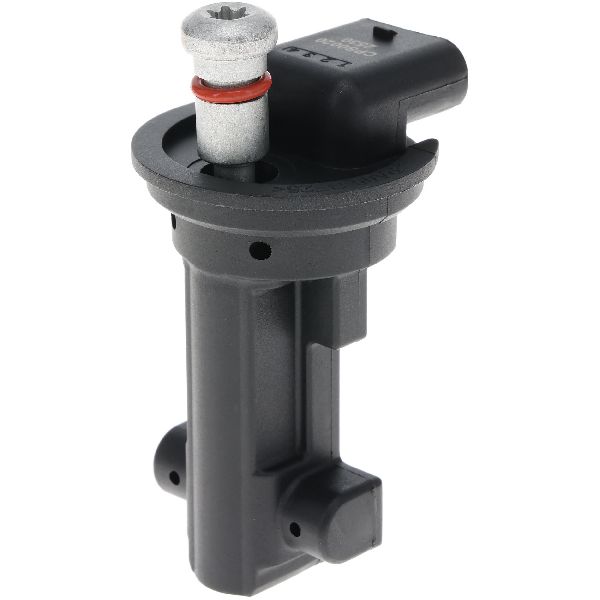
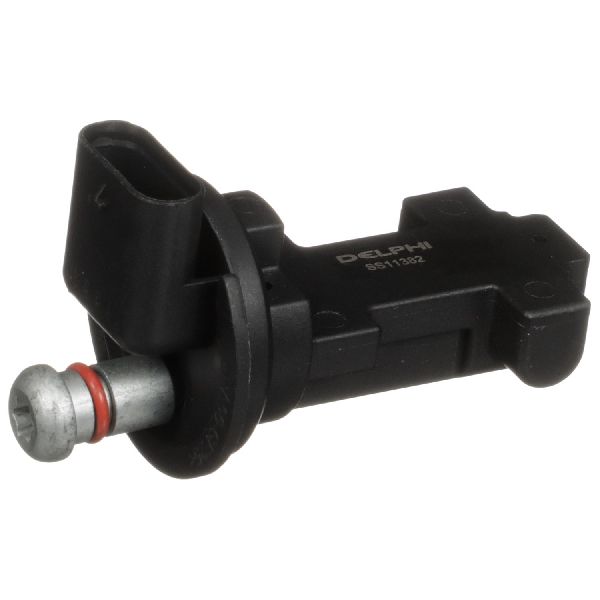

The information in this article is provided for general reference and educational purposes only. Vehicle specifications, procedures, and part compatibility can vary by production date, trim level, and region. Always consult your vehicle's factory service manual and verify part numbers before purchasing or performing repairs. Safety-critical components such as airbags, seat belts, and braking systems should be installed by a qualified professional.
- Chrysler PACIFICA:
- 🧭 Diagnostic Flowchart
- 🎬 Helpful Videos
- 🛍️ Shop This Part
- What's Unique About the 2017-2017 Chrysler PACIFICA
- Symptoms You May Notice
- Most Likely Causes
- Rare But Worth Checking
- Diagnosis Steps
- Parts You'll Likely Need
- Related Codes That Often Appear With This One
- Technical Service Bulletins (TSBs) & Recalls
- Platform-Specific Known Issues
- Mechanic-Grade Diagnostic Values
- Scan Tool Commands That Help
- Wiring & Ground Locations
- "I Checked Everything" — The Actual Cause
- OEM Part Supersession History
- Model Year Variations Within This Range
- 🎟️ Get 5% Off