

P0349 on 2006-2010 Ford Explorer 4.6L V8: Intermittent Cam Sensor Signal Causes and Fixes
On a 2006-2010 Explorer 4.6L, code P0349 is often caused by a failing alternator creating electrical noise, per Ford TSB 06-19-12. Before replacing the camshaft sensor, test the alternator for AC ripple. If the alternator is good, suspect a faulty Bank 2 VCT solenoid or the camshaft position sensor itself. Low or dirty oil is also a frequent contributor by affecting the VCT system.
- For this specific vehicle, ALWAYS test the alternator for AC ripple/frequency issues before replacing any other parts, as stated in Ford TSB 06-19-12.
- The health of the VCT system is critical. Use only the specified Motorcraft 5W-20 oil and filter, and maintain regular oil change intervals.
- If the alternator is good, the most likely culprits are the Bank 2 (driver's side) VCT solenoid or the camshaft position sensor itself.
- If you hear any rattling or diesel-like chatter from the engine, the problem is likely a more serious mechanical timing issue that needs immediate attention.
What's Unique About the 2006-2010 Ford Explorer
The 4.6L 3-valve Triton V8 in this generation of Explorer is uniquely susceptible to this code due to two well-documented issues. First, Ford issued Technical Service Bulletin (TSB) 06-19-12, which explicitly states that a failing alternator diode can produce AC electrical noise, or 'ripple', that the PCM misinterprets as a cam sensor fault, triggering P0349. Second, the engine's Variable Camshaft Timing (VCT) system is notoriously sensitive to oil quality and pressure, often leading to issues with VCT solenoids and timing components that can manifest as sensor codes.
Symptoms You May Notice
- Check Engine Light is on
- Engine runs rough or idles poorly
- Hesitation or stumbling during acceleration
- Engine is difficult to start
- Engine may stall unexpectedly
- Decreased fuel economy
- Engine rattling or ticking noises, especially at startup or low RPM
- Replacing the camshaft position sensor without first testing the alternator for AC ripple, as specified in TSB 06-19-12.
- Replacing timing components (a very expensive job) when the actual cause is a much cheaper VCT solenoid or a bad alternator.
- Using an aftermarket oil filter without the correct thread-end bypass valve, leading to oil pressure issues that mimic other faults.
Most Likely Causes
- Failing Alternator (AC Ripple) 🔴 High Probability → Shop Alternator This is a well-documented issue covered by Ford TSB 06-19-12 for the 2006 Explorer 4.6L 3V engine. A bad diode in the alternator creates electrical interference (AC ripple) that the PCM mistakes for a sensor signal problem.
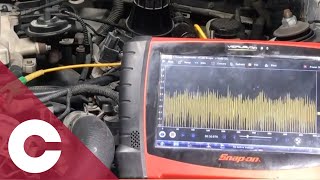
How to confirm: Test the alternator for AC ripple voltage 🎬 Watch: How to test for alternator ripple causing sensor codes. using a multimeter with a frequency (Hz) function or an oscilloscope. With the engine idling (under 800 RPM) and electrical loads on (headlights, blower fan), the frequency should be above 500 Hz. If it's lower, or the reading is invalid due to low ripple voltage, the alternator is likely faulty. Alternatively, check for AC voltage ripple; a reading above 0.5V AC indicates a bad diode.
Typical fix: Replace the alternator.
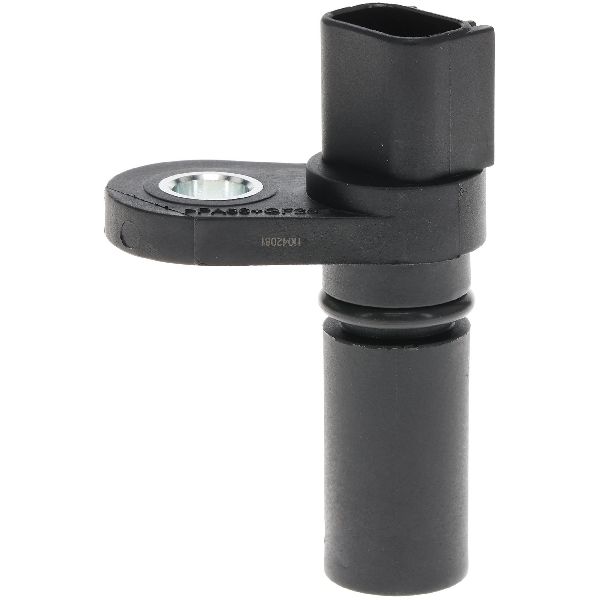
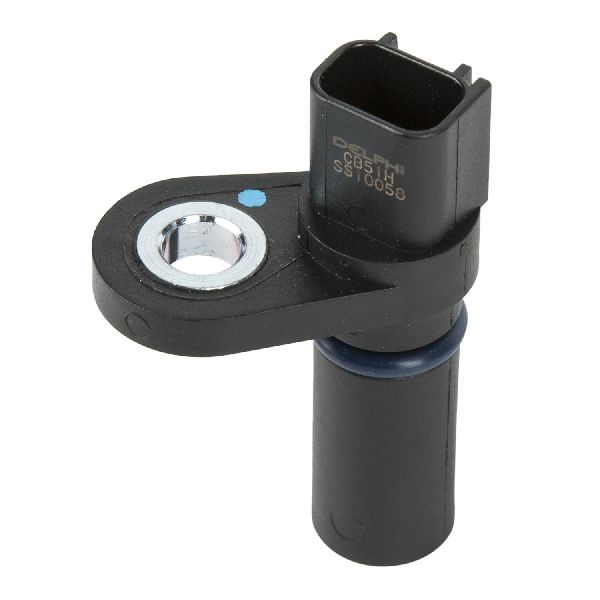
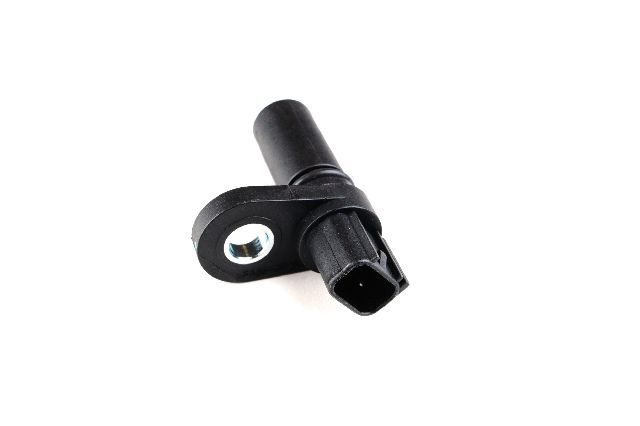
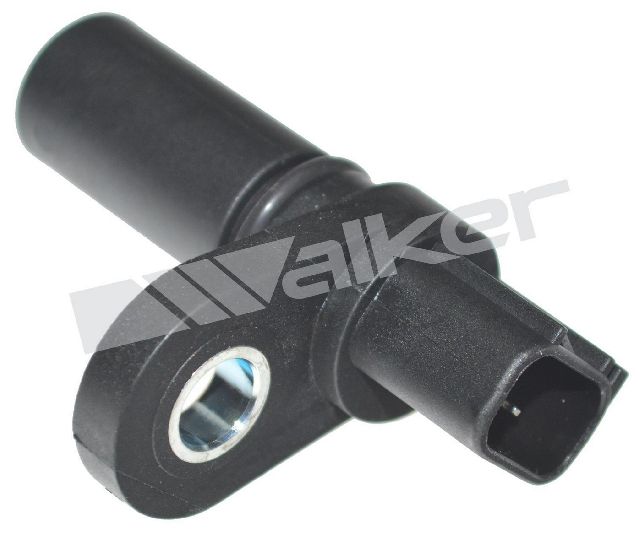
Est. part cost: $150-$350 - Faulty Camshaft Position Sensor (CMP) 🟡 Medium Probability → Shop Engine Camshaft Position Sensor The sensor's O-ring can fail, allowing engine oil to seep into the sensor's electronics, causing it to short out. The plastic housing can also crack over time. Oil on the sensor tip is normal, but oil in the electrical connector is not.
How to confirm: Inspect the sensor and its connector for oil contamination. A simple test is to swap the Bank 2 (driver side) sensor with the Bank 1 (passenger side) sensor. If the code changes to P0344 (Bank 1 Intermittent), the sensor is bad.
Typical fix: Replace the Bank 2 camshaft position sensor. 🎬 See this walkthrough for replacing the camshaft position sensor. Ensure the old O-ring is removed with the sensor.
Est. part cost: $25-$70 - Faulty VCT Solenoid 🟡 Medium Probability The VCT solenoids are known failure points on the 3V Triton engine. Internal screens can become clogged with oil sludge, or the solenoid can fail electronically, preventing proper oil flow to the cam phasers.
How to confirm: Swap the VCT solenoids between banks. If the code moves to the other bank (e.g., P0344), the solenoid is faulty. A scan tool can also command the solenoid on and off to check for an audible click. Listen for a distinct diesel-like rattle at idle, which often points to VCT issues.
Typical fix: Replace the Bank 2 VCT solenoid. This requires removing the valve cover. 🎬 Watch: Step-by-step guide to replacing the VCT solenoid. It is highly recommended to replace both solenoids at the same time.
Est. part cost: $30-$90 - Low or Dirty Engine Oil 🟡 Medium Probability The VCT system is entirely dependent on oil pressure to adjust cam timing. Incorrect oil viscosity (anything other than the specified 5W-20) or dirty, sludgy oil can starve the system and cause timing errors. Using an oil filter without the correct anti-drainback valve (e.g., Motorcraft FL-820S) can also cause startup rattles and VCT problems.
How to confirm: Check the engine oil level and condition on the dipstick. Review service records to ensure the correct 5W-20 oil and a quality filter (Motorcraft FL-820S or equivalent) are being used.
Typical fix: Perform an oil and filter change using the correct grade of oil (Motorcraft 5W-20) and a quality filter (Motorcraft FL-820S).
Est. part cost: $40-$80 - Damaged Wiring or Connector ⚪ Low Probability
How to confirm: Visually inspect the wiring harness and connector for the Bank 2 CMP sensor. Check for chafing, breaks, or oil contamination. Perform a 'wiggle test' on the harness with the engine running to see if it triggers the fault. Use a multimeter to check for 5V reference voltage at the connector.
Typical fix: Repair the damaged section of wire or replace the connector pigtail.
Est. part cost: $15-$40
Rare But Worth Checking
- Worn Timing Components (Chain, Guides, Phasers): While less likely to cause only P0349, it's a known major issue on the 4.6L 3V. If you hear rattling, ticking, or diesel-like chatter from the front of the engine, suspect a stretched timing chain, broken plastic guides, or failing cam phasers. These mechanical issues can cause the camshaft position to be erratic, which the sensor then reports. Broken guide pieces can fall into the oil pan, clogging the oil pump pickup and causing widespread lubrication failure.
- Powertrain Control Module (PCM) Failure: → Shop Engine Control Module (ECM) This is very rare. The PCM is the last item to suspect after all other possibilities, including wiring, sensors, and mechanical components, have been thoroughly ruled out.
Diagnosis Steps
- Check engine oil level and condition. Ensure it is full, clean, and the correct 5W-20 viscosity is being used with a quality filter like the Motorcraft FL-820S.
- Scan for other DTCs. Note if codes like P0345, P0022, or misfire codes are present.
- Test the alternator for AC ripple voltage/frequency per TSB 06-19-12. This is a critical first step for this specific vehicle. If frequency is below 500 Hz at idle with loads on, or AC voltage exceeds 0.5V, replace the alternator.
- Inspect the Bank 2 (driver's side) camshaft position sensor wiring and connector for damage, looseness, or oil contamination in the plug.
- If no issues are found, swap the Bank 2 and Bank 1 camshaft position sensors. Clear the codes and drive. If the code returns as P0344 (Bank 1), the sensor you moved is faulty.
- If the code remains on Bank 2, consider swapping the Bank 2 and Bank 1 VCT solenoids. This requires removing the valve covers. If the code then moves to Bank 1, the VCT solenoid is the culprit.
- If the code persists and you hear engine rattle, especially on startup, the issue is likely with the base timing components (chain, guides, tensioners, phasers), requiring a more in-depth mechanical diagnosis.
Parts You'll Likely Need
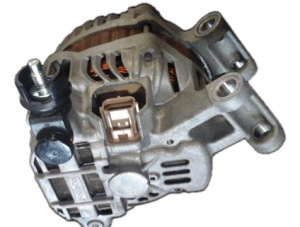
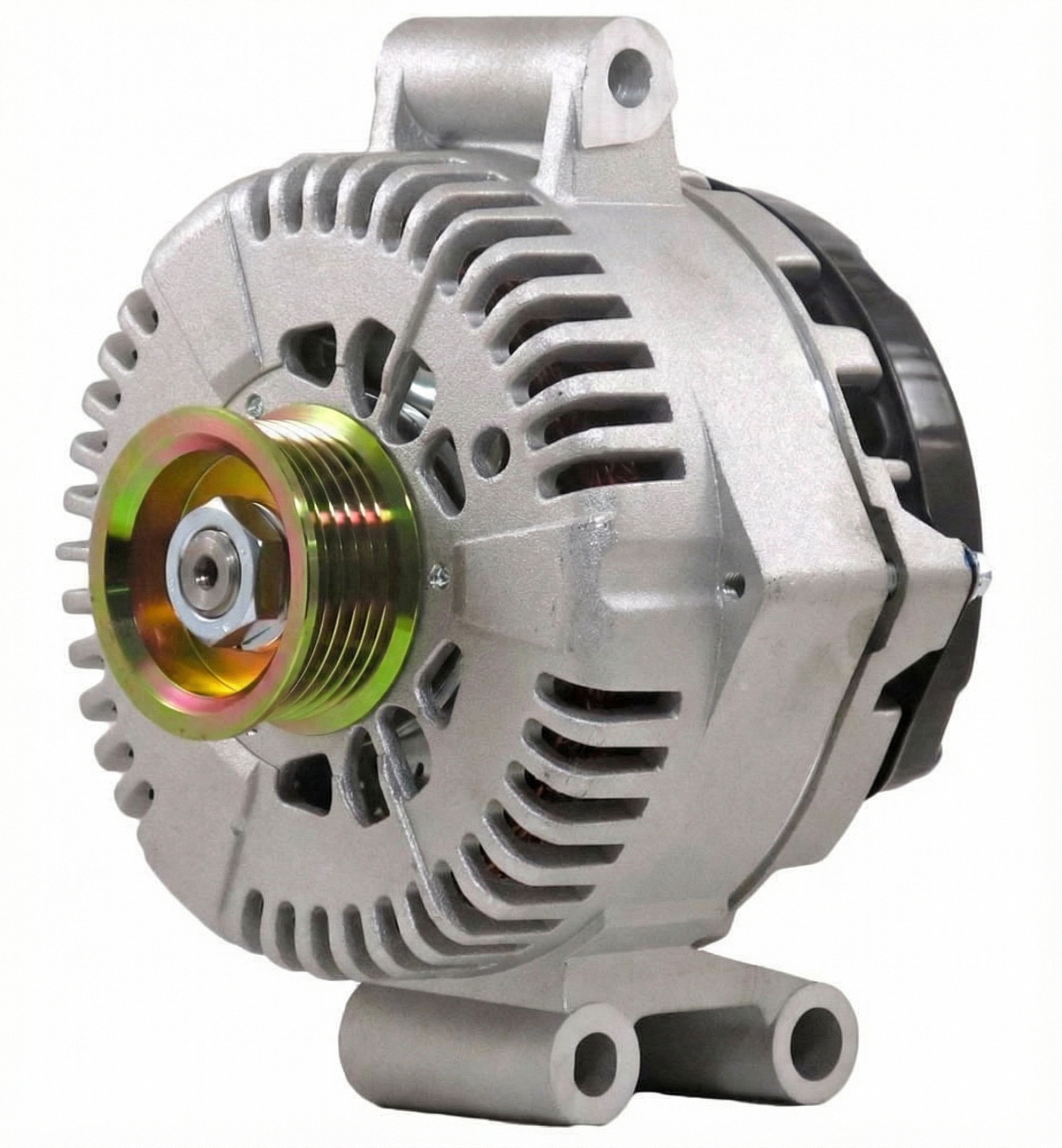
- Alternator — A known cause of P0349 on this vehicle due to electrical interference from a failing diode, as per Ford TSB 06-19-12.
Trusted brands: Motorcraft, Bosch, Denso
OEM price range: $250-$400
Aftermarket price range: $150-$350 - VCT Solenoid (Variable Camshaft Timing Solenoid)
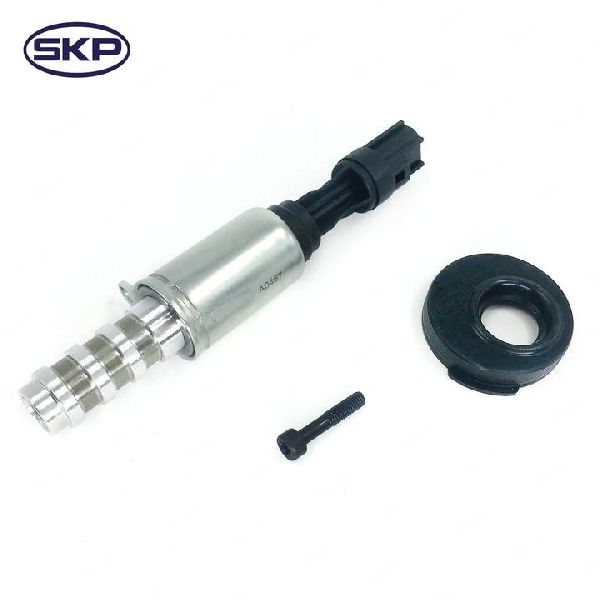
(OEM #8L3Z-6M280-B)— A very common failure item on the 4.6L 3V engine. It gets clogged with debris or fails electronically, causing timing control issues. This part number supersedes 3L3Z-6M280-EA and 8L3Z-6M280-A.
Trusted brands: Motorcraft, Dorman
OEM price range: $60-$90
Aftermarket price range: $30-$60 - Camshaft Position Sensor
(OEM #5L2Z-6B288-A)— The sensor itself can fail, often due to oil contamination from a bad O-ring. It directly reports the data that triggers the code. This part number supersedes 1L2Z-6B288-AA.
Trusted brands: Motorcraft, Standard Motor Products, NTK
OEM price range: $50-$80
Aftermarket price range: $25-$50
Related Codes That Often Appear With This One
- P0345 — This is the 'hard fault' version of the same problem (Camshaft Position Sensor Circuit Malfunction Bank 2). They often appear together, with P0349 indicating the problem is intermittent.
- P0022 — This code means 'Intake Camshaft Position Timing - Over-Retarded (Bank 2)'. Seeing it with P0349 suggests the root cause is mechanical or hydraulic (timing chain, phaser, VCT solenoid) rather than purely electrical.
- P0300, P0308 — Random (P0300) or specific cylinder misfires on Bank 2 (P0308 is cylinder 8) can occur because the intermittent cam signal causes the PCM to incorrectly time fuel and spark.
Technical Service Bulletins (TSBs) & Recalls
- TSB 06-19-12: Explicitly identifies a malfunctioning alternator diode causing electrical noise (AC ripple) as a primary cause for P0345/P0349 on 2006 Explorers with the 4.6L 3V engine. It provides a detailed diagnostic procedure using an oscilloscope to test alternator frequency.
Platform-Specific Known Issues
- TSB 06-19-12: Explicitly identifies that a failing alternator can cause P0349 on 2006 Explorers with the 4.6L 3V engine.
- The 4.6L 3V engine is widely known for its timing system issues, including failing cam phasers ('phaser knock'), stretched timing chains, and broken plastic chain guides, all of which can be root causes of cam sensor codes.
Mechanic-Grade Diagnostic Values
- VCT Solenoid Internal Resistance — expected: 7.0 to 14.0 Ohms. Failure: A reading of zero (short circuit) or infinite (open circuit) ohms. A healthy solenoid often reads between 7.0 and 7.9 Ohms.
- Camshaft Position (CMP) Sensor Internal Resistance — expected: 205 to 579 Ohms. Failure: A reading outside this range indicates a faulty sensor.
- Alternator AC Ripple Voltage — expected: Less than 0.5 Volts AC. Failure: Voltage exceeding 0.5V AC at idle points to a failing alternator diode, which can create electrical noise that triggers P0349.
- CMP Sensor Connector Voltage (Key On, Engine Off) — expected: Approx. 5V on the reference wire, and less than 0.1V on the ground wire.. Failure: Lack of reference voltage or poor ground points to a wiring or PCM issue, not a faulty sensor.
- VCT Solenoid Connector Voltage (Key On, Engine Off) — expected: Battery Voltage (approx. 12.6V). Failure: No voltage or significantly low voltage indicates a wiring or fuse problem in the power supply circuit.
Scan Tool Commands That Help
- Ford IDS / FORScan: Monitor VCT PIDs (e.g., VCT_DIF, VCT_ERROR, VCTADV, RCAM) — At hot idle, the VCT error PID should be close to 0 degrees. If it's stuck at 0 even when revving, or shows a large deviation, it can help differentiate between a sensor/wiring issue and a mechanical/hydraulic VCT system problem.
- Professional Scan Tool: Camshaft Position Sensor Test — This function simulates a cam signal to the PCM. If the PCM correctly registers the simulated signal, it confirms the PCM's internal input circuit is working, pointing the diagnosis back towards the sensor or wiring.
Wiring & Ground Locations
- CMP Sensor Bank 2 — On the front of the left (driver's side) cylinder head, accessible after removing the air intake components.. This is the sensor triggering the code. Its connector and nearby harness are common points for oil contamination, heat damage, or chafing.
- G101 — Left front corner of the engine compartment, near the battery.. This is a main chassis and battery ground. A poor connection here can cause low voltage conditions across the entire powertrain control system, leading to erratic sensor behavior.
- G104 — Right front corner of the engine compartment.. This is a primary engine compartment ground point. Corrosion or looseness here can cause a variety of difficult-to-diagnose electrical faults.
- G106 — Right side of the engine compartment.. This ground is used by the Powertrain Control Module (PCM) and multiple engine sensors. A fault at this specific ground can directly impact the CMP sensor circuit.
- CMP Connector Pins — The 3-pin connector at the Bank 2 CMP sensor.. Testing at the pins is crucial. The sensor requires a power wire (typically 5V), a ground wire, and a signal wire that sends data to the PCM. Verifying power and ground here is a key diagnostic step.
Real Owner Repair Stories
- Reddit user in r/MechanicAdvice (2010 Ford F-150 with 5.4L 3V engine (shares architecture with 4.6L 3V)) — P0345 and P0349 codes immediately after a complete timing job. Engine idled and revved fine.
❌ Tried (didn't work) Replacing the alternator after a diode test (new one tested the same as old)., Running the engine with the alternator power wire disconnected., Replacing the Bank 2 cam sensor., Replacing the cam sensor pigtail connector., Cleaning multiple ground points near the battery and PCM.
✅ What actually fixed it The user discovered moisture inside all three PCM electrical connectors. Water was being pushed out from the base of the pins when blown with compressed air. The implied fix was drying out and properly sealing the PCM connectors. - Ford F150 Forum user (2009-2014 Ford F-150) — Sudden rough running, stalling, P0349 code, and misfires on cylinders 5, 6, 7, 8.
❌ Tried (didn't work) Replacing the camshaft position sensor., Replacing the EVAP purge solenoid.
✅ What actually fixed it After clearing codes, the P0349 (intermittent) code was replaced by P0345 (hard fault). The user's diagnostic journey highlights how an intermittent fault can become a constant one, and that replacing the sensor alone may not be the fix if the underlying cause is wiring or mechanical. The thread did not post a final resolution but provides a valuable diagnostic path. - NHTSA ODI #11163346 (Ford F-150) — An owner reported that their motor was missing and the vehicle was throwing codes P0345, P0349, and P0171.
OEM Part Supersession History
3L3Z-6M280-EA, 8L3Z-6M280-A→8L3Z-6M280-B— Updated design to improve reliability and resistance to oil contamination.
Heads up: The newest part number (8L3Z-6M280-B) is the recommended replacement for all 4.6L/5.4L 3V applications and is backward compatible.1L2Z-6B288-AA→5L2Z-6B288-A— Design revision for the Camshaft Position Sensor.
Diagnostic Flowchart
Other Known Issues on This Vehicle
Issues unrelated to this code that are worth knowing about as an owner of this generation:
- Timing Chain Rattle / Component Failure 🔴 High — Common, especially on higher-mileage (100k+) engines. Often presents as a startup rattle that lasts a few seconds.
- Automatic Transmission Failure 🔴 High — Frequently reported, particularly in the 2006 model year. Symptoms include harsh shifting, slipping, jerking, and complete failure, often requiring a rebuild or replacement. (Ref: Recall 07V453000 for improperly torqued transmission oil cooler line bolts, which could cause a fluid leak.)
- Cracked Tailgate Appliqué Panel 🟡 Low — A very common cosmetic defect where the plastic panel below the rear window cracks. Ford issued multiple TSBs (e.g., 05-24-2) and faced class-action lawsuits over this issue. (Ref: TSB 05-24-2)
- Head Gasket Failure 🔴 High — The 4.6L V8 in 2006-2010 models is known for potential head gasket failures, leading to coolant loss and overheating.
- Cooling System Leaks 🟠 Medium — Problems with the radiator and thermostat housing are commonly reported, leading to coolant leaks and potential overheating.
Used vs. New Parts: Buying Guide for This Vehicle
When a used part is the smart pick: For this repair, a used alternator from a reputable auto recycler can be a cost-effective option, provided it can be tested or comes with a warranty. A complete engine wiring harness from a low-mileage, non-corroded donor vehicle could also be a viable solution if a complex wiring issue is diagnosed.
Donor-vehicle mileage cap: roughly under 100000 miles for the part to have meaningful remaining life.
What to inspect on the donor part:
- For an alternator, spin the pulley by hand to check for rough or noisy bearings.
- For a wiring harness, inspect for brittle plastic, cracked insulation, and any signs of previous repairs (e.g., tape, butt connectors). Ensure all connector locking tabs are intact.
- Check the donor vehicle's history for flood or severe front-end damage.
OEM-only on this vehicle (don't cheap out):
- VCT Solenoids
- Cam Phasers
- Camshaft Position Sensors
Aftermarket brands forum-validated for this vehicle:
- For VCT Solenoids, if not using OEM Motorcraft, some users report success with Dorman and Standard Motor Products (SMP), but OEM is strongly preferred.
Brands owners have reported issues with on this vehicle:
- Unbranded, 'white box' VCT solenoids and cam phasers from online marketplaces are notorious for high failure rates on Ford 3V engines and should be avoided.
Real Owner Stories
Aggregated from forums and TSBs cited above. Mileages and costs reflect what owners reported in those sources.
2010 Ford Explorer 4.6L 3V V8
Symptoms: A rattle on startup, which is a common symptom associated with VCT system problems.
What fixed it: Replacing the passenger-side VVT solenoid resolved the issue after a previous attempt to replace the tensioners did not work.
Source hint: Reddit r/MechanicAdvice - 'Ford 4.6 V8 3-valve rattles on startup...'
Ford F-150 4.6L 3V V8
Symptoms: Timing chain noise described as 'chain slap' caused by weak tensioner seals losing oil pressure.
What fixed it: The owner found that using a Motorcraft filter (FL-820S) with its superior check valve was critical to maintaining oil pressure at startup and solving the noise.
Source hint: Ford F150 Forum - 'Timing Chain Noise SOLVED! 4.6L'
2005 Ford Mustang GT 4.6L 3V V8
Symptoms: Persistent P0345 and P0349 codes that would not clear. The issue remained on Bank 2 even after swapping sensors side-to-side.
What fixed it: This was a difficult diagnosis where the owner replaced the alternator twice, CMP sensor, VCT solenoid, and cam phaser without success. The source does not state a final resolution.
Source hint: S197Forum.com - 'P0345 P0349 Hell'
2008 Ford Mustang GT 4.6L 3V V8
Symptoms: Check Engine Light with codes P0345 and P0349 that persisted after parts were replaced.
What fixed it: The owner replaced the VCT solenoids and the cam sensor, but the codes remained. The issue was unresolved, leading to speculation about wiring problems or a stretched timing chain.
Source hint: Reddit r/AskMechanics - '2008 Mustang GT – CEL Codes P0345, P0349...'
Related OBD-II Codes
Frequently Asked Questions
I have a 2006 Explorer with code P0349. Is there a specific TSB I should check first?
What's the easiest way to test the camshaft position sensor on my 4.6L Explorer?
My Explorer is making a rattling noise on startup along with the P0349 code. What could that be?
What is the correct engine oil and filter to use to prevent VCT problems on this engine?
How do I know if the VCT solenoid is bad instead of the cam sensor?
I found oil in the electrical connector for my camshaft position sensor. Is that normal?
Helpful Videos
Used OEM Parts in Stock
New Aftermarket Parts Available


The information in this article is provided for general reference and educational purposes only. Vehicle specifications, procedures, and part compatibility can vary by production date, trim level, and region. Always consult your vehicle's factory service manual and verify part numbers before purchasing or performing repairs. Safety-critical components such as airbags, seat belts, and braking systems should be installed by a qualified professional.
- Ford Explorer:
- 🧭 Diagnostic Flowchart
- 🎬 Helpful Videos
- 🛍️ Shop This Part
- What's Unique About the 2006-2010 Ford Explorer
- Symptoms You May Notice
- Most Likely Causes
- Rare But Worth Checking
- Diagnosis Steps
- Parts You'll Likely Need
- Related Codes That Often Appear With This One
- Technical Service Bulletins (TSBs) & Recalls
- Platform-Specific Known Issues
- Mechanic-Grade Diagnostic Values
- Scan Tool Commands That Help
- Wiring & Ground Locations
- Real Owner Repair Stories
- OEM Part Supersession History
- Other Known Issues on This Vehicle
- Used vs. New Parts: Buying Guide for This Vehicle
- Real Owner Stories
- 2010 Ford Explorer 4.6L 3V V8
- Ford F-150 4.6L 3V V8
- 2005 Ford Mustang GT 4.6L 3V V8
- 2008 Ford Mustang GT 4.6L 3V V8
- Related OBD-II Codes
- Frequently Asked Questions
- 🎟️ Get 5% Off