

P0351 on 2007-2008 Ford Edge 3.5L: Ignition Coil & PCM Failure Guide
On the 2007-2008 Ford Edge, P0351 is most often a failed ignition coil on cylinder #1. However, on this specific engine, a bad coil frequently damages the engine computer (PCM). The correct fix, as outlined in a Ford TSB, often involves replacing the PCM, all six ignition coils, and all six spark plugs to prevent a repeat failure.
- P0351 on a 2007-2008 Edge points to a problem with the ignition system for cylinder #1, which is on the rear bank against the firewall.
- A failed ignition coil on this engine very often damages the Powertrain Control Module (PCM).
- Per Ford's own Technical Service Bulletin (TSB 13-4-17), if you find a cracked or burnt ignition coil, you must replace the PCM, all six coils, and all six spark plugs.
- Simply replacing the one bad coil is likely to fail, as the damaged PCM will destroy the new coil.
- Accessing cylinder #1 requires removing the upper intake manifold, so new intake gaskets will be needed for the job.
What's Unique About the 2007-2008 Ford Edge
The first-generation 3.5L V6 used in the 2007-2008 Edge has a well-documented, critical weakness: when an ignition coil fails, it can send a voltage spike back to the Powertrain Control Module (PCM), destroying the internal driver circuit for that coil. This is not a rare occurrence; Ford issued a Technical Service Bulletin (TSB 13-4-17) for this exact issue. The TSB specifies that if a P035x code is present and the corresponding coil shows any physical damage like cracks or burn marks, the official repair requires replacing the PCM, all six coils, and all six spark plugs. Unlike on many other vehicles where you can just replace the one bad coil, on this Edge, a P0351 code often means you must also replace the PCM to fix the problem permanently.
Symptoms You May Notice
- Check Engine Light is on (may be flashing if misfire is severe)
- Engine shudder or rough idle, especially when in gear at a stop
- Noticeable loss of power and hesitation during acceleration
- Engine misfiring
- Decreased fuel economy
- In some cases, the A/C may blow warm air as the PCM enters a failure mode
- Replacing only the single failed ignition coil. On this vehicle, this often leads to a repeat failure because the underlying PCM damage is not addressed, and the new coil is quickly destroyed by the faulty PCM driver.
- Replacing the PCM without replacing all six coils and plugs. An old, failing coil can immediately damage the brand new PCM, leading to a costly repeat repair.
Most Likely Causes
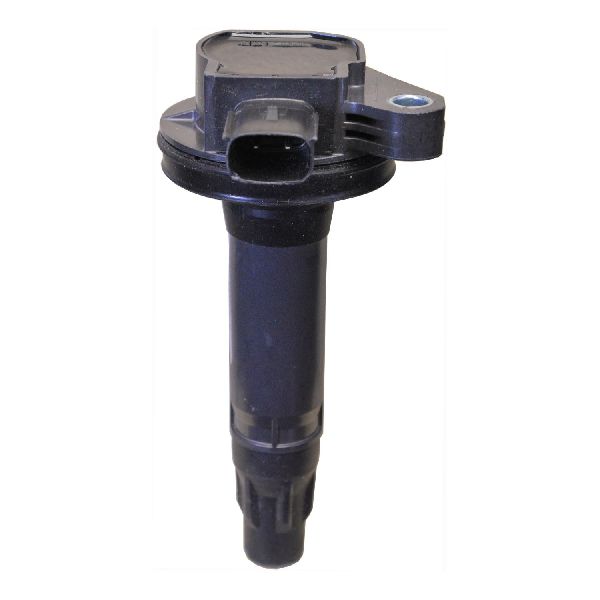
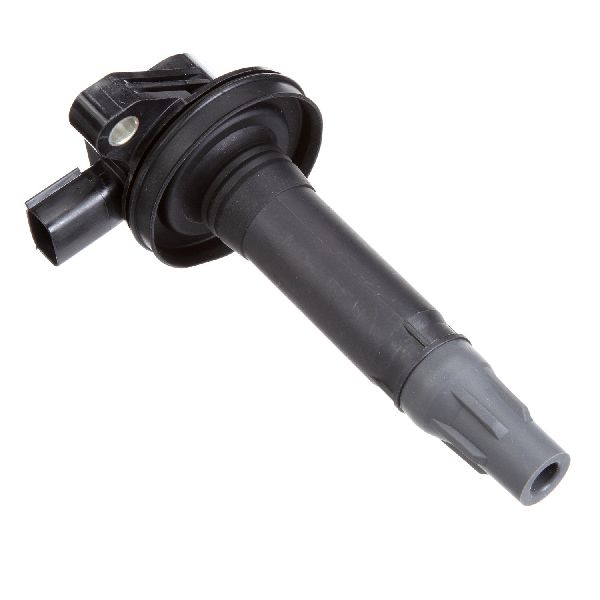
- Failed Ignition Coil on Cylinder #1 🔴 High Probability → Shop Ignition Coil The original equipment coils on this engine have a high failure rate, often cracking or shorting internally due to heat and age. Worn spark plugs increase the voltage required to fire, which puts extra stress on the coils, accelerating their failure.
How to confirm: Swap the ignition coil from cylinder #1 with another cylinder (e.g., cylinder #4, which is easier to access). Clear the codes and drive the vehicle. If the code changes to P0354, the coil is bad. If the code remains P0351, the problem is in the wiring or the PCM.
Typical fix: Replace the ignition coil. However, due to the high risk of PCM damage, it is critical to inspect the old coil for cracks or burn marks. If any are present, the PCM is likely damaged as well per TSB 13-4-17.
Est. part cost: $30-$80 - Failed Powertrain Control Module (PCM) 🔴 High Probability → Shop Engine Control Module (ECM) As detailed in Ford TSB 13-4-17, a failing ignition coil can short out and send a voltage surge back to the PCM, burning out the internal driver for that cylinder's coil. This is a very common failure pattern for this specific vehicle and engine, with repair services like Circuit Board Medics creating services specifically for this issue. Multiple P035x codes are an almost certain indicator of PCM failure.
How to confirm: If a new or known-good ignition coil on cylinder #1 does not resolve the P0351 code, and the wiring is confirmed to be good, the PCM is the culprit. Often, a visual inspection of the removed coil will show cracks or heat damage, which is a strong indicator of PCM failure per the TSB. A technician can also use a voltmeter on the coil's signal wire to see if the PCM is sending the command to fire.
Typical fix: Replace the PCM, all six ignition coils, and all six spark plugs. Failing to replace all components at once will likely lead to the new PCM being damaged by one of the old, weak coils. Repair services like Circuit Board Medics also exist to repair the original PCM, which avoids the need for dealership programming. 🎬 Watch: How to remove and repair your Ford Edge PCM
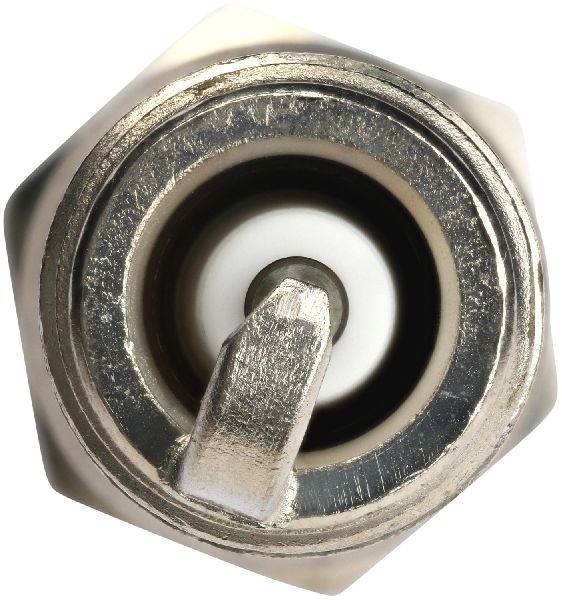
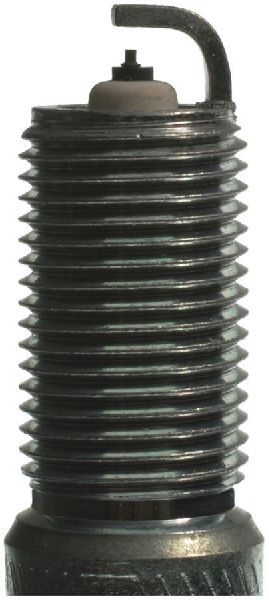
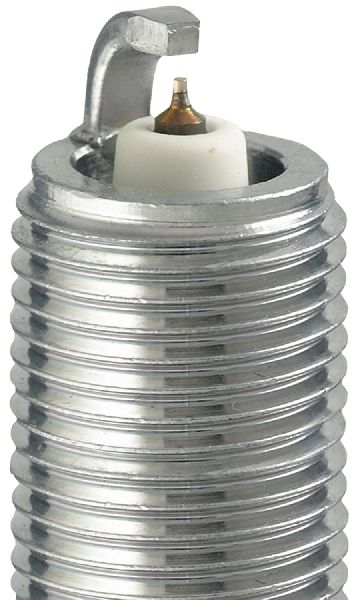
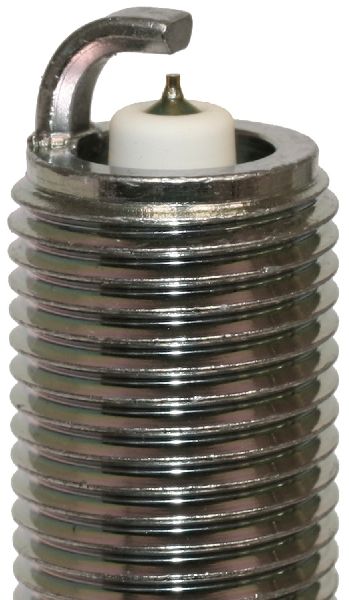
Est. part cost: $600-$1200 (New/Reman PCM) or $250-$400 (Repair Service) - Worn or Fouled Spark Plugs 🟡 Medium Probability → Shop Spark Plug The manufacturer's recommended spark plug change interval is around 100,000 miles. Many owners neglect this service. A wide spark plug gap from wear forces the ignition coil to produce a much higher voltage, leading to overheating and failure of both the coil and potentially the PCM.
How to confirm: Remove the spark plug from cylinder #1. Inspect for a worn electrode, excessive carbon buildup, or oil fouling. The gap should be within spec.
Typical fix: Replace all six spark plugs. This should always be done when replacing ignition coils.
Est. part cost: $40-$90 - Damaged Wiring or Connector ⚪ Low Probability
How to confirm: Visually inspect the wiring harness and connector for the cylinder #1 ignition coil. Look for any breaks, chafing, melted plastic, or corrosion on the pins. Use a multimeter to check for continuity on the signal wire and for 12V+ on the power wire at the connector.
Typical fix: Repair the damaged section of the wire or replace the connector pigtail.
Est. part cost: $10-$30
Diagnosis Steps
- Read the trouble codes with an OBD-II scanner. Confirm P0351 is present. Note any other codes like P0301 or other P035x codes.
- Identify Cylinder #1. On the 3.5L V6, the cylinders against the firewall are 1-2-3 (passenger-to-driver). The cylinders near the radiator are 4-5-6. Cylinder #1 is at the rear, on the passenger side.
- Accessing the rear coils requires removing the upper intake manifold. This is a necessary step for diagnosis and repair. New intake gaskets will be required for reassembly. 🎬 Watch this step-by-step misfire diagnosis and spark plug change
- Once accessed, carefully inspect the ignition coil and its electrical connector for cylinder #1. Look for cracks, melting, burn marks, or corrosion.
- CRITICAL STEP (per TSB 13-4-17): If the coil shows any signs of cracks or heat damage, assume the PCM is also damaged. The official Ford procedure is to replace the PCM, all six coils, and all six spark plugs.
- If the coil looks visually okay, you can swap it with an easier-to-access coil, such as from cylinder #4 (front, passenger side).
- Reassemble the intake, clear the codes, and run the engine. If the code changes to P0354, the ignition coil is confirmed to be faulty.
- If the code remains P0351 after the swap, the problem lies in the wiring to cylinder #1 or the PCM itself.
- Test the wiring: Check for battery voltage on the power wire (typically a violet or red wire) with the key on. Check for a switching ground signal from the PCM on the other wire using a noid light or a multimeter set to Hertz (should read 5-20 Hz while cranking/running). 🎬 See how to test for a faulty PCM or broken wire
- If wiring is good but the fault persists on cylinder #1 with a known-good coil, the PCM driver for that cylinder has failed, requiring PCM repair or replacement.
Parts You'll Likely Need
- Ignition Coil
(OEM #Motorcraft DG-514)— This is the primary component that fails. Due to the known PCM issue, it is highly recommended to replace all six at once. The original part number may have been 6E5Z-12029-BA.
Trusted brands: Motorcraft (DG-514), NGK, Denso, Delphi
OEM price range: $60-$90
Aftermarket price range: $30-$70 - Powertrain Control Module (PCM)
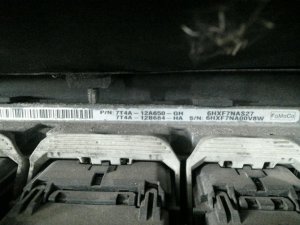
(OEM #7T4Z-12A650-YA (example, must match original))— A failed ignition coil often destroys the driver circuit inside the PCM on this specific vehicle. Ford's TSB for this issue calls for replacing the PCM if a coil is found to be damaged. Part numbers vary, so matching the original unit's number (e.g., 7T4A-12A650-xx) is critical.
Trusted brands: Ford (OEM Remanufactured), Circuit Board Medics (Repair Service), Flagship One (Remanufactured)
OEM price range: $800-$1100
Aftermarket price range: $250-$400 (Repair Service) - Spark Plugs
(OEM #Motorcraft SP-411 (or equivalent))— Worn spark plugs are a primary cause of ignition coil failure. They should always be replaced when installing new coils.
Trusted brands: Motorcraft, NGK, Autolite
OEM price range: $10-$15 per plug
Aftermarket price range: $5-$10 per plug - Ignition Coil and Spark Plug Service Kit
(OEM #BA5Z-12259-A)— Ford offers a complete kit for the 3.5L engine that includes all six ignition coils, six spark plugs, and the upper intake manifold gaskets, as recommended by TSB 13-4-17 for a full repair.
Trusted brands: Motorcraft
OEM price range: $400-$550 - Upper Intake Manifold Gaskets — These gaskets must be replaced anytime the upper intake manifold is removed to access the rear bank of cylinders (1, 2, and 3).
Related Codes That Often Appear With This One
- P0301 — P0301 means 'Cylinder 1 Misfire Detected'. Since P0351 indicates a fault in the ignition system for cylinder 1, a misfire is the direct result.
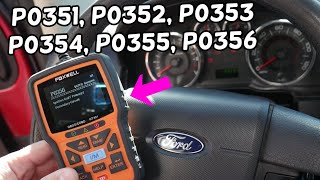
- P0352, P0353, P0354, P0355, P0356 — If multiple P035x codes are present, it points strongly to a widespread failure, almost certainly a damaged PCM. This happens when multiple coil drivers inside the computer have failed.
Technical Service Bulletins (TSBs) & Recalls
- TSB 13-4-17 — MIL ON WITH DTCS - P0351, P0352, P0353, P0354, P0355, AND/OR P0356 — Covers 2007-2008 Edge and other models with 3.0L/3.5L engines. Instructs technicians that if any P035x code is found and a visual inspection reveals cracks or heat damage on any ignition coil, the mandatory repair is to replace the PCM, all six ignition coils, and all six spark plugs.
- TSB 14-0059 — Supersedes TSB 13-4-17 — Reportedly revised the repair procedure from TSB 13-4-17 to be less aggressive, suggesting replacement of only the single failed coil and plug unless further diagnosis confirms PCM failure. However, the existence of the original TSB highlights the known vulnerability.
Platform-Specific Known Issues
- A failed ignition coil has a very high probability of causing internal damage to the Powertrain Control Module (PCM). This is the most critical issue for this code on this vehicle. Replacing only the coil without checking/replacing the PCM can lead to immediate failure of the new coil.
Mechanic-Grade Diagnostic Values
- Ignition Coil Primary Resistance — expected: Approximately 0.660 ohms. Failure: A reading significantly higher or lower than the specification, or an open circuit (infinite resistance).
- Ignition Coil Secondary Resistance — expected: Approximately 6.1K ohms (6100 ohms). Failure: A reading significantly outside the specification, indicating an internal short or open in the secondary windings.
- Ignition Coil Control Wire (at connector) — expected: A pulsing ground signal, best observed with a noid light (should flash) or oscilloscope. With a multimeter on frequency setting, it should show 5-20 Hz when cranking or at idle.. Failure: No signal, a constant ground, or constant voltage indicates a problem with the wiring or the PCM driver.
- Ignition Coil Power Supply Wire (at connector) — expected: Battery voltage (approx. 12V) with Key On, Engine Off.. Failure: Low or no voltage indicates a problem with the power supply from the fuse box or a wiring issue.
- Continuity of Coil Control Wire to PCM — expected: Less than 2.0-5.0 ohms of resistance between the coil connector pin and the corresponding PCM pin.. Failure: High resistance or an open circuit (OL) indicates a break in the wire.
Hidden / Shadow Codes Worth Checking
- Mode $06, TID $51 or $53: This is not a DTC, but a diagnostic monitor in the generic OBD-II data. Test ID (TID) $53 (or $51 on some older Fords) tracks the misfire count for each specific cylinder. Component ID (CID) $01 corresponds to cylinder #1. A high value for this component, even without a P0301 code, can confirm that cylinder #1 is the source of a misfire. (see via A professional scan tool with Mode $06 capabilities. Many modern consumer scan tools can also access this data, though it may not be translated from hexadecimal and may require a reference chart.)
Scan Tool Commands That Help
- Ford IDS (Integrated Diagnostic System): Power Balance Test — This test graphically displays the contribution of each cylinder to engine speed. For a P0351, the graph for cylinder #1 would show a significant drop compared to the others, confirming a lack of combustion. It's a powerful tool to visually confirm the misfire location without swapping parts.
- Ford IDS (or equivalent high-level scan tool): PCM Parameter Reset — This function is required after installing a new or reprogrammed PCM. It allows the new module to learn the vehicle's specific configuration and security information (PATS keys), enabling the engine to start.
Wiring & Ground Locations
- C175E — The center of the three main connectors on the Powertrain Control Module (PCM), which is located under the cowl panel near the center of the firewall.. This connector contains the pin for the ignition coil #1 driver signal. A poor connection or corrosion here can cause P0351.
- Pin 58 at Connector C175E — This is the specific pin for the Cylinder 1 ignition coil driver (control) wire in the main PCM connector.. This is the exact point to test for the pulsing ground signal from the PCM. If the signal is present here but not at the coil, the wiring between the PCM and the coil is faulty. If the signal is absent here, the PCM driver has failed.
- G101 — Located on the right rear of the engine.. This is a primary engine ground. A loose or corroded connection here can cause a host of electrical issues, including erratic ignition system performance and phantom codes.
- G104 — Located on the left front of the engine compartment, often near the driver's side strut tower.. This is a critical engine-to-chassis ground point. A poor connection can affect the PCM and other modules, potentially causing ignition system problems.
Real Owner Repair Stories
- Ford Edge Forum user (2007 Ford Edge, 104k miles) — Check engine light on, immediate loss of power, sluggishness, and A/C stopped working.
❌ Tried (didn't work) Initially considered replacing just the one coil and all plugs.
✅ What actually fixed it The user was advised by others about the TSB and the high likelihood of PCM failure. Another user in the thread confirmed the fix is to replace the PCM, all coils, and all plugs, recommending using only Motorcraft parts and having the PCM pre-programmed with the VIN before installation, followed by a PATS key relearn by a locksmith. - 2CarPros Forum user (2007 Ford Edge) — Started with P0351, then after swapping coil #1 and #4, got P0351 and P0354. Unplugging coils 1, 4, and 5 made no difference in how the engine ran.
❌ Tried (didn't work) Swapping ignition coil from cylinder #1 to #4 did not isolate the fault; instead, the fault code for cylinder #4 appeared *in addition* to the original P0351, and the problem spread to cylinder #5.
✅ What actually fixed it The diagnosis concluded that the PCM had failed, with the internal transistor for the coil driver being stuck on, which burns out coils. The user sent the PCM out for repair/checking. The final fix is to repair/replace the PCM and replace all coils to prevent the new PCM from being damaged. - NHTSA ODI #10713413 — An owner reported a loss of power and violent shaking accompanied by a check engine light. Diagnostic codes included P0351, P0352, P0354, P0301, P0302, P0316, and P0420. A pinpoint test was performed on all coils and the fuel system to address the multiple circuit and misfire faults.
OEM Part Supersession History
7T4Z-12029-E→Motorcraft DG-520, DG-514— Standard part evolution and potential design improvements.
Heads up: DG-514 and DG-520 are common service replacements for this application. While functionally similar, always verify the correct part for your specific vehicle build date. Using non-Motorcraft coils is frequently reported on forums to cause repeat failures.
Model Year Variations Within This Range
- 2007-2008 (built on or before 3/1/2008): The TSB 13-4-17 specifically calls out vehicles built on or before March 1, 2008, as being susceptible to the coil-damaging-PCM issue. Vehicles built after this date may have updated components (coils or PCM logic) that make this failure less common.
Diagnostic Flowchart
Other Known Issues on This Vehicle
Issues unrelated to this code that are worth knowing about as an owner of this generation:
- Internal Water Pump Failure 🔴 High — A very common failure point for the transverse 3.5L V6, often occurring between 80,000 and 150,000 miles. When the pump seal fails, it leaks coolant directly into the engine oil pan, which can lead to catastrophic engine damage if not caught immediately.
- Transmission Speed Sensor Failure (TSS/OSS) 🟠 Medium — The 6F50 transmission in 2007-2008 models is prone to failure of the Turbine Shaft Speed (TSS) and/or Output Shaft Speed (OSS) sensors. This causes erratic shifting, sudden loss of power, and lurching. Ford issued TSB 07-21-11 for this issue. (Ref: TSB 07-21-11)
- Power Transfer Unit (PTU) Failure (AWD Models) 🔴 High — On All-Wheel Drive models, the PTU (transfer case) is prone to failure. The gear oil inside gets overheated and breaks down, but there is no drain plug for service, leading to eventual failure of the unit, which is an expensive repair.
- A-Pillar Body Seam Water Leak 🟡 Low — Water can leak into the cabin through a body seam near the A-pillars (behind the hood hinges), resulting in a wet driver or passenger side carpet. This can lead to mold and potential electrical issues if not addressed. Ford created a customer satisfaction program (15B21) for later models, but the issue is known on early models as well. (Ref: 15B21 (for later models))
Used vs. New Parts: Buying Guide for This Vehicle
When a used part is the smart pick: For this specific P0351 issue, buying a used PCM from a junkyard is NOT recommended. The high failure rate means a used unit has a high probability of having the same internal damage or being susceptible to it. A professionally repaired or remanufactured PCM is a much safer choice.
Donor-vehicle mileage cap: roughly under 80000 miles for the part to have meaningful remaining life.
What to inspect on the donor part:
- For a remanufactured PCM, verify the seller offers programming to your VIN.
- Ensure the seller has a warranty specifically covering ignition driver failure.
- Ask if the internal coil driver circuits have been upgraded with more robust components.
- Never buy used ignition coils for this repair. They are a wear item and the root cause of the problem.
OEM-only on this vehicle (don't cheap out):
- Ignition Coils: Due to the sensitivity of the PCM, using OEM Motorcraft coils is strongly recommended by forum veterans and repair shops to prevent a repeat PCM failure.
- Powertrain Control Module (PCM): While remanufactured units from reputable specialists like Circuit Board Medics or Flagship One are a viable alternative, a new or remanufactured OEM Ford unit is the safest option. Avoid no-name, unverified used units.
Aftermarket brands forum-validated for this vehicle:
- Circuit Board Medics (PCM Repair/Exchange)
- Flagship One (Remanufactured PCM)
- NGK, Denso, Delphi (Ignition Coils - considered high-quality alternatives if Motorcraft is unavailable)
Brands owners have reported issues with on this vehicle:
- Unbranded, low-cost ignition coil sets from online marketplaces are frequently cited as unreliable and a direct cause of repeat failures.
Real Owner Stories
Aggregated from forums and TSBs cited above. Mileages and costs reflect what owners reported in those sources.
2007 Ford Edge 3.5L V6
Symptoms: Check engine light on with codes P0351 and P0354.
What fixed it: The owner had to address both codes, which often indicates a PCM failure according to the vehicle's common failure patterns.
Source hint: 2carpros.com questions '2007-ford-edge-codes-p0351-and-p0354'
2007-2008 Ford Edge 3.5L V6 — ~100000 miles
Symptoms: P035x series codes appearing; visual inspection of coils showed cracks and heat damage.
What fixed it: Replacement of the PCM, all six ignition coils, and all six spark plugs as mandated by the technical service bulletin.
Source hint: TSB 13-4-17
2007 Ford Edge
Symptoms: Violent shaking and a sudden loss of power while driving. The check engine light was triggered by multiple codes including P0351, P0352, and P0354.
What fixed it: Technicians performed pinpoint testing on all ignition coils and the fuel system to diagnose the root cause of the multiple circuit failures and misfires.
Source hint: NHTSA ODI #10713413
Related OBD-II Codes
Frequently Asked Questions
Does TSB 13-4-17 apply to my 2007 Ford Edge with a P0351 code?
Why is my A/C blowing warm air while my Check Engine Light is flashing?
Can I just replace the Cylinder #1 coil to fix P0351?
Where is Cylinder #1 located on the 3.5L V6 engine?
Is there a way to fix the PCM without buying a brand new one from Ford?
How do I know if my spark plugs caused the P0351 code?
Helpful Videos
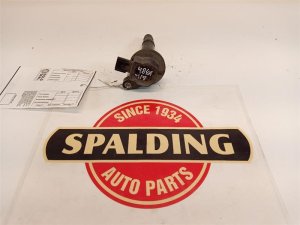
Used OEM Parts in Stock
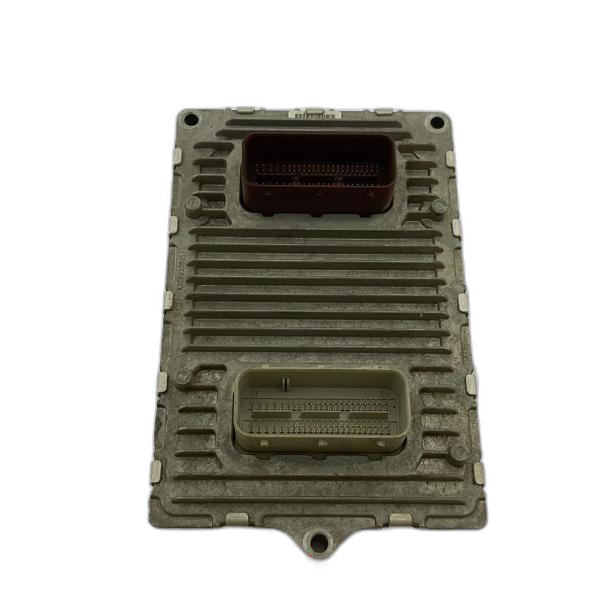
New Aftermarket Parts Available

The information in this article is provided for general reference and educational purposes only. Vehicle specifications, procedures, and part compatibility can vary by production date, trim level, and region. Always consult your vehicle's factory service manual and verify part numbers before purchasing or performing repairs. Safety-critical components such as airbags, seat belts, and braking systems should be installed by a qualified professional.
- Ford Edge:
- 🧭 Diagnostic Flowchart
- 🎬 Helpful Videos
- 🛍️ Shop This Part
- What's Unique About the 2007-2008 Ford Edge
- Symptoms You May Notice
- Most Likely Causes
- Diagnosis Steps
- Parts You'll Likely Need
- Related Codes That Often Appear With This One
- Technical Service Bulletins (TSBs) & Recalls
- Platform-Specific Known Issues
- Mechanic-Grade Diagnostic Values
- Hidden / Shadow Codes Worth Checking
- Scan Tool Commands That Help
- Wiring & Ground Locations
- Real Owner Repair Stories
- OEM Part Supersession History
- Model Year Variations Within This Range
- Other Known Issues on This Vehicle
- Used vs. New Parts: Buying Guide for This Vehicle
- Real Owner Stories
- 2007 Ford Edge 3.5L V6
- 2007-2008 Ford Edge 3.5L V6 — ~100000 miles
- 2007 Ford Edge
- Related OBD-II Codes
- Frequently Asked Questions
- 🎟️ Get 5% Off