

P0351 on 2017-2020 Genesis G80 3.3T: Ignition Coil 'A' Circuit Causes and Fixes
P0351 on a G80 3.3T means the ignition coil for cylinder #1 has an electrical fault. This cylinder is on the rear bank against the firewall, requiring intake manifold removal for access. The most common fix is replacing the ignition coil, but it's highly recommended to replace all three rear coils and all six spark plugs at the same time due to the high labor cost. This is a well-documented issue on the 3.3T platform, also affecting the Kia Stinger and Genesis G70.
- P0351 points to an electrical fault with the ignition coil for cylinder #1.
- On the 3.3T V6, cylinder #1 is on the rear bank against the firewall, making access very difficult and labor-intensive.
- Due to the high labor cost of removing the intake manifold, it is highly recommended to replace all three rear ignition coils (cylinders 1, 3, 5) and all six spark plugs at the same time.
- Do not drive if the Check Engine Light is flashing, as this can cause rapid and expensive damage to the catalytic converters.
- This is not a beginner-friendly DIY job; professional service is strongly recommended.
What's Unique About the 2017-2020 Genesis G80
On the Genesis G80 with the 3.3L twin-turbo V6, the main challenge with a P0351 code is physical access. Cylinder #1 is located on the rear bank of the engine (driver's side), tucked against the firewall and completely underneath the upper intake manifold. This turns a simple ignition coil replacement into a labor-intensive job that requires 3-5 hours. Because of the high labor cost to get to it, the standard professional recommendation is to replace all three rear ignition coils (cylinders 1, 3, 5), all six spark plugs, and the intake gaskets 'while you're in there' (WYAIT) to prevent having to do the same job again soon.
Symptoms You May Notice
- Check Engine Light is on (may be steady or flashing)
- Engine misfires, which can feel like a shudder or stumble
- Rough or unstable idle
- Hesitation or loss of power during acceleration
- Reduced fuel economy
- Smell of unburnt gasoline from the exhaust
- Replacing only the cylinder #1 coil. While this fixes the immediate code, another original coil on the hard-to-access rear bank may fail soon after, requiring the same expensive labor charge again.
- Attempting to replace the rear coils/plugs without removing the intake manifold. While some YouTube videos show it is technically possible, it is extremely difficult, requires special tools, and risks damaging components. Most owners who have tried it recommend removing the manifold.
Most Likely Causes
- Faulty Ignition Coil (Cylinder 1) 🔴 High Probability → Shop Ignition Coil Ignition coils are common wear items on modern turbocharged, direct-injection engines due to high heat and electrical stress. Failures are frequently reported on the 3.3T platform across the G80, G70, and Kia Stinger.
How to confirm: The standard test is to swap the suspect coil with one from another cylinder. However, this is not practical for a DIY diagnosis on cylinder #1 as it requires removing the intake manifold first. A professional will typically confirm the fault after accessing the rear bank. An oscilloscope can also be used to test the coil's firing pattern without removal.
Typical fix: Replace the ignition coil for cylinder #1. It is strongly recommended to replace all three rear-bank coils (cylinders 1, 3, 5) at the same time to avoid repeat labor costs. This is known as the 'While You're In There' (WYAIT) approach.
Est. part cost: $40-$80 per coil - Worn or Fouled Spark Plug (Cylinder 1) 🟡 Medium Probability → Shop Spark Plug The manufacturer's recommended service interval for spark plugs on the 3.3T engine is 42,000 miles. An old, worn, or oil-fouled plug can fail to fire correctly, which can over-stress the coil and lead to a circuit code.
How to confirm: After removing the intake manifold and ignition coil, inspect the spark plug for wear, carbon tracking, oil fouling, or a cracked insulator. A Reddit user reported their coil boot tore and stuck to the plug at 47,000 miles, indicating significant wear.
Typical fix: Replace the spark plug for cylinder #1. Given the labor involved, it is best practice to replace all six spark plugs at the same time.
Est. part cost: $15-$30 per plug - Damaged Wiring or Loose Connector ⚪ Low Probability Engine bay heat can make plastic connectors brittle over time. Rodents can also chew on wiring harnesses. One owner of a high-mileage G80 reported needing an entire engine wiring harness replacement to solve electrical gremlins.
How to confirm: Once the intake manifold is removed, visually inspect the wiring harness and connector for cylinder #1's ignition coil. Check for broken wires, corrosion on the pins, or a loose connection.
Typical fix: Repair the damaged section of the wiring harness or replace the connector pigtail.
Est. part cost: $15-$50
Rare But Worth Checking
- Faulty Powertrain Control Module (PCM): → Shop Engine Control Module (ECM) This is very rare. Before condemning the PCM, all other possibilities (coil, plug, wiring) must be exhaustively ruled out. A technician can test the driver signal from the PCM to the coil using a wiring diagram and multimeter to confirm if the module is the source of the fault.
- Leaking Valve Cover Gasket: → Shop Engine Valve Cover If the valve cover gasket fails, oil can leak into the spark plug tube, fouling the spark plug and damaging the ignition coil boot, which can lead to a P0351 code. This would be identified by the presence of oil when removing the coil.
- Failing Oil Pressure Sensor: While not a direct cause, a failing oil pressure sensor is a known issue on this platform and is also located under the intake manifold. If a shop is already removing the manifold to address P0351, it is a wise preventative measure to replace this inexpensive sensor at the same time to save on future labor costs.
Diagnosis Steps
- Confirm the presence of the P0351 code using an OBD-II scanner. Note any other codes, such as P0301 (Cylinder 1 Misfire).
- Acknowledge that cylinder #1 is on the rear bank (driver's side) and requires intake manifold removal for access. This repair is not recommended for beginners.
- A professional will remove the strut tower braces, engine cover, and intake piping before unbolting and removing the upper intake manifold.
- Once the rear bank is exposed, visually inspect the ignition coil and its wiring connector for any signs of damage, melting, or corrosion.
- Remove the ignition coil from cylinder #1.
- Remove and inspect the spark plug from cylinder #1 for excessive wear, oil fouling, or damage.
- Due to the high labor cost, the recommended 'While You're In There' (WYAIT) procedure is to replace all three ignition coils on the rear bank (cylinders 1, 3, 5), all six spark plugs, and the upper intake manifold gasket.
- Consider replacing the oil pressure sensor as a preventative measure while the intake manifold is off.
- Reassemble the intake manifold, ensuring all gaskets are properly seated and all connections are secure to prevent vacuum leaks.
- Clear the trouble codes with the OBD-II scanner and perform a test drive to ensure the misfire is gone and the code does not return.
Parts You'll Likely Need
- Ignition Coil (Rear Bank)
(OEM #27310-3L000)— This is the most common cause of a P0351 code. This part number is for the rear (right) bank coils and is used across the 3.3T platform, including the Stinger and G70. The front bank uses a different part number and they are not interchangeable.
Trusted brands: Hyundai/Genesis OE, Delphi, NGK
OEM price range: $60-$90
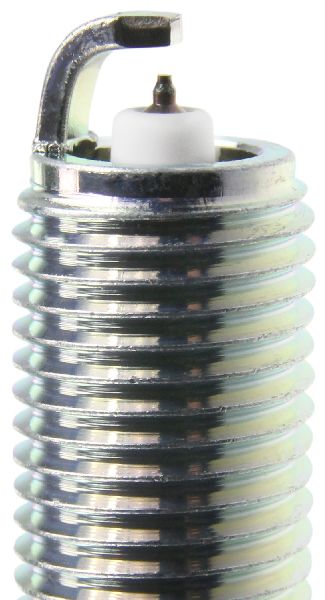
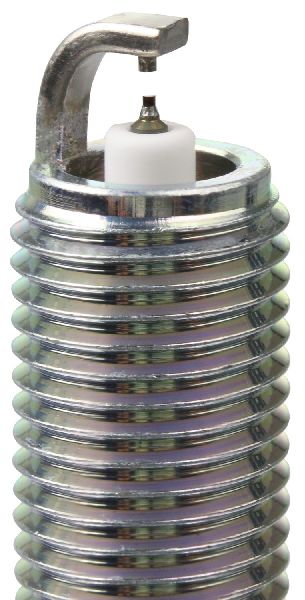
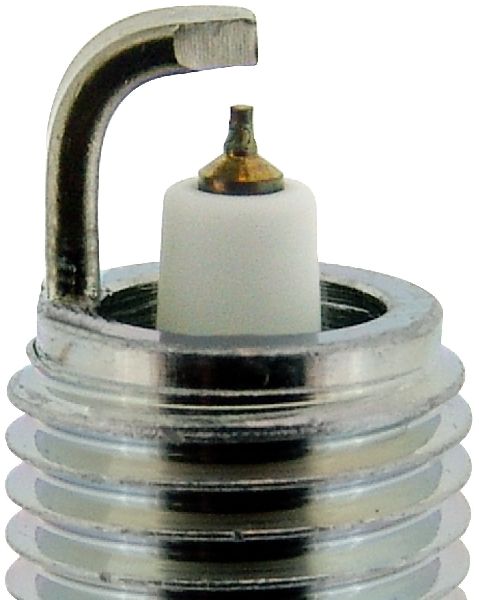
Aftermarket price range: $40-$70 - Spark Plug
(OEM #18852-09070)— Spark plugs are a routine maintenance item with a 42,000-mile interval and the second most likely cause. It is best practice to replace all six when performing this labor-intensive job.
Trusted brands: NGK, Denso
OEM price range: $25-$35
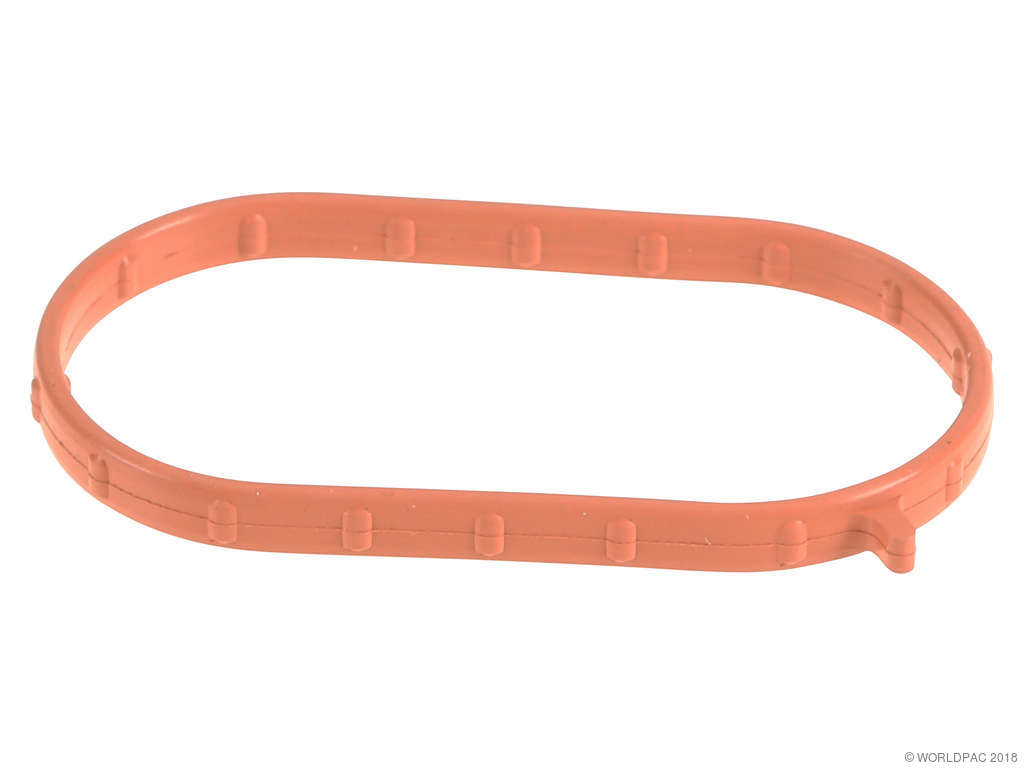
Aftermarket price range: $15-$25 - Upper Intake Manifold Gasket
(OEM #29215-3L100)— This gasket is a single-use item and must be replaced any time the intake manifold is removed to prevent vacuum leaks upon reassembly.
Trusted brands: Hyundai/Genesis OE
OEM price range: $20-$40
Aftermarket price range: $15-$30
Related Codes That Often Appear With This One
- P0301 — P0301 means 'Cylinder 1 Misfire Detected'. A P0351 electrical fault in the coil circuit is a direct cause of misfires, so these two codes almost always appear together.
- P0300 — This code for 'Random/Multiple Cylinder Misfire' might appear if the fault is intermittent or if other ignition components are also beginning to fail.
- P0303, P0305 — Misfire codes for cylinders 3 and 5. If these appear alongside P0301, it may indicate a more systemic issue affecting the entire rear bank, such as a shared ground or power supply problem, or simply that multiple coils/plugs are failing around the same time.
Technical Service Bulletins (TSBs) & Recalls
- NHTSA Recall 24V-191000 / TSB 24-01-032G: Addresses a recall for the left-hand turbocharger oil feed pipe, which can leak oil onto the hot exhaust manifold and cause an engine fire. This is a critical safety recall for all 3.3T engines in the G80, G70, and G90.
Mechanic-Grade Diagnostic Values
- Ignition Coil Driver Signal (at coil connector) — expected: 5 to 20 Hz (using a multimeter set to frequency/Hertz). Failure: A reading of 0 Hz indicates no trigger signal from the PCM, suggesting a wiring or PCM issue. If the signal is present but the coil doesn't fire, the coil itself is likely faulty.
- Ignition Confirmation (IGF) Signal (at ECM connector) — expected: A confirmation pulse sent from the igniter back to the ECM after each IGT (trigger) signal.. Failure: If the ECM sends an IGT signal but receives no corresponding IGF signal, it will register a fault and set a P035x code. This test requires an oscilloscope and wiring diagram to back-probe the ECM connector.
Wiring & Ground Locations
- Ignition Coil Connector (Cylinder 1) — On top of the ignition coil for cylinder #1, located on the rear bank (driver's side) under the upper intake manifold.. This is the primary connection to check for power, ground, and the trigger signal from the ECM. A loose connection, corrosion, or damaged wire at this specific connector will directly cause a P0351 code.
- Engine Compartment Ground (General) — Typically located on the left (driver's side) fender or strut tower in the engine bay.. A poor main engine ground can cause erratic voltage and signal issues across multiple sensors and actuators, including the ignition coils. While not specific to P0351 alone, ensuring this ground is clean and tight is a fundamental step in diagnosing any electrical fault.
OEM Part Supersession History
Older, unspecified part number→27310-3L000 (Rear Bank) / 27310-3L030 (Front Bank)— Upgraded OEM coils were used in facelifted 2022+ Genesis G70 and Kia Stinger models for improved durability and reliability. These newer style coils are a direct replacement for the older, known defective ones.
Heads up: The front bank coil (27310-3L030) and rear bank coil (27310-3L000) are physically different and NOT interchangeable. P0351 for cylinder #1 requires the rear bank part number, 27310-3L000.
Model Year Variations Within This Range
- 2017: The 3.3L T-GDI engine was not available in the 2017 G80. It was introduced for the 2018 model year with the G80 Sport trim. Therefore, a P0351 on a 2017 G80 would apply to the 3.8L or 5.0L engines, which have different layouts and part numbers.
- 2018-2020: For the 2018-2020 model years, the 3.3T engine was available, primarily in the 'Sport' trim. The diagnosis and repair procedure involving intake manifold removal for the rear bank is consistent across these years.
Diagnostic Flowchart
Other Known Issues on This Vehicle
Issues unrelated to this code that are worth knowing about as an owner of this generation:
- Leaking Turbocharger Oil Feed Pipe (Left Side) 🔴 High — Common enough to trigger a safety recall. The flexible hose section deteriorates from engine heat, leaking oil onto the hot exhaust manifold. (Ref: NHTSA Recall 24V-191000 (supersedes 19V-538); Genesis TSB 24-01-032G.)
- Intake Valve Carbon Buildup 🟠 Medium — A common characteristic of all GDI engines. Significant buildup can occur after 50,000-80,000 miles, potentially leading to misfires or performance loss. Walnut blasting is the typical cleaning procedure.
- Failing Oil Pressure Sensor 🟠 Medium — Reports on forums suggest failure can occur around 60,000+ miles. While the part is inexpensive, it is located under the intake manifold, making replacement labor-intensive and costly ($1k+).
- Low-Pressure Fuel Pump Failure 🔴 High — Widespread issue on 2021-2023 models where the fuel pump impeller deforms, causing stalling and loss of power. Does not typically affect the 2017-2020 model years directly but is a major issue for the platform. (Ref: NHTSA Recall 23V-630 & 24V-282 (OEM 022G).)
- Sunroof Rattles and Creaks 🟡 Low — A common owner complaint related to fit and finish, where the sunroof assembly develops rattles or creaking noises over rough roads.
Used vs. New Parts: Buying Guide for This Vehicle
When a used part is the smart pick: A used OEM ignition coil can be a cost-effective option, especially for the easily accessible front bank cylinders. Given the high labor cost for the rear bank, installing used coils there carries a higher risk if one fails prematurely. A used intake manifold is a viable option if the original is damaged during removal.
Donor-vehicle mileage cap: roughly under 60000 miles for the part to have meaningful remaining life.
What to inspect on the donor part:
- For ignition coils, inspect the plastic housing for any cracks or signs of melting.
- Check the electrical connector pins for corrosion or damage.
- Examine the coil boot for tears, swelling, or oil contamination.
- Ask for the donor vehicle's mileage if possible.
OEM-only on this vehicle (don't cheap out):
- Upper Intake Manifold Gasket: This is a single-use crush gasket and should always be purchased new to ensure a proper seal and prevent vacuum leaks.
Aftermarket brands forum-validated for this vehicle:
- Delphi
- NGK
- Denso (often the OEM supplier)
- Worms Racing (A performance-oriented option popular in the Stinger/G70 community)
Brands owners have reported issues with on this vehicle:
- Unbranded, no-name ignition coils from online marketplaces are a significant gamble, especially for the labor-intensive rear bank. Failure rates are high, and a premature failure would require repeating the entire 3-5 hour job.
Real Owner Stories
Aggregated from forums and TSBs cited above. Mileages and costs reflect what owners reported in those sources.
2017-2020 Genesis G80 3.3L T-GDI — 47000 miles
Symptoms: The ignition coil boot tore and became stuck to the spark plug, indicating significant wear and contributing to ignition issues.
What fixed it: Replacement of the ignition coil and spark plug.
Source hint: Reddit user report mentioned in article context
2017-2020 Genesis G80 3.3L T-GDI — ~85000 miles
Symptoms: Electrical gremlins and persistent circuit issues on a high-mileage vehicle.
What fixed it: Replacement of the entire engine wiring harness.
Source hint: Owner report from GenesisOwners.com / r/GenesisMotors
2018-2023 Kia Stinger GT (3.3L T-GDI V6)
Symptoms: Engine misfires specifically on the rear bank (cylinders 1, 3, 5) requiring intake manifold removal for access.
What fixed it: Replacing all rear bank coils and all spark plugs using the 'While You're In There' (WYAIT) approach.
Source hint: Kia Stinger GT owner forums
Related OBD-II Codes
Frequently Asked Questions
Does the turbocharger oil feed pipe recall (TSB 24-01-032G) affect my 3.3T G80?
Why is the labor for replacing the Cylinder 1 ignition coil so expensive on the G80 3.3T?
Should I replace all spark plugs when fixing a P0351 code?
Is there anything else I should replace while the intake manifold is off for a P0351 repair?
What is the recommended spark plug service interval for the 3.3L T-GDI engine?
Can I use aftermarket ignition coils for the rear bank of my G80?
Helpful Videos
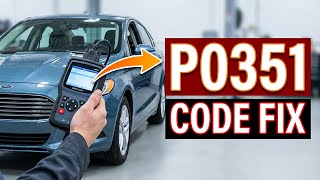

Used OEM Parts in Stock
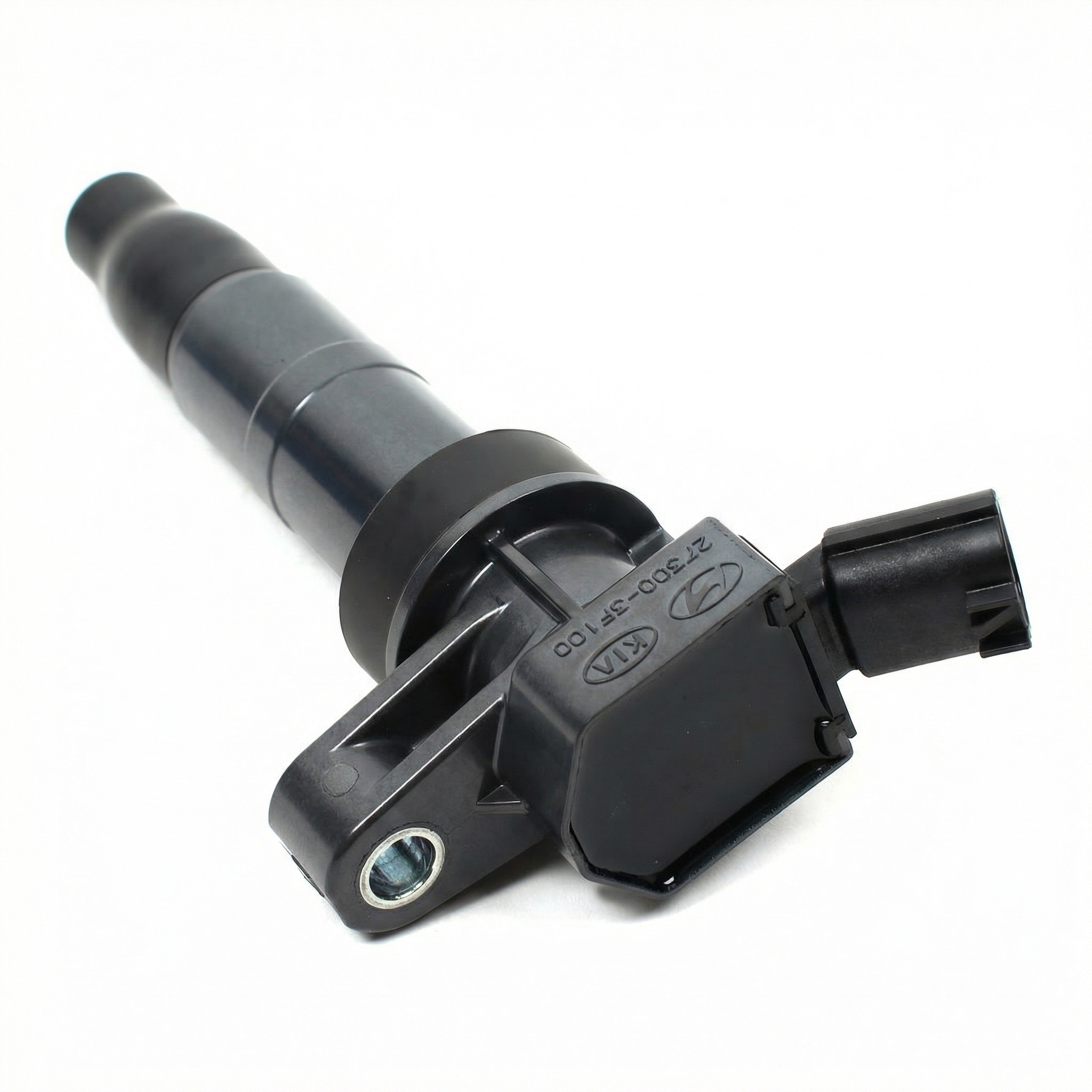
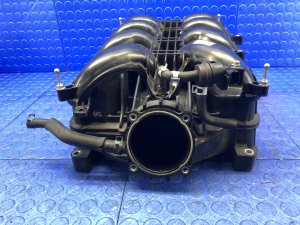
New Aftermarket Parts Available


The information in this article is provided for general reference and educational purposes only. Vehicle specifications, procedures, and part compatibility can vary by production date, trim level, and region. Always consult your vehicle's factory service manual and verify part numbers before purchasing or performing repairs. Safety-critical components such as airbags, seat belts, and braking systems should be installed by a qualified professional.
- Genesis G80:
- 🧭 Diagnostic Flowchart
- 🎬 Helpful Videos
- 🛍️ Shop This Part
- What's Unique About the 2017-2020 Genesis G80
- Symptoms You May Notice
- Most Likely Causes
- Rare But Worth Checking
- Diagnosis Steps
- Parts You'll Likely Need
- Related Codes That Often Appear With This One
- Technical Service Bulletins (TSBs) & Recalls
- Mechanic-Grade Diagnostic Values
- Wiring & Ground Locations
- OEM Part Supersession History
- Model Year Variations Within This Range
- Other Known Issues on This Vehicle
- Used vs. New Parts: Buying Guide for This Vehicle
- Real Owner Stories
- 2017-2020 Genesis G80 3.3L T-GDI — 47000 miles
- 2017-2020 Genesis G80 3.3L T-GDI — ~85000 miles
- 2018-2023 Kia Stinger GT (3.3L T-GDI V6)
- Related OBD-II Codes
- Frequently Asked Questions
- 🎟️ Get 5% Off