

P0351 on 2017-2022 Genesis G90 3.3L: Ignition Coil 'A' Circuit Causes and Fixes
This code almost always points to a failed ignition coil on cylinder #1. On the G90 3.3T, cylinder #1 is on the driver's side, closest to the front of the car, making it easy to access. Swapping the coil with another cylinder is a quick way to confirm. Expect to pay around $50-$90 for an aftermarket coil or $100-$150 for an OEM part. It's a simple DIY fix.
- P0351 on your G90 3.3T means there's an issue with the ignition coil circuit for cylinder #1.
- The most likely culprit is a bad ignition coil, which is a common wear item.
- Cylinder #1 is on the passenger side, closest to the radiator, making it easy to access for a DIY fix.
- A simple diagnostic is to swap the coil from cylinder #1 with another cylinder and see if the code follows.
- Driving with this code, especially if the check engine light is flashing, can lead to a rough ride, poor fuel economy, and expensive damage to your catalytic converter.
- When replacing the faulty coil, it's a good idea to also replace the spark plug in that cylinder, or preferably all six if they are near their 45,000-mile service life.
What's Unique About the 2017-2022 Genesis G90
For the Genesis G90 with the 3.3L twin-turbo V6, this code is a straightforward component failure issue. Unlike some other platforms where this code can be intermittent or caused by complex wiring issues, on the Lambda II engine it is most often a hard failure of the coil itself. The cylinder numbering on this RWD platform is 1-3-5 on the driver's side (Bank 1) and 2-4-6 on the passenger side (Bank 2), from front to back. This makes cylinder #1 the front-most cylinder on the driver's side, which is very accessible. This is a critical distinction from transverse-engine Hyundai/Kia models where Bank 1 can be against the firewall.
Symptoms You May Notice
- Check Engine Light is on (may be flashing in severe cases)
- Rough or vibrating idle
- Engine misfires, which may be more noticeable under acceleration
- Reduced engine power and poor acceleration
- Hesitation during acceleration
- Increased fuel consumption
- Smell of raw gasoline from the exhaust
- Replacing the spark plug without testing the ignition coil.
- Replacing the PCM before thoroughly testing the coil and wiring.
- Replacing the oxygen sensor, which only reports the air/fuel mixture and does not cause a single-cylinder misfire.
Most Likely Causes
- Failed Ignition Coil (Cylinder 1) 🔴 High Probability → Shop Ignition Coil Ignition coils are wear-and-tear components that fail from repeated heat cycles and high voltage stress. There is no specific design flaw on the G90, but this is the most common point of failure for this code on any modern vehicle, including the Lambda II engine family.
How to confirm: Swap the ignition coil from cylinder #1 with the coil from another cylinder on the same bank (e.g., cylinder #3). Cylinder #1 is the front-most cylinder on the driver's side. Clear the codes and drive the car. If the code returns as P0353, the coil is confirmed to be faulty.
Typical fix: Replace the faulty ignition coil for cylinder #1.
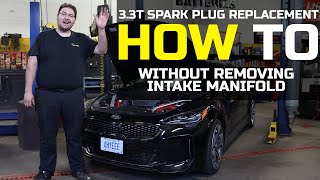
Est. part cost: $50-$150 - Worn or Fouled Spark Plug (Cylinder 1) 🟡 Medium Probability → Shop Spark Plug A spark plug that is old, fouled with oil, or has an incorrect gap can put extra strain on the ignition coil, causing it to fail or leading the ECM to detect a fault. The recommended service interval for the OEM NGK plugs is around 42,000 miles. 🎬 Watch: How to change and gap spark plugs the right way It's good practice to replace them at the same time as the coil.
How to confirm: After removing the ignition coil, remove and inspect the spark plug. Look for signs of wear (worn electrode), carbon buildup, oil fouling, or damage to the white ceramic insulator. Compare it to a new plug to assess wear.
Typical fix: Replace the spark plug in cylinder #1. It is highly recommended to replace all six spark plugs at the same time to maintain balanced engine performance and prevent future misfires.
Est. part cost: $20-$40 per plug - Damaged Wiring or Loose Connector ⚪ Low Probability Vibrations and high engine bay heat can cause wiring to become brittle or connectors to loosen over time. The plastic locking tab on the connector can also break during a spark plug change, leading to a poor connection that can trigger the code.
How to confirm: Visually inspect the wiring harness and connector for cylinder #1's ignition coil. Look for any signs of cracking, melting, corrosion in the pins, or broken wires. Gently wiggle the connector with the engine running to see if it induces a misfire or causes the engine stumble to change.
Typical fix: Repair the damaged section of wiring or replace the ignition coil pigtail connector.
Est. part cost: $15-$40 for a new connector
Rare But Worth Checking
- Powertrain Control Module (PCM) Failure: → Shop Engine Control Module (ECM) This is extremely rare. The PCM contains driver circuits that fire each coil. A failure of the driver for cylinder #1 could mimic a bad coil or wire. This should only be considered as the cause after all other possibilities (coil, plug, wiring) have been definitively ruled out by a professional. Replacing a PCM is expensive and requires programming to the vehicle.
Diagnosis Steps
- Connect an OBD-II scanner to confirm the P0351 code and check for any other related codes like P0301.
- Locate cylinder #1 on the 3.3L V6 engine. It is the front-most cylinder on the driver's side (left bank).
- Inspect the wiring and connector for the cylinder #1 ignition coil for any visible damage, corrosion, or a loose connection. Ensure the connector clicks securely into place.
- Perform the 'Coil Swap Test': Disconnect the battery. Unbolt and swap the ignition coil from cylinder #1 with the one from cylinder #3 (the middle cylinder on the same driver's side bank). Reconnect the battery.
- Clear the trouble codes with the scanner, start the engine, and let it run or take a short drive until the Check Engine Light returns.
- Re-scan for codes. If the code is now P0353, the ignition coil you moved is faulty and needs to be replaced.
- If the P0351 code returns, the problem is not the coil. The issue likely lies with the wiring, connector, or the PCM driver circuit for that cylinder.
- While the coil is removed, it is a good time to remove, inspect, and/or replace the spark plug for cylinder #1. Check for wear, fouling, and correct gap.
- If the coil and plug are good, use a multimeter to test for proper voltage (12V+ with key on) and ground at the ignition coil connector. Check for a signal from the PCM with a noid light or oscilloscope while cranking the engine.
Parts You'll Likely Need
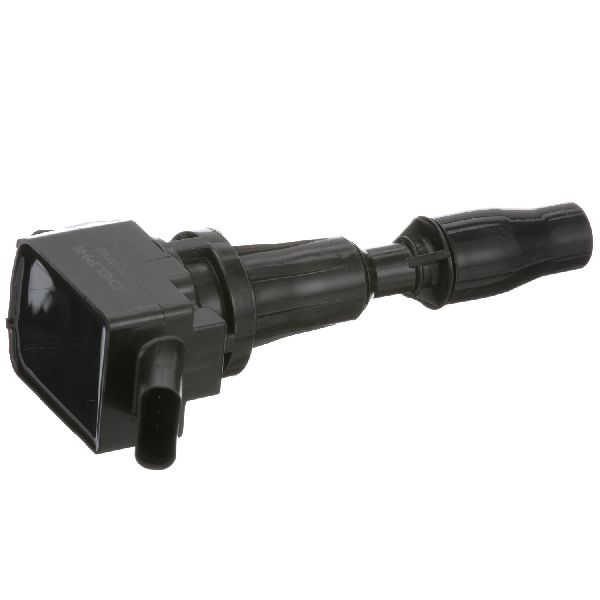
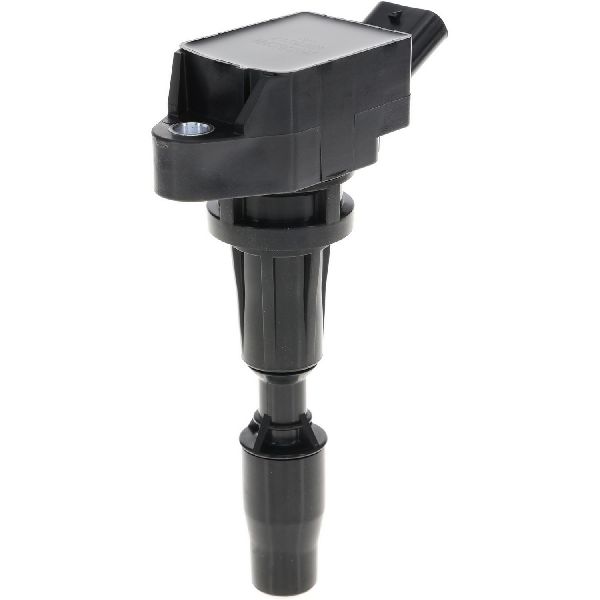
- Ignition Coil
(OEM #27310-3L030)— This is the most frequent cause of a P0351 code, representing a direct failure of the component responsible for creating the spark.
Trusted brands: Hyundai/Genesis (OEM), NGK, Denso, Delphi
OEM price range: $98-$150
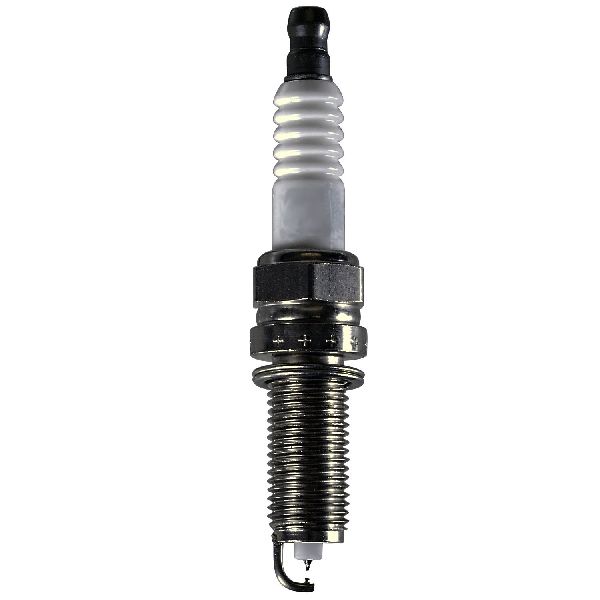
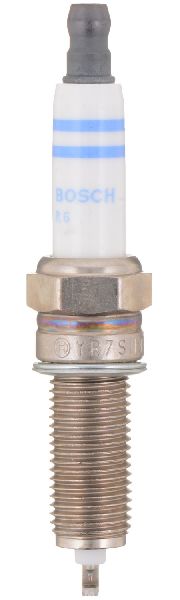
Aftermarket price range: $50-$90 - Spark Plug
(OEM #18852-09070)— A worn spark plug can cause the coil to fail, and it's best practice to replace it when replacing a coil to ensure optimal performance and prevent a repeat failure. The OEM plugs are made by NGK.
Trusted brands: NGK (OEM), Denso
OEM price range: $30-$40
Aftermarket price range: $15-$25
Related Codes That Often Appear With This One
- P0301 — P0301 means 'Cylinder 1 Misfire Detected'. Since P0351 indicates a fault in the ignition system for cylinder 1, it is the direct cause of the misfire. 🎬 Watch: How to troubleshoot a Cylinder 1 misfire code P0351 is a more specific code identifying the circuit fault, while P0301 is the resulting symptom.
- P0300 — P0300 means 'Random/Multiple Cylinder Misfire Detected'. While P0351 points to cylinder 1, an intermittent connection or a failing PCM could potentially cause misfires on other cylinders as well, leading to a P0300 code being stored alongside P0351.
Mechanic-Grade Diagnostic Values
- Ignition Coil Primary Winding Resistance — expected: 0.55 - 0.75 Ω (at 68°F/20°C). Failure: A reading of infinite resistance (open circuit) or a value significantly outside the expected range.
- Ignition Coil Secondary Winding Resistance — expected: 6.0 - 10.0 kΩ (at 68°F/20°C). Failure: A reading significantly outside this range indicates an internal failure of the coil's secondary windings.
- Ignition Coil Connector Power Supply — expected: Battery Voltage (approx. 12.6V) with Key On, Engine Off. Failure: Low or no voltage indicates a problem with the power supply circuit or fuse.
Scan Tool Commands That Help
- Hyundai/Genesis GDS (Global Diagnostic System): Actuation Test — After confirming the P0351 code, a technician can use this function to command the ignition coil #1 driver circuit to fire. This helps determine if the fault is in the coil itself or the wiring/PCM, without needing to swap parts.
- Hyundai/Genesis GDS (Global Diagnostic System): Resetting Adaptive Values — After replacing the faulty component (e.g., ignition coil), this function should be used to clear the PCM's learned fuel trims and other adaptations, allowing the engine to relearn values with the new part for optimal performance.
Wiring & Ground Locations
- Ignition Coil Connector Pigtail — The electrical connector that plugs into the top of the ignition coil for cylinder #1.. The plastic locking tab can become brittle and break, or the terminals can corrode, causing a poor connection that triggers P0351. If the connector is damaged, it must be replaced. Aftermarket part numbers include Standard Motor Products S2511 and NAPA/ECH EC913.
- Engine Ground Straps — Key locations include a thick cable from the negative battery terminal to the chassis, and one or more braided straps from the chassis to the engine block or transmission housing.. A corroded or loose main engine ground can cause a variety of electrical issues, including weak spark or erratic sensor readings that could potentially contribute to ignition circuit codes. While not a primary cause for a single-cylinder code, checking main grounds is good practice. Specific G90 locations are detailed in the factory service manual.
Model Year Variations Within This Range
- 2017-2022: There are no significant mechanical changes to the 3.3L T-GDI engine, ignition system, or related parts within this model year range that would alter the diagnosis or repair of a P0351 code. A cosmetic facelift occurred for the 2019 model year but did not affect the powertrain.
Diagnostic Flowchart
Other Known Issues on This Vehicle
Issues unrelated to this code that are worth knowing about as an owner of this generation:
- Leaking Left Turbocharger Oil Feed Pipe 🔴 High — Common enough to warrant a safety recall (NHTSA 24V-191 / Genesis Recall 019G). The pipe can crack from heat fatigue and leak oil onto hot exhaust components, posing a fire risk. (Ref: NHTSA 24V-191)
- Intake Valve Carbon Buildup 🟠 Medium — A common long-term issue for all GDI engines. Becomes noticeable after 40,000-80,000 miles, potentially causing rough idle, hesitation, and misfires. Requires periodic walnut blasting service to clean.
- High-Pressure Fuel Pump (HPFP) Failure 🟠 Medium — A known issue across the Hyundai/Genesis GDI engine family. Failure can lead to code P0088 (High Fuel Pressure), stalling, and a no-start condition. Less common than coil failures but a documented pattern.
- Low-Pressure Fuel Pump Failure 🔴 High — Affects certain 2022 models. The fuel pump impeller can deform, causing fuel starvation and sudden loss of motive power. Covered by a safety recall. (Ref: NHTSA 24V282000 / Genesis Recall 022G)
- Potential for premature engine bearing failure 🟡 Low — While more prominent on the naturally aspirated 3.3L GDI Lambda II, there have been owner complaints and petitions regarding premature bearing wear and potential engine failure on the broader engine family. Not a widespread, documented issue on the 3.3T specifically, but worth noting.
Used vs. New Parts: Buying Guide for This Vehicle
When a used part is the smart pick: For this repair, a used part is only a smart choice for the wiring pigtail connector if it is in good condition with an intact locking tab. While a used ignition coil can be used in a pinch for the easily-accessible cylinder #1, it is a wear-and-tear item, and its remaining lifespan is unknown.
Donor-vehicle mileage cap: roughly under 50000 miles for the part to have meaningful remaining life.
What to inspect on the donor part:
- For a used ignition coil, inspect the plastic housing for any cracks or signs of heat stress.
- Check the electrical connector pins for any corrosion or damage.
- Ensure the rubber boot that seals against the spark plug is pliable, not dry-rotted or swollen from oil contamination.
- For a wiring pigtail, ensure the wires have sufficient length for splicing and the locking tab clicks firmly.
OEM-only on this vehicle (don't cheap out):
- Powertrain Control Module (PCM) — Must be new or a specialized remanufactured unit and requires vehicle-specific programming to function.
Aftermarket brands forum-validated for this vehicle:
- NGK
- Denso
- Delphi
- Worms Racing (for a performance upgrade)
Brands owners have reported issues with on this vehicle:
- Unbranded, 'white-box' ignition coils from online marketplaces often have high failure rates and should be avoided to prevent repeat repairs.
Real Owner Stories
Aggregated from forums and TSBs cited above. Mileages and costs reflect what owners reported in those sources.
Kia Stinger GT 3.3L T-GDI V6
Symptoms: Misfires occurring after installing a tuning chip.
What fixed it: The dealer replaced all 6 spark plugs and all 6 ignition coil packs.
Source hint: genesisowners.com discussion on platform-mate Kia Stinger
Related OBD-II Codes
Frequently Asked Questions
Where is cylinder #1 located on my Genesis G90 3.3L T-GDI V6?
Is there a recall for my 2022 G90 that could cause power loss similar to a misfire?
How often should I replace the spark plugs on my G90 to prevent P0351 codes?
Could the P0351 code be related to the safety recall for the turbocharger oil feed pipe?
If I have a tuning chip on my G90, am I more likely to see ignition coil failures?
Can I swap coils to test if the part is bad on my G90?
Helpful Videos
Used OEM Parts in Stock
New Aftermarket Parts Available


The information in this article is provided for general reference and educational purposes only. Vehicle specifications, procedures, and part compatibility can vary by production date, trim level, and region. Always consult your vehicle's factory service manual and verify part numbers before purchasing or performing repairs. Safety-critical components such as airbags, seat belts, and braking systems should be installed by a qualified professional.
- Genesis G90:
- 🧭 Diagnostic Flowchart
- 🎬 Helpful Videos
- 🛍️ Shop This Part
- What's Unique About the 2017-2022 Genesis G90
- Symptoms You May Notice
- Most Likely Causes
- Rare But Worth Checking
- Diagnosis Steps
- Parts You'll Likely Need
- Related Codes That Often Appear With This One
- Mechanic-Grade Diagnostic Values
- Scan Tool Commands That Help
- Wiring & Ground Locations
- Model Year Variations Within This Range
- Other Known Issues on This Vehicle
- Used vs. New Parts: Buying Guide for This Vehicle
- Real Owner Stories
- Kia Stinger GT 3.3L T-GDI V6
- Related OBD-II Codes
- Frequently Asked Questions
- 🎟️ Get 5% Off