

P0351 on 2020-2024 Hyundai Palisade: Ignition Coil 'A' Circuit Causes and Fixes
P0351 means your Palisade's computer has detected a fault in the ignition coil for cylinder 1. This is almost always caused by a failed ignition coil. Because cylinder 1 is on the rear bank against the firewall, replacement is labor-intensive and expensive, requiring removal of the intake manifold. Expect a shop repair to cost between $450 and $750.
- P0351 on a Palisade points to a fault in the cylinder 1 ignition coil circuit.
- Cylinder 1 is on the rear bank against the firewall, requiring removal of the intake manifold for access.
- The most common fix is replacing the ignition coil, but due to the high labor involved, it's wise to replace all three rear coils, all six spark plugs, and the intake gaskets at the same time.
- This is a difficult DIY repair (5/5 difficulty). A professional repair will likely cost between $450 and $750.
- Do not drive with a flashing check engine light, as you risk destroying the catalytic converter.
What's Unique About the 2020-2024 Hyundai Palisade
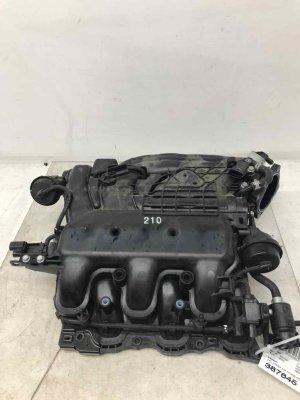
The key challenge with a P0351 code on the Palisade is the location of cylinder 1. On the transversely mounted Lambda II 3.8L V6, the cylinders are numbered with 1, 3, and 5 on the rear bank (against the firewall) and 2, 4, and 6 on the front bank (near the radiator). Cylinder 1 is on the rear bank, making it very difficult to access. Unlike a simple coil replacement on the front bank, this job requires removing the entire upper intake manifold, significantly increasing labor time and cost. While ignition coils are a known failure point on this platform, the repair for a rear-bank cylinder is a much larger job. This engine, designated G6DN, is an Atkinson-cycle capable GDI engine used in both the Palisade and Kia Telluride.
Symptoms You May Notice
- Check Engine Light is on (may be flashing if the misfire is severe)
- Rough or vibrating idle
- Engine hesitation or stumbling during acceleration
- Noticeable loss of engine power
- Increased fuel consumption
- Difficulty starting the engine
- Replacing the easily accessible front ignition coils when the fault is for a rear cylinder.
- Replacing the fuel injector for cylinder 1 without diagnosing the ignition system first.
- Assuming the PCM is faulty before thoroughly testing the coil, plug, and wiring. 🎬 Watch: How to diagnose and fix a P0351 code
Most Likely Causes
- Failed Ignition Coil (Cylinder 1) 🔴 High Probability → Shop Ignition Coil Ignition coils are a common wear item and have been noted by technicians as a frequent failure point on this engine platform. Heat cycling, especially for the less-ventilated rear bank, can contribute to premature failure.
How to confirm: The standard diagnostic test is to swap the suspect coil with one from another cylinder. However, since cylinder 1 is under the intake manifold, this is not practical. The best method is to test the coil's primary and secondary resistance with a multimeter after removing it, or to replace it based on the high probability of it being the cause.
Typical fix: Replace the ignition coil for cylinder 1. Due to the high labor involved in accessing the rear bank, many mechanics and owners choose to replace all three rear ignition coils (cylinders 1, 3, 5) and all six spark plugs at the same time.
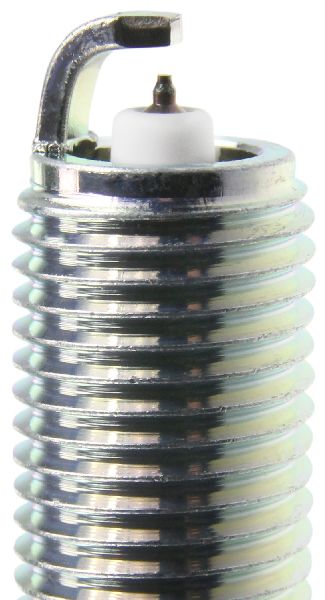
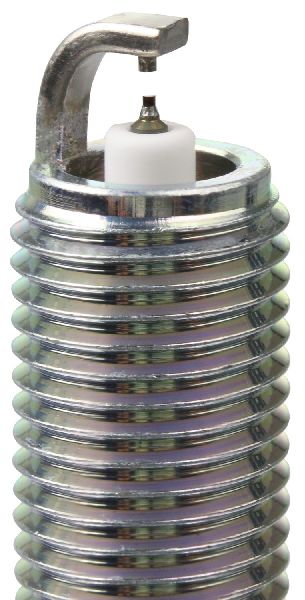
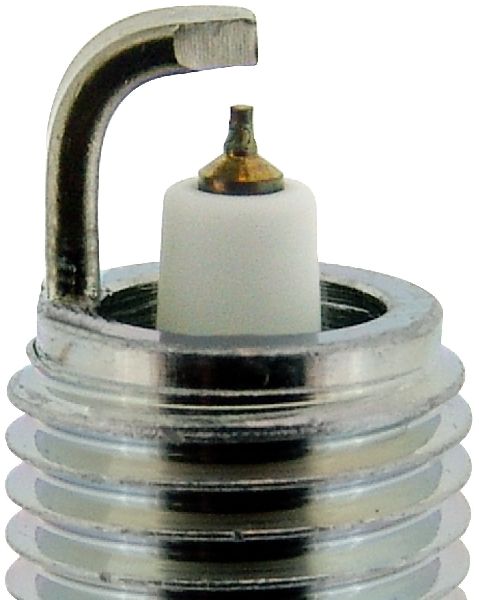
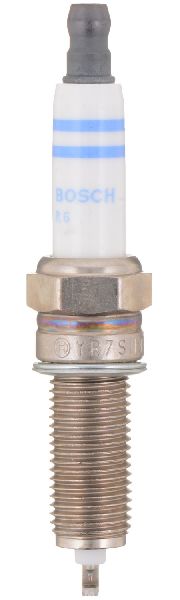
Est. part cost: $50-$100 - Worn or Fouled Spark Plug (Cylinder 1) 🟡 Medium Probability → Shop Spark Plug Spark plugs are a maintenance item. While modern iridium plugs have a long life, they can still fail or become fouled, leading to a weak or non-existent spark. A bad plug can also overwork and damage the ignition coil.
How to confirm: After removing the intake manifold and ignition coil, remove the spark plug and inspect it for wear, damage, or fouling (e.g., black, oily, or white deposits).
Typical fix: Replace the spark plug for cylinder 1. It is highly recommended to replace all six spark plugs if they are near the end of their service life (typically 80,000-100,000 miles).
Est. part cost: $15-$35 - Damaged Wiring or Connector ⚪ Low Probability Rodents can sometimes chew on wiring in the engine bay. The wiring for the rear bank is also subjected to significant heat, which can make connectors brittle over time.
How to confirm: After accessing the coil, visually inspect the electrical connector and wiring harness for any signs of damage, corrosion, or loose pins. Perform a continuity test on the wiring between the coil connector and the PCM if the coil and plug are known to be good.
Typical fix: Repair the damaged section of wiring or replace the pigtail connector.
Est. part cost: $15-$40
Rare But Worth Checking
- Faulty Powertrain Control Module (PCM): → Shop Engine Control Module (ECM) This is extremely rare. Before condemning the PCM, all other possibilities (coil, plug, wiring) must be exhaustively ruled out. A failed coil driver inside the PCM can cause this code.
- Internal Engine Issue (e.g., Valve Spring): Hyundai issued Recall 255 (NHTSA 24V-123) for defective engine valve springs on some 2024 models, which can cause misfires and potential engine damage. While P0351 is an electrical circuit code, an underlying severe mechanical misfire could potentially trigger related electrical fault codes. This should be considered only if primary electrical diagnosis fails.
Diagnosis Steps
- Confirm the presence of code P0351 with an OBD-II scanner. Check for any other codes like P0301.
- Verify the cylinder numbering: On the Palisade's transverse 3.8L V6, cylinder 1 is on the rear bank (by the firewall), passenger side. The firing order is 1-2-3-4-5-6.
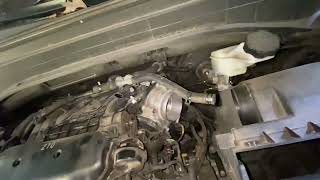
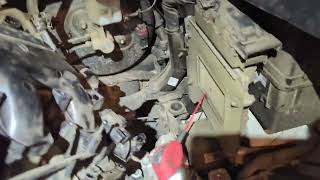
- Due to the location of cylinder 1, a simple coil swap is not possible. The next step is to gain access by removing the upper intake manifold. 🎬 See this step-by-step Palisade intake manifold removal video This is a complex job and may be best left to a professional.
- Once the manifold is off, inspect the ignition coil connector and wiring for cylinder 1 for any visible damage or corrosion.
- Remove the ignition coil for cylinder 1.
- At this point, the most cost-effective step is to replace the coil, as it is the most probable cause.
- While access is available, it is strongly recommended to also replace the spark plug for cylinder 1, and ideally, all three rear coils (cylinders 1, 3, 5) and all six spark plugs.
- Reassemble the intake manifold using new gaskets. Failure to replace gaskets can cause vacuum leaks.
- Clear the trouble codes with the scanner and perform a test drive to ensure the code does not return.
Parts You'll Likely Need
- Ignition Coil (Rear Bank)
(OEM #27310-3L000)— This is the most common cause of P0351. This specific part number is for the rear bank cylinders (1, 3, 5).
Trusted brands: Hyundai (OEM), NGK, Denso, Standard Motor Products
OEM price range: $90-$140
Aftermarket price range: $50-$90 - Spark Plug
(OEM #18849-11070)— This is the second most likely cause and should always be replaced along with the coil when performing this labor-intensive repair. The OEM plug is typically an NGK Iridium.
Trusted brands: NGK (OEM is NGK 92315), Denso
OEM price range: $25-$35
Aftermarket price range: $15-$25 - Intake Manifold Gasket Set (Upper/Plenum)
(OEM #28215-3CFA0)— The upper intake manifold must be removed to access the rear coils. The gaskets are single-use and must be replaced to prevent vacuum leaks. 🎬 Watch: 3.8L V6 spark plug and coil replacement walkthrough
Trusted brands: Hyundai (OEM), Fel-Pro (MS 98024), Mahle (MS20317)
OEM price range: $40-$60
Aftermarket price range: $10-$25
Related Codes That Often Appear With This One
- P0301 — P0301 means 'Cylinder 1 Misfire Detected.' Since P0351 indicates a fault in the ignition circuit for cylinder 1, a misfire is the direct result. These two codes almost always appear together.
- P0300 — P0300 means 'Random/Multiple Cylinder Misfire.' If the electrical issue with the cylinder 1 coil is intermittent or causing significant crankshaft speed variations, the PCM might also log a general misfire code.
- P0303, P0305 — If a technician is replacing all rear bank coils and plugs as preventative maintenance, they may find other rear cylinders were also beginning to fail.
Technical Service Bulletins (TSBs) & Recalls
- NHTSA 24V-123 / Hyundai Recall 255: Pertains to defective engine valve springs on some 2024 models which can cause misfires.
- TSB 21-01-003H: Details the procedure to fix excessive wind noise from the door/mirror area on 2020-2021 models.
- NHTSA Recall 22V-633: Addresses the tow hitch wiring harness fire risk on 2020-2022 models.
Platform-Specific Known Issues
- Owner on Reddit with a 2020 Palisade at 60k miles experienced oil consumption issues that required dealer intervention, including combustion chamber cleaning and eventual engine replacement under warranty, highlighting the importance of documenting issues with the dealer early.
Mechanic-Grade Diagnostic Values
- Ignition Coil Primary Resistance — expected: 0.62 Ω ± 10%. Failure: A reading of zero indicates a short, a significantly higher reading or OL (Over Limit) indicates an open circuit.
- Ignition Coil Secondary Resistance — expected: 7.0 kΩ ± 15%. Failure: A reading significantly outside this range, especially OL (Over Limit), indicates a failed secondary winding.
Scan Tool Commands That Help
- Hyundai GDS (Global Diagnostic System): Ignition System Spark Test / Actuation Test — After confirming the P0351 code, a technician can use the OEM scan tool to command the PCM to fire the cylinder 1 coil. This can help verify if the fault lies within the wiring or the PCM's driver circuit, especially after the coil and plug have been replaced.
Wiring & Ground Locations
- PCM Connector Pin 65 — On the main Powertrain Control Module (PCM) connector.. This pin, identified as 'IGN01', sends the control pulse signal from the PCM to the ignition coil for cylinder #1. A technician can use this pin to test for a signal from the PCM or check for continuity between this pin and the coil's connector, which is critical for diagnosing a wiring fault vs. a failed PCM.
OEM Part Supersession History
27310-3L000→27310-3L030 (Potentially)— Standard part evolution or supplier change.
Heads up: Multiple parts suppliers list both 27310-3L000 and 27310-3L030 for the rear bank coils on this vehicle. They are likely interchangeable, but it is best practice to verify the exact part number from the old coil or with a dealer using the vehicle's VIN before ordering.
Model Year Variations Within This Range
- 2023-2024: The Hyundai Palisade received a significant cosmetic and interior technology facelift for the 2023 model year. However, the core powertrain, the 3.8L Lambda II GDI V6 engine (G6DN) and transmission, remained unchanged. Therefore, the causes, diagnosis, and repair for a P0351 code are identical across the entire 2020-2024 model range.
Diagnostic Flowchart
Other Known Issues on This Vehicle
Issues unrelated to this code that are worth knowing about as an owner of this generation:
- Excessive Wind/Whistling Noise from Driver's Side 🟡 Low — Very common on 2020-2021 models. Less frequent on later models but still reported. (Ref: TSB 21-01-003H (supersedes 19-BD-010H) provides a procedure to add foam pads and replace moldings to fix the noise.)
- Tow Hitch Wiring Harness Fire Risk 🔴 High — Affects 2020-2022 models with an accessory tow hitch. A recall was issued for over 245,000 vehicles. (Ref: NHTSA Recall 22V-633. The fix involves installing a new fuse and wire extension kit. Owners were advised to park outside until the repair was completed due to fire risk while parked.)
- Excessive Oil Consumption 🟠 Medium — Reported sporadically across all model years, but most common on 2020 models. Some owners report needing to add a quart of oil every 500-1000 miles. (Ref: No specific recall, but dealers have an oil consumption test procedure. In some documented cases, persistent issues have led to engine replacement under warranty.)
- Cracked Windshields 🟡 Low — Numerous owner complaints, particularly for the 2020 model year, of windshields cracking spontaneously or from minor impacts.
Used vs. New Parts: Buying Guide for This Vehicle
When a used part is the smart pick: For this repair, a used part is only advisable for the wiring harness pigtail connector if it was damaged. Due to the extreme labor cost of accessing the rear bank, installing a used ignition coil with unknown life remaining is a very high-risk, low-reward choice and is strongly discouraged.
Donor-vehicle mileage cap: roughly under 100000 miles for the part to have meaningful remaining life.
What to inspect on the donor part:
- For a wiring pigtail: Ensure the plastic is not brittle or cracked.
- Check that the locking tab on the connector is intact and functional.
- Verify there is no corrosion on the metal pins inside the connector.
- Ensure the wires have at least 4-6 inches of flexible, undamaged insulation.
OEM-only on this vehicle (don't cheap out):
- Intake Manifold Gaskets: These are single-use gaskets critical for preventing vacuum leaks. The risk of using a low-quality aftermarket gasket, which could fail and require re-doing the entire 3-4 hour job, is not worth the small cost savings. Always use OEM or top-tier OE-supplier gaskets (e.g., Mahle, Fel-Pro).
Aftermarket brands forum-validated for this vehicle:
- Ignition Coils: NGK, Denso, Standard Motor Products (SMP)
- Spark Plugs: NGK, Denso (The original OEM plug is typically NGK Iridium)
Brands owners have reported issues with on this vehicle:
- Unbranded 'no-name' ignition coils from online marketplaces. While tempting due to low price, their failure rate is notoriously high, and a premature failure on a rear-bank coil would be a costly mistake in repeated labor.
Real Owner Stories
Aggregated from forums and TSBs cited above. Mileages and costs reflect what owners reported in those sources.
2020 Hyundai Palisade 3.8L GDI V6 — 60000 miles
Symptoms: Oil consumption issues that required dealer intervention, including combustion chamber cleaning.
What fixed it: Eventual engine replacement under warranty.
Source hint: Reddit (r/HyundaiPalisade)
Related OBD-II Codes
Frequently Asked Questions
Where is cylinder 1 located on my 2020-2024 Hyundai Palisade 3.8L V6?
Can I swap the ignition coil on cylinder 1 to another cylinder to test it?
Is there a recall for misfires on the 2024 Palisade?
Should I replace all the coils when fixing P0351?
Could my P0351 code be related to the oil consumption issues I've heard about?
Are the ignition coils the same for the front and rear banks?
Helpful Videos
Used OEM Parts in Stock
New Aftermarket Parts Available


The information in this article is provided for general reference and educational purposes only. Vehicle specifications, procedures, and part compatibility can vary by production date, trim level, and region. Always consult your vehicle's factory service manual and verify part numbers before purchasing or performing repairs. Safety-critical components such as airbags, seat belts, and braking systems should be installed by a qualified professional.
- Hyundai Palisade:
- 🧭 Diagnostic Flowchart
- 🎬 Helpful Videos
- 🛍️ Shop This Part
- What's Unique About the 2020-2024 Hyundai Palisade
- Symptoms You May Notice
- Most Likely Causes
- Rare But Worth Checking
- Diagnosis Steps
- Parts You'll Likely Need
- Related Codes That Often Appear With This One
- Technical Service Bulletins (TSBs) & Recalls
- Platform-Specific Known Issues
- Mechanic-Grade Diagnostic Values
- Scan Tool Commands That Help
- Wiring & Ground Locations
- OEM Part Supersession History
- Model Year Variations Within This Range
- Other Known Issues on This Vehicle
- Used vs. New Parts: Buying Guide for This Vehicle
- Real Owner Stories
- 2020 Hyundai Palisade 3.8L GDI V6 — 60000 miles
- Related OBD-II Codes
- Frequently Asked Questions
- 🎟️ Get 5% Off