

P0351 on 2017-2018 Kia Forte: Ignition Coil 'A' Circuit Malfunction Causes and Fixes
On a 2017-2018 Kia Forte, P0351 almost always indicates a failed ignition coil on cylinder 1. This is a known issue addressed by a Kia service action (SA321). A new coil costs about $40-$90, and replacement is a simple 15-minute DIY job.
- P0351 on a 2017-2018 Forte almost certainly means the ignition coil for cylinder 1 has failed.
- This is a known issue with a Kia service bulletin (SA321) recommending the replacement of all four coils if a misfire code is present.
- The easiest way to confirm the diagnosis is to swap the cylinder 1 coil with another cylinder's coil and see if the code follows (e.g., changes to P0352).
- This is a very simple DIY repair that requires only a 10mm socket and about 15 minutes.
- To prevent repeat failures, consider replacing all four ignition coils and spark plugs at the same time.
What's Unique About the 2017-2018 Kia Forte
The 2017-2018 Kia Forte with the Nu 2.0L MPI engine is notorious for premature ignition coil failures. Kia issued a Technical Service Bulletin (TSB SA321) for this specific problem, instructing dealers to replace all four ignition coils if a misfire code like P0301 is present alongside P0351. Owners have reported repeated coil failures at intervals of 30,000-40,000 miles, suggesting the original equipment (OE) coils, made by YURA, may be of poor quality.
Symptoms You May Notice
- Check Engine Light is on (may be flashing if misfire is severe)
- Rough or shaky engine idle
- Engine misfires, especially under load or during acceleration
- Noticeable loss of engine power and sluggishness
- Hesitation when accelerating
- Difficulty starting the engine
- Decrease in fuel economy
- Replacing only the spark plug without testing the ignition coil. The coil is the most likely culprit on this specific vehicle.
- Assuming a fuel injector or sensor is bad without first performing the simple coil swap diagnostic test.
- Replacing a single coil when the TSB recommends replacing all four to prevent repeat failures of the other original coils.
Most Likely Causes
- Failed Ignition Coil on Cylinder 1 🔴 High Probability → Shop Ignition Coil Kia issued a service action (TSB SA321) for premature ignition coil failure on 2017-2018 Forte models with the 2.0L MPI engine. Forum discussions confirm that repeated coil failure is a common owner experience, with some owners reporting failures every 30-40k miles. The OEM coils are manufactured by YURA, a brand some owners associate with poor durability.
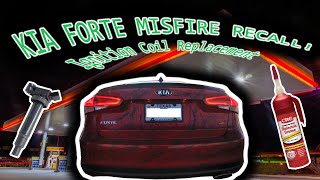
How to confirm: Swap the ignition coil from cylinder #1 with the coil from another cylinder (e.g., cylinder #2). Cylinder #1 is the leftmost cylinder when facing the engine. Clear the codes and drive the car. If the code changes to P0352, the ignition coil is confirmed to be faulty. 🎬 Watch: How to perform a coil swap diagnostic test
Typical fix: Replace the faulty ignition coil. It is held on by a single 10mm bolt. Due to the high failure rate and the TSB procedure, it is strongly recommended to replace all four coils at the same time. Some owners opt for aftermarket coils with lifetime warranties after repeated OEM failures.
Est. part cost: $40 - $90 per coil - Worn or Fouled Spark Plug 🟡 Medium Probability → Shop Spark Plug A worn-out or fouled spark plug can put extra strain on the ignition coil, leading to its premature failure. While the plugs themselves are durable, they are a maintenance item that can be overlooked. Oil leaking from a failed valve cover gasket can also foul the plug and coil boot, causing a misfire.
How to confirm: After confirming the coil is good, inspect the spark plug for cylinder #1. Look for heavy carbon buildup, oil fouling, or a worn electrode. A gap that is too wide increases the voltage required to fire, stressing the coil. You can also swap the spark plug with another cylinder to see if the misfire follows.
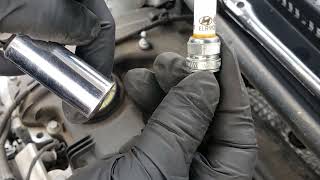
Typical fix: Replace the spark plug. The recommended service interval is around 97,500 miles, but it may be wise to replace them sooner if coils are failing. It's best practice to replace all four spark plugs at once, especially if their age is unknown.
Est. part cost: $10 - $25 per plug - Damaged Wiring or Connector ⚪ Low Probability
How to confirm: Visually inspect the wiring harness and electrical connector for the cylinder #1 ignition coil. Look for any signs of corrosion, broken wires, melted plastic, or a loose connection. Check that the locking tab on the connector is secure. Wiggle the connector with the engine running to see if it affects the idle.
Typical fix: Repair the damaged section of the wiring harness or replace the connector pigtail. Ensure the connector lock is fully engaged. Sometimes rodents can chew on the wiring, causing an open or short.
Est. part cost: $10 - $30 for a new connector
Rare But Worth Checking
- Powertrain Control Module (PCM) Failure: → Shop Engine Control Module (ECM) This is extremely rare. The PCM's internal driver for the ignition coil can fail, but all other possibilities should be exhausted before considering PCM replacement.
Diagnosis Steps
- Read the trouble codes with an OBD-II scanner to confirm P0351 and check for any other related codes like P0301.
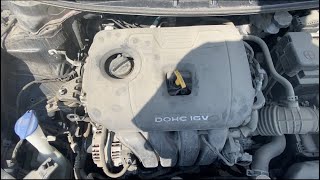
- Locate cylinder #1, which is the first cylinder on the driver's side (leftmost) of the engine when you are facing it.
- Visually inspect the ignition coil's electrical connector and wiring for any obvious damage, corrosion, or loose connections.
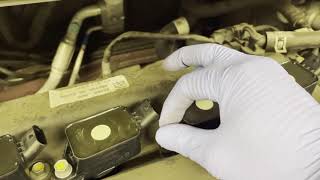
- Swap the ignition coil from cylinder #1 with the coil from cylinder #2. This involves unplugging the electrical connector and removing one 10mm bolt for each coil. 🎬 Watch: Quick walkthrough of the ignition coil replacement
- Clear the diagnostic trouble codes using the scanner.
- Start the engine and let it run, or take a short drive until the Check Engine Light comes back on.
- Re-scan the codes. If the code has changed to P0352 ('Ignition Coil 'B' Circuit Malfunction'), the ignition coil you moved is faulty and must be replaced.
- If the code remains P0351, the problem is not the coil. The issue is likely in the wiring to cylinder #1 or the PCM. Inspect the wiring harness for opens, shorts, or corrosion.
- If the coil swap confirms a bad coil, it is highly recommended to replace all four coils and all four spark plugs at the same time to prevent future failures and ensure optimal performance, as per the spirit of TSB SA321.
Parts You'll Likely Need
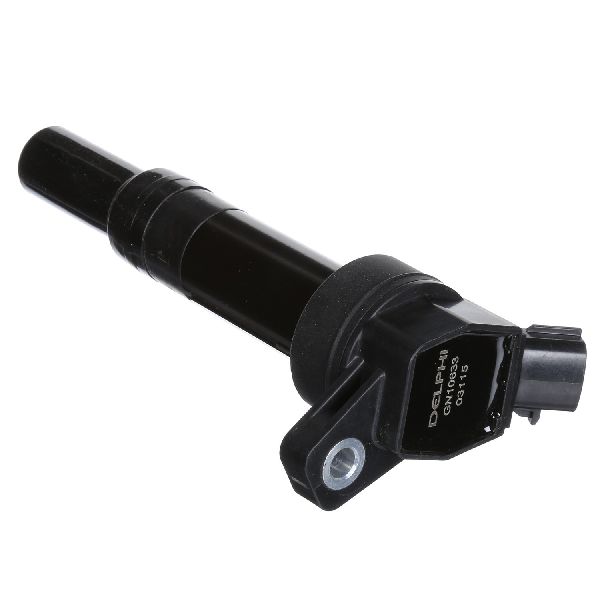
- Ignition Coil
(OEM #27300-2E601)— This is the most common cause of P0351 on this vehicle, with a known history of premature failure confirmed by a Kia service bulletin. This part is shared with many Hyundai/Kia 2.0L models.
Trusted brands: YURA (OEM), NGK, Delphi, Bosch, Denso
OEM price range: $70-$100
Aftermarket price range: $40-$80 - Spark Plug
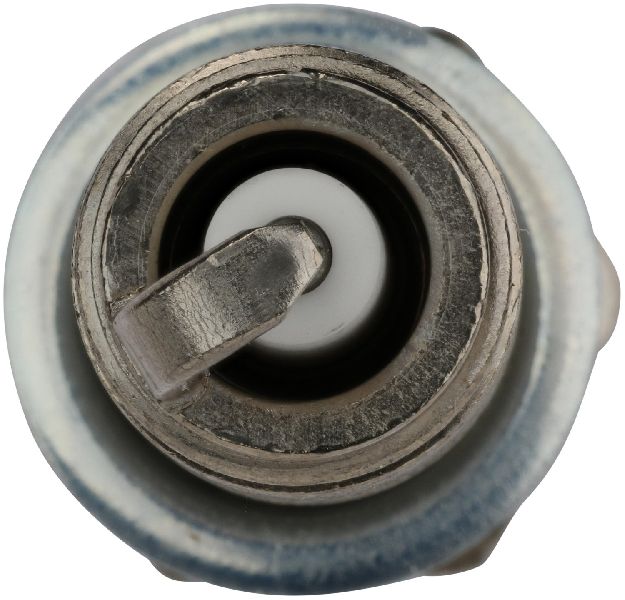
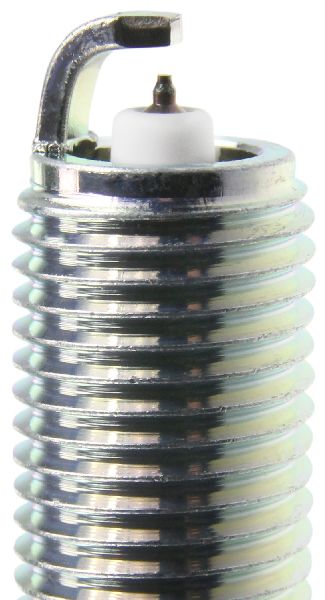
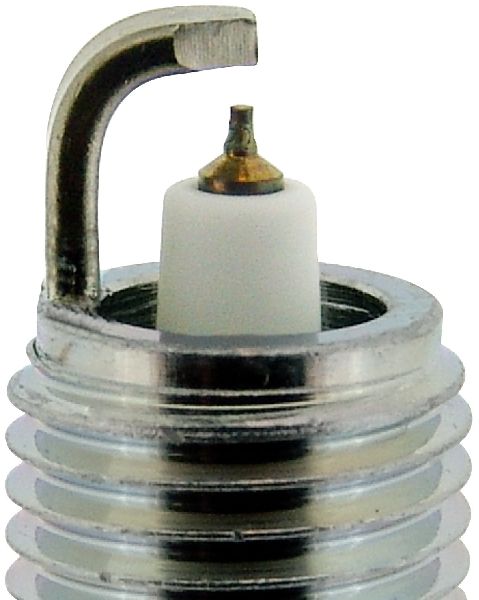
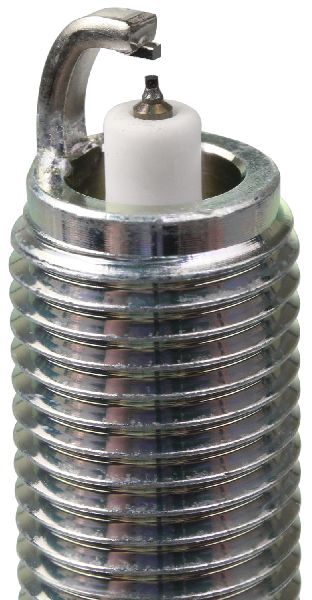
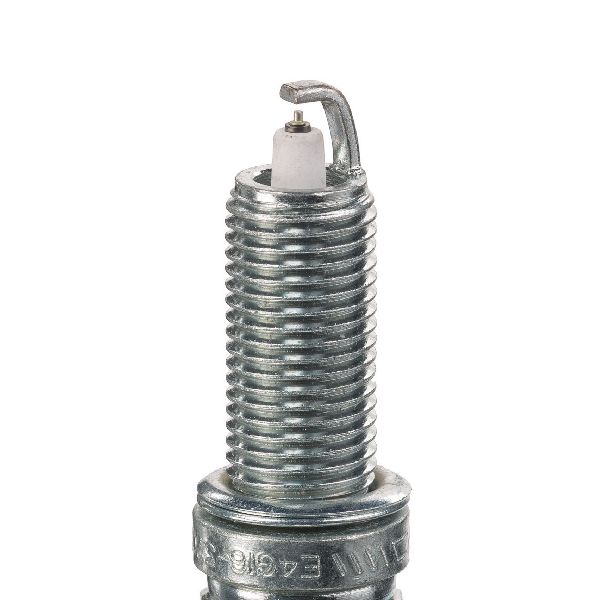
(OEM #18867-09095)— A faulty spark plug can cause a misfire and can also overwork and damage the ignition coil. It's a common maintenance item that should be replaced if its condition is poor, especially when replacing coils.
Trusted brands: NGK (OEM), Denso, Champion
OEM price range: $20-$30
Aftermarket price range: $10-$20
Related Codes That Often Appear With This One
- P0301 — P0301 is the code for 'Cylinder 1 Misfire Detected'. Since P0351 indicates a specific electrical fault in the ignition circuit for cylinder 1, it directly causes the misfire that triggers P0301. It is very common to see both codes together.
- P0300 — This code means 'Random/Multiple Cylinder Misfire Detected'. It can appear alongside P0351 if the misfire is severe or intermittent, or if other original ignition coils are also beginning to fail.
Technical Service Bulletins (TSBs) & Recalls
- SA321 / TSBENG181_R1: Addresses premature ignition coil failure for vehicles produced from May 2016 to Sept 2017. If a misfire code (P030x) is stored, the procedure is to replace all four ignition coils. If no misfire code is present (or a non-misfire code is set), the procedure is to replace only the RFI springs inside the coil boots.
Platform-Specific Known Issues
- Kia issued Technical Service Bulletin SA321 (also listed as TSBENG181_R1) for 2017-2018 Forte 2.0L MPI models due to premature ignition coil failure. The bulletin advises replacing all four ignition coils if a misfire DTC (P0300-P0304) is present.
Mechanic-Grade Diagnostic Values
- Ignition Coil Driver Signal from PCM — expected: 5 - 20 Hz. Failure: A reading of 0 Hz indicates no signal from the PCM. Significant DC voltage on the driver circuit indicates a short.
- Ignition Coil Power Supply Voltage — expected: Battery Voltage (approx. 12V). Failure: Low or no voltage indicates a problem in the power supply circuit from the ignition fuse/relay.
Hidden / Shadow Codes Worth Checking
- Mode 6, TID $A2: This is not a DTC, but a Test ID within OBD-II Mode 6 that stores raw misfire counts for cylinder 1. Reviewing this data can reveal if cylinder 1 is misfiring, even if the count is not yet high enough to set a P0301 code. A high count here strongly points to an ignition issue on cylinder 1. (see via An advanced OBD-II scan tool with Mode 6 capability. The Kia GDS dealer tool provides the most detailed data.)
Scan Tool Commands That Help
- Kia GDS (Global Diagnostic System): Resetting Adaptive Values — After replacing ignition coils and/or spark plugs, if the misfire persists. In some cases, the ECU may not adapt to the new components, and a 'hard reset' of the adaptive values is required to resolve the fault.
- Kia GDS (Global Diagnostic System): Actuation Test — Can be used to command specific components, though for ignition coils, the primary diagnostic is the swap test. The GDS can also be used to check for ECU software updates (per TSB SA285/ENG208) that may be required.
Wiring & Ground Locations
- Ignition Coil Connector — On top of the valve cover, plugged into the ignition coil for cylinder 1 (leftmost cylinder when facing the engine).. This connector provides power, ground, and the trigger (IGT) and confirmation (IGF) signals between the PCM and the coil. A loose connection, corrosion, or broken locking tab here is a common cause of P0351. The connector has 4 pins.
- 91860A7140 / 91860-B0130 — This is the part number for the engine ground wiring assembly. A key ground point is typically from the engine block or cylinder head to the chassis.. A poor engine ground can cause a wide range of electrical issues, including weak spark and ignition circuit faults. While not a primary cause, it should be checked if other diagnostics fail. Ensure all ground connections are clean, tight, and free of corrosion.
Real Owner Repair Stories
- Reddit user on r/kia (2017-2018 Kia Forte with Nu 2.0L MPI engine) — Recurring engine misfire, P030x codes.
❌ Tried (didn't work) Having the dealer replace coils under TSB SA321 at 38.5k miles., Having the dealer replace coils again under warranty at 60k miles.
✅ What actually fixed it The owner experienced a third failure at 108k miles. After diagnosing the bad coil via the swap test, they stopped using the OEM YURA coils and switched to an aftermarket brand (Duralast) that offered a lifetime warranty to avoid repeated replacement costs. - Go-Parts repair database, citing a documented case (2018 Kia Forte) — Persistent P0301 misfire on cylinder 1.
❌ Tried (didn't work) Replacing spark plugs., Swapping ignition coils (the misfire did not follow the coil)., Performing a compression test (which passed with 160-180 PSI across all cylinders).
✅ What actually fixed it A repair shop performed a 'hard reset' of the main computer (PCM). This suggests the ECU had failed to adapt to the new parts and was storing a persistent fault that could only be cleared by resetting its adaptive memory, likely using a dealer-level tool like the Kia GDS.
OEM Part Supersession History
27300-2E601 (Ignition Coil Assembly)→27300-2E601 (current)— No supersession found for the coil assembly itself. However, TSB SA321 introduced a procedure to replace the internal RFI spring as a separate service action under certain conditions, using part 273032E601QQK.
Heads up: The key variation is not a part number change, but the TSB procedure distinguishing between replacing the entire coil versus just the internal RFI spring based on the presence of misfire DTCs.
Model Year Variations Within This Range
- 2017-2018 (produced May 2016 - Sep 2017): Vehicles in this production range are subject to TSB SA321 for premature ignition coil or RFI spring failure.
- 2017 (produced May 2016 - Feb 2017): Vehicles in this production range may be eligible for an ECU software update under TSB SA285 to improve misfire detection logic and prevent false codes.
Diagnostic Flowchart
Other Known Issues on This Vehicle
Issues unrelated to this code that are worth knowing about as an owner of this generation:
- Engine Failure / Seizure (Oil Pump Issues) 🔴 High — Affects 2017-2018 models with the 2.0L Nu MPI engine. Significant enough to warrant a safety recall (SC210). (Ref: NHTSA Recall 21V260000 (Kia SC210). Foreign particles can block the oil pump, leading to oil starvation and catastrophic engine damage.)
- Excessive Oil Consumption 🟠 Medium — A known issue across multiple Kia/Hyundai engines including the Nu 2.0L. Owners may experience oil levels dropping by more than 1 quart per 1,000 miles. (Ref: Kia TSB ENG222. Addresses testing procedures for excessive oil consumption. Can be caused by improperly heat-treated piston rings.)
- Airbag Control Unit (ACU) Malfunction 🔴 High — A recall was issued for 2017-2018 Forte models where the ACU cover could damage a memory chip, potentially deactivating the airbags. (Ref: NHTSA Recall 22V031000 (Kia SC226). Dealers inspect the ACU and update software or replace the unit.)
- Engine Compartment Fire Risk (HECU Short) 🔴 High — A broad recall affecting many Kia models, including the Forte, where the Hydraulic Electronic Control Unit (HECU) for the anti-lock brake system can short circuit, posing a fire risk while parked or driving. (Ref: NHTSA Recall 23V-030 (related to a series of HECU fire recalls). Owners are often advised to park outside and away from structures.)
Used vs. New Parts: Buying Guide for This Vehicle
When a used part is the smart pick: Never. Given the well-documented high failure rate of the OEM YURA ignition coils on this specific engine, purchasing a used coil from a junkyard is extremely risky. The donor part is likely to have the same defect and a limited remaining lifespan.
What to inspect on the donor part:
- Not applicable, as used ignition coils are not recommended for this repair.
Aftermarket brands forum-validated for this vehicle:
- NGK
- Delphi
- Denso
- Duralast (often mentioned by owners for its lifetime warranty)
Brands owners have reported issues with on this vehicle:
- YURA (This is the OEM supplier, which has a documented high failure rate on this platform)
- Unknown, no-name brands from online marketplaces, which often have poor quality control.
Real Owner Stories
Aggregated from forums and TSBs cited above. Mileages and costs reflect what owners reported in those sources.
2017 Kia Forte 2.0L MPI — 38000 miles
Symptoms: Ignition coils kept going out repeatedly. Failures occurred at 38k, 60k, and 108k miles.
What fixed it: Switched to aftermarket Duralast coils with a lifetime warranty after multiple OEM YURA coil failures.
Source hint: Reddit r/AskMechanics: 'Ignition coils on 2017 Kia Forte kept going out, what gives?'
2016-2020 Hyundai Elantra (Nu 2.0L MPI)
Symptoms: P0351 code and engine misfire symptoms.
What fixed it: Replaced the ignition coil for cylinder 1 (Part No. 27300-2E601).
Source hint: AliExpress User Review / Forum Post
Related OBD-II Codes
Frequently Asked Questions
Does Kia TSB SA321 apply to my 2017-2018 Forte with the 2.0L MPI engine?
The TSB mentions replacing all four coils, but I only have a P0351 code. Should I just replace one?
What is the specific ignition coil part number for my 2017 Kia Forte 2.0L?
I've heard these engines have serious mechanical issues; could P0351 be related to the engine recall?
If I don't have a misfire code but the car is acting up, does the TSB still recommend replacing the whole coil?
Where is Cylinder 1 located on my Kia Forte engine?
Helpful Videos
We Have This Part in Stock

The information in this article is provided for general reference and educational purposes only. Vehicle specifications, procedures, and part compatibility can vary by production date, trim level, and region. Always consult your vehicle's factory service manual and verify part numbers before purchasing or performing repairs. Safety-critical components such as airbags, seat belts, and braking systems should be installed by a qualified professional.
- Kia Forte:
- 🧭 Diagnostic Flowchart
- 🎬 Helpful Videos
- 🛍️ Shop This Part
- What's Unique About the 2017-2018 Kia Forte
- Symptoms You May Notice
- Most Likely Causes
- Rare But Worth Checking
- Diagnosis Steps
- Parts You'll Likely Need
- Related Codes That Often Appear With This One
- Technical Service Bulletins (TSBs) & Recalls
- Platform-Specific Known Issues
- Mechanic-Grade Diagnostic Values
- Hidden / Shadow Codes Worth Checking
- Scan Tool Commands That Help
- Wiring & Ground Locations
- Real Owner Repair Stories
- OEM Part Supersession History
- Model Year Variations Within This Range
- Other Known Issues on This Vehicle
- Used vs. New Parts: Buying Guide for This Vehicle
- Real Owner Stories
- 2017 Kia Forte 2.0L MPI — 38000 miles
- 2016-2020 Hyundai Elantra (Nu 2.0L MPI)
- Related OBD-II Codes
- Frequently Asked Questions
- 🎟️ Get 5% Off