

P0351 on 2008-2015 Nissan Rogue: Ignition Coil 'A' Circuit Causes and Fixes
On a 2008-2015 Nissan Rogue, code P0351 almost always points to a failed ignition coil on cylinder 1. This is a common, inexpensive, and easy DIY fix, typically costing $40-$80 for an aftermarket coil and taking less than 30 minutes to replace. Swapping the coil from cylinder 1 to another cylinder is the definitive way to confirm the failure.
- P0351 on a 2008-2015 Rogue means the ignition coil on cylinder 1 has an electrical fault.
- The most likely cause is a failed ignition coil, which is a simple and inexpensive DIY replacement.
- Confirm the bad coil by swapping it with a coil from another cylinder and seeing if the code changes (e.g., to P0352).
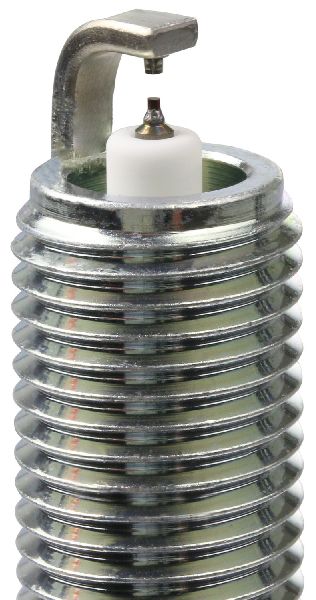
- Always inspect the spark plug and replace it if it's worn or fouled. The OEM plug is NGK DILKAR6A11.
- While driving is possible, a flashing check engine light indicates a severe misfire that can damage the catalytic converter, so driving should be avoided.
What's Unique About the 2008-2015 Nissan Rogue
The QR25DE engine used in this generation of Rogue is a workhorse for Nissan, but like many modern engines, its coil-on-plug ignition coils are a common wear item that fail with heat and age. There isn't a fundamental design flaw causing this code; rather, it's a typical maintenance issue. The good news is that the coils are extremely easy to access on top of the engine, making diagnosis and replacement one of the simpler jobs on this vehicle.
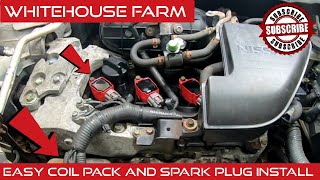
🎬 Watch: 2009 Nissan Rogue spark plug and coil replacement walkthroughGeneration note: The 2008-2015 year range covers the entire first generation Rogue (2008-2013) and the first two years of the second generation (2014-2015). The first generation was also sold as the 'Rogue Select' for 2014 and 2015. Both generations in this range use the QR25DE 2.5L engine, and the causes, parts, and repair process for code P0351 are identical.
Symptoms You May Notice
- Check Engine Light is on (may be flashing if the misfire is severe)
- Rough or vibrating idle
- Engine sputtering or hesitating during acceleration
- Noticeable loss of engine power
- Reduced fuel economy
- Difficulty starting the engine
- Engine shaking, especially under load.
- Replacing only the spark plug without testing the ignition coil. A bad coil can foul a new plug quickly.
- Assuming the ECM is bad without first performing the coil swap test and thoroughly checking the wiring.
- Replacing the catalytic converter for a P0420 code without first addressing the root cause, which is often a misfire from a bad coil (P0351/P0301) sending unburned fuel into the exhaust.
Most Likely Causes
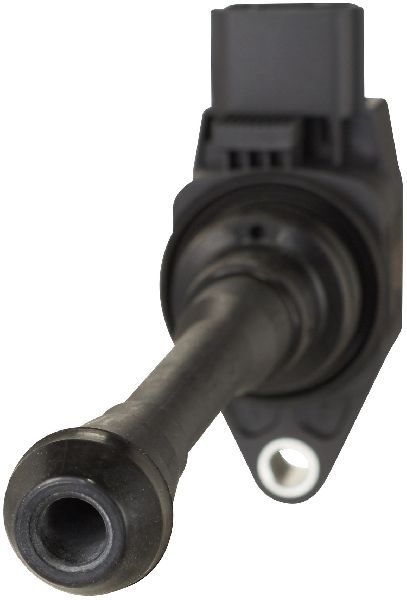
- Failed Ignition Coil (Cylinder 1) 🔴 High Probability → Shop Ignition Coil Ignition coils are a common wear item on most modern engines, failing due to constant heat cycles and vibration. They typically last around 100,000 miles. On the QR25DE, they are a well-documented failure point.
How to confirm: The easiest method is to swap the ignition coil from cylinder 1 with another cylinder (e.g., cylinder 2). Clear the codes and drive the vehicle. If the code changes to P0352 (Ignition Coil 'B' Circuit), the coil is definitively bad. This is a standard diagnostic procedure confirmed by many owners.
Typical fix: Replace the faulty ignition coil. It is often recommended to replace all four coils at once, especially on a higher mileage vehicle, as they tend to fail around the same time.
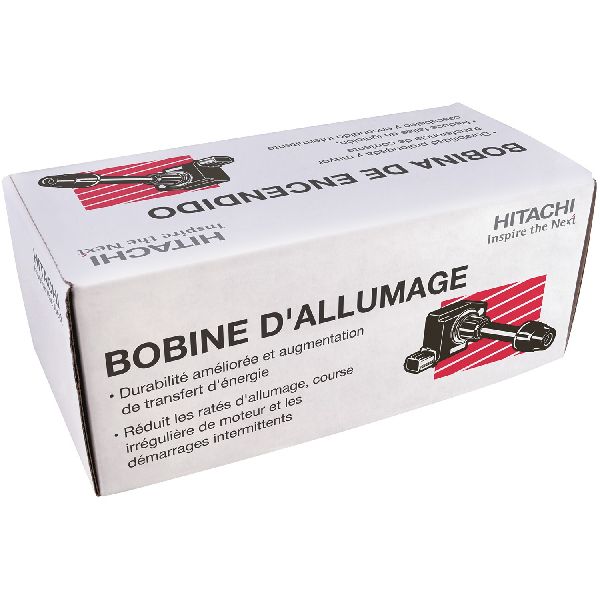
Est. part cost: $40-$90 for one aftermarket coil, $110-$180 for one OEM coil from a brand like Hitachi. - Worn or Fouled Spark Plug (Cylinder 1) 🟡 Medium Probability → Shop Spark Plug A worn-out or fouled spark plug can increase the electrical resistance, putting extra strain on the ignition coil and potentially causing it to fail or trigger a circuit fault code. Additionally, leaking valve cover spark plug tube seals can cause oil to pool in the spark plug well, fouling the plug and damaging the coil boot. 🎬 See how to fix a misfire caused by oil on the spark plug
How to confirm: Remove the ignition coil and then the spark plug from cylinder 1. Inspect it for a worn electrode, heavy carbon buildup, or signs of oil or fuel fouling. Compare it to a plug from another cylinder.
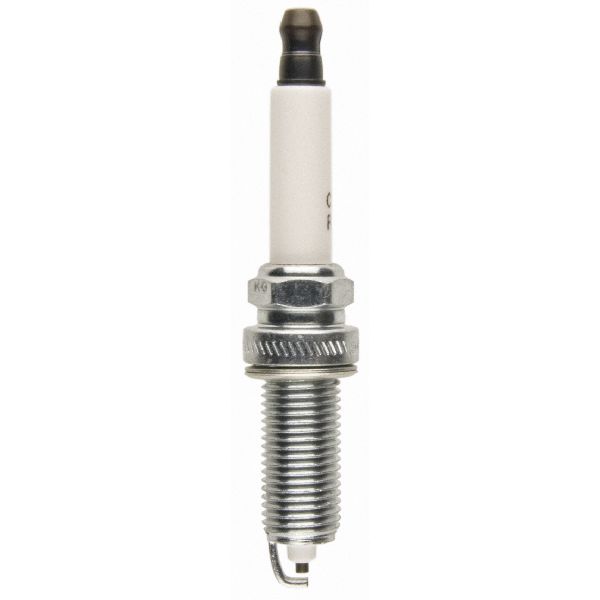
Typical fix: Replace the spark plug. The OEM recommended plug is an NGK Iridium plug, model DILKAR6A11. It is best practice to replace all four spark plugs at the same time as a set.
Est. part cost: $15-$25 per spark plug. - Damaged Wiring or Connector ⚪ Low Probability The plastic connector for the ignition coil can become brittle from engine heat and break, or the wiring can become frayed or corroded over time. This is less common than coil or plug failure but does happen.
How to confirm: Visually inspect the electrical connector and wiring harness going to the cylinder 1 ignition coil. Check for cracks, loose pins, corrosion, or broken wires. Wiggle the connector with the engine running to see if it affects the idle.
Typical fix: Repair the damaged section of wire or replace the pigtail connector.
Est. part cost: $10-$30 for a new connector pigtail.
Rare But Worth Checking
- Faulty Engine Control Module (ECM): → Shop Engine Control Module (ECM) This is very rare. The internal driver circuit in the ECM that controls the ignition coil can fail. This should only be considered after all other possibilities (coil, plug, wiring) have been definitively ruled out.
Diagnosis Steps
- Read the trouble codes with an OBD-II scanner to confirm P0351 and check for any other codes like P0301.
- Identify Cylinder 1. On the QR25DE engine, it is the cylinder on the far left when facing the engine from the front of the car (U.S. passenger side).
- Visually inspect the electrical connector and wiring for the cylinder 1 ignition coil. Look for any obvious damage, corrosion, or loose connections.
- Perform the Coil Swap Test: Turn off the engine. Unplug the electrical connectors from the ignition coils on cylinder 1 and cylinder 2. Remove the 10mm bolt holding each coil. Swap the positions of the two coils. Reinstall the bolts and plug them in.
- Clear the fault codes with the scanner. Start the engine and let it run for a minute or two, or take a short drive.
- Re-scan for codes. If the code has changed to P0352 (Ignition Coil 'B' Circuit), the ignition coil you moved from cylinder 1 is faulty and needs to be replaced.
- If code P0351 returns, the problem is not the coil. The fault lies in the wiring or, rarely, the ECM. At this point, remove and inspect the spark plug from cylinder 1.
- If the spark plug is fouled with oil, inspect the valve cover spark plug tube seals for leaks.
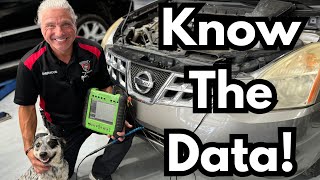
- If the plug and coil are good, the next step is to test the wiring between the ECM and the coil connector for continuity and shorts to ground or power. This requires a multimeter and a wiring diagram. 🎬 Watch: An alternative way to test misfires without swapping parts
Parts You'll Likely Need
- Ignition Coil
(OEM #22448-JA00C)— This is the most common failure part for code P0351. Heat and vibration cause the internal windings to fail over time.
Trusted brands: Hitachi (OEM supplier), NGK, Denso, Delphi
OEM price range: $110-$180
Aftermarket price range: $40-$90 - Spark Plug
(OEM #NGK DILKAR6A11)— A worn spark plug can cause this code or be fouled by the misfire. It is best practice to replace the spark plug when replacing the coil. This is the OEM Iridium plug.
Trusted brands: NGK, Denso
OEM price range: $15-$25
Aftermarket price range: $10-$18
Related Codes That Often Appear With This One
- P0301 — P0301 means 'Cylinder 1 Misfire Detected'. Since P0351 indicates a fault in the ignition circuit for cylinder 1, it is the direct cause of the misfire, so these two codes almost always appear together.
- P0300 — This code for 'Random/Multiple Cylinder Misfire' can sometimes appear if the misfire from cylinder 1 is severe enough to affect engine balance and cause the crankshaft position sensor to incorrectly detect misfires on other cylinders.
Technical Service Bulletins (TSBs) & Recalls
- NTB16-121: While not directly for P0351, this TSB addresses reprogramming the Transmission Control Module (TCM) on 2014-2016 Rogues for issues that can include hesitation. It's relevant for owners to be aware of the vehicle's overall electronic service history.
Mechanic-Grade Diagnostic Values
- Ignition Coil Connector - Power Supply Voltage — expected: 11 to 14 V (Battery Voltage). Failure: Voltage below 11V or 0V indicates a problem with the power supply from the IPDM E/R (Intelligent Power Distribution Module Engine Room).
- Ignition Coil Connector - Ground Continuity — expected: Below 1.0 Ω. Failure: Resistance higher than 1.0 Ω indicates a poor ground connection, which can cause weak coil performance.
- Ignition Coil Connector - ECM Driver Signal (Hertz Test) — expected: 5 Hz to 20 Hz at idle. Failure: A reading of 0 Hz indicates no trigger signal from the ECM, pointing to a wiring break or a faulty ECM driver. A stable frequency confirms the ECM and wiring to the coil are likely good.
- Ignition Coil Primary Resistance — expected: 0.4 to 2.0 Ohms. Failure: A reading outside this range indicates a faulty primary winding in the coil.
- Ignition Coil Secondary Resistance — expected: 6,000 to 10,000 Ohms (6kΩ - 10kΩ). Failure: A reading outside this range indicates a faulty secondary winding in the coil.
Scan Tool Commands That Help
- Nissan CONSULT or compatible advanced scanner: Power Balance Test — This active test allows a technician to individually cut power to each cylinder's ignition coil (or injector) and monitor the RPM drop. If cutting power to cylinder 1 results in little or no change in RPM, it definitively confirms that cylinder 1 is not contributing power, validating the misfire location before swapping parts.
Wiring & Ground Locations
- Ignition Coil 1 Connector — On top of the valve cover, plugged into the ignition coil for the cylinder on the far left (passenger side) of the engine.. This is the primary connection point for all power, ground, and signal wires for the cylinder 1 coil. The connector itself or its terminals are a common point of failure due to heat and vibration.
- ECM (Engine Control Module) — Located in the engine compartment, on the left (driver) side.. The ECM sends the trigger signal to the ignition coil. All wiring for the coil circuit originates from the ECM connectors (e.g., F52, F56 on some models).
- Engine Ground (e.g., E21, F9) — There are multiple engine ground points. Key grounds are typically located on the left front of the engine compartment and on the engine block itself.. A poor engine ground can cause a host of electrical issues, including weak spark or intermittent ignition circuit faults. Verifying a clean, tight ground connection is a crucial step if wiring is suspected.
- IPDM E/R (Intelligent Power Distribution Module Engine Room) — Located in the left side of the engine compartment, this module contains fuses and relays.. The IPDM E/R supplies the 12V power to the ignition coils. A fault within this module or its related fuses/relays could cut power to the coil circuit.
Real Owner Repair Stories
- Product Review / Owner Story (2018 Nissan Rogue) — Sputtering on highway exits, especially after rain. Flashing, then solid check engine light with codes P0351, P0352, and P0353 appearing over a week.
❌ Tried (didn't work) Replacing spark plugs, Replacing only the single failed ignition coil (P0351), which led to other coils failing and new codes (P0352, P0354) appearing shortly after.
✅ What actually fixed it Replacing all four ignition coils as a matched set resolved the issue. The owner noted that in humid climates, moisture can degrade aging coils, causing intermittent failures that spread from one coil to the others.
OEM Part Supersession History
22448-JA00A→22448-JA00C— Standard part revision and improvement by the manufacturer.22448-ED000→22448-JA00C— Part consolidation across multiple platforms.22448-JA00C→22448-1KT1A— Further revision for newer models, but remains backward compatible.
Heads up: 22448-JA00C is still widely sold and used for this vehicle range, but 22448-1KT1A is a newer valid number.
Diagnostic Flowchart
Other Known Issues on This Vehicle
Issues unrelated to this code that are worth knowing about as an owner of this generation:
- CVT Transmission Failure 🔴 High — Very common across all years in this range (2008-2015). Problems include shuddering, hesitation, overheating, and complete failure, often before 100,000 miles. (Ref: Nissan extended the CVT warranty for many models to 10 years/120,000 miles for early years and 84 months/84,000 miles for later years due to class-action lawsuits.)
- AC Compressor Failure 🟠 Medium — Commonly reported issue where the AC blows warm air. The compressor clutch often fails, or the compressor itself may break down prematurely, sometimes as early as 60,000 miles.
- Inaccurate Fuel Gauge / Faulty Fuel Sending Unit 🟡 Low — Widespread problem where the fuel gauge reads incorrectly (e.g., not showing full after a fill-up, or fluctuating randomly). This is almost always caused by a faulty fuel level sending unit in the tank. (Ref: Nissan issued a Technical Service Bulletin (NTB09-009) for this issue on early models.)
- Electrical System Glitches 🟡 Low — Owners report various electrical issues, including malfunctioning dashboard gauges, faulty power door locks, and infotainment system problems.
Used vs. New Parts: Buying Guide for This Vehicle
When a used part is the smart pick: A used ignition coil from a junkyard is generally a poor choice for this repair. Ignition coils are a common wear item with a finite lifespan determined by heat cycles and mileage, not just age. A used coil carries an unknown history and is likely to fail sooner rather than later, making the small cost savings a significant risk. It is only advisable in an emergency to get the vehicle running temporarily.
Donor-vehicle mileage cap: roughly under 60000 miles for the part to have meaningful remaining life.
What to inspect on the donor part:
- Ask for the mileage of the donor vehicle; anything over 60,000 miles is a gamble.
- Inspect the plastic housing for any cracks, melting, or signs of arcing (white or black burn marks).
- Check the electrical connector for corrosion or broken locking tabs.
- Look at the rubber boot for tears, swelling, or oil contamination, which indicates it was exposed to a leaking valve cover gasket.
Aftermarket brands forum-validated for this vehicle:
- Hitachi (often the Original Equipment Manufacturer)
- NGK
- Denso
- Delphi
Brands owners have reported issues with on this vehicle:
- Unnamed, no-brand ignition coils from online marketplaces are a significant risk. While very cheap, they have a high rate of premature failure and can cause running issues or even damage the ECM driver circuit.
Real Owner Stories
Aggregated from forums and TSBs cited above. Mileages and costs reflect what owners reported in those sources.
2009 Nissan Rogue 2.5L — ~100000 miles
Symptoms: The owner experienced a misfire and received a diagnostic trouble code indicating a circuit fault.
What fixed it: The owner diagnosed the issue by swapping the ignition coil from cylinder 4 to cylinder 3. When the code followed the coil, they confirmed the coil was bad and replaced it.
Source hint: nissanforums.com - Thread titled 'Ignition Coil lifespan'
Related OBD-II Codes
Frequently Asked Questions
Which spark plugs should I use for my 2008-2015 Nissan Rogue 2.5L to prevent P0351?
Where is Cylinder 1 located on my Rogue's QR25DE engine?
Does TSB NTB16-121 fix the P0351 ignition coil code?
Can a leaking valve cover cause my ignition coils to fail repeatedly?
Is it okay to replace just the one bad coil on my high-mileage Rogue?
How can I be sure the ignition coil is actually the problem before buying a new one?
Helpful Videos
We Have This Part in Stock


The information in this article is provided for general reference and educational purposes only. Vehicle specifications, procedures, and part compatibility can vary by production date, trim level, and region. Always consult your vehicle's factory service manual and verify part numbers before purchasing or performing repairs. Safety-critical components such as airbags, seat belts, and braking systems should be installed by a qualified professional.
- Nissan Rogue:
- 🧭 Diagnostic Flowchart
- 🎬 Helpful Videos
- 🛍️ Shop This Part
- What's Unique About the 2008-2015 Nissan Rogue
- Symptoms You May Notice
- Most Likely Causes
- Rare But Worth Checking
- Diagnosis Steps
- Parts You'll Likely Need
- Related Codes That Often Appear With This One
- Technical Service Bulletins (TSBs) & Recalls
- Mechanic-Grade Diagnostic Values
- Scan Tool Commands That Help
- Wiring & Ground Locations
- Real Owner Repair Stories
- OEM Part Supersession History
- Other Known Issues on This Vehicle
- Used vs. New Parts: Buying Guide for This Vehicle
- Real Owner Stories
- 2009 Nissan Rogue 2.5L — ~100000 miles
- Related OBD-II Codes
- Frequently Asked Questions
- 🎟️ Get 5% Off