

P0352 on 2008-2012 Ford Escape 2.5L: Ignition Coil 'B' Circuit Malfunction Causes and Fixes
This code almost always points to a failed ignition coil on cylinder #2. A DIY replacement is easy and costs about $30-$60 for a quality aftermarket coil. It's highly recommended to replace the spark plug at the same time. In some cases, a shorted coil can damage the Powertrain Control Module (PCM), requiring a more complex repair.
- P0352 on your Escape almost certainly means the ignition coil on cylinder #2 has failed.
- The easiest way to confirm a bad coil is to swap it with one from another cylinder and see if the trouble code follows it.
- Always replace the spark plugs when you replace ignition coils to prevent premature failure of the new parts.
- If a new coil and plug don't fix the issue, carefully inspect the wiring connector for damage before suspecting a more serious PCM problem.
- Avoid driving with a misfire to prevent costly damage to your catalytic converter.
What's Unique About the 2008-2012 Ford Escape
On this generation of Ford Escape with the 2.5L engine, a P0352 code is a straightforward ignition issue. However, a notable and well-documented concern across many Ford platforms of this era is that a failing ignition coil can short out and damage the driver circuit inside the Powertrain Control Module (PCM). While not the most common outcome, it's a known possibility. If a new coil and spark plug don't resolve the code, the PCM itself should be investigated before further parts are replaced. Repair services exist specifically for this failure mode, where they repair the damaged driver circuit.
Symptoms You May Notice
- Check Engine Light is on
- Engine shaking, vibrating, or running rough (misfiring)
- Noticeable loss of power, especially during acceleration
- Rough or unstable idle
- Reduced fuel economy
- A flashing Check Engine Light during heavy engine load, indicating a severe misfire
- Replacing only the spark plug without testing or replacing the coil.
- Assuming a transmission problem due to the car jerking or hesitating under load.
- Replacing the fuel injector on cylinder #2, when the issue is with the ignition (spark) circuit.
Most Likely Causes
- Failed Ignition Coil on Cylinder #2 🔴 High Probability → Shop Ignition Coil Ignition coils are wear-and-tear components that operate under high heat and voltage. They have a finite lifespan and are a very common failure item on this platform.
How to confirm: The easiest method is to swap the ignition coil from cylinder #2 with another cylinder (e.g., cylinder #1). Cylinder #2 is the second from the left when facing the engine. Clear the codes with a scanner, start the engine, and see if the code changes to P0351. If it does, the coil is confirmed bad.
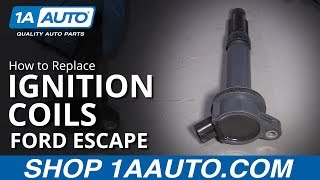
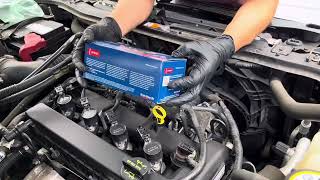
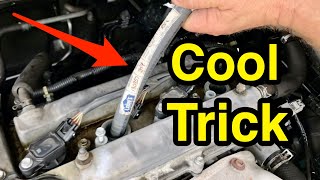
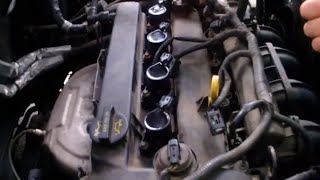
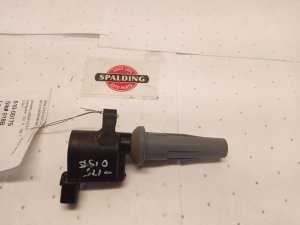
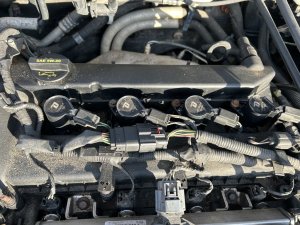
Typical fix: Replace the faulty ignition coil. The coils are located on top of the engine, each held by a single 8mm bolt, making for a simple replacement. 🎬 Watch: A quick walkthrough on replacing your ignition coils.
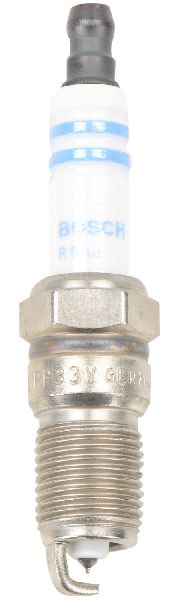
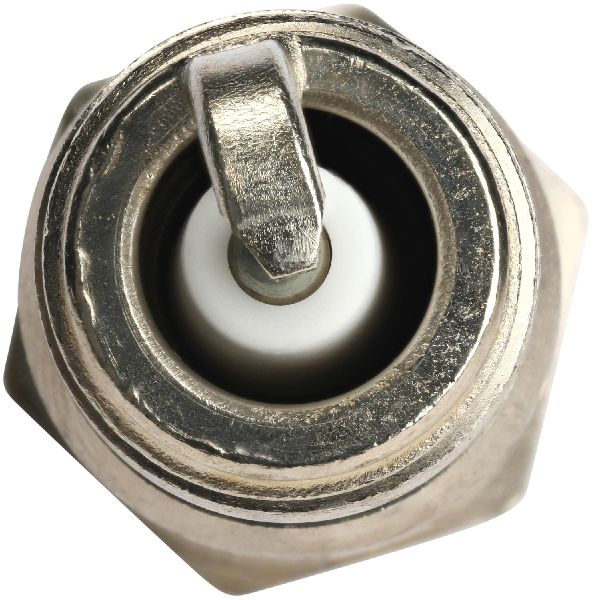
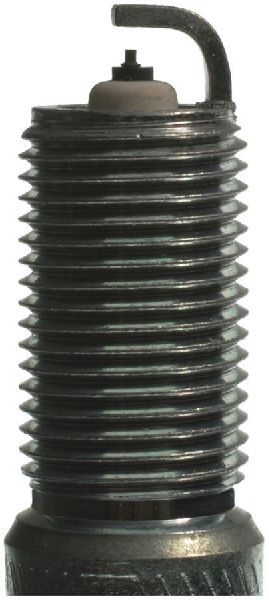
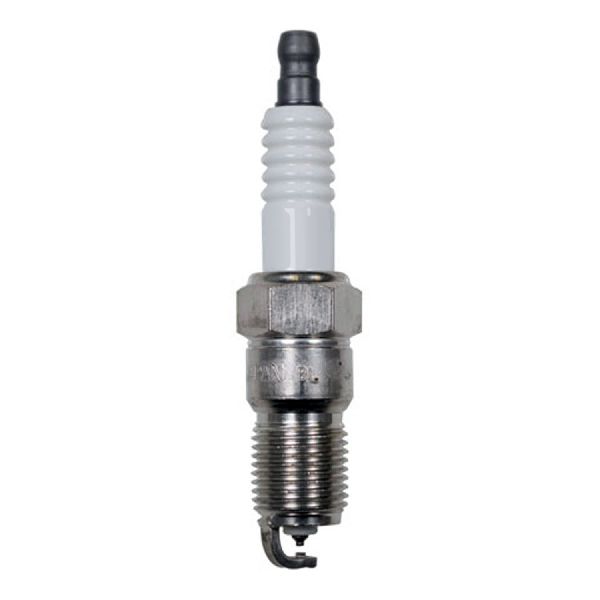
Est. part cost: $30-$75 - Worn or Fouled Spark Plug 🟡 Medium Probability → Shop Spark Plug A worn-out spark plug with a large gap forces the ignition coil to work harder to create a spark, which can lead to premature coil failure. It's considered best practice to replace them with the coils.
How to confirm: Visually inspect the spark plug for wear, corrosion, or oil fouling when you remove the ignition coil. If it looks old or is contaminated, it needs replacement.
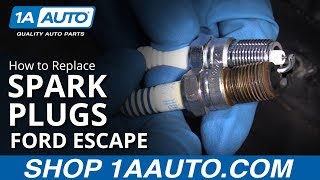
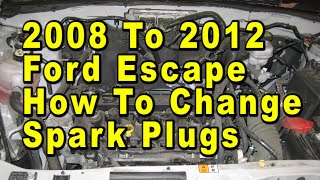
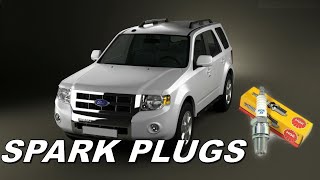
Typical fix: Replace the spark plug in cylinder #2. It is best practice to replace all four spark plugs at the same time you replace an ignition coil to ensure longevity. 🎬 Watch this guide to learn how to replace your spark plugs.
Est. part cost: $5-$15 per plug - Damaged Wiring or Connector ⚪ Low Probability Engine vibration and heat can cause the wiring harness or the plastic connector for the ignition coil to become brittle, cracked, or corroded over time. The harness passing over engine components can also chafe and fray insulation.
How to confirm: Visually inspect the electrical connector and the wires leading to the cylinder #2 ignition coil. Look for cracks, exposed copper, corrosion on the pins, or a loose fit. Wiggle the harness with the engine running to see if it induces a misfire.
Typical fix: Repair the damaged section of wire or replace the pigtail connector if it's broken or corroded. The pigtail connector is often available as a separate part (e.g., Motorcraft WPT-1057).
Est. part cost: $15-$30 for a new pigtail connector - Leaking Valve Cover Gasket ⚪ Low Probability → Shop Engine Valve Cover The gasket sealing the valve cover can become hard and brittle with age, allowing engine oil to leak down into the spark plug tubes. This is a common issue on the 2.5L engine.
How to confirm: When you pull the ignition coil out, check for liquid oil in the spark plug tube or on the coil boot and spark plug. The presence of oil confirms the leak.
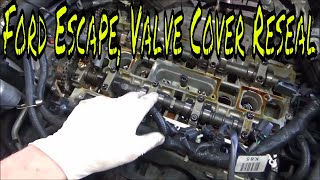
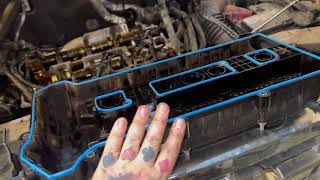
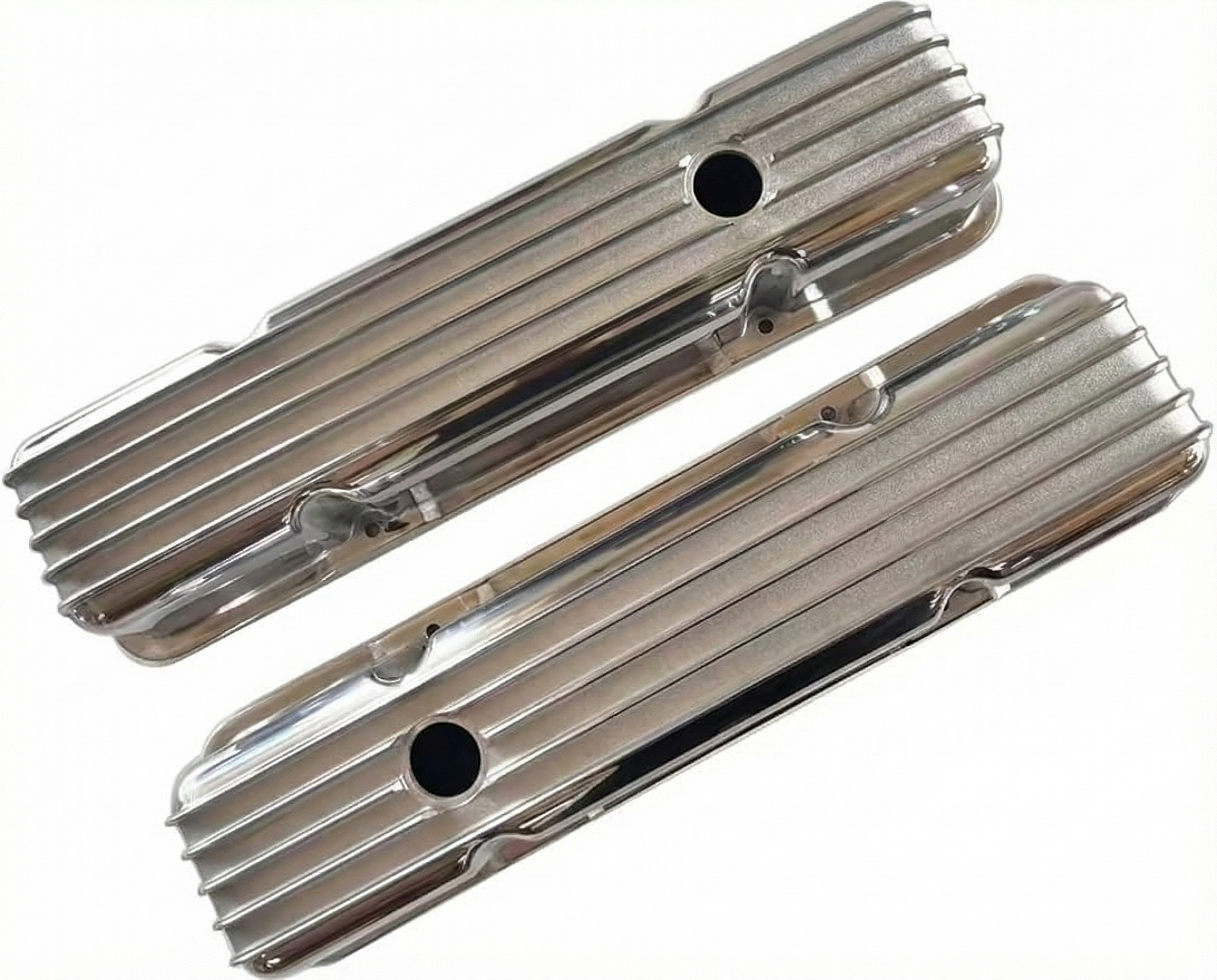
Typical fix: Replace the valve cover gasket and the spark plug tube seals. Clean all oil out of the tube before installing the new spark plug and coil. It is recommended to use a quality gasket set like Mahle or Victor Reinz to avoid premature failure. 🎬 See how to replace the valve cover gasket step-by-step.
Est. part cost: $25-$60 for a gasket set
Rare But Worth Checking
- Faulty Powertrain Control Module (PCM): → Shop Engine Control Module (ECM) A shorted ignition coil can send a voltage spike back to the PCM, damaging the internal driver for that cylinder. If you've replaced the coil and plug, and have verified the wiring is good, the PCM is the next likely culprit. This is a known issue on some Ford vehicles of this era. A forum user on Ford Truck Enthusiasts experienced this exact scenario, where even a new coil didn't fix the P0352 until the PCM was addressed. Repair services like Circuit Board Medics specialize in fixing this specific PCM failure for around $230.
Diagnosis Steps
- Read the trouble codes with an OBD-II scanner to confirm P0352 and note any other codes like P0302.
- Turn off the engine. Locate the ignition coils on top of the engine cover. Cylinder #2 is the second from the front (passenger side) of the engine.
- Swap the ignition coil from cylinder #2 with the coil from cylinder #1. This is a simple test to isolate the coil.
- Clear the codes using the scanner and start the engine. Let it run for a minute or two.
- Re-scan for codes. If the code has changed to P0351 ('Ignition Coil A...'), the ignition coil is faulty and needs to be replaced.
- If the code remains P0352, the problem is likely in the wiring or the PCM. Turn off the engine.
- Disconnect the coil connector for cylinder #2 and inspect it closely for corrosion, damage, or loose pins. Inspect the wiring for any visible breaks or heat damage.
- While the coil is out, inspect the spark plug tube for any signs of oil. If oil is present, the valve cover gasket is leaking and must be replaced.
- If the wiring appears good, use a multimeter to check for 12V power at the coil connector with the key on. Then, use a noid light or an oscilloscope to verify the PCM is sending a trigger signal on the other wire while cranking the engine.
- If there is power but no trigger signal from the PCM, and the wiring is confirmed to be intact, the PCM's coil driver has likely failed. The PCM will need to be repaired or replaced.
Parts You'll Likely Need
- Ignition Coil
(OEM #9L8Z-12029-A (Motorcraft DG541))— This is the most common failure point for a P0352 code.
Trusted brands: Motorcraft, NGK, Delphi, Bosch
OEM price range: $60-$90
Aftermarket price range: $30-$60 - Spark Plug
(OEM #CYFS-12Y-2 (Motorcraft SP-520))— It is best practice to replace spark plugs when replacing coils, as a worn plug can cause the new coil to fail prematurely.
Trusted brands: Motorcraft, NGK
OEM price range: $8-$12
Aftermarket price range: $5-$10 - Valve Cover Gasket Set
(OEM #7T4Z-6584-A)— Needed if oil is found in the spark plug wells, a common issue on this engine.
Trusted brands: Mahle, Fel-Pro, Victor Reinz
OEM price range: $40-$70
Aftermarket price range: $25-$50
Related Codes That Often Appear With This One
- P0302 — P0302 means 'Cylinder 2 Misfire Detected'. P0352 is the specific electrical cause (the coil circuit fault) that leads to the P0302 misfire event.
- P0351, P0353, P0354 — If multiple ignition coil circuit codes are present (e.g., P0352, P0353, P0354), it points towards a common problem like a wiring harness issue, a ground problem, or a failing PCM, rather than multiple individual coil failures at once.
Technical Service Bulletins (TSBs) & Recalls
- TSB 11-10-10: Addresses intermittent rough idle and potential DTCs P0351-P0358 on various Ford models. It advises inspecting for corrosion at the coil-on-plug connectors and applying dielectric grease, confirming that connector integrity is a known concern.
- TSB 14-0194: While not directly for P0352, this TSB addresses misfires on some Ford models related to corrosion in the ignition coil connectors, highlighting that wiring and connection integrity is a known area of concern.
- Bulletin #SSM 47180: Notes that vehicles may exhibit a misfire and illuminated MIL with DTCs P0351, P0352, P0353, and/or P0354 due to a poor connection at the cylinder head ground.
Platform-Specific Known Issues
- A failing ignition coil can send a voltage spike back to the Powertrain Control Module (PCM), damaging the internal driver for that cylinder. This is a known issue that can turn a simple coil replacement into a more complex and expensive PCM repair or replacement.
- The valve cover gasket is prone to leaking oil directly into the spark plug wells, which can saturate the ignition coil boot and cause misfires or coil failure.
- The threaded metal inserts in the plastic valve cover for the ignition coil hold-down bolts can sometimes break loose, causing the bolt and insert to spin together. This can complicate coil replacement.
- NHTSA ODI #11131030 describes a scenario where a vehicle was diagnosed with P0351, P0352, P0354, and P0355 ignition coil faults alongside a total PCM failure.
Mechanic-Grade Diagnostic Values
- Ignition Coil Primary Resistance — expected: 0.4 to 2.0 ohms. Failure: A reading of zero indicates an internal short; a reading significantly over the expected range (or OL) indicates an open circuit.
- Ignition Coil Secondary Resistance — expected: 6,000 to 10,000 ohms. Failure: A reading of zero indicates an internal short; a reading significantly over this range indicates an open circuit.
- Ignition Coil Connector Pin 1 (Power Feed) — expected: Battery Voltage (approx. 12.6V) with Key On, Engine Off.. Failure: No voltage indicates a problem with the power supply from the fuse box or relay.
- Ignition Coil Connector Pin 2 (PCM Trigger) — expected: Pulsing ground signal when cranking the engine (best viewed with a noid light or oscilloscope).. Failure: No signal indicates a break in the wire to the PCM or a failed PCM driver.
Hidden / Shadow Codes Worth Checking
- Mode 6, TID $53, CID $02: On pre-CAN bus Ford models, this Test ID (TID) and Component ID (CID) tracks the raw misfire count for cylinder #2. A high count here, even without a Check Engine Light, can indicate an intermittent problem with the coil, plug, or wiring before it's bad enough to set a P0302 or P0352. (see via A capable OBD-II scanner that can display Mode 6 data, such as FORScan software with an appropriate adapter.)
- Mode 6, TID $A3: On newer CAN bus models, misfire counts for cylinder #2 are often found under Test ID $A3. Monitoring the 'Value' against the 'Max' threshold can reveal developing issues. (see via A capable OBD-II scanner that can display Mode 6 data. The exact TID can vary, so look for descriptions like 'Misfire Cylinder 2 Data'.)
Scan Tool Commands That Help
- Ford IDS (or high-end aftermarket scanner like FORScan): Power Balance Test — When a misfire is felt but the specific cylinder is uncertain. This bidirectional test allows the technician to command the PCM to shut off fuel to each cylinder one by one. A significant and consistent RPM drop should occur for healthy cylinders. If disabling cylinder #2 causes little or no change in RPM, it confirms that cylinder was not contributing, pointing to a fault in its ignition, fuel, or compression.
Wiring & Ground Locations
- Ignition Coil Ground Stud — A small ground wire pigtails off the main ignition harness and attaches to a metal stud on the valve cover, often between cylinders #2 and #3.. This is a dedicated ground for the ignition coil circuit. If this stud's nut becomes loose or corroded, it can cause an open circuit fault for multiple coils simultaneously (P0351, P0352, etc.) even though the coils themselves are good.
- G101 — On the rear of the engine for the 2.5L model.. This is a primary engine ground. A poor connection here can cause a wide range of electrical issues, including erratic behavior from the ignition system and PCM.
- G110 — On the left rear of the engine compartment for the 2.5L model.. This ground point is referenced in relation to ignition system problems. A loose or corroded G110 can lead to intermittent ignition faults.
- Engine Block Ground — A main negative ground cable attaches to the engine block next to the oil filter.. This is a critical ground path for the entire engine. Corrosion or a loose connection here can cause insufficient grounding for various components, including the PCM and ignition system, leading to phantom codes.
- Harness Chafe Point — Inspect the wiring harness where it passes over the engine mount.. Engine vibration can cause the harness to rub against the engine mount, eventually wearing through the insulation on the coil trigger wire. This creates an intermittent short or open circuit that can be difficult to find and will not be fixed by replacing the coil.
Real Owner Repair Stories
- YouTube channel 'Ford Boss Me' (2017 Ford Escape (similar ignition setup)) — Vehicle started misfiring and set codes P0351, P0352, P0353, and P0354 after an engine replacement.
❌ Tried (didn't work) Initial assumption was a major component failure since all coil circuits were flagged.
✅ What actually fixed it The mechanic found he had not fully tightened the 10mm nut on the ignition coil ground stud located on the back of the valve cover. Tightening this ground nut resolved all the codes. - Professional Technician's Diagnostic Story (2015 Ford Escape Sport (similar 2.5L platform)) — Persistent P0352 code, rough running.
❌ Tried (didn't work) Replacing the ignition coil on cylinder #2 twice.
✅ What actually fixed it The technician traced the wiring from the PCM to the coil and found frayed insulation on the harness where it passed over the engine mount. The constant vibration had worn through the wire. Repairing the damaged section of wire and protecting it with a loom permanently fixed the code. - NHTSA ODI #10376619 — An owner reported that after the vehicle shut down, codes P0352 and P0354 were present. Despite replacing the coils, the issues and codes persisted.
"I Checked Everything" — The Actual Cause
- In the context of this electrical code, the equivalent of a 'smoke test clean' scenario is when swapping the coil and plug does not resolve the issue. In these cases, the root cause is almost always found in the wiring. Technicians have found the problem to be a loose ignition ground nut on the valve cover or a chafed wire in the harness where it rubs against an engine mount due to vibration.
OEM Part Supersession History
9L8Z-12029-A→DG541 (Motorcraft Service Number)— DG541 is the service part number corresponding to the OEM engineering number.
Heads up: The Motorcraft DG541 coil is specified for a wide range of Ford 2.0L, 2.3L, and 2.5L engines from roughly 2003 to 2013, indicating no significant compatibility changes within the 2008-2012 Escape generation.
Diagnostic Flowchart
Other Known Issues on This Vehicle
Issues unrelated to this code that are worth knowing about as an owner of this generation:
- 6F35 Transmission Failures 🔴 High — Widespread reports of harsh shifting, shuddering, slipping, and complete failure, sometimes before 100,000 miles. The issue was subject to class-action lawsuits.
- Electronic Throttle Body (ETB) Failure 🔴 High — Very common failure causing sudden stalling or entering a low-power 'limp mode'. The issue was so prevalent it prompted an NHTSA investigation and a Ford Customer Satisfaction Program (13N03) that extended the warranty. (Ref: NHTSA PE13003, Ford Program 13N03)
- Electric Power Steering Failure 🔴 High — A faulty torque sensor in the steering column could cause a sudden loss of power steering assist, making the vehicle difficult to steer at low speeds. (Ref: Recall 14S05)
- Leaking Valve Cover Gasket 🟠 Medium → Shop Engine Valve Cover — Extremely common for the gasket and spark plug tube seals to become brittle and leak oil into the spark plug wells, which can cause ignition problems.
- Cracked/Broken Front ABS Tone Ring 🟡 Low — The ABS tone ring on the front axle shafts can crack, leading to an illuminated ABS light and erratic traction control activation.
Used vs. New Parts: Buying Guide for This Vehicle
When a used part is the smart pick: A used wiring harness pigtail or a complete engine harness from a low-mileage, accident-damaged vehicle can be an excellent, cost-effective solution if your original wiring is damaged or corroded. A used OEM ignition coil from a known-good, low-mileage donor can sometimes be more reliable than a brand-new, ultra-cheap aftermarket coil.
Donor-vehicle mileage cap: roughly under 75000 miles for the part to have meaningful remaining life.
What to inspect on the donor part:
- For wiring: Check for flexibility (not brittle), absence of cracks, and clean, corrosion-free connector pins.
- For coils: Look for OEM markings (FoMoCo). Avoid coils with any cracks in the plastic housing or signs of oil saturation on the boot.
- Check the donor vehicle's history if possible to avoid parts from flood or high-impact vehicles.
OEM-only on this vehicle (don't cheap out):
- Powertrain Control Module (PCM) - A used PCM is not plug-and-play. It must be professionally programmed to the vehicle's specific VIN and PATS (Passive Anti-Theft System) key information. A 'repaired' original PCM is a better option than a used one.
Aftermarket brands forum-validated for this vehicle:
- Ignition Coils: Motorcraft (OEM), NGK, Denso, Delphi, Bosch.
- Spark Plugs: Motorcraft (OEM), NGK, Brisk Racing (for performance applications).
Brands owners have reported issues with on this vehicle:
- Unnamed or 'white-box' ignition coils sold on online marketplaces at exceptionally low prices are frequently reported by mechanics to have high premature failure rates.
Real Owner Stories
Aggregated from forums and TSBs cited above. Mileages and costs reflect what owners reported in those sources.
2008 Ford Escape 2.5L I4
Symptoms: Owner reported a 'Mysterious Misfire' and the vehicle throwing code P0352.
What fixed it: The context mentions this user's experience in the diagnostic section regarding the P0352 code, typically resolved by isolating the coil or addressing wiring/PCM issues.
Source hint: Ford Truck Enthusiasts - 'Mysterious Misfire P0352'
NHTSA Reported Incident
Symptoms: A vehicle shut down on the interstate while driving. Diagnostic scanning revealed a cascade of ignition codes including P0351, P0352, P0353, P0354, P0355, and P0356.
What fixed it: NHTSA ODI #11429061 describes this total system shutdown, which often points toward a shared failure in the PCM or main wiring harness rather than individual coils.
NHTSA Reported Incident
Symptoms: An owner reported that their vehicle required a tow after failing on the road. A garage diagnosed the issue as multiple ignition coil failures (P0351, P0352, P0353, P0354) and a damaged PCM module.
What fixed it: NHTSA ODI #10494379 notes the repair estimate was $750 for coils and $1100 for the PCM replacement.
Documented NHTSA Reports
- NHTSA ODI #11131030: An owner reported a sudden failure where the vehicle had to be towed; the shop diagnosed failures in ignition coils P0351, P0352, P0354, P0355, and the PCM itself.
Related OBD-II Codes
Frequently Asked Questions
I have a 2008 Ford Escape with a P0352 code. Is there a TSB that addresses this issue?
Can a bad ignition coil on my 2.5L Escape damage other expensive parts?
I found oil on my ignition coil boot while checking code P0352. What does this mean?
Which cylinder should I check for code P0352 on my Ford Escape?
Is there a specific part number for the coil connector if mine is damaged?
I'm having trouble removing the bolt holding the coil down. Is this common?
Helpful Videos
Used OEM Parts in Stock
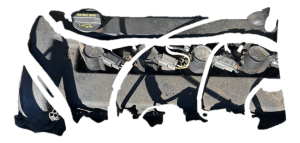
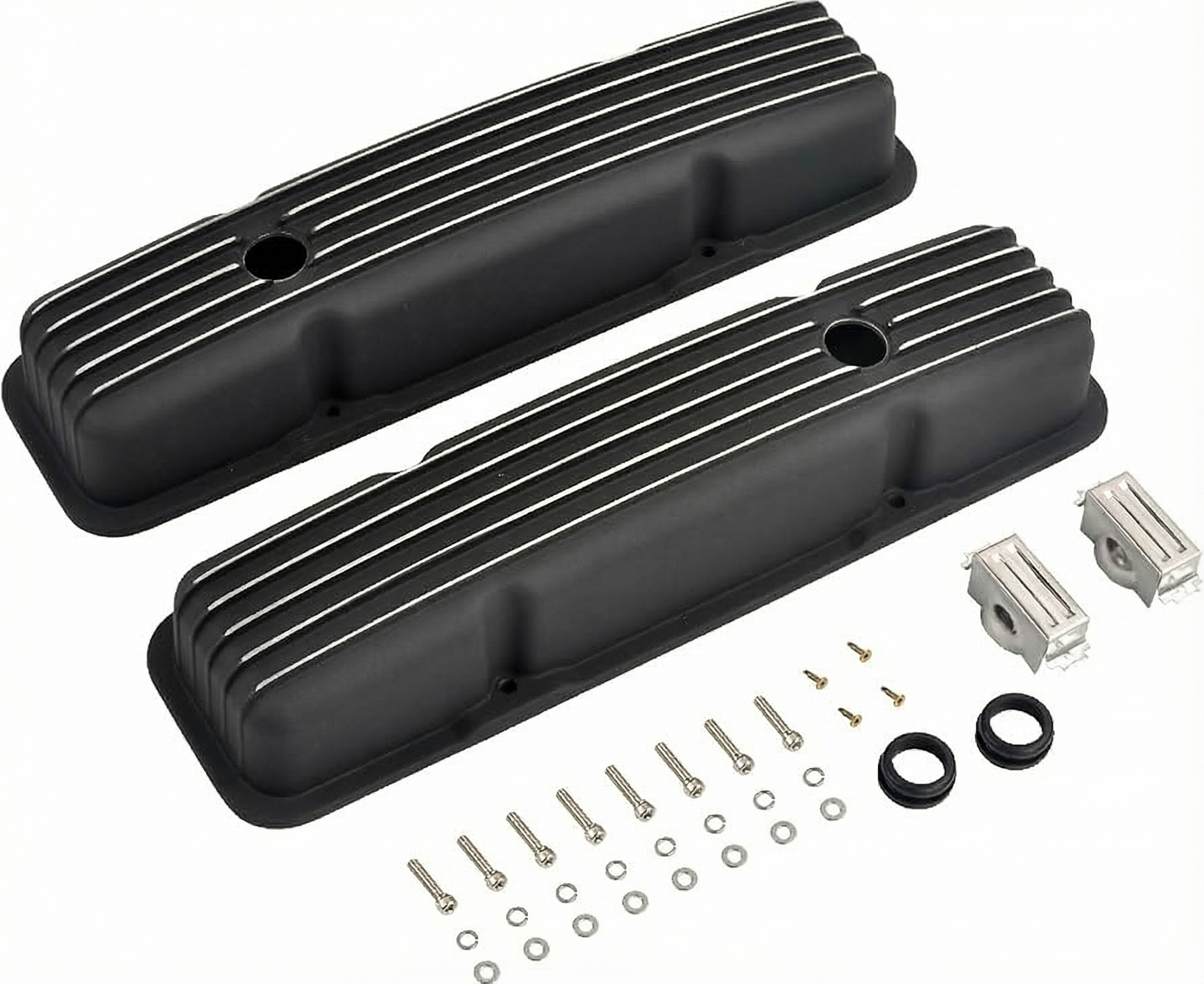
New Aftermarket Parts Available
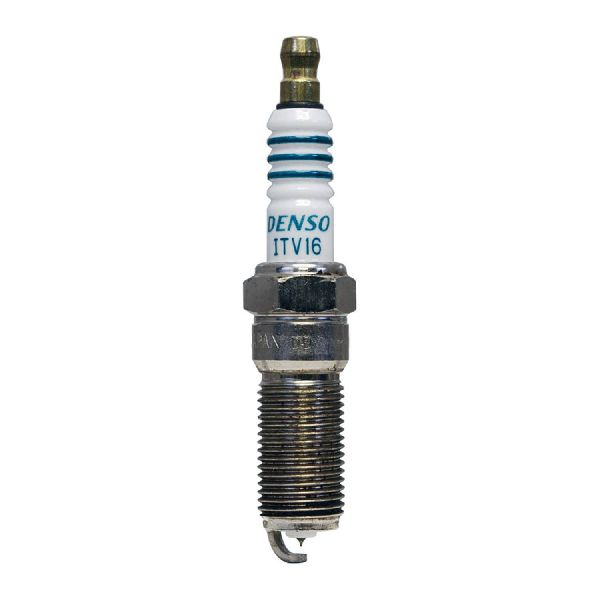
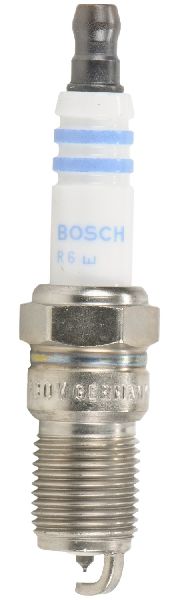

The information in this article is provided for general reference and educational purposes only. Vehicle specifications, procedures, and part compatibility can vary by production date, trim level, and region. Always consult your vehicle's factory service manual and verify part numbers before purchasing or performing repairs. Safety-critical components such as airbags, seat belts, and braking systems should be installed by a qualified professional.
- Ford Escape:
- 🧭 Diagnostic Flowchart
- 🎬 Helpful Videos
- 🛍️ Shop This Part
- What's Unique About the 2008-2012 Ford Escape
- Symptoms You May Notice
- Most Likely Causes
- Rare But Worth Checking
- Diagnosis Steps
- Parts You'll Likely Need
- Related Codes That Often Appear With This One
- Technical Service Bulletins (TSBs) & Recalls
- Platform-Specific Known Issues
- Mechanic-Grade Diagnostic Values
- Hidden / Shadow Codes Worth Checking
- Scan Tool Commands That Help
- Wiring & Ground Locations
- Real Owner Repair Stories
- "I Checked Everything" — The Actual Cause
- OEM Part Supersession History
- Other Known Issues on This Vehicle
- Used vs. New Parts: Buying Guide for This Vehicle
- Real Owner Stories
- 2008 Ford Escape 2.5L I4
- NHTSA Reported Incident
- NHTSA Reported Incident
- Documented NHTSA Reports
- Related OBD-II Codes
- Frequently Asked Questions
- 🎟️ Get 5% Off