

P0352 on 1996-2004 Ford Mustang 4.6L: Ignition Coil 'B' Circuit Fixes
The P0352 code on a 1996-2004 Ford Mustang 4.6L V8 almost always points to a bad ignition coil on cylinder #2. A single Motorcraft coil costs around $40-$60, and replacement is a simple DIY job taking less than 30 minutes.
- P0352 on your Mustang means there's an electrical problem with the ignition coil for cylinder #2.
- The most likely culprit is a failed ignition coil, which is an inexpensive and easy part to replace yourself.
- Before buying parts, swap the coil from cylinder #2 with another cylinder to confirm the coil is the problem.
- Always check the electrical connector for damage or a loose fit, as this is another common point of failure.
- Driving with this code can lead to poor performance and may damage your catalytic converter over time, especially if the Check Engine Light is flashing.
What's Unique About the 1996-2004 Ford Mustang
The 4.6L 2V Modular V8 in the SN95 and 'New Edge' Mustangs uses a coil-on-plug (COP) system, where each cylinder has its own dedicated ignition coil. This design makes diagnosis straightforward, as the problem is isolated to a single cylinder's ignition components. Owners frequently report that after many years and heat cycles, the ignition coils or their electrical connectors are the most common failure points for this code, often more so than the spark plugs themselves. This engine was known for its durability, often used in police and taxi fleets, but ignition components remain a regular maintenance item.
Generation note: This guide covers the later SN95 generation (1996-1998) and the 'New Edge' generation (1999-2004). The 4.6L 2V Modular V8 and its coil-on-plug ignition system are fundamentally the same across these years regarding this specific trouble code, so the causes and fixes are consistent.
Symptoms You May Notice
- Check Engine Light is on (may be solid or flashing)
- Engine misfire (feels like a stumble, shake, or judder).
- Rough or unstable idle.
- Hesitation or loss of power during acceleration.
- Reduced fuel economy.
- Engine may be hard to start
- Possible backfiring or smell of unburned fuel from the exhaust.
- Replacing the fuel injector on cylinder #2. While a bad injector can cause a misfire, it will typically set a different trouble code (e.g., P0202).
Most Likely Causes
- Faulty Ignition Coil on Cylinder #2 🔴 High Probability → Shop Ignition Coil After years of exposure to high engine temperatures, the internal windings of the coil can fail, or the housing can crack. The resistance values can drift out of spec, leading to a weak or non-existent spark.
How to confirm: The easiest method is to swap the ignition coil from cylinder #2 with another cylinder (e.g., cylinder #1). Clear the codes and drive the vehicle. If the code returns as P0351, the coil is confirmed to be bad. For a bench test, a multimeter can be used. A good Motorcraft coil should have a primary resistance of around 0.55 ohms and a secondary resistance of about 5,500 ohms.
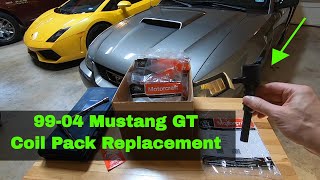
Typical fix: Replace the faulty ignition coil. It is held in place by a single 7mm or 8mm bolt. 🎬 See this easy DIY coil pack installation walkthrough
Est. part cost: $30-$70 - Damaged Electrical Connector or Wiring 🟡 Medium Probability The plastic locking tab on the coil connector can become brittle and break, leading to a loose connection that vibrates free. Wires can also become frayed or break internally right at the connector from heat and vibration.
How to confirm: Visually inspect the connector for cracks, corrosion, or pushed-out pins. Wiggle the connector with the engine running to see if it affects the misfire. Check for 12V power at the connector (typically a Red/Light Green wire) with the key on. The other wire (often Tan/White for cylinder #2) is the signal wire from the PCM.
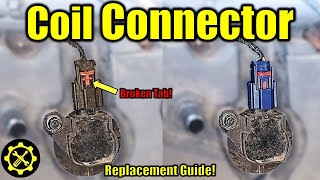
Typical fix: If the connector is damaged, it can be replaced with a new pigtail connector (e.g., Motorcraft WPT-118). Damaged wiring will need to be repaired, preferably by soldering and using heat-shrink tubing. 🎬 Watch: How to replace broken Ford coil connectors In a pinch, a zip-tie can be used to temporarily secure a connector with a broken tab.
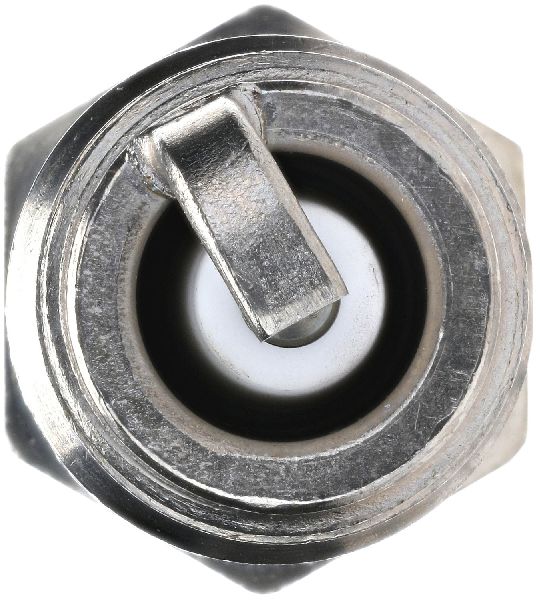
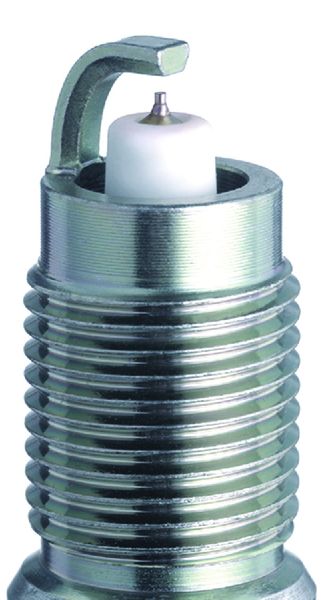
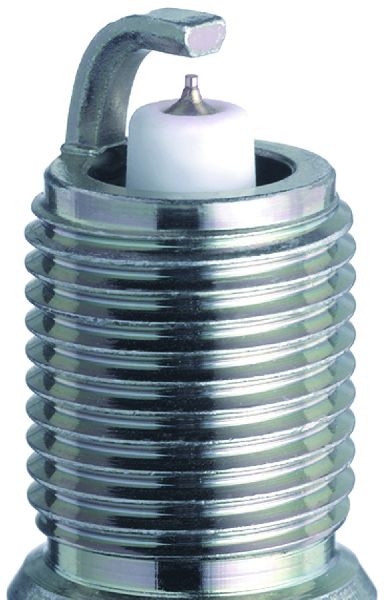
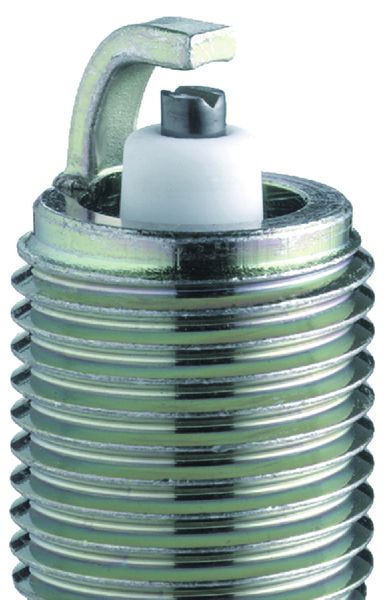
Est. part cost: $10-$25 - Worn or Fouled Spark Plug ⚪ Low Probability → Shop Spark Plug While a bad spark plug typically causes a misfire code (P0302), it is less likely to cause a P0352 circuit code. However, a severely worn, fouled, or shorted plug can increase the electrical load on the coil, potentially contributing to its failure or the PCM detecting a circuit anomaly.
How to confirm: Remove the spark plug from cylinder #2 and inspect its condition. Look for a worn electrode, heavy carbon fouling, oil contamination, or cracks in the ceramic insulator.
Typical fix: Replace the spark plug. It's often recommended to replace all 8 plugs at the same time for consistent performance.
Est. part cost: $5-$15 per plug
Rare But Worth Checking
- Faulty Powertrain Control Module (PCM): → Shop Engine Control Module (ECM) This is the least likely cause. The internal driver circuit for the #2 coil can fail, but all other possibilities should be exhausted before condemning the PCM. This would be suspected if P0352 returns immediately after confirming the coil and wiring are good.
- Water Intrusion in Spark Plug Well: → Shop Spark Plug On some 4.6L applications, particularly trucks, water can leak past the hood cowl and pool in the spark plug wells, shorting out the coil and plug. While less common on Mustangs, it's worth checking for any moisture when the coil is removed.
Diagnosis Steps
- Read the code with an OBD-II scanner to confirm P0352 is present.
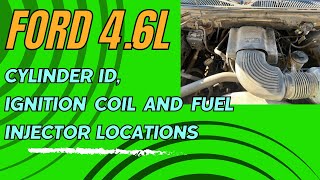
- Identify cylinder #2. On the Ford 4.6L V8, it is the second cylinder back from the front on the passenger side (Bank 1). 🎬 Watch: How to identify Ford 4.6L cylinders and coil locations
- Inspect the electrical connector and wiring going to the ignition coil on cylinder #2. Ensure it is securely plugged in and look for any signs of damage, like a broken locking tab or frayed wires.
- Swap the ignition coil from cylinder #2 with the coil from cylinder #1 (the front-most cylinder on the passenger side).
- Clear the trouble codes using the scanner.
- Start the engine and go for a test drive.
- Re-scan for codes. If P0351 ('Ignition Coil A Circuit Malfunction') appears, the ignition coil you moved is faulty and needs to be replaced.
- If P0352 returns, the problem is likely in the wiring or the PCM. Use a multimeter to check for 12-volt power at the coil connector's power wire with the key on, engine off.
- If power is present, check the signal wire for continuity back to the PCM. This may require a wiring diagram and more advanced diagnostics with a multimeter or a noid light to check for the trigger signal while cranking.
- When replacing the coil, inspect the spark plug well for oil or water contamination.
Parts You'll Likely Need
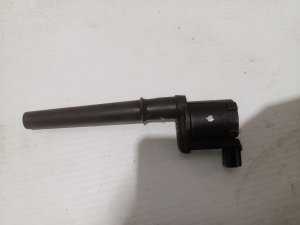
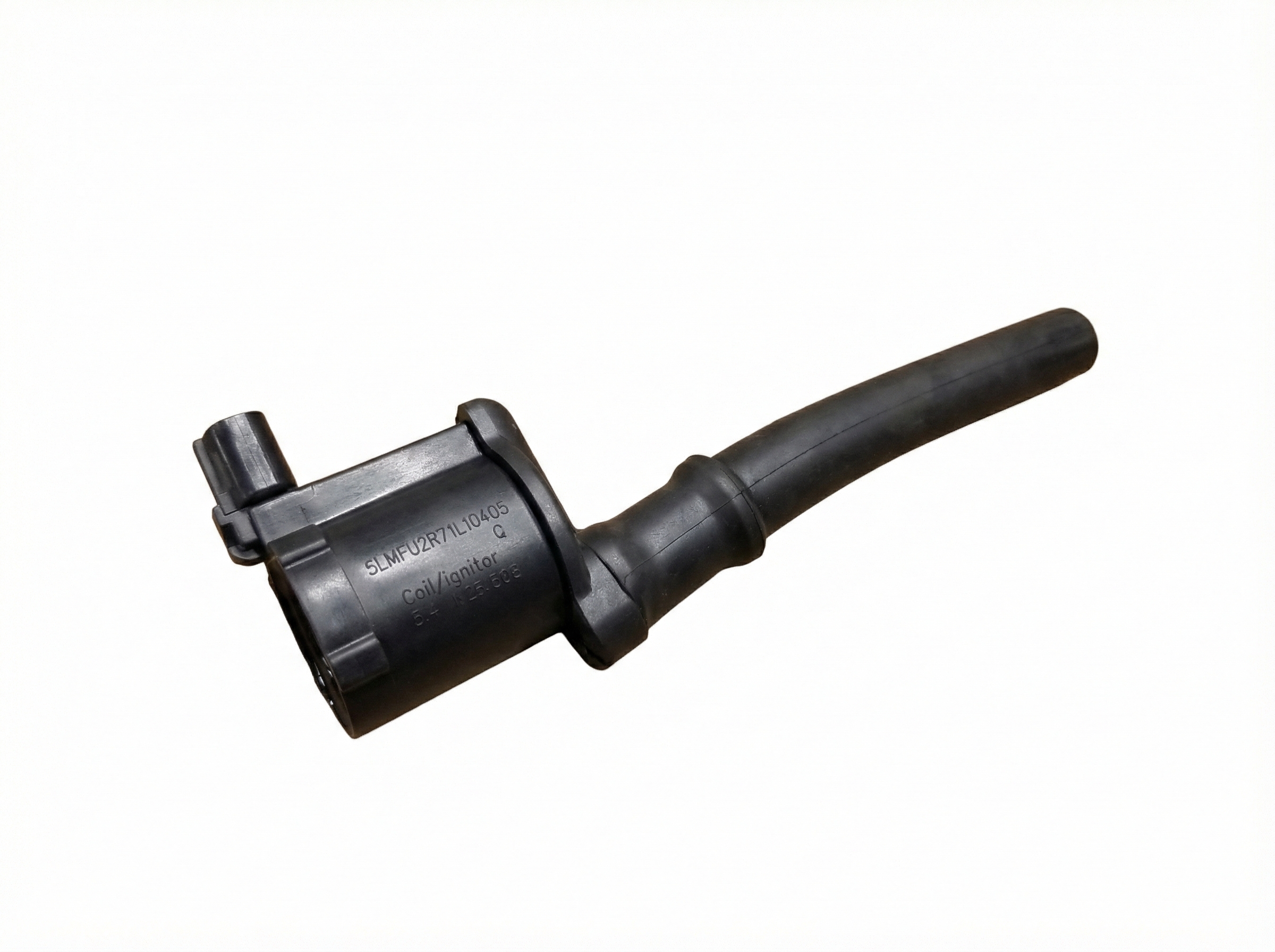
- Ignition Coil (Coil-on-Plug)
(OEM #DG508, 3W7Z-12029-AA)— This is the most frequent failure item for a P0352 code due to age and heat exposure.
Trusted brands: Motorcraft, MSD, Delphi, NGK
OEM price range: $40-$60
Aftermarket price range: $25-$50 - Spark Plug
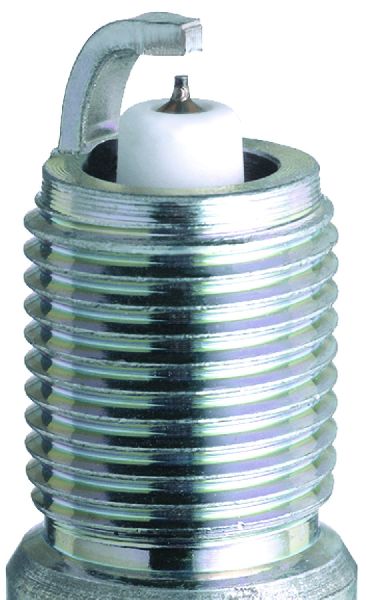
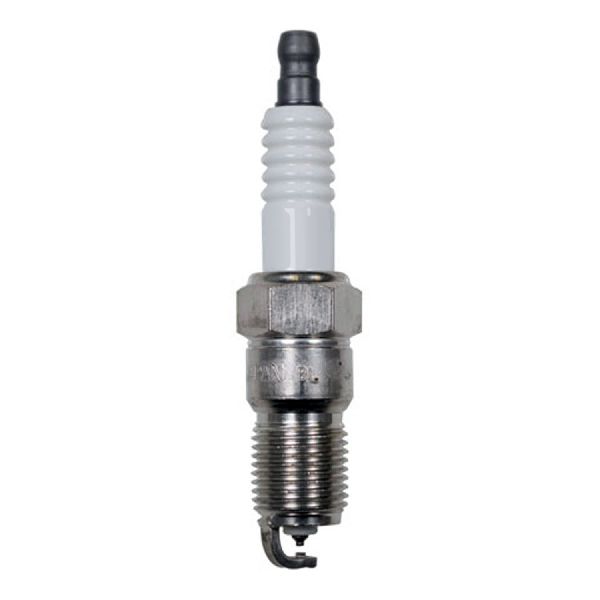
(OEM #SP-432, SP-493 (depending on year/thread design))— While less likely to be the direct cause of the circuit code, it's good practice to replace the spark plug when replacing a coil, especially if its age is unknown.
Trusted brands: Motorcraft, NGK, Autolite
OEM price range: $8-$12
Aftermarket price range: $4-$8 - Ignition Coil Connector Pigtail
(OEM #Motorcraft WPT-118, Dorman 645-209)— The plastic connector can become brittle and fail to lock securely, causing an intermittent connection that triggers the code.
Trusted brands: Motorcraft, Dorman
OEM price range: $20-$30
Aftermarket price range: $10-$20
Related Codes That Often Appear With This One
- P0302 — P0302 means 'Cylinder 2 Misfire Detected.' This code is a direct symptom of the P0352 fault, as the ignition coil circuit failure prevents the spark plug from firing properly.
Mechanic-Grade Diagnostic Values
- Ignition Coil Primary Resistance — expected: 0.3 to 1.0 ohms. Failure: A reading of infinity (open circuit) or near zero (short circuit).
- Ignition Coil Secondary Resistance — expected: 5,500 to 11,500 ohms (5.5kΩ to 11.5kΩ). Failure: A reading significantly outside this range or infinity (open circuit).
- Voltage at Coil Connector Power Wire (Key On, Engine Off) — expected: 12V (Battery Voltage). Failure: Voltage below 9V suggests a power supply problem.
- Mode 6, TID $53, CID $02 (on pre-CAN bus models) — expected: Low count. Failure: A high or rapidly increasing count indicates raw misfires on cylinder #2, even if a P0302 code is not yet present.
Scan Tool Commands That Help
- Ford IDS / FDRS: Power Balance Test — This is the definitive professional test. It measures the RPM drop from each cylinder to pinpoint which one is not contributing, confirming the misfire is on cylinder #2. This is especially useful to rule out rare PCM errors where the wrong cylinder is flagged.
- Advanced Scan Tool (e.g., FORScan): Pulse Coil Driver / Module Test — After confirming the coil and wiring are good, this command forces the PCM to send a trigger signal to the coil. If the coil doesn't fire (verified with a spark tester or timing light), it strongly suggests the PCM driver for that cylinder has failed.
Wiring & Ground Locations
- PCM Location — Inside the vehicle, in the passenger side footwell, behind the kick panel.. This is the source of the control signal for the ignition coil. A continuity test of the signal wire (Pink/White for cylinder #2 on some models) must be performed from the coil connector back to the correct pin on the 104-pin PCM connector.
- PCM Grounds (G201, G104) — G201 is located directly below the PCM. G104 is on the left (driver's side) front fender apron, sometimes behind the battery.. A poor PCM ground can cause a host of erratic issues, including incorrect readings from the ignition monitoring circuits, potentially triggering a false P0352.
- Main Engine Ground — Typically a strap from the back of the driver's side cylinder head to the firewall, or a cable from the engine block near the front corner to the chassis.. The entire ignition system relies on a solid engine-to-chassis ground. A loose or corroded main ground can cause weak spark and intermittent electrical issues across multiple systems.
- Cylinder #2 Coil Driver Wire — Runs from a specific pin on the PCM connector to pin 1 of the ignition coil connector. The wire color is often Pink/White. The other wire (pin 2) is the 12V+ power feed, common to all coils.. This is the specific wire the PCM uses to ground-switch the coil to fire it. A short to ground on this wire will cause the coil to overheat and fail repeatedly. An open circuit will prevent it from firing at all.
Real Owner Repair Stories
- MustangForums.com user (2002 Mustang GT 4.6L) — P0352 code, engine misfire, repeatedly burning out new ignition coils on cylinder #2.
❌ Tried (didn't work) Replacing the ignition coil (multiple times), Replacing the spark plug
✅ What actually fixed it The coil driver wire (ground signal from PCM) was shorted to ground somewhere in the wiring harness. This caused the coil to be constantly 'on,' leading it to overheat and fail. The user identified the short by checking for continuity between the driver wire and chassis ground. Repairing the shorted wire resolved the issue permanently.
OEM Part Supersession History
3W7Z-12029-AA→DG-508 (Service Part Number)— DG-508 is the standard Motorcraft service part number for the coil assembly that corresponds to the Ford engineering number 3W7Z-12029-AA.
Heads up: Ensure you are using a coil for a 2V engine (like DG508). Coils for 3V engines (like DG521) may look similar but are electrically different and will not work correctly.
Model Year Variations Within This Range
- 1996-Early 2003: These engines used cylinder heads with only four threads for the spark plugs. This design is susceptible to 'spark plug blowout' if plugs are not torqued correctly. Extreme care must be taken during spark plug replacement.
- Mid-2003-2004: Ford revised the cylinder heads to include approximately eight threads for the spark plugs, significantly reducing the risk of spark plug ejection.
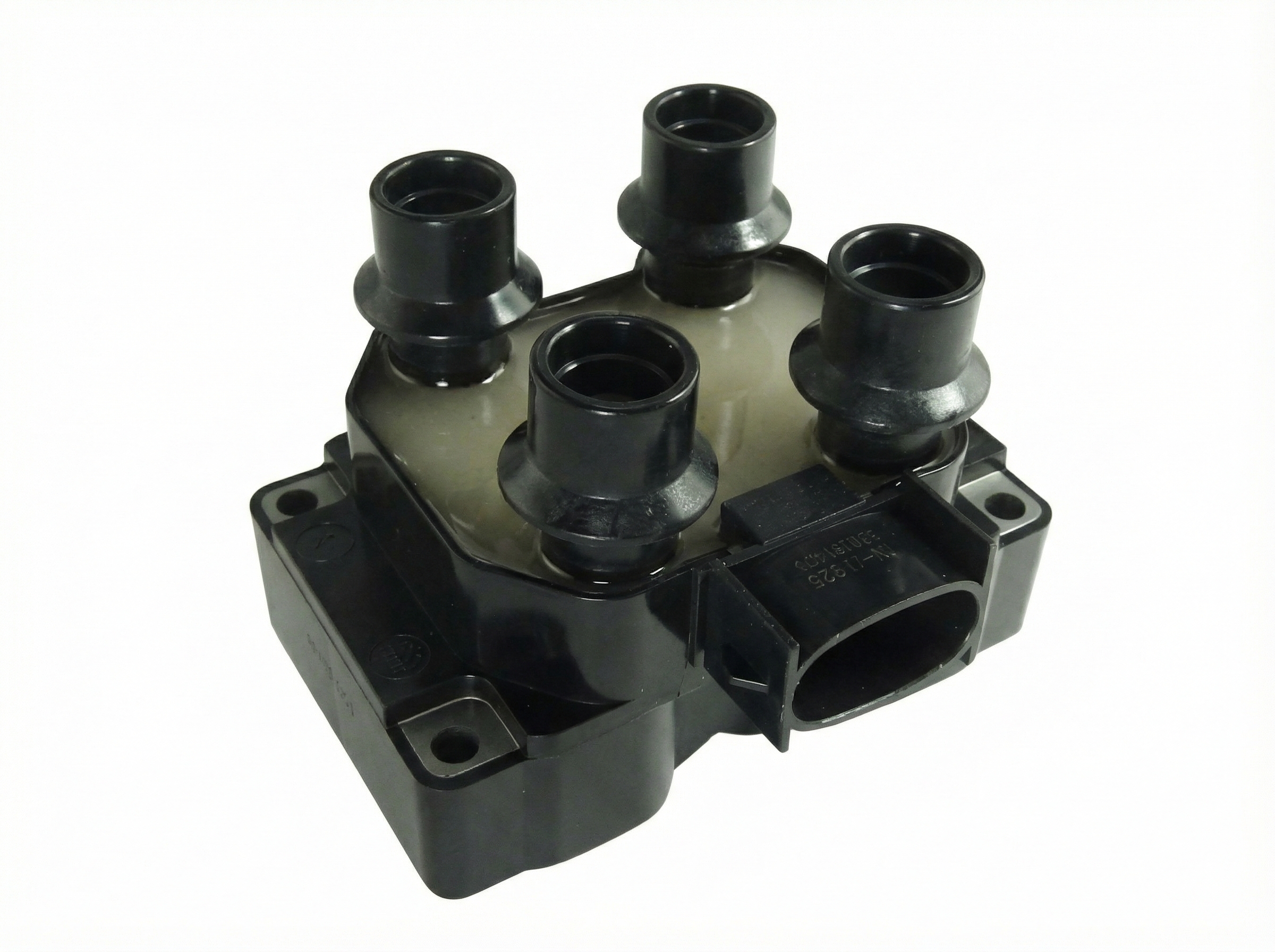
- 1996-1998: These earlier SN95 models used a waste-spark system with two coil packs and spark plug wires, not a Coil-on-Plug (COP) system. A P0352 on these models points to the coil pack circuit that fires cylinder #2 and its paired cylinder. Diagnosis differs as you would test the coil pack and the spark plug wire.
Diagnostic Flowchart
Other Known Issues on This Vehicle
Issues unrelated to this code that are worth knowing about as an owner of this generation:
- Cracked Plastic Intake Manifold 🔴 High → Shop Engine Intake Manifold — Very common on 1996-2001 models with the all-plastic manifold. The front coolant crossover cracks, causing a sudden and severe coolant leak. (Ref: Ford issued TSB 02-2-2 for other models, recommending replacement with a revised manifold featuring a cast aluminum crossover.)
- Spark Plug Ejection 🔴 High → Shop Spark Plug — Affects 4.6L 2V heads (roughly pre-2003) which had fewer threads in the spark plug holes. Improper torque during plug changes can lead to a spark plug being violently ejected from the cylinder head, requiring a thread insert for repair. (Ref: TSB 07-21-2014 was later issued, providing an official procedure for repairing stripped threads.)
- Worn Timing Chain Guides and Tensioners 🔴 High — Common at higher mileage (100k+ miles). The original plastic timing chain guides and tensioner arms wear down or break, causing a rattling or slapping noise, especially on startup. If ignored, it can lead to the timing chain jumping, causing catastrophic engine damage.
- Leaking Heater Core 🟠 Medium — A known weak point across many Mustang generations. The heater core can develop leaks, causing coolant to pool on the passenger side floor and a sweet smell inside the cabin. The repair is very labor-intensive as it requires the complete removal of the dashboard.
Used vs. New Parts: Buying Guide for This Vehicle
When a used part is the smart pick: A used ignition coil connector pigtail from a junkyard is a viable option if the plastic is not brittle and the locking tab is intact. It is generally not recommended to buy used ignition coils as they are a common wear item with no reliable way to determine their remaining lifespan.
Donor-vehicle mileage cap: roughly under 60000 miles for the part to have meaningful remaining life.
What to inspect on the donor part:
- For a connector pigtail, check for a flexible and intact locking tab.
- Ensure the plastic isn't chalky, white, or cracked from heat exposure.
- Inspect the wire insulation for any cracks or exposed copper right at the back of the connector.
OEM-only on this vehicle (don't cheap out):
- Powertrain Control Module (PCM) - While the original part is OEM, if replacement is needed, a reputable remanufacturing service that programs the unit to your vehicle's VIN is critical. A used PCM from another car will not work due to anti-theft (PATS) programming.
Aftermarket brands forum-validated for this vehicle:
- Motorcraft (OEM)
- Denso
- NGK
- MSD (Performance)
- Delphi
Brands owners have reported issues with on this vehicle:
- Unnamed, no-brand ignition coils from online marketplaces are frequently cited on forums as having high failure rates, sometimes within weeks or months of installation.
Real Owner Stories
Aggregated from forums and TSBs cited above. Mileages and costs reflect what owners reported in those sources.
1999 Ford Mustang 4.6L V8
Symptoms: The owner reported a P0352 code and found the root cause was a worn locking tab on the electrical connector.
What fixed it: Securing the electrical connector with a zip-tie resolved the issue.
Source hint: 2CarPros.com - 1999 Ford Mustang P0352
Ford F-150 4.6L V8
Symptoms: P0352 code; the owner performed a wiggle test and found a hidden break in the wiring.
What fixed it: Repairing a Pink/White wire that was broken inside the insulation right at the coil pack connector.
Source hint: F150online.com - P0352 on 4.6L
Ford Mustang 4.6L V8
Symptoms: Engine misfire and P0352 code.
What fixed it: Swapping the coil from cylinder #2 to cylinder #1 to see if the code followed (changing to P0351), confirming a bad coil.
Source hint: StangNet.com
Related OBD-II Codes
Frequently Asked Questions
Where is cylinder #2 located on my 4.6L V8 Mustang?
What are the specific resistance specs for a Motorcraft ignition coil on this engine?
My coil connector locking tab is broken; do I have to replace the whole harness?
Is there a TSB for the intake manifold leaks common on the 1996-2001 Mustang 4.6L?
What should I check for if I have a P0352 but the coil itself tests fine?
Is there an official procedure for the spark plug ejection issue on pre-2003 4.6L heads?
Helpful Videos
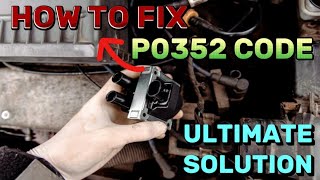
Used OEM Parts in Stock
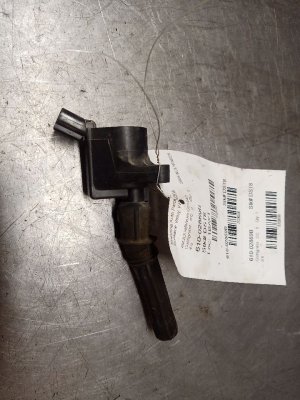
New Aftermarket Parts Available

The information in this article is provided for general reference and educational purposes only. Vehicle specifications, procedures, and part compatibility can vary by production date, trim level, and region. Always consult your vehicle's factory service manual and verify part numbers before purchasing or performing repairs. Safety-critical components such as airbags, seat belts, and braking systems should be installed by a qualified professional.
- Ford Mustang:
- 🧭 Diagnostic Flowchart
- 🎬 Helpful Videos
- 🛍️ Shop This Part
- What's Unique About the 1996-2004 Ford Mustang
- Symptoms You May Notice
- Most Likely Causes
- Rare But Worth Checking
- Diagnosis Steps
- Parts You'll Likely Need
- Related Codes That Often Appear With This One
- Mechanic-Grade Diagnostic Values
- Scan Tool Commands That Help
- Wiring & Ground Locations
- Real Owner Repair Stories
- OEM Part Supersession History
- Model Year Variations Within This Range
- Other Known Issues on This Vehicle
- Used vs. New Parts: Buying Guide for This Vehicle
- Real Owner Stories
- 1999 Ford Mustang 4.6L V8
- Ford F-150 4.6L V8
- Ford Mustang 4.6L V8
- Related OBD-II Codes
- Frequently Asked Questions
- 🎟️ Get 5% Off