

P0352 on 2019-2024 Genesis G70 3.3T: Ignition Coil 'B' Circuit Malfunction Causes and Fixes
P0352 on a Genesis G70 3.3T indicates a problem with the ignition coil for cylinder #2. This is almost always a failed ignition coil, a simple and inexpensive part to replace. Because cylinder #2 is on the easily accessible front engine bank (driver's side), this is a straightforward DIY repair that takes less than an hour.
- P0352 on the G70 3.3T points to a fault with the ignition coil on cylinder #2.
- Cylinder #2 is on the easily accessible driver's side of the engine, making this a simple and low-cost repair.
- The most likely cause is a bad ignition coil, which can be easily diagnosed by swapping it with a neighboring coil on the same bank.
- If the vehicle is near or over 42,000 miles, the spark plugs are due for replacement and could be the cause.
- If the check engine light is flashing, stop driving immediately to prevent catalytic converter damage.
What's Unique About the 2019-2024 Genesis G70
On the Genesis G70's 3.3L twin-turbo V6, the location of the cylinder is the most important factor for any ignition-related code. The engine has two banks of cylinders: a front bank (cylinders 2, 4, 6) that is easy to access on the driver's side, and a rear bank (cylinders 1, 3, 5) that is buried under the intake manifold on the passenger's side. A P0352 code is good news for the owner, as cylinder #2 is located on the easily accessible front bank, making diagnosis and repair significantly easier and cheaper than for any misfire on the rear bank. It's important to note that the ignition coils for the front and rear banks have different part numbers and are not interchangeable.
Symptoms You May Notice
- Check Engine Light is on (may be flashing)
- Rough or shaky idle
- Engine hesitation or stumbling during acceleration
- Noticeable loss of engine power
- Reduced fuel economy
- Slight smell of gasoline from the exhaust
- Replacing the spark plug without first testing the ignition coil. The coil is the more likely failure point and is easier to test via the coil swap method.
- Replacing the wrong ignition coil. The front and rear banks use different, non-interchangeable coils. For P0352 (Cylinder #2), the correct part is for the front bank.
Most Likely Causes
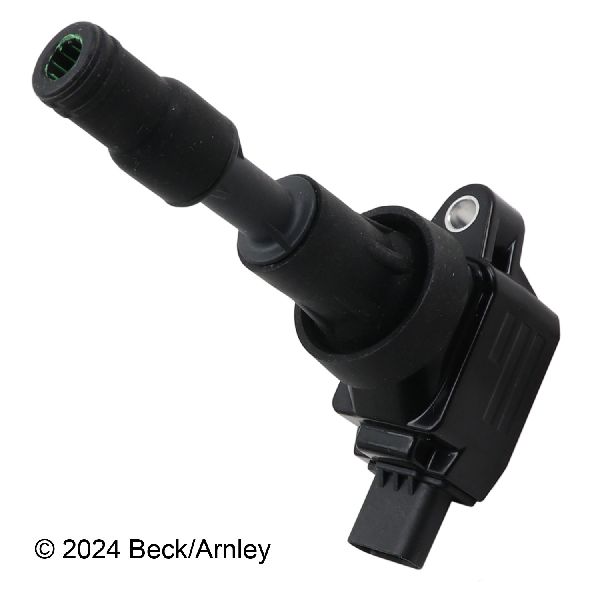
- Faulty Ignition Coil 🔴 High Probability → Shop Ignition Coil Ignition coils on modern turbocharged, direct-injection engines like the 3.3T are subjected to high heat and electrical stress, making them a common failure item. This is the most frequent cause for a single-cylinder misfire code on this platform.
How to confirm: The easiest way to confirm a bad coil is to swap the ignition coil from cylinder #2 with another coil on the same bank (e.g., cylinder #4). Clear the codes and drive the car. If the code changes to P0354, the coil is confirmed to be faulty. This is a definitive, no-cost diagnostic step.
Typical fix: Replace the faulty ignition coil. Since cylinder #2 is on the accessible front bank, you only need to replace the single failed coil. The OEM part number for the front bank is 27310-3L030. 🎬 Watch: How to replace a 3.3L ignition coil
Est. part cost: $50-$100 - Worn or Fouled Spark Plug 🟡 Medium Probability → Shop Spark Plug The manufacturer's recommended service interval for spark plugs is 42,000-45,000 miles. Misfires are common if this maintenance is neglected, as worn plugs put extra stress on the ignition coils. A failing coil can also quickly foul a spark plug, causing it to fail as well.
How to confirm: After confirming the coil is good, remove the spark plug from cylinder #2. Inspect for a worn electrode, heavy carbon deposits, oil fouling, or a cracked porcelain insulator. Compare it to a new plug.
Typical fix: Replace the spark plug in cylinder #2. It is best practice to replace all six spark plugs at the same time if they are near or past their service life. The OEM part number is 18852-09070. 🎬 See this DIY spark plug replacement walkthrough
Est. part cost: $20-$30 per plug - Damaged Wiring or Loose Connector ⚪ Low Probability
How to confirm: Visually inspect the wiring harness and connector going to the cylinder #2 ignition coil. Look for any signs of cracking, melting, or corrosion on the pins. Ensure the connector clicks securely into place. Wiggle the connector with the engine running to see if it induces a misfire.
Typical fix: Repair the damaged section of wiring or clean the connector terminals. If the connector itself is broken, it may need to be replaced.
Est. part cost: $5-$50
Rare But Worth Checking
- Powertrain Control Module (PCM) Fault: → Shop Engine Control Module (ECM) This is extremely rare. Before condemning the PCM, all other possibilities (coil, plug, wiring) must be exhaustively ruled out by a professional.
- Failed Fuel Injector: While less common for a P035x code, a faulty fuel injector can cause a misfire (P0302) that could potentially be misdiagnosed. A Reddit user reported that a Genesis technician stated bad fuel injectors are a common cause of misfires on these cars. However, a failing injector would more typically set an injector-specific code like P0202.
Diagnosis Steps
- Connect an OBD-II scanner and confirm that P0352 is the active code. Check for other codes like P0302.
- Locate cylinder #2. On the 3.3L V6, this is the front-most cylinder on the driver's side of the engine.
- Visually inspect the ignition coil's electrical connector and wiring for any obvious damage.
- Disconnect the electrical connector from the cylinder #2 ignition coil. Remove the 10mm bolt holding the coil in place and pull the coil straight out.
- Swap the cylinder #2 ignition coil with the coil from cylinder #4 (the middle cylinder on the same driver's side bank). Do NOT swap with a coil from the rear bank as they are different parts.
- Clear the trouble codes with the OBD-II scanner.
- Start the engine and drive the vehicle until the check engine light comes back on.
- Re-scan for codes. If the code has changed to P0354 (for cylinder #4), the ignition coil you moved is faulty and needs to be replaced.
- If the code remains P0352, the coil is likely good. The next step is to inspect and replace the spark plug in cylinder #2.
- If the coil and spark plug are both good, carefully inspect the wiring and connector for the cylinder #2 coil for any damage. Check for a secure connection and pin integrity.
Parts You'll Likely Need
- Ignition Coil (Front Bank)
(OEM #27310-3L030)— This is the most common cause of a P0352 code on the G70 3.3T. Note: This part is for the front bank (Cylinders 2, 4, 6) only and is not interchangeable with the rear bank coil (27310-3L000).
Trusted brands: Hyundai/Genesis OE, NGK, Delphi, Goss
OEM price range: $80-$120
Aftermarket price range: $50-$90 - Spark Plug
(OEM #18852-09070)— A worn spark plug is the second most likely cause, especially if the vehicle has over 42,000 miles.
Trusted brands: NGK (OEM supplier), Denso
OEM price range: $25-$35
Aftermarket price range: $15-$25
Related Codes That Often Appear With This One
- P0302 — P0302 means 'Cylinder 2 Misfire Detected.' P0352 is the specific electrical fault code for the coil circuit, which is the root cause of the misfire. It is very common to see both codes together.
- P0300 — P0300 means 'Random/Multiple Cylinder Misfire.' If the coil issue is intermittent, it might initially be logged as a random misfire before the PCM isolates the fault to cylinder #2.
Platform-Specific Known Issues
- High-Performance Aftermarket Coils: For owners of tuned vehicles or those seeking higher performance, aftermarket ignition coils are available from brands like Worms Racing, which claim to provide over 10% more spark energy. These are typically not necessary for a stock vehicle.
Mechanic-Grade Diagnostic Values
- Ignition Coil Primary Resistance — expected: 0.3 - 1.5 Ohms. Failure: A reading of infinity (open circuit) or a value outside the specified range indicates a faulty primary coil winding.
- Ignition Coil Secondary Resistance — expected: 5,000 - 15,000 Ohms (5kΩ - 15kΩ). Failure: A reading significantly outside this range points to a failure in the secondary windings of the coil.
Scan Tool Commands That Help
- Hyundai GDS (Global Diagnostic System): Actuation Test / Input/Output Monitoring — To command components to operate and monitor their response in real-time. While there isn't a specific 'coil test,' a technician can monitor the misfire counter for cylinder #2 while wiggling wires or making other changes to see the immediate effect. 🎬 Watch: Diagnosing a Genesis G70 misfire with an oscilloscope
- Hyundai GDS (Global Diagnostic System): Resetting Adaptive Values — After replacing a component like an ignition coil or spark plugs, resetting the engine's learned adaptive values can help the ECU adjust to the new part more quickly and resolve rough idle or hesitation issues.
Wiring & Ground Locations
- Main Engine Harness Ground — Typically located on the left (driver's side) fender of the engine compartment or bolted directly to the engine block.. A loose or corroded main engine ground can cause a variety of electrical issues, including erratic sensor readings and weak spark. This can lead to intermittent misfires and codes like P0352 that are difficult to trace to a specific component.
- Ignition Coil Connector — Directly on top of the ignition coil for cylinder #2.. This is a 4-pin connector. The terminals can become corroded or the plastic locking tab can break, leading to a poor connection that directly causes the P0352 circuit malfunction code.
Real Owner Repair Stories
- Reddit r/GenesisG70 user BoonieCoonie (2021 CPO Genesis G70 3.3T) — Popping noise like an exhaust leak or backfire, multiple misfire codes with cylinder 2 being the main culprit.
❌ Tried (didn't work) Initial dealership diagnosis was inconclusive.
✅ What actually fixed it The dealership discovered that the previous owner had installed aftermarket spark plugs. Replacing them with OEM spark plugs resolved the misfire on cylinder 2.
Diagnostic Flowchart
Other Known Issues on This Vehicle
Issues unrelated to this code that are worth knowing about as an owner of this generation:
- Prematurely Peeling/Chipping Paint 🟡 Low — Common complaint on forums, especially for early model years (2019-2022) and specific colors like white. Often seen on fenders and bumpers.
- Brake Judder / Squeal 🟠 Medium — Widespread reports of brake pedal pulsation or squealing noises, often attributed to uneven brake pad deposits on rotors. A service campaign (T06G) was issued for 2019 models to address brake pulsation by burnishing or replacing front rotors. (Ref: Service Campaign T06G)
- Electronic Wastegate Actuator (EWGA) Rattle/Failure 🟠 Medium — A known issue on the 3.3T engine shared with the Kia Stinger. A distinct squeak or rattle may be heard from the engine bay upon shutdown, indicating a failing actuator. This can lead to turbo underboost (P0299) or overboost (P0234) codes. (Ref: TSB ENG223 (on some related models))
- Cracked Left Turbocharger Oil Feed Pipe 🔴 High — A recall was issued for this problem. The oil feed pipe for the Bank 2 (driver's side) turbo can crack due to heat, causing an oil leak and increasing the risk of an engine fire. (Ref: NHTSA Recall 24V-191 (Genesis Campaign 019G))
- Interior Rattles (Sunroof/Headliner) 🟡 Low — Many owners report rattling or creaking noises from the sunroof assembly or headliner area, particularly in warmer weather. A TSB was reportedly released in late 2025 to address the sunroof rattle. (Ref: TSB exists for sunroof rattle)
- Intake Valve Carbon Buildup 🟠 Medium — As a Gasoline Direct Injection (GDI) engine, the 3.3T is susceptible to carbon buildup on the intake valves over time (typically 60k+ miles), which can lead to reduced performance and misfires.
Used vs. New Parts: Buying Guide for This Vehicle
When a used part is the smart pick: For an ignition coil, a used OEM part from a reputable salvage yard with a low-mileage donor vehicle is a very reasonable and cost-effective option. Since the part is easily accessible, the labor risk of a premature failure is low.
Donor-vehicle mileage cap: roughly under 50000 miles for the part to have meaningful remaining life.
What to inspect on the donor part:
- Inspect the plastic housing for any cracks or signs of heat damage.
- Check the electrical connector pins for any green or white corrosion.
- Ensure the rubber boot that seals against the spark plug is not torn, oily, or swollen.
OEM-only on this vehicle (don't cheap out):
- Spark Plugs: While quality aftermarket plugs exist, the safest and most reliable option to prevent difficult-to-diagnose misfires is to use the OEM NGK plugs specified by Genesis.
Aftermarket brands forum-validated for this vehicle:
- Ignition Coils: Delphi, NGK.
- Spark Plugs: NGK (OEM supplier), Denso.
Brands owners have reported issues with on this vehicle:
- Unbranded 'white-box' or no-name ignition coils and spark plugs from online marketplaces should be avoided, as their quality and durability are often questionable and can lead to recurring misfires.
Real Owner Stories
Aggregated from forums and TSBs cited above. Mileages and costs reflect what owners reported in those sources.
2019-2024 Genesis G70 3.3L V6 — 30000 miles
Symptoms: Cylinder 2 misfire.
What fixed it: Likely a bad coil or plug; a dealer technician also noted that bad fuel injectors are a common cause of misfires on these cars.
Source hint: Reddit r/GenesisG70 - "HELP! Cylinder 2 misfire"
Related OBD-II Codes
Frequently Asked Questions
Is the cylinder #2 misfire covered under warranty for a second owner of a 2019-2024 G70?
Which cylinder is associated with the P0352 code on the 3.3L V6 engine?
Can I swap coils between the front and rear banks to diagnose P0352?
What is the correct OEM part number for the ignition coil on the front bank of my G70 3.3T?
Does the recall for the turbocharger oil feed pipe (24V-191) cause P0352?
How often should I change the spark plugs on my 3.3L G70 to prevent misfire codes?
Helpful Videos
Used OEM Parts in Stock
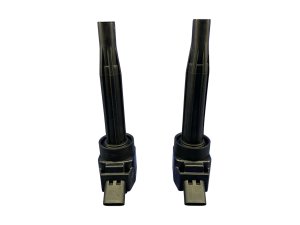
New Aftermarket Parts Available

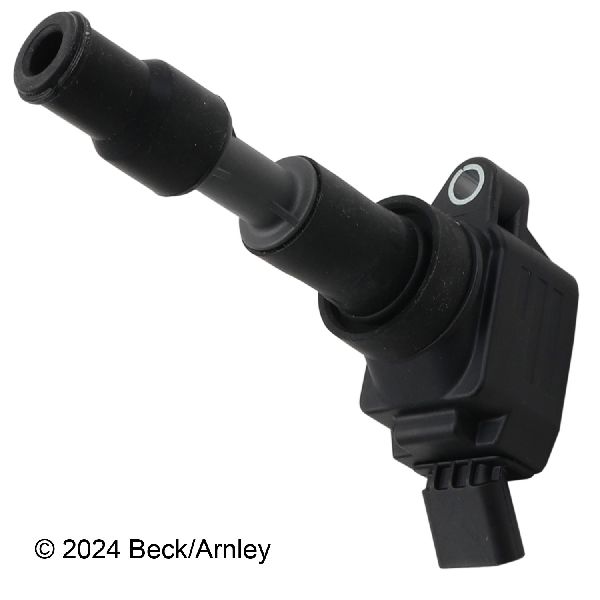
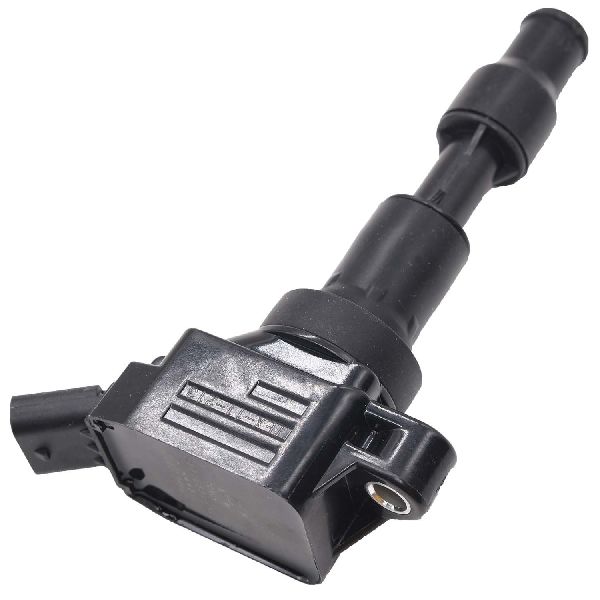

The information in this article is provided for general reference and educational purposes only. Vehicle specifications, procedures, and part compatibility can vary by production date, trim level, and region. Always consult your vehicle's factory service manual and verify part numbers before purchasing or performing repairs. Safety-critical components such as airbags, seat belts, and braking systems should be installed by a qualified professional.
- Genesis G70:
- 🧭 Diagnostic Flowchart
- 🎬 Helpful Videos
- 🛍️ Shop This Part
- What's Unique About the 2019-2024 Genesis G70
- Symptoms You May Notice
- Most Likely Causes
- Rare But Worth Checking
- Diagnosis Steps
- Parts You'll Likely Need
- Related Codes That Often Appear With This One
- Platform-Specific Known Issues
- Mechanic-Grade Diagnostic Values
- Scan Tool Commands That Help
- Wiring & Ground Locations
- Real Owner Repair Stories
- Other Known Issues on This Vehicle
- Used vs. New Parts: Buying Guide for This Vehicle
- Real Owner Stories
- 2019-2024 Genesis G70 3.3L V6 — 30000 miles
- Related OBD-II Codes
- Frequently Asked Questions
- 🎟️ Get 5% Off